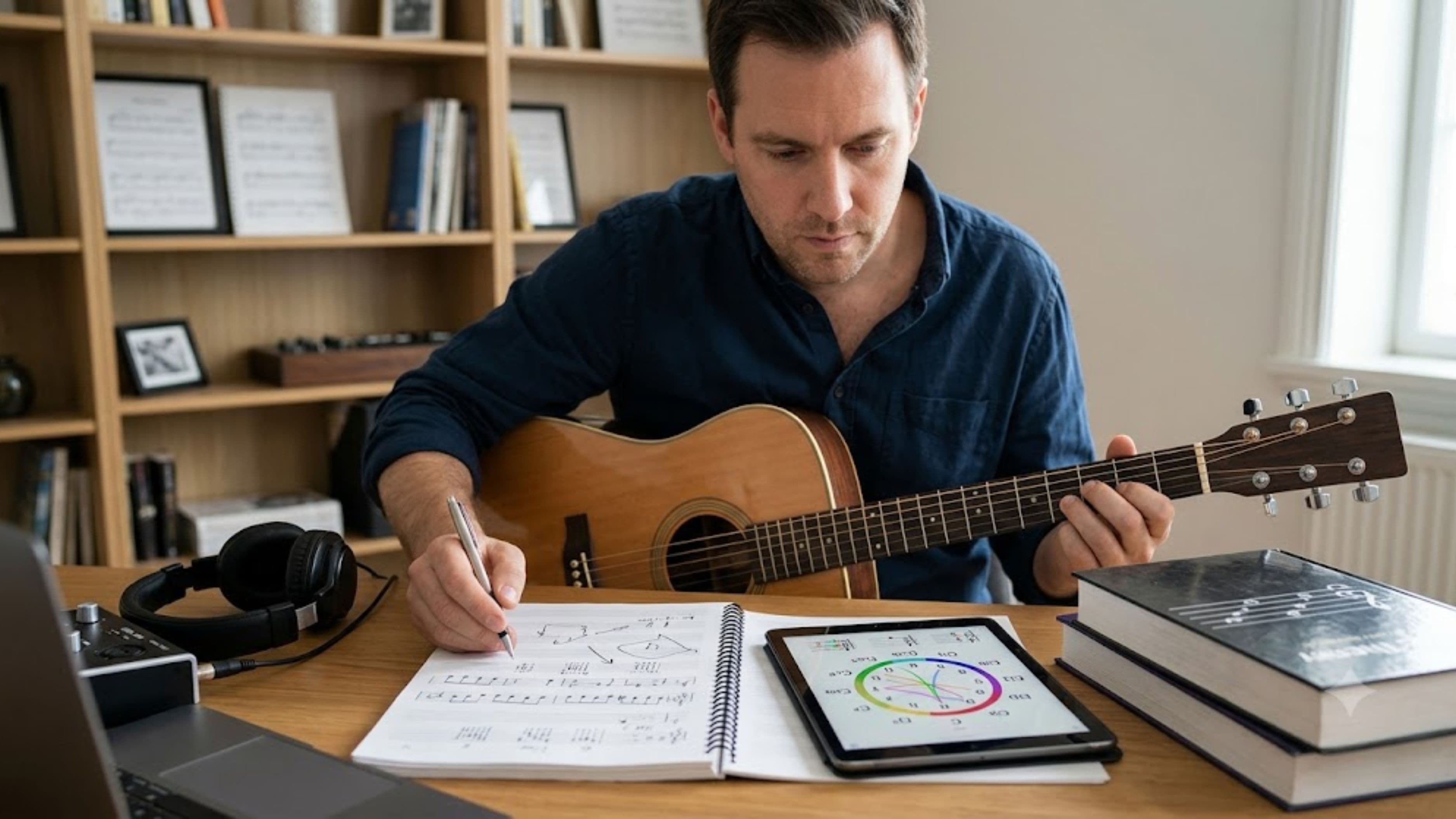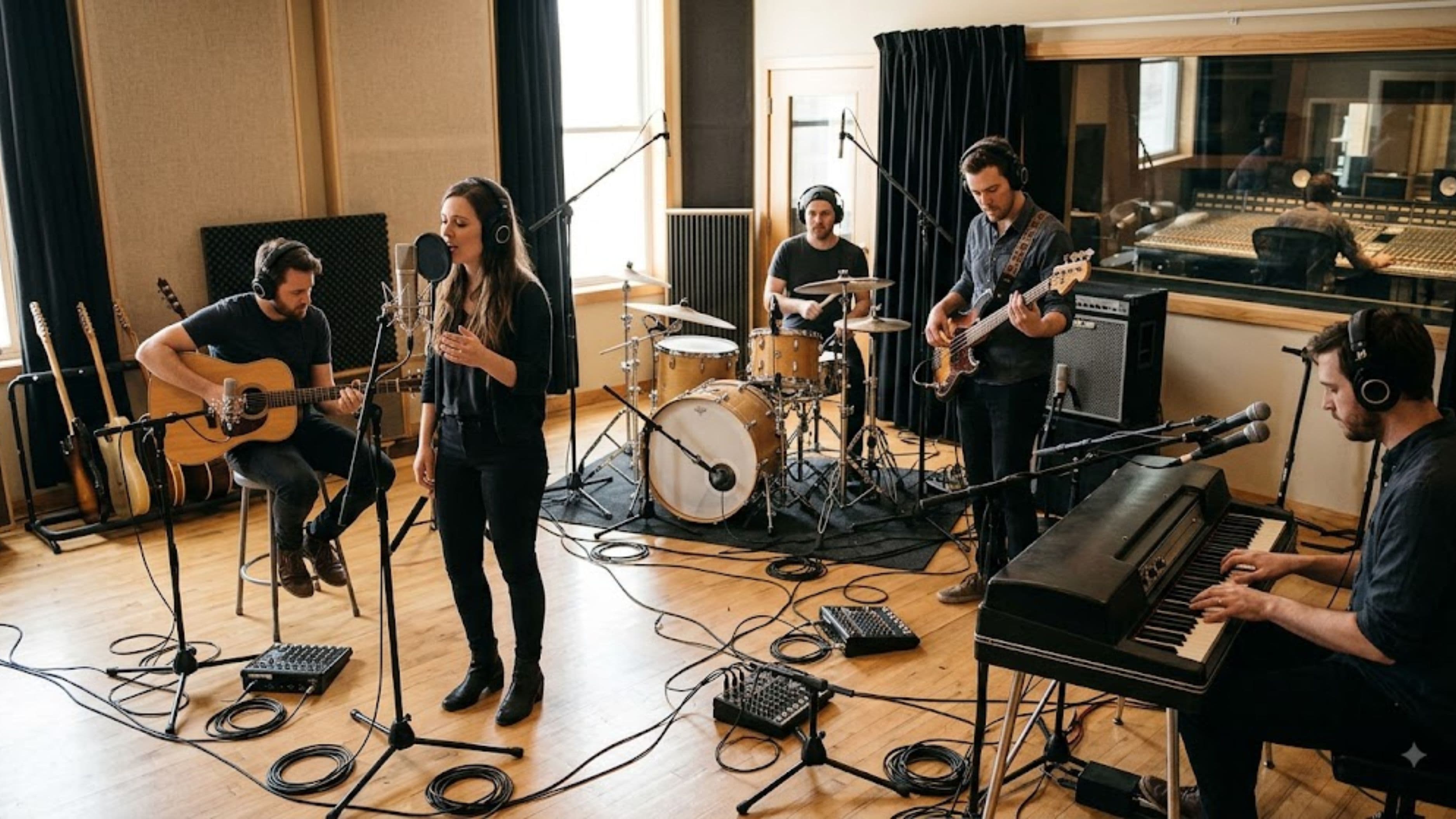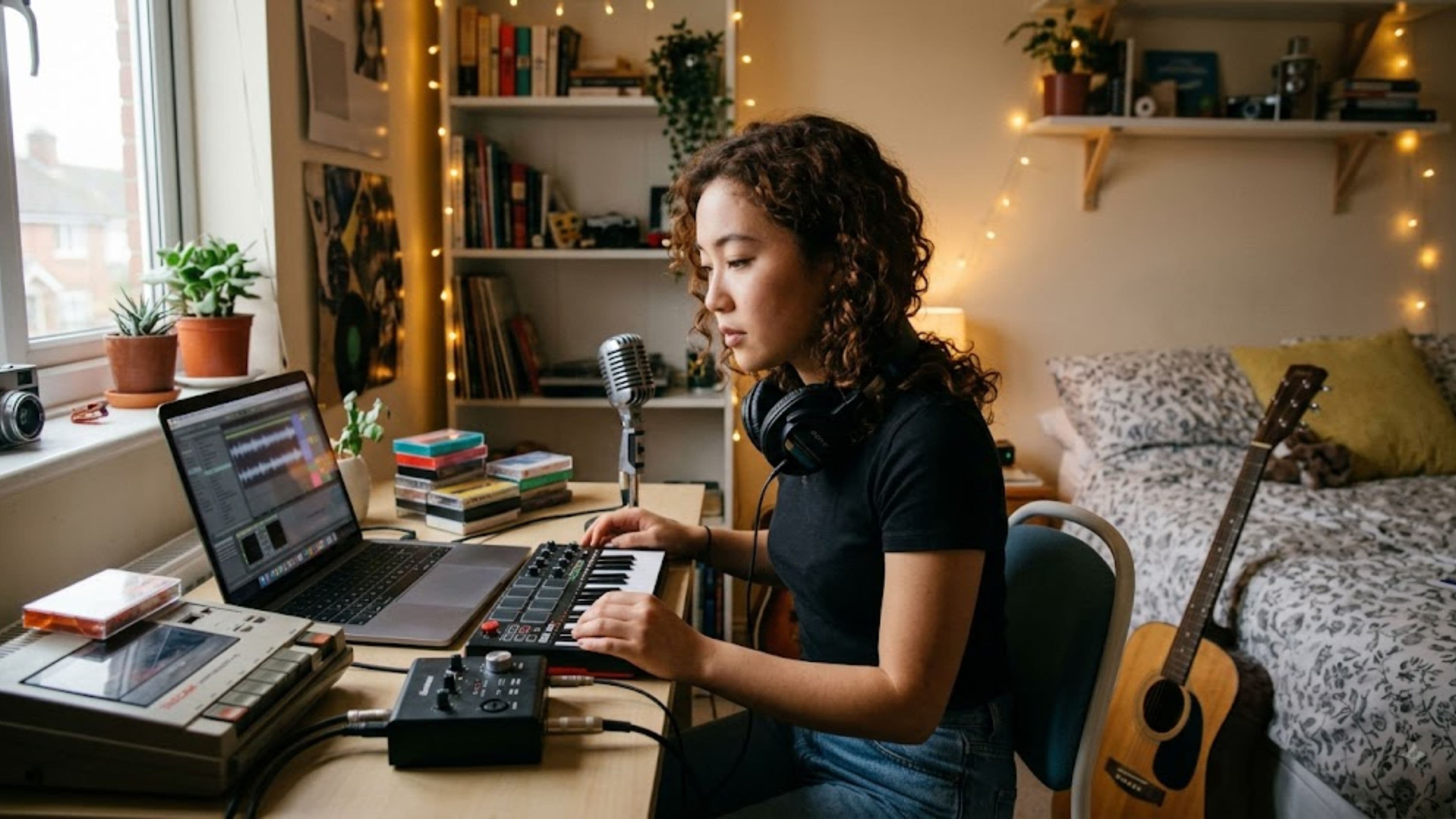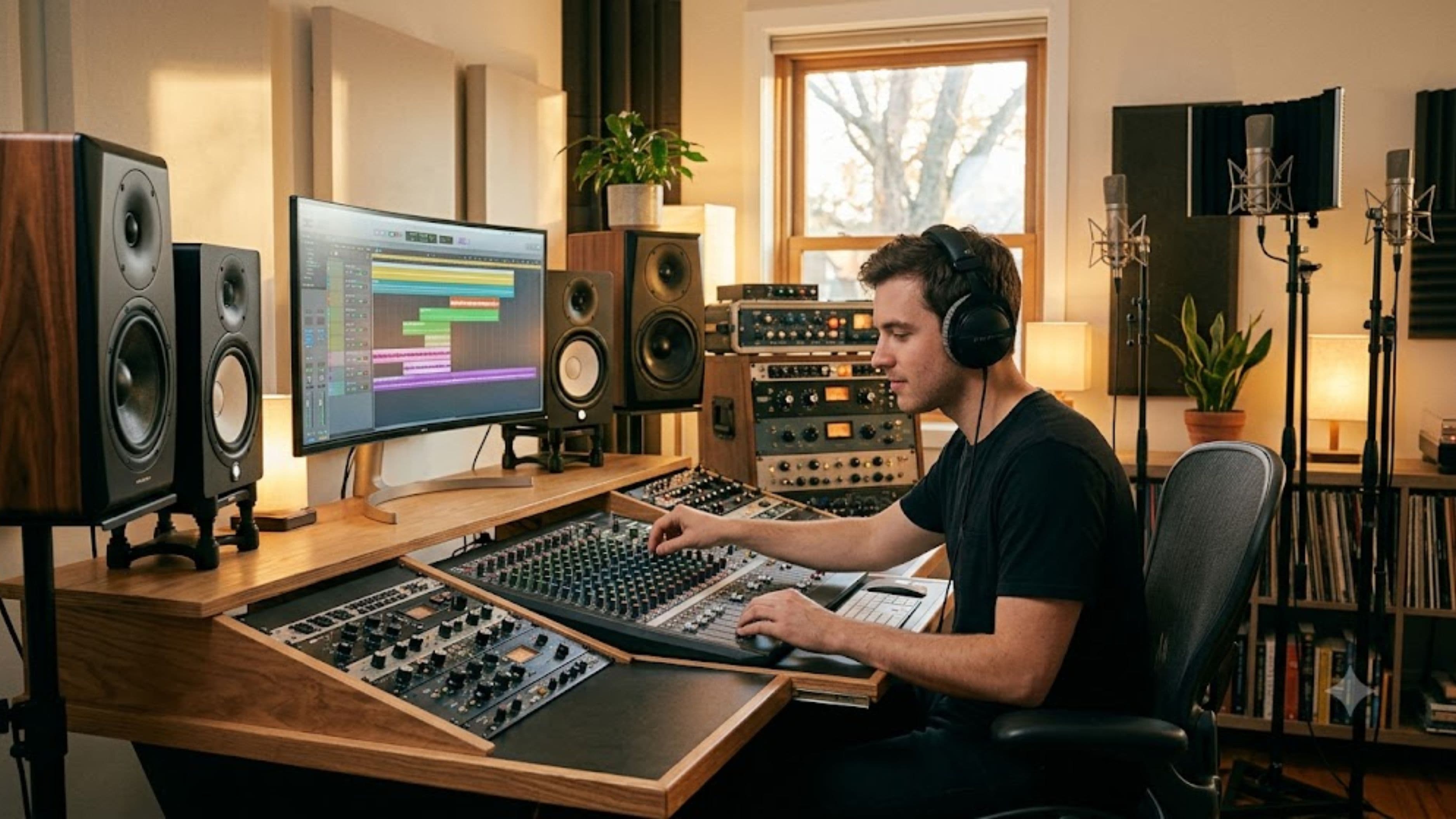

The DAW Remains the Foundation, But Workflow Matters More Than the Software Itself
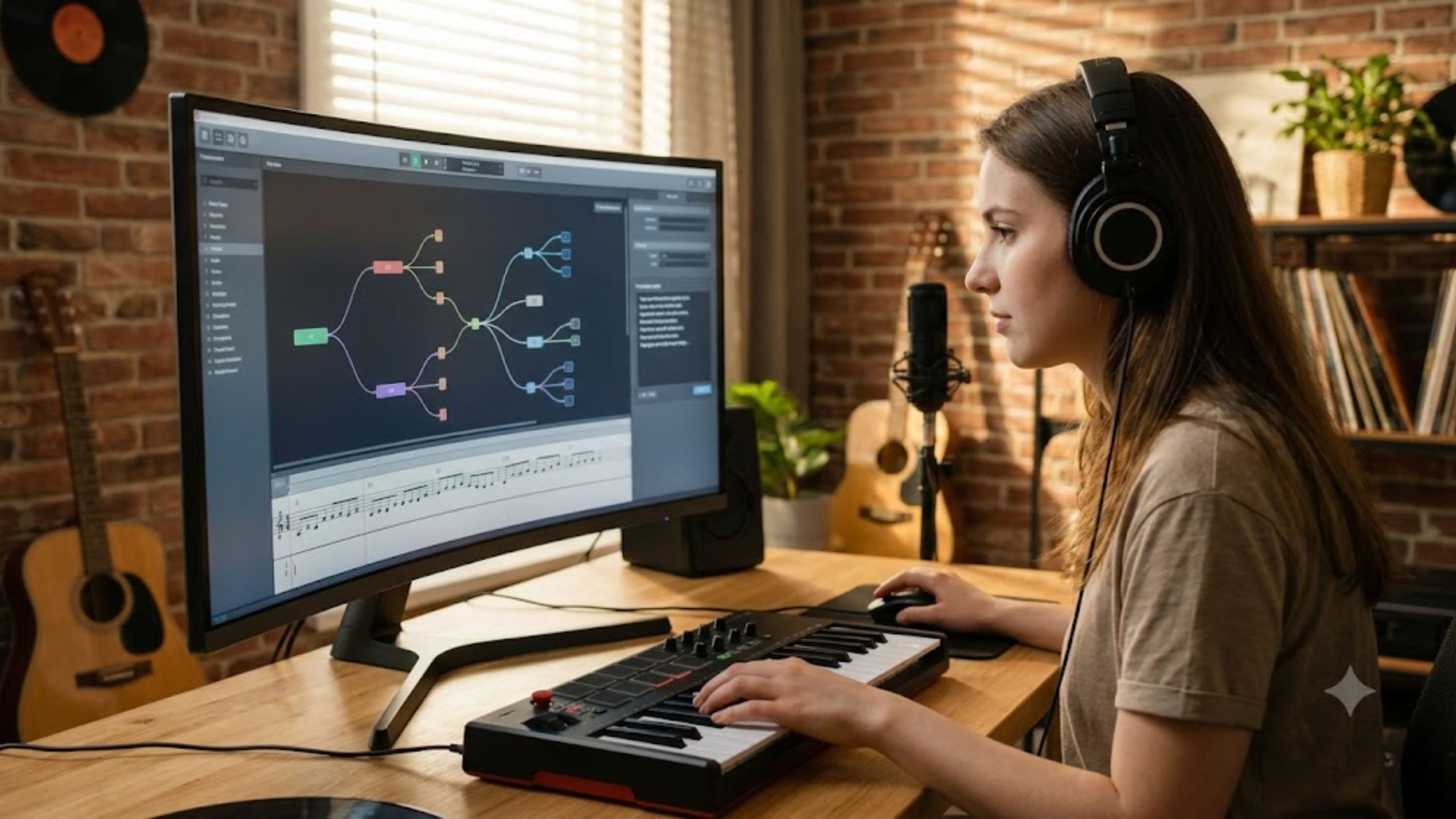
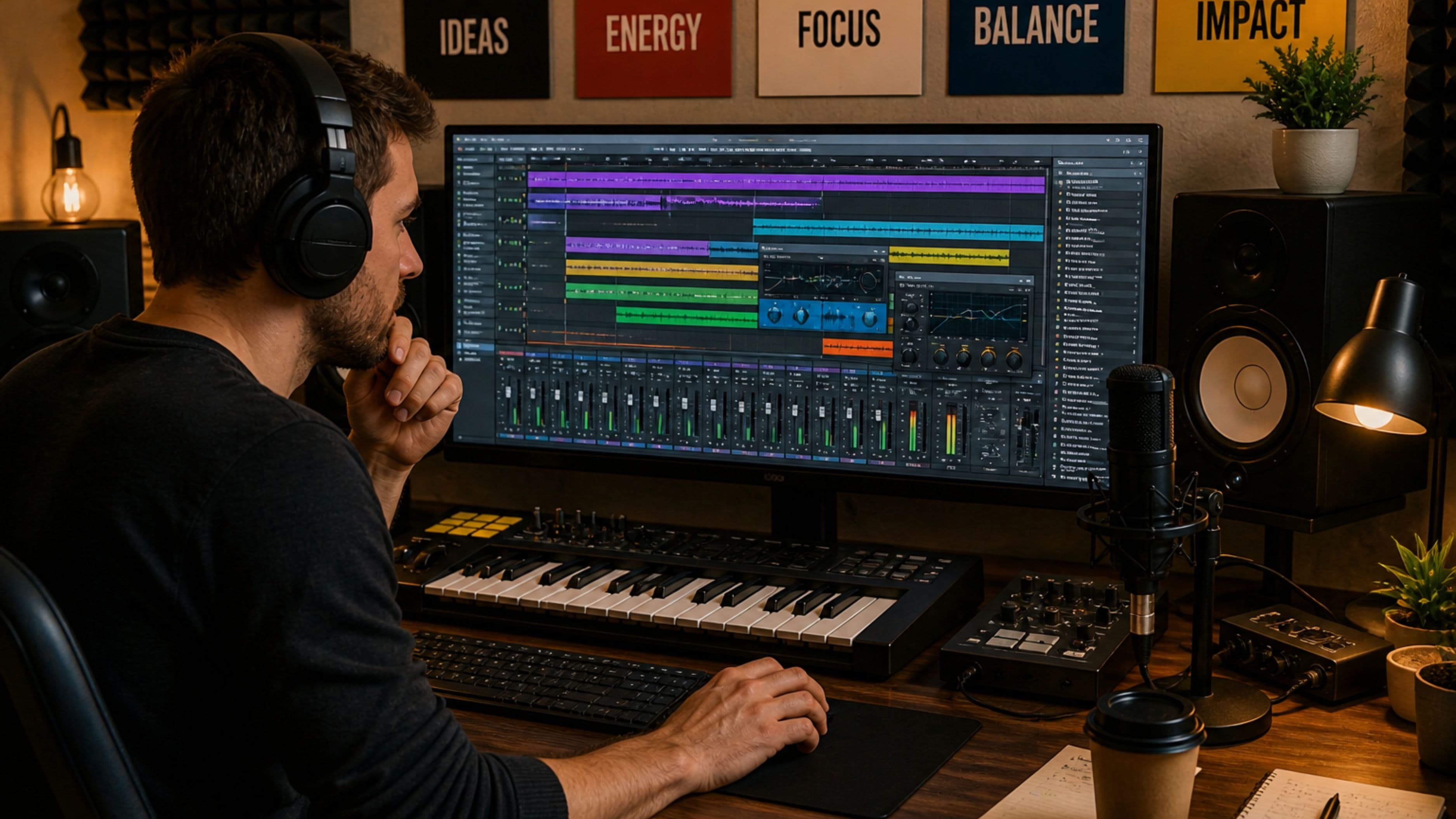
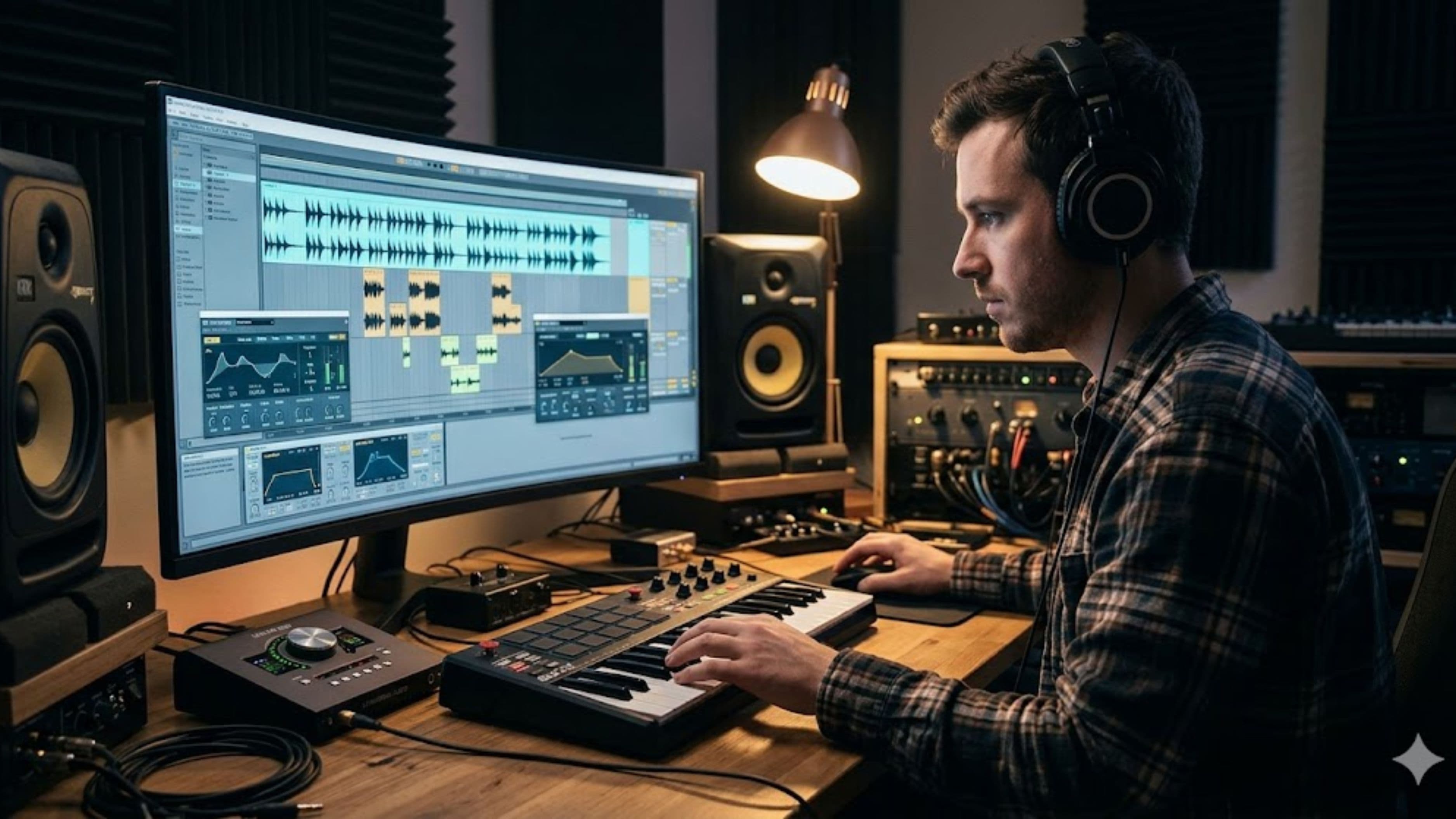
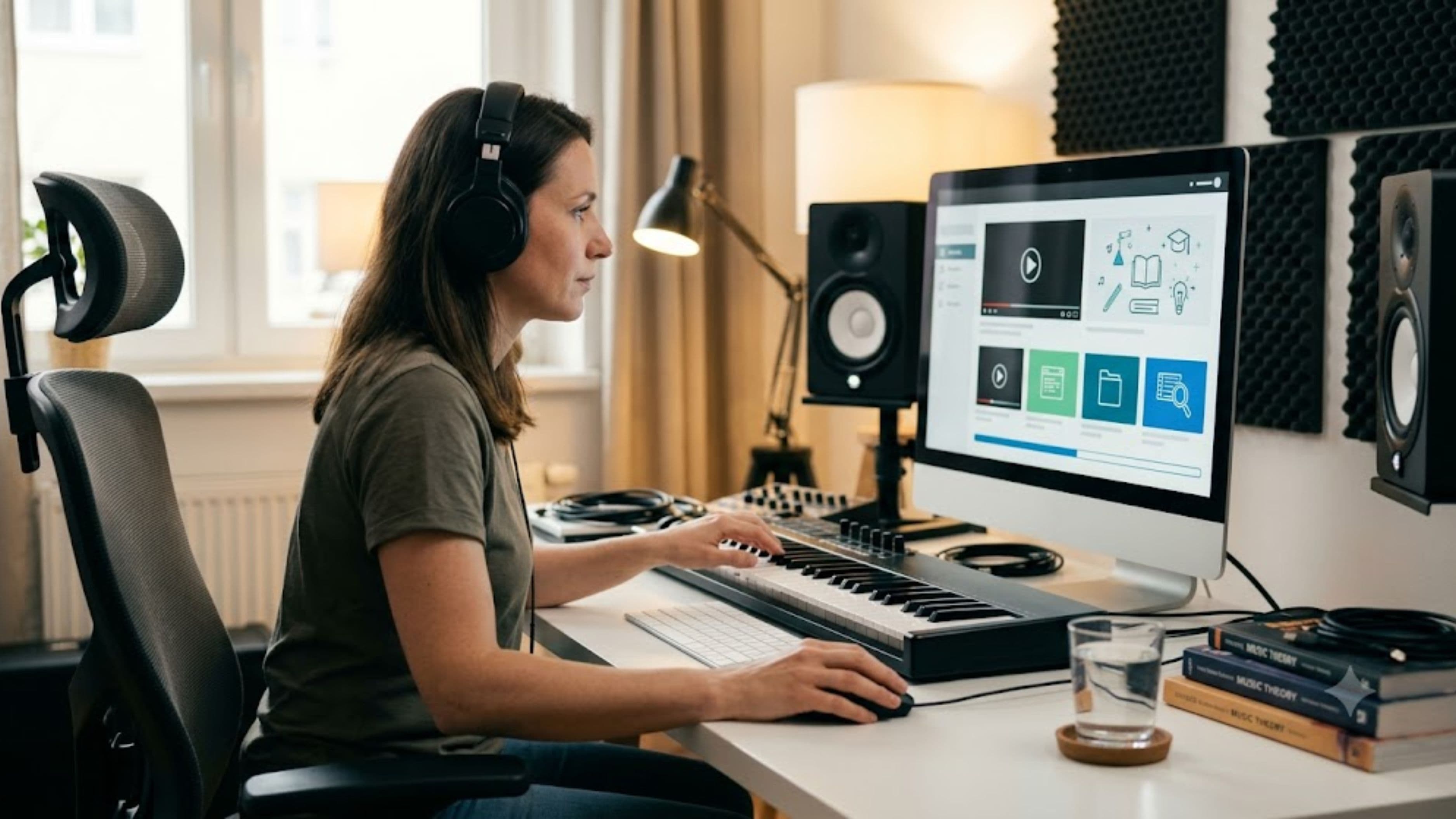
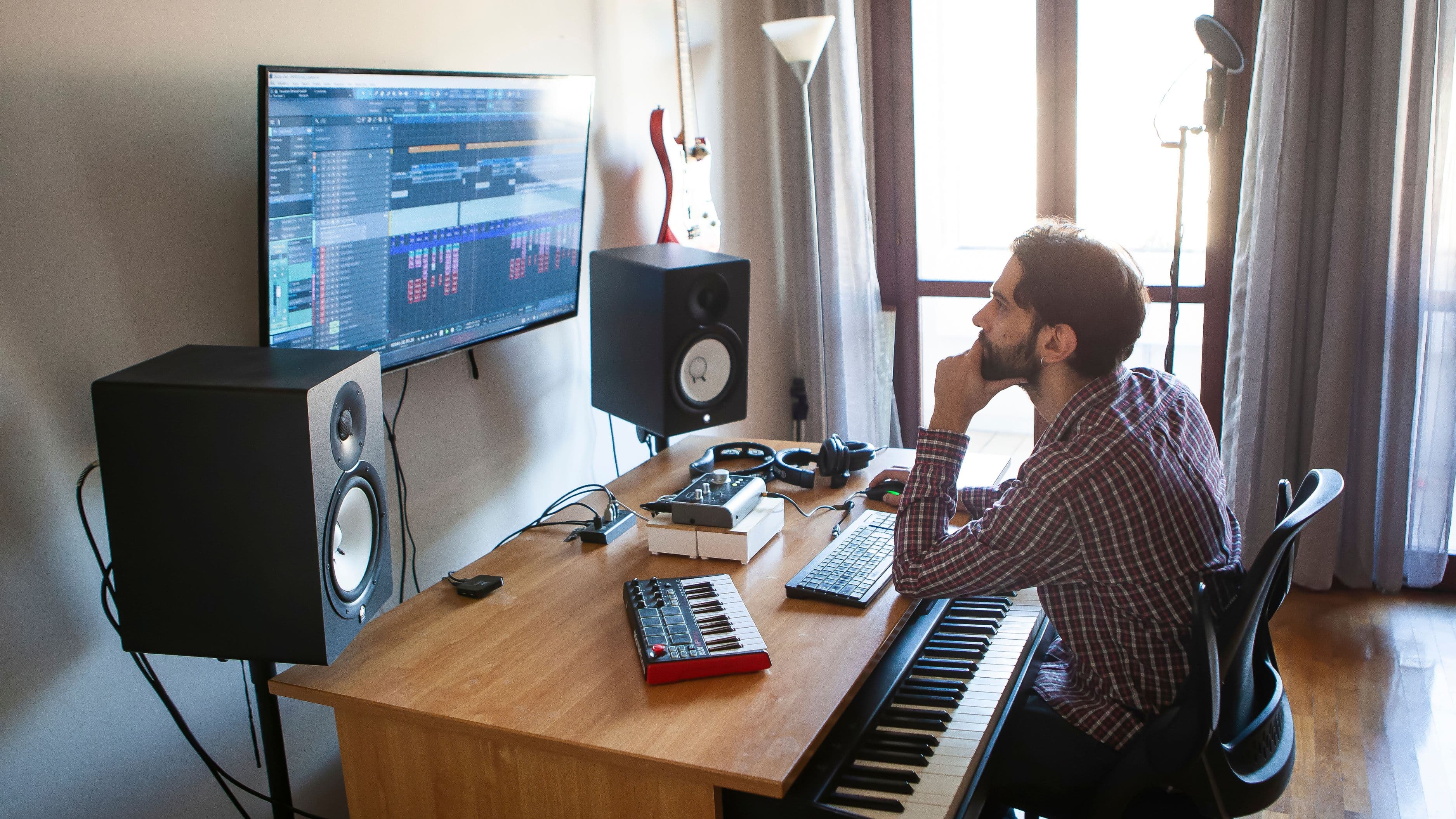
Digital audio workstations, the core software producers build tracks in, have matured to the point where the meaningful differences between major options come down more to workflow preference and specific genre strengths than any one platform being objectively superior. What's changed more notably is how deeply integrated these platforms have become with cloud collaboration features, letting producers work on shared projects with collaborators in different locations without the file compatibility headaches that used to complicate remote collaboration.
What this means in practice: Independent producers increasingly build their reputation and workflow around a single DAW they're deeply fluent in, rather than switching between platforms, since the actual sonic difference between a track produced skillfully in one major DAW versus another is minimal, meaning fluency and speed matter more than which specific platform you choose.
Audio Interfaces Have Gotten Better and More Affordable Simultaneously
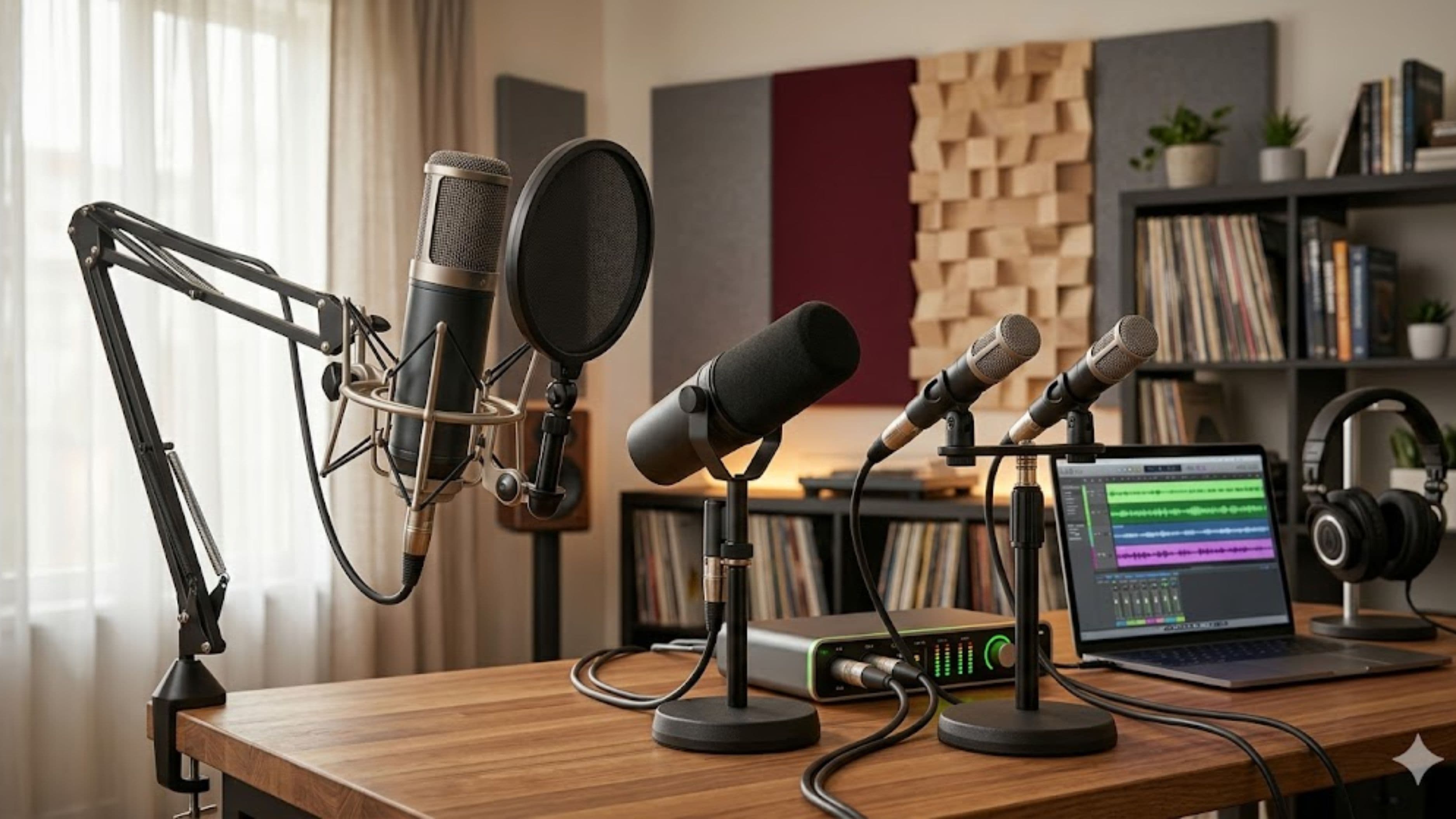
The audio interface, the hardware translating microphone and instrument signals into your computer, has seen genuine quality improvements at increasingly accessible price points. Interfaces that would have represented a significant investment several years ago now sit at a considerably more moderate price tier, while offering preamp quality and conversion clarity that were previously reserved for higher-end equipment.
Real-world impact: This has meaningfully lowered the barrier for a genuinely professional-sounding home setup, an independent producer no longer needs studio-grade, expensive interfaces to achieve a clean, release-ready recording chain for vocals and instruments.
Studio Monitors and Room Treatment Remain the Most Overlooked Investment
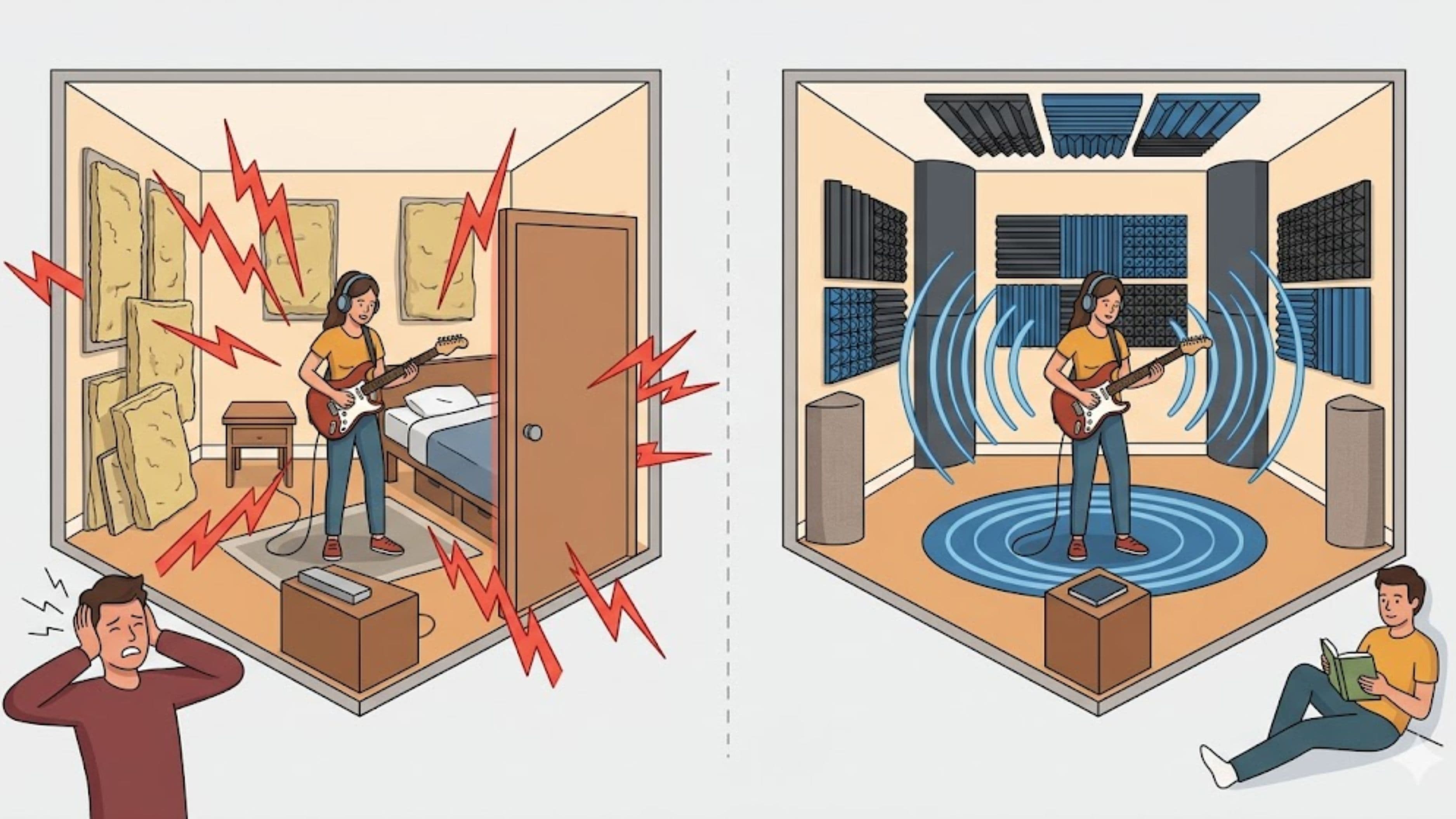
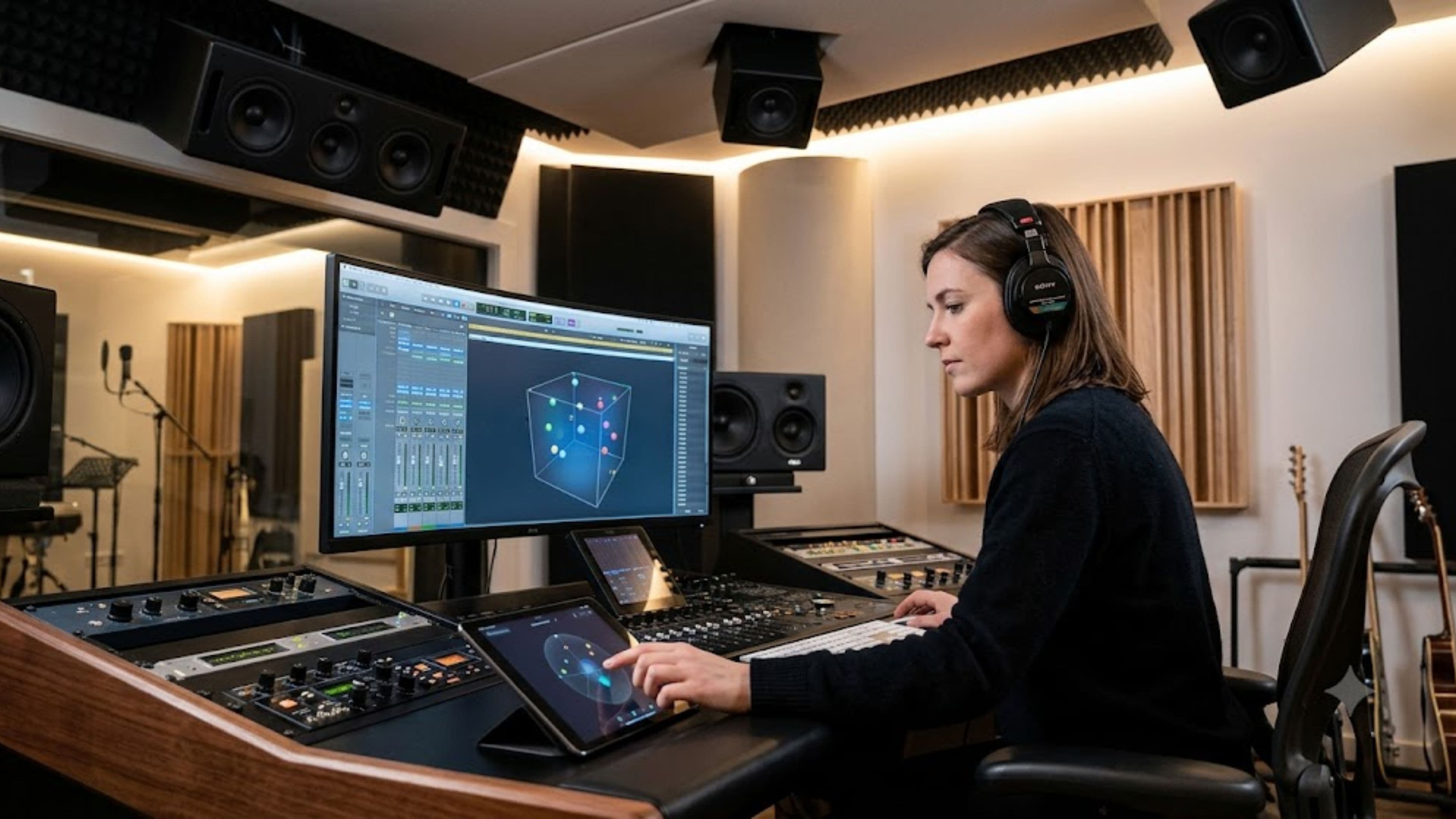
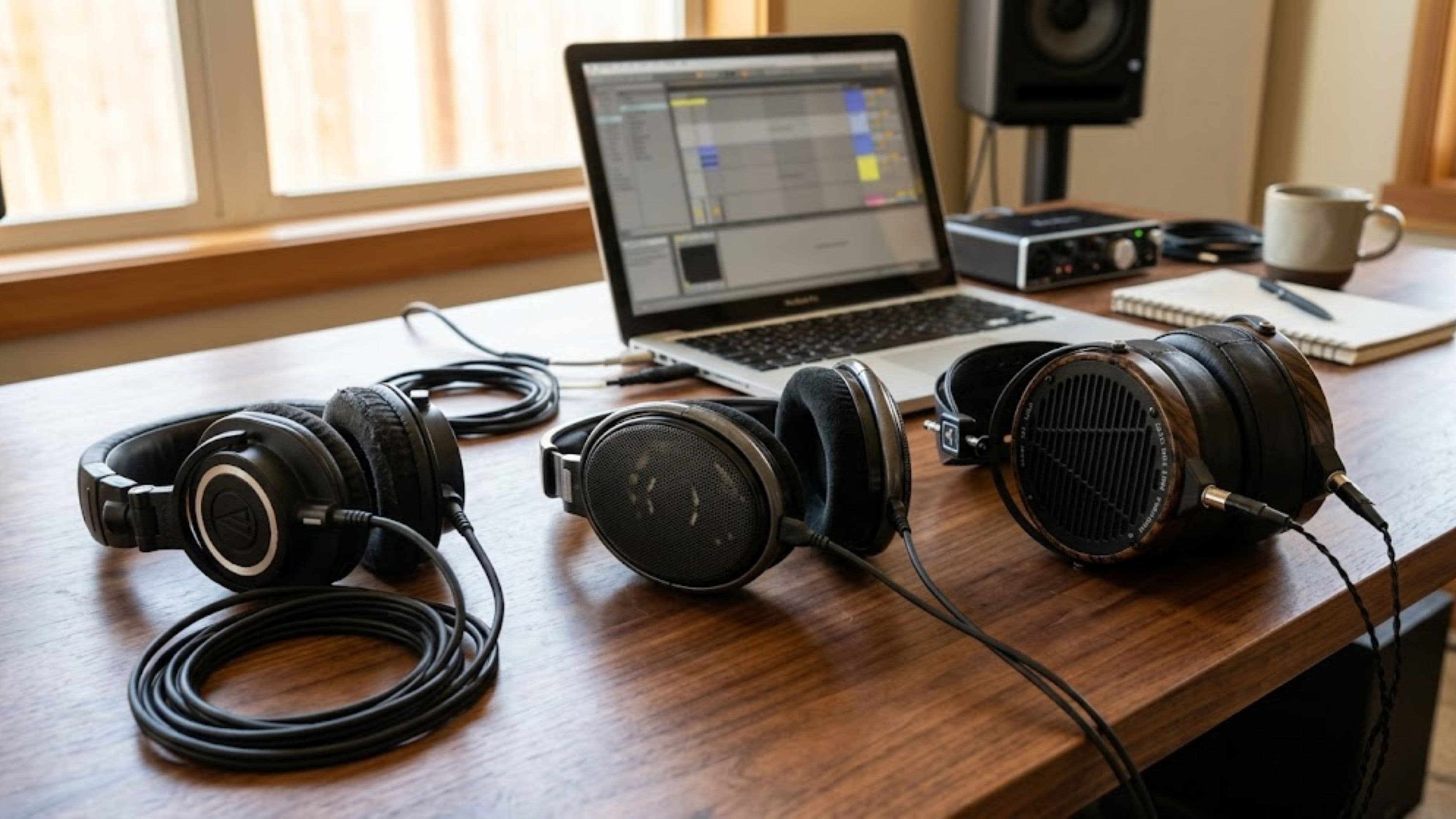
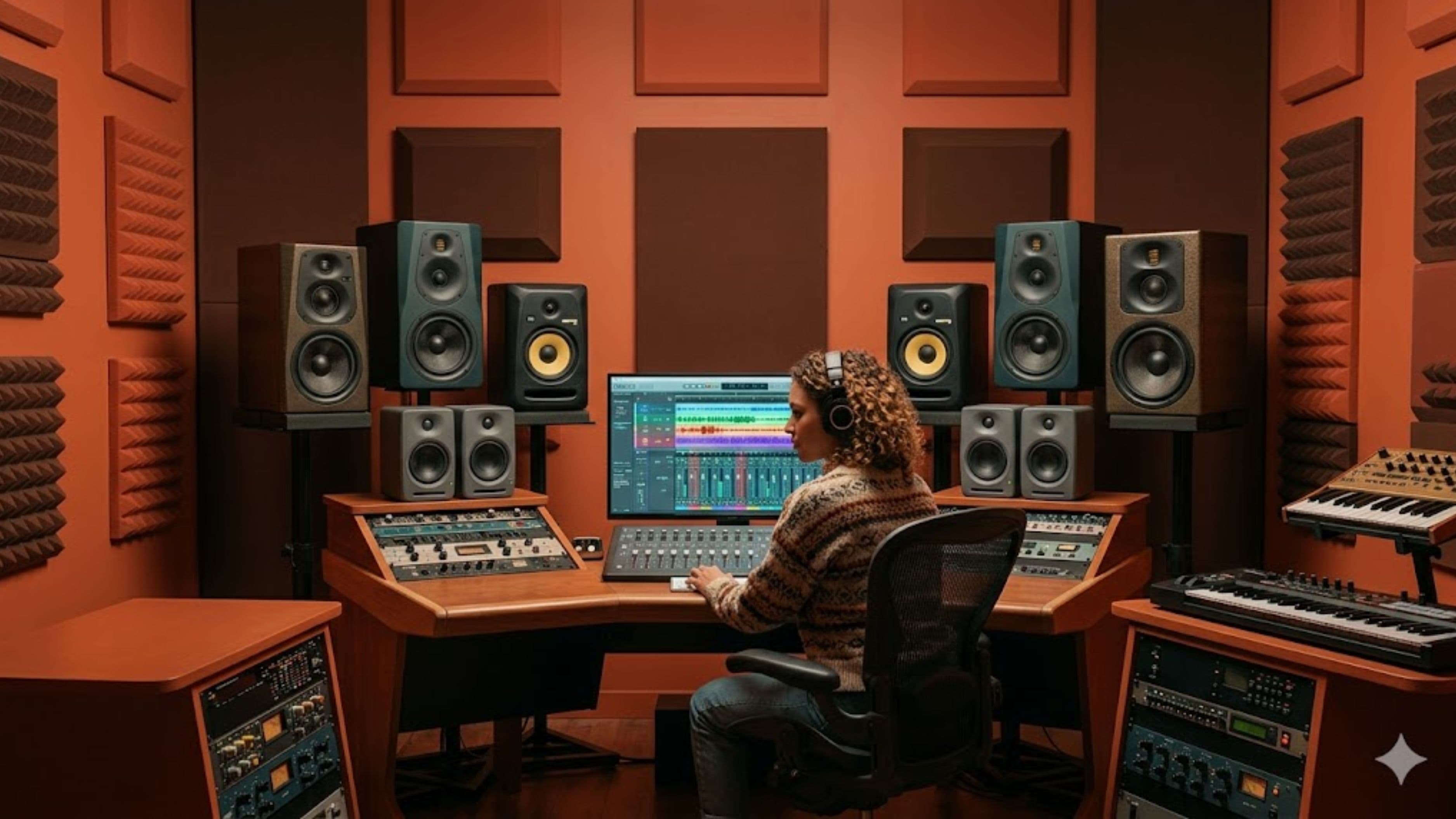
Despite gear conversations often centering on plugins and software instruments, working producers consistently point to studio monitors and basic room acoustic treatment as the area where independent producers most commonly underinvest relative to its actual impact on final mix quality. A mix created in an untreated room, even on quality monitors, can translate poorly to other listening environments, since the room itself is coloring what you're actually hearing while working.
What to watch out for: It's a common and understandable mistake to prioritize flashy plugin purchases over these fundamentals, but producers with genuinely consistent, professional-sounding output tend to have addressed their room's acoustic issues, even with modest, budget-friendly treatment, before investing heavily elsewhere.
Plugin Instruments and Effects Have Shifted Toward AI-Assisted Tools
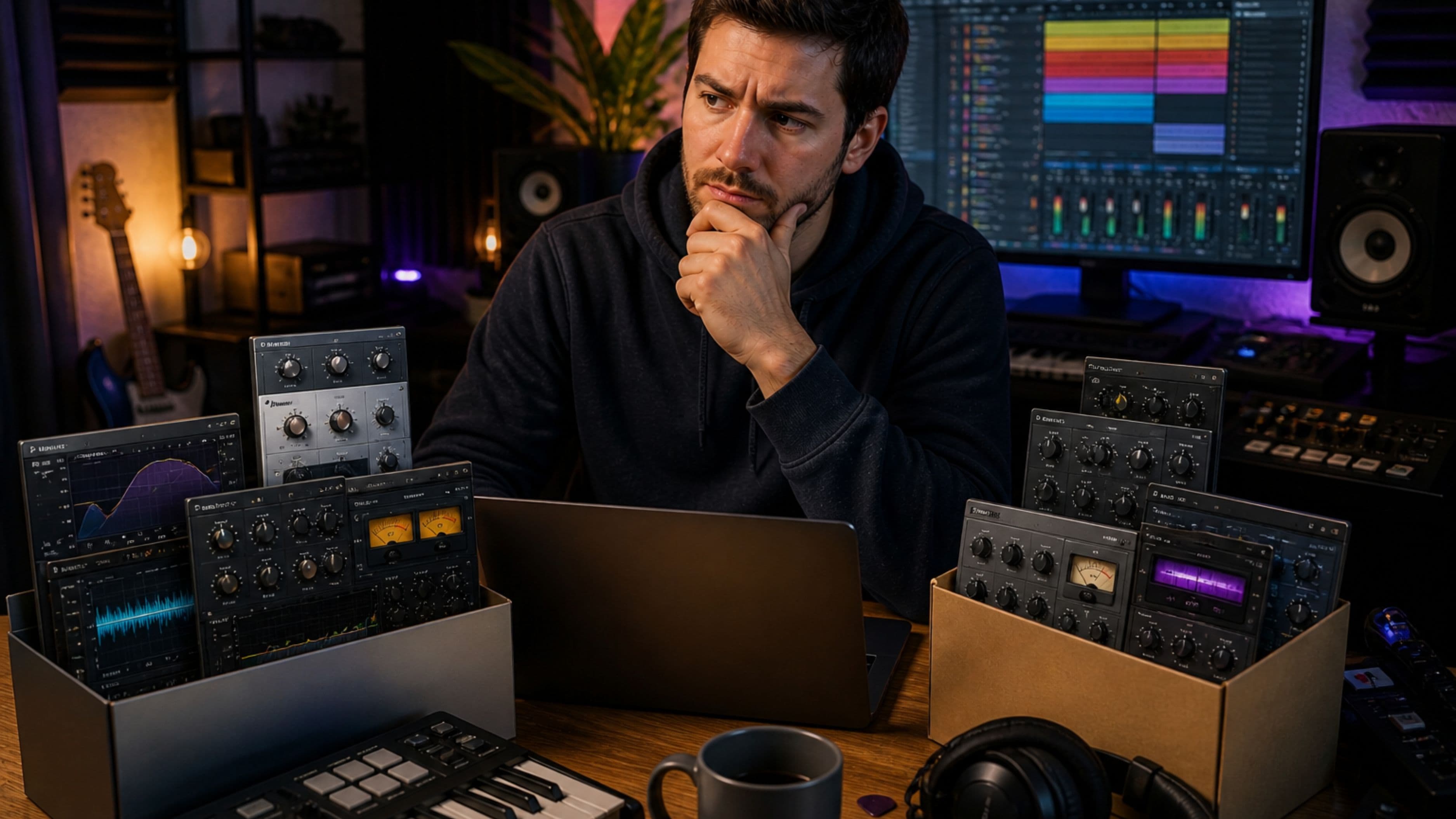
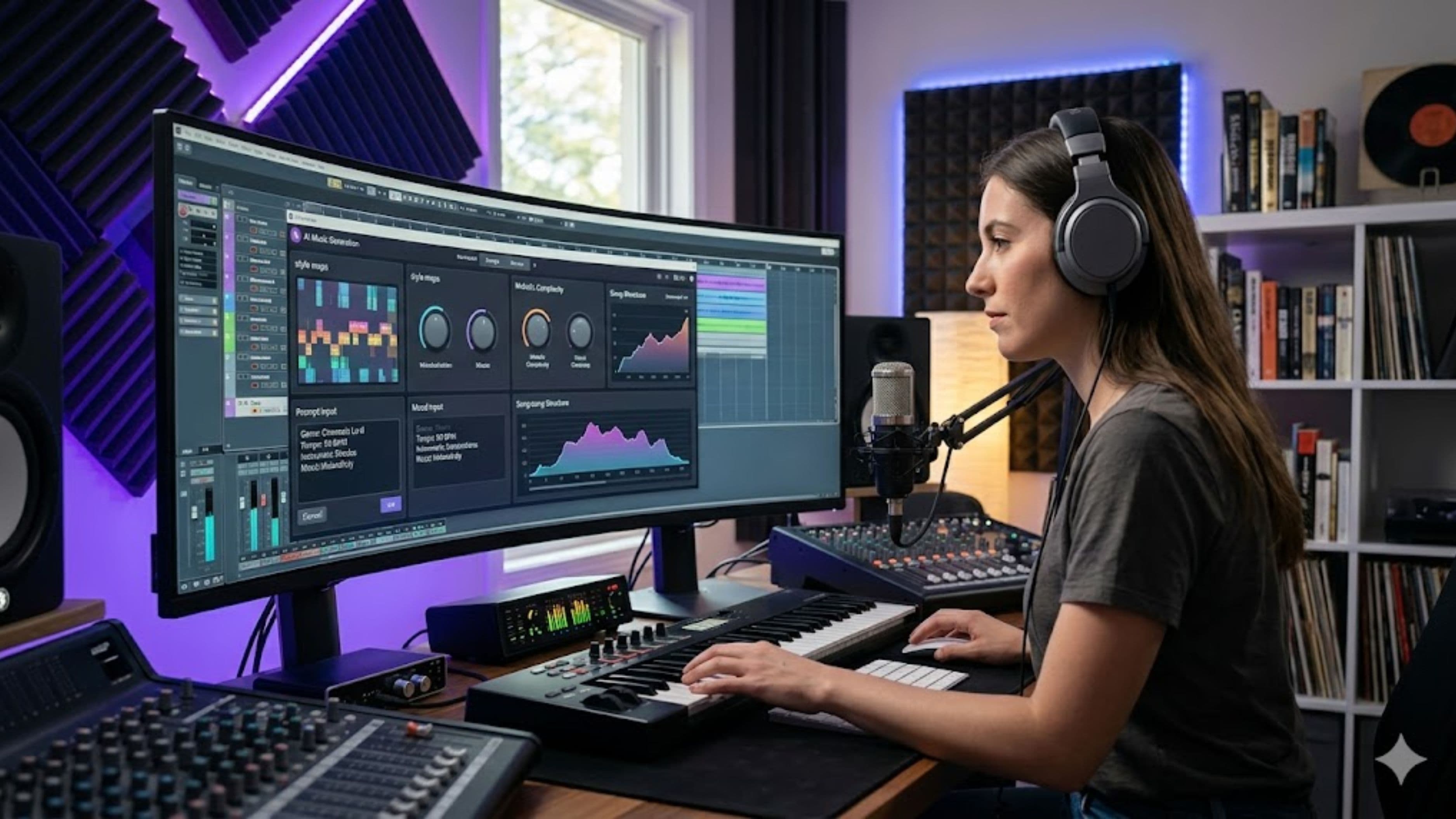
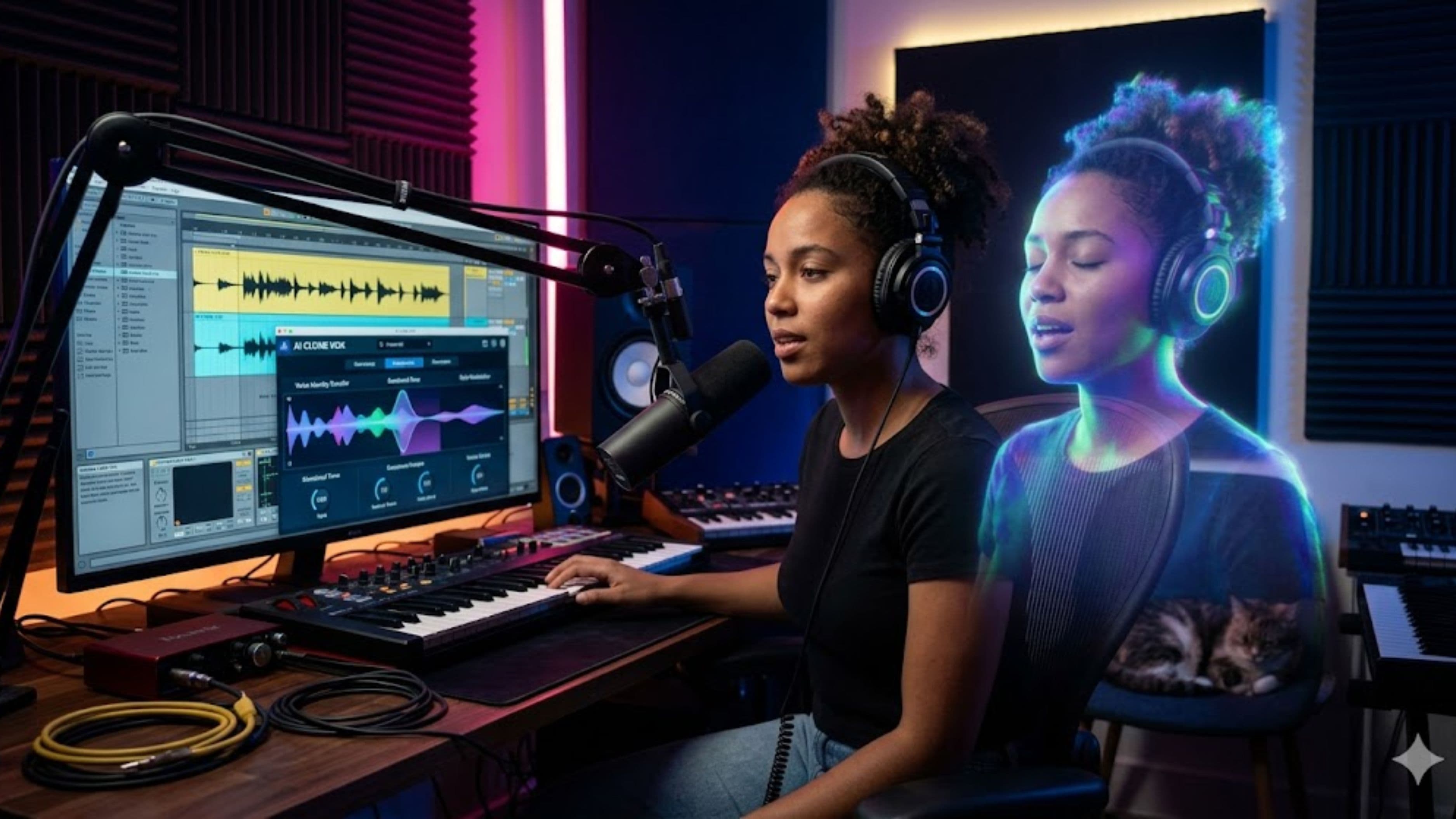
A meaningful recent shift has been the growth of AI-assisted mixing and mastering tools, plugins that can suggest EQ adjustments, automatically balance levels across a mix, or handle basic mastering tasks that previously required either significant expertise or an outsourced mastering engineer. These tools have genuinely lowered the barrier for independent producers to achieve a competently mixed and mastered final product without necessarily having years of specialized mixing experience themselves.
Key limitation worth understanding: These tools are genuinely useful for getting a solid baseline result efficiently, but experienced producers generally still describe them as a strong starting point rather than a full replacement for developed mixing judgment, particularly for genres or specific creative choices that fall outside what these tools were primarily trained to handle well.
Software Instruments Have Largely Replaced Hardware Synths for Many Producers
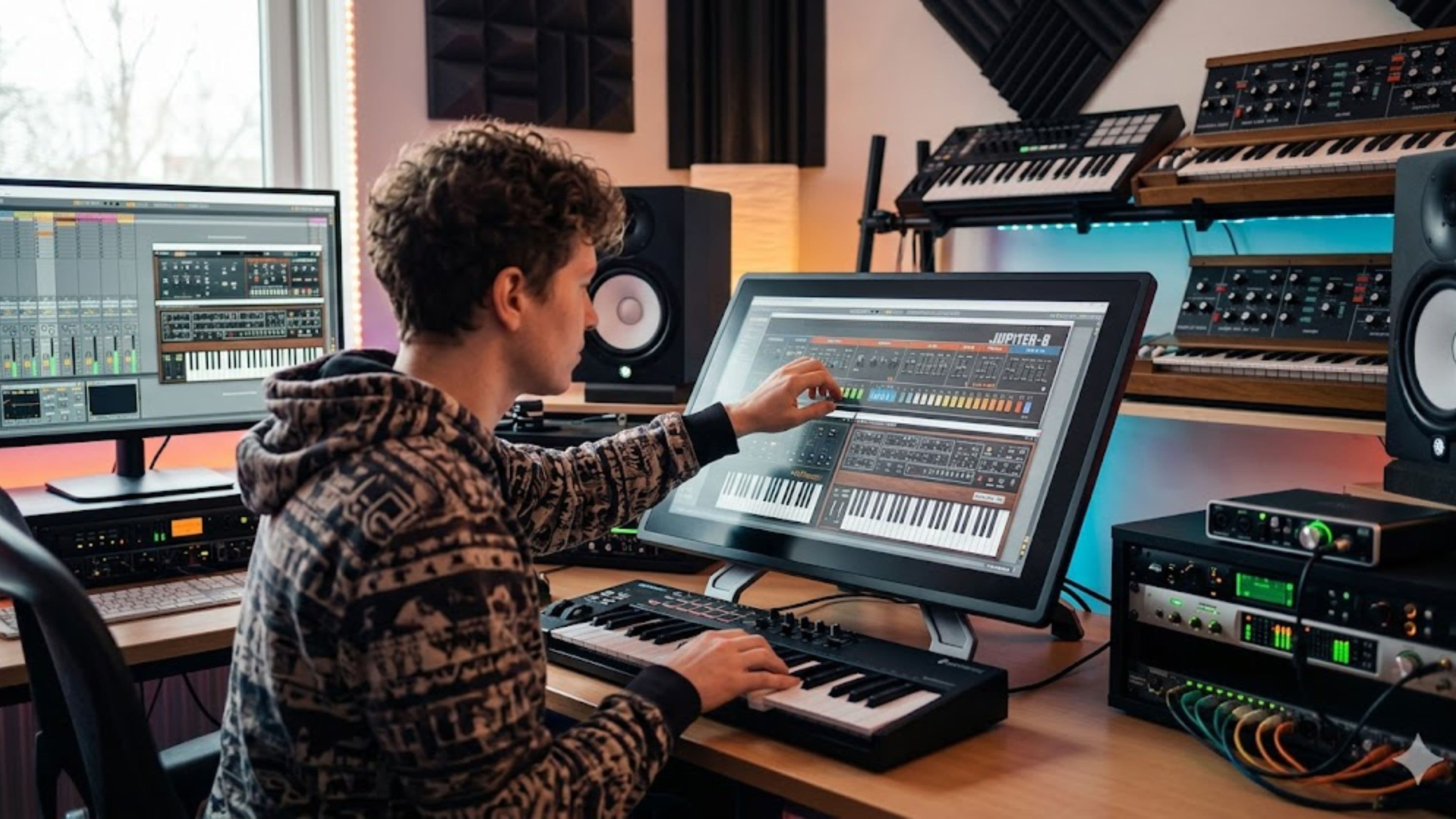
While hardware synthesizers and vintage gear maintain genuine appeal for certain producers and genres, software instrument plugins have become sophisticated enough that many working independent producers rely primarily on software instruments for the bulk of their sound design and composition work, reserving hardware for specific, intentional sonic choices rather than as a daily-use necessity.
Who this fits: Producers working across a broad range of genres, needing flexibility and a wide sonic palette without the cost and physical space demands of an extensive hardware collection, tend to lean more heavily software-based, while producers in genres with a strong specific hardware sonic signature, certain strains of electronic music, for instance, often maintain a more hybrid approach.
What a Realistic Independent Producer Setup Actually Includes
Pulling this together, a genuinely functional, professional-capable independent producer setup today typically centers on a single, deeply-learned DAW, a quality but not necessarily top-tier audio interface, accurate studio monitors paired with at least basic room treatment, a core set of well-chosen software instruments and effects plugins, and increasingly, one or two AI-assisted mixing tools used as an efficiency aid rather than a full creative replacement.
What to Avoid
Avoid over-investing in an extensive plugin or hardware collection before addressing fundamental room acoustics and monitor quality, since these fundamentals affect every single project you work on, while additional plugins offer comparatively narrow, situational value. Avoid assuming AI-assisted mixing tools eliminate the need to develop your own mixing skills and judgment; the producers getting the most value from these tools generally use them to speed up a process they already understand, not as a substitute for that understanding entirely.
Realistic Expectations
Building a genuinely capable independent producer setup from scratch is achievable at a meaningfully lower cost than it would have been several years ago, though it still requires real intentionality about where to prioritize spending, room fundamentals and a reliable interface first, expanded plugin and instrument libraries as your specific creative needs become clearer over time. Expect ongoing incremental additions to your setup as your skills and specific genre focus develop, rather than needing to assemble a complete, ideal setup all at once before you can start producing meaningful work.
FAQ
Do I need an expensive audio interface to get started? No, mid-tier interfaces now offer meaningfully improved preamp quality and conversion clarity compared to several years ago, making a professional-capable recording chain accessible without a major upfront investment.
Are AI mixing tools good enough to replace a mixing engineer entirely? For many independent producers' needs, they provide a genuinely useful, efficient starting point, though complex or highly specific creative mixing decisions still often benefit from developed human mixing judgment.
Should I prioritize hardware synths or software instruments as a beginner? Software instruments generally offer more flexibility and lower upfront cost for producers still exploring their specific genre focus, with hardware becoming a more intentional addition once your sonic direction is clearer.
📚 Sources
Audio Engineering Society – Home Studio Best Practices: https://www.aes.org/
Sound on Sound – Studio Gear and Production Trends: https://www.soundonsound.com/