Do Real Research Before You Reach Out
The most common mistake podcast hosts make is sending a generic interview request without demonstrating any specific familiarity with the artist's work. A request that references their most recent release, a specific lyric that stood out, or a detail from a past interview signals genuine interest rather than a mass outreach template, and artists (or their teams) notice that difference immediately when deciding which requests to prioritize.
This research also pays off during the actual interview. Coming in with specific, informed questions rather than generic ones ("what inspired this album?") tends to unlock more interesting, less rehearsed answers, since the artist can tell you're engaging with their actual work rather than asking questions they've answered in the exact same way in twenty other interviews.
Respect the Time Slot You're Given
If an artist's team offers a 20-minute interview window, treat that as a real constraint, not a suggestion. Going over time without checking in first puts the artist and their team in an uncomfortable position, and it's one of the fastest ways to get flagged as a host who doesn't respect boundaries for future interview opportunities.
A practical way to manage this is preparing more questions than you'll likely need, prioritized by importance, so that if time runs short, you've already covered the most valuable ground first. This also means having a natural way to wrap up gracefully if you sense time running out, rather than cutting off a good answer abruptly because you're out of prepared material.
Send Questions in Advance When Appropriate
For certain artists, particularly those newer to interviews or working through management with specific media guidelines, sending a rough outline of topics (not necessarily exact questions) in advance can meaningfully improve the quality of the conversation. This isn't about scripting a rehearsed interview – it's about giving the artist enough context to engage thoughtfully rather than being caught off guard by an unexpected direction mid-conversation.
That said, this isn't universally necessary or expected for every interview. More experienced artists or those very comfortable with media often prefer a more spontaneous conversation, so it's worth asking their team what approach they prefer rather than assuming one standard practice applies to everyone.
Avoid Questions That Have Clearly Been Asked a Hundred Times
Every artist has a handful of questions they've answered so many times that a repeat request visibly drains the energy from an interview – "where did the band name come from," generic origin-story questions, or overly broad "what's your creative process" prompts without any specific angle. Doing enough research to avoid these overused questions, or finding a genuinely new angle on them, keeps the conversation feeling fresh rather than like one more entry in a long list of nearly identical interviews.
If there's a well-known origin story or oft-repeated anecdote, it's often more interesting to referen
ce it briefly and ask a follow-up question that goes somewhere new, rather than asking the artist to recount the same story again from scratch.
Be Flexible When Things Go Off Script
Some of the most memorable interview moments happen when an artist takes a question somewhere unexpected, and a good host follows that thread rather than rigidly returning to a prepared list of questions. This requires actually listening during the interview rather than mentally moving to your next scripted question while the artist is still answering the current one.
At the same time, flexibility shouldn't come at the cost of covering topics you know matter to your audience or that were specifically agreed upon with the artist's team beforehand – balancing spontaneity with covering your planned ground is part of what makes an interview feel both natural and purposeful.
What to Watch Out For
Be cautious about pushing into topics an artist's team has specifically asked you to avoid, whether that's a sensitive personal situation, an ongoing legal matter, or simply a subject they've indicated they don't want to discuss. Ignoring these boundaries damages trust not just with that artist but potentially with their broader network and management contacts, which can affect your ability to book future guests.
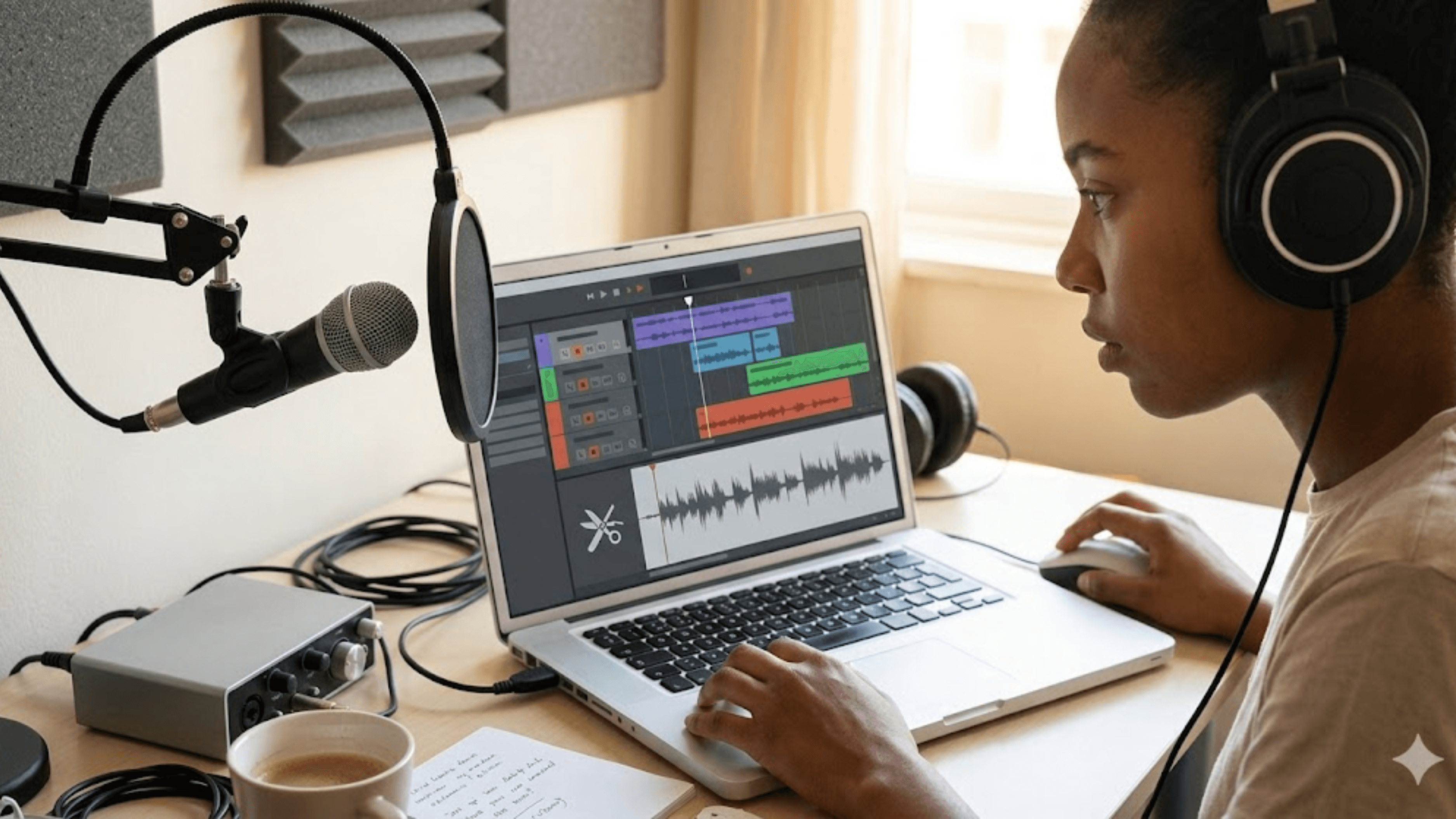
It's also worth being mindful of dead air and awkward pacing during editing – a interview that ran long or wandered off track can often be tightened significantly in post-production without losing its best moments, which is a better outcome than forcing an artist to stay longer than agreed to cover everything live.
Realistic Expectations
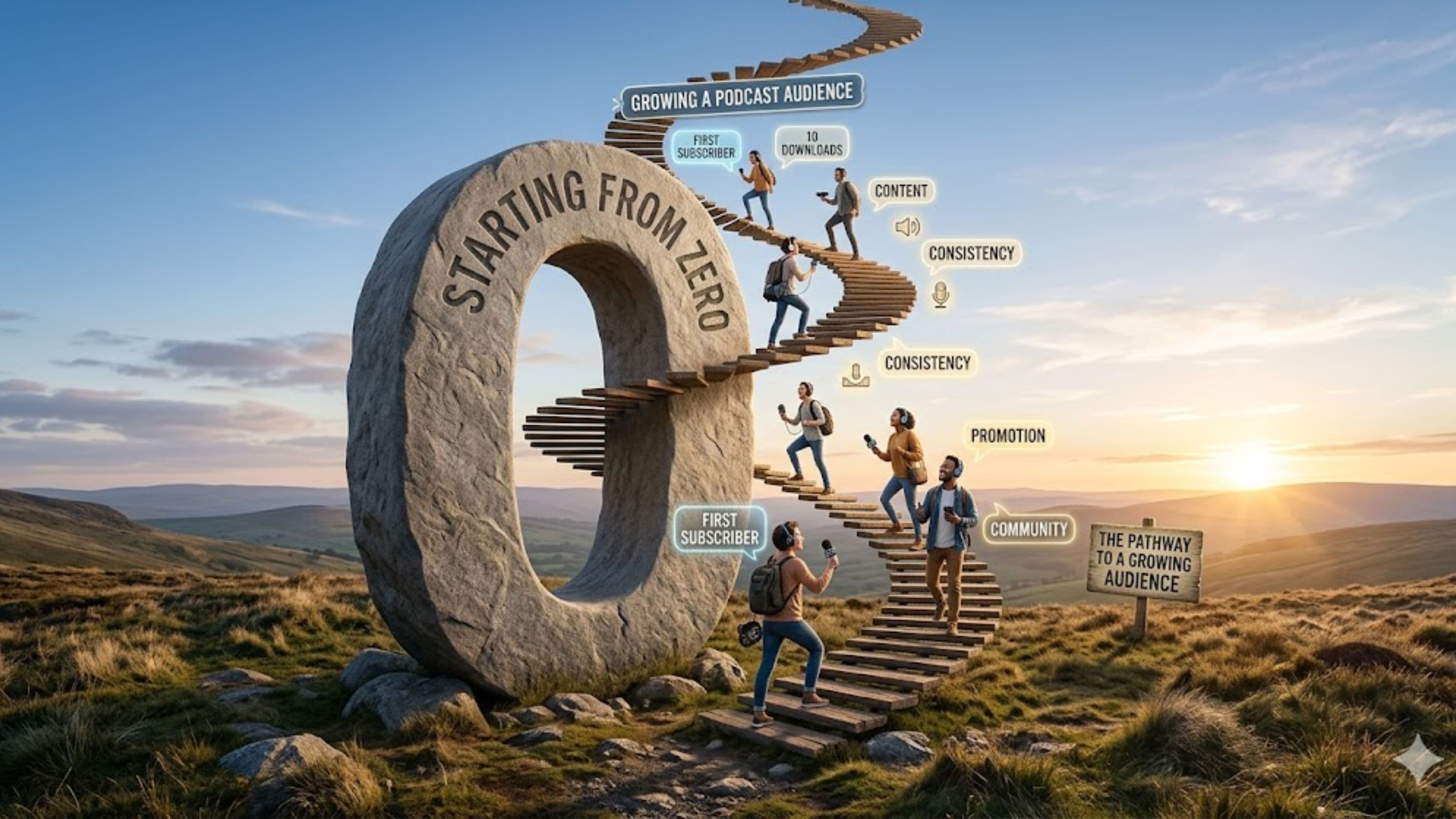
Building a reputation as a podcast host artists actually want to talk to takes time and consistency – a single good interview helps, but it's the pattern of being well-prepared, respectful of time, and genuinely engaged across multiple interviews that leads to easier bookings and warmer introductions through industry networks over time. Expect early interviews, especially with newer or smaller acts, to require more outreach effort per booking than later interviews will once your show has a track record artists and their teams can reference.
FAQ
Should I always send questions in advance? Not always – it depends on the artist and their team's preference. It's reasonable to ask directly whether they'd like a topic outline beforehand or prefer a more spontaneous conversation.
How do I handle an artist who gives short, guarded answers? Try shifting to more specific, detail-oriented questions rather than broad ones, since specificity often invites more detailed responses than open-ended prompts that can feel harder to engage with.
What if the interview runs short on time before I've covered my main questions? Prioritize your questions beforehand so the most important ones come first, and don't hesitate to follow up with the artist's team afterward if there's a specific detail you'd like to include via email or a brief follow-up.