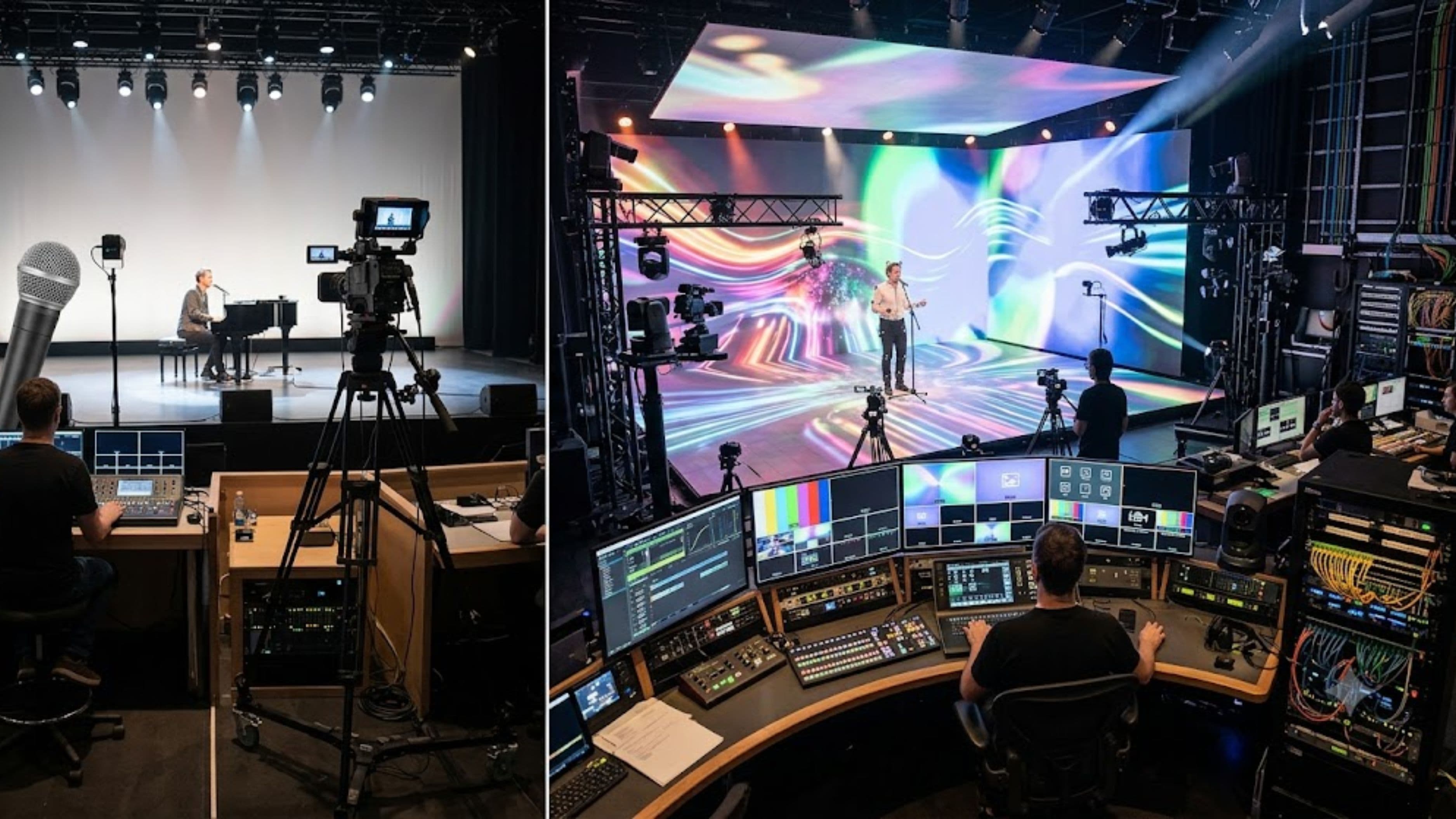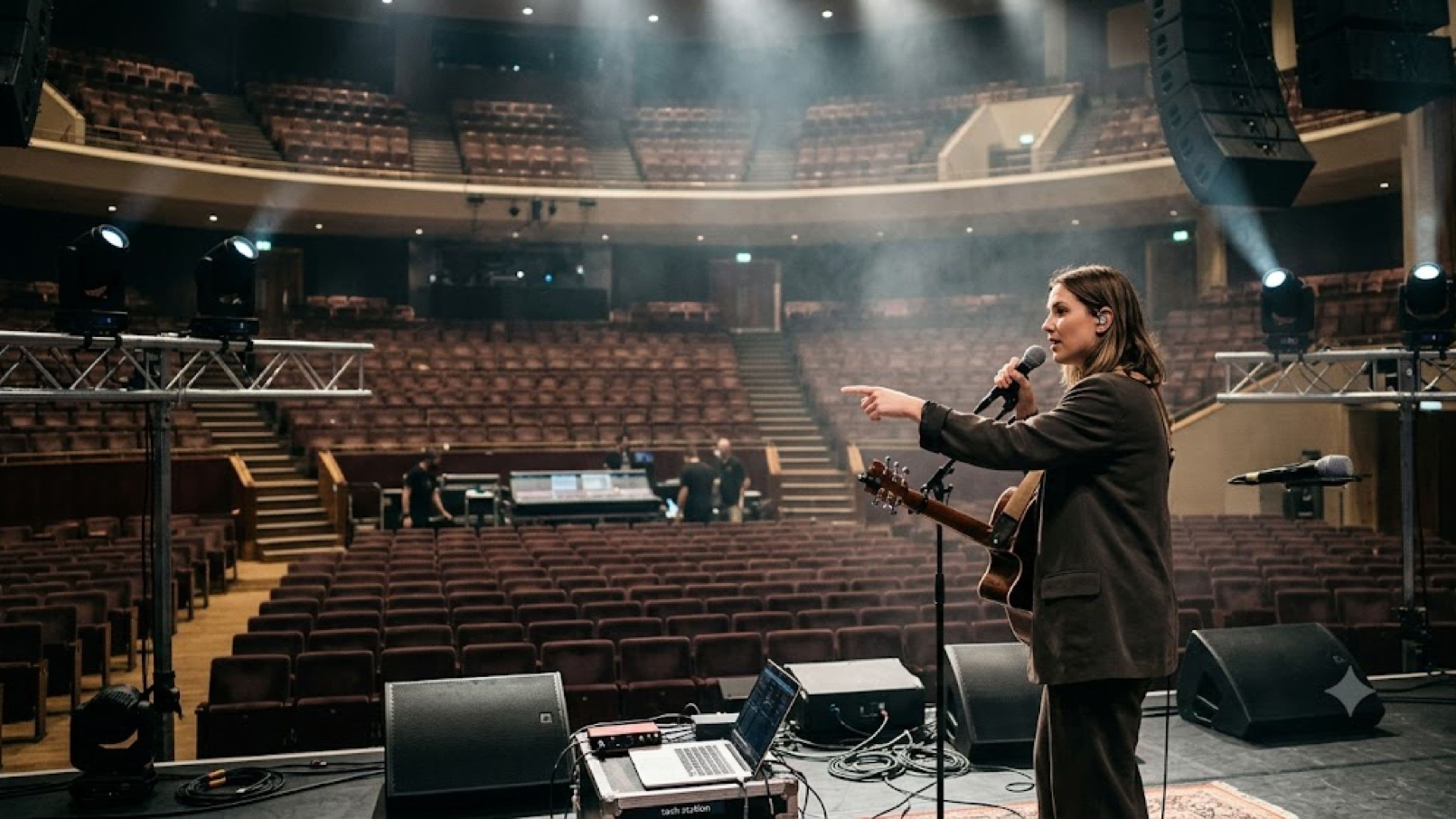
This isn't a nostalgia move or a budget decision. It's a deliberate creative and strategic choice, and there's a clear reason it's happening now.
What's Actually Driving This
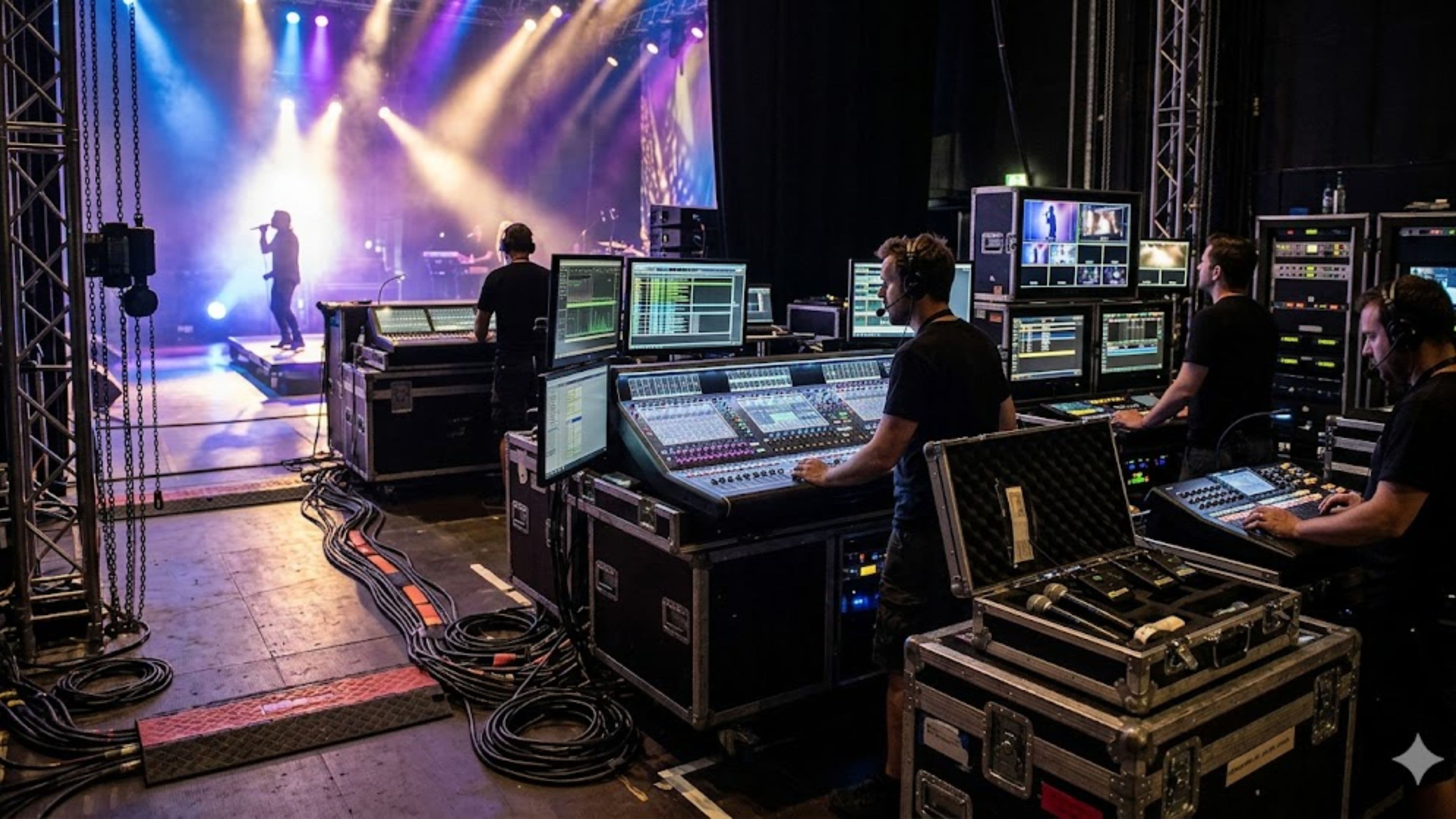
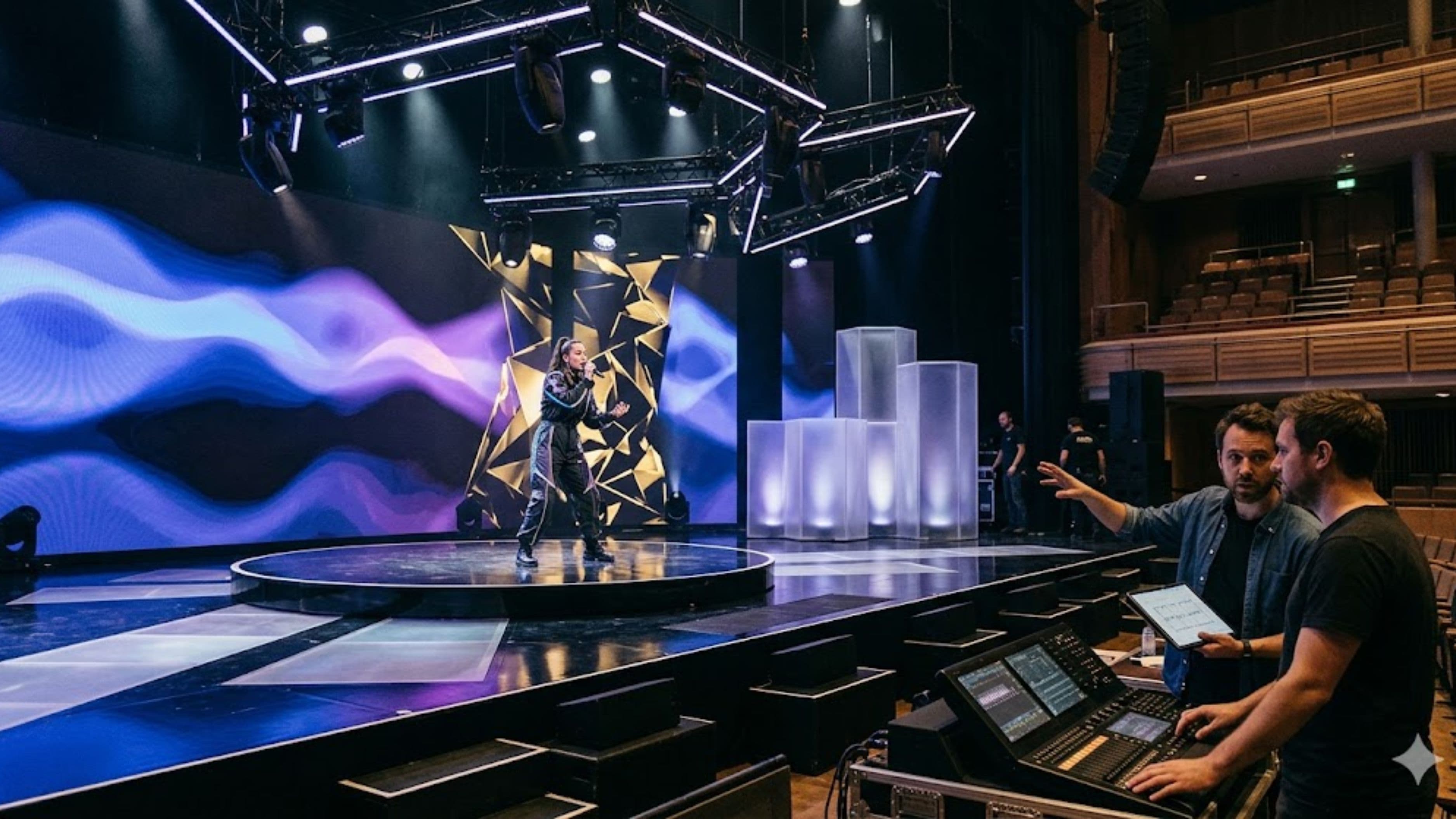
The cultural context matters here. After a period of spectacle overload — massive production budgets, elaborate stage rigs, stadium-scale experiences designed for maximum visual impact from 200 feet away — a genuine appetite has emerged for the opposite. Audiences want to feel like they're actually there, not just present in the same physical space as a performer.
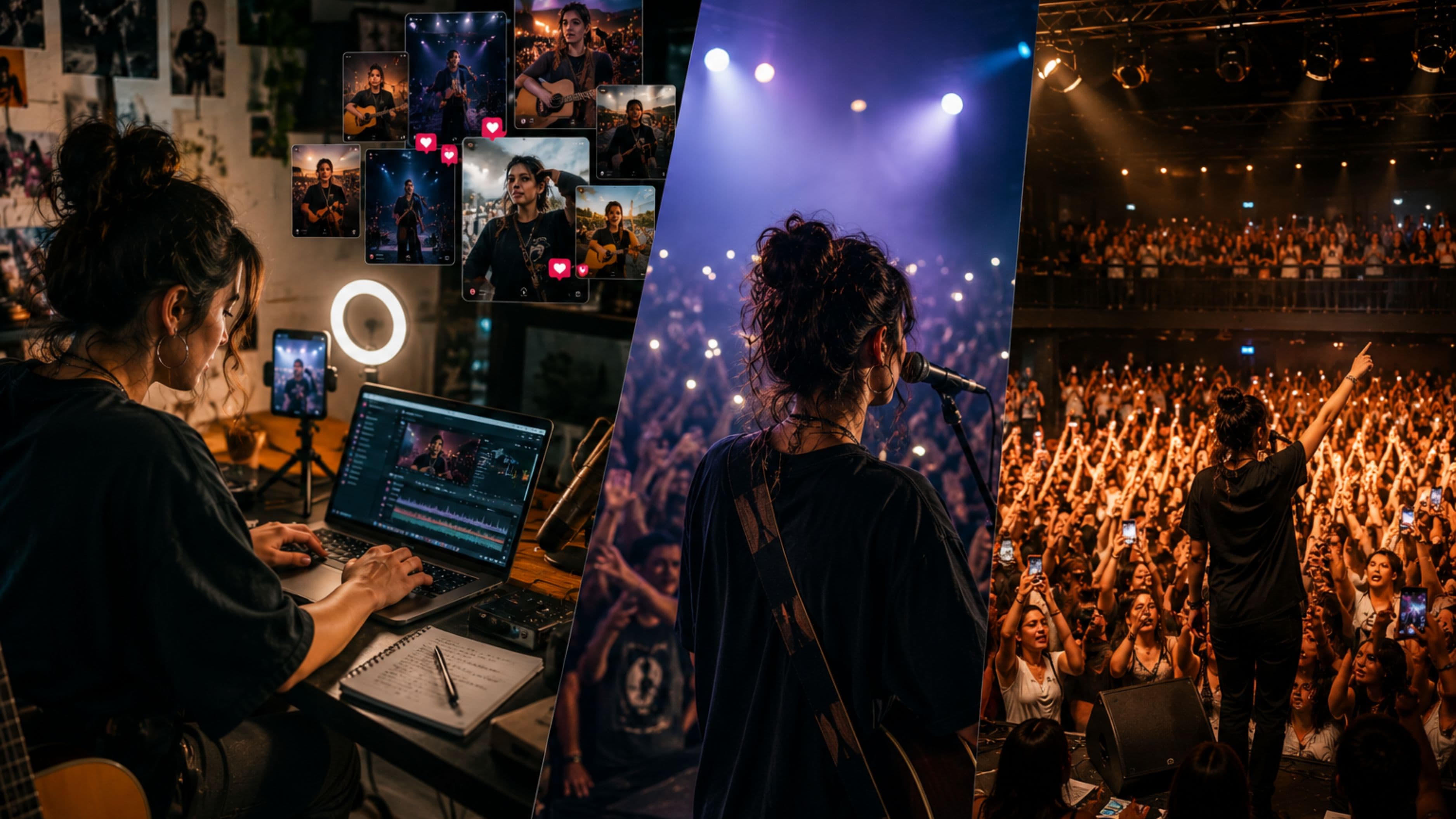
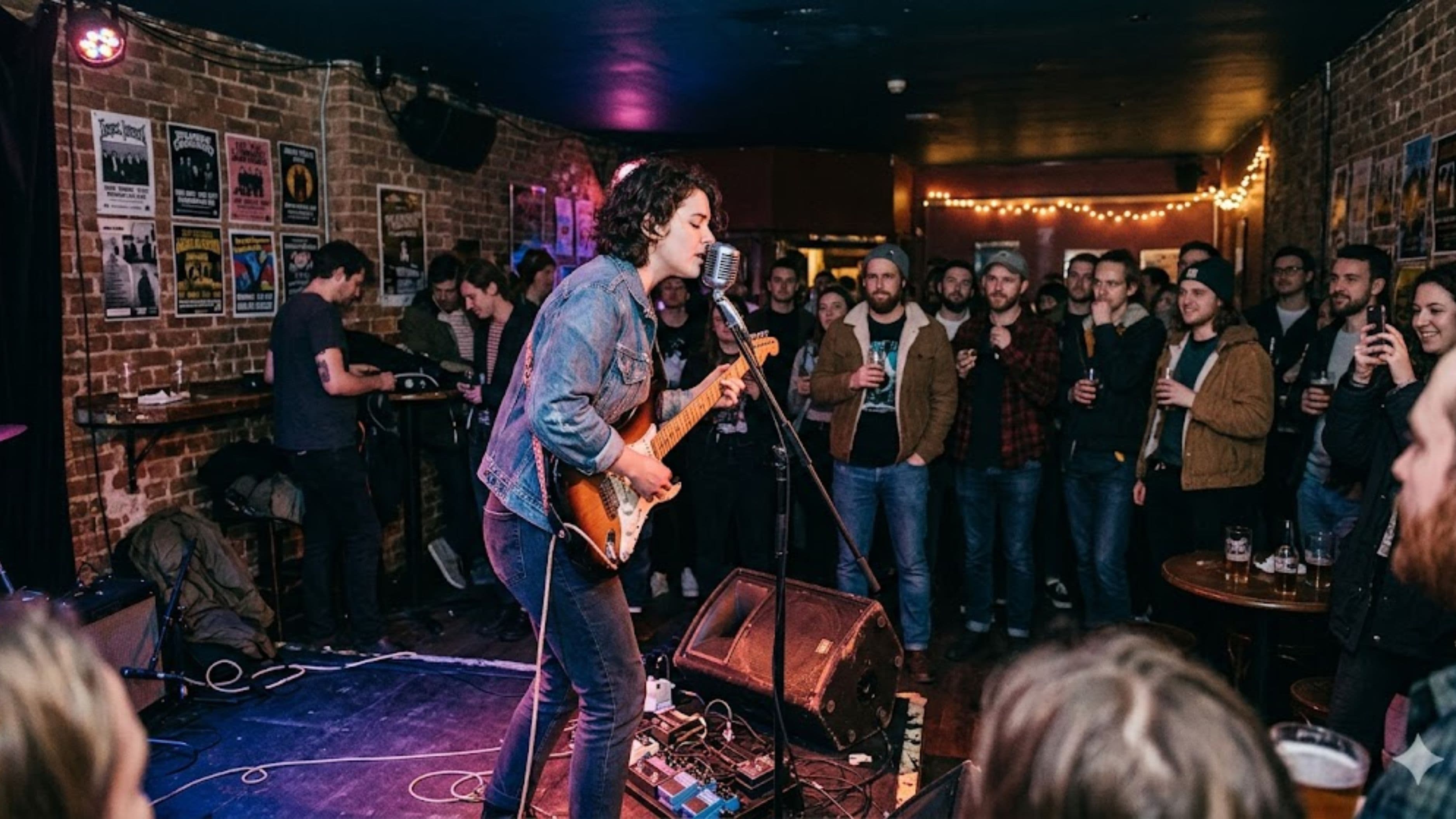
Social media has accelerated this in an unexpected direction. You'd think the drive for shareable content would push everything toward the most visually spectacular experiences possible. But the content that actually travels from live shows — the clips that circulate, the performances people talk about — is increasingly the raw, unmediated kind. The moment where a singer stops the track to talk to the crowd. The acoustic version no one expected. The set that felt like a secret. That content is only possible in a room small enough for those moments to happen and land. A 75,000-person stadium doesn't generate intimacy content because the physics of the space prevent it.
Streaming has also changed the relationship between artists and their most committed fans. The casual listener has more music than they can ever consume. The people showing up to an intimate show are the ones who've listened to the album forty times, know the B-sides, have followed the artist across platforms for years. Playing to that room is a different experience for the performer and the audience — and some artists find it genuinely more creatively satisfying than the scale-maximized production of a full tour.
The Artist Side: Why Established Acts Are Choosing Small
The most interesting data point in this trend isn't emerging artists playing intimate venues because they have no choice — it's established artists deliberately scaling down when they don't have to.
Adele's residency approach — extended runs in controlled environments rather than traditional touring — is one version of this logic. Taylor Swift surprised fans with intimate sessions during the Eras album cycle. Radiohead famously scheduled small venue warm-up runs before major tours that became legendary among dedicated fans. The pattern is consistent: artists who could play anywhere are choosing specifically configured smaller rooms because something about those rooms serves the work.
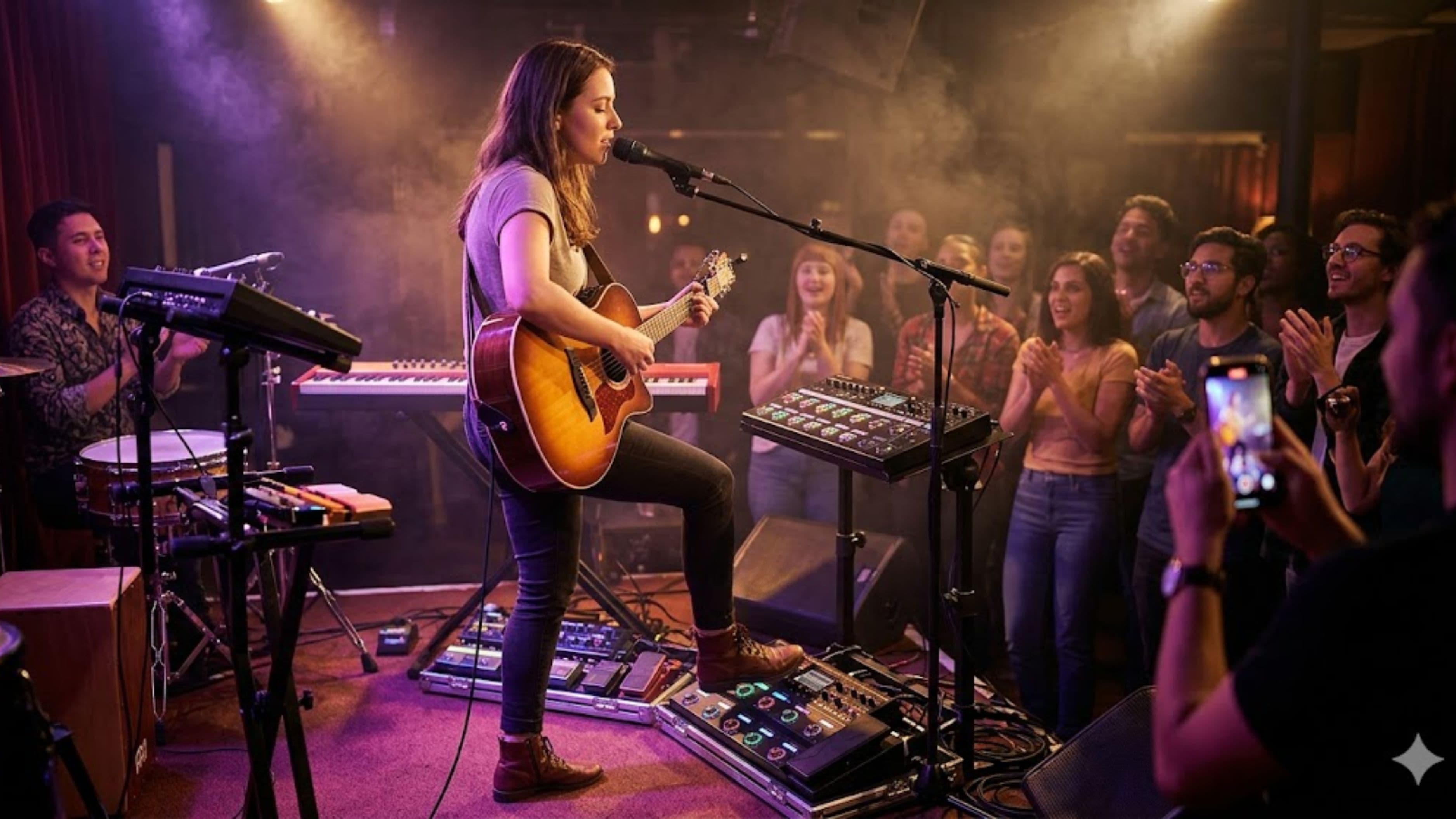
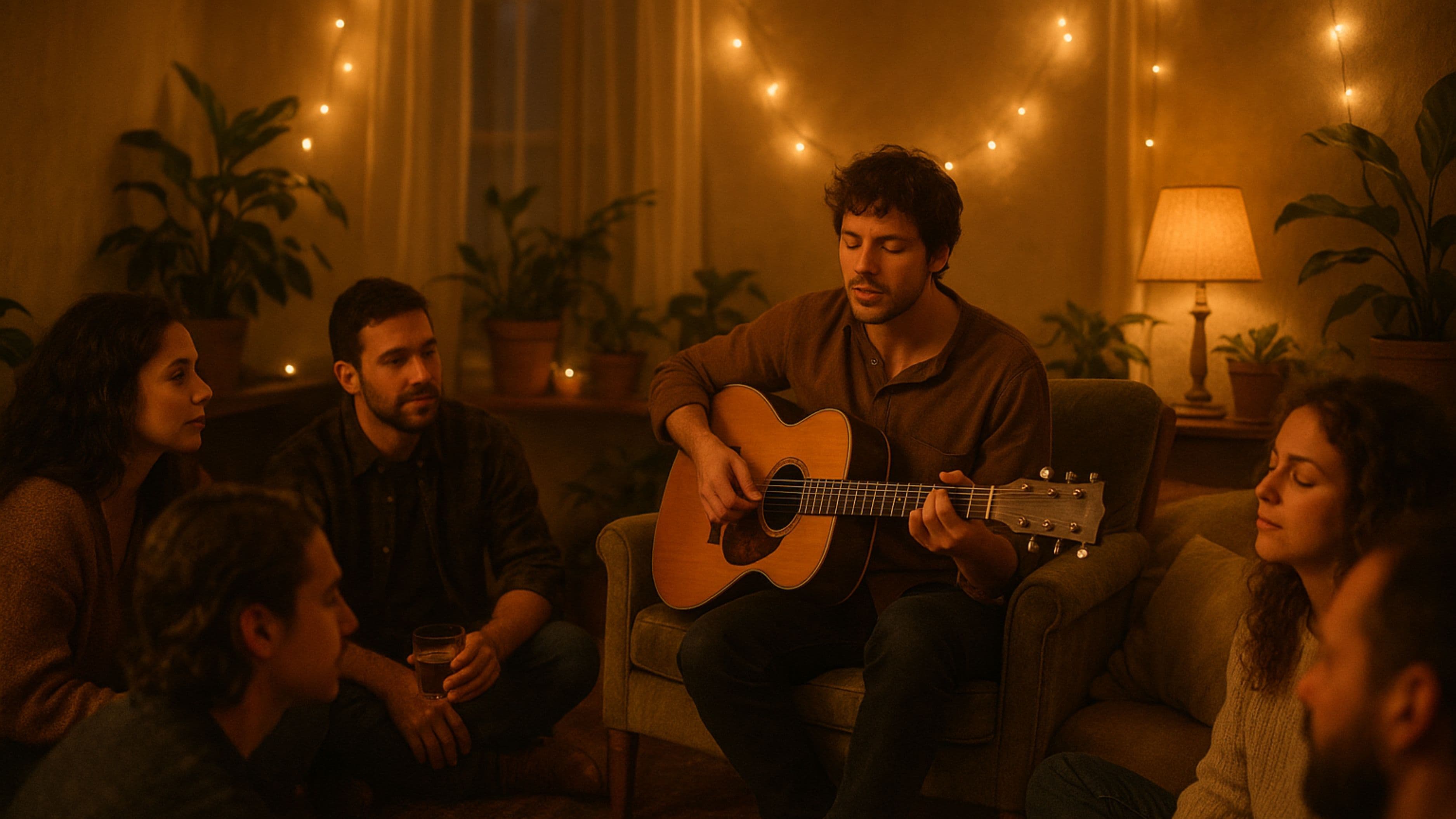
Part of this is creative. A stripped-back performance in a club or theater demands a different kind of skill than a production-heavy arena show. The music has to carry more weight, the performer-audience feedback loop is immediate and unforgiving, and the experience of genuinely connecting with a room of 300 people who know every word is distinct from performing to a sea of faces. Many artists describe intimate shows as where they feel most like themselves as performers.
Part of it is also strategic. An artist who primarily tours arenas has relatively few touch points with their fanbase in a given year. Adding one or two intimate shows — positioned correctly, ticketed carefully — creates an event within an event. It generates press, it rewards the most engaged portion of the fanbase, and it produces documentation of a different side of the artist than the full production tour captures.
The Fan Side: Why Demand Has Spiked
Fans who chase intimate shows aren't just looking for proximity to an artist they love. They're looking for experiences that feel different from the increasingly standardized live music landscape.
The complaint you hear consistently from regular concert-goers is that large-scale touring has become somewhat predictable: production-heavy, tightly choreographed, more spectacle than performance. That predictability has value — you know what you're getting, and for casual fans that's fine. But for dedicated fans who've seen an artist multiple times, the intimate show offers something the arena tour structurally can't: the possibility that something unexpected will happen.
The sense of occasion that surrounds limited-capacity events also plays a role. When a show holds 400 people and the artist has a fanbase of millions, attendance is a genuine achievement. The exclusivity isn't manufactured — it's real, and fans feel it. The shared experience of being in a room that small with a major artist creates a story worth telling, and the social currency of that story drives demand further.
This has pushed secondary market prices for intimate shows to levels that would have seemed implausible for club gigs a decade ago. It's not unusual to see resale tickets for intimate performances by mid-level and established artists running at 3x, 5x, or even 10x face value — price signals that indicate demand wildly outpacing supply and an audience willing to pay significantly for the specific experience these shows offer.
What This Means for Independent and Emerging Artists
For artists building their fanbase, the rise of intimate venue culture is genuinely useful context — because it validates a model that emerging artists often occupy by default and sometimes feel self-conscious about.
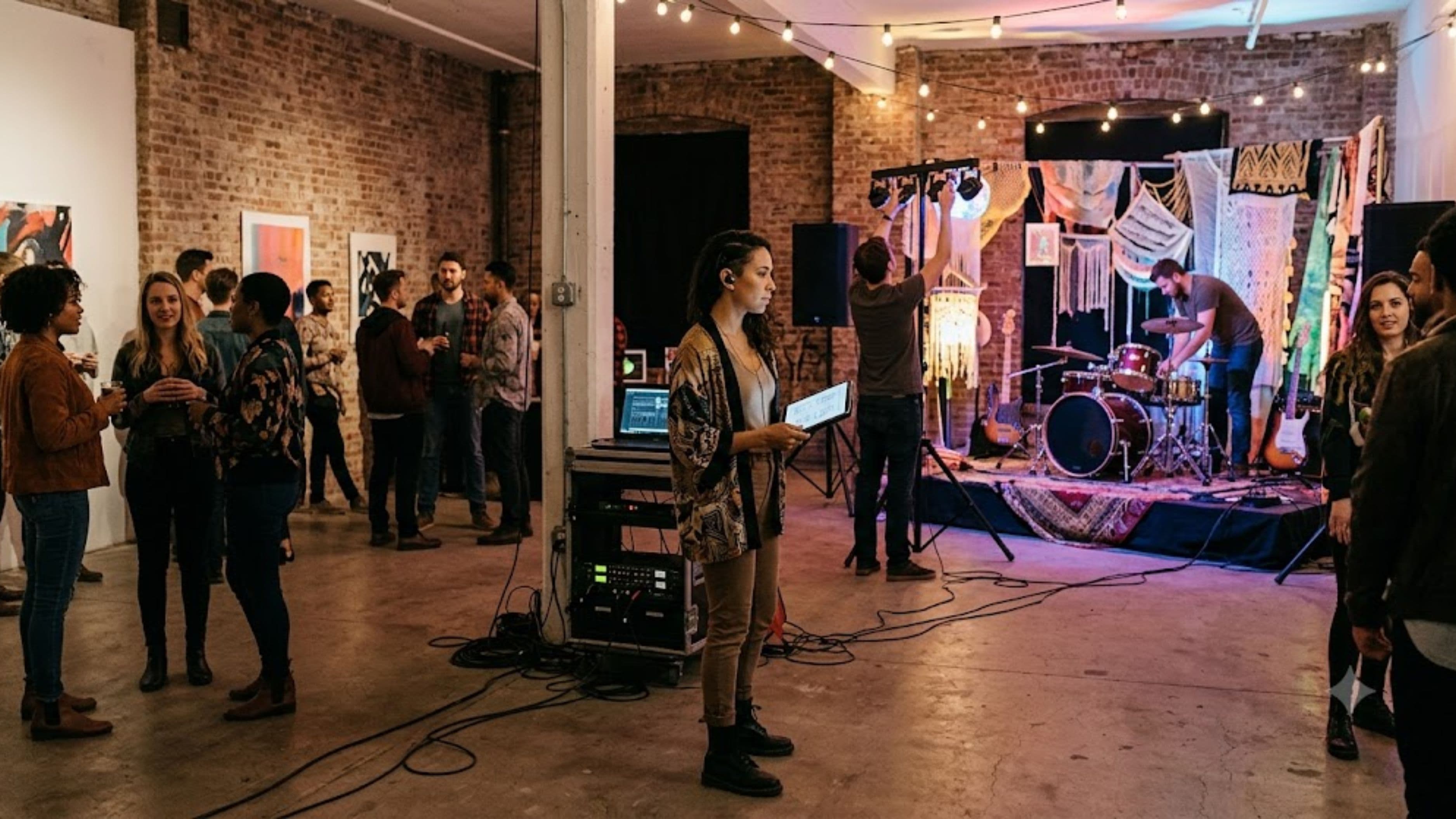
Playing 200-cap rooms isn't a stepping stone to be endured on the way to bigger things. For many artists at a certain level of fanbase development, it's actually the optimal configuration. The shows where something real happens — where the audience and performer are in genuine contact, where the set can be responsive to the room, where something unexpected can occur — are often the small ones. Those shows become the founding mythology of a fanbase. The fans who were in the room when it was this small become the core supporters who follow the artist for years.
There's a practical framing here worth holding: the goal of an early-career touring strategy probably shouldn't be "play as large a room as possible." It should be "play rooms where you can actually fill them and create a real experience." A sold-out 150-person room is a better show, a better story, and better for fanbase development than a sparse 600-person room. The demand signal from a sold-out small room is also a cleaner argument to a booker, promoter, or label than a middling turnout in a venue you weren't ready for.
The Business Mechanics Are Shifting Too
The economic logic of intimate touring is also evolving in ways worth understanding. For established artists, intimate shows can operate at different margin structures than traditional tours. Lower production costs, shorter tour routing, and concentrated fan engagement in specific markets can make a small-venue run surprisingly viable financially compared to the overhead of full production touring.
Ticketing has become a strategic conversation in this context. Artists who want intimate shows to reach genuine fans rather than speculators have pushed platforms toward tools like fan club presales, ballot-based ticketing, and purchase limits — attempting to route access toward the most engaged portion of the fanbase. Some have experimented with dynamic pricing structures that capture more of the economic value for the artist rather than the secondary market. None of these solutions are perfect, but the active attention being paid to access design reflects how seriously artists and their teams are taking the integrity of the intimate show experience.
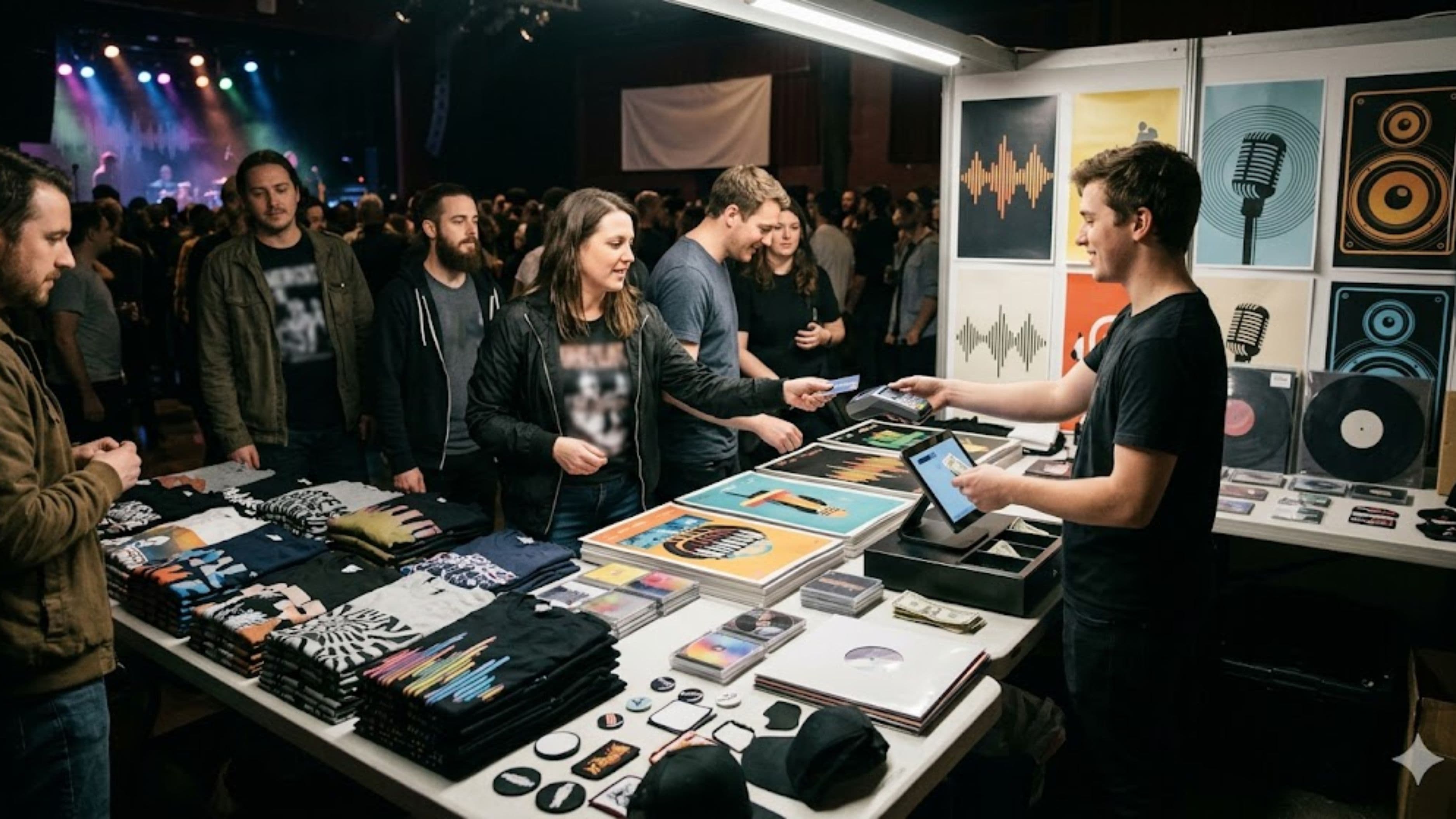
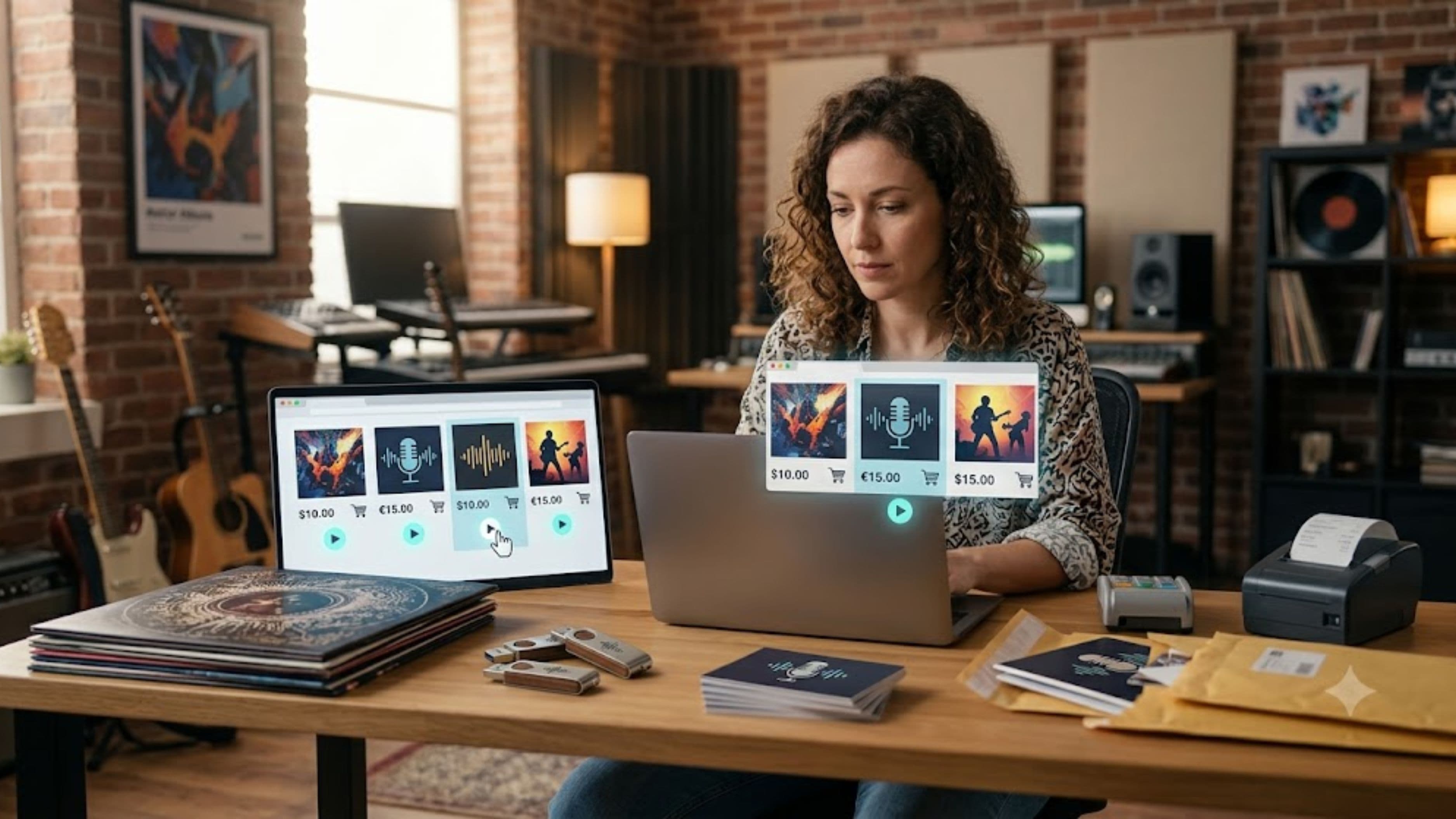
For independent artists, the business model insight is simpler: a packed small room with real merch sales and genuine fan engagement is a stronger foundation than a large room with low occupancy. The per-head revenue potential at intimate shows — tickets, merchandise, meet-and-greet opportunities — is often higher than at larger, more casual-attendance events.
What to Watch Out For
The risk in the intimate venue trend is that it generates its own kind of inauthenticity when it's performed rather than genuine. An artist who manufactures the appearance of intimacy — scripted "spontaneous" moments, theatrical small-room performances that are every bit as produced as arena shows — typically gets found out quickly by a fanbase that's specifically there for the unmediated version.
The other practical risk is access design. When demand massively exceeds supply for intimate shows, ticketing failures that allow bots or resellers to control supply erode the experience for the actual fanbase and generate resentment rather than appreciation. Artists and their teams who don't think carefully about how tickets reach fans end up with a situation that's good for speculators and bad for the audience that makes the show worth having.
There's also a real question about whether the trend sustains its current cultural energy or normalizes into something more routine. When every artist starts treating small shows as brand moments rather than genuine creative choices, the differentiation that makes them valuable starts to erode. The artists who benefit most from intimate venue culture are probably the ones who understand why smaller actually feels different — and perform accordingly.
FAQ
Are intimate shows financially viable for independent artists without a large fanbase? They can be, depending on the market and the room. The key variable is filling the room — a sold-out 100-person show in a city where you have genuine audience density is more financially and strategically useful than a half-filled 300-person show. Routing early tours around cities where you have concentrated online followers, community connections, or opening slots is more effective than geography-based touring that spreads you thin.
How should an artist approach transitioning from small to mid-size venues? Gradually and based on genuine demand signals, not timeline pressure. The progression from 100 to 250 to 500-cap rooms should be driven by consistent sellouts and growing demand, not a desire to appear further along than you are. Moving too fast risks the sparse attendance problem that undercuts both the show experience and the artist's market positioning.
What makes intimate shows go viral on social media? Unscripted moments, genuine connection between performer and audience, and musical choices that feel specific to the room. The content that circulates from small shows — unexpected covers, emotional audience interactions, stripped-back arrangements — can't be pre-produced; it has to happen organically from a genuine show. That's also what separates well-received intimate performances from ones that feel contrived.
Is the intimate venue trend genre-specific? Not significantly. The trend is visible across pop, indie, hip-hop, electronic, country, and R&B. The specific configuration varies by genre — the 500-cap listening room versus the intimate club night versus the sit-down theater — but the underlying dynamic of fans valuing closeness and genuine performance over production scale is showing up everywhere.
How do artists typically announce intimate shows to maximize engagement? Short lead times and surprise are common tactics — announcement to show in 24–72 hours creates urgency and buzz and reduces the time window for secondary market activity. Fan club or newsletter pre-announces reward the most engaged audience segment. Limited registration windows rather than first-come-first-served general on-sales have become a popular access design choice for high-demand intimate shows.
The Takeaway
The rise of intimate venue shows isn't a rejection of scale — it's a recalibration toward what live music actually does best. Small rooms create the conditions for real moments to happen, and real moments are what fans remember, share, and build loyalty around. Artists at every level who understand that logic — and who can create shows that deliver on it — are the ones best positioned for the current moment in live music.
For independent artists, that's mostly good news. The format you're probably already performing in is the format with the most cultural tailwind right now. The question is whether your approach to those shows is deliberate enough to take advantage of it.
📚 Sources
Pollstar – Live music industry data and intimate show trends: https://www.pollstar.com/article/the-state-of-live-music-2024-147950
Billboard – Why artists are choosing smaller venues in 2024: https://www.billboard.com/pro/why-artists-are-choosing-intimate-venues-2024/
Variety – The economics of intimate touring for established acts: https://variety.com/2023/music/news/intimate-shows-touring-trend-artist-economics-1235620000/
Pitchfork – Intimate performances and the culture of small venues: https://pitchfork.com/features/article/the-return-of-the-intimate-show/
Hypebot – Independent artist touring strategy and venue sizing: https://www.hypebot.com/hypebot/2023/09/how-to-build-a-sustainable-live-touring-strategy.html