🎼 Choosing the Right Number of Keys
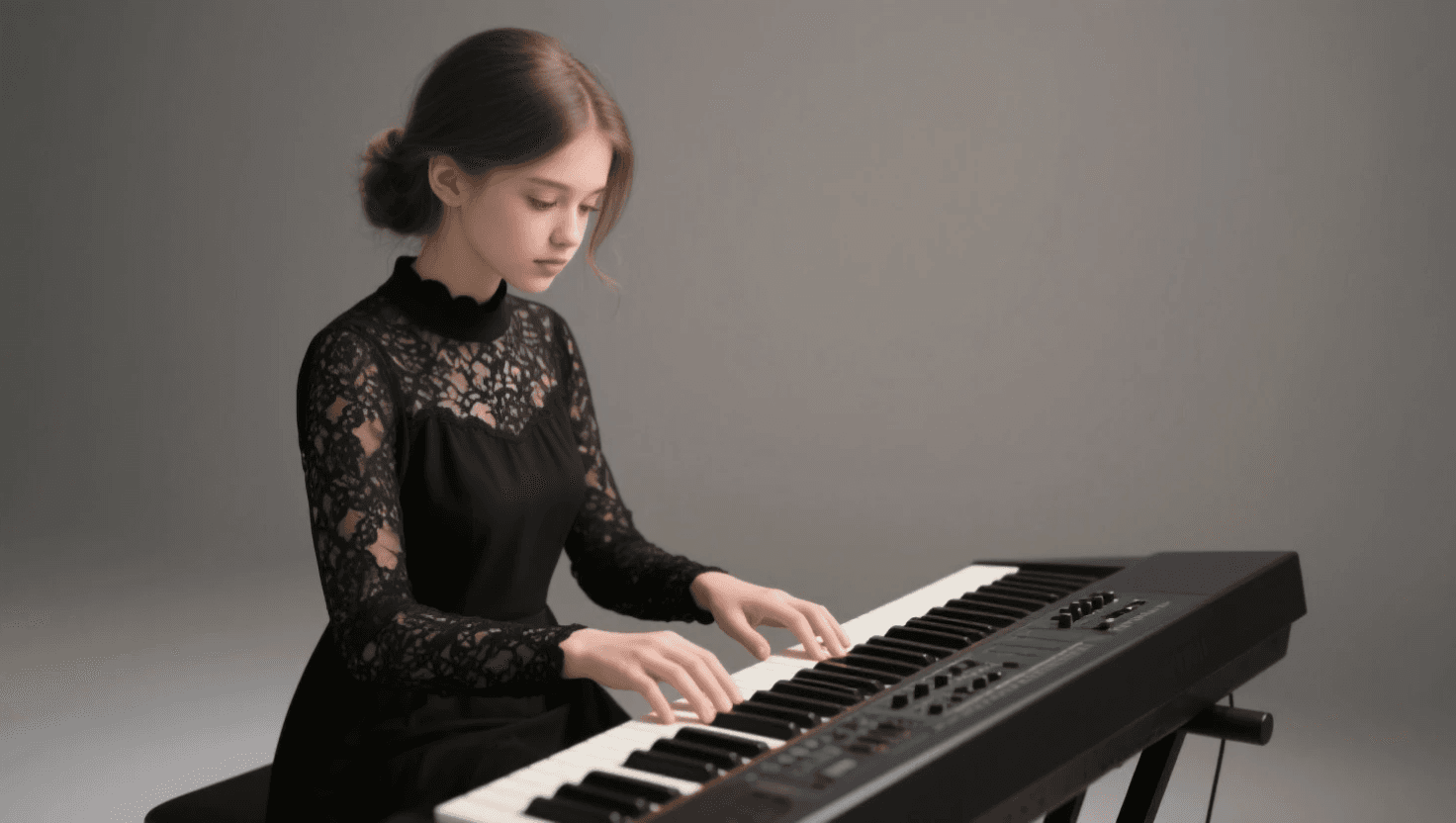
The number of keys on a keyboard significantly impacts what you can play and how closely it resembles a traditional piano. A full-sized instrument has 88 keys, which mirrors the range of an acoustic piano and is ideal for students pursuing formal lessons or classical music. However, for absolute beginners or younger learners, models with 61 or 76 keys can offer a more manageable and portable alternative. These are often sufficient for foundational skills and early repertoire while accommodating space and budget constraints.
🎹 Understanding Touch Sensitivity and Weighted Action
Touch sensitivity is an essential feature that allows dynamic control—meaning the keyboard responds to how softly or forcefully keys are pressed. This capability supports expressive playing and helps new students develop proper technique. For a more authentic piano feel, consider keyboards with semi-weighted or fully weighted keys, which mimic the resistance of an acoustic instrument. While not always necessary at the start, this feature becomes increasingly valuable as skills advance.
🧠 The Value of Built-In Educational Features
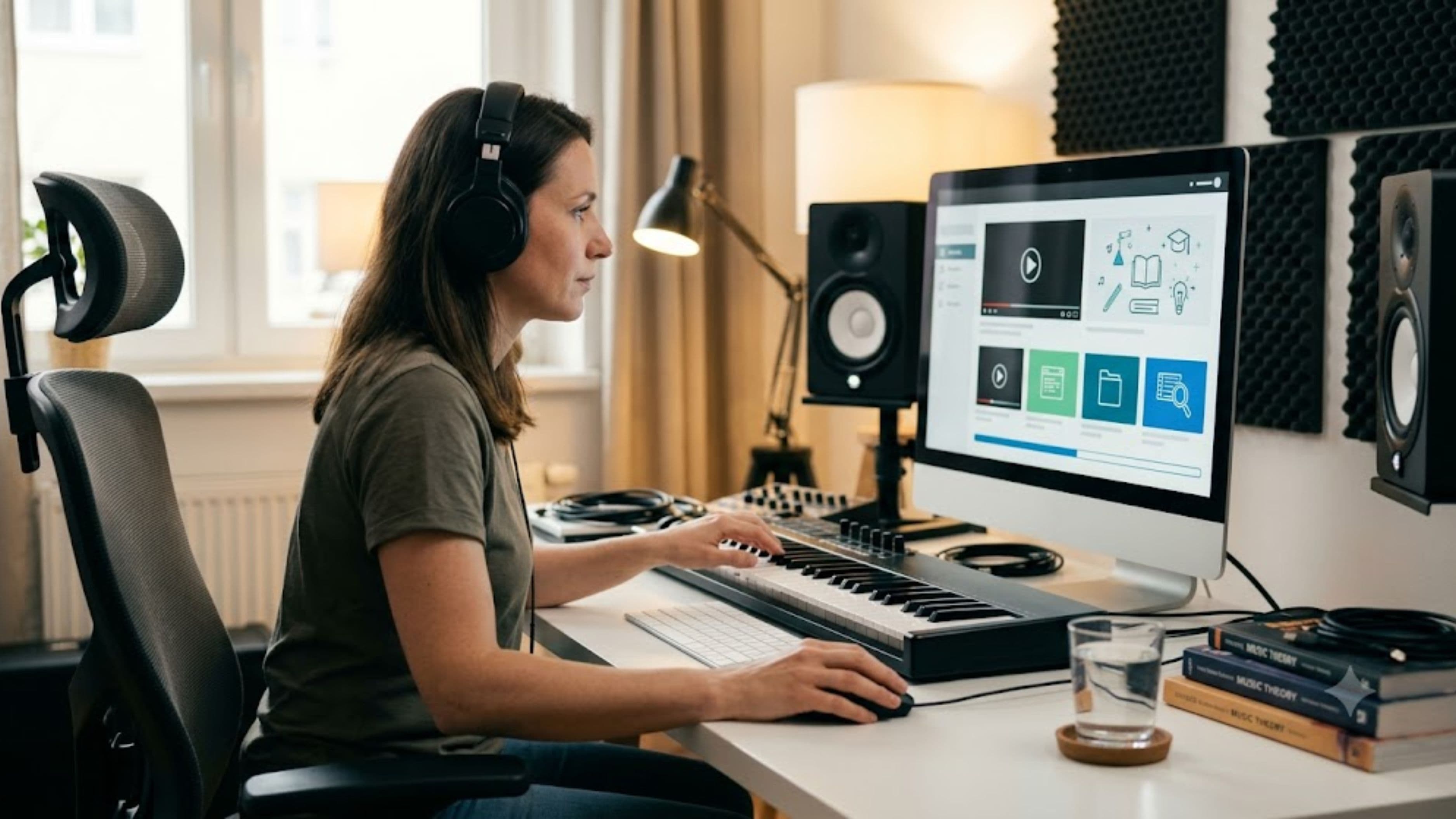
Many beginner-friendly keyboards include integrated learning tools, such as metronomes, light-up keys, step-by-step lesson modes, and song libraries. These can significantly enhance practice routines, particularly for learners without access to regular instruction. Additionally, some models are compatible with interactive learning apps or software, providing real-time feedback and structured progress tracking. These tools promote consistent engagement and support self-directed learning, especially at early stages.
🔧 Accessories, Connectivity, and Future Flexibility
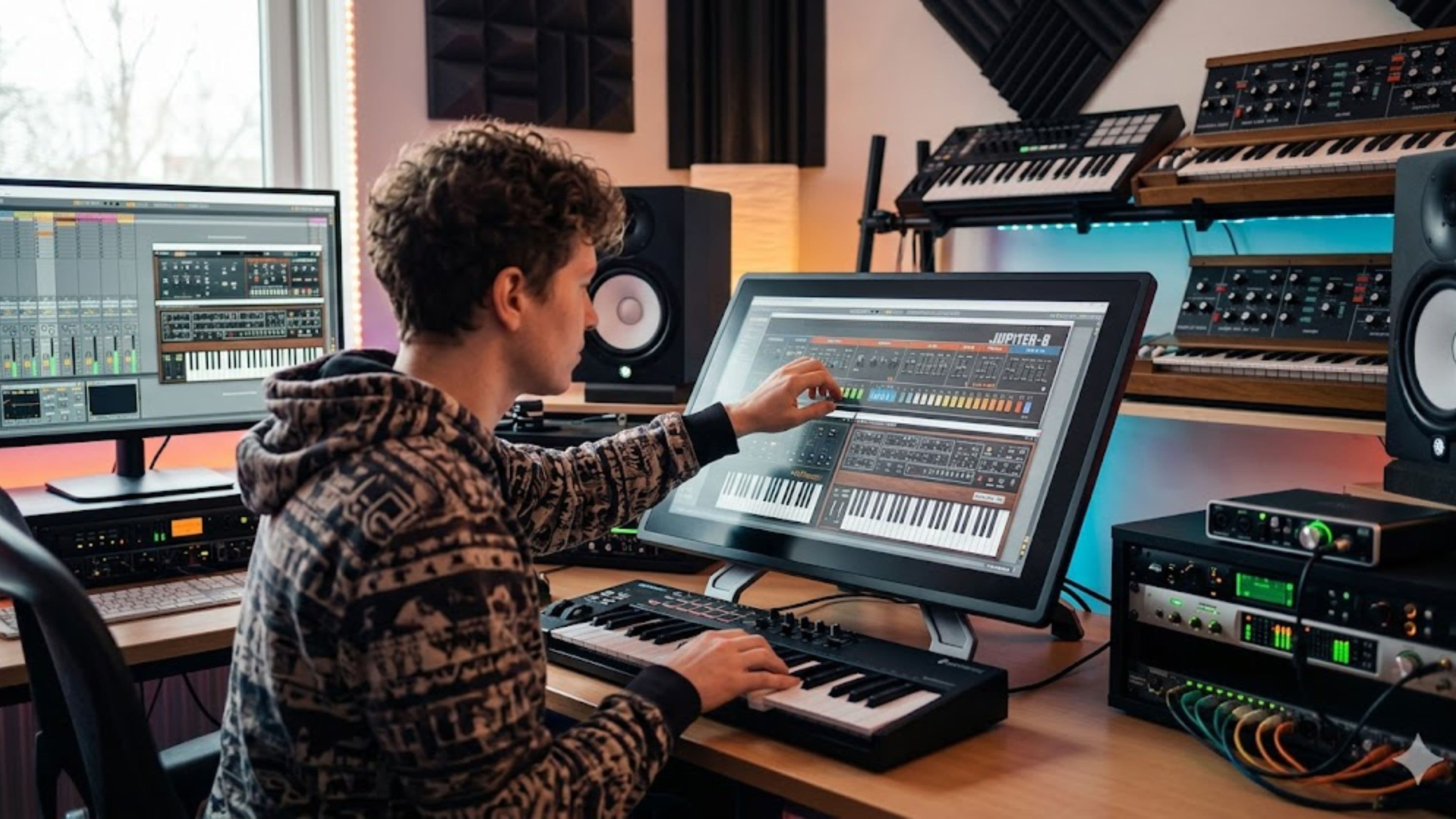
Before completing your purchase, consider whether the keyboard includes or supports essential accessories such as a sustain pedal, adjustable stand, bench, and headphones. These contribute to a more comfortable and functional playing environment. Furthermore, USB and MIDI connectivity allows integration with music production software and online tutorials, offering greater flexibility for future learning or creativity. Investing in a keyboard that supports your evolving needs ensures your musical path is both rewarding and sustainable.
🏠 Sound Quality and Built-In Speakers
While not always top of mind for beginners, sound quality plays a significant role in your overall playing experience. A keyboard’s tone should be rich, realistic, and pleasant to the ear—especially if you want to develop a good ear for pitch, dynamics, and expression. Low-cost models often come with tinny or synthetic sounds, which can be discouraging over time.
Look for keyboards that use high-quality sampling technology (such as Yamaha’s AWM or Roland’s SuperNATURAL) and have decent built-in speakers. Some digital pianos even simulate the resonance of an acoustic instrument. If possible, test the sound before buying or read reviews that mention speaker clarity and headphone output.