The influence of K-Pop fandom models on Western artist strategy has been building quietly for several years and is now accelerating. If you're an artist or someone working in the music industry, understanding this shift helps explain a lot of what major acts are doing differently — and what independent artists can actually borrow from the playbook.
What Makes the K-Pop Fandom Model Different
To understand what's being borrowed, you have to understand what made K-Pop fan culture different from conventional Western pop fandom in the first place. It's not just enthusiasm — it's architecture.
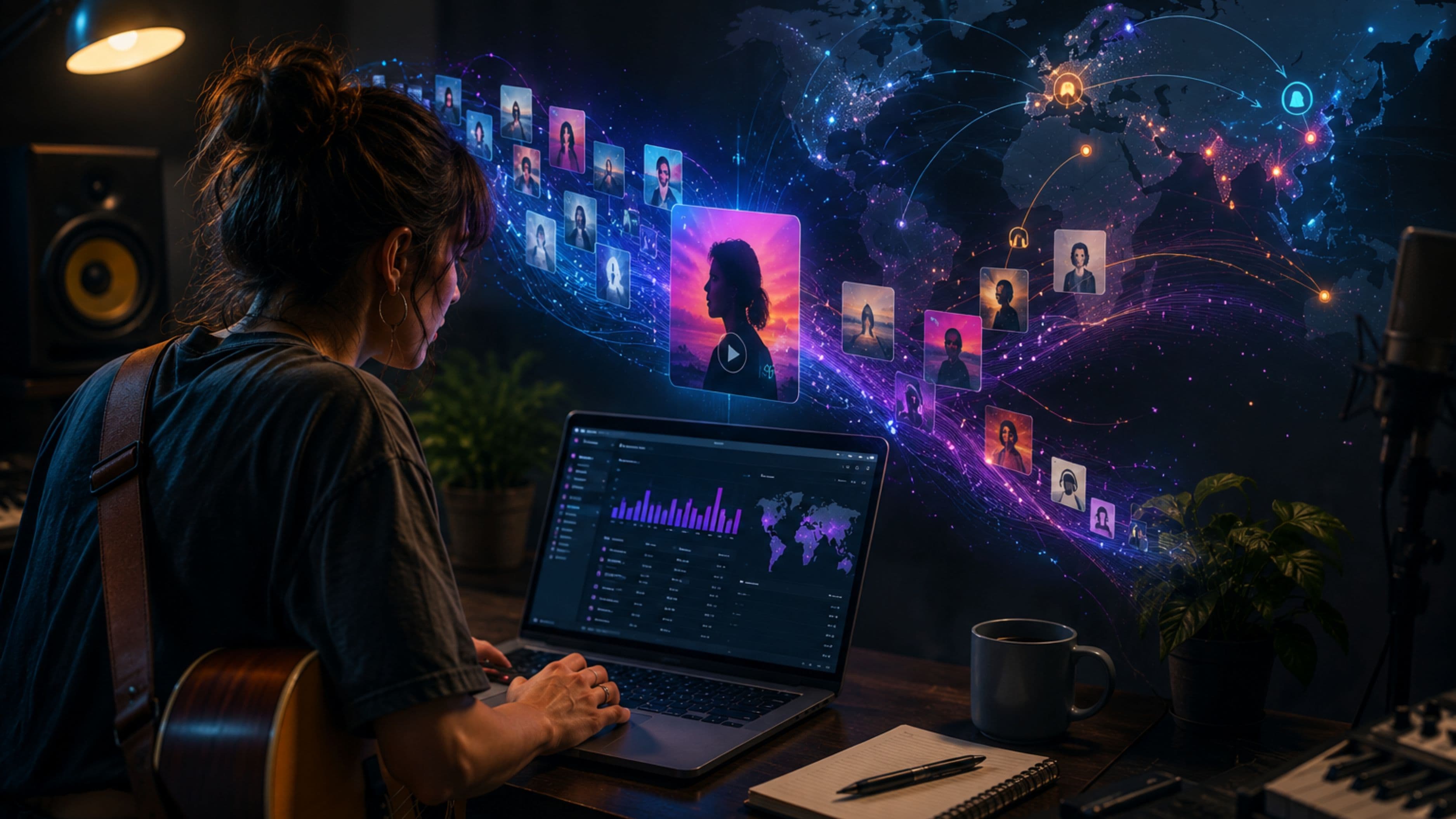
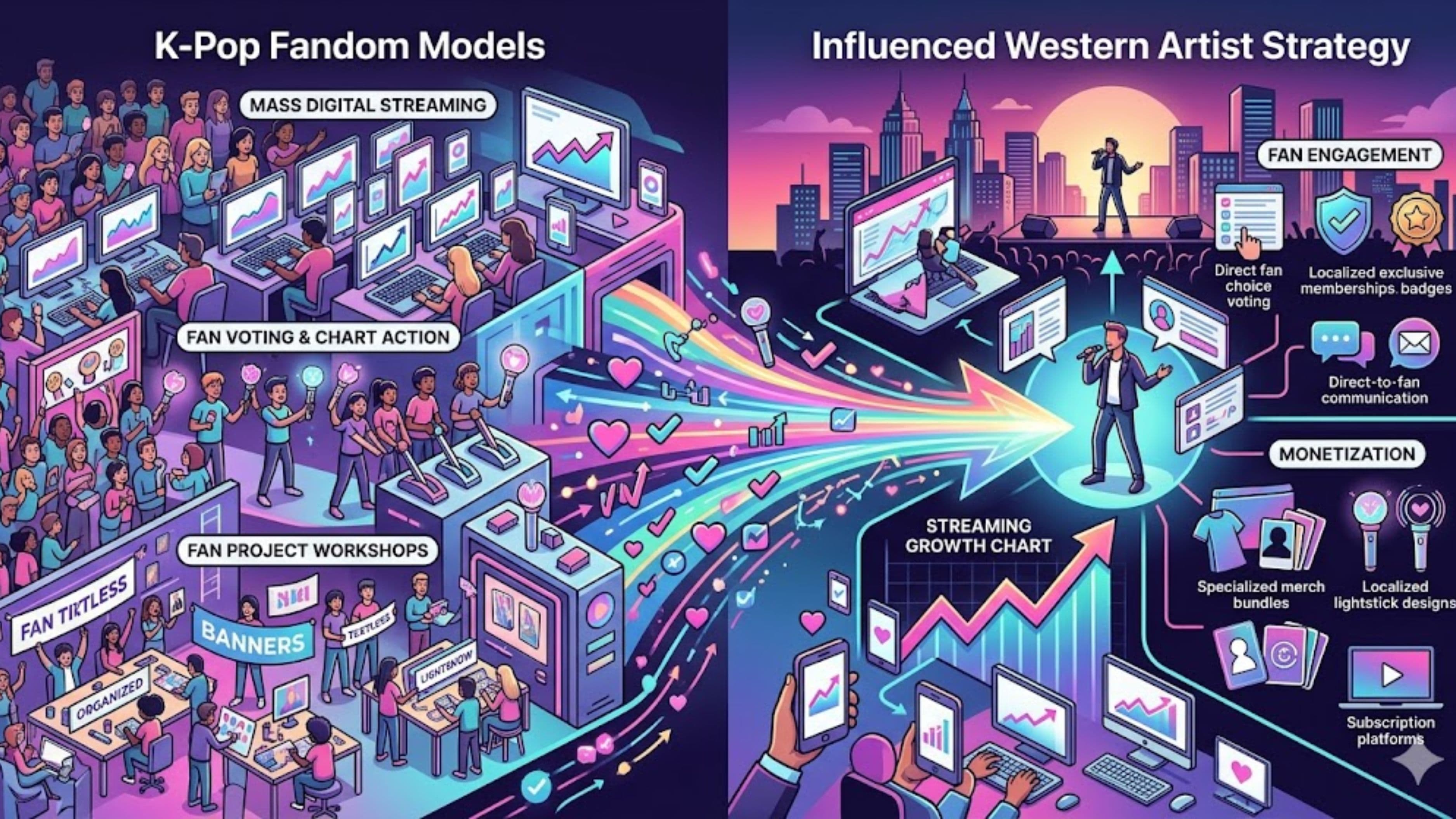
K-Pop fandoms are organized around what the industry calls a "participatory ecosystem." Fans don't just consume content; they're given specific roles in generating success. Streaming parties are coordinated to push songs up charts. Album sales are structured around collectibles — multiple physical versions, randomized photo cards, exclusive digital content — so a single release generates dozens of purchase occasions rather than one. Fan-made "birthday projects" and mass social media actions create cultural moments that function as free promotional campaigns. The distinction between "fan" and "team member" is intentionally blurred.
Labels and management companies reinforce this through infrastructure: official fan clubs with tiered memberships, exclusive content platforms, fan voting systems that feed into actual industry decisions (award nominations, set lists, album concepts), and constant low-friction interaction between artists and fans through platform features like fan cafe systems and fan-exclusive apps. The result is a community that treats supporting an artist as an ongoing, active practice rather than a passive appreciation.
Western pop had fan culture, obviously. But it never had this level of organizational infrastructure or this explicit framing of fans as participants in an artist's success.
Where Western Artists Started Paying Attention
The shift became visible around 2019–2020, when several major Western acts began launching features and strategies that read as direct K-Pop influence. Taylor Swift's album rollout for Folklore and subsequent releases incorporated multiple physical editions with exclusive artwork variants, a direct callback to K-Pop's multi-version physical sales strategy. Her "Vault" tracks and Easter egg culture created the same kind of participatory scavenger hunt dynamic that K-Pop fandoms organize around. The result was a fan base that behaves like an organized fandom — streaming parties, coordinated chart campaigns, group purchases of specific editions — in ways that earlier Swift-era fandom didn't.
BTS's crossing into Western markets accelerated this. Their ARMY fandom demonstrated to Western labels and artists what a fully mobilized K-Pop-style fandom could achieve: number one US albums, sold-out US tours, Billboard chart success that defied the conventional gatekeeping of Western radio. It was proof of concept, and the industry noticed.
More recently, artists like Sabrina Carpenter, Olivia Rodrigo, and a range of mid-tier pop acts have incorporated elements of the model explicitly — multiple physical versions with collectible inserts, fan-club tier systems with exclusive content access, livestream formats built around fan interaction rather than performance, and structured digital engagement campaigns timed around release cycles.
The Specific Tactics Being Adopted
The borrowing isn't monolithic — different artists are picking up different pieces of the model depending on their scale and audience.
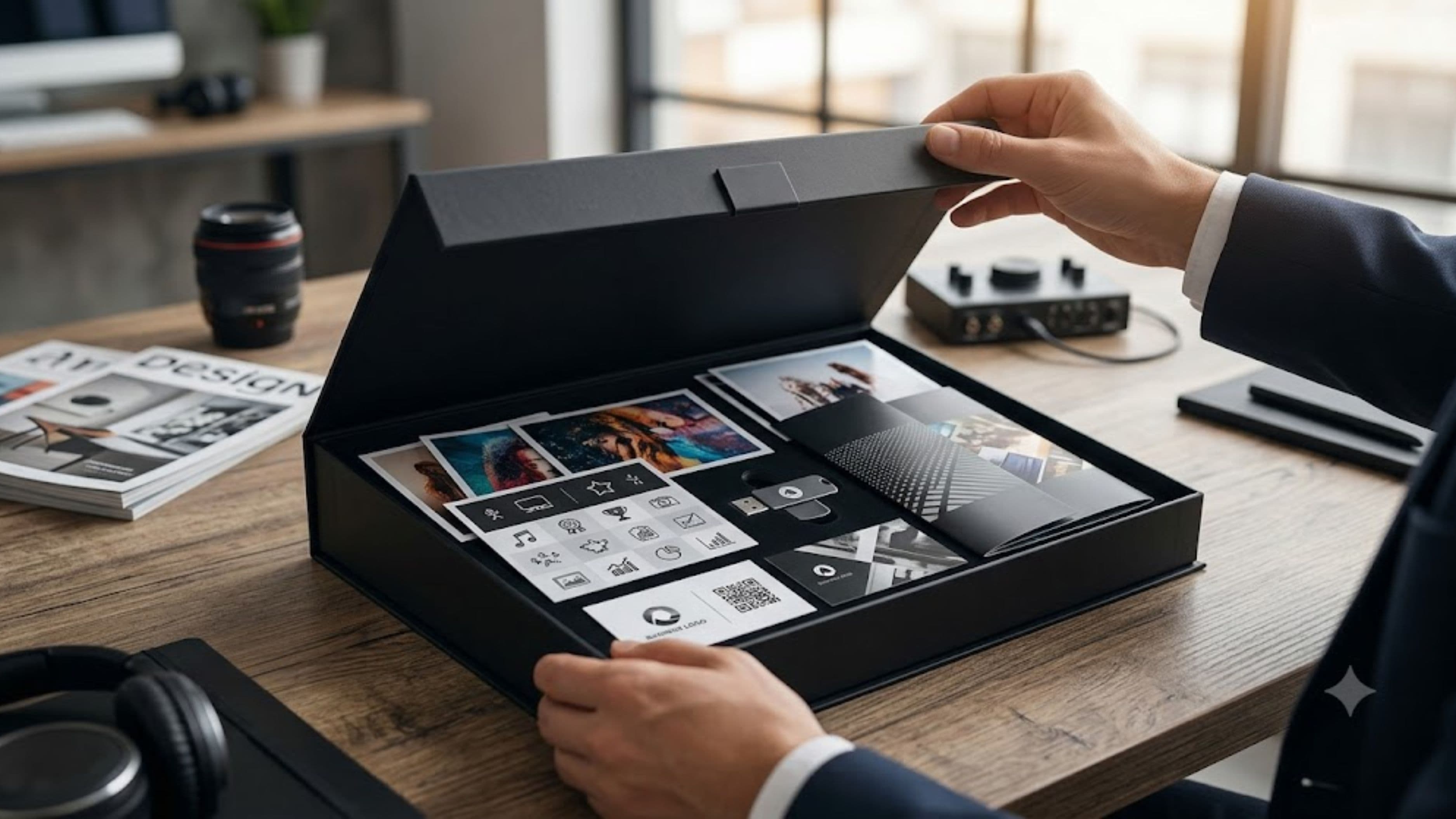
Physical collectible sales are the most visible and commercially significant adoption. K-Pop's approach of releasing multiple versions of an album — each with different covers, different photo books, randomized collectible photo cards — turns a single album release into multiple purchase occasions for dedicated fans. Western labels resisted this for years as too "niche." They've been rapidly reversing that position.
Vinyl variants in multiple colors with exclusive inserts, limited edition bundles with physical collectibles, different regional editions — these are now standard tools in major label rollout strategies, particularly for pop acts with engaged fan bases.
Fan club platforms and membership models have grown significantly. Traditional models gave fans a newsletter and maybe early ticket access. The K-Pop-influenced version offers tiered memberships with exclusive content — unreleased footage, behind-the-scenes documentation, direct artist messages, virtual fan meetings — structured to reward ongoing financial participation rather than one-time purchases. Platforms like Patreon, OnlyFans, and dedicated artist apps have made this infrastructure accessible at multiple scales. For independent artists specifically, the membership model is one of the most directly applicable K-Pop-derived strategies — it creates predictable revenue and a dedicated community simultaneously.
Coordinated streaming campaigns — often organized within fan communities rather than by the artist directly — have become a standard part of major release strategy. Artists and their teams don't always officially endorse streaming parties, but they're rarely discouraging them either. The infrastructure for organizing them — fan Discord servers, Twitter/X coordination spaces, dedicated fan apps — has been built by fandoms and is now factored into first-week projections by teams who understand how it works.
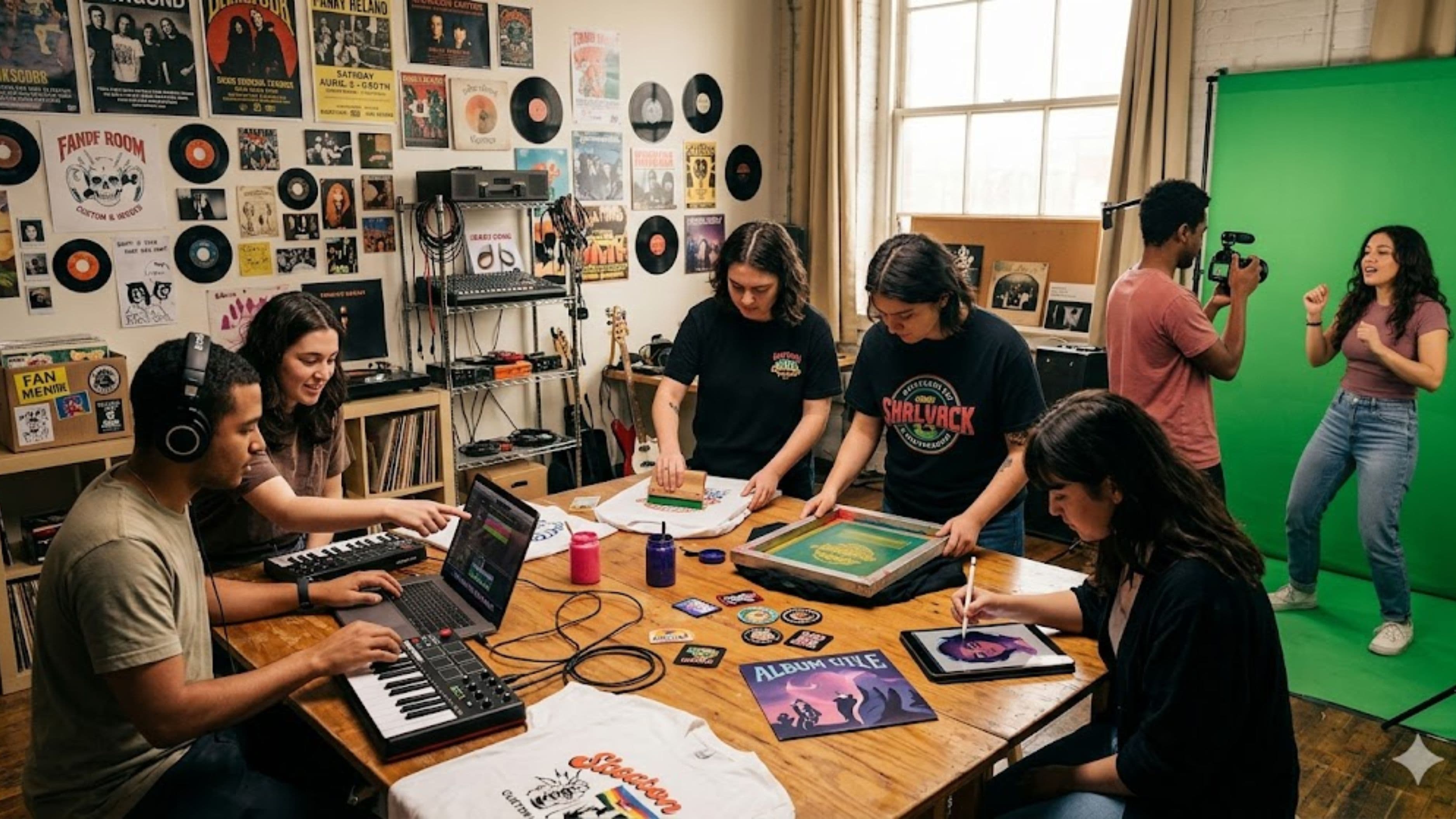
Fan participation in content is increasingly built into rollout strategy. Remix contests, fan art campaigns with official signal boosts, lyric interpretation threads, cover video encouragement — these generate enormous quantities of organic content that extends reach and functions as social proof. K-Pop labels have been running structured versions of these campaigns for years; Western artists are integrating them more systematically.
Parasocial communication tools — the K-Pop industry developed platforms specifically designed for low-friction, high-frequency artist-to-fan communication that feels personal rather than promotional. Weverse, Bubble, and similar apps let artists post updates, respond to comments, and communicate in ways that feel direct and intimate. Western equivalents are developing: Instagram Close Friends features, BeReal activations, Discord AMA formats. The underlying principle is the same — regular, seemingly personal contact sustains parasocial attachment that keeps fans engaged between releases.
Why This Matters for Independent Artists
The scale difference between a major K-Pop act and an independent artist is real, but the underlying logic of the fandom model scales down. Several elements are directly applicable without a major label budget or a management company infrastructure.
The most important insight from K-Pop's fandom architecture is the shift from "audience" to "community." An audience consumes. A community participates. An audience grows through reach; a community grows through belonging. The tools for building community rather than audience — consistent direct communication, giving fans roles in your growth, creating ongoing reasons to engage rather than just transactional release moments — are available to independent artists at low cost. A Discord server, a Patreon with exclusive content, a consistent posting cadence that shows the work rather than just the output, and structured engagement campaigns around releases are all K-Pop-derived strategies that work at small scale.
The physical collectible model is also accessible to independent artists in a modified form. Small vinyl or cassette runs with multiple variants, signed limited editions, bundled merch releases with release-specific artwork — these strategies build purchase intent among existing fans and signal scarcity in ways that drive sales. The economics work differently at smaller scale, but the principle holds: give fans a reason to buy physical goods as a form of participation, not just consumption.
What doesn't translate cleanly is the most infrastructure-heavy part of K-Pop's model — the voting systems, the fan-managed award campaigns, the coordinated chart action. Those require a fandom of a certain size to have any impact. For artists at early stages, the focus should be on community building and direct fan relationships, not chart mechanics.
What to Watch Out For
The K-Pop fandom model works extraordinarily well at generating engagement and sales. It also carries risks worth understanding before adopting it wholesale.
The most significant is the intensity of emotional investment it cultivates. K-Pop fandoms are deeply attached — to the point where fan expectations around artist behavior, relationships, and personas can become genuinely constraining. Western artists who build this kind of community need to be intentional about the relationship dynamics they're creating. Encouraging fandom as a core identity rather than an interest comes with obligations and pressures that can be difficult to manage.
The multiple physical versions strategy, while commercially effective, has also attracted criticism for environmental impact and for perceived exploitation of fan purchasing behavior. If you're adopting this model, thinking through how it's framed — and what you're actually giving fans of value in each version — matters for how it lands with your audience.
Fan community building also requires consistent maintenance. A Discord that goes quiet, a Patreon with irregular content, or a membership platform that doesn't deliver on its promises damages trust in ways that are hard to recover from. If you're building a community, you're committing to showing up for it.
FAQ
Do you need a large following to use K-Pop-style fandom strategies? No. The membership model, consistent direct communication, and community building approaches work at any size. An artist with 5,000 dedicated fans who treats them as community members will generate more sustainable revenue and engagement than an artist with 50,000 passive followers. The scale-up happens when the community is genuinely active.
Which K-Pop-derived strategy has the most direct ROI for independent artists? Fan membership platforms — Patreon, a dedicated artist app, or similar — offer the clearest return. They convert passive fans into recurring revenue contributors and build the kind of community infrastructure that K-Pop labels build at much higher cost. For an independent artist, $5–$15/month from a few hundred dedicated fans is meaningful and sustainable.
Is there a risk of alienating casual fans with these strategies? Yes, if overapplied. The multiple album version strategy and tiered fan club model work because the most dedicated fans self-select into the deeper engagement while casual fans can still participate at surface level. The key is making the casual tier feel complete, not like a downgrade. If casual fans feel squeezed out or left behind, the model backfires.
How are Western labels specifically changing their rollout strategies because of K-Pop influence? Multiple physical editions, coordinated pre-save and streaming campaigns, exclusive fan club content tied to release windows, and integration of fan participation in album rollouts are all now standard in major pop releases in ways they weren't five years ago. The labels are also increasingly building Weverse-style fan platforms through partnerships or acquisitions.
Can this model work for genres outside of pop? It works best for genres with fan identity cultures — pop, hip-hop, metal, and country all have subcultures with strong participatory potential. It's less applicable for genres where listening is primarily solitary or where "fan identity" isn't a meaningful concept for the audience. The underlying community-building principles are universal, but the collectible and organized coordination elements work best where fandom itself is part of the culture.
📚 Sources
Billboard – How BTS Changed the US Music Industry – https://www.billboard.com/music/pop/bts-impact-us-music-industry-9519668/
Rolling Stone – How Taylor Swift Perfected the K-Pop Playbook – https://www.rollingstone.com/music/music-features/taylor-swift-eras-tour-kpop-strategy-1234893/
Music Business Worldwide – The K-Pop Playbook Western Labels Are Adopting – https://www.musicbusinessworldwide.com/the-k-pop-playbook-western-labels-are-adopting/
Variety – Inside the K-Pop Fandom Machine – https://variety.com/2022/music/news/k-pop-fandom-machine-bts-army-1235175044/
Hypebot – What Independent Artists Can Learn from K-Pop Fan Engagement – https://www.hypebot.com/hypebot/2023/04/what-independent-artists-can-learn-from-k-pop-fan-engagement.html
The Ringer – How K-Pop Conquered the World – https://www.theringer.com/music/2022/3/28/22994987/k-pop-world-domination-history