What Live Looping Actually Is
Live looping is a performance technique where a musician records short segments of audio in real time, then immediately plays them back on a loop while adding new layers on top. The equipment typically involved is a loop pedal or loop station – a device that records whatever audio it receives, replays it on a continuous loop, and allows the performer to record additional layers on top of the existing loop. Each new layer is synchronized to the original loop's timing, which is what allows complex, multi-layered arrangements to build coherently.
The result can range from simple textural backgrounds to full, dense arrangements with percussion, bass, harmonies, and melodic leads – all performed and recorded live, in sequence, by a single performer. There's no backing track, no pre-recorded bed, no offstage help. What you hear is being built in real time from whatever the musician plays or sings into the loop station. When something goes wrong – a wrong note, a timing slip, a dropped beat – the audience sees it happen and watches the performer navigate or recover. When everything lands, the cumulative effect of hearing a complete sonic world built from scratch over three to five minutes is genuinely arresting.
The Gear Behind It
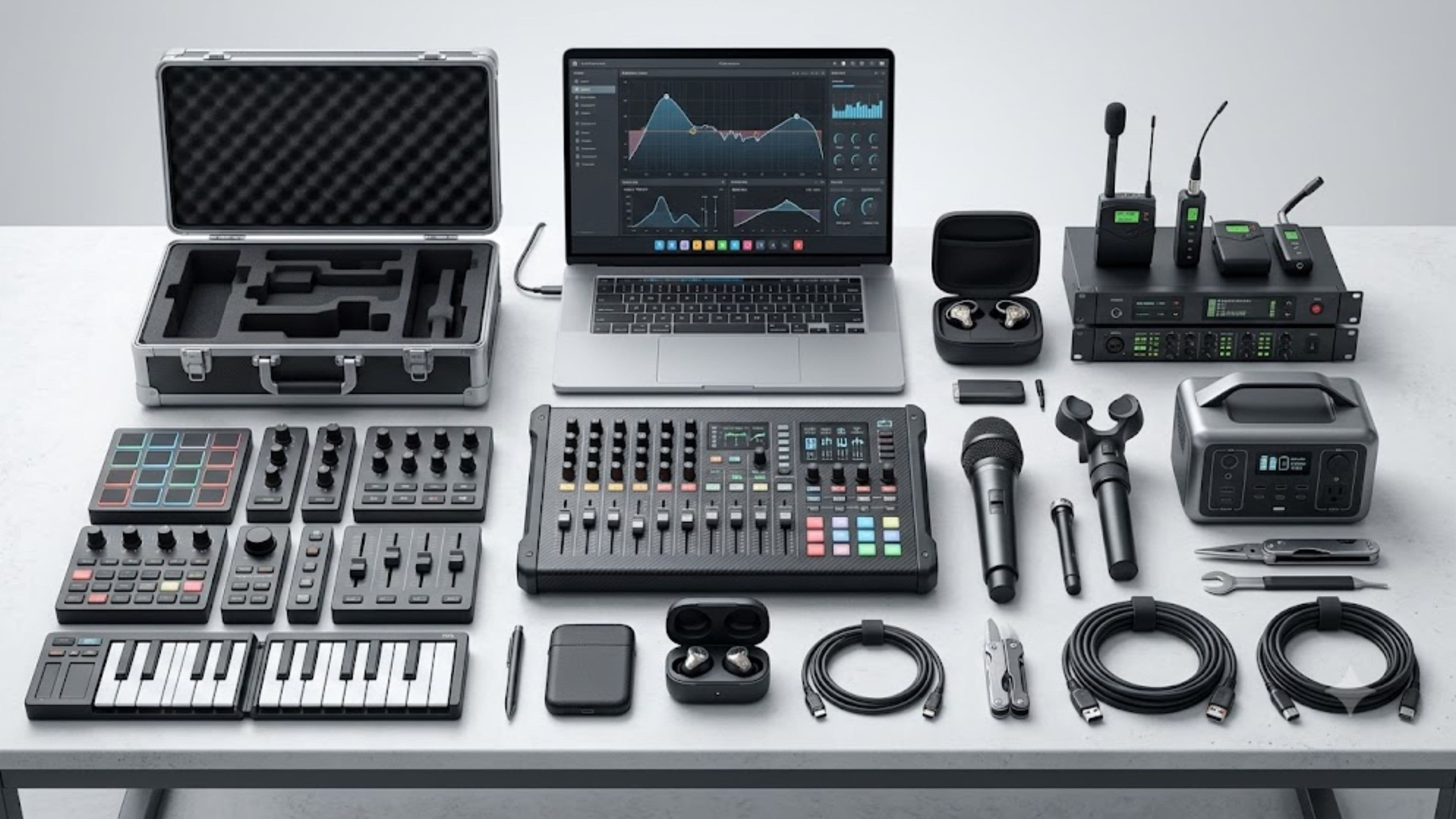
Loop pedals are the core technology. Devices like the Boss RC-505, the TC-Electronic Ditto X4, and the EHX 45000 are among the most widely used in live looping performance. The Boss RC-505 is particularly popular for vocal loopers and beat boxers because it includes built-in effects and is designed for tabletop use rather than floor-based operation. The Ditto series is favored for its simplicity and high audio quality. More advanced performers often use DAW-based looping setups, building custom rigs in Ableton Live that give them more control over loop length, effects, and layering than standalone pedals allow.
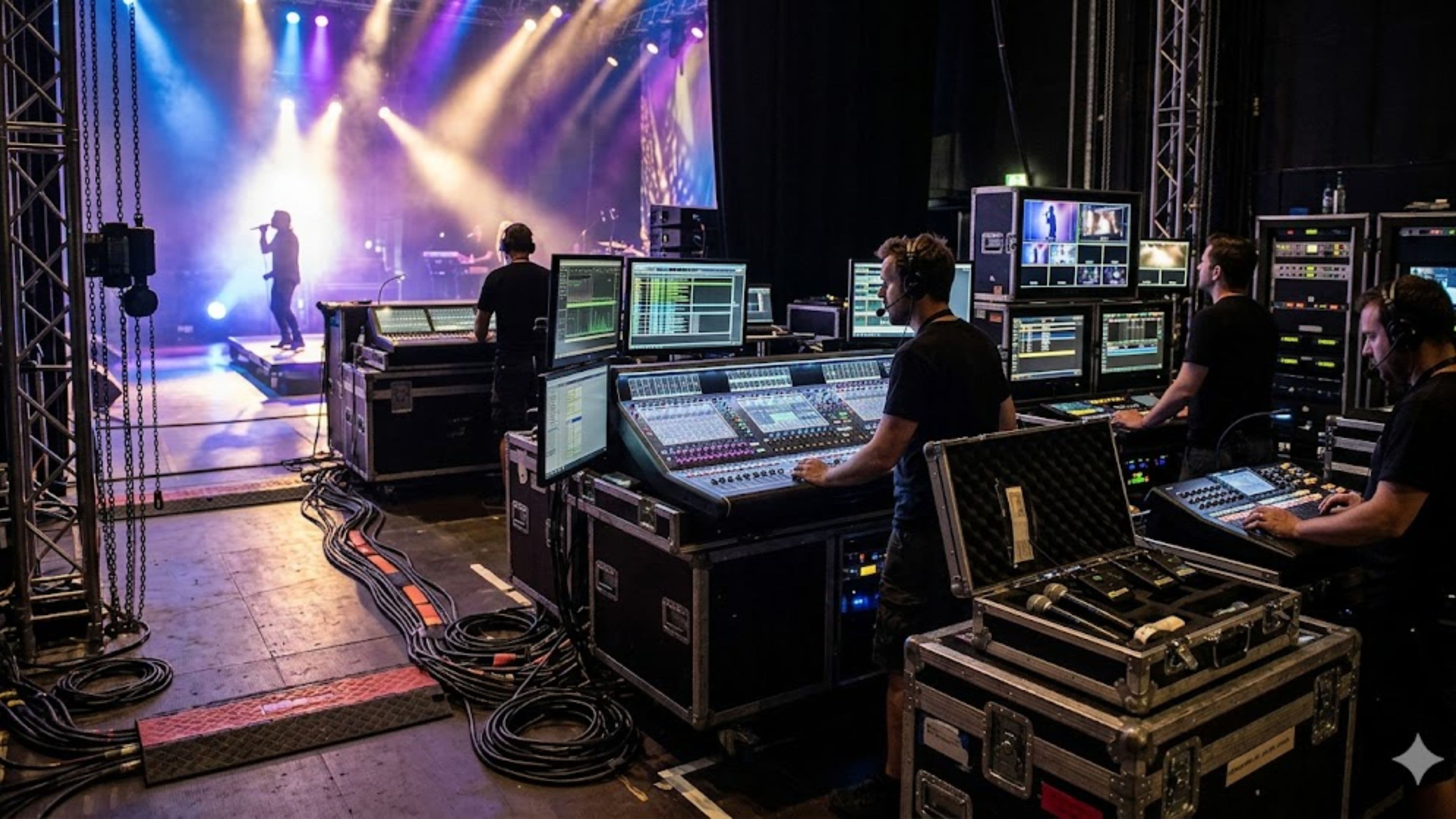
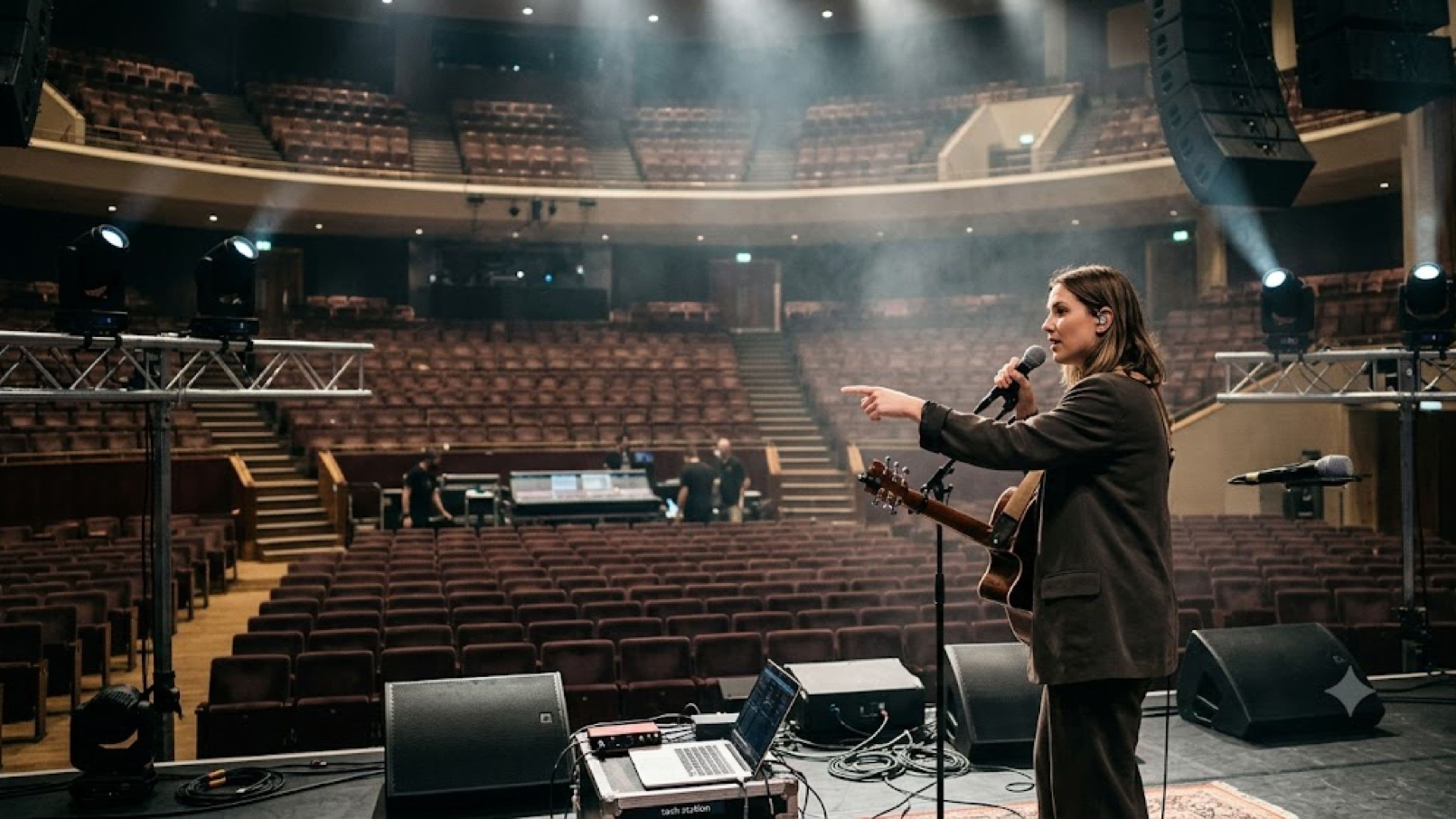
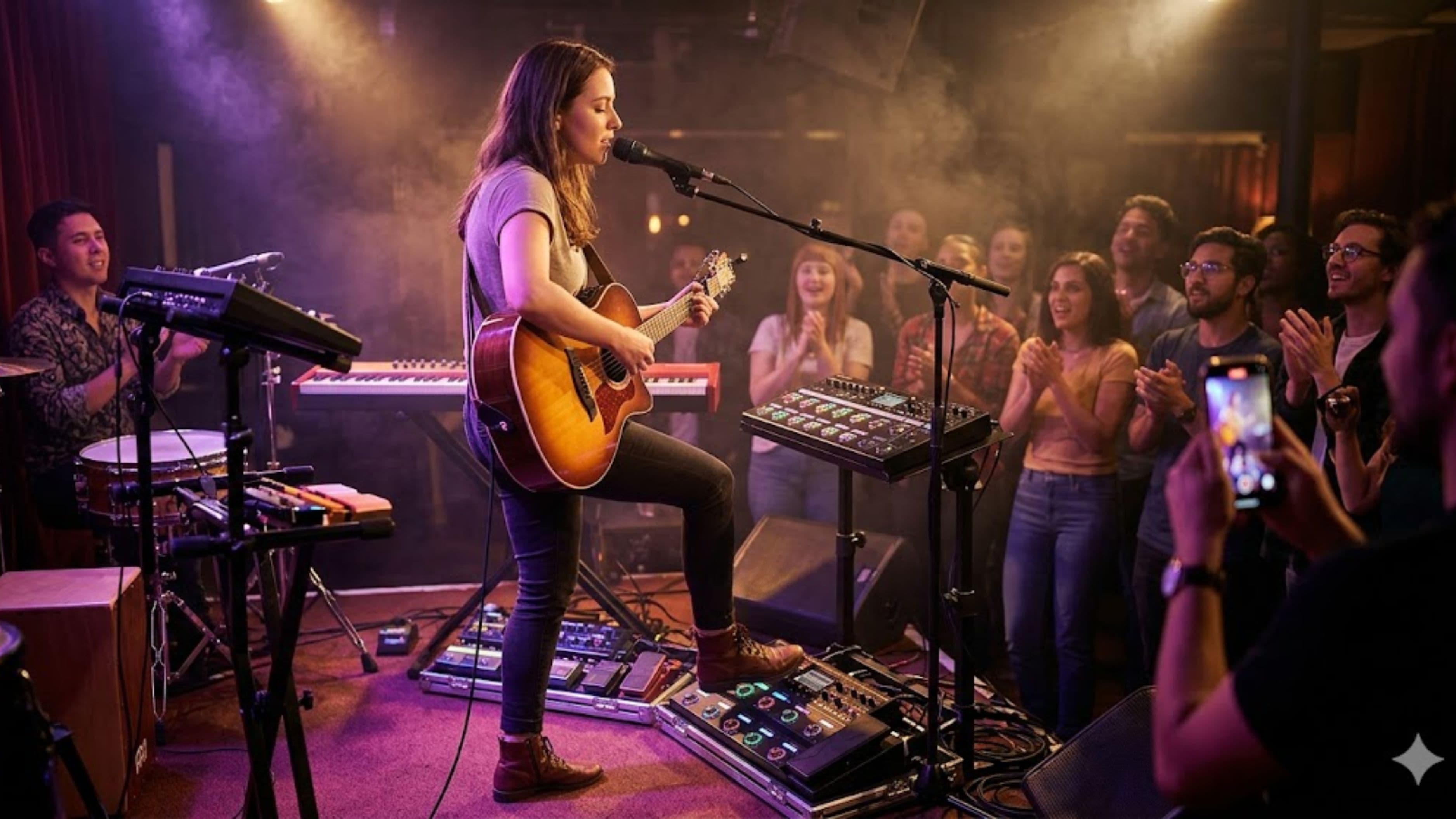
Beyond the loop station itself, most loopers perform through a PA system with a vocal microphone, instruments appropriate to their style (guitar and voice being the most common, though violin, beatboxing, piano, brass, and many others are used), and often an audio interface for more complex setups. The gear requirement for entry-level live looping is modest – a decent microphone, a loop pedal, and a small PA system gets someone started for $300 to $500. More sophisticated live rigs used by professional touring artists can run into the thousands, with custom-built signal chains and backup equipment for reliability.
Why It Resonates With Audiences
Several things work together to make live looping unusually compelling for audiences, and they're worth understanding separately because they explain why different types of audiences respond to it.
The transparency of the process is one of the biggest factors. In a standard band performance, the audience sees the result but not the construction. You hear a song the way it sounds on a record, performed live. In live looping, you watch the song get built from nothing, decision by decision. There's an inherent demonstration quality to it that engages the audience as witnesses to a process rather than just consumers of a product. For musicians in the audience, this is particularly compelling – you can actually see the structure being assembled in real time.
The single-performer dynamic amplifies this effect. When one person creates what sounds like a full ensemble arrangement, there's an implicit question running through the audience: how is that one person doing all of this? That sustained curiosity keeps attention high throughout a live looping set in a way that's different from watching a band, where the division of labor is immediately apparent. The "how is this possible" quality of a well-executed loop performance is one of the reasons clips of live loopers consistently perform well online.
There's also an element of genuine risk that live audiences respond to. Because everything is built live and in sequence, a mistake early in the building process can't be corrected without disrupting the loop. If the first layer isn't right, the whole structure is compromised. Audiences who understand this – and most do intuitively, even without technical knowledge – feel real tension and real satisfaction in proportion to how well the performer handles that constraint. A tight, clean loop build feels like watching someone complete something difficult under real-time pressure, because it is.
How It's Developed as a Live Performance Format
Live looping emerged in serious musical contexts in the 1970s and 1980s, used by experimental composers and avant-garde guitarists exploring what repetition and layering could do. Terry Riley's tape loop compositions were an early influence on the concept. Robert Fripp developed a technique he called "Frippertronics" using two tape recorders to create live loop-based ambient music. The technology was expensive and the performances were niche.
The arrival of affordable digital loop pedals in the 1990s and 2000s dramatically changed access to the format. Artists like KT Tunstall brought it to mainstream television audiences – her BBC live performance of "Black Horse and the Cherry Tree" using a Boss RC-20 loop pedal in 2004 is one of the most-referenced early mainstream moments for live looping. Ed Sheeran built significant early career visibility through live looping performances, using a Roland loop pedal to perform dense, layered sets as a solo artist in pub venues and festival stages long before he was a household name. His looping technique allowed him to fill stage space and sonic space that a conventional solo artist with an acoustic guitar couldn't.
Since then, the format has expanded significantly in its practitioners and its styles. Bobby McFerrin's improvised vocal performances explored loop-adjacent territory. Reggie Watts built a career on beatboxed loop performances that blend music and comedy. Pomplamoose used live looping as part of their video content strategy in the early YouTube era. More recently, artists across every genre – from opera singers to heavy metal guitarists to hip-hop beatboxers to electronic producers – have incorporated live looping as either a primary performance format or one component of a larger show.
The Creator Opportunity in Live Looping
For independent artists and creators, live looping has specific practical advantages beyond its entertainment value as a format.
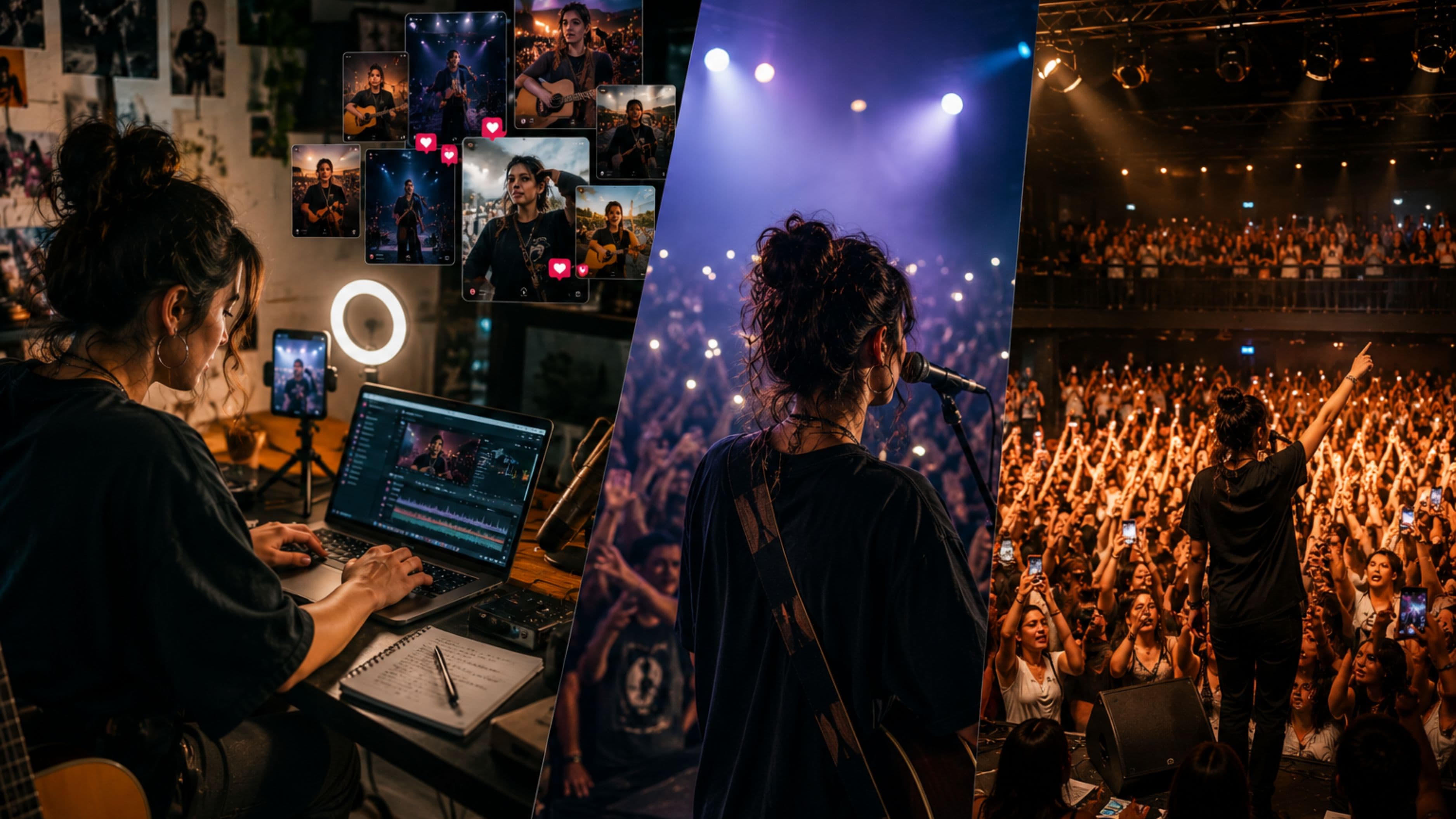
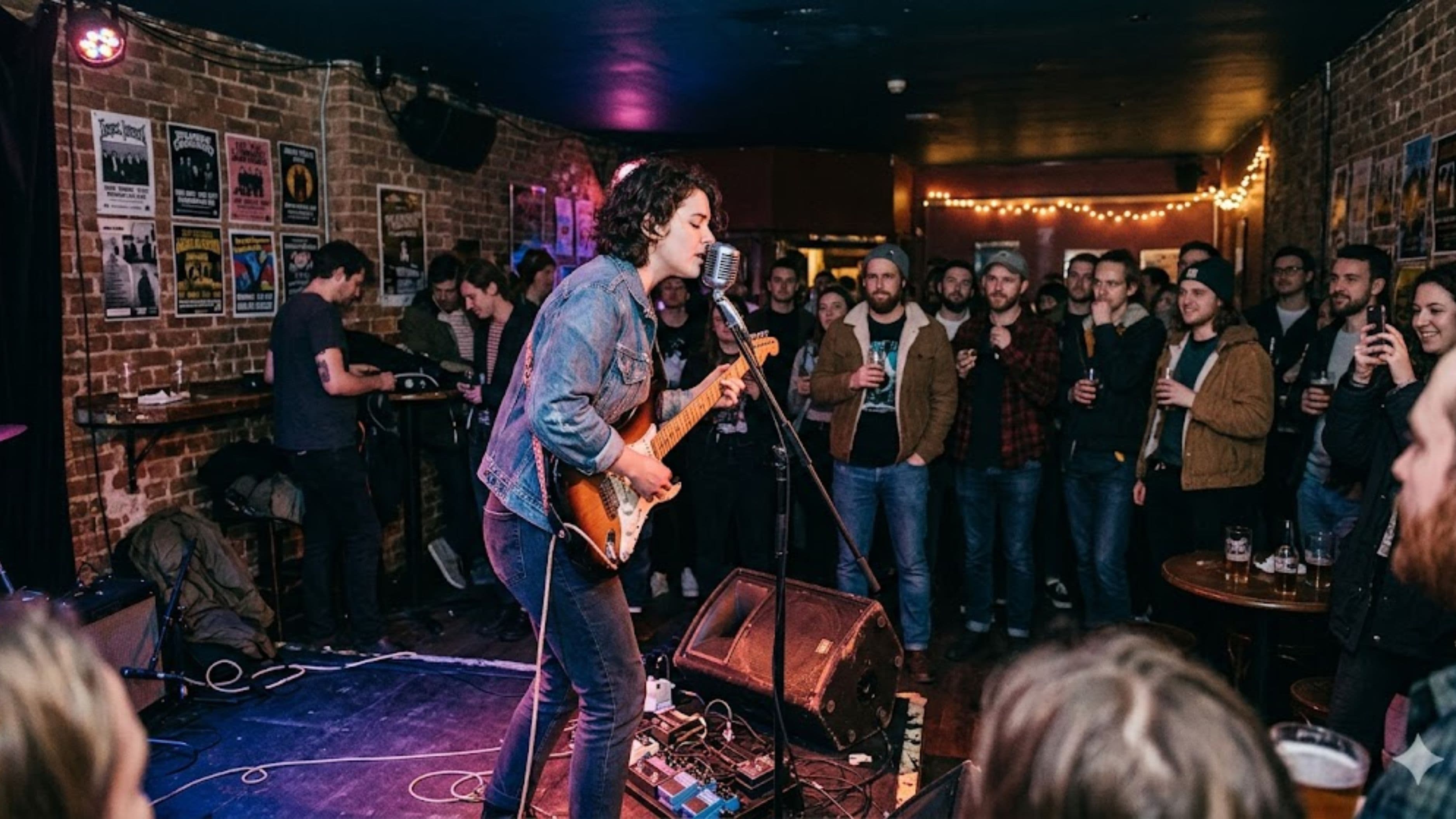
Solo artists can perform in venues and contexts that would otherwise require a full band. A solo looper can realistically headline a venue, fill a stage, and provide the sonic density of a larger ensemble without the coordination, cost, or scheduling complexity of managing a band. This makes live looping particularly valuable for artists in the building phase of their career, when touring with a full band is logistically and financially difficult.
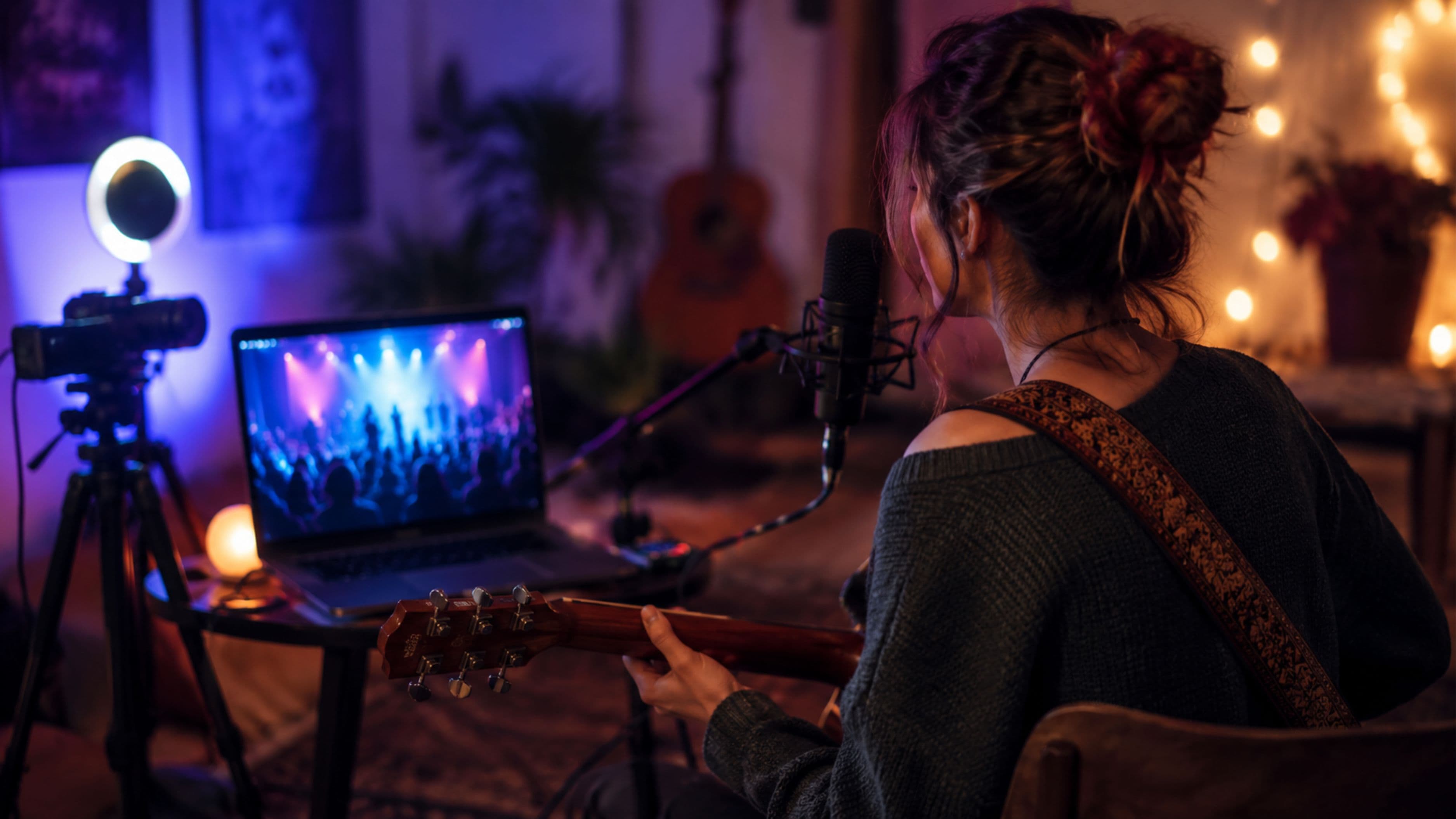
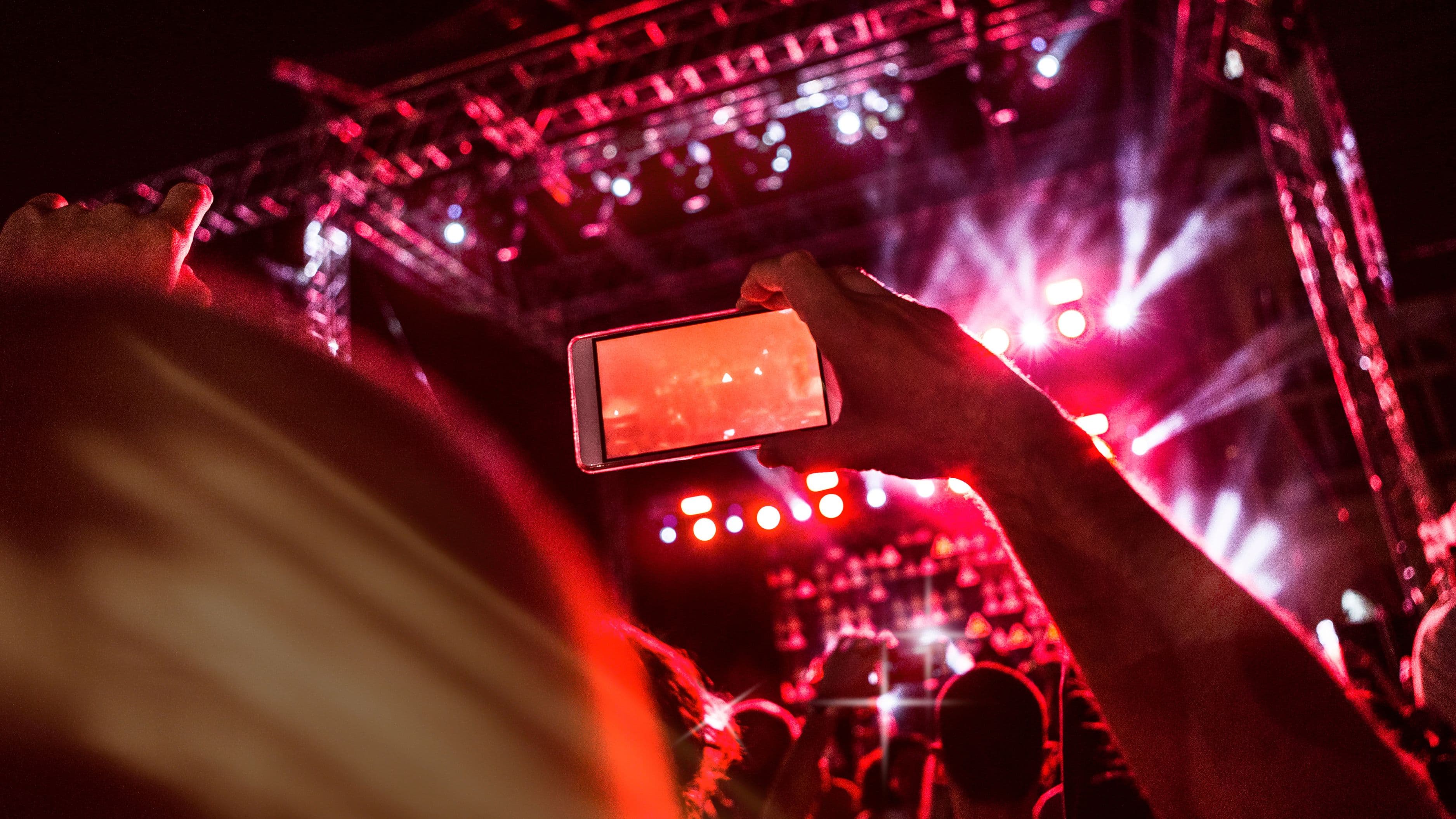
Live looping is inherently visual and immediate in a way that translates directly to video content. A well-shot live loop performance – whether in a venue, a session studio, or even a well-lit home setup – gives viewers the "how is this happening" experience that drives shares and replay. Artists from KT Tunstall forward have benefited from the virality of live looping clips, and the format continues to perform well on platforms that favor watch time and completion rate.
The format also encourages improvisation and real-time adaptation that makes each performance genuinely unique. A looper who responds to the room, changes the arrangement based on audience energy, or incorporates sounds from the environment is creating something that can't be heard anywhere else. That uniqueness has value in an era where the recorded version of a song is available to anyone instantly – the live loop performance becomes the irreplaceable experience.
Getting Started as a Live Looper
For artists exploring the format, the barrier to entry is low but the learning curve is real. A basic loop pedal like the TC-Electronic Ditto or the Boss RC-1 costs $80 to $150 and handles simple one-track looping well. These are good starting points for understanding the timing discipline that live looping requires – building loops that start and end at exactly the right moment, holding internal tempo consistently, and layering parts in a musical order that makes sense to an audience.
The most common beginner mistake is trying to layer too many loops too quickly before the foundational timing is solid. A loop performance that's rhythmically tight with two or three layers is far more effective than a complex, slightly rushed build with six. Starting simple, performing the same builds repeatedly until they're completely clean, and then adding complexity is the standard development path for most live loopers.
Performing for audiences as early as possible – even small ones – is important because looping in front of people feels different from practicing at home. The cognitive load of managing the equipment, performing musically, and engaging with an audience simultaneously is something that only becomes manageable through actual performance practice, not solo rehearsal.
What to Watch Out For
Technical reliability is the biggest practical concern in live looping. A loop station that glitches mid-performance, a cable that fails, or a power issue can derail a set in ways that would only partially derail a conventional band performance. Professional live loopers almost always carry backup equipment and know how to recover from common failure points. Building your rig with reliability as the primary criterion – and testing it thoroughly before any performance – is essential.
The format can also become formulaic if not developed thoughtfully. "Layer one, then two, then three, build to a big finish" is a structure that works, but audiences who see a lot of live looping start to recognize and anticipate it. Artists who bring something beyond the technical demonstration – strong songwriting, genuine spontaneity, humor, unusual instrumentation, or a distinctive aesthetic – are the ones who sustain audience engagement over time.
FAQ
Do you need to be technically skilled to enjoy live looping as an audience member? Not at all. The appeal is largely intuitive – watching something complex build from nothing is engaging regardless of technical background. Understanding the process enhances the experience, but it's not required. Many of the most compelling live looping moments land first as pure spectacle and only reward deeper understanding on repeated viewing.
What genres work best with live looping? The format has been successfully applied across nearly every genre – folk, soul, R&B, jazz, metal, electronic, classical, and hip-hop. The constraint isn't genre but rather whether the artist's material translates well to a layered, repetitive structure. Songs built around groove, texture, and gradual development tend to work better than songs that rely heavily on dynamic arrangement changes between sections.
Can live looping work in a full band context? Yes, and several artists use it as one element of a larger band setup. A looper in a band might use the pedal to create a specific textural or rhythmic element, extend a section, or add an additional layer without hiring a new band member. It's less common than solo looping but entirely viable.
Is live looping the same as using a backing track? No. A backing track is pre-recorded and plays back unchanged during a performance – nothing about it is created live. Live looping is created in real time during the performance, which is exactly what makes it distinct. The difference matters both technically and experientially.
How long does it typically take to get good at live looping? Developing consistent timing and clean loop builds typically takes three to six months of regular practice for someone with existing musical foundation. Getting to a level where a live looping set is genuinely performance-ready – clean, musical, and responsive to an audience – is typically a year or more of focused development. The ceiling is high and the skill compounds with performance experience.
📚 Sources
MusicRadar. What Is a Loop Pedal and How Do You Use One? https://www.musicradar.com/news/what-is-a-loop-pedal
Rolling Stone. How Ed Sheeran Built His Career With a Loop Pedal. https://www.rollingstone.com/music/music-news/ed-sheeran-loop-pedal-live-performance-history-856234/
Sound On Sound. Live Looping Technique – A Practical Guide. https://www.soundonsound.com/techniques/live-looping
Boss. RC-505 Loop Station Product Overview. https://www.boss.info/us/products/rc-505/
TC-Electronic. Ditto X4 Looper Overview. https://www.tcelectronic.com/product.html?modelCode=P0DDY
NPR Music. How KT Tunstall Changed the Way Artists Perform Live. https://www.npr.org/sections/therecord/2014/11/12/363558661/kt-tunstall
Ableton. Live Looping Setup Guide. https://www.ableton.com/en/packs/looper/
The Guardian. Reggie Watts: A Career in Music and Comedy Looping. https://www.theguardian.com/music/reggie-watts
Electronic Musician. Building a Live Loop Performance Rig. https://www.emusician.com/gear/building-a-live-loop-performance-rig
Berklee Online. The Art of Live Looping. https://online.berklee.edu/takenote/the-art-of-live-looping/