Understanding how events are built from the ground up is useful whether you're an artist thinking about your first headline show, a creator covering music news, or someone who wants to understand where the money goes in a touring ecosystem.
The People Who Make It Happen
A live music event involves multiple distinct roles, each handling a specific part of the production chain. On even a modest club show, several of these overlap in one or two people. On a large-scale event, each role is its own department.
The promoter is the financial engine of the event. They book the venue, contract the artist, set the ticket price, manage the marketing budget, and carry the financial risk. If ticket sales are weak, the promoter absorbs the loss. Promoters can be independent operators working a single city, regional companies with multiple venues, or large global entities like Live Nation or AEG. On smaller shows, an artist's manager sometimes fills the promoter role directly.
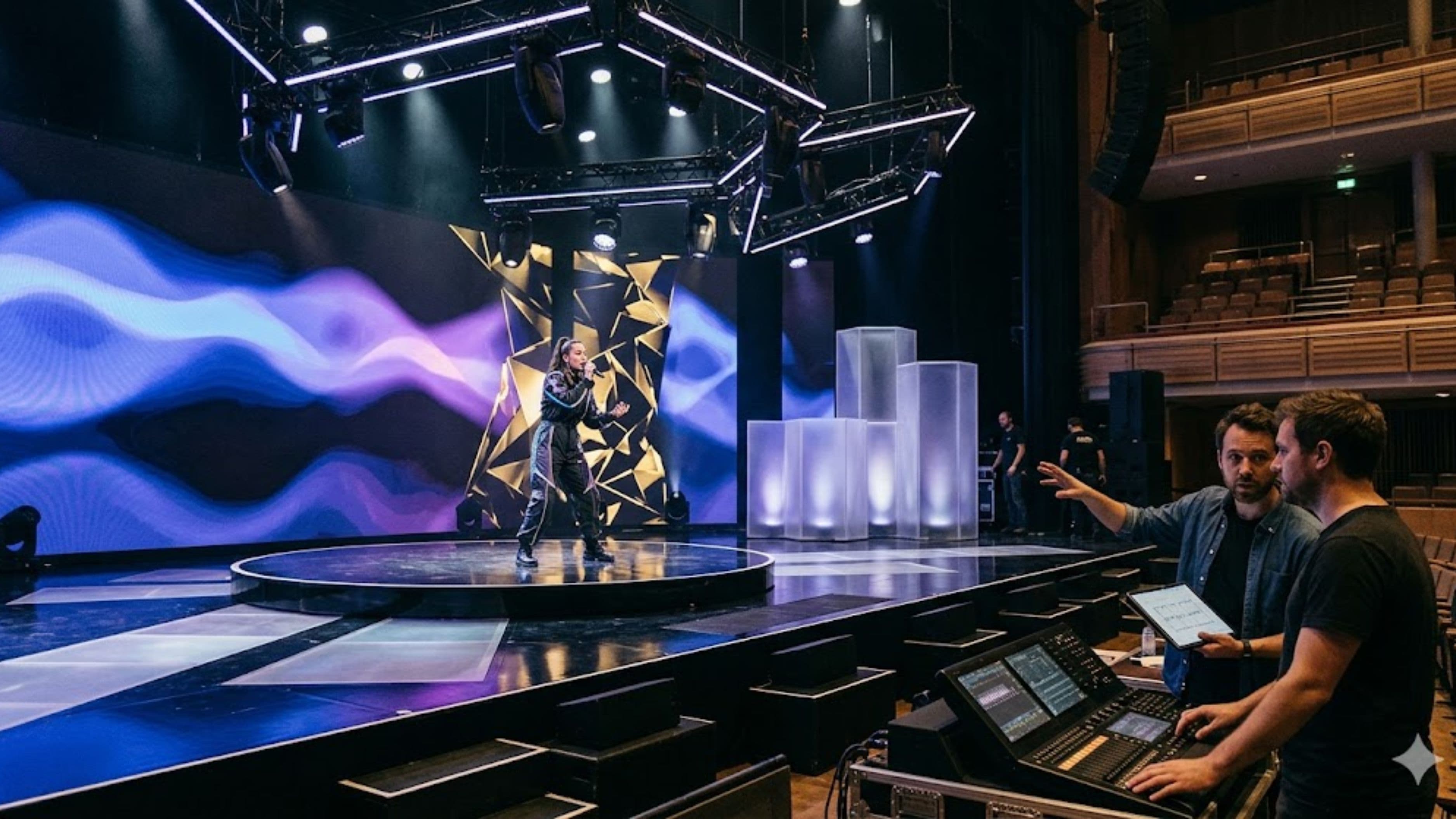
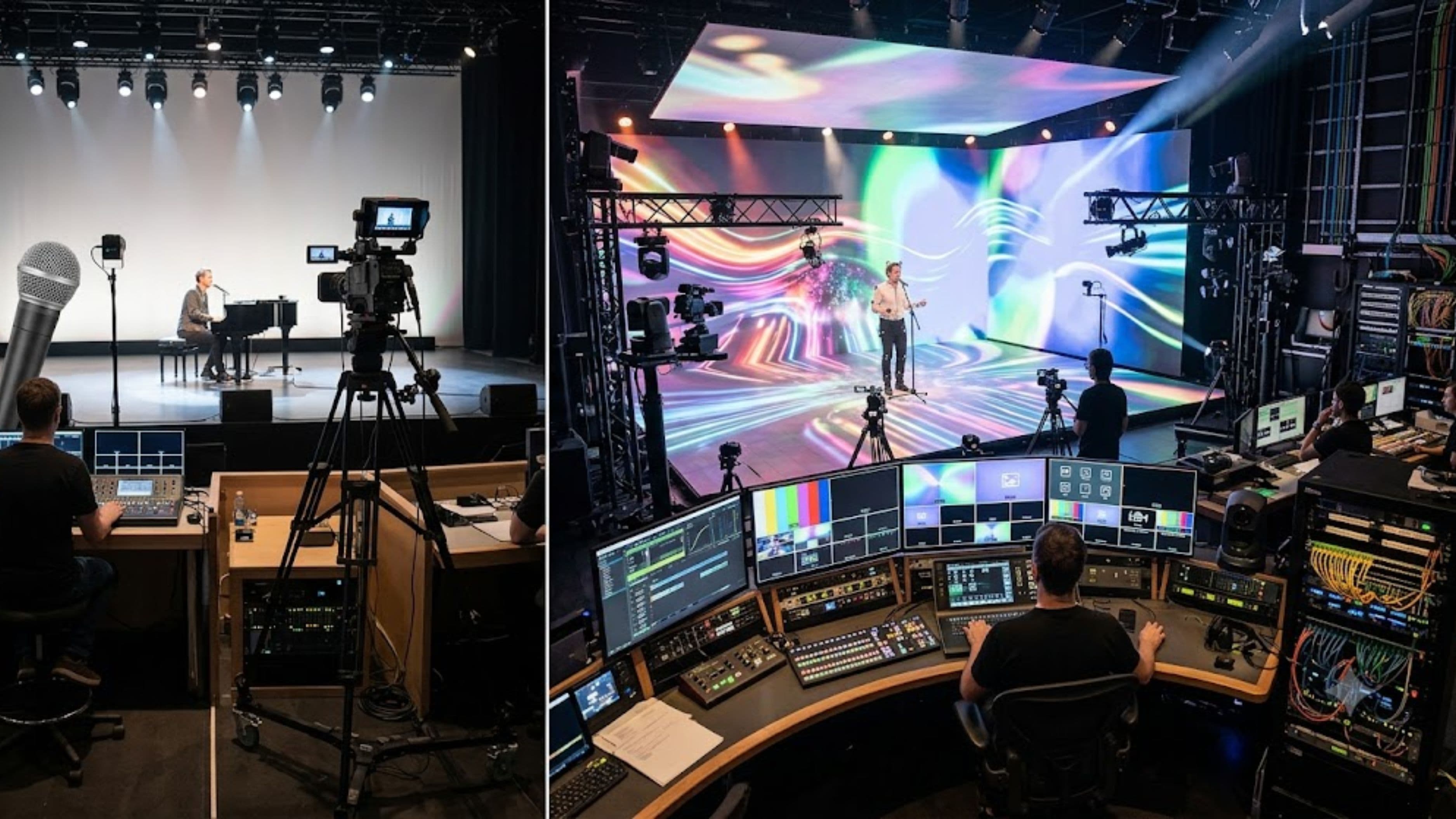
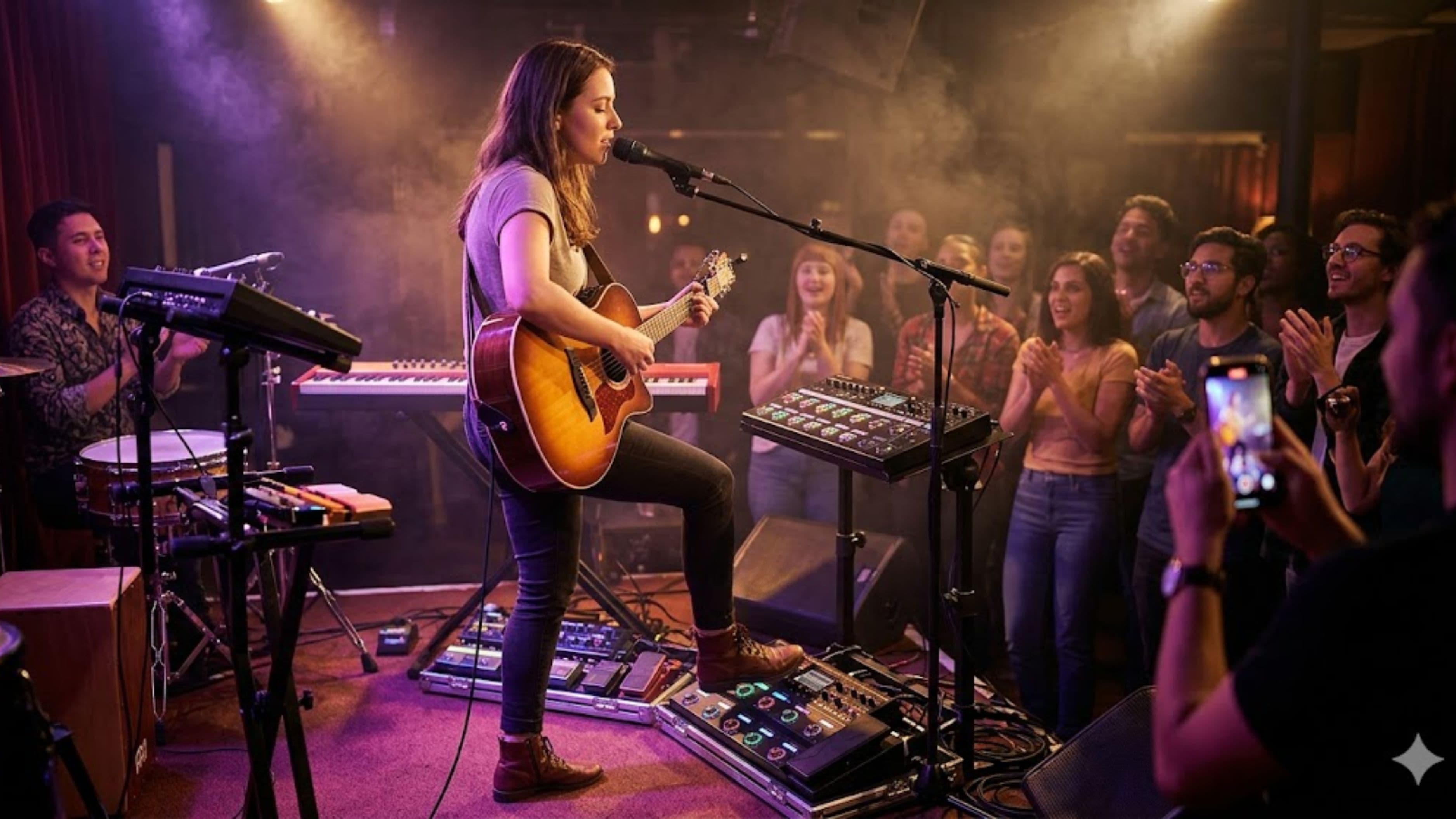
The production manager is responsible for everything that makes the show physically happen: the stage, lights, sound, backline, crew, and logistics of load-in and load-out. They're the operational hub who coordinates between the venue, the touring crew, and all the vendors. On arena-level tours, the production manager oversees departments with dozens of people. On an independent club tour, they're often the same person running the soundboard.
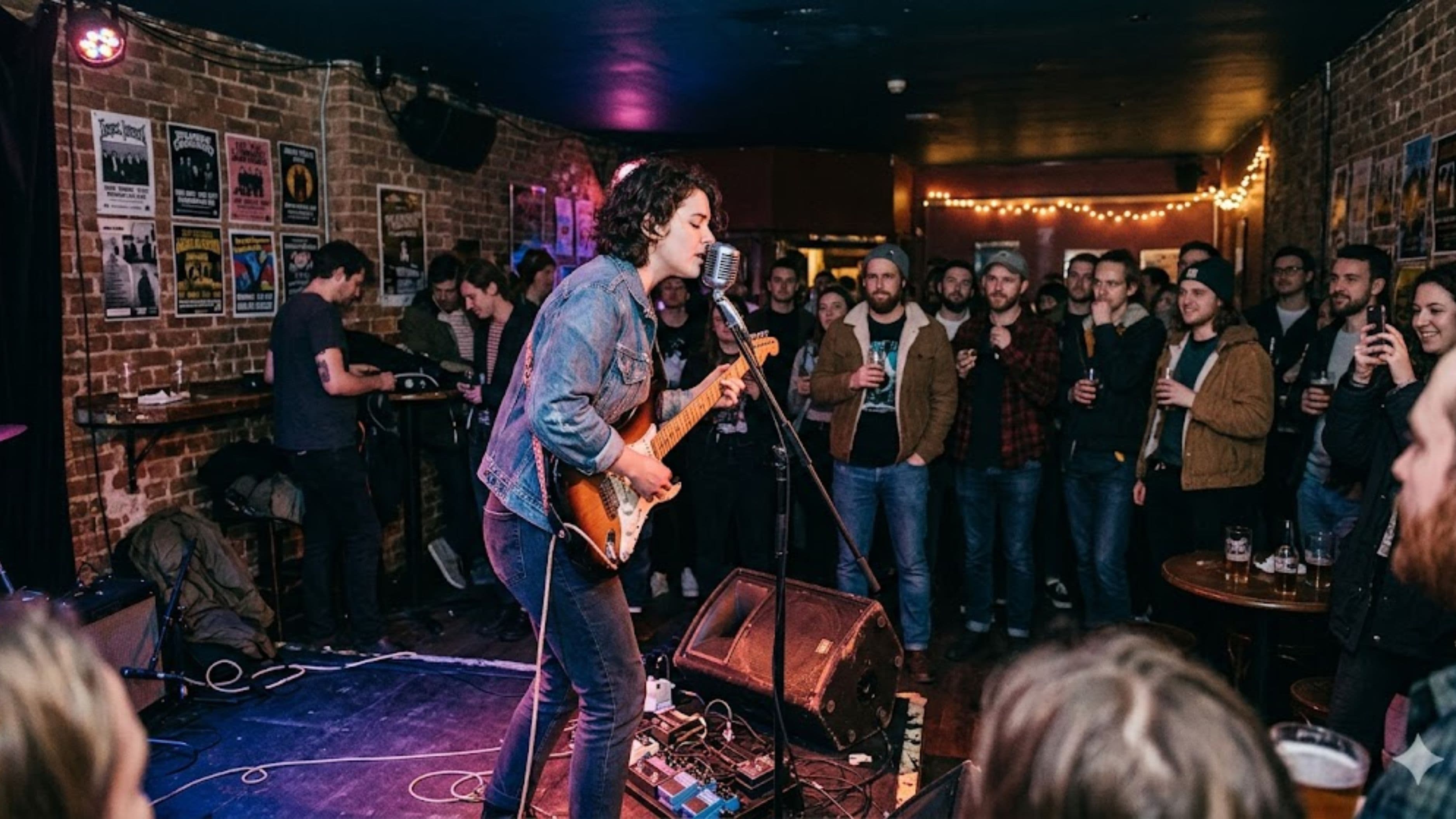
The venue is more than a room with a stage. Venues provide the infrastructure – the PA system, house lighting rig, load-in dock, green room, security, and box office – and often their own technical staff. The relationship between the artist's touring crew and the house crew is one of the defining dynamics of any show. A good house crew can compensate for a lot; a hostile or under-resourced one adds complexity to an already tight schedule.
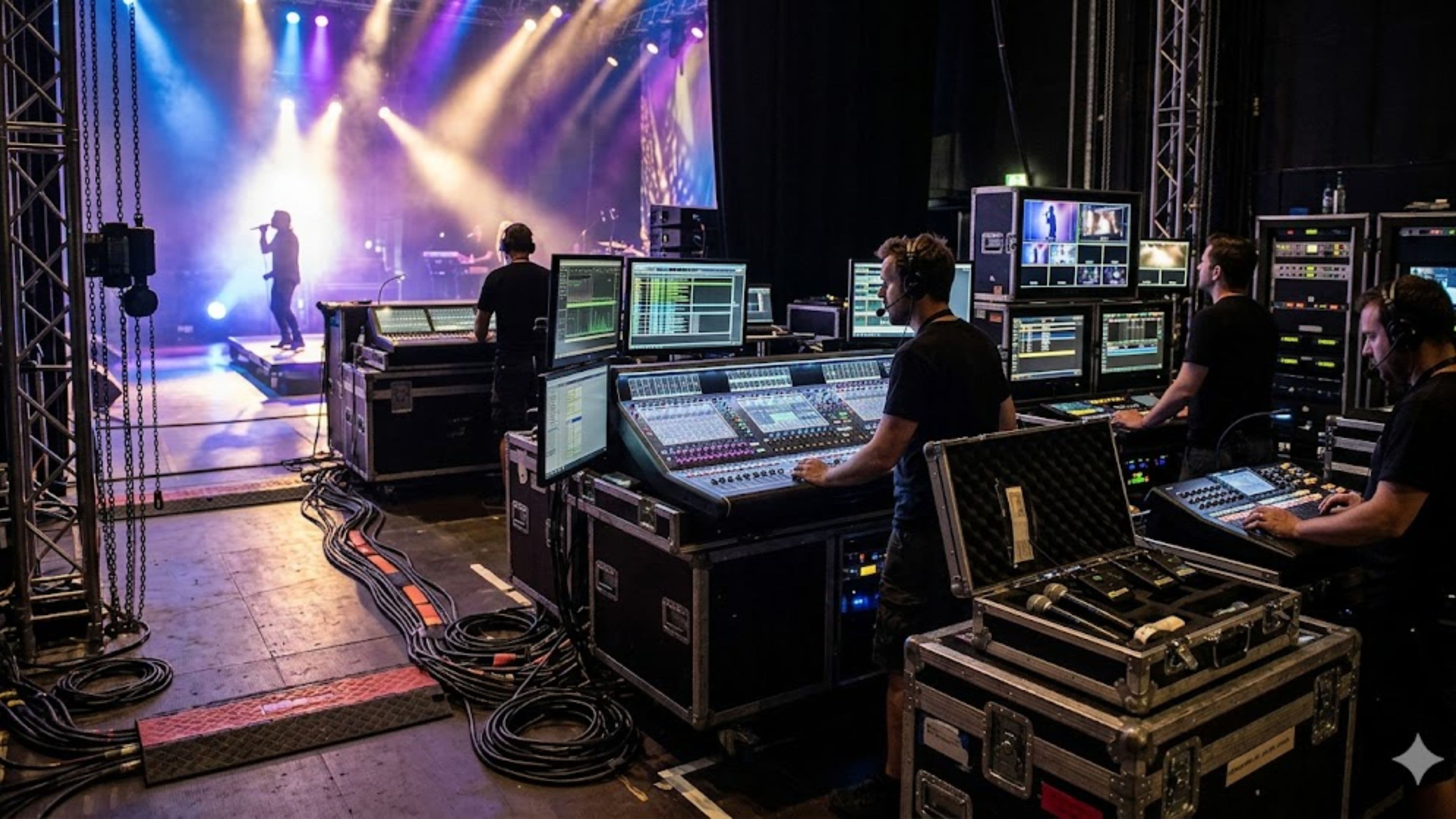
The audio team handles front-of-house (FOH) sound – what the audience hears – and monitors – what the performers hear from stage. These are often separate engineers with separate consoles. The FOH engineer shapes the entire sonic experience of the show from a mixing position in the audience. The monitor engineer responds in real time to performer requests from stage, which makes them one of the most technically demanding roles in live music.
The lighting designer (LD) builds the visual atmosphere of the show. On larger productions, this includes elaborate rigs with automated fixtures, video screens, and pyrotechnics, operated live from a dedicated lighting desk. On smaller shows, an LD might be working with a simple pre-programmed fixture set. The goal in either case is to reinforce the emotional arc of the performance – darker and more intimate for slower songs, explosive for climax moments.
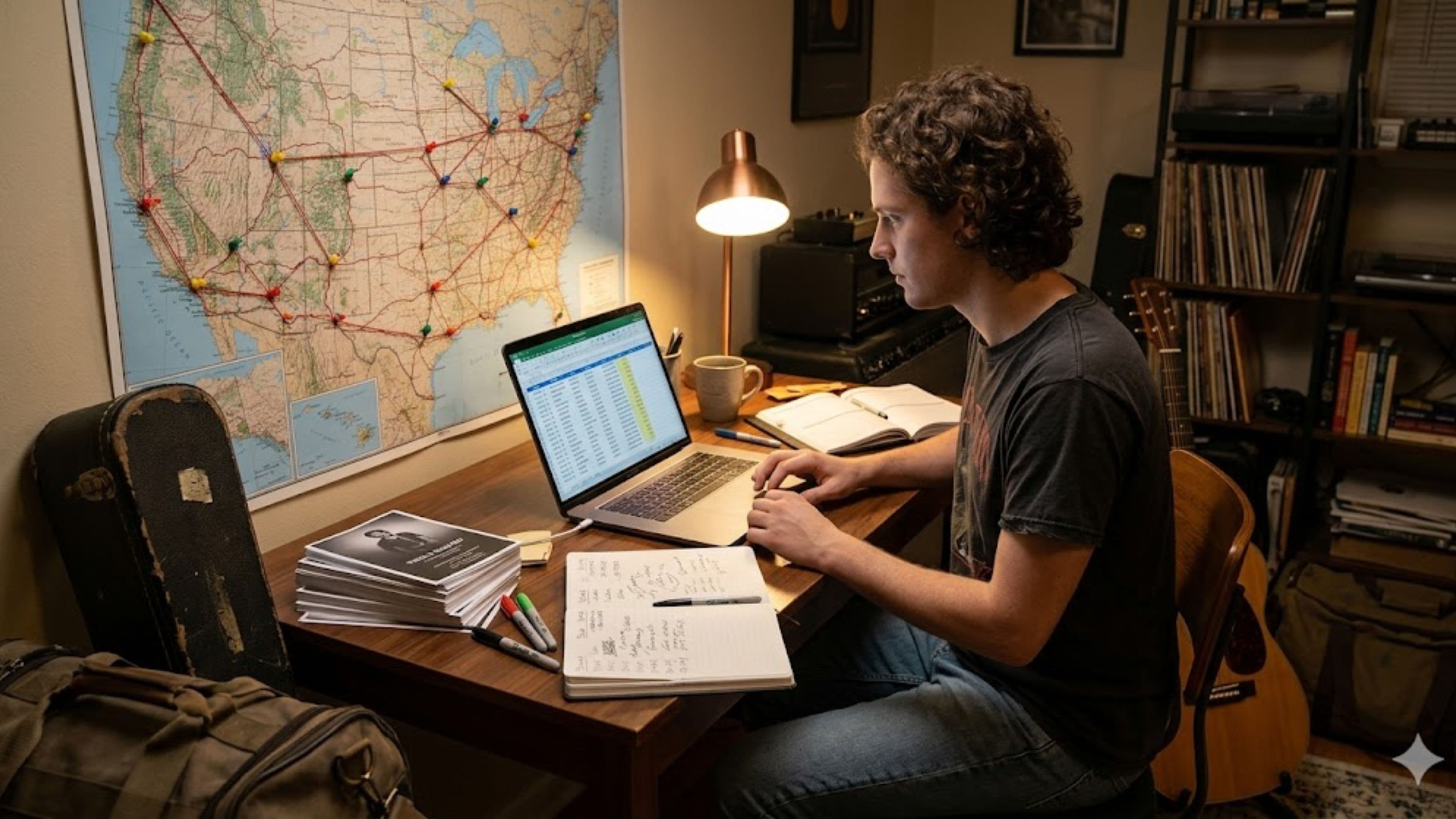
The tour manager (TM) is effectively the logistics director for a travelling show. They handle scheduling, hotel bookings, van or bus routing, per diems for the band, and the daily coordination between all the moving parts. The TM is also often the person who collects the settlement from the promoter at the end of the night – the final accounting that determines what the artist actually gets paid after costs are deducted.
How a Show Is Built: The Timeline
The production of a live event follows a relatively consistent timeline, compressed or expanded depending on scale.
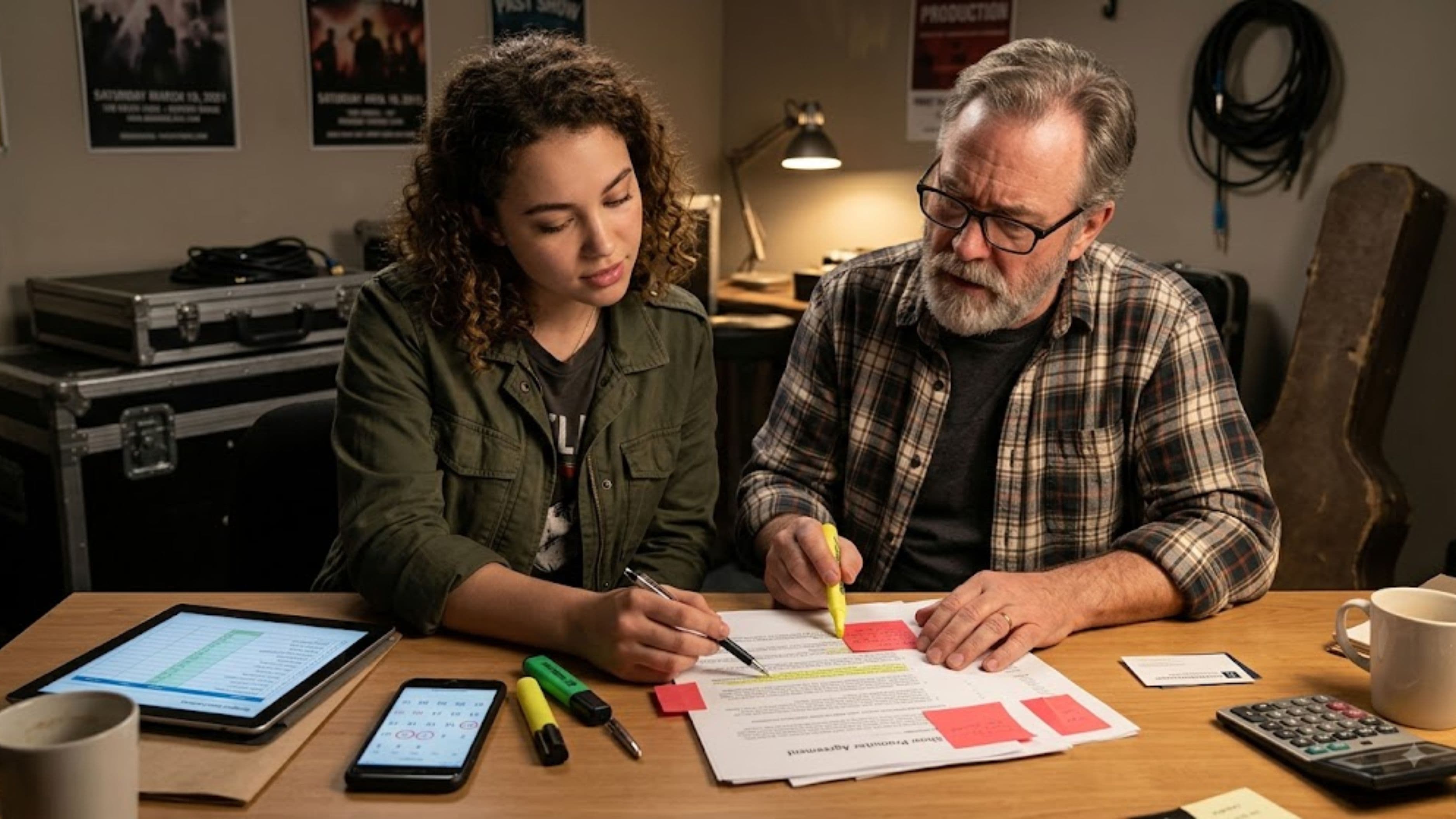
Months before the show: The promoter confirms the date with the venue and contracts the artist. The artist's team provides a rider – a document specifying technical requirements (PA specifications, stage plot, monitor requirements), hospitality needs (catering, green room setup), and any production elements being brought in. The rider is the technical blueprint for the show and sets expectations for both sides before anyone arrives at the venue.
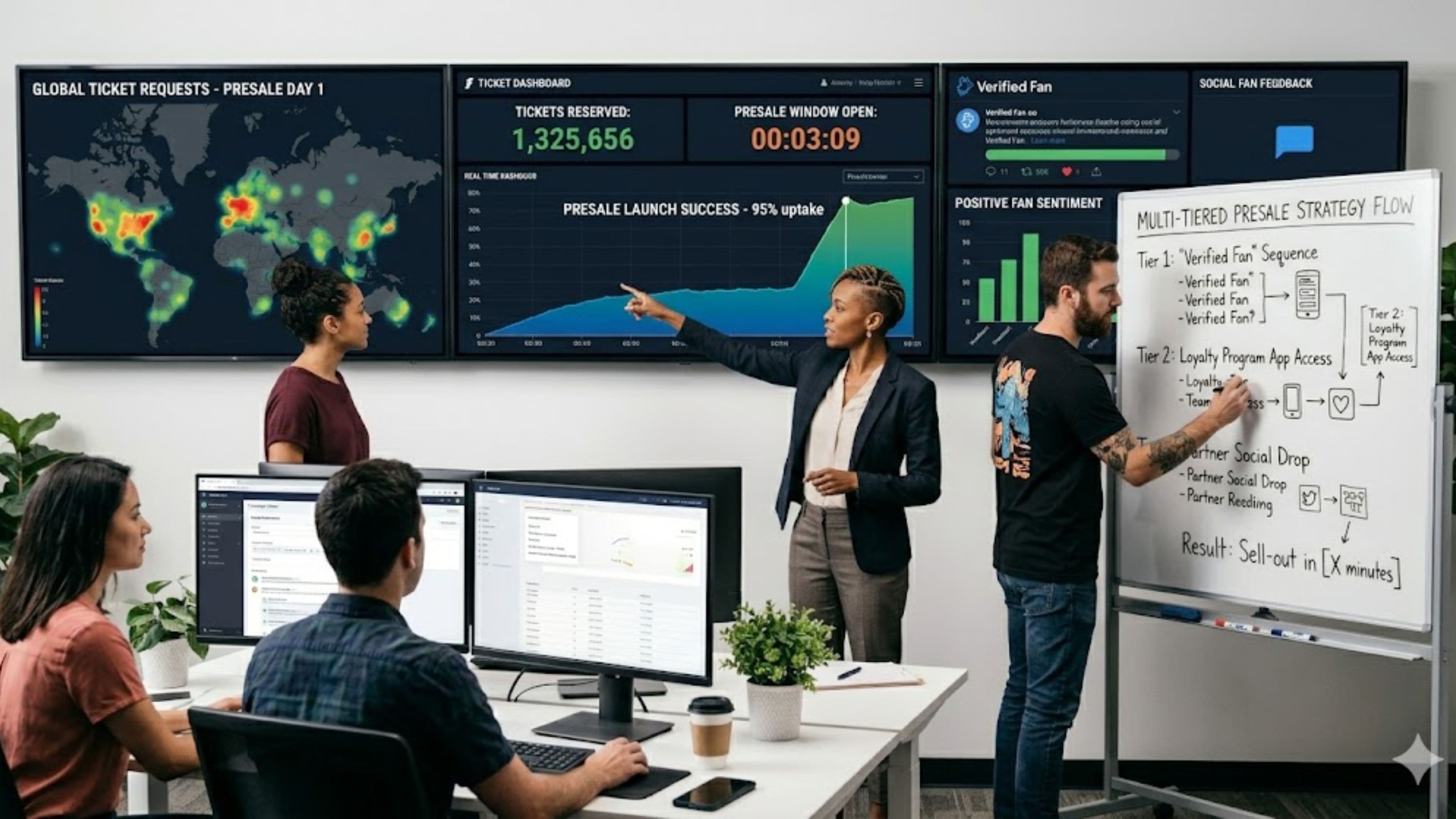
Weeks before: Marketing runs – social posts, email lists, ticketing platforms go live, local press. The production manager begins coordinating rentals if the show requires equipment beyond the venue's house system, arranging crew travel if applicable, and confirming load-in schedules with the venue. Advance calls happen between the TM and venue manager to resolve any outstanding questions from the rider.
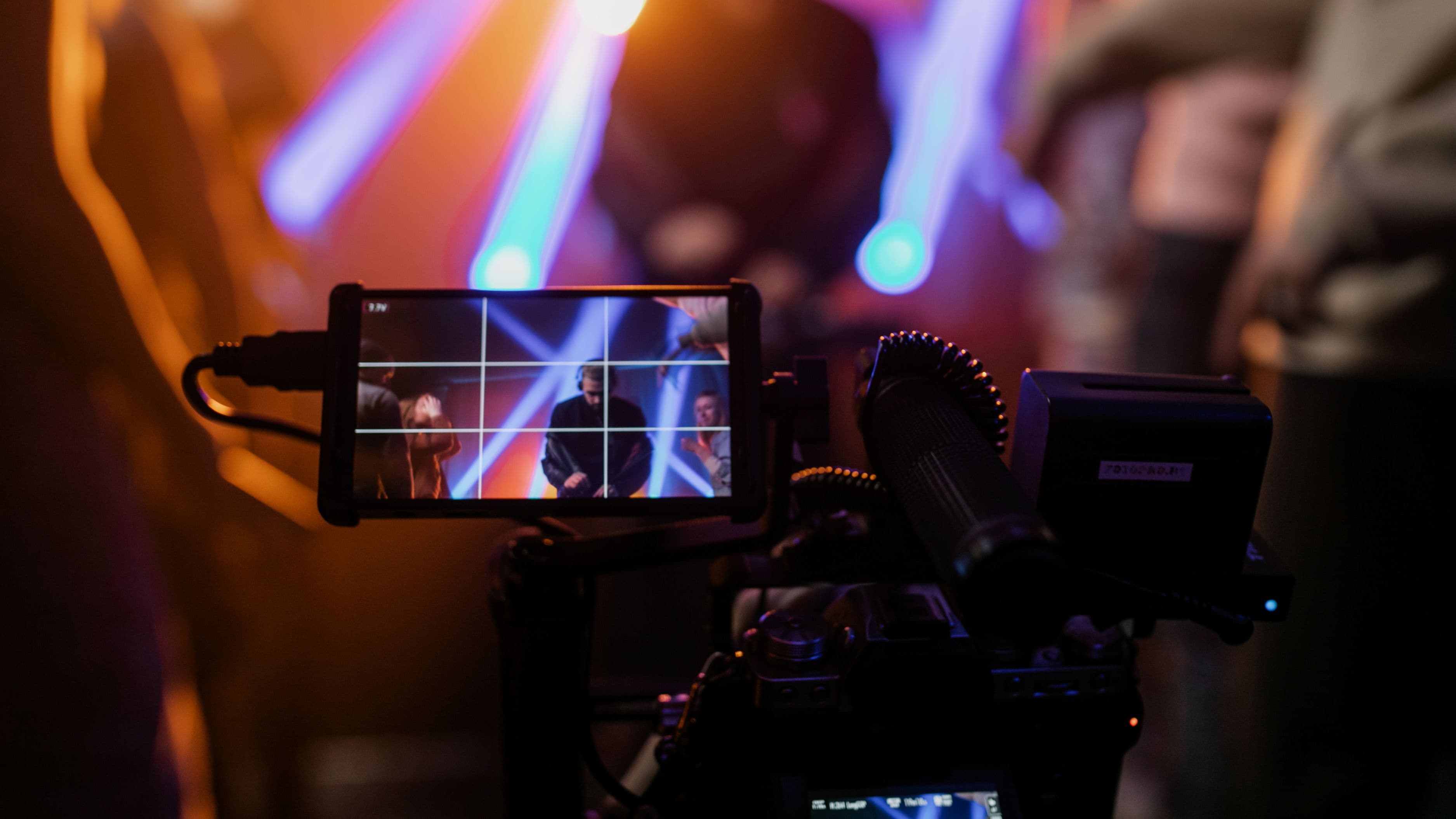
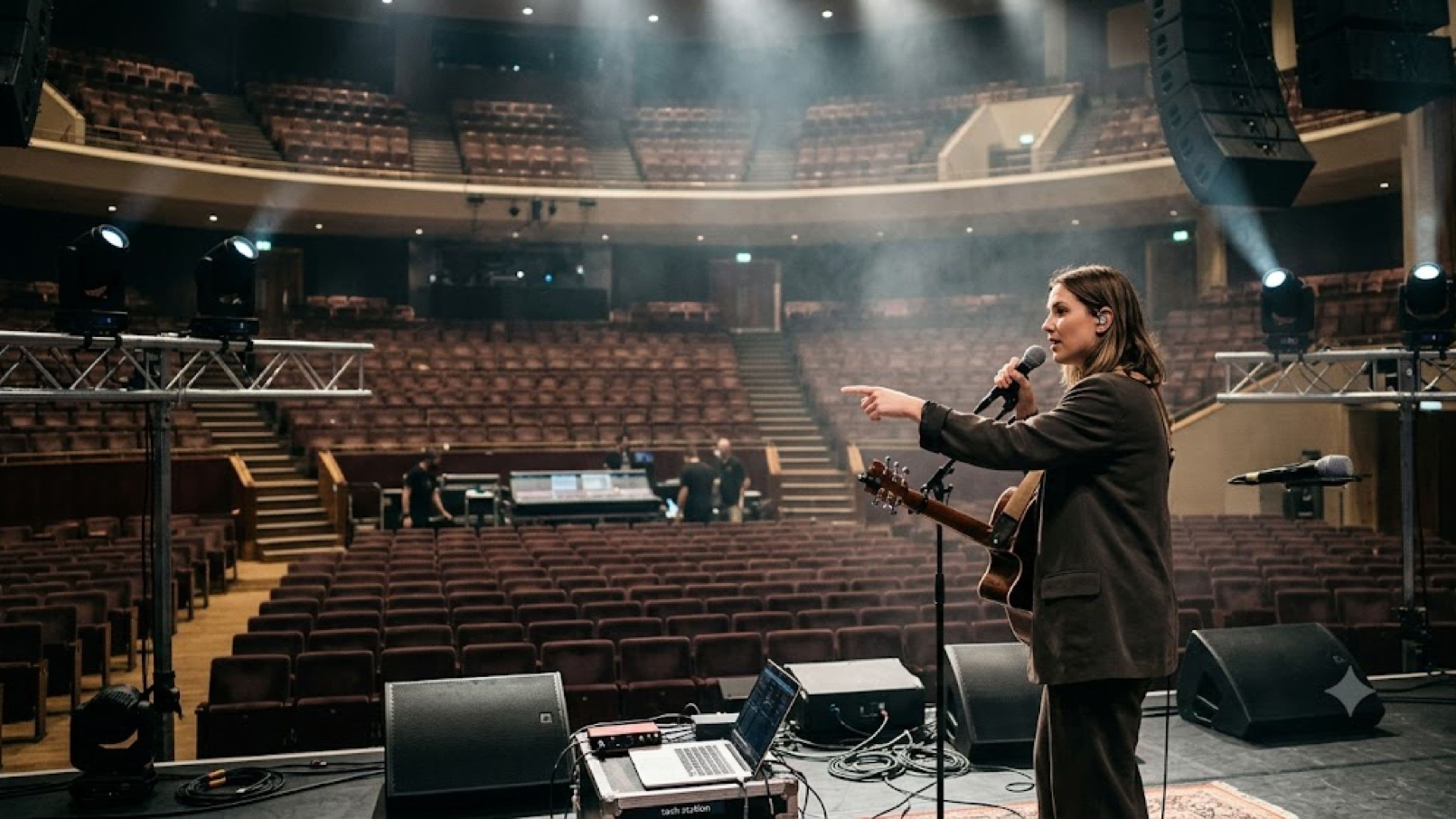
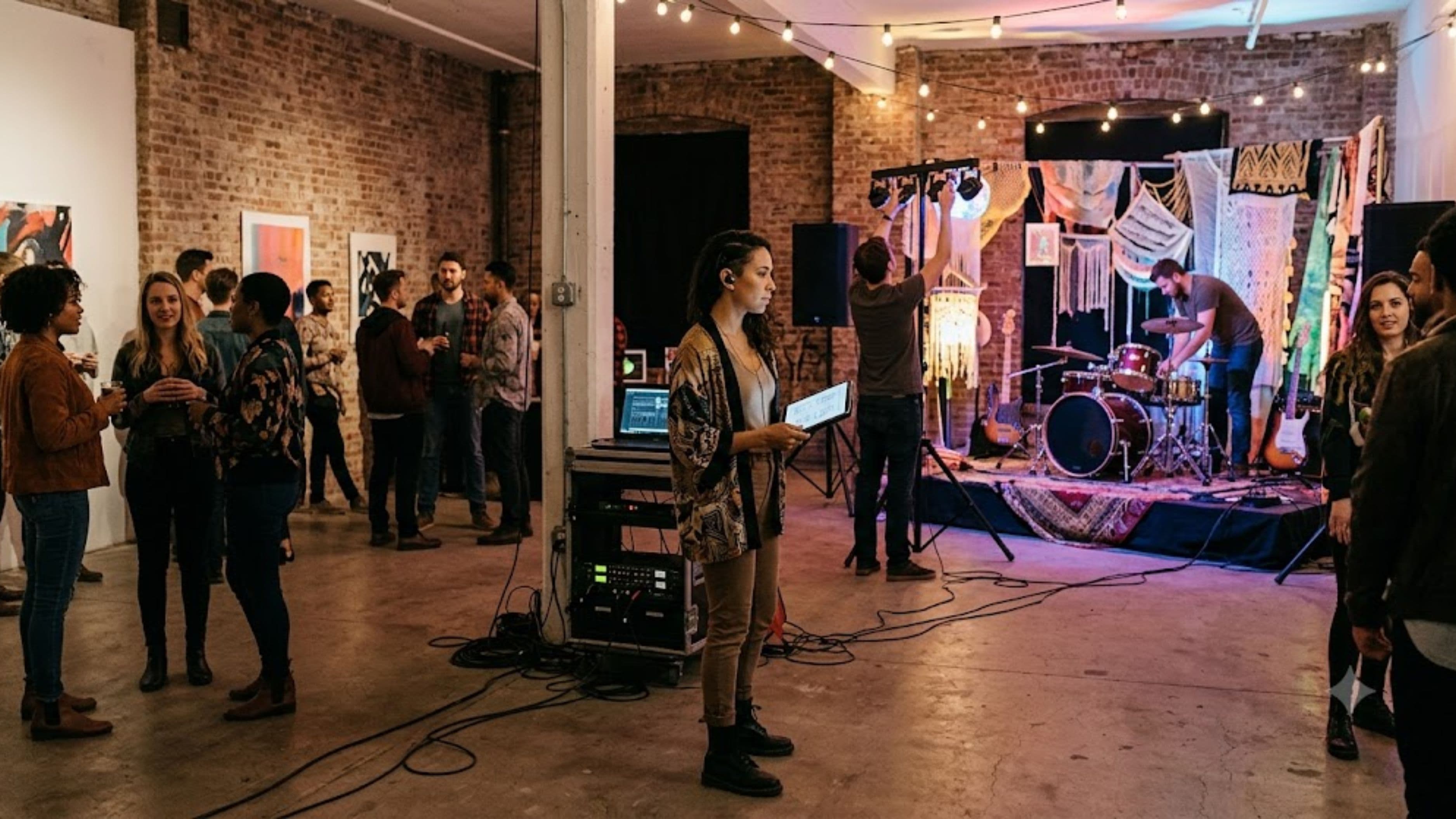
Day of show: Load-in begins at a time negotiated in advance – typically anywhere from two to eight hours before doors open, depending on production complexity. Crew builds the stage, hangs or positions lighting fixtures, runs cable, and sets the PA. The audio team positions and tunes the system. Sound check follows – first the band plays sections of songs while the engineers set levels and shapes, then a complete run-through for monitors and FOH. Doors open. Show begins.
After the show: Load-out begins immediately after the last song – sometimes within minutes. An efficient load-out on a club tour might take 45 minutes; on a large production with an elaborate rig, it runs overnight. The TM completes the settlement with the promoter: they review actual door sales against projections, deduct agreed costs (production, venue rent, marketing), and pay out the artist's guarantee and any bonus from a percentage deal if sales exceeded the threshold.
The Money: How Events Are Actually Financed
The financial structure of a live event is less straightforward than ticket revenue divided by costs. Most artist deals with promoters follow one of two formats.
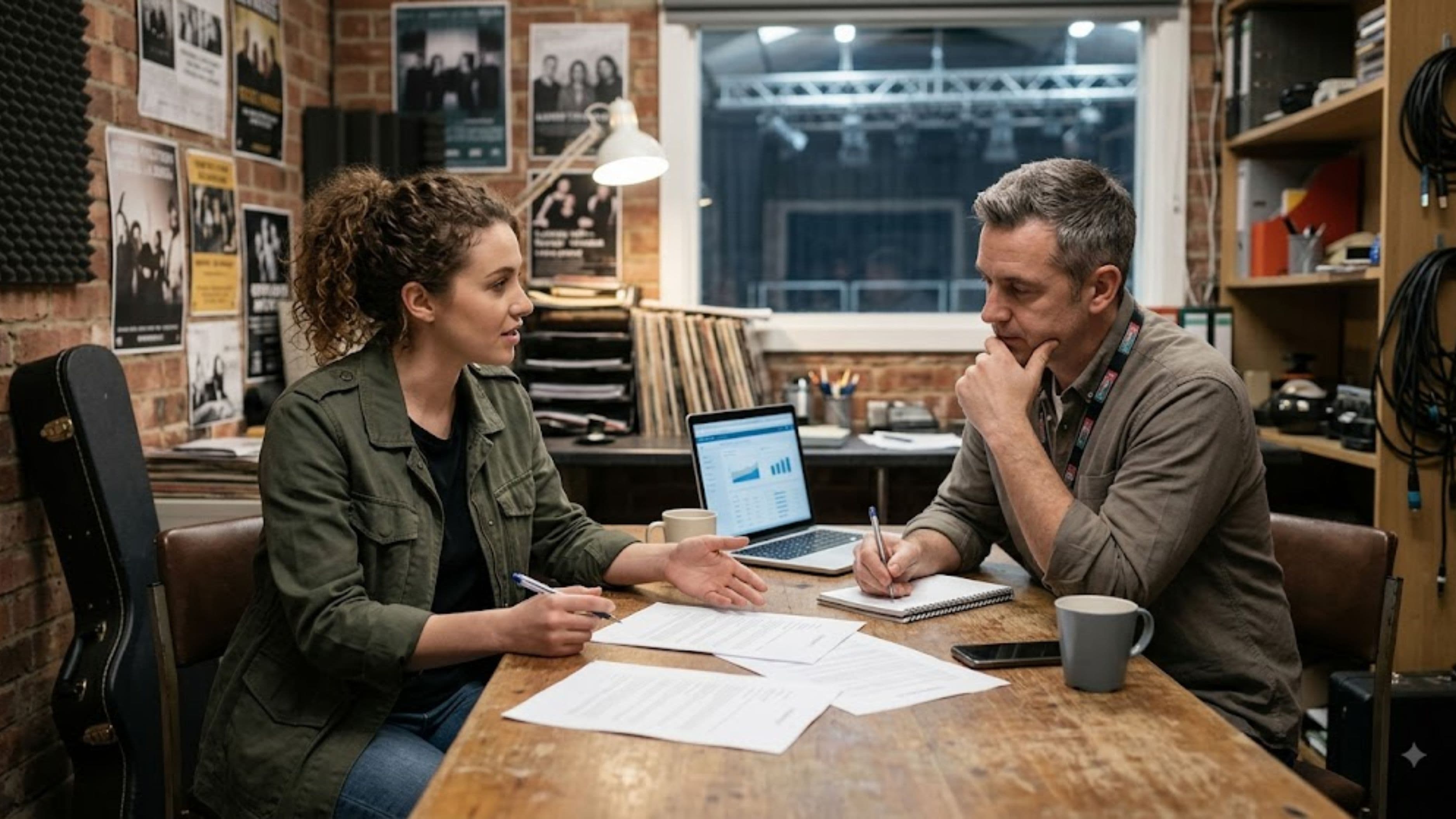
Guarantee plus percentage: The artist receives a fixed fee (the guarantee) regardless of ticket sales, plus a percentage of revenue once a certain threshold is crossed. This protects the artist from a poorly sold show while giving the promoter upside if the show overperforms. For independent artists, the guarantee is the number to negotiate hard.
Door deal: Common on smaller shows without a promoter guarantee, where the artist receives a percentage of ticket door receipts, sometimes after a flat venue fee is deducted. These deals put more risk on the artist but are standard at the entry level of touring.
Net vs. gross deals: The percentage the artist receives might be calculated against gross ticket revenue (all ticket sales, before any deductions) or net revenue (after venue costs, production, and marketing are deducted). Gross deals are simpler and more artist-friendly; net deals can reduce the artist's percentage significantly depending on how costs are defined. Understanding the difference before signing is non-negotiable.
Costs that typically come out of the show's gross before the artist's percentage applies include venue rental, production and crew costs, marketing spend, ticketing fees, and sometimes security and box office. A show with $20,000 in gross ticket revenue can have $12,000–$15,000 in costs on a modest scale, leaving significantly less for the split than the headline number suggests.
What's Changed in Modern Live Production
The live music industry has seen significant shifts over the past decade that affect how events are produced and what artists can realistically expect.
Consolidation at the top. Live Nation and AEG together control a large percentage of major venues, festivals, and touring infrastructure globally. For independent artists, this means that breaking into certain venues or markets increasingly requires navigating a consolidated booking ecosystem. Independent promoters still operate extensively at the club and theatre level, but the mid-to-large scale is heavily institutionalised.
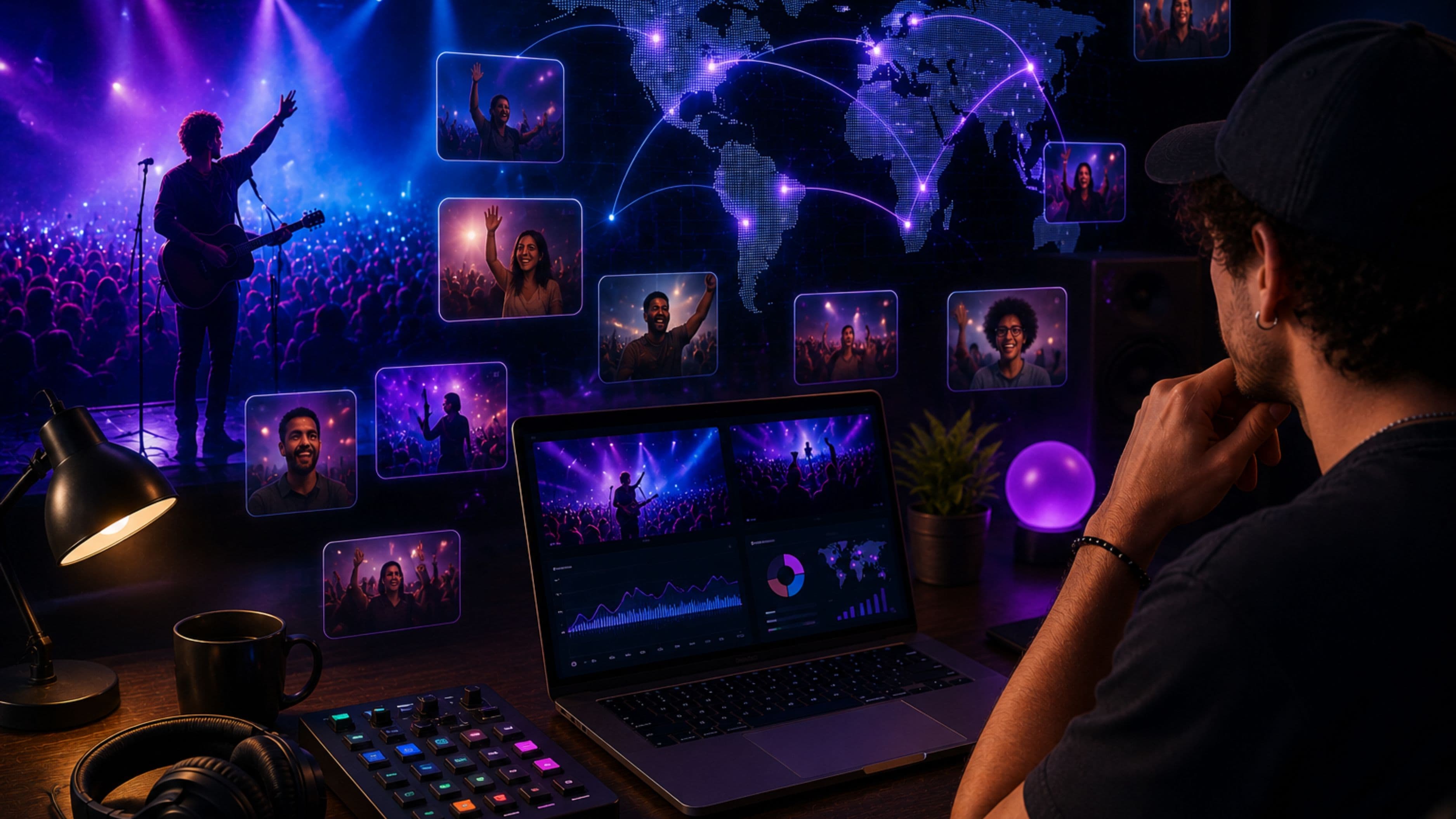
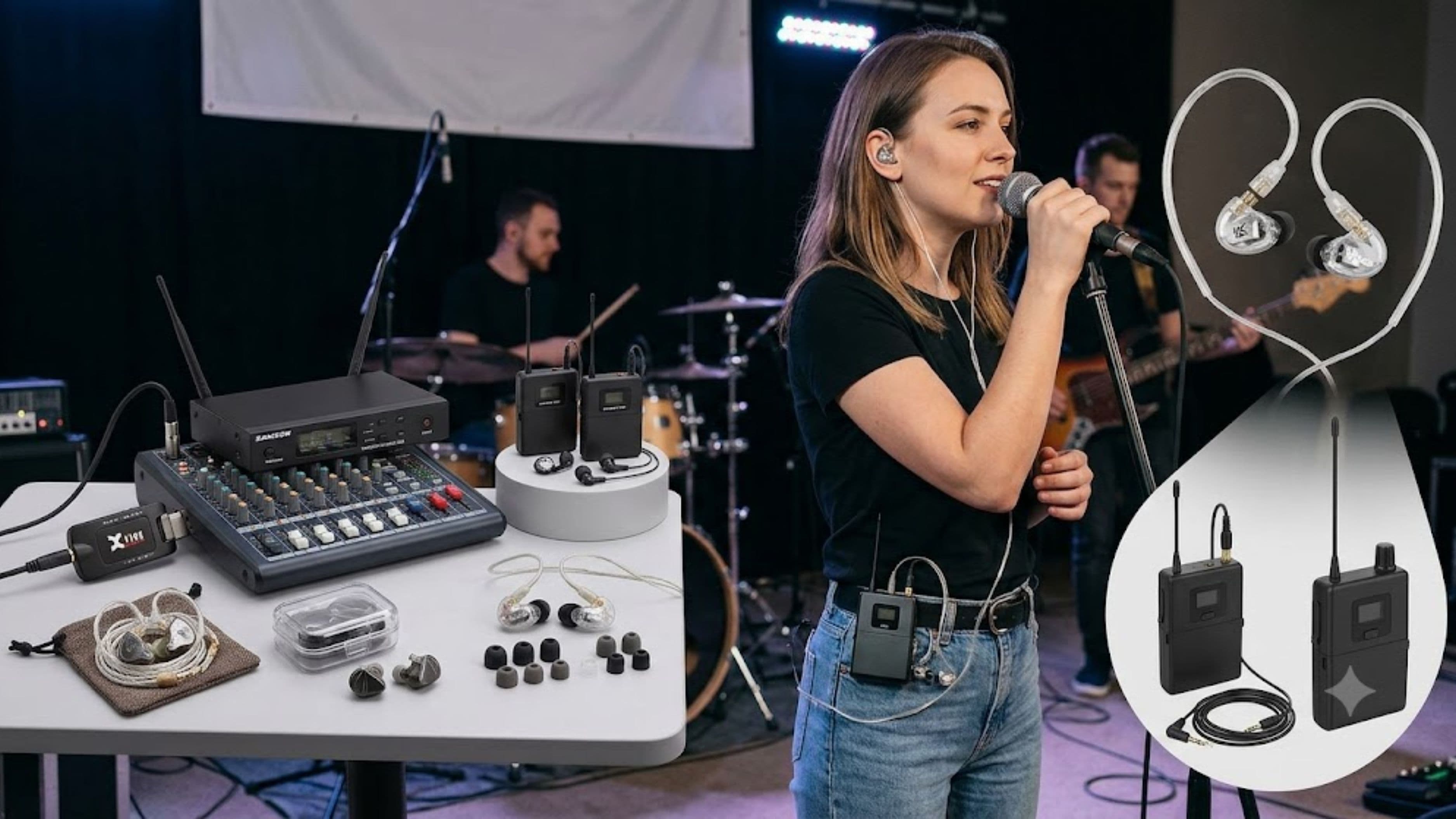
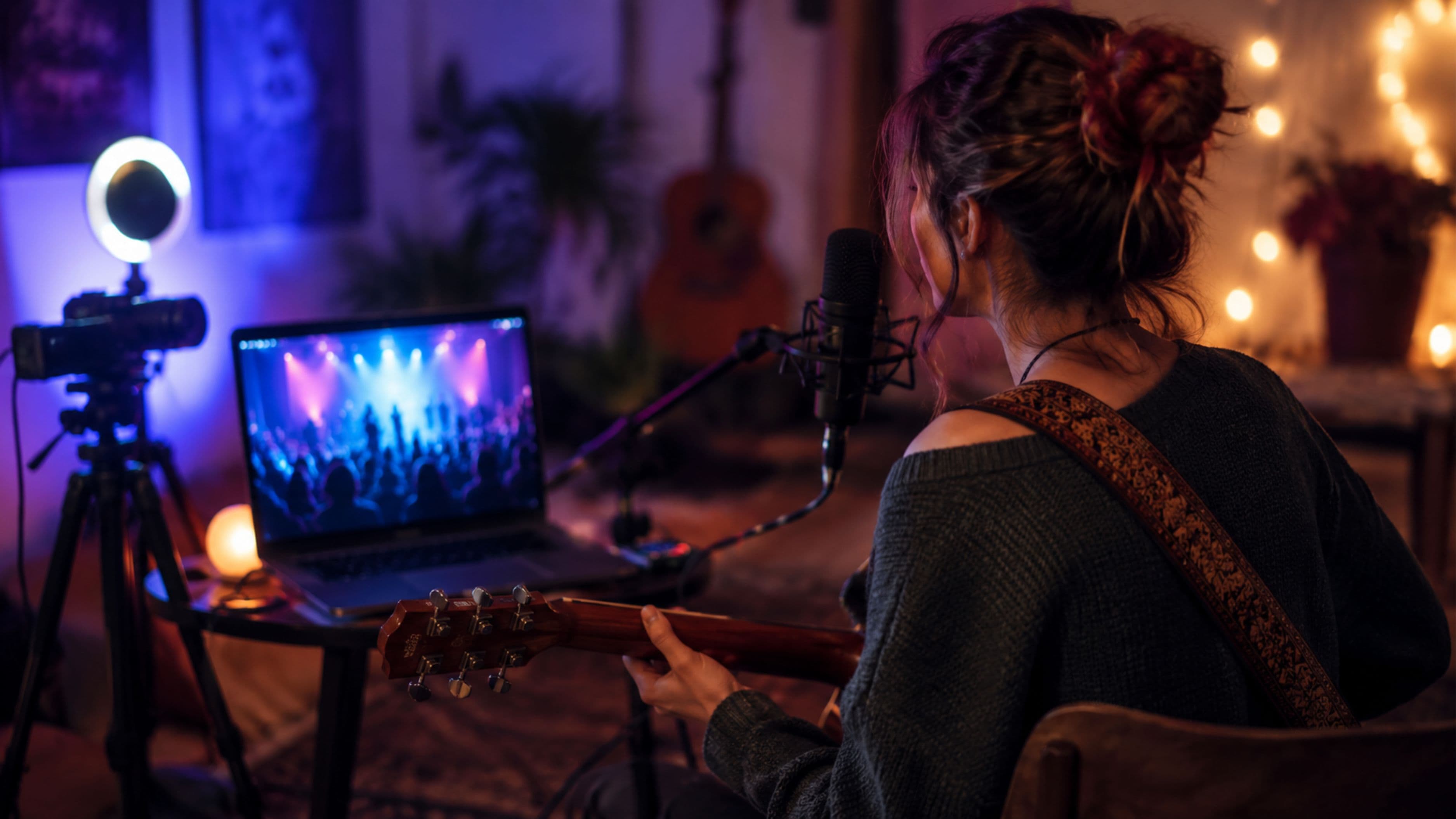
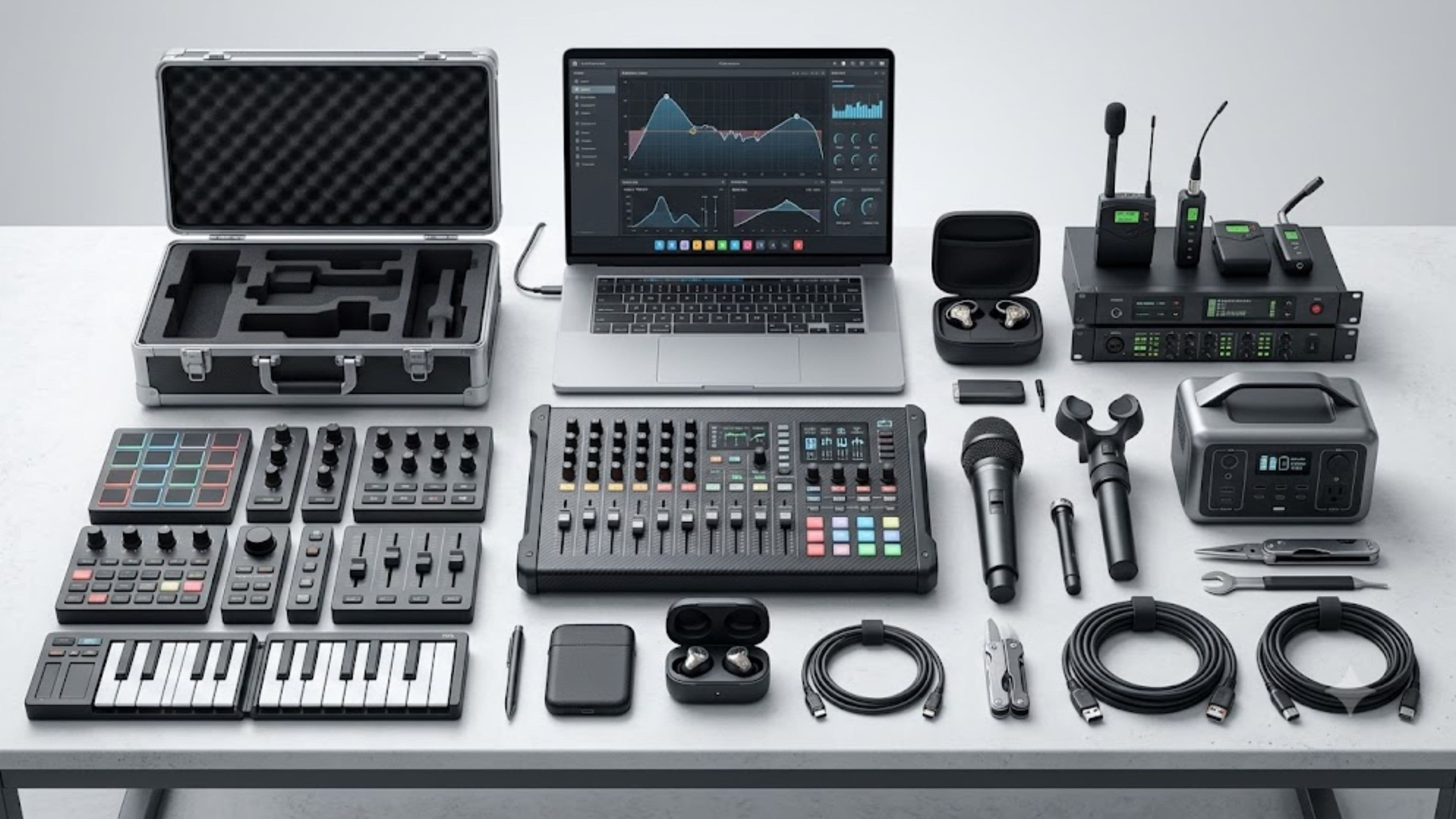
Technology at every level. Digital audio workstations, wireless in-ear monitor systems, LED lighting with refined automated control, and paperless ticketing have all lowered the cost and complexity of high-quality production at the mid-level. An independent artist can put on a show that looks and sounds professional on a budget that would have been impossible fifteen years ago. Simultaneous improvements in live streaming technology have added a parallel revenue channel – many artists now stream their shows for virtual ticket holders, extending both reach and income from a single event.
Rising costs across the board. Venue rental, crew rates, and touring logistics have all increased substantially, compressing margins at every level of the touring ecosystem. For independent artists without a guarantee, small-scale touring is often a loss-leader – a tool for building audience rather than a net-positive revenue source in the early stages. Understanding this upfront is important for anyone planning their first run of dates.
Practical Takeaway for Independent Artists
If you're building toward your first headline shows, the most useful thing you can do before anything else is understand the cost structure of the venues you're targeting. Ask for a venue capacity breakdown, find out whether they provide backline, understand what house tech is included versus what you need to bring or rent, and get a clear picture of the deal structure. A show that looks attractive on paper can quietly become a financial loss once production costs are properly accounted for.
Investing in a solid technical rider early – even if your current production needs are minimal – establishes professionalism with venues and promoters and sets clear expectations that reduce friction on show day. Your tour manager or production manager, even if that's currently you wearing both hats, should know this document inside out.
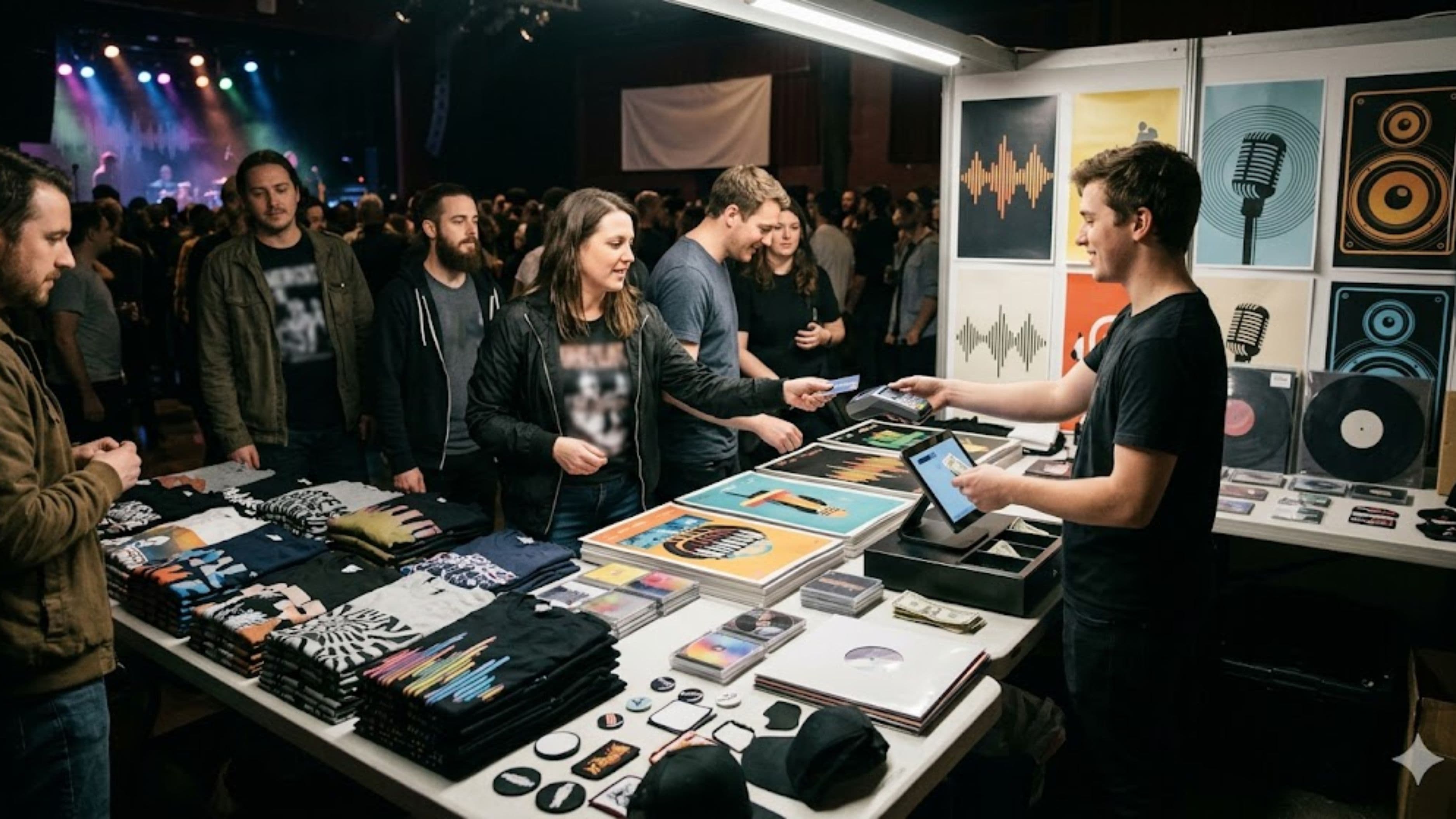
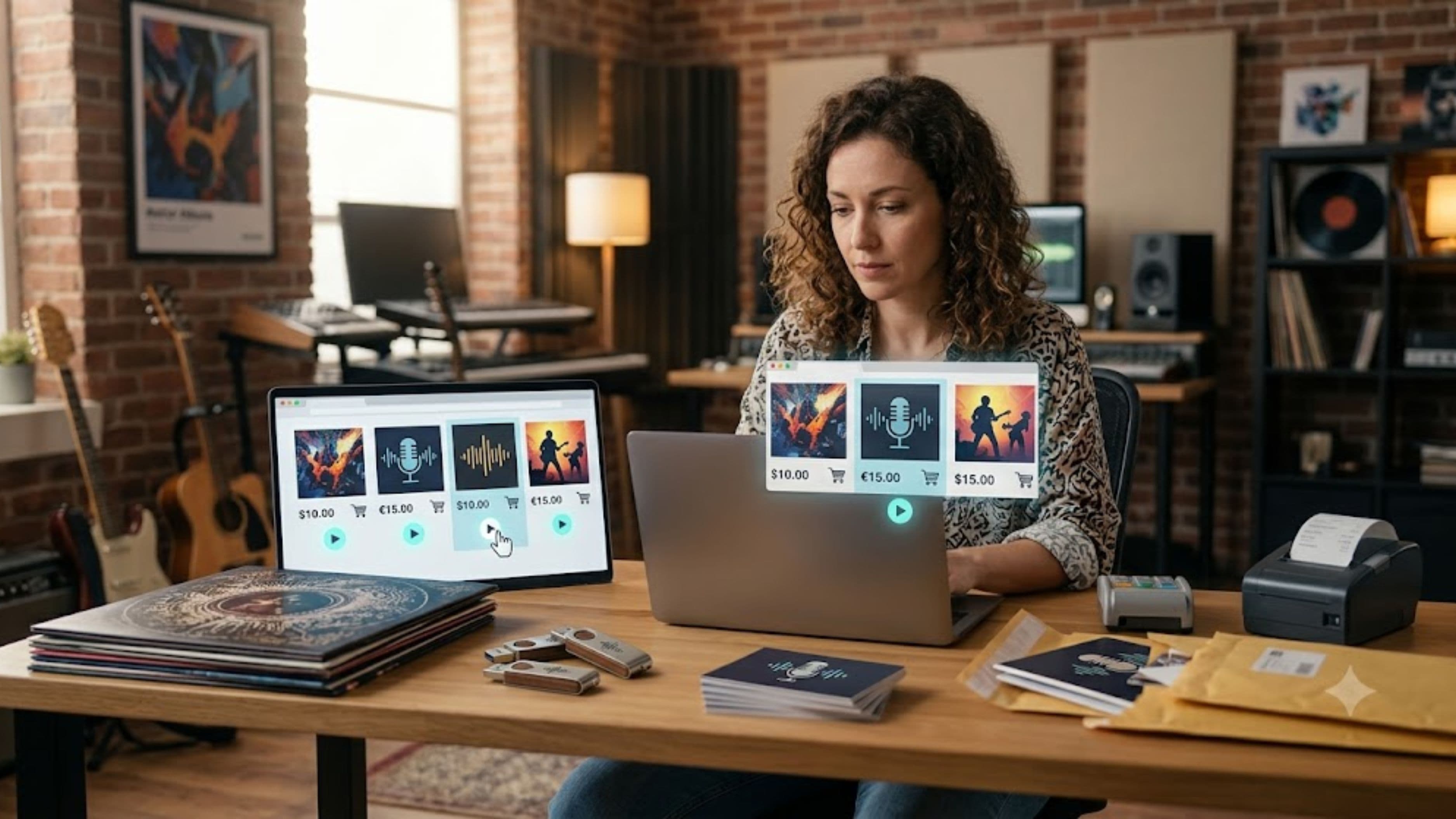
Most importantly, understand the difference between building audience through touring and generating net income from it. At the independent level, the return on live performance is often measured in new listeners, streaming bumps, merchandise sales, and relationship-building with promoters and venues – not in direct profit from ticket sales. Planning your shows with that frame produces more sustainable decisions about what to book and when.
FAQ
How much does it cost to produce a small club show? A basic club show for an independent artist can run $500–$2,500 in production costs depending on what the venue provides, whether backline is needed, and crew requirements. Some venues include house sound and lights in the rental; others charge separately for each element.
What's a backline rider and why does it matter? A backline rider is the portion of the technical rider specifying what instruments and amplification the artist needs provided at the venue – specific drum kit configurations, guitar amplifier models, keyboard setups. For touring artists who aren't carrying their own gear, the backline rider determines what they play on. Getting it right means the band performs on familiar equipment; getting it wrong means last-minute adjustments under pressure before soundcheck.
How does an artist get paid if the show undersells? On a guarantee deal, the artist receives the guarantee regardless of sales – that's the point of the guarantee. The promoter absorbs the loss. On a door deal, the artist receives their percentage of whatever was actually collected at the door, which may be significantly less than projected. This is one reason guarantees are worth prioritising in deal negotiations wherever possible.
What's the typical load-in time for a club show? Club shows typically load in two to four hours before doors. A show with four support acts and a headliner requires more time for multiple soundchecks; a one-act show might load in comfortably in two hours. The schedule is usually coordinated in advance between the TM and venue manager.
Can independent artists produce their own events without a promoter? Yes, and many do at the local level. Self-producing means the artist takes on the promoter role – booking the venue, handling marketing, managing ticket sales, and carrying the financial risk. The advantage is retaining a larger share of revenue; the disadvantage is the additional operational burden and financial exposure. It's a viable model in a home market where you have existing audience and venue relationships.
📚 Sources
Pollstar – Live music industry data and touring economics: https://www.pollstar.com/industry-data
Sound on Sound – Live sound engineering fundamentals: https://www.soundonsound.com/techniques/live-sound-masterclass
Berklee Online – Music business and touring: https://online.berklee.edu/music-business
Music Business Worldwide – Live music industry analysis: https://www.musicbusinessworldwide.com/category/live
NIVA (National Independent Venue Association) – Independent venue ecosystem: https://www.nivassoc.org/about
Hypebot – Independent touring economics for artists: https://www.hypebot.com/hypebot/touring-economics/