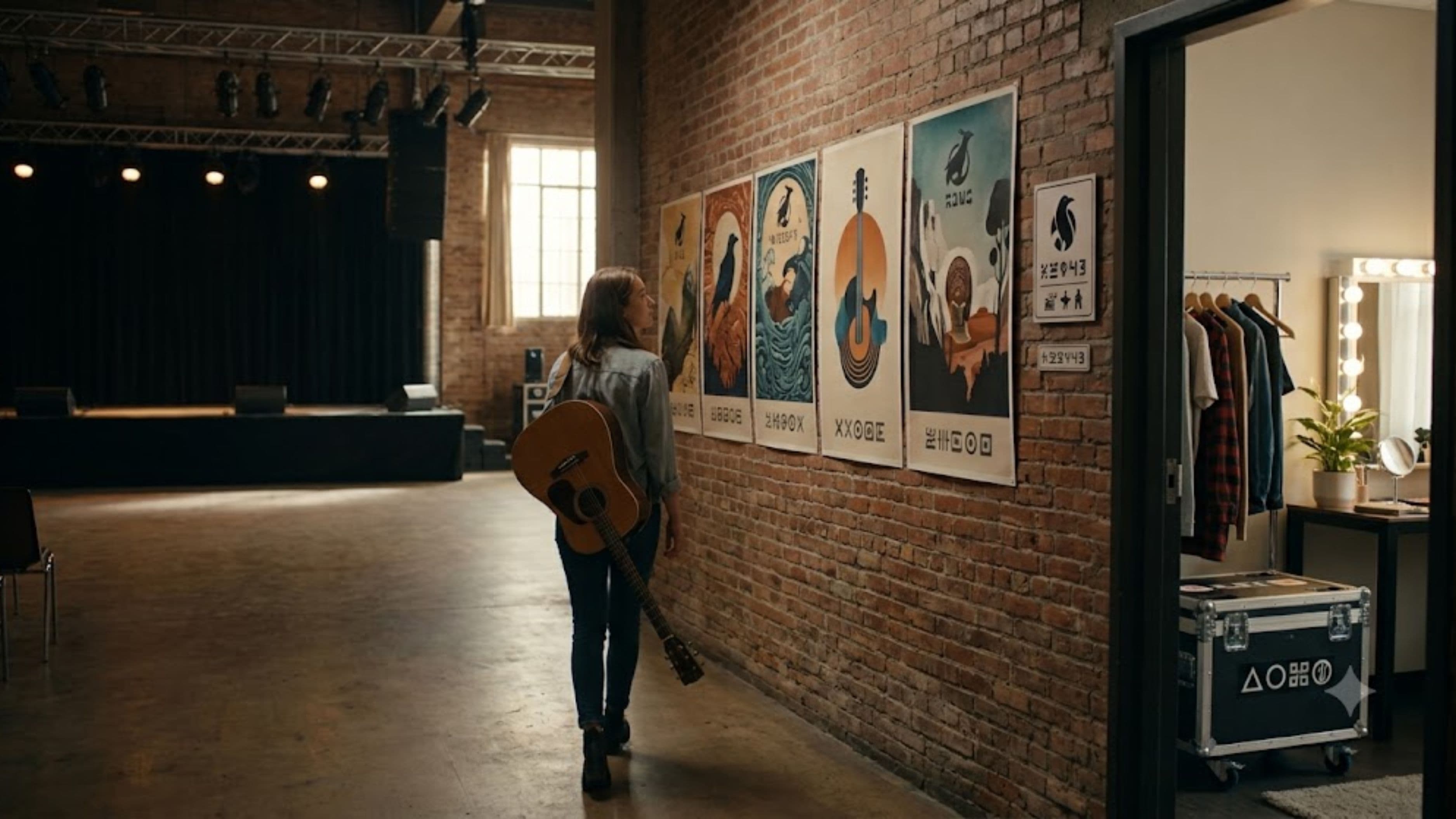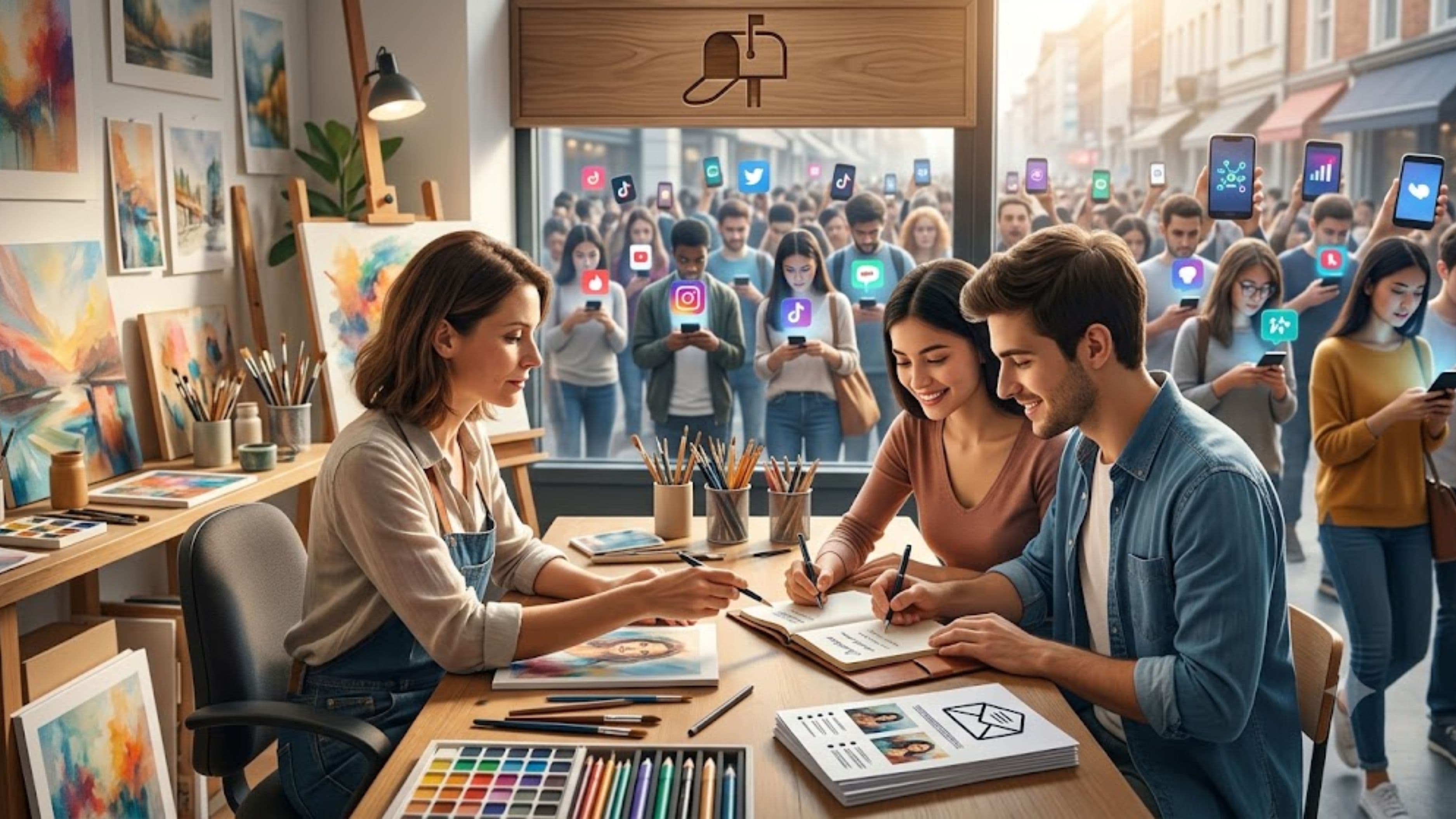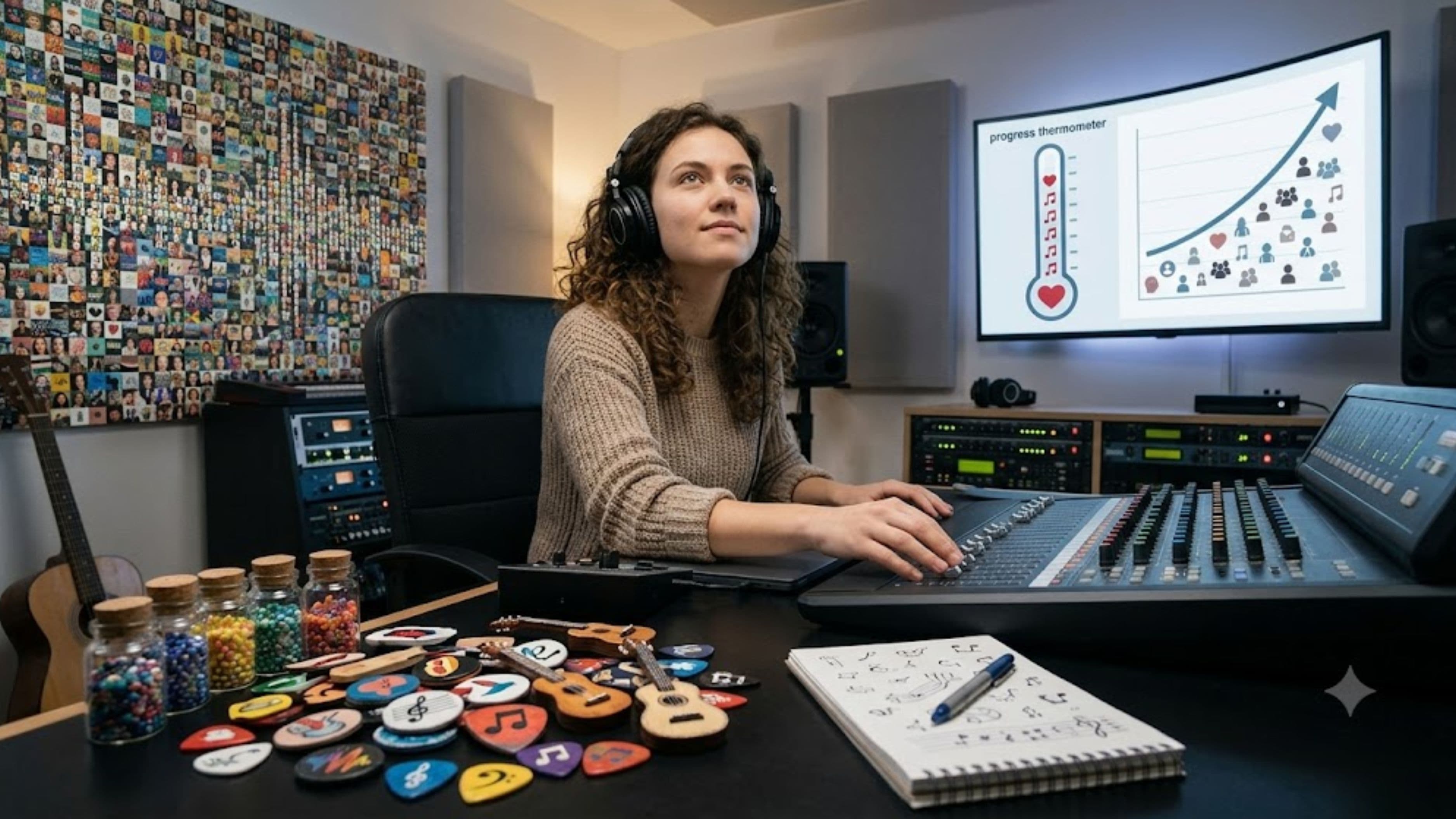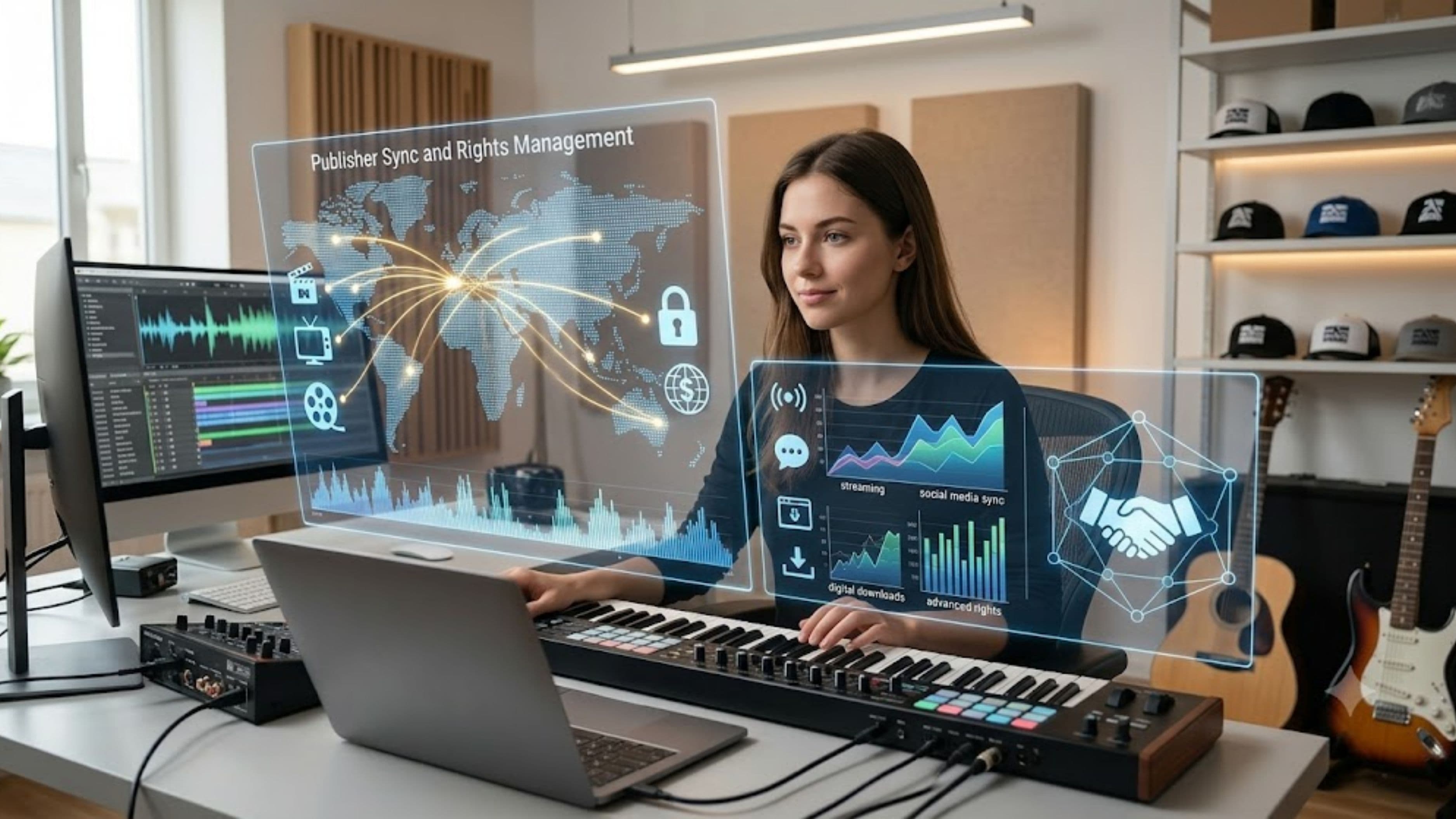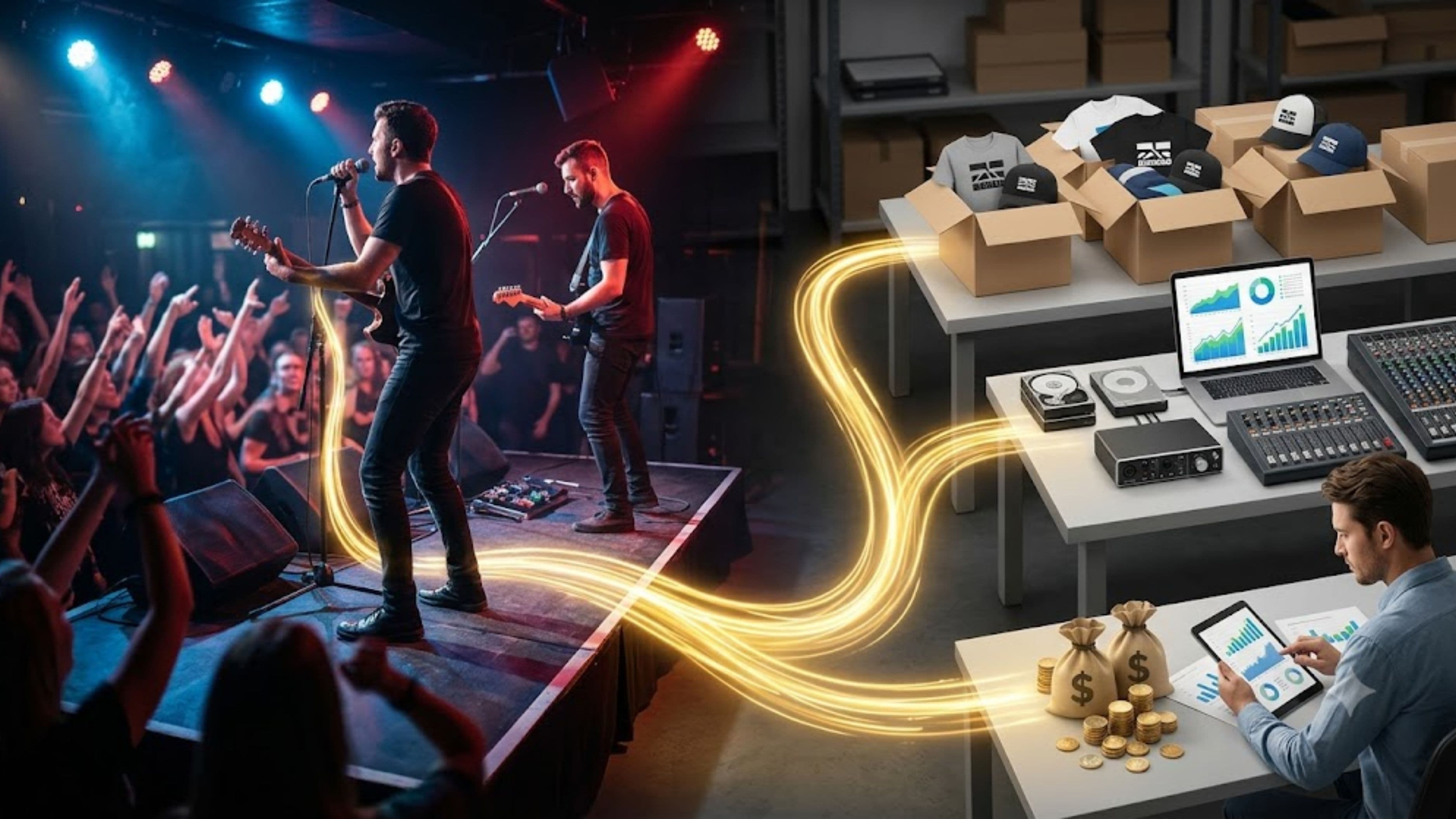
Step 1: Track What's Actually Working Before Scaling Anything
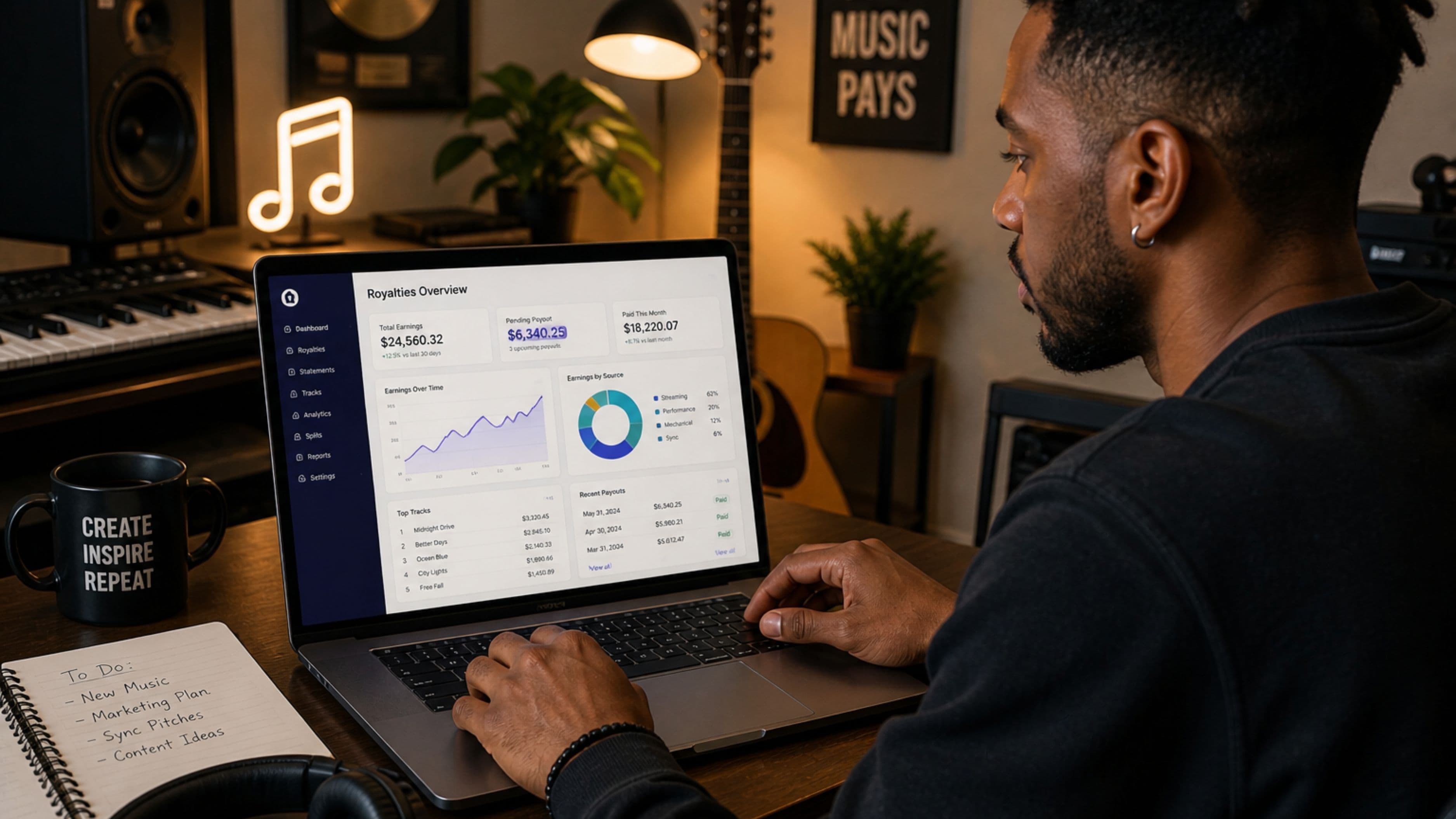
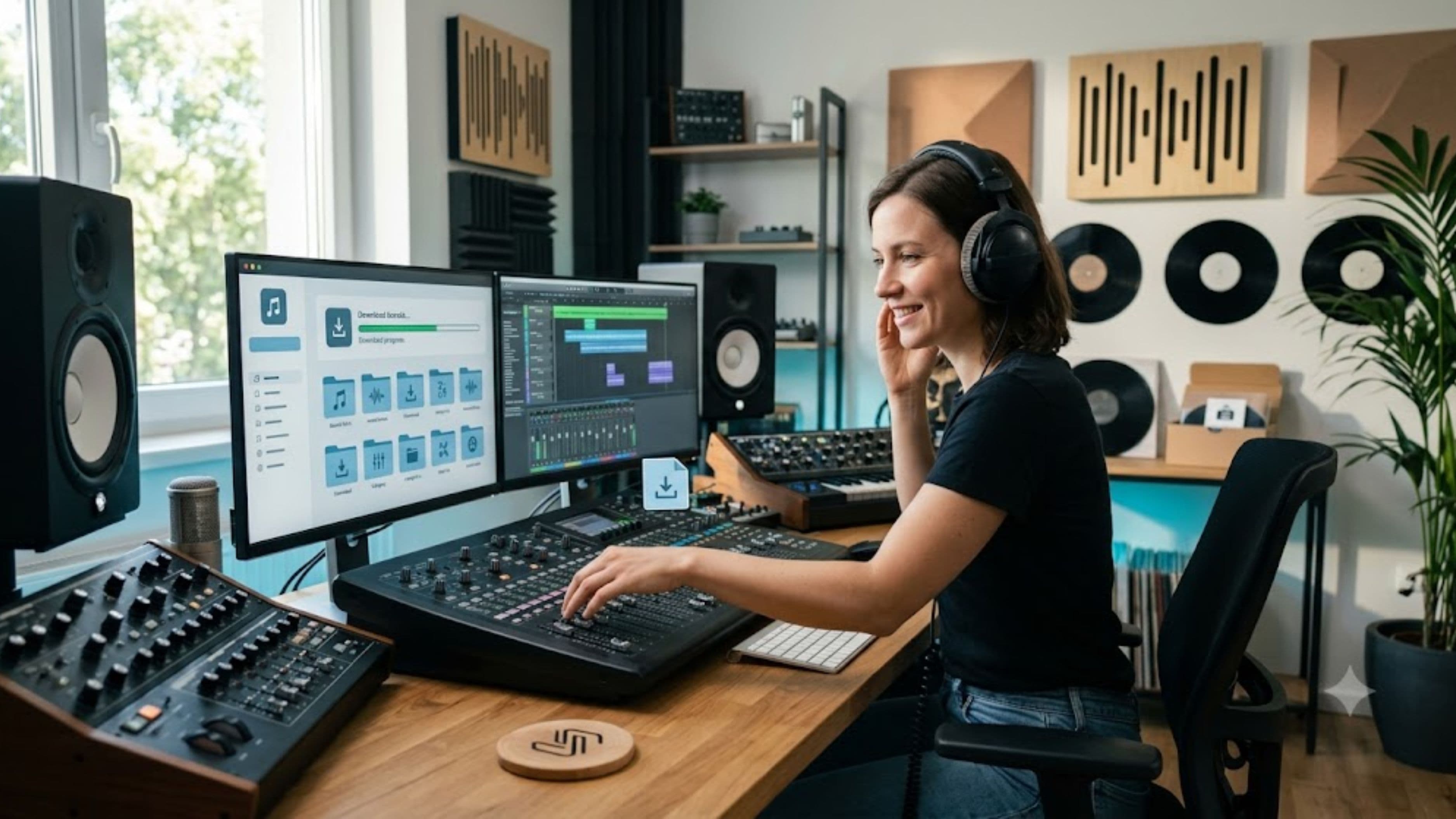
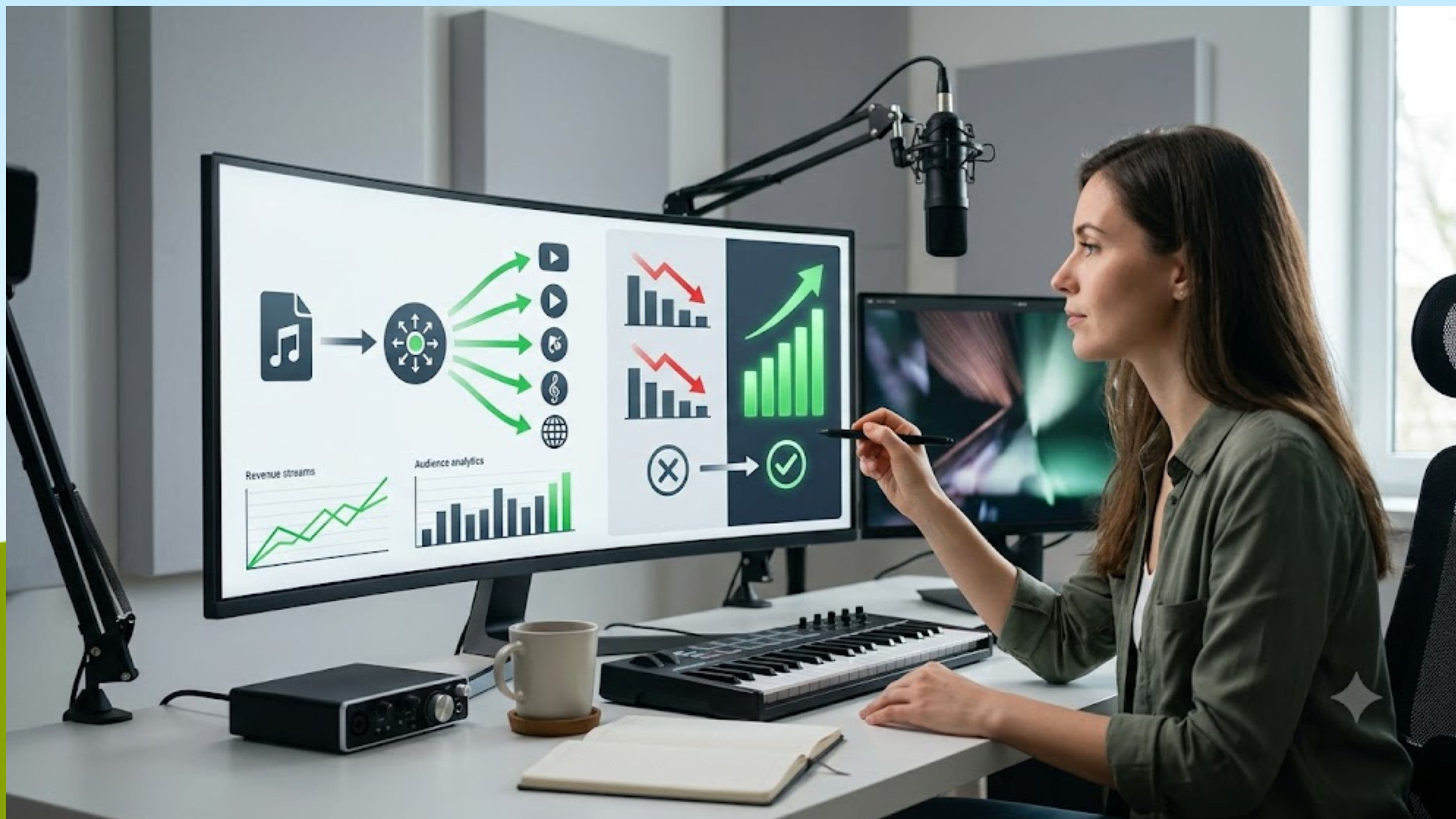
Before trying to expand live income into something bigger, get a clear picture of what's currently generating money at your shows beyond ticket sales. This means looking closely at merchandise sales per city, any VIP or meet-and-greet upsells you've tested, and how much revenue, if any, is coming from things like livestreamed portions of shows or recorded content sold afterward.
Most artists have a rough sense of this but haven't actually broken it down by revenue stream, which makes it hard to know where to invest more effort. A simple spreadsheet tracking ticket revenue, merch revenue, and any additional income per show gives you the real baseline you need before you can meaningfully scale anything.
Step 2: Build Merchandise Into a Repeatable System, Not a One-Off
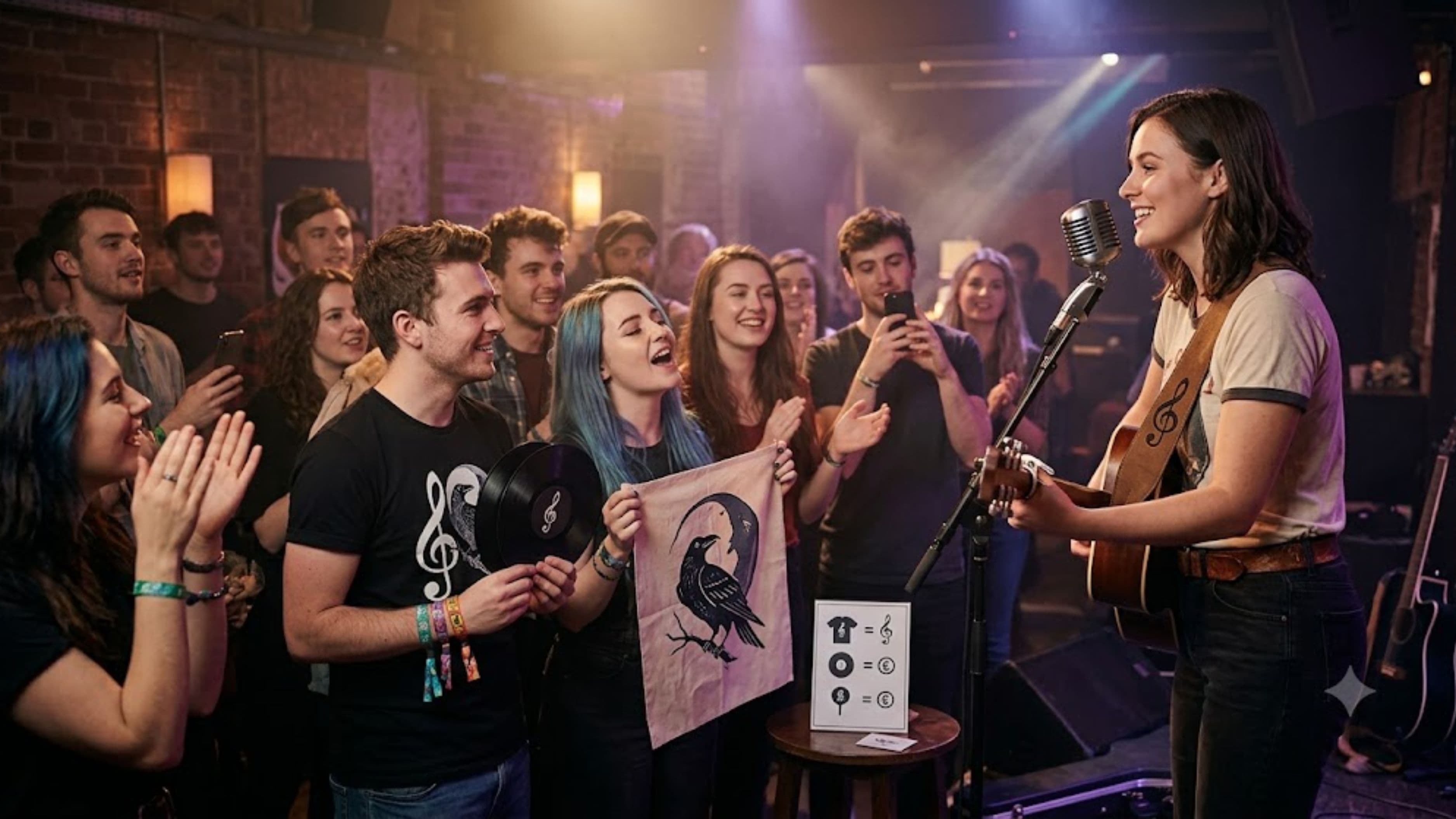
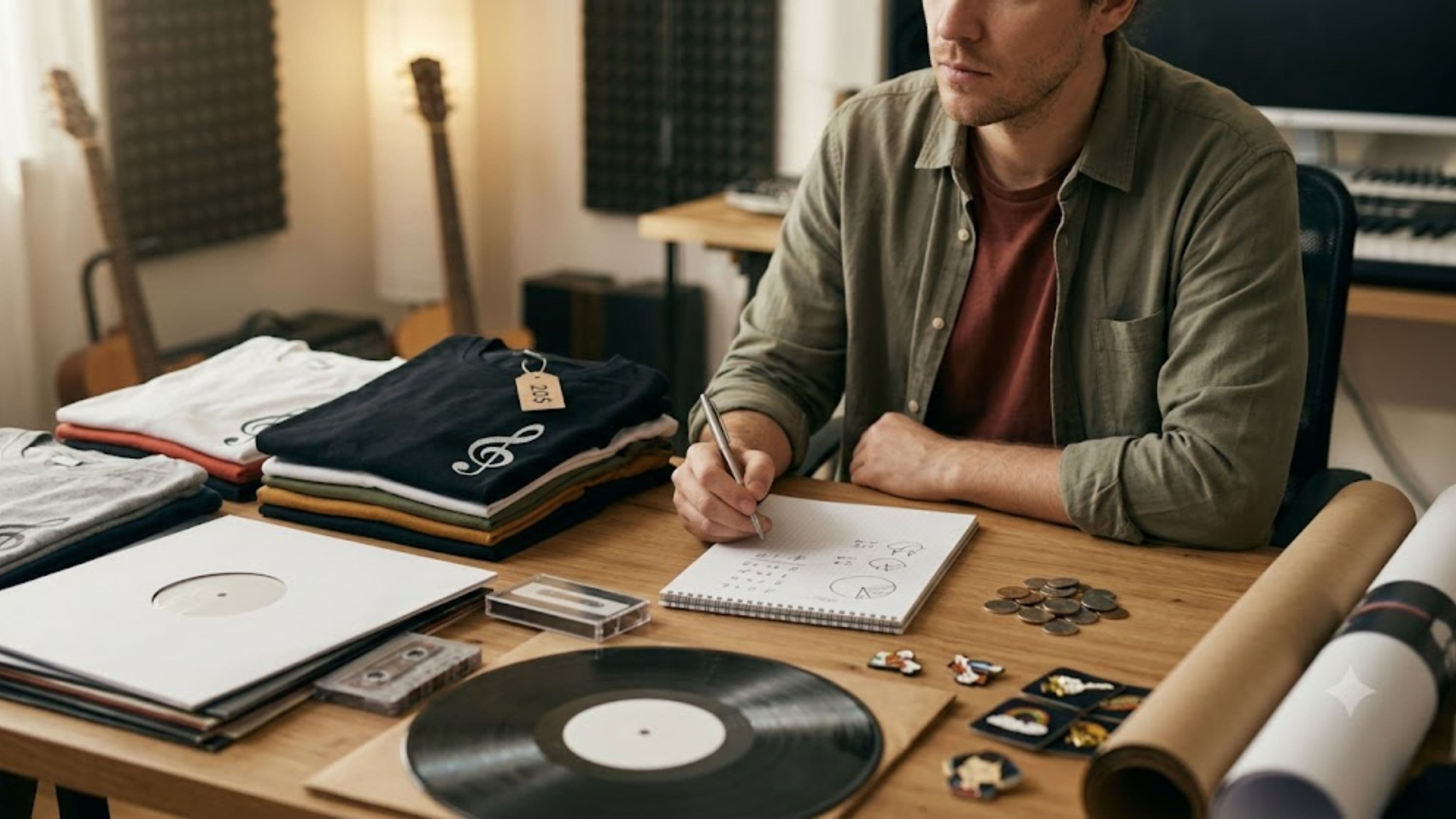
Merchandise is often the fastest, most direct way to convert live show attendance into scalable income, but a lot of artists treat it inconsistently, bringing different products to different shows without a clear system. Standardizing your merch lineup, and treating it as a real product line with predictable margins rather than an afterthought packed into a tour van, turns this into something you can plan and forecast rather than something that just happens to sell reasonably well.
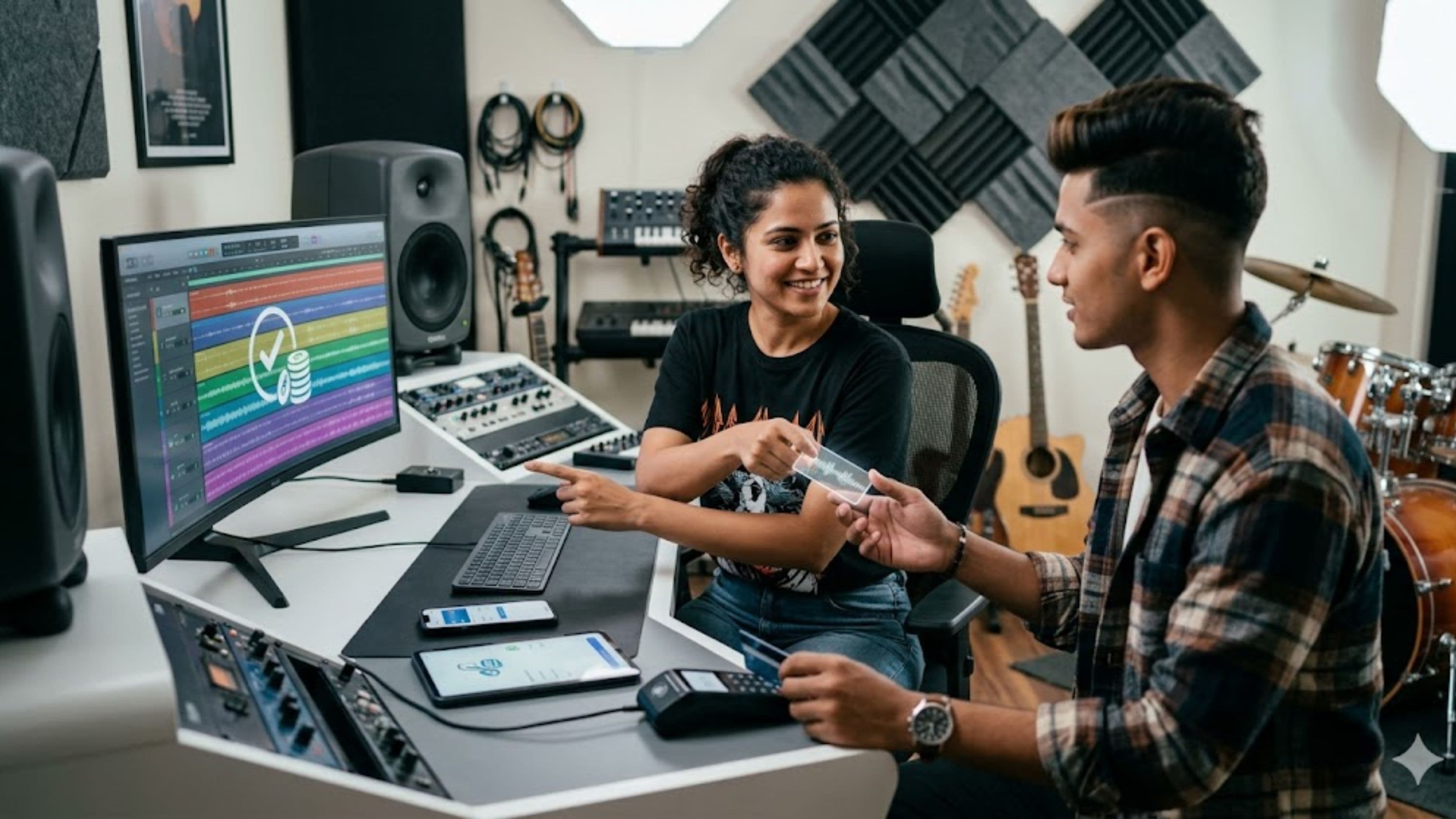
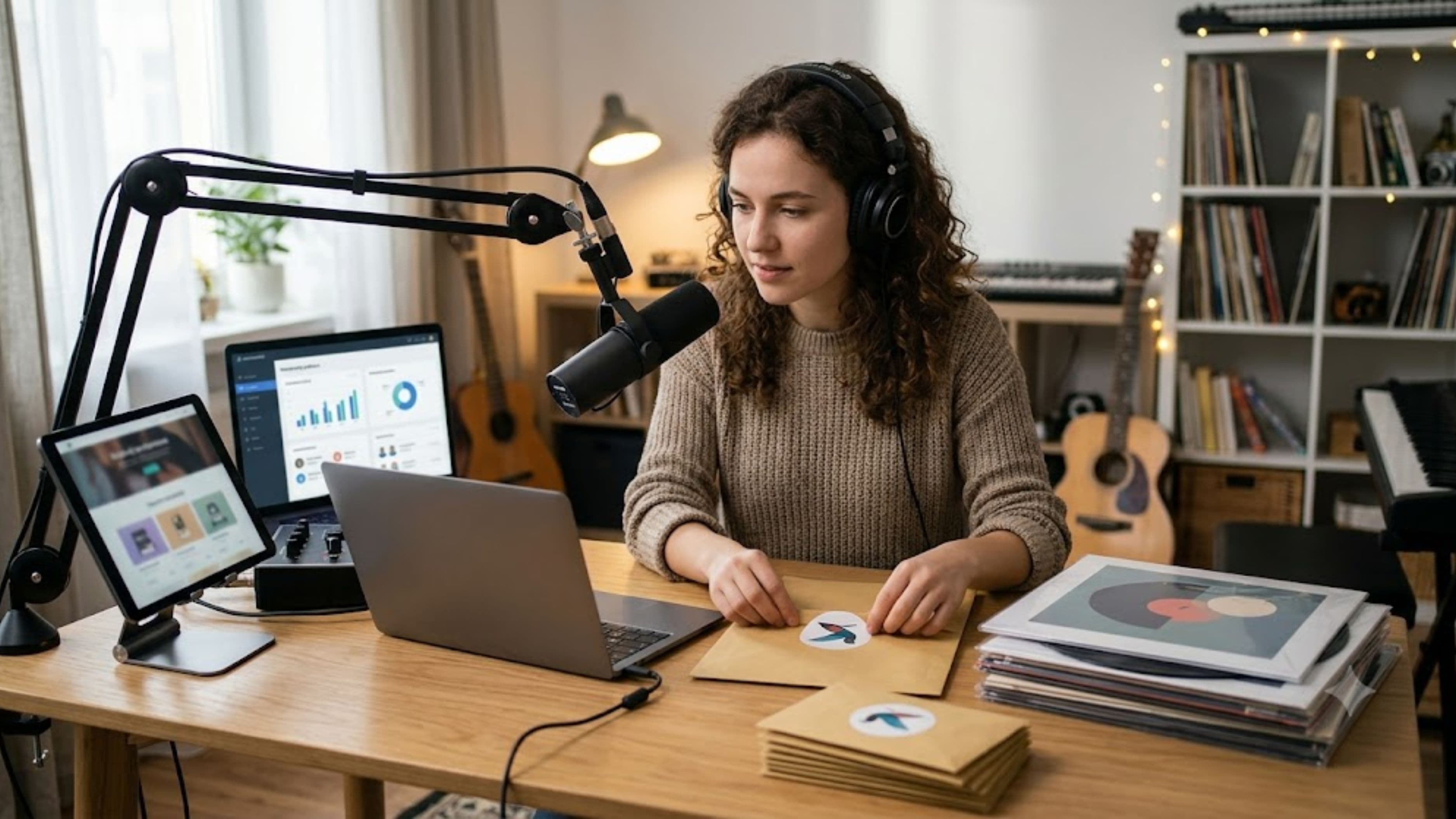
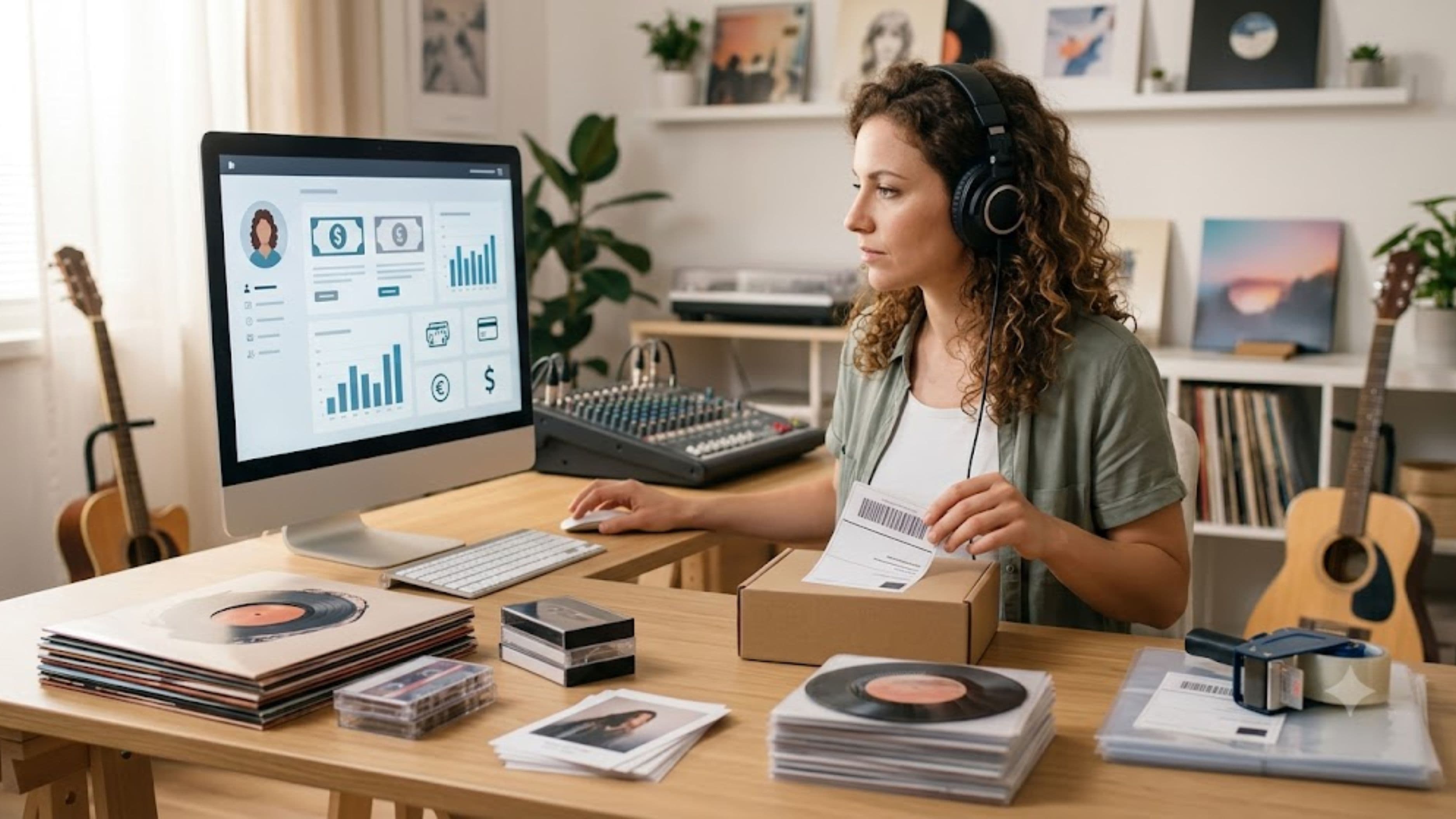
Consider setting up print-on-demand or smaller-batch production options for items beyond your core lineup, which lets you test new designs without the financial risk of a large upfront print run. Pairing this with an online store that stays active between tour dates means fans who saw you live can keep buying merch long after the show itself is over, extending that revenue window well past the actual performance date.
Step 3: Capture and Repurpose Live Content
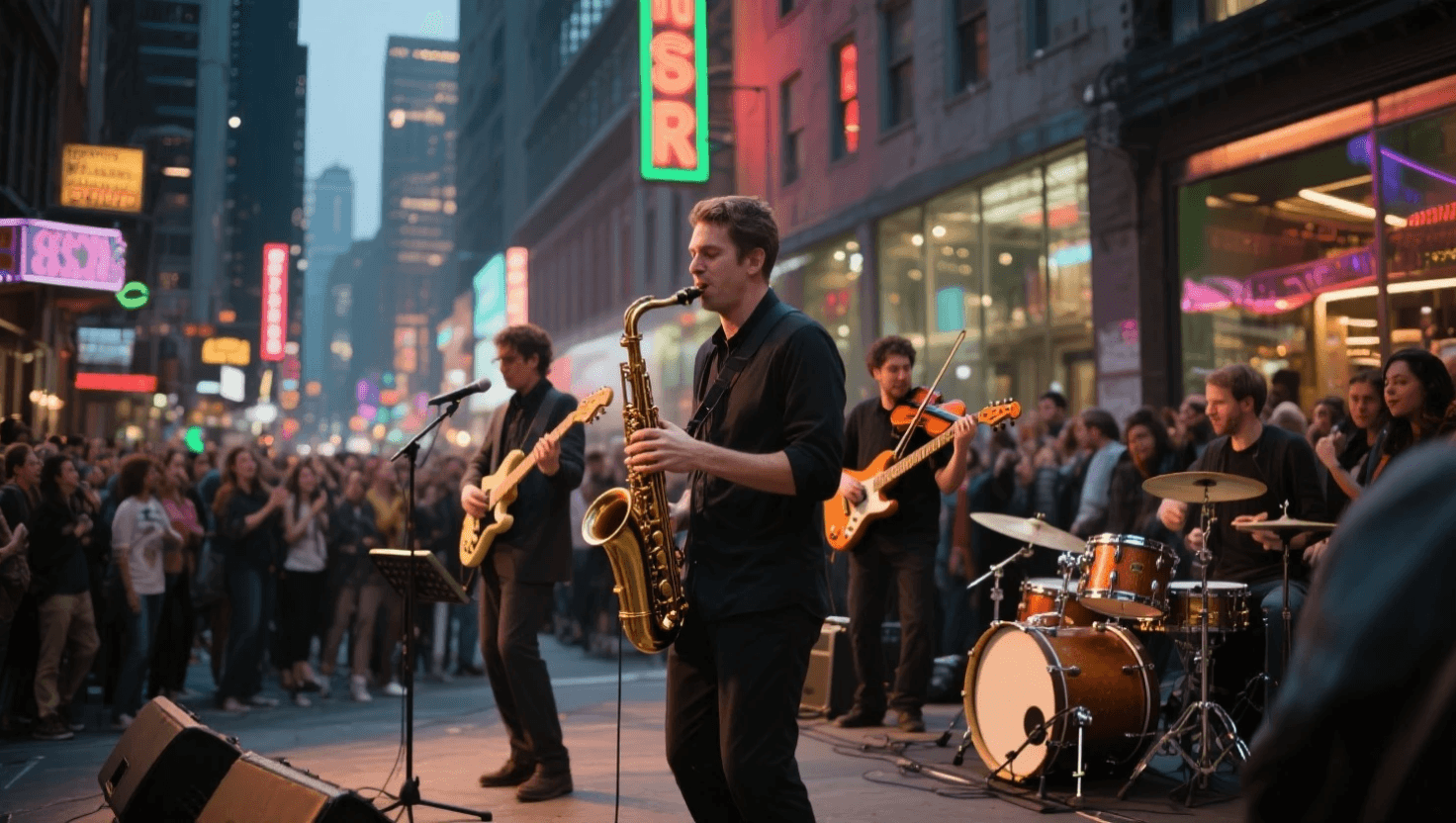
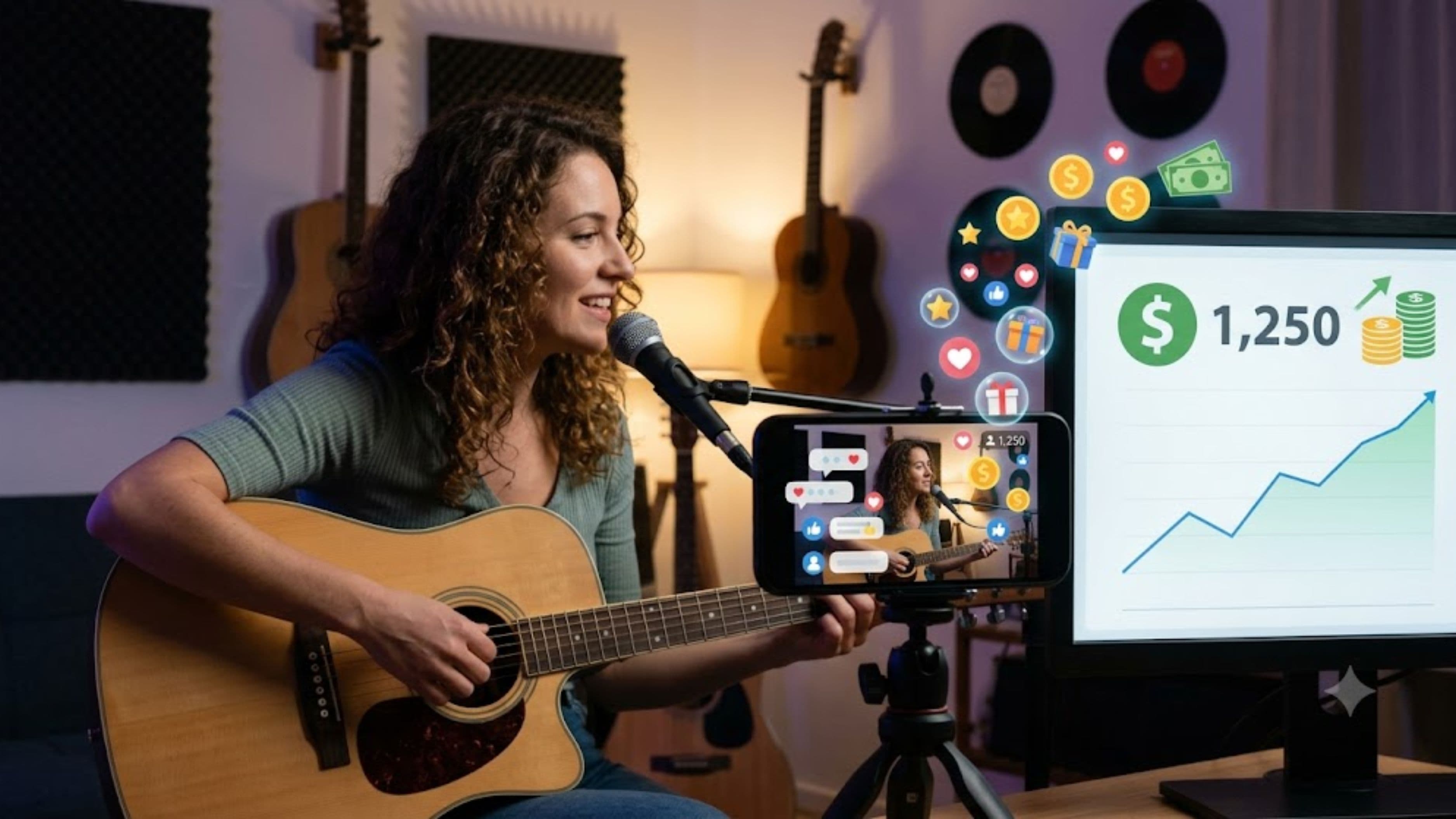
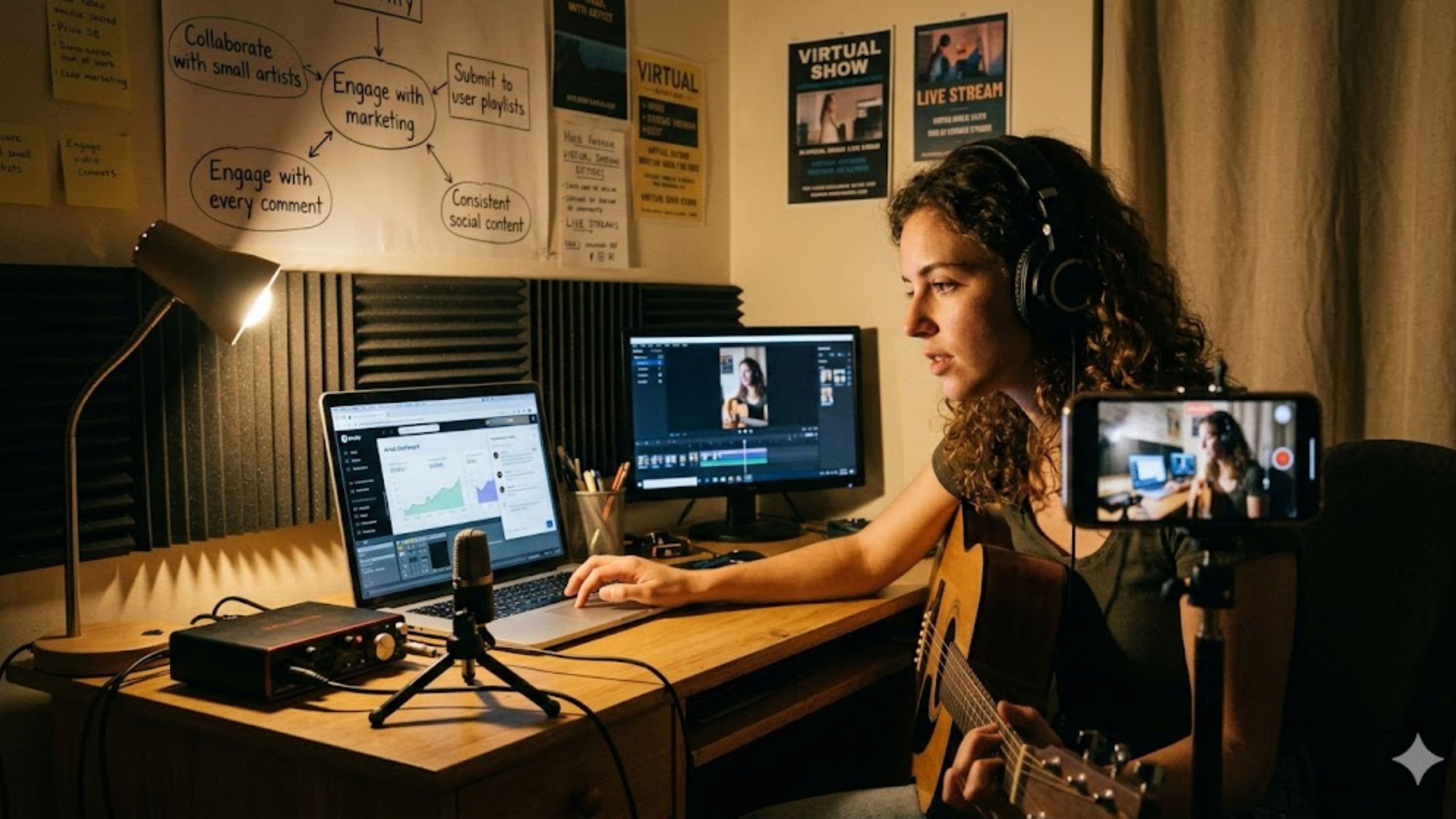
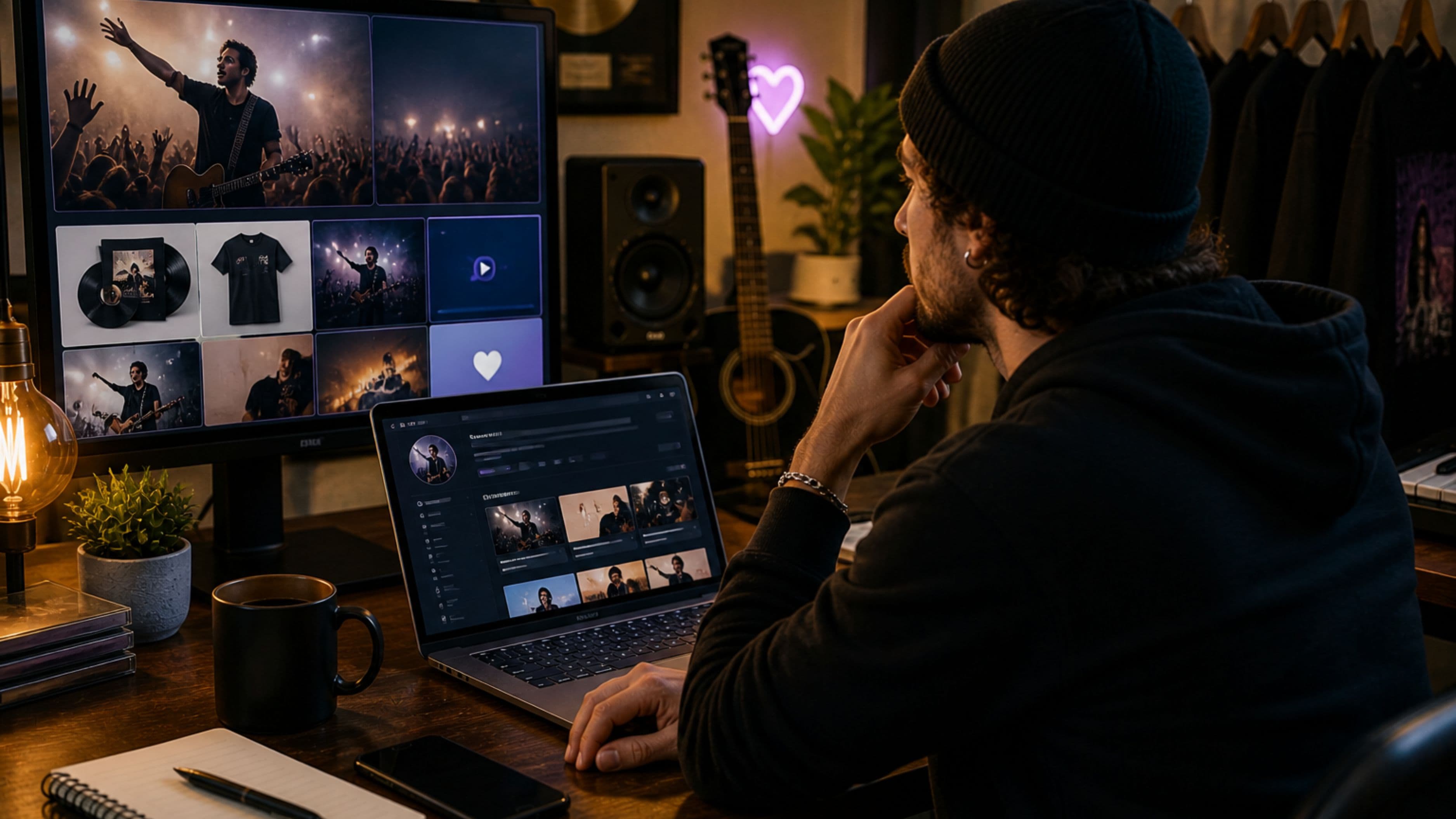
Every show is a source of content that can generate income well after the performance ends, but this only works if you're actually capturing usable footage or audio in the first place. Even a simple, well-planned multi-camera setup or a quality audio recording from the soundboard can become the raw material for a livestream replay, a live album, or short clips used for promotion that indirectly drive future ticket sales.
Some artists have found success selling access to high-quality recordings of specific shows, particularly for fans who couldn't attend in person, while others repurpose live performance clips into content for platforms where discovery can drive new fans toward future tour dates. The specific approach matters less than the underlying habit: treating your live shows as content-generating events, not just one-time performances that disappear once they're over.
Step 4: Build a Direct Relationship With Your Live Audience
Ticket sales and merchandise happen through platforms that generally don't give you direct access to your audience's contact information, which makes it hard to bring people back for the next opportunity. Building an email list or a similar direct communication channel specifically from your live show audience, whether through a QR code at merch tables or a sign-up incentive tied to a show-exclusive offer, gives you a way to reach people again without depending entirely on social media algorithms or ticket platform notifications.
This direct channel becomes increasingly valuable as you build additional income streams around live performance, since you can notify this audience specifically about new tour dates, merch drops, or exclusive content tied to shows they've already attended, rather than hoping they happen to see a social media post.
Step 5: Consider VIP and Premium Experience Tiers
Adding a premium tier to your live shows, whether that's early entry, a meet-and-greet, a small acoustic pre-show session, or a bundled merch package, gives your most engaged fans a way to spend more per show without requiring you to sell significantly more tickets overall. This works particularly well for artists with a smaller but genuinely dedicated fan base, since the people most likely to pay for a premium experience are often the same fans who'd attend regardless, meaning this adds incremental revenue rather than cannibalizing regular ticket sales.
Pricing and structuring these tiers requires some testing, since what resonates varies significantly by genre and audience size, but even a modest uptake from a portion of your audience can meaningfully increase your per-show revenue without additional touring costs.
What to Watch Out For
Scaling live-derived income takes real time investment, particularly around content capture and audience relationship building, and it's easy to overextend yourself trying to build every revenue stream at once rather than doing one or two well. Focus on the one or two additions that fit your current show setup and audience size most naturally, rather than trying to launch a full ecosystem of merch, livestreams, and VIP tiers simultaneously.
Be realistic about production quality for any content you plan to sell or use for promotion; poorly captured audio or video can actually hurt your brand more than having no recorded content at all, so it's worth investing in reasonably solid capture equipment or a knowledgeable person to run it rather than relying on a phone propped up in the back of the venue.
FAQ
Do I need a large existing fan base before trying to scale live show income? Not necessarily. Smaller, highly engaged audiences often respond just as well, sometimes better, to premium experiences and direct merch offers than large, more passive audiences, since engagement matters more than raw numbers for these specific revenue streams.
Is livestreaming shows worth the extra effort? It depends on your setup and audience. It works best when you already have some baseline production capability and an audience that includes fans who can't regularly attend in person, rather than being a universal requirement for every artist.
How long does it typically take to see meaningful income from these additions? This varies significantly based on your existing audience size and how consistently you build out these systems, but most artists see gradual growth over several tour cycles rather than an immediate jump after a single show.
Live shows generate more value than the ticket price alone if you build the right systems around them. Start with tracking what's already working, then add one or two scalable pieces at a time rather than trying to overhaul everything at once.
📚 Sources
Berklee Online – Music Business Resources – https://online.berklee.edu/takenote/category/music-business/
DIY Musician by CD Baby – Touring and Live Revenue – https://diymusician.cdbaby.com/category/music-business/