What's Actually Changed
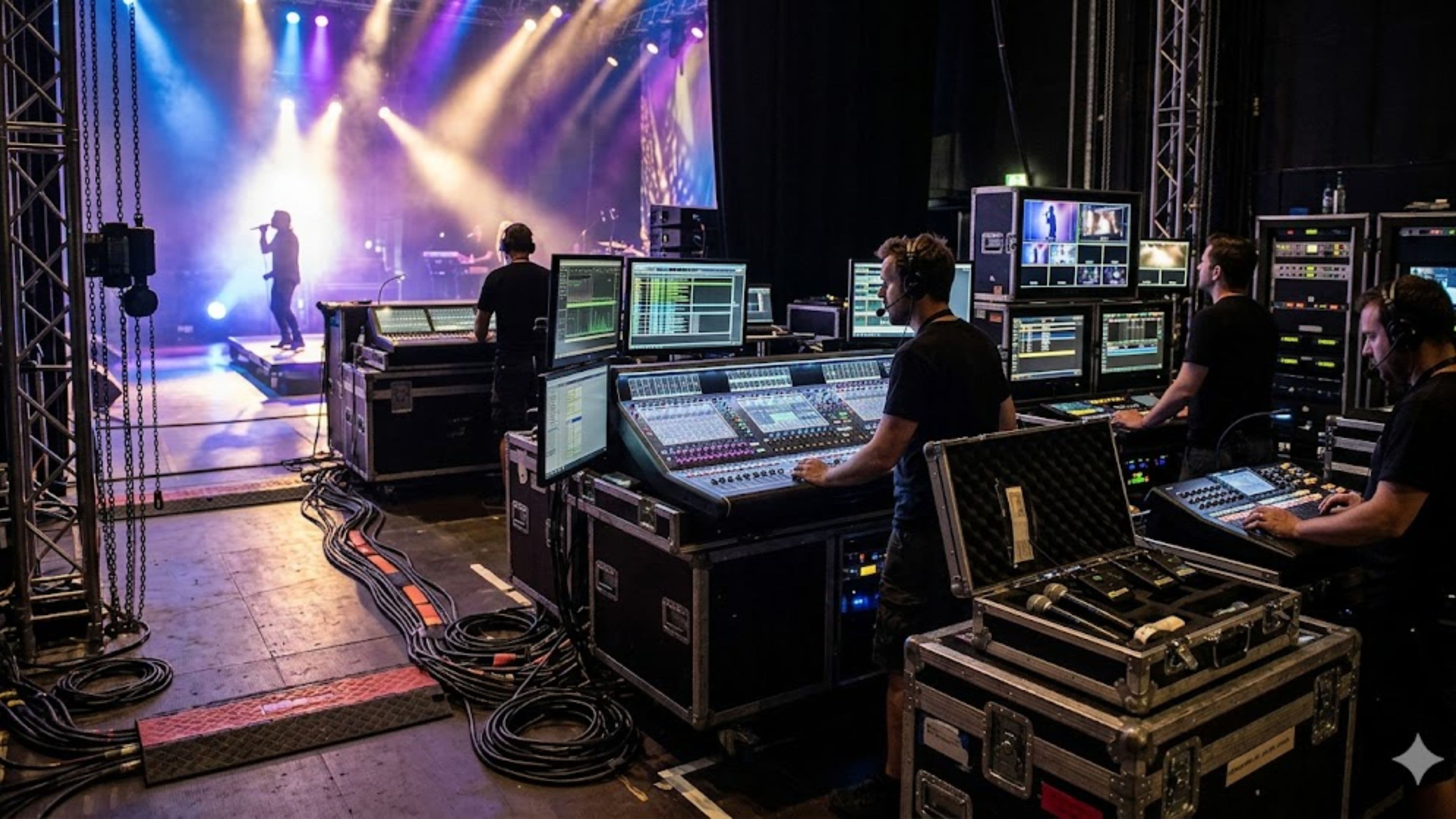
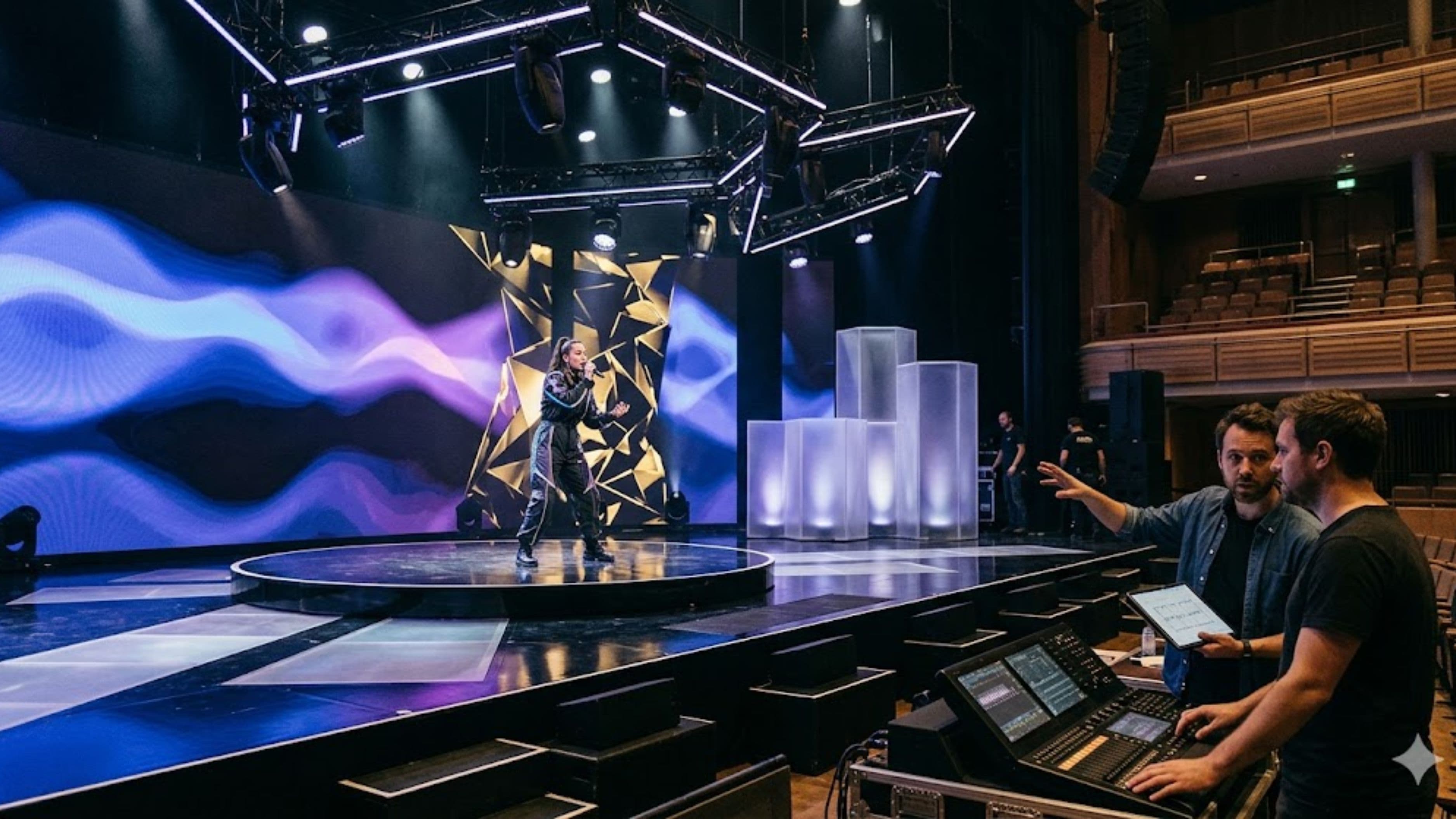
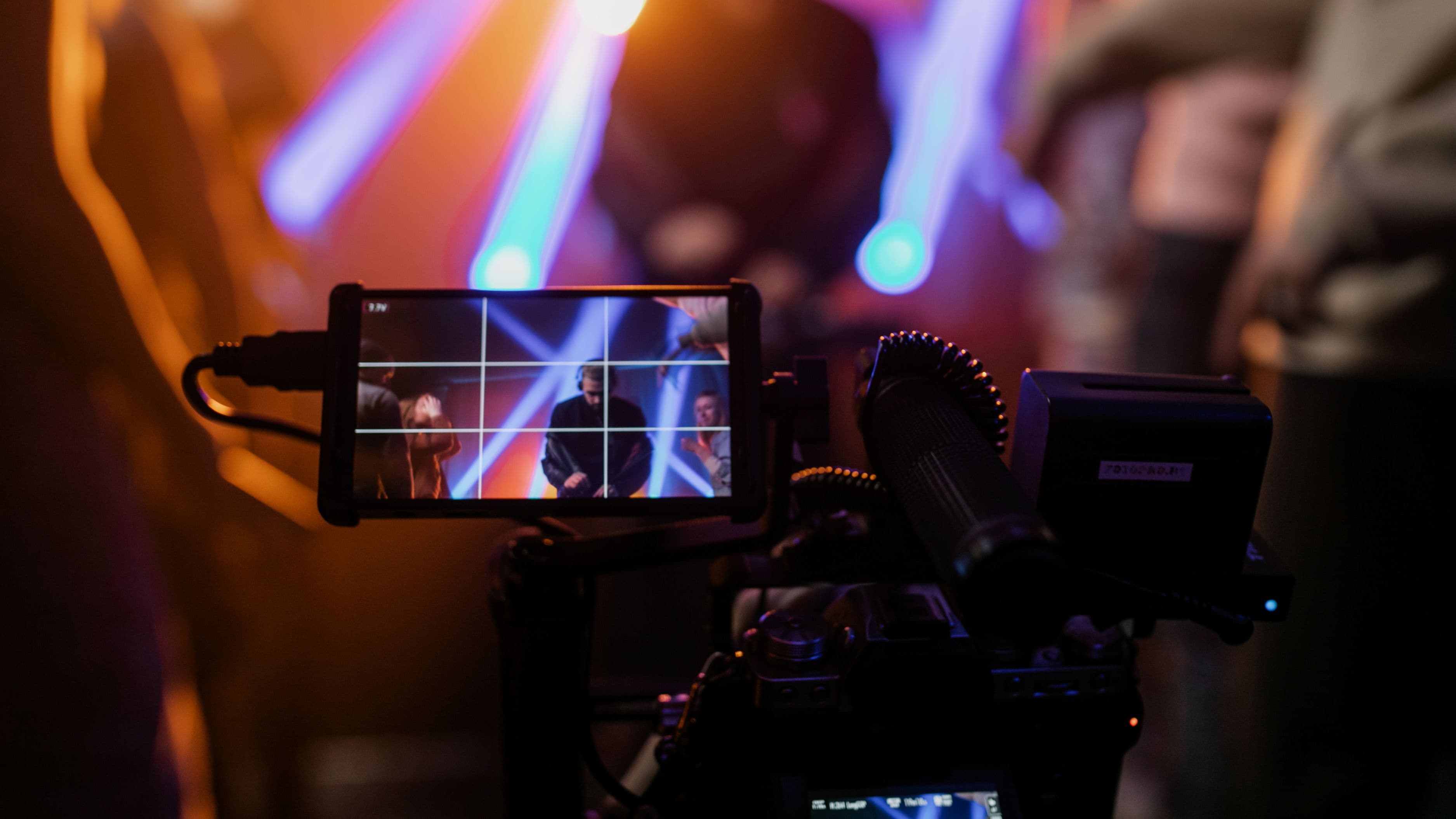
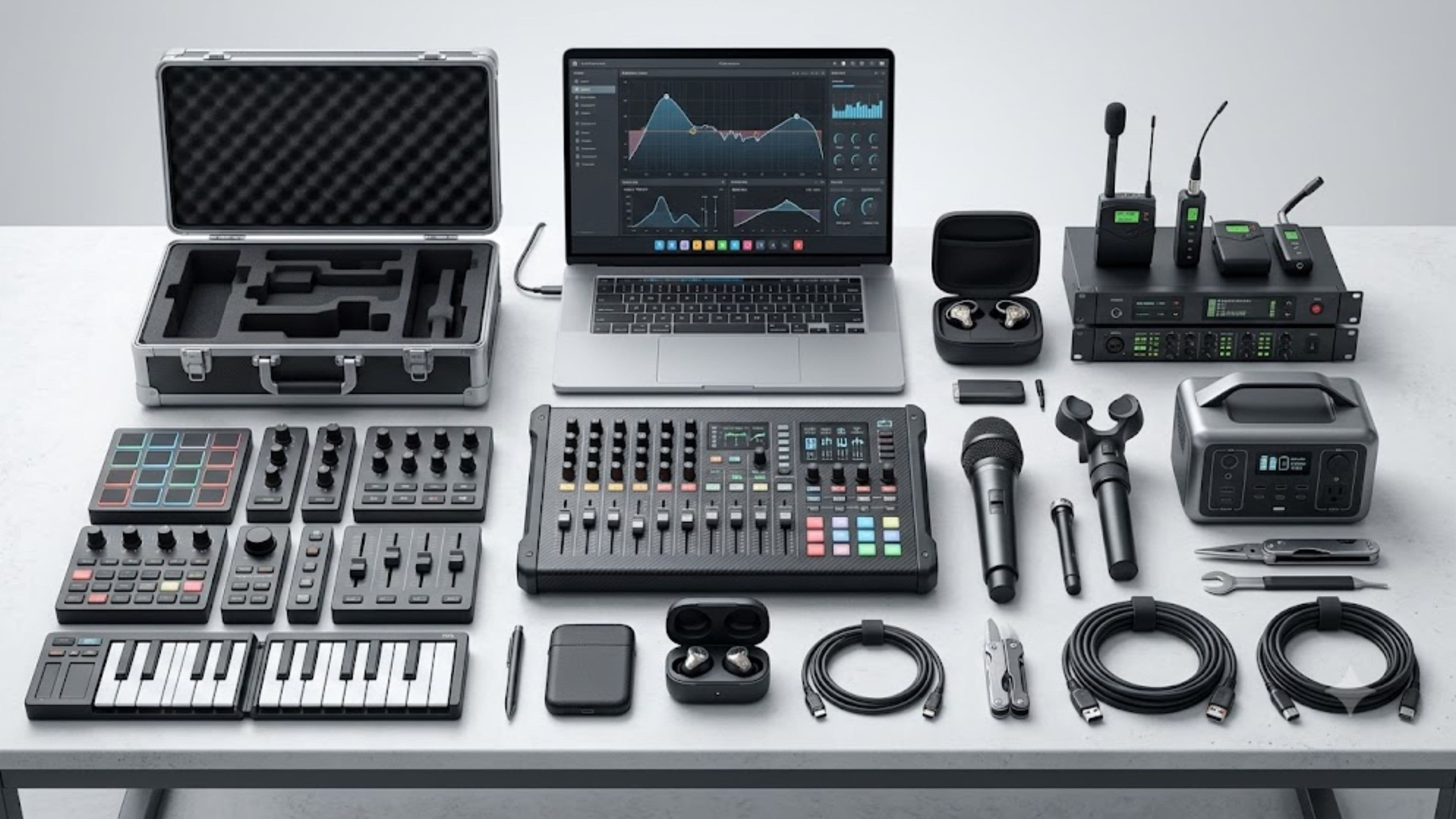
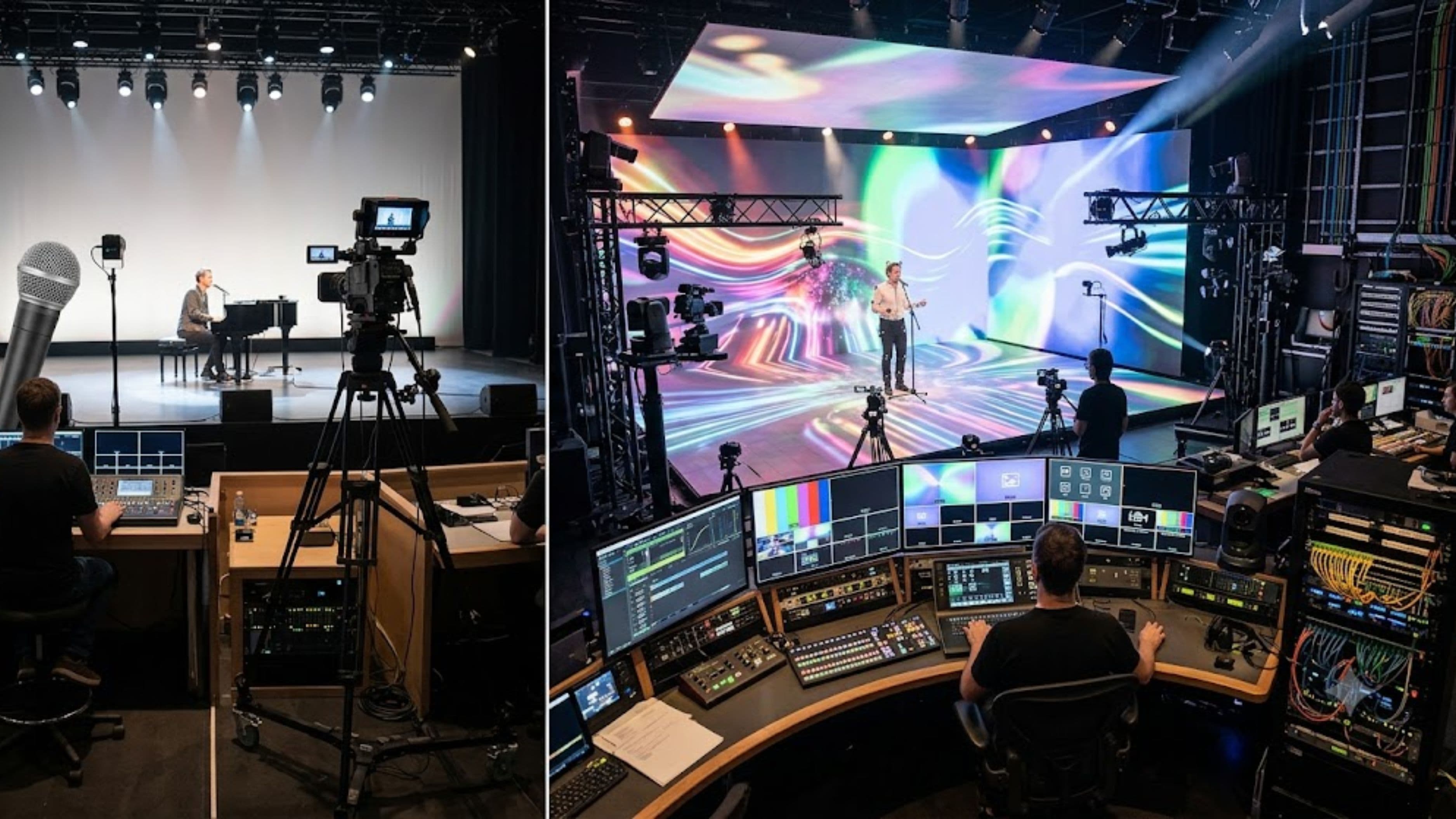
Multi-camera production, once reserved for major arena tours with substantial production budgets, has become increasingly accessible to independent artists and mid-size venues through more affordable streaming production services. This shift means even smaller shows can now offer dynamic camera angles and professional-feeling cuts rather than a single static shot, meaningfully closing the gap between a livestream and an actual broadcast-quality production.
Audio quality has seen a similarly significant shift, with more platforms now supporting higher-bitrate audio streaming specifically optimized for live music rather than general video content, where audio compression settings are often tuned more for dialogue clarity than musical fidelity. This matters because audio quality has historically been one of the biggest gaps between the in-person concert experience and the livestreamed version.
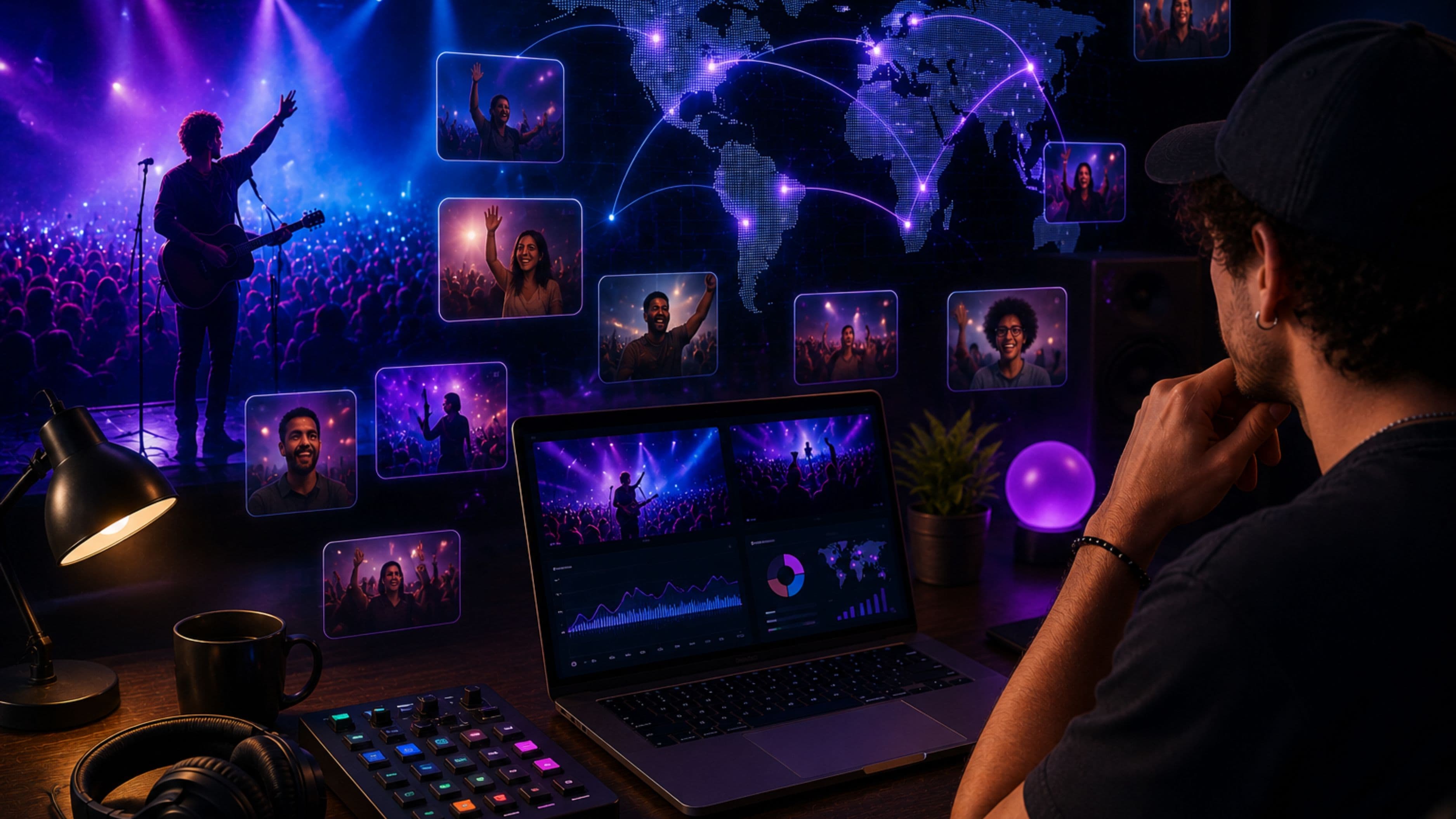
Interactive features have also expanded meaningfully, with some platforms now supporting real-time audience interaction, multi-angle camera selection controlled by viewers themselves, and virtual "front row" experiences using spatial audio techniques that attempt to recreate a sense of physical presence within the stream itself.
Why It Matters: What This Means for Artists and Fans
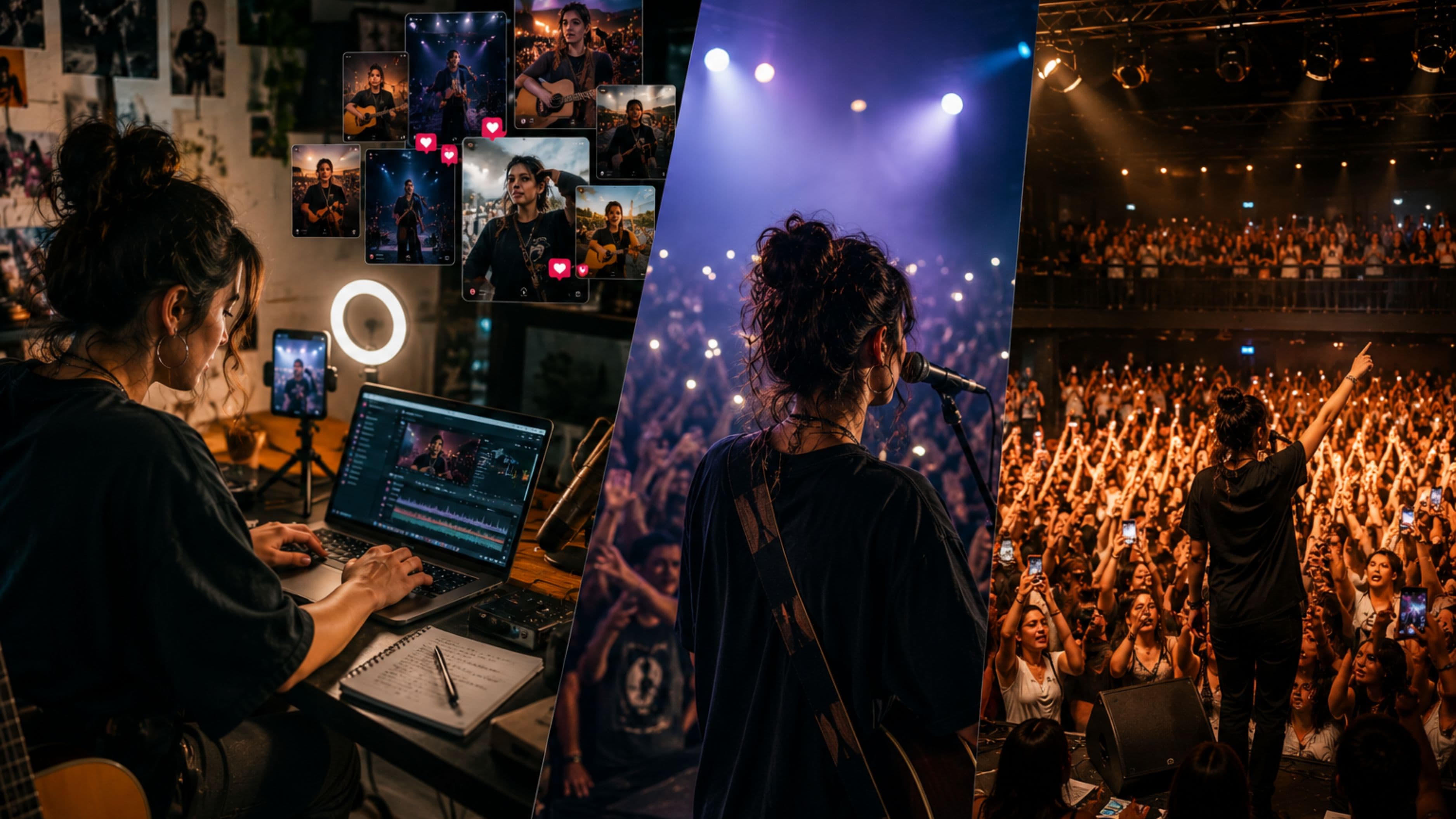
For independent artists specifically, more affordable, higher-quality streaming production tools mean a livestream can function as a genuine revenue stream and audience-building tool, not just a stopgap measure. Artists can now reach fans who can't attend an in-person show, whether due to geography, cost, or accessibility needs, with a production quality that better represents their actual live performance rather than a compromised version of it.
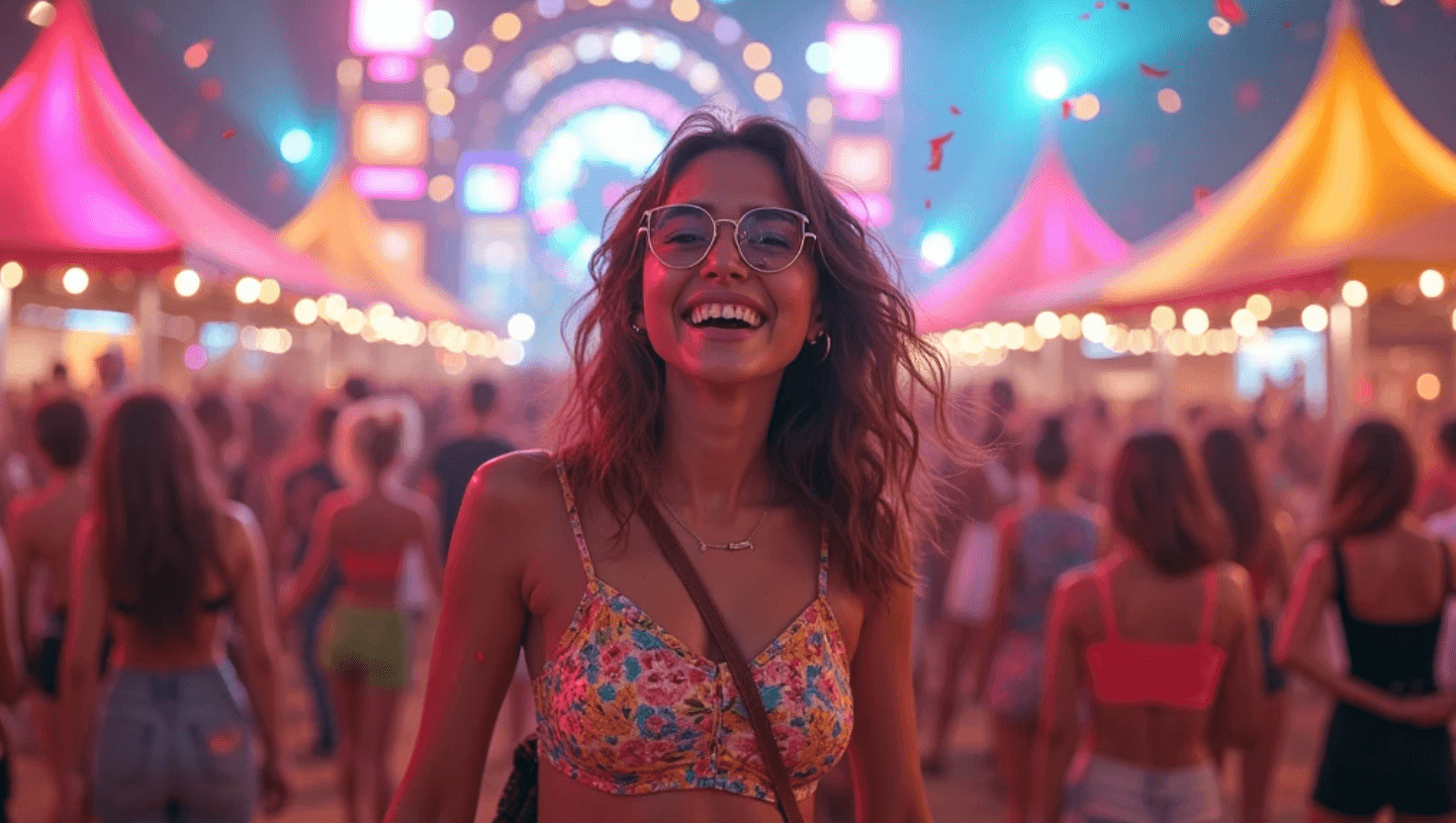
For fans, this evolution means livestreamed shows increasingly offer something closer to a genuine alternative rather than a consolation prize. Real-world impact: a fan unable to travel to a tour stop in their region can now access a livestream with meaningfully better audio and visual quality than was available even two years ago, changing the calculation around whether paying for a livestream ticket feels worthwhile compared to waiting for a future in-person opportunity.
Real-World Example: How This Shows Up in Practice
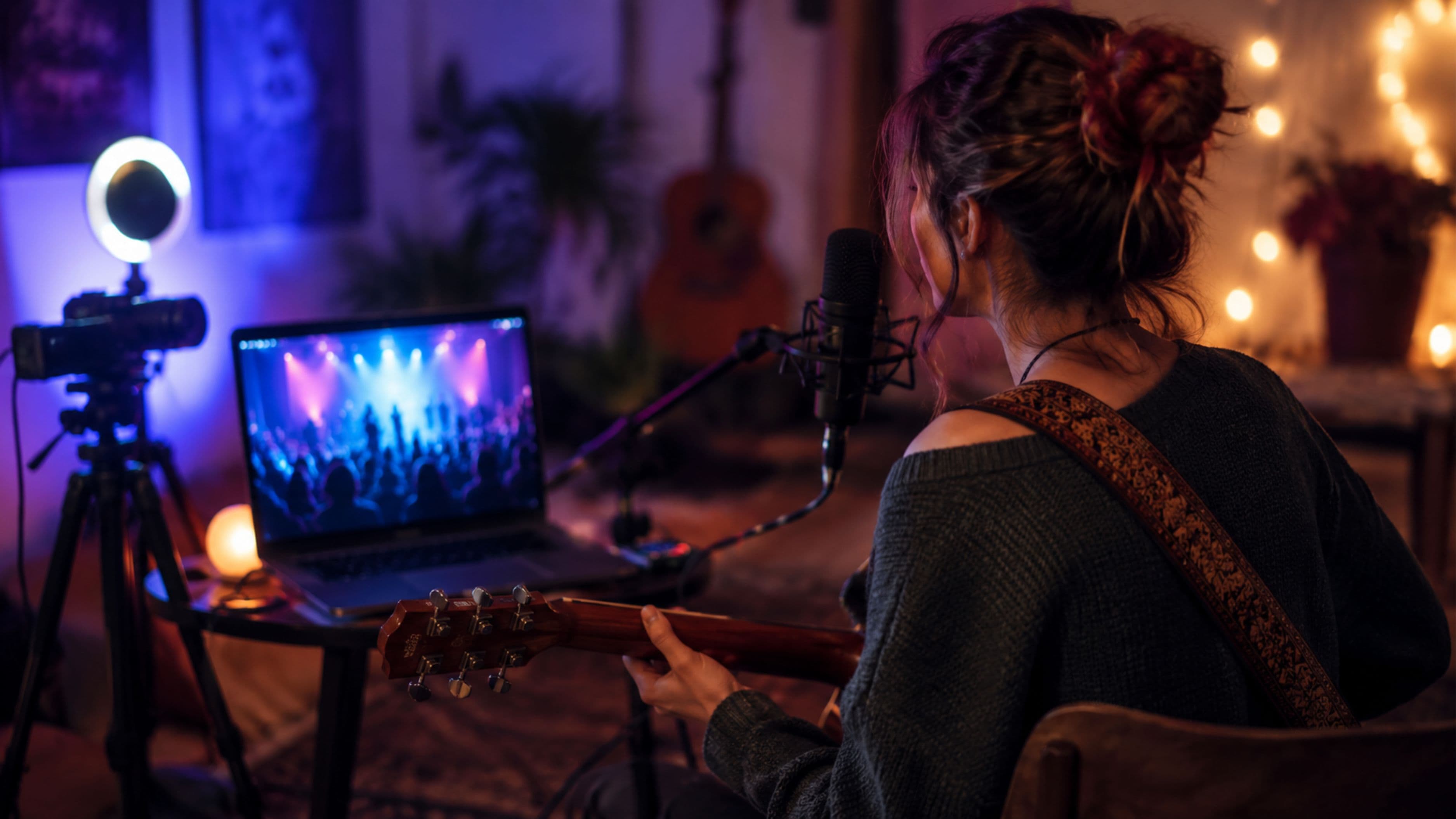
Consider an independent artist previously limited to a single-camera phone livestream during a small venue show. With current, more accessible production tools, that same artist can now work with a streaming production service offering multiple camera angles, professional audio mixing tailored specifically for music rather than generic video content, and even basic interactive elements like a live chat integrated directly into the viewing experience, all at a cost that would have been prohibitive for an independent artist even a couple of years earlier.
What to Watch Out For
Not all streaming platforms and production services have kept pace equally, and artists evaluating options should pay close attention to actual audio quality specifications rather than assuming all platforms offer comparable technical quality. Bandwidth and connectivity at the venue itself remain a real constraint regardless of how advanced the production technology becomes, since even the best camera and audio setup can't overcome an unreliable internet connection at the source.
Future Outlook
Expect continued growth in spatial audio and immersive streaming formats as more platforms invest in recreating a sense of physical presence for remote viewers, along with growing accessibility of multi-camera production tools for smaller-scale independent artists who previously couldn't access this level of production quality. This trend is likely to keep narrowing the experiential gap between attending a show in person and watching a high-quality livestream, which has real implications for how artists think about balancing in-person touring with livestreamed alternatives going forward.
FAQ
Do livestreamed concerts now sound as good as being at the actual show? Audio quality has improved significantly with platforms optimizing specifically for music rather than general video content, though a livestream still can't fully replicate the physical experience of live sound in a venue.
Are livestream production tools accessible to independent artists on a smaller budget? Yes, increasingly so. Production tools and services that were once limited to major tours with large budgets have become considerably more accessible and affordable for independent artists in recent years.
What's the biggest remaining limitation for livestreamed concerts? Venue-side internet bandwidth and connectivity remain a real constraint, since even excellent camera and audio equipment can't overcome an unreliable connection transmitting the stream itself.
📚 Sources
Pollstar, "The Evolution of Live Concert Streaming Technology" – pollstar.com
Music Business Worldwide, "How Streaming Production Has Changed for Independent Artists" – musicbusinessworldwide.com