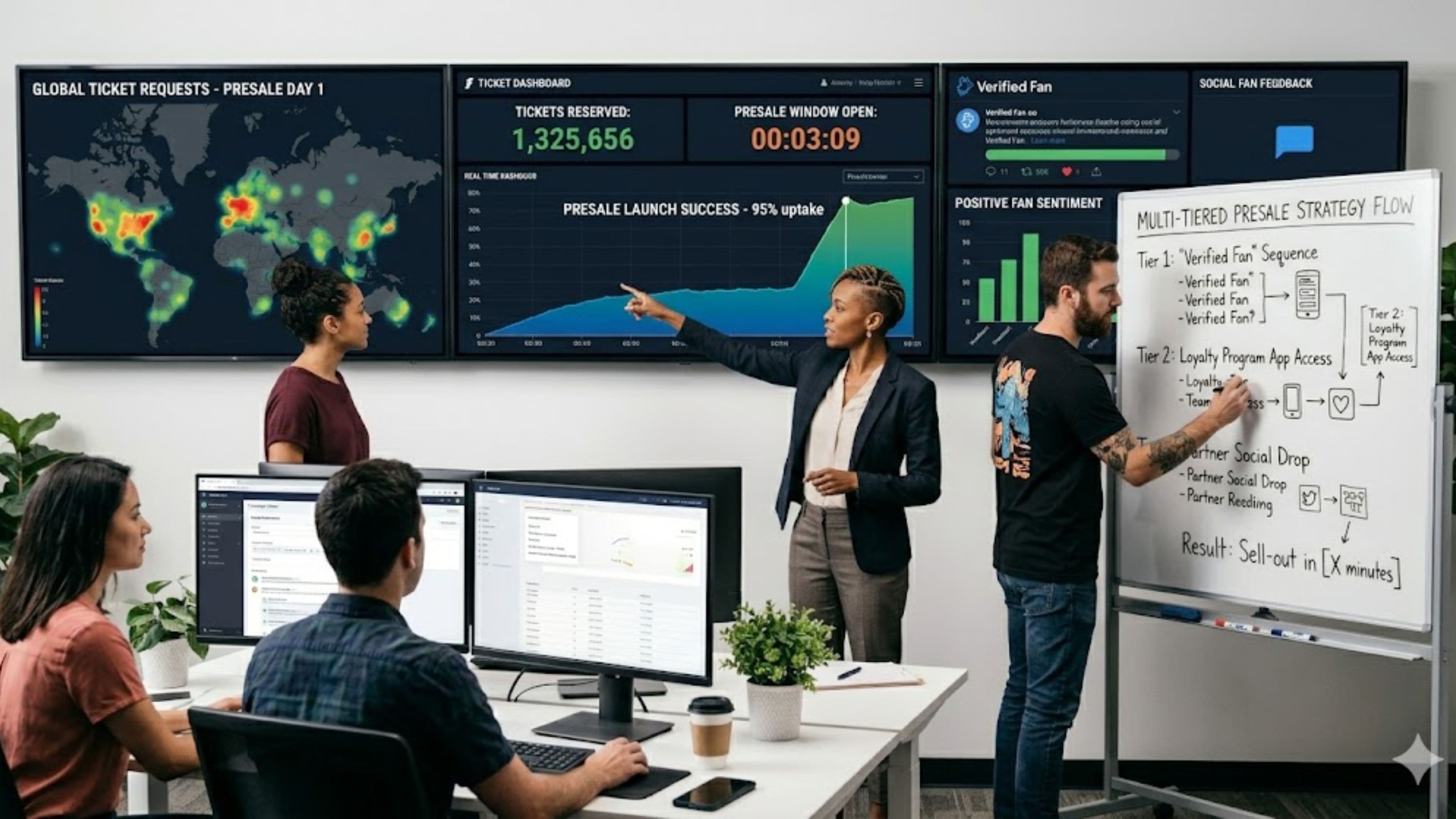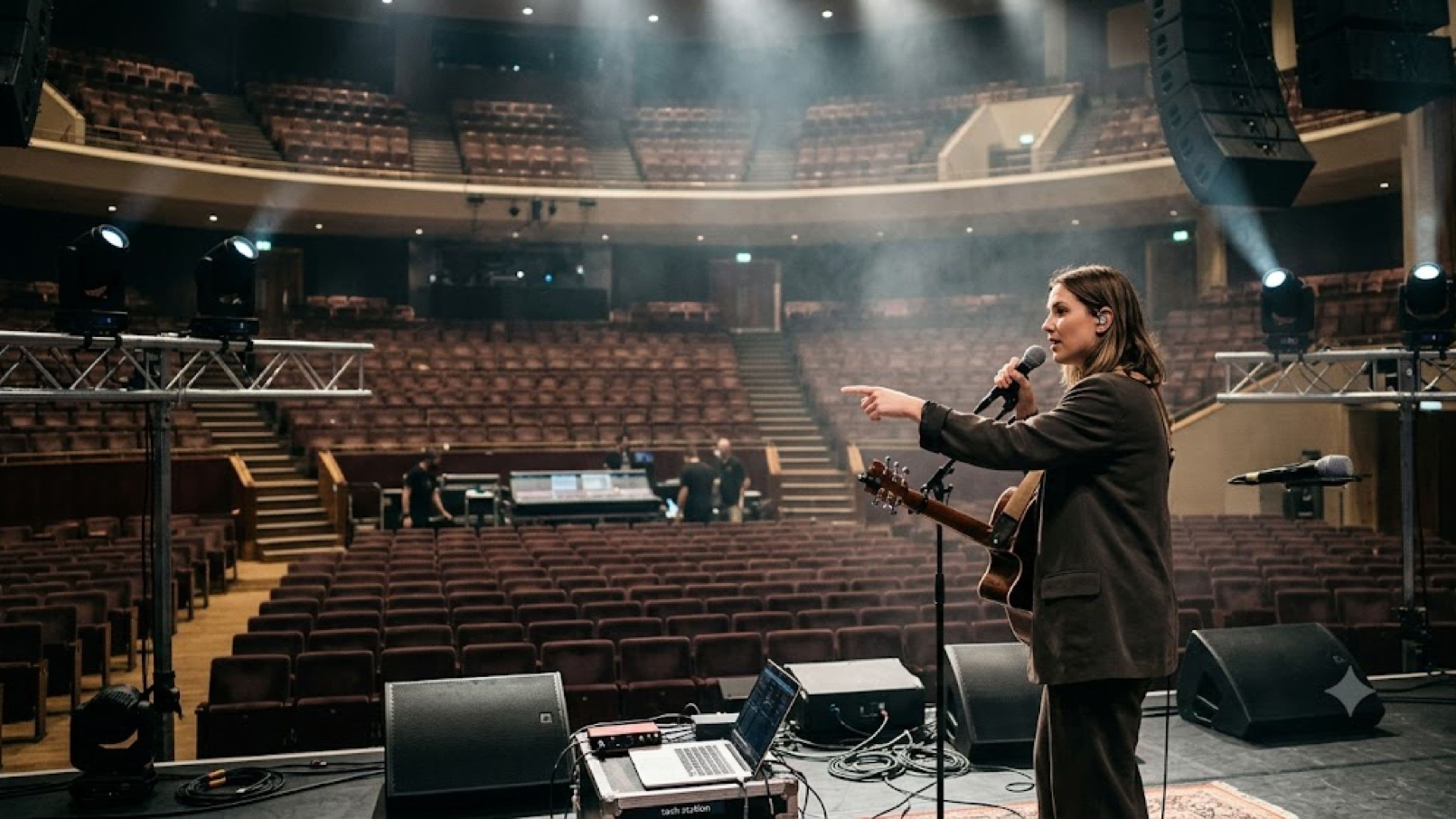
This isn't about virtual concerts replacing live ones. That conversation was oversold during the pandemic and the reality since then has been more nuanced. What's actually happening is that live streaming and in-person touring are being integrated into a single ecosystem – and artists who understand that integration are using it to extend their reach, improve their revenue, and build relationships with fans in places they might never physically tour.
What Changed and Why It Stuck
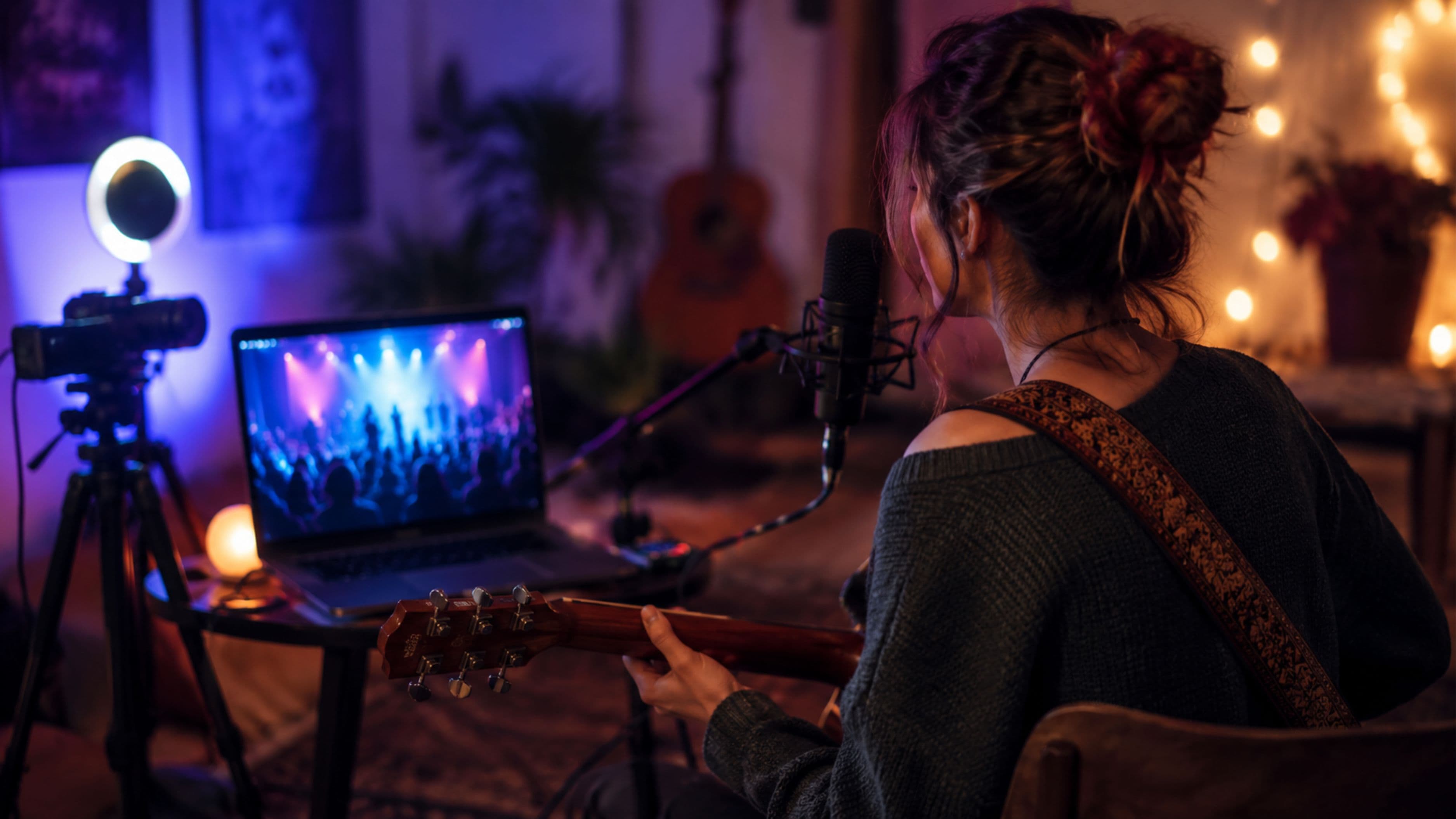
When the pandemic closed venues in 2020, artists and platforms rushed to fill the gap with live-streamed performances. Bandsintown, Stageit, Veeps, Moment House, and a flood of others built or expanded streaming infrastructure quickly. The results were uneven, but something important happened in the process: audiences in markets that rarely see major touring acts – smaller cities, rural areas, and international regions with limited touring infrastructure – discovered they could have a meaningful live experience from their living room.
Some of those fans paid for it.
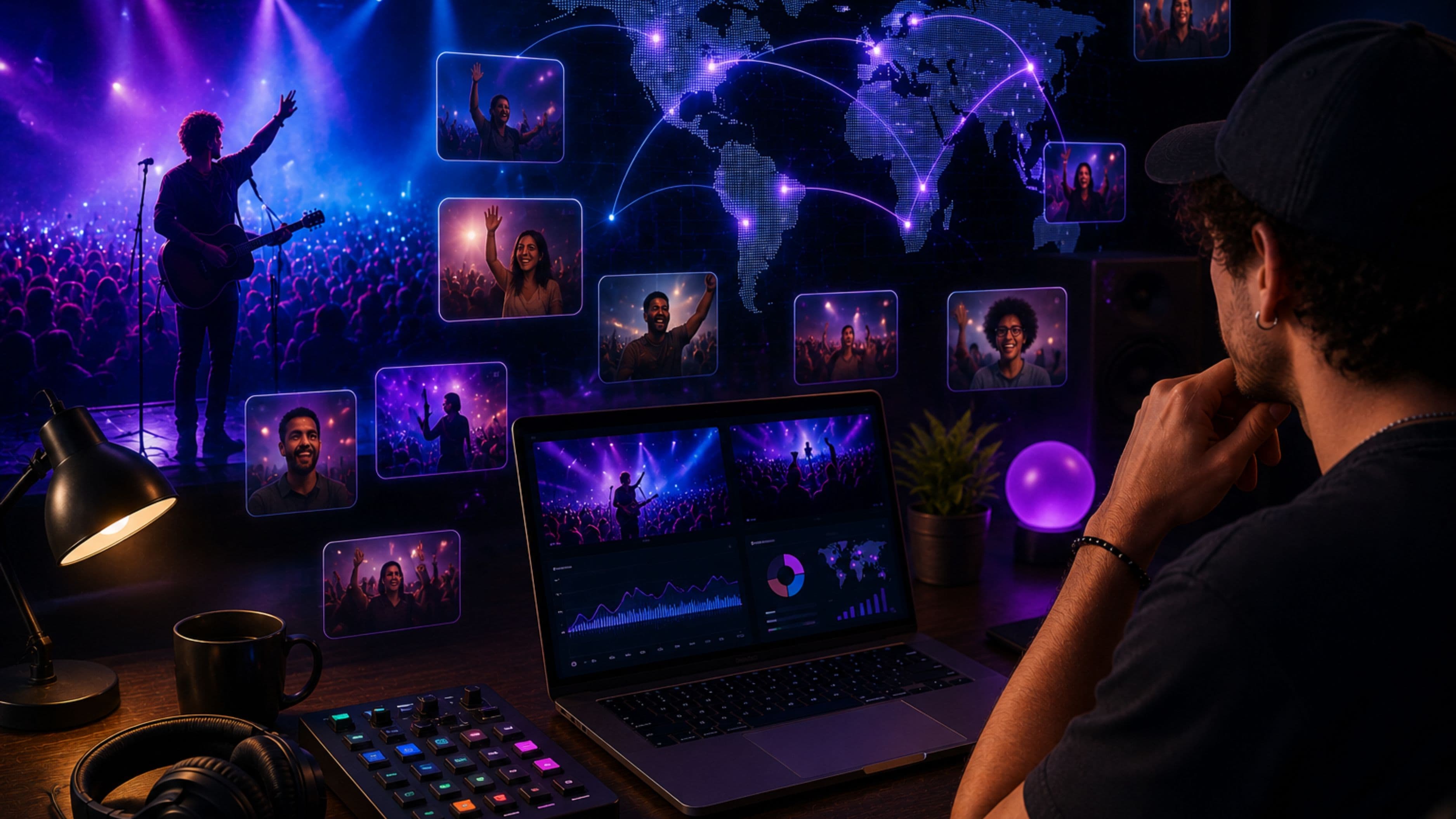
The key insight wasn't that fans preferred streaming to being there in person. It's that a meaningful segment of the fan base – sometimes the majority of a global fan base – will never be in the room. For a mid-level independent artist touring North America, the fans in Southeast Asia, South America, or Eastern Europe who have been streaming their music for years aren't accessible on a standard tour. Live streaming offers a real channel to those fans that doesn't require flights, visas, and six-figure production budgets.
That shift in perspective – from live streaming as a substitute for touring to live streaming as an extension of it – is what separates how the industry is now using it versus how it was framed during the pandemic.
The Economics Are Getting More Interesting
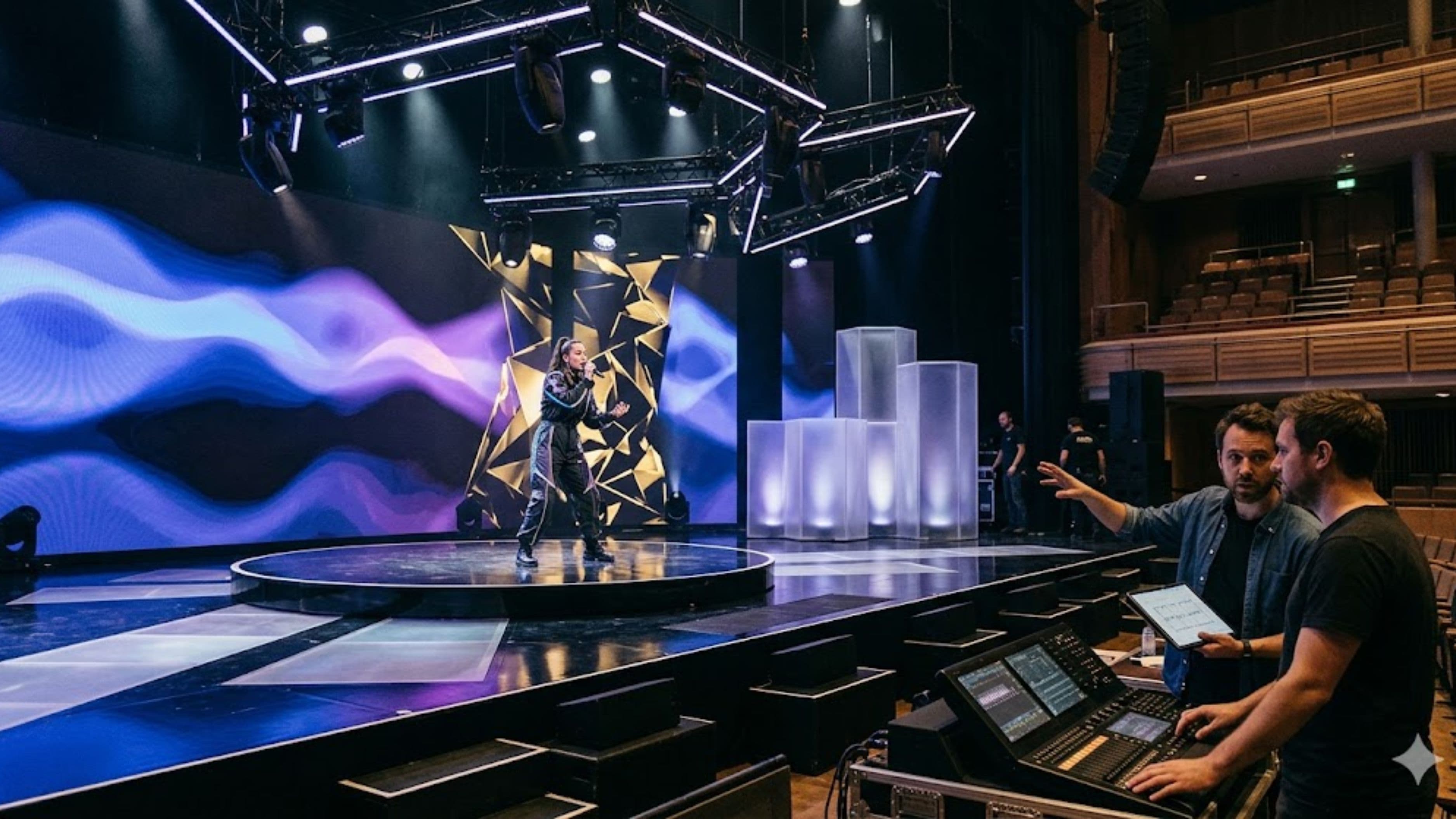
For most artists, in-person touring at any meaningful scale is expensive before a single ticket is sold. Venue deposits, production and sound equipment, lighting, crew, ground transportation, accommodation, and touring management all add up before revenue enters the picture. Smaller artists often lose money on early tours, treating them as marketing investments rather than income. Mid-level artists find margins thin even on well-attended runs.
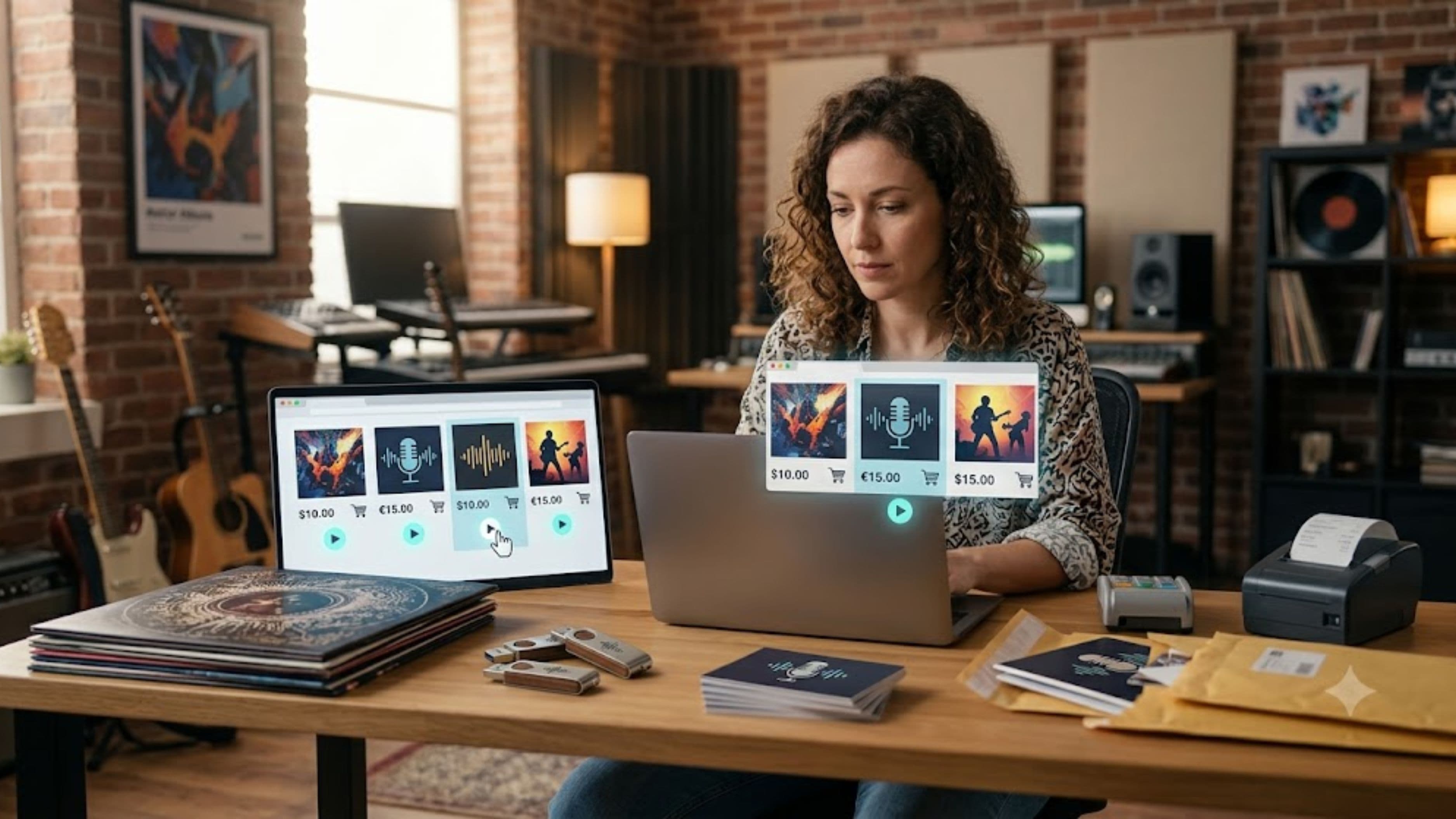
Live streaming adds revenue without adding proportional cost. If you're already producing a show for a physical audience, broadcasting it to a pay-per-view or ticketed stream adds almost no incremental production cost beyond the streaming setup. A $15 stream ticket times a few hundred global viewers who couldn't be there in person isn't transformative money, but it's real money that didn't exist before. For artists with larger global followings and production infrastructure already in place, the numbers get genuinely significant.
The pay-per-view model isn't the only one in play. Hybrid ticketing – where in-person ticket buyers receive stream access as part of their purchase – is emerging as a way to increase perceived ticket value and give fans more flexibility. Premium stream packages that include backstage access, Q&As, or limited merchandise drops are adding revenue layers that pure in-person events can't easily replicate. And for artists who record their streams and license the content or sell it as a digital product after the fact, the revenue tail extends well beyond the event itself.
What It Means for How Artists Plan Tours
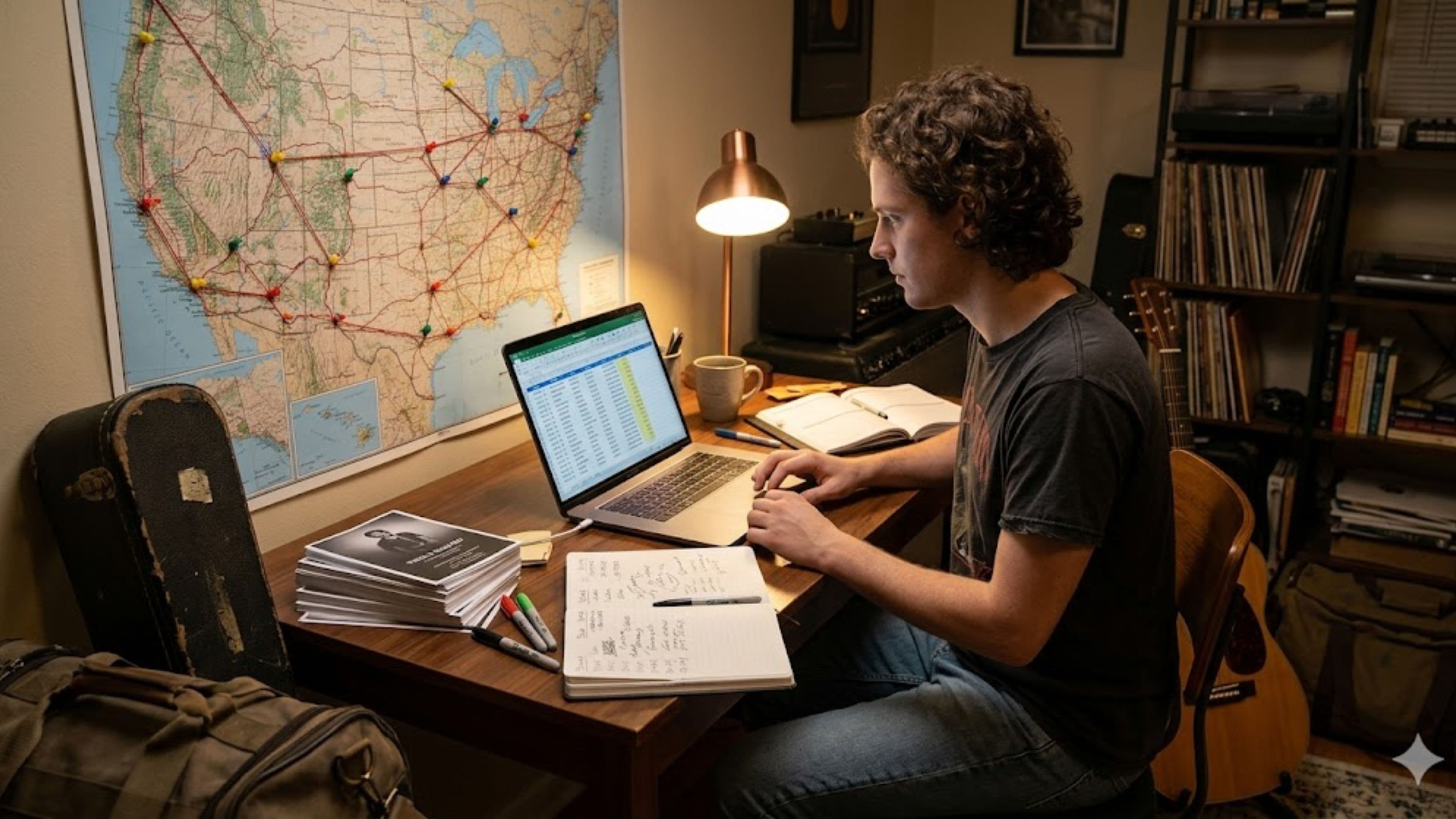
The most significant practical change is how artists are thinking about geographic coverage in their touring strategy. Previously, the question was: which markets can I afford to physically play that will sell enough tickets to break even or profit? Now there's a second question running parallel: which markets have enough fan concentration to justify a targeted live stream even if a physical show isn't feasible?
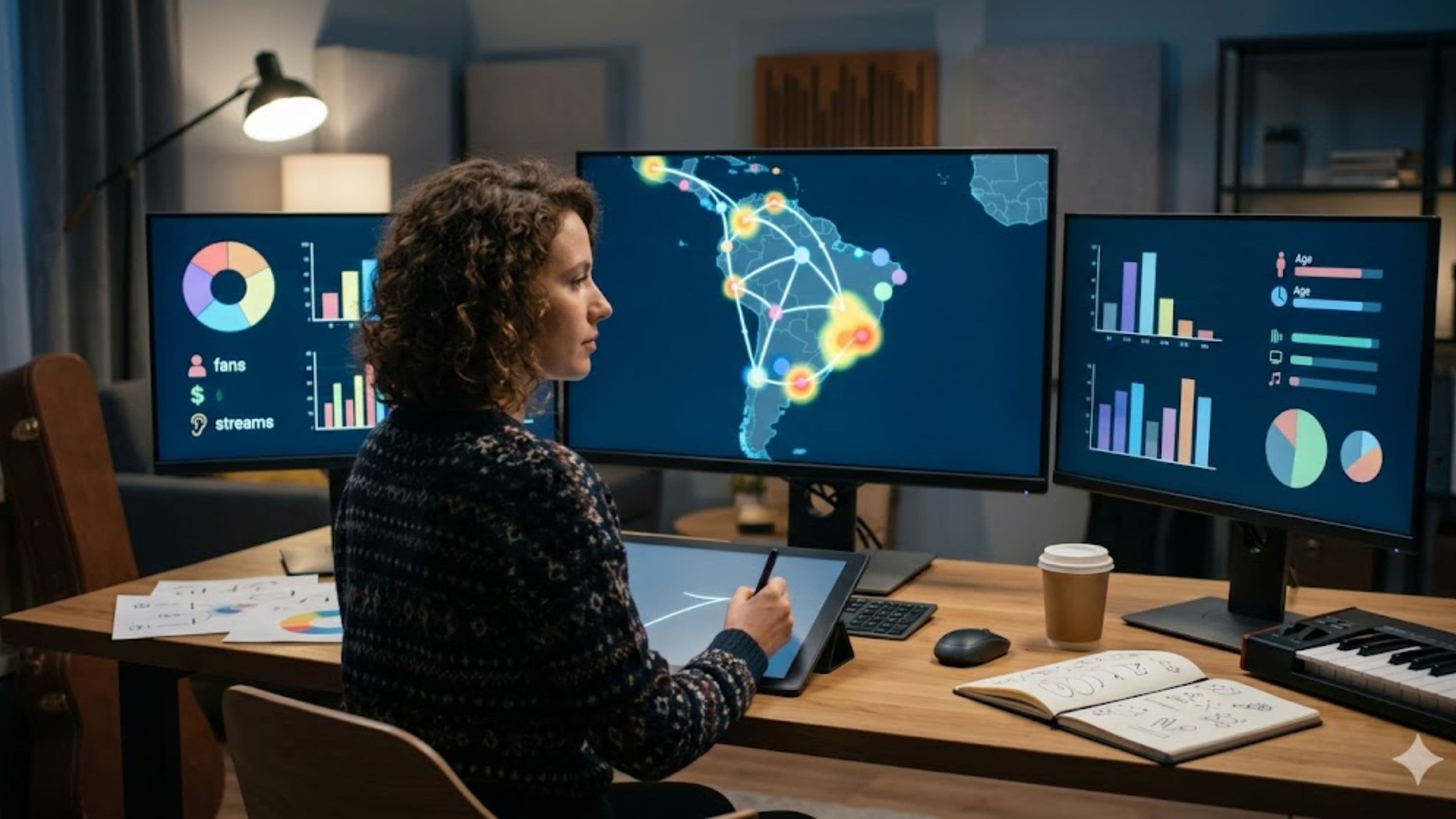
This is a different kind of audience data question, and it's pushing artists toward better use of their streaming and social data. Spotify for Artists shows where your listeners are geographically. Instagram insights show where your followers are based. If you have 50,000 monthly listeners in a region you've never toured and may not be able to reach for years, a live stream specifically promoted to that region can activate those fans in a way that waiting for a physical tour date does not.
Some artists are inverting the model entirely – streaming first to test demand in new markets, then routing physical tour dates based on where streams performed best. It's essentially using live streaming as a market research tool with revenue attached. That approach was available before, but the infrastructure to do it accessibly and affordably is more developed now than it's ever been.
The Venue and Promoter Relationship Is Shifting
Venues and promoters have been slower to embrace live streaming than artists, and for understandable reasons. The traditional venue business model is built around capacity – the physical room is the product, and filling it is how revenue is generated. A live stream that reaches fans who would have bought tickets is a direct threat to that model. But a live stream that reaches fans who were never going to buy tickets is additive, not competitive.
That distinction is gradually changing how venues talk about streaming. Some larger venues now offer hybrid streaming as part of their artist agreements, either as an included production service or as a revenue-sharing arrangement. The Bowery Presents and Live Nation have both been developing streaming infrastructure and integration. Independent venues have been slower, constrained by the upfront technology investment, but the tooling has gotten cheaper and more accessible.
What's harder to predict is how revenue splits will evolve as streaming becomes more standard. Right now, most stream revenue goes primarily to the artist and their streaming platform, with venues having minimal involvement. As venues invest more in streaming infrastructure and production, they'll likely expect a larger share of that revenue – which could create new friction points in artist-venue relationships, similar to how merchandise splits have historically been contested.
The Fan Experience Question
The criticism that live streaming produces an inferior experience compared to being in the room is true and largely beside the point. A stream watched on a phone isn't the same as standing in front of a stage. But the alternative for most of those viewers isn't the in-person show – it's nothing. Evaluating streaming against in-person attendance misses what streaming is actually competing with.
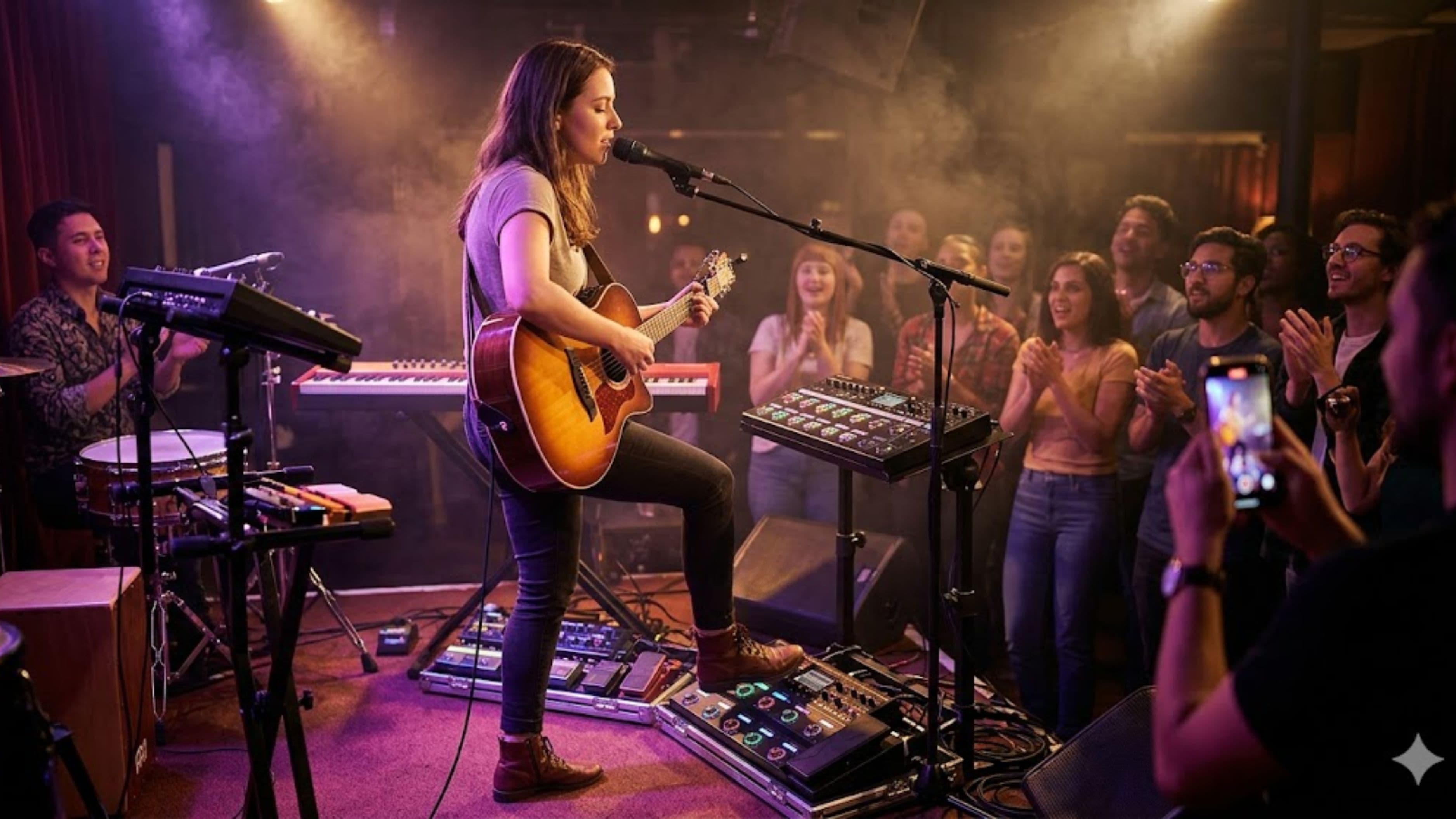
What's more interesting is how the streaming experience is being differentiated for fans who are genuinely choosing between attending and watching. Some artists are offering exclusive content for stream viewers – different set lists, additional behind-the-scenes content woven into the stream, real-time fan interaction through comments or polls during the show. These are things the in-person experience doesn't provide and that make the stream a genuinely different product rather than a lesser version of attendance.
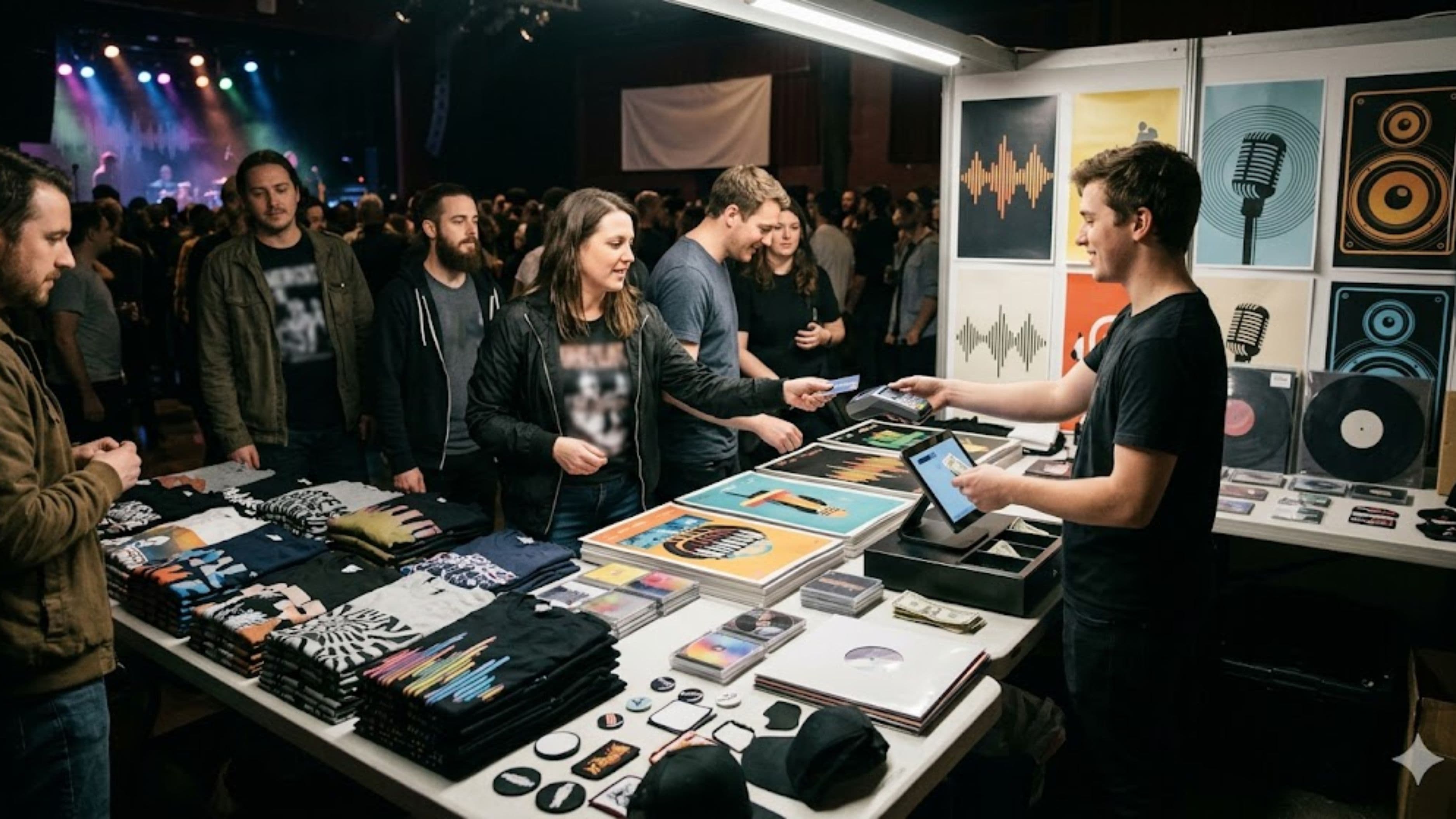
The super-fan segment is worth paying attention to here. The fans who attend every tour date in their region, buy every merchandise item, and consume every piece of content are often willing to pay for the stream as well – not as a substitute for attending but as an add-on. That behavior pattern, where the most devoted fans purchase access to every format of an experience, is a structural shift in how artist-fan economics work.
For Independent Artists: The Practical Takeaway
The touring model changes described above are most relevant to artists with existing audiences and production capacity. For an independent artist early in their career, the practical application is narrower but still meaningful.
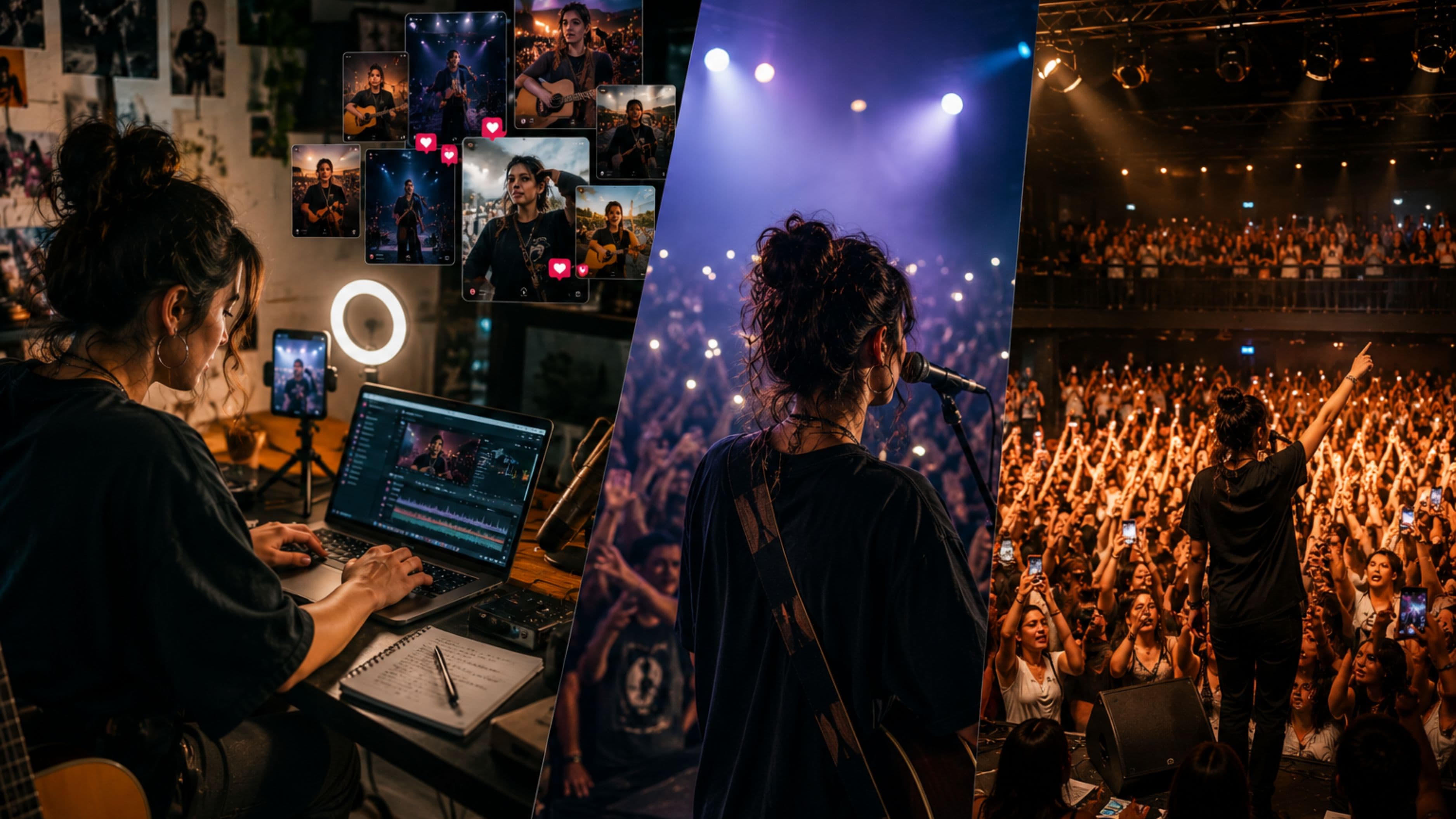
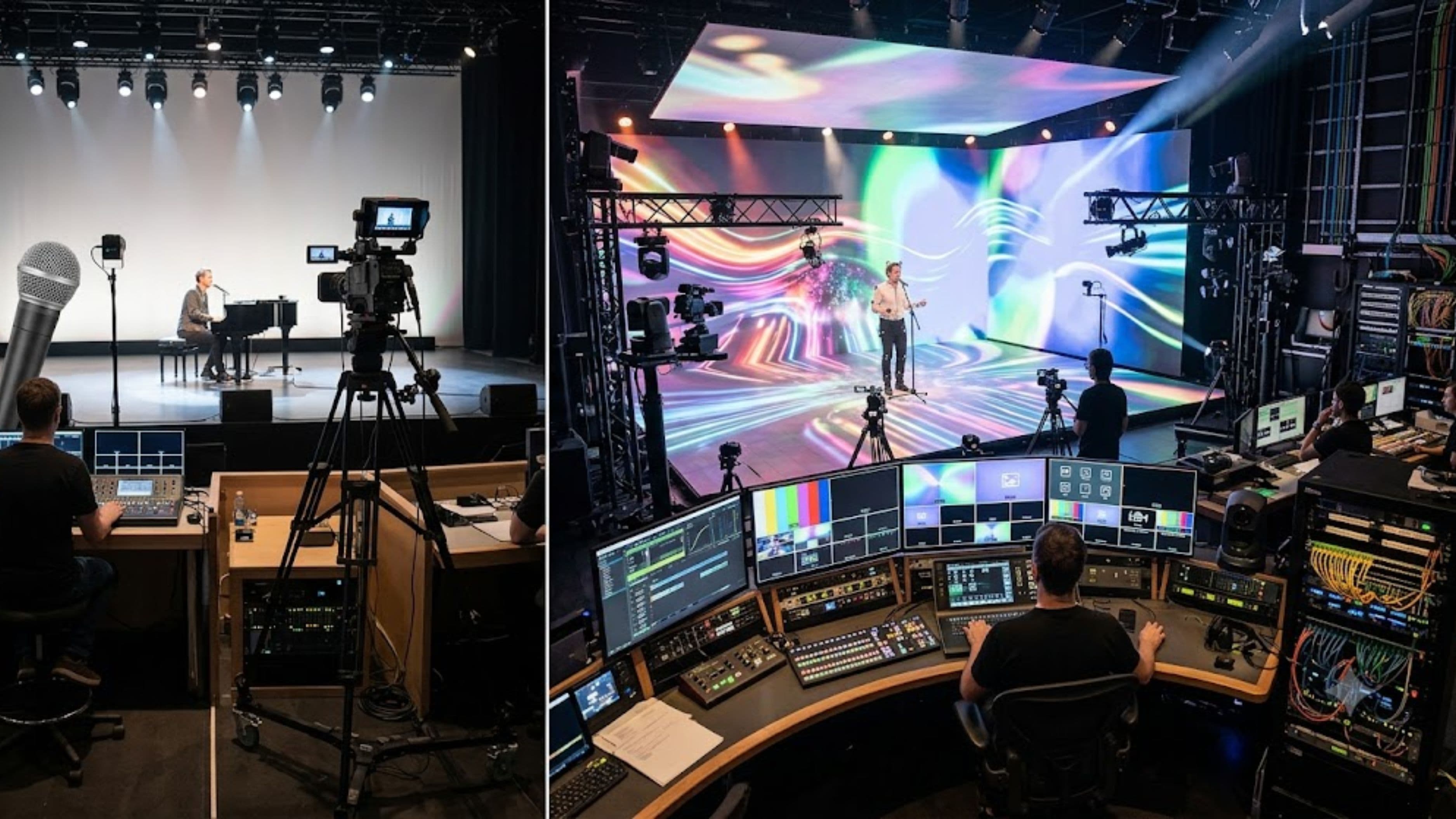
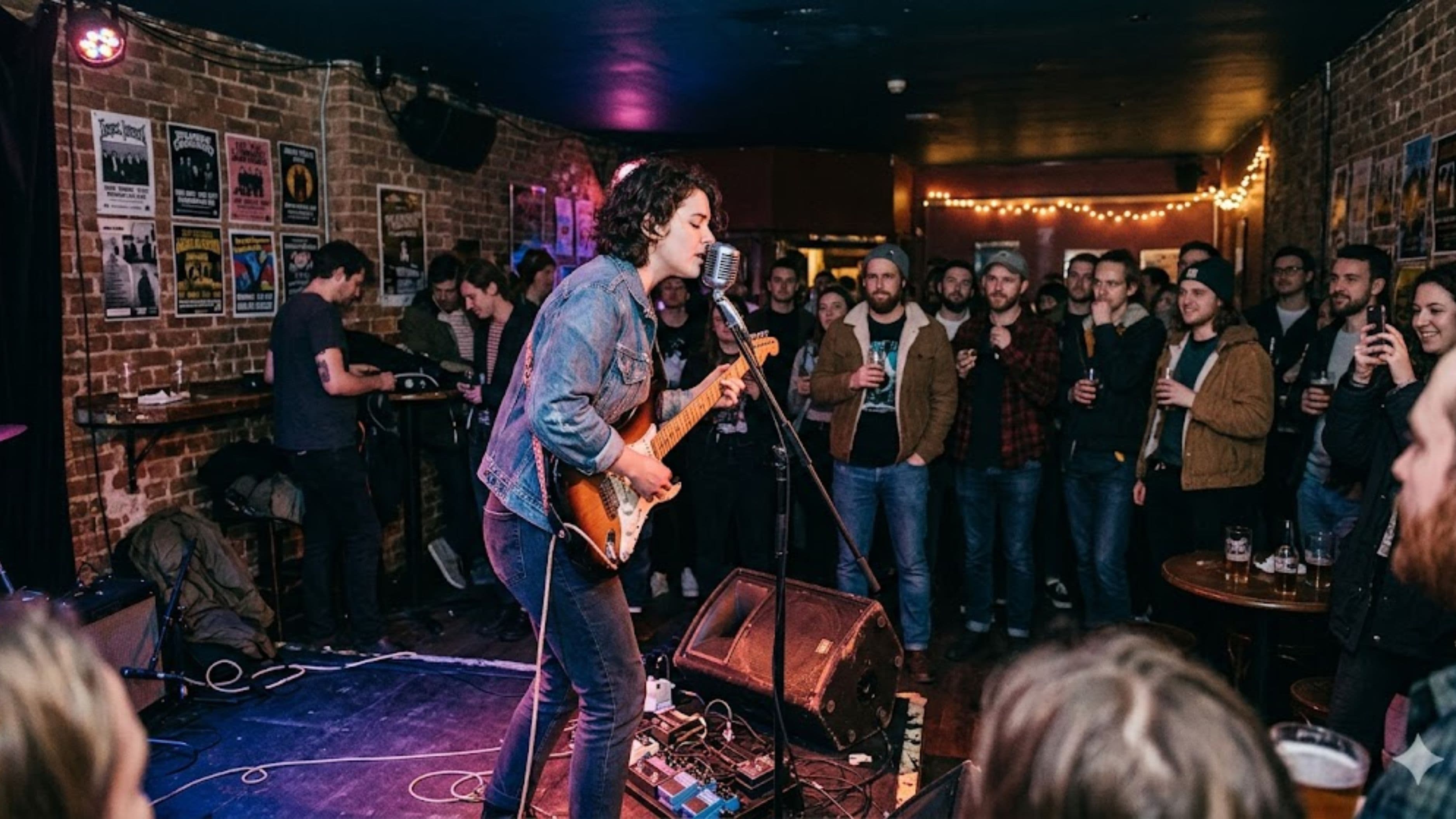
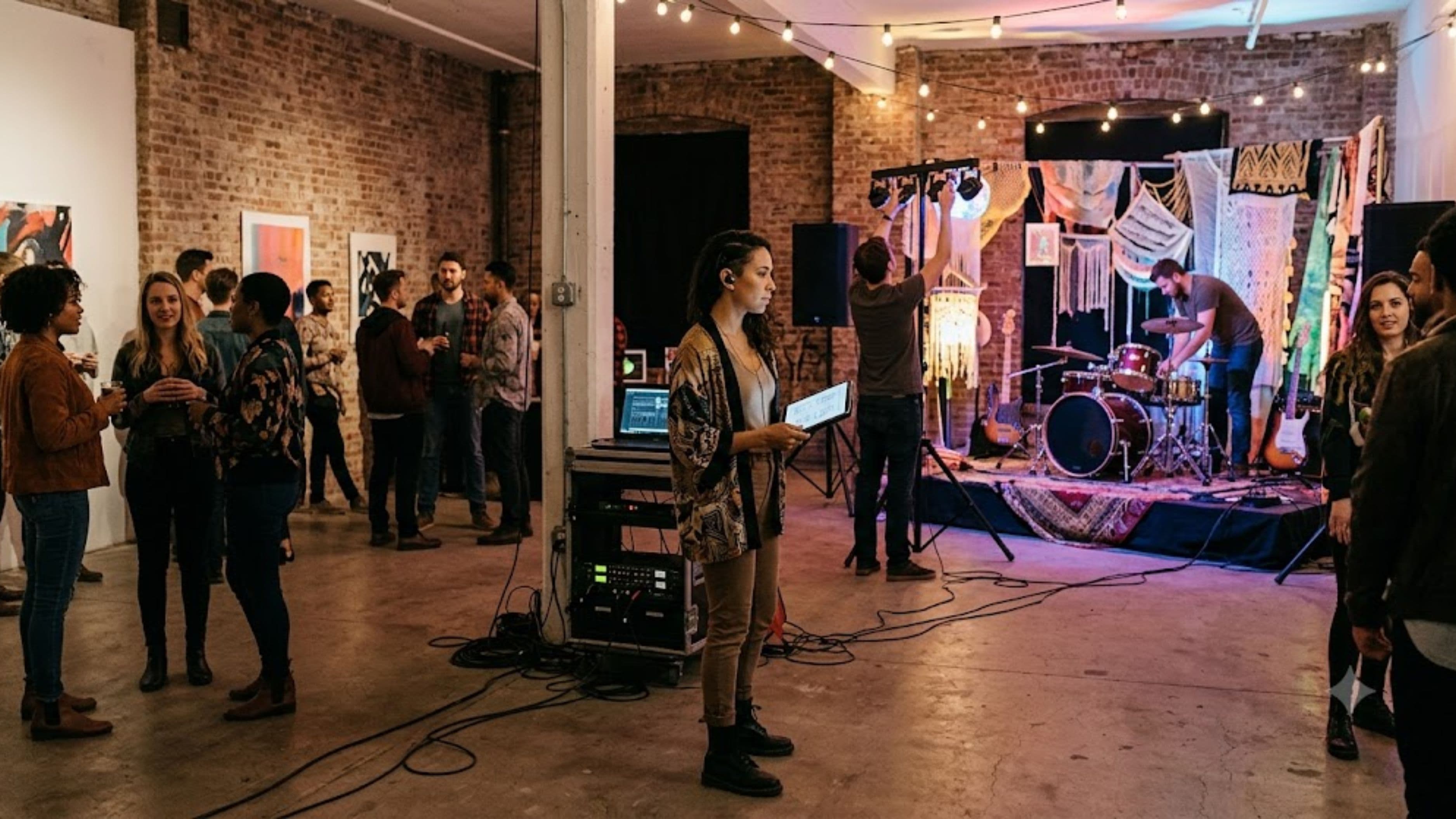
The most accessible entry point is incorporating streaming into shows you're already playing locally. Even a low-production stream from a small venue gig, promoted to your online following, extends the reach of a show that would otherwise only touch the people in the room. It adds content you can repurpose – clips, highlight reels, full recordings – and it signals to fans in other regions that you're active and performing. Platforms like Twitch, YouTube Live, and Instagram Live have no upfront cost and can handle basic streaming for smaller-scale events with equipment most musicians already own or can access cheaply.
The more strategic layer is paying attention to where your existing listeners are and thinking about what a direct relationship with those markets looks like before you have the budget to tour them. Building a streaming audience in a region before you can afford to tour it means arriving with warm fans rather than starting from scratch. The artists using live streaming most effectively at every level are treating it not as a fallback option when touring isn't possible, but as a proactive relationship tool with audiences they're building toward.
What to Watch Going Forward
A few developments worth keeping an eye on as the touring and streaming models continue to evolve.
Spatial audio and high-quality video production at the streaming end is improving rapidly, and the gap between the technical quality of a streamed concert and the quality of conventional video is closing. As streams become visually and sonically richer, the decision calculus for fans considering whether to pay for one shifts.
Ticketing platforms integrating streaming natively – rather than requiring separate tools – is another area in active development. Companies like Seated and Eventbrite are building streaming capabilities into their core product. Platforms with both ticketing and streaming in one place reduce friction for artists and fans and make hybrid events significantly easier to manage.
The regulatory and rights landscape around streaming live performances is also evolving. Cover songs in live sets, for example, have historically been handled under live performance licenses, but streaming those performances introduces new rights questions. Artists and labels are actively working through these issues, and the licensing infrastructure for live streaming is still catching up to the scale at which it's happening.
FAQ
Can independent artists make real money from live-streamed concerts? It depends on audience size and ticket pricing, but yes – at meaningful audience sizes, ticketed live streams can generate material income that doesn't depend on physical attendance. An artist with 10,000 global fans might convert 500–1,000 of them to a $10–$15 stream ticket, producing $5,000–$15,000 per event. That's not a complete touring income replacement, but it's a genuine revenue channel that doesn't require leaving home.
What platforms are best for ticketed live streaming? Veeps (owned by Live Nation) and Moment House are the most established dedicated ticketed streaming platforms. Stageit is designed for more intimate, interactive artist-fan sessions. For free or lower-cost streaming, YouTube Live, Twitch, and Instagram Live all have built-in audiences and no upfront cost, though monetization options are more limited.
Does live streaming hurt in-person ticket sales? The research on this is mixed, but the general consensus is that streaming and in-person attendance pull from mostly different fan segments. Fans who can attend typically prefer to; fans who can't attend are the primary streaming audience. Offering the stream at a lower price point than the in-person ticket helps reinforce that the formats are complementary rather than substitutes.
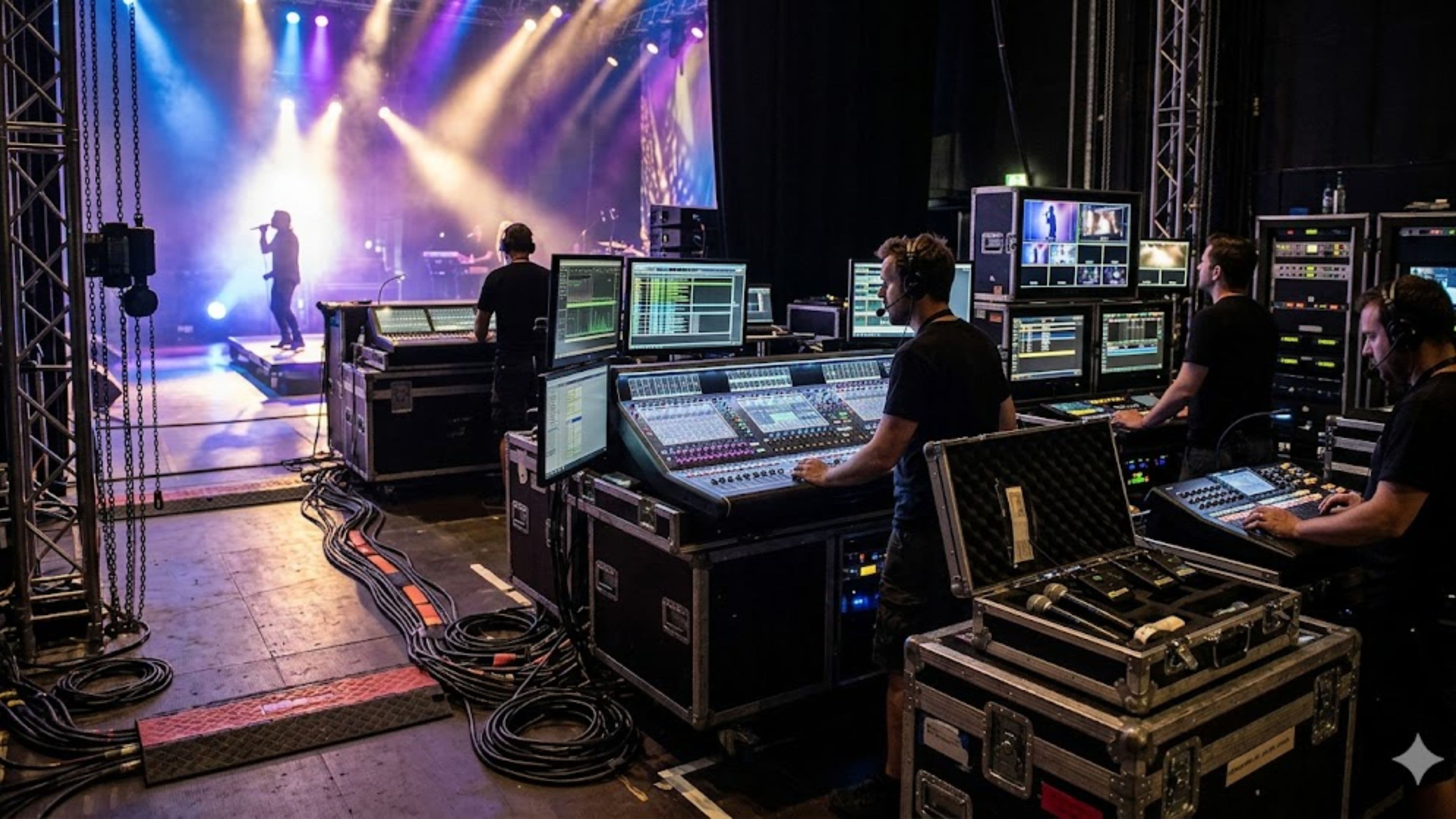
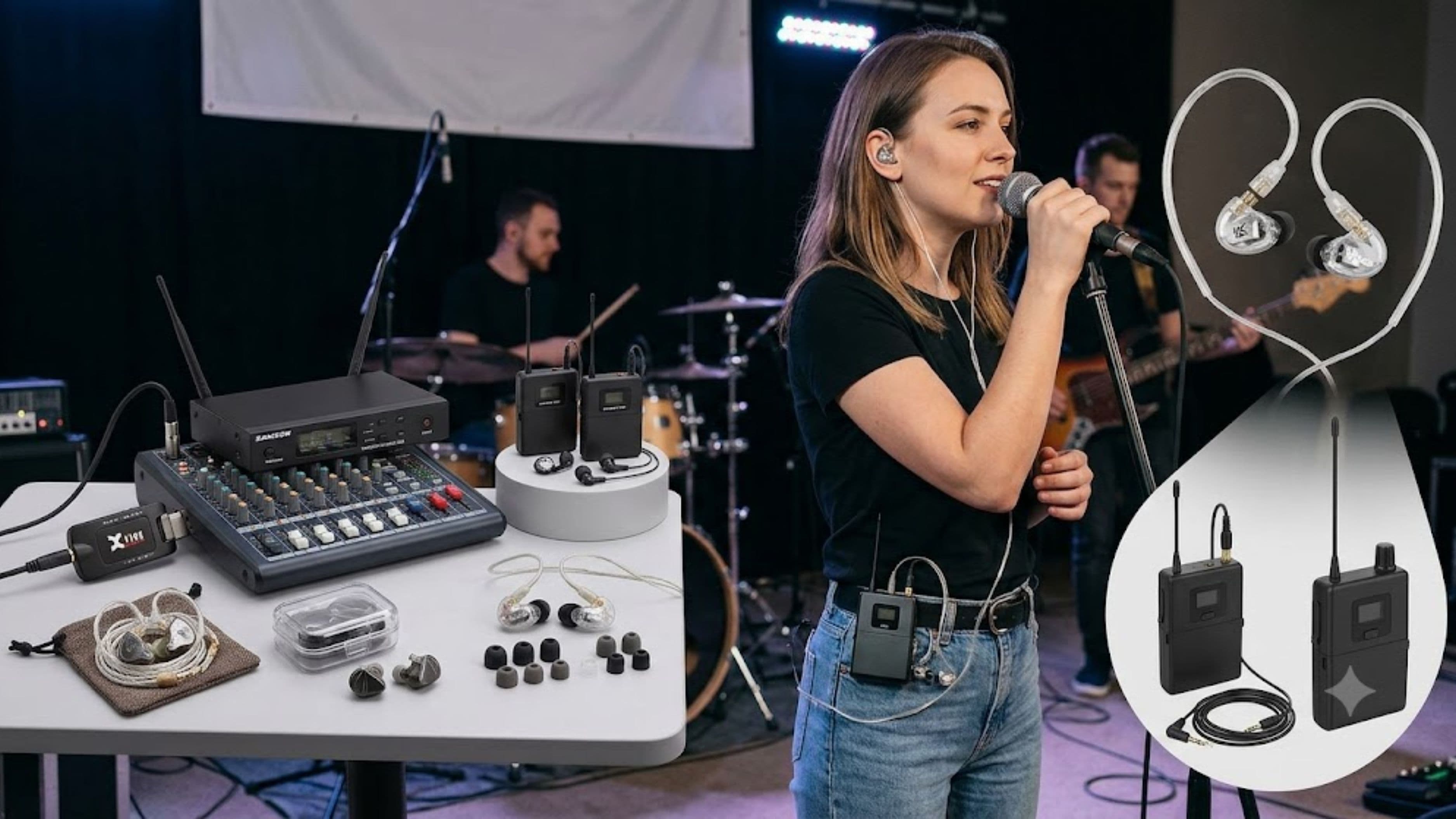
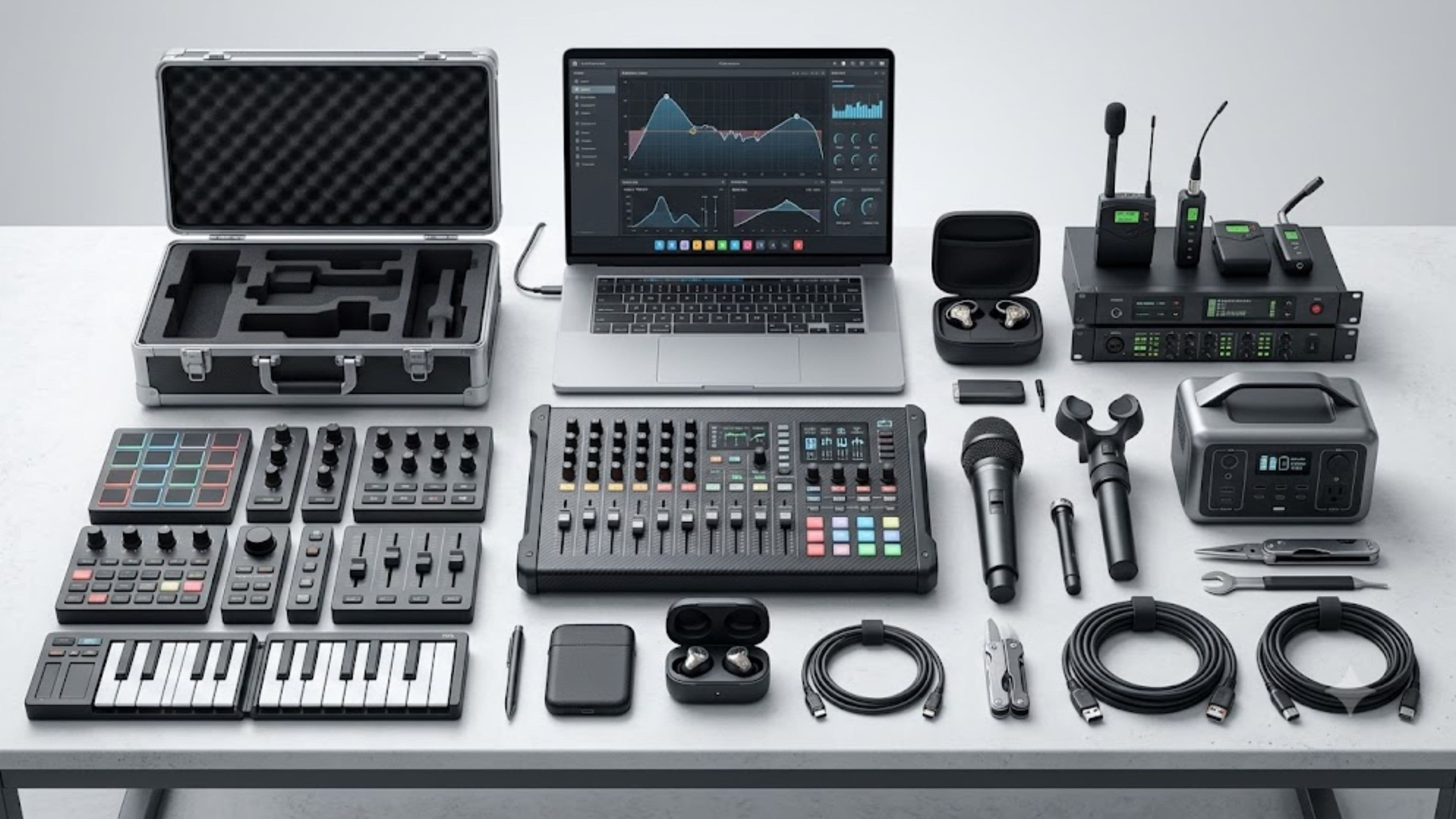
How do you handle sound quality for a live stream? Audio quality is the single most important technical factor in a good live stream experience. Running a direct line from the venue's mixing board to your streaming setup produces significantly better audio than using a microphone to capture room sound. Most professional streaming rigs connect the board output directly to the streaming encoder. For small shows without a dedicated sound engineer, an audio interface connected to the board works for most streaming setups.
Do I need a separate ticket platform for streaming, or can I use what I already have? It depends on your setup. Some existing ticketing platforms (like Eventbrite) are adding streaming integrations. Dedicated platforms like Veeps and Moment House are purpose-built for the format and worth considering if streaming is a regular part of your strategy. For occasional or experimental streaming, embedding a stream in a landing page with a simple payment link is a functional starting point.
Wrapping Up
Live streaming hasn't replaced touring and it won't. But it has permanently expanded what a tour can mean – geographically, economically, and in terms of the relationship between artists and fans who may never be in the same room. The artists and the industry infrastructure adapting to that reality fastest are the ones treating in-person and digital performance as a single, integrated system rather than two separate activities. For independent artists, the practical application starts simple: stream what you're already playing, pay attention to where your listeners are, and use that data to build toward the markets you want to reach before you have the budget to reach them physically.
📚 Sources
Touring economics and the live music industry – Pollstar industry data summary: https://www.pollstar.com/article/the-business-of-live-music-143177
Pandemic-era live streaming and audience behavior – Music industry report, IFPI Global Music Report 2023: https://www.ifpi.org/ifpi-global-music-report-2023/
Spotify for Artists audience data tools – Spotify for Artists: https://artists.spotify.com/en/blog/spotify-for-artists-updates-help-you-understand-your-audience
Live Nation streaming infrastructure and venue technology – Live Nation investor materials overview: https://www.livenationentertainment.com/2023/02/live-nation-entertainment-reports-fourth-quarter-and-full-year-2022-results/
Music streaming licensing and live performance rights – ASCAP Live Performance licensing overview: https://www.ascap.com/music-users/type/concerts
Veeps live streaming platform overview – Veeps: https://veeps.com/blog/what-is-veeps