What's Happening
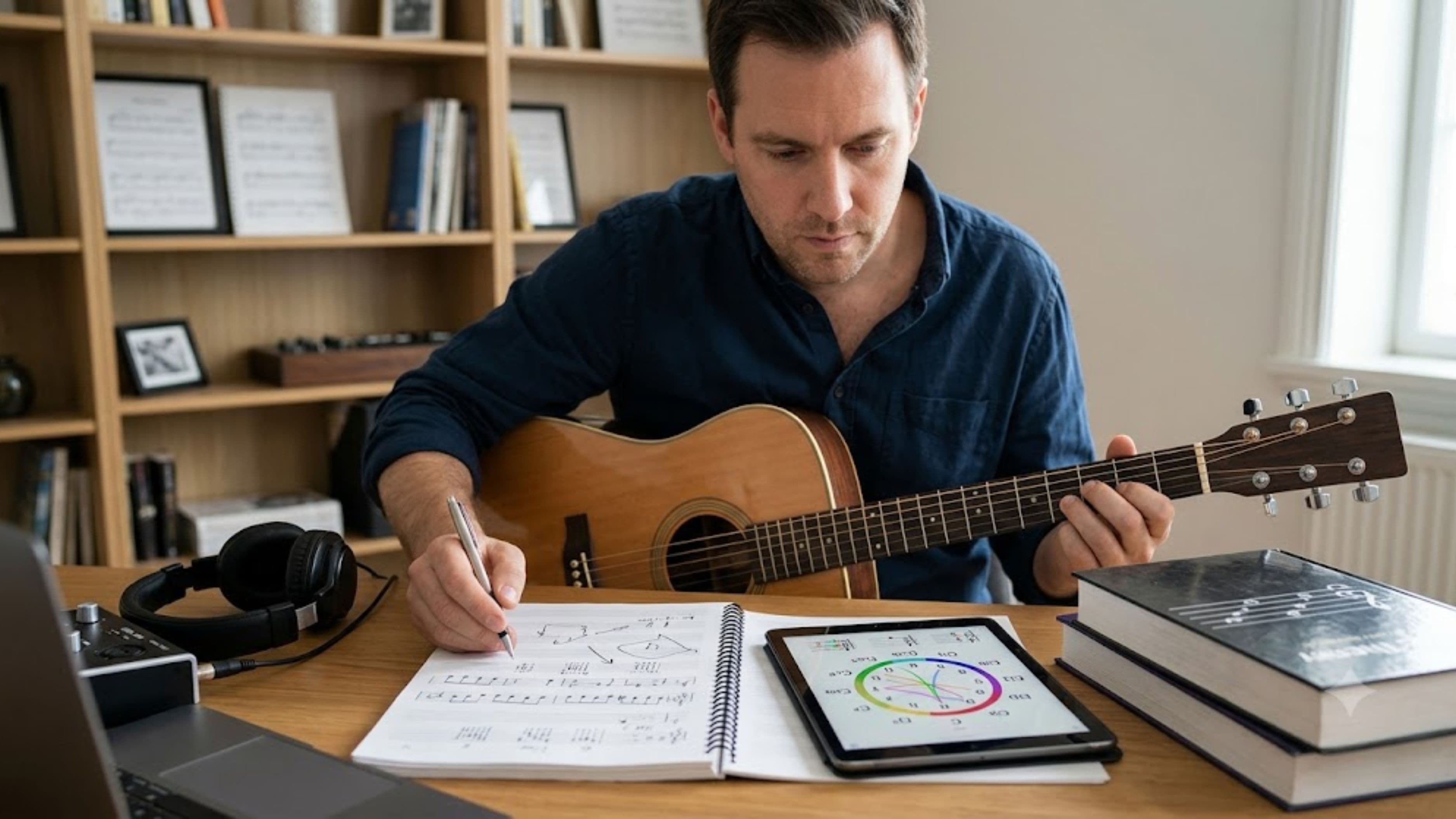
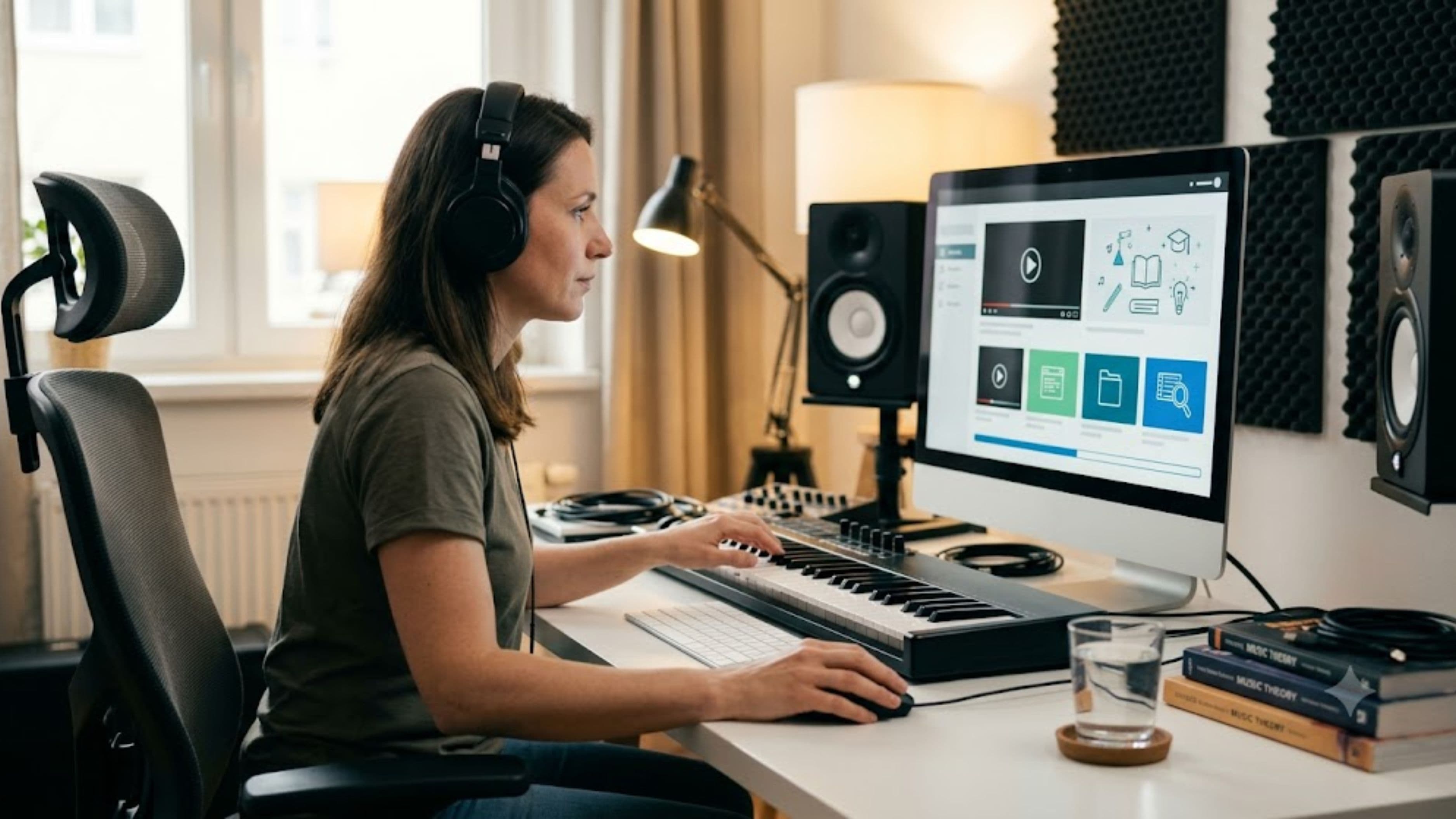
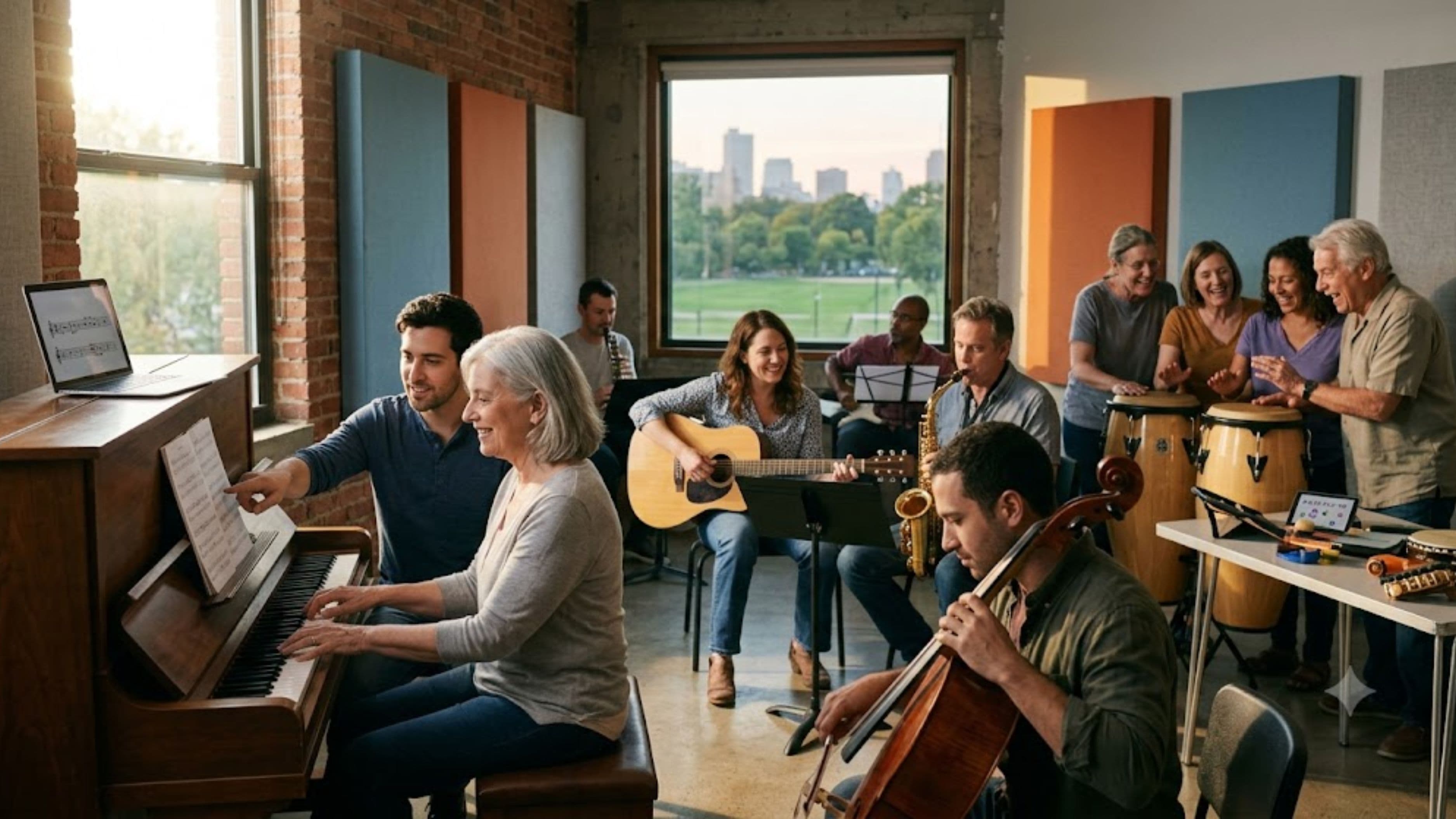
Search interest and enrollment in adult music education have climbed steadily, with platforms built specifically around adult learners – rather than repurposed kids' curricula – becoming genuinely popular rather than a fringe offering. Apps like Simply Piano, Yousician, and Fender Play built entire business models around teaching adults from scratch, using structured, low-pressure formats that don't assume you're aiming for conservatory-level mastery, just consistent, visible progress.
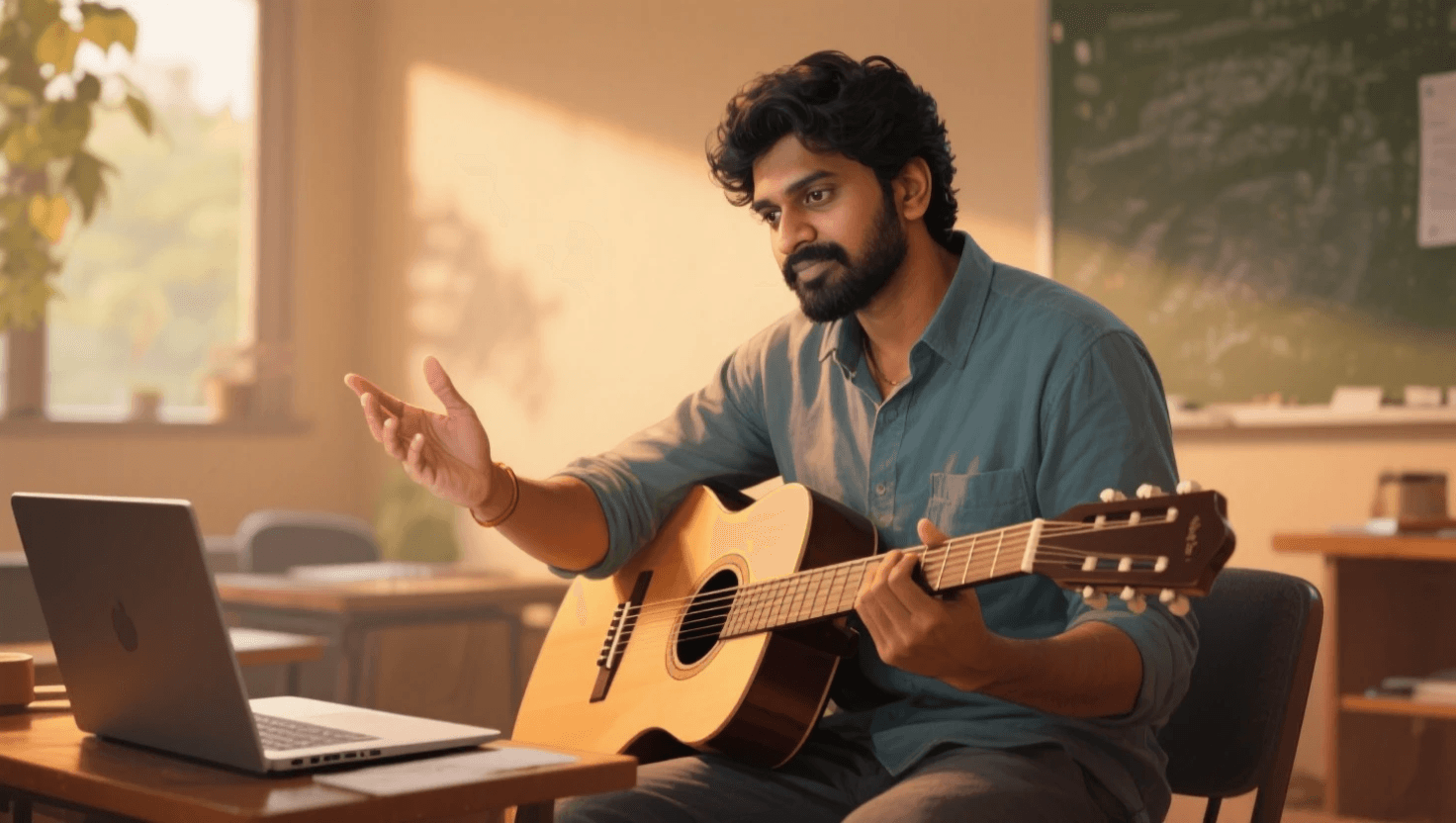
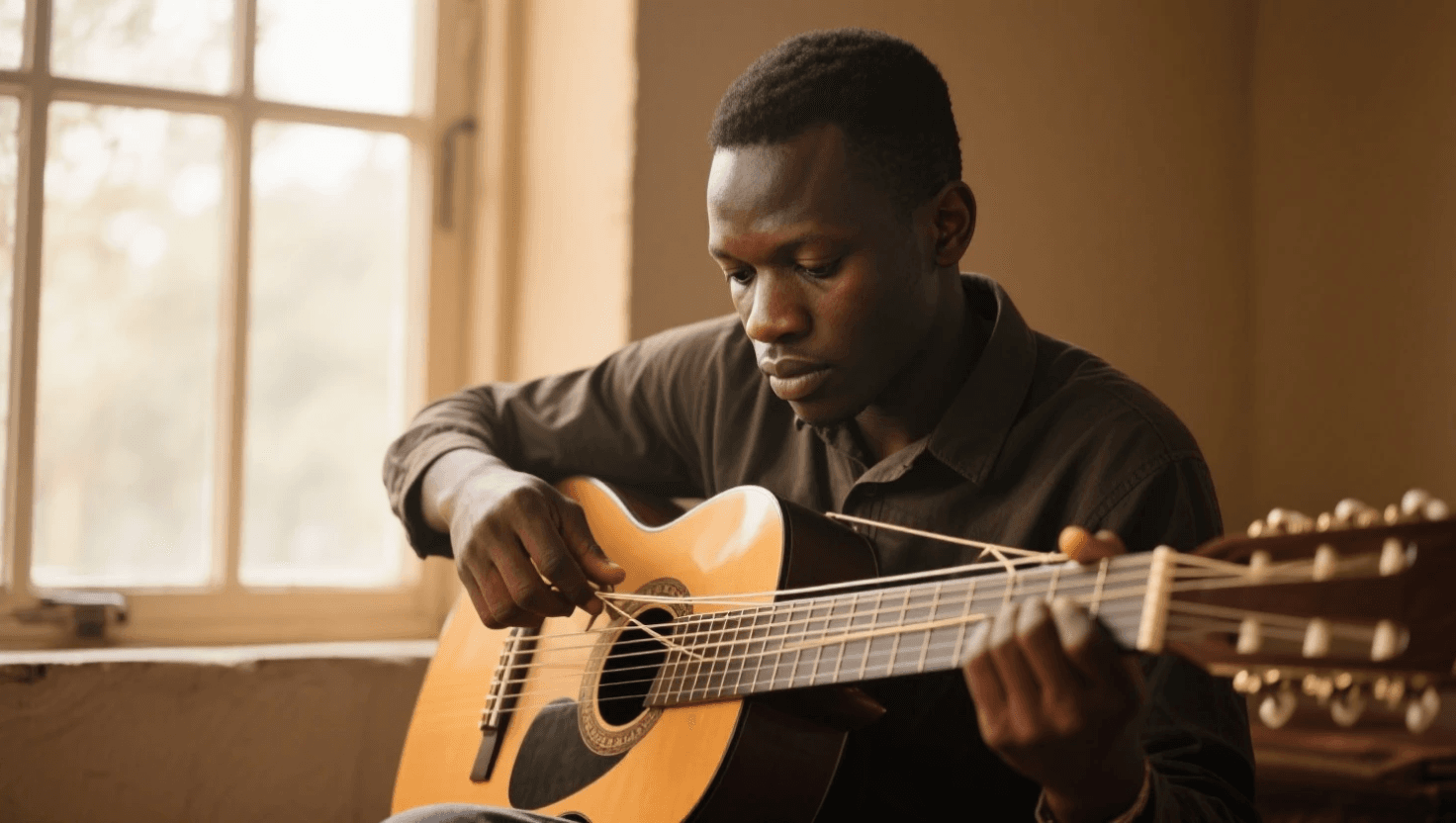
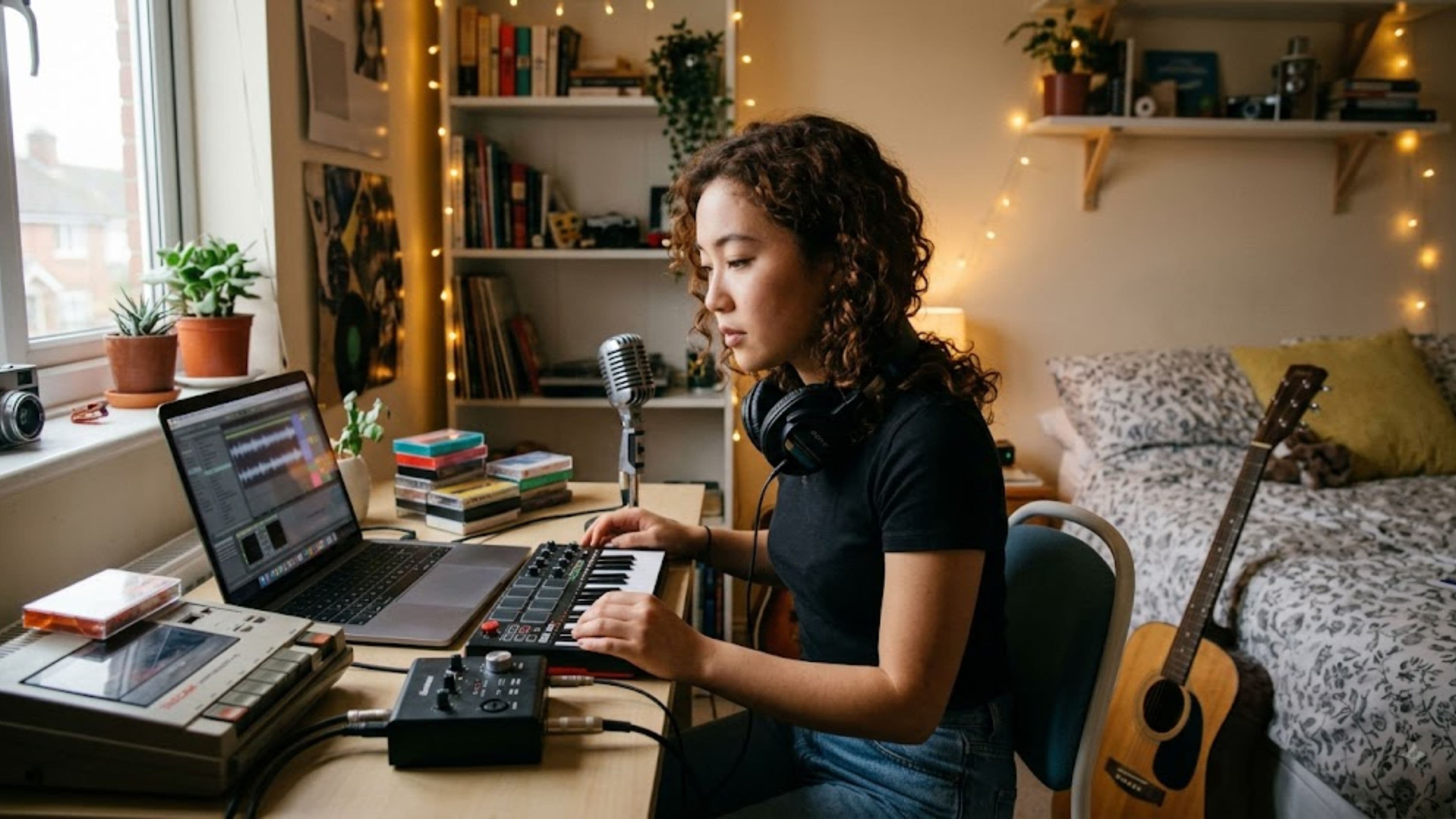
This is happening alongside a broader cultural shift toward adults picking up "beginner" pursuits publicly and without the self-consciousness that used to accompany it. Content showing adults learning an instrument from zero, documenting genuinely imperfect early attempts, has found real traction across social platforms, normalizing the idea that starting something as a visible beginner in your 30s, 40s, or later isn't something to hide.
Why It Matters
A few forces are converging here. First, the pandemic-era shift toward home-based hobbies didn't fully reverse once people returned to normal routines – a meaningful portion of people who picked up an instrument during that period simply kept going, and platforms that made structured practice accessible without in-person lessons capitalized on that continued interest. Second, there's a growing cultural conversation, backed by genuine research, around music's role in cognitive health and stress reduction for adults specifically, not just childhood development, which has shifted how some adults frame the value of starting an instrument later in life – less "I should have done this as a kid" and more "this is a legitimate wellness investment now."
Third, the barrier to entry has genuinely dropped. A decade ago, learning an instrument as an adult typically meant either committing to weekly in-person lessons at real cost, or trying to self-teach through scattered YouTube tutorials with no real structure or feedback. App-based platforms with structured curricula, real-time pitch or timing feedback, and flexible scheduling removed a lot of that friction, making it realistic to start and actually stick with progress in a way that wasn't as accessible before.
Impact on Creators
For independent music educators and content creators, this shift represents a genuinely underserved and growing audience segment. Content specifically aimed at adult beginners – as opposed to general instrument tutorials that don't distinguish between a curious 8-year-old and a working adult with 20 minutes of practice time a day – has real room to stand out, since a lot of existing instructional content still defaults to generic, all-ages framing that doesn't address the specific constraints and motivations adult learners actually have.
This also creates a natural monetization lane for creators willing to build structured content around this audience specifically: paid course content, subscription-based practice platforms, or coaching packages designed around realistic adult schedules and goals, rather than assuming unlimited practice time or a path toward professional-level skill. Creators who've leaned into this – building content series specifically framed around "learning as a busy adult" rather than generic beginner tutorials – have found genuine audience loyalty, since this specific framing speaks directly to a real, previously underserved frustration many adult learners have had with existing instructional content.
There's also a community angle worth noting. Online communities built around adult beginner progress – sharing practice clips, celebrating small milestones, troubleshooting common early struggles – have grown alongside the app-based learning trend, creating additional space for creators to build engaged audiences around accountability and shared progress rather than pure instructional content alone.
Practical Takeaway
If you're a creator or educator considering content in this space, the clearest opportunity is specificity: content built explicitly around adult constraints – limited practice time, self-consciousness about being a visible beginner, balancing learning with a full-time job or family responsibilities – tends to resonate more than generic "how to learn guitar" content that doesn't distinguish its audience. Framing progress realistically also matters here; adult learners responding well to content tend to value honest timelines and small, celebrated milestones over content that implies rapid mastery, since overpromising quick results in this space tends to erode trust with an audience that's often navigating real skepticism about whether they can pick up a new skill significantly later than most instructional content assumes.
What to Watch Out For
It's worth being realistic about the pace of this trend rather than assuming it's a permanent, ever-accelerating shift. Interest in structured hobby learning tends to fluctuate with broader cultural and economic conditions, and app-based learning platforms in this space have seen mixed retention data historically, meaning strong initial sign-up numbers don't always translate into long-term active users. Building an audience or business around this trend should account for this natural falloff rather than assuming every new learner sticks with it indefinitely.
There's also a crowding consideration as more creators recognize this opportunity. The specific angle of adult-focused, realistic music education content is still less saturated than general instructional content, but that gap is narrowing as more people spot the same opportunity, making genuine differentiation – a distinct teaching style, a specific instrument niche, or a particular community angle – more important than simply entering the space broadly.
FAQ
Is adult music education actually effective compared to starting as a child? Adults can absolutely learn instruments effectively, though the learning process differs somewhat from childhood learning, often benefiting from more structured, intentional practice given adults' capacity for self-directed goal-setting compared to typical childhood lesson structures.
What instruments are most popular among adult beginners right now? Piano and guitar remain the most commonly picked-up instruments among adult beginners, largely due to strong app-based learning support and lower initial cost barriers compared to some other instruments.
Is there real monetization potential in creating content for adult music learners? Yes, particularly through structured paid courses, coaching, or community-based subscription content, though success depends on genuine specificity and differentiation rather than generic beginner tutorial content.
Do people who start music as adults tend to stick with it long-term? This varies considerably by individual and platform, with retention data across app-based learning platforms showing meaningful drop-off over time, similar to patterns seen in other self-directed skill-learning categories like language apps.
📚 Sources
Frontiers in Psychology – Music Training and Cognitive Benefits in Adulthood
National Association of Music Merchants (NAMM) – Adult Music Learning Trends
Pew Research Center – Trends in Adult Hobby and Skill Learning