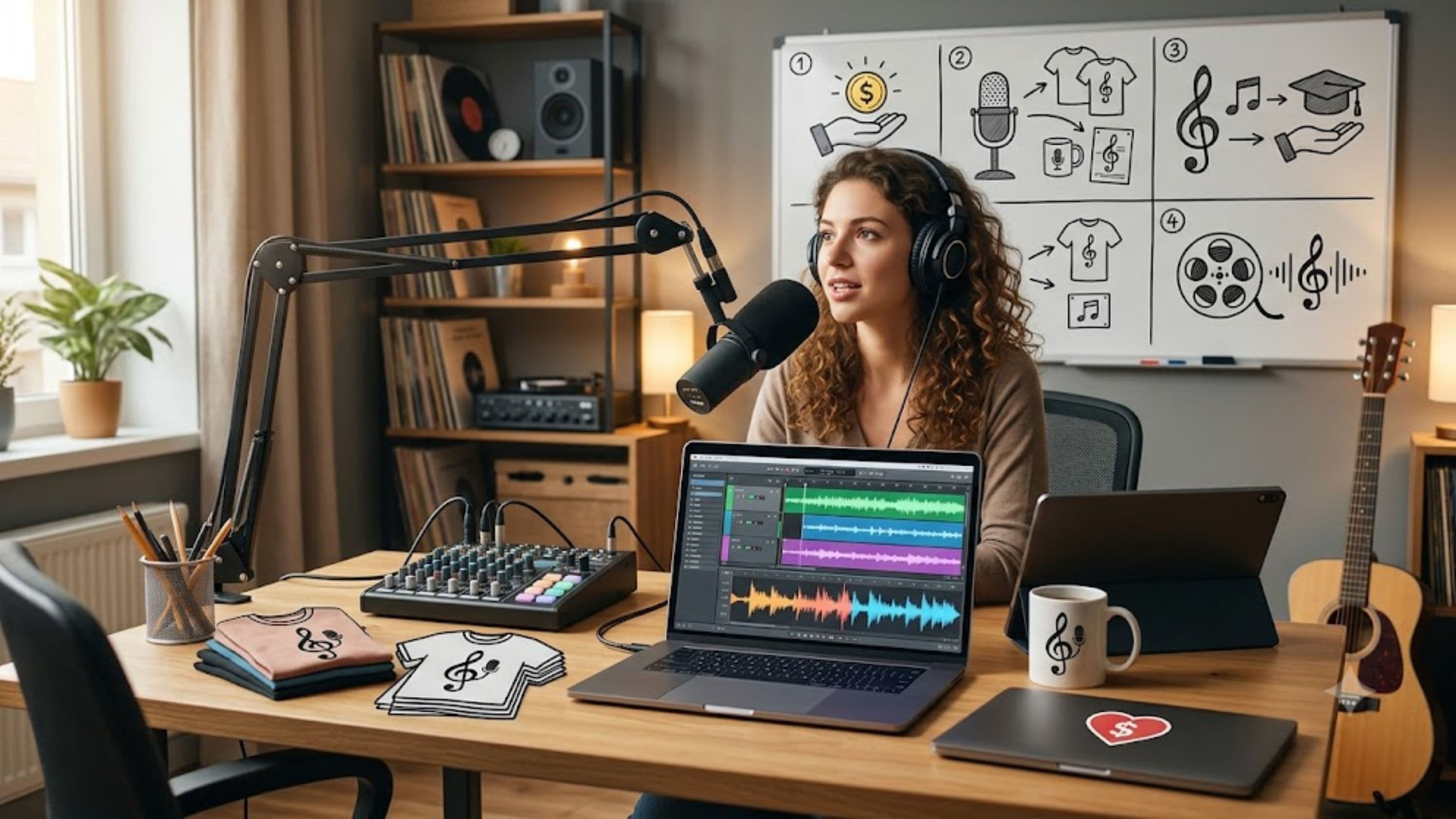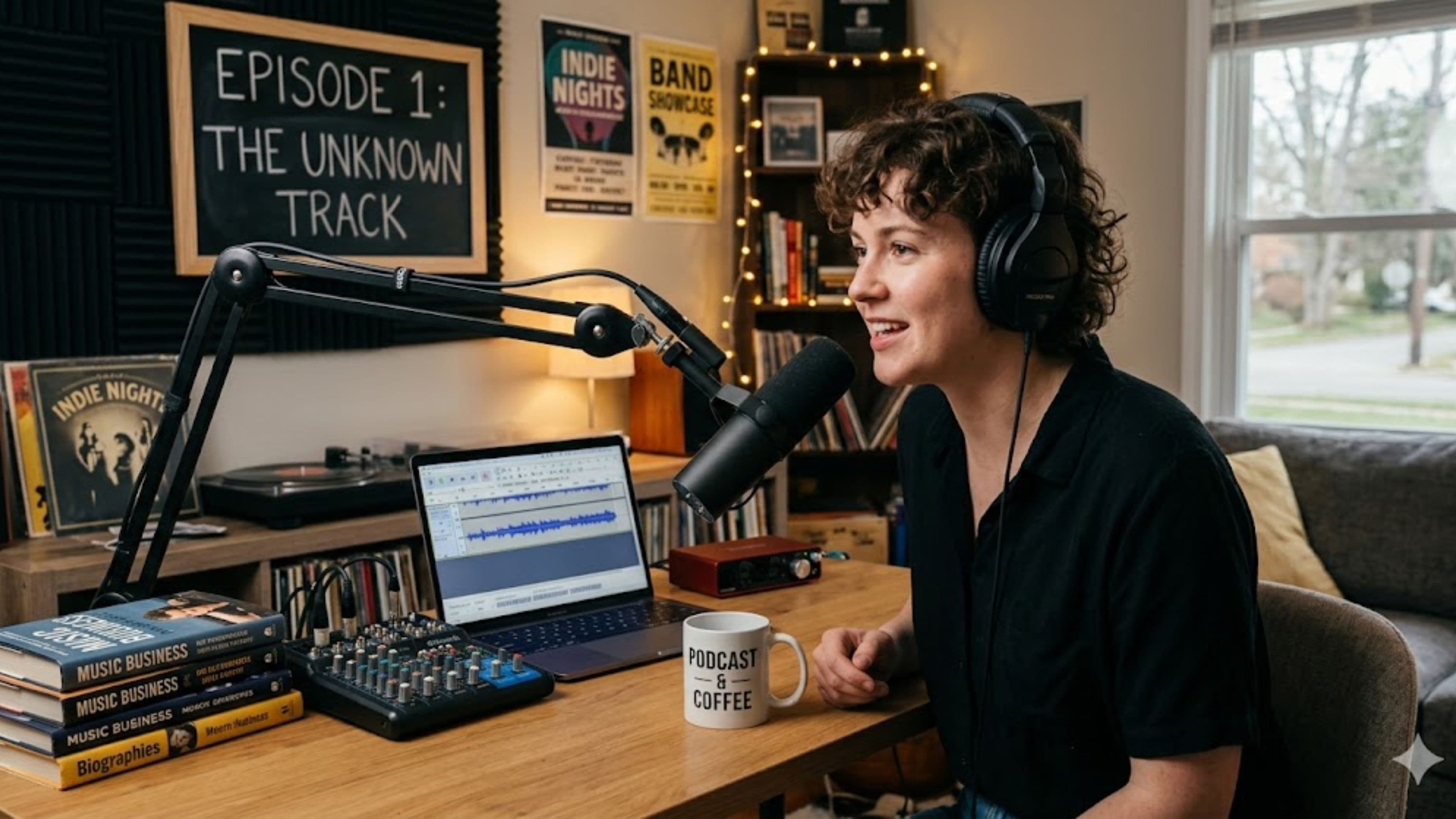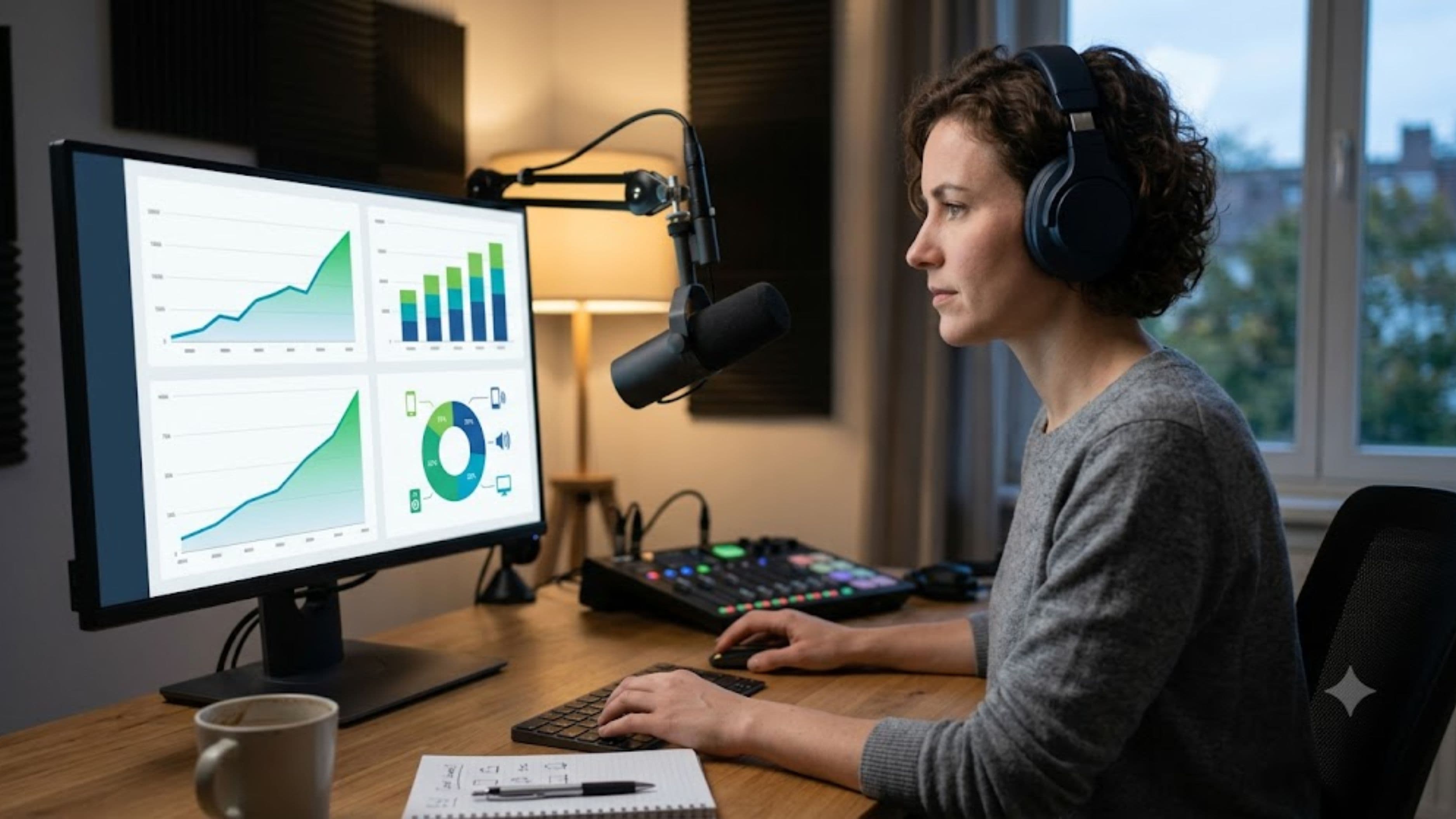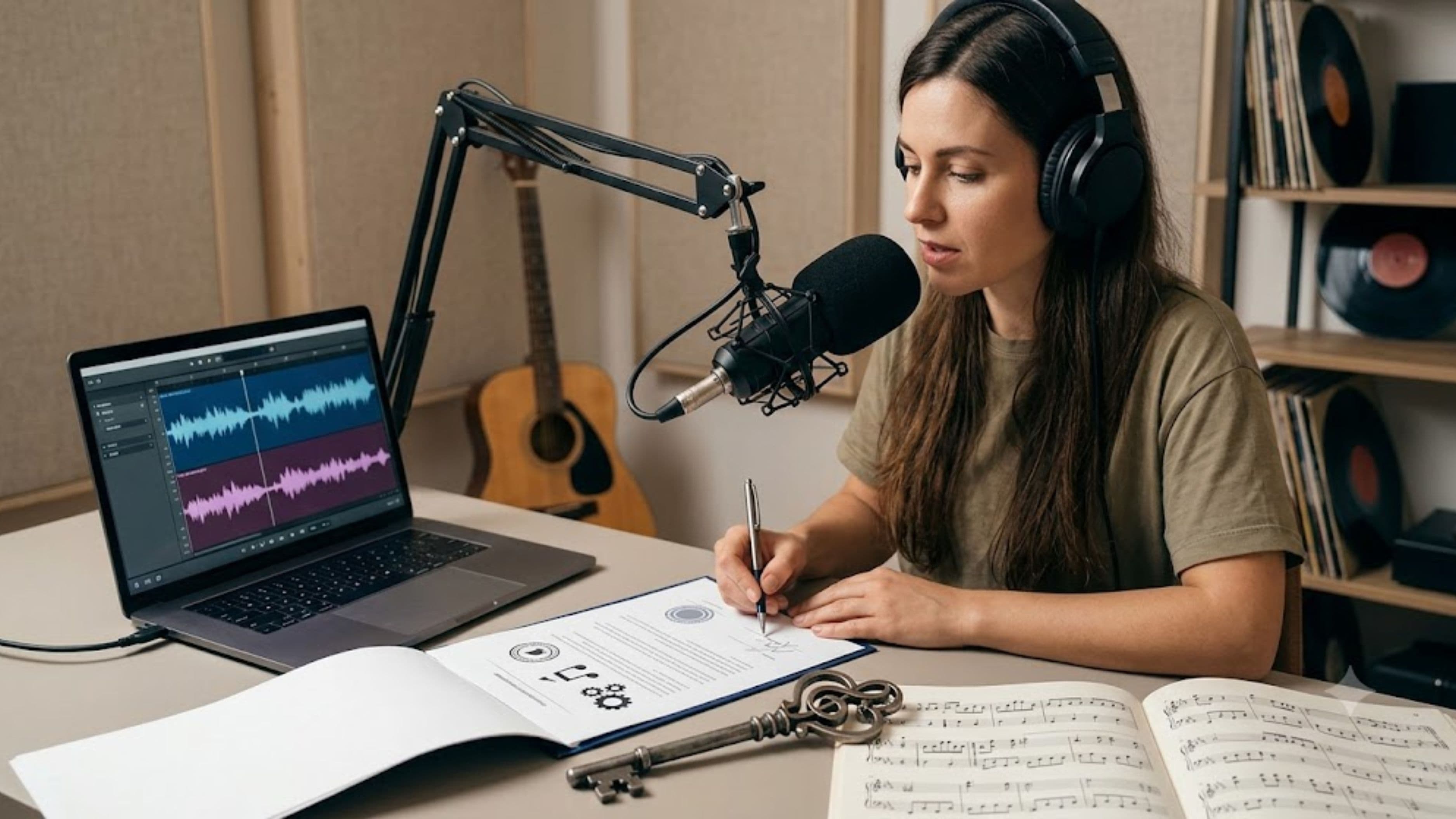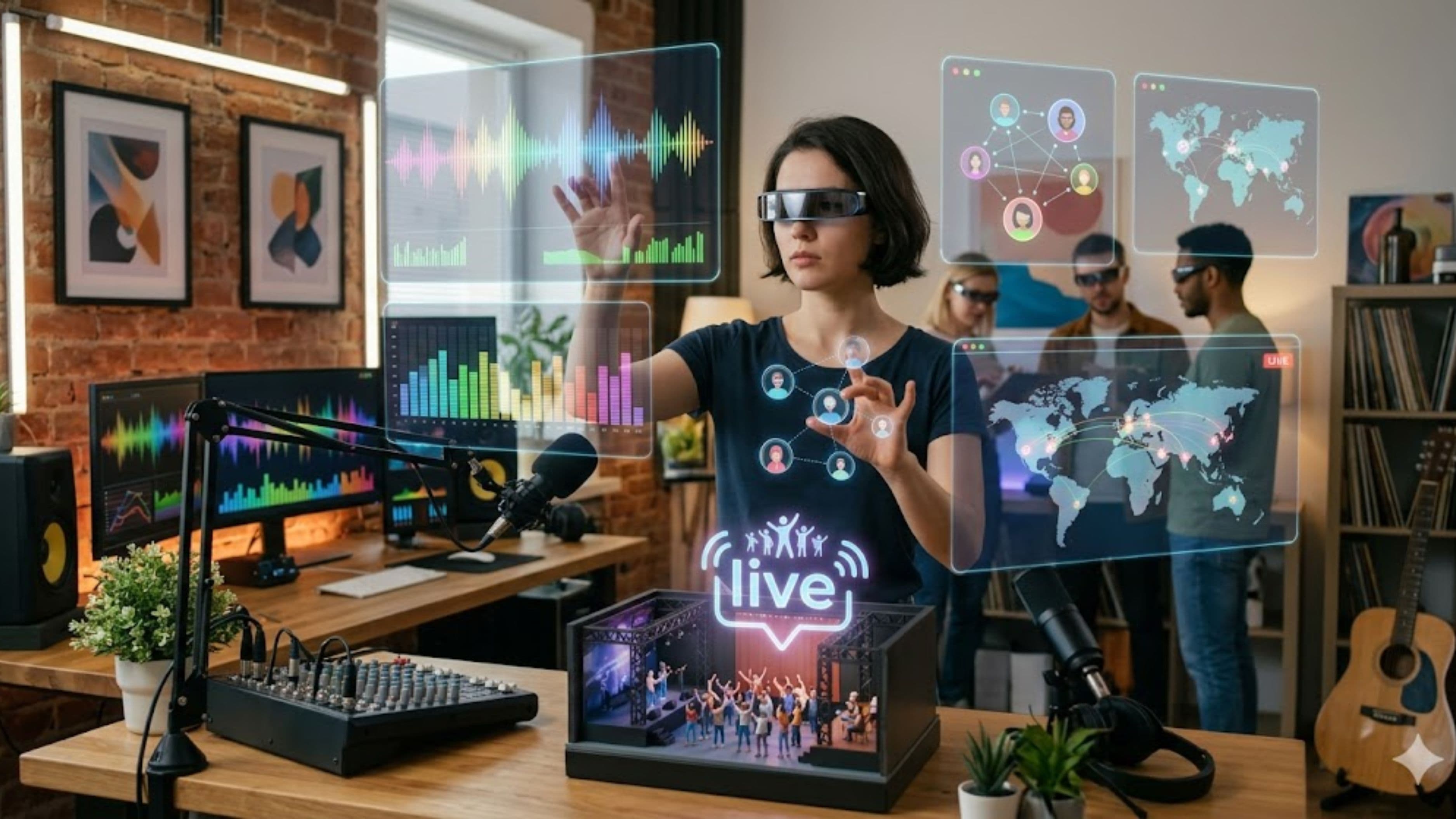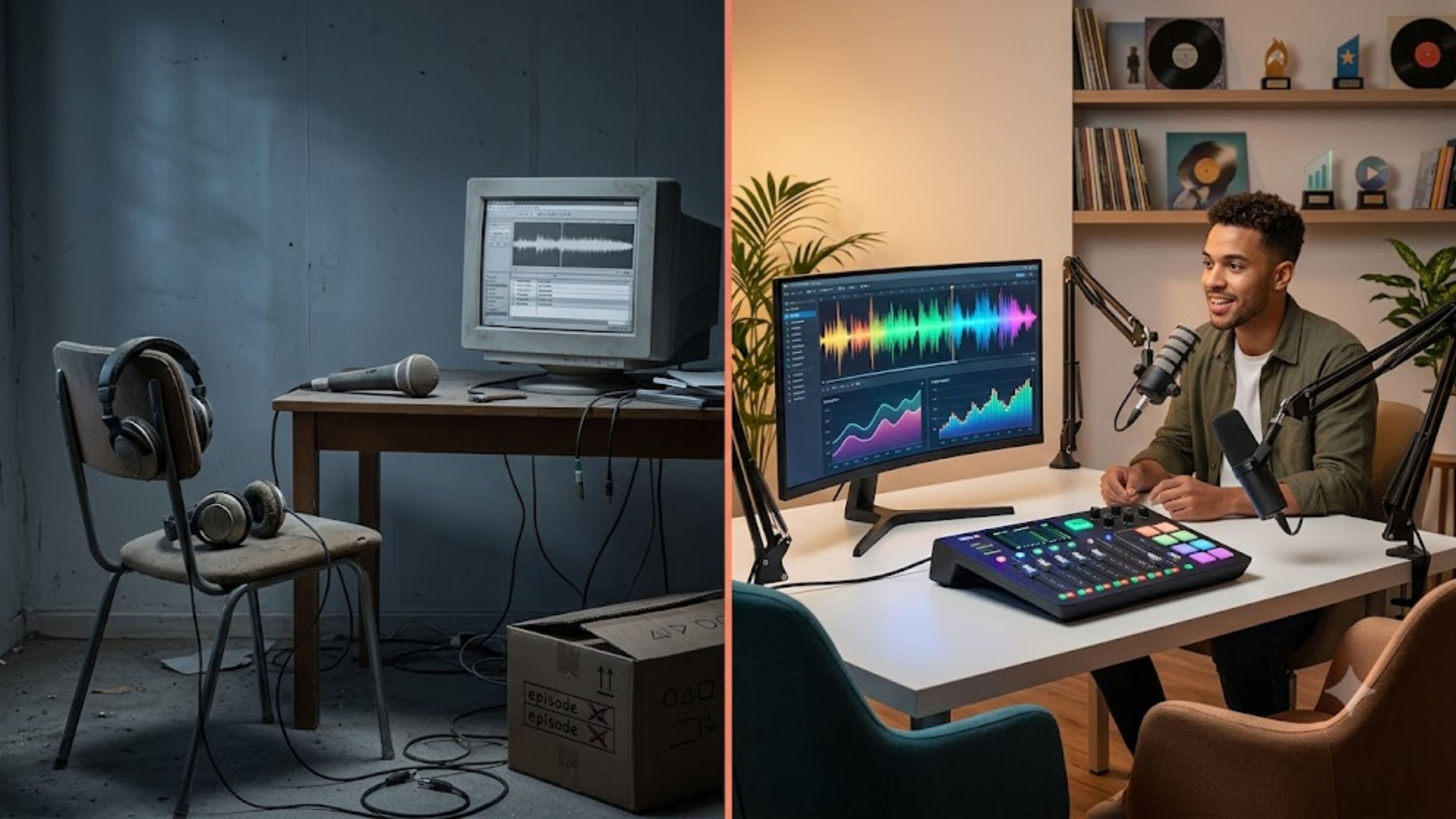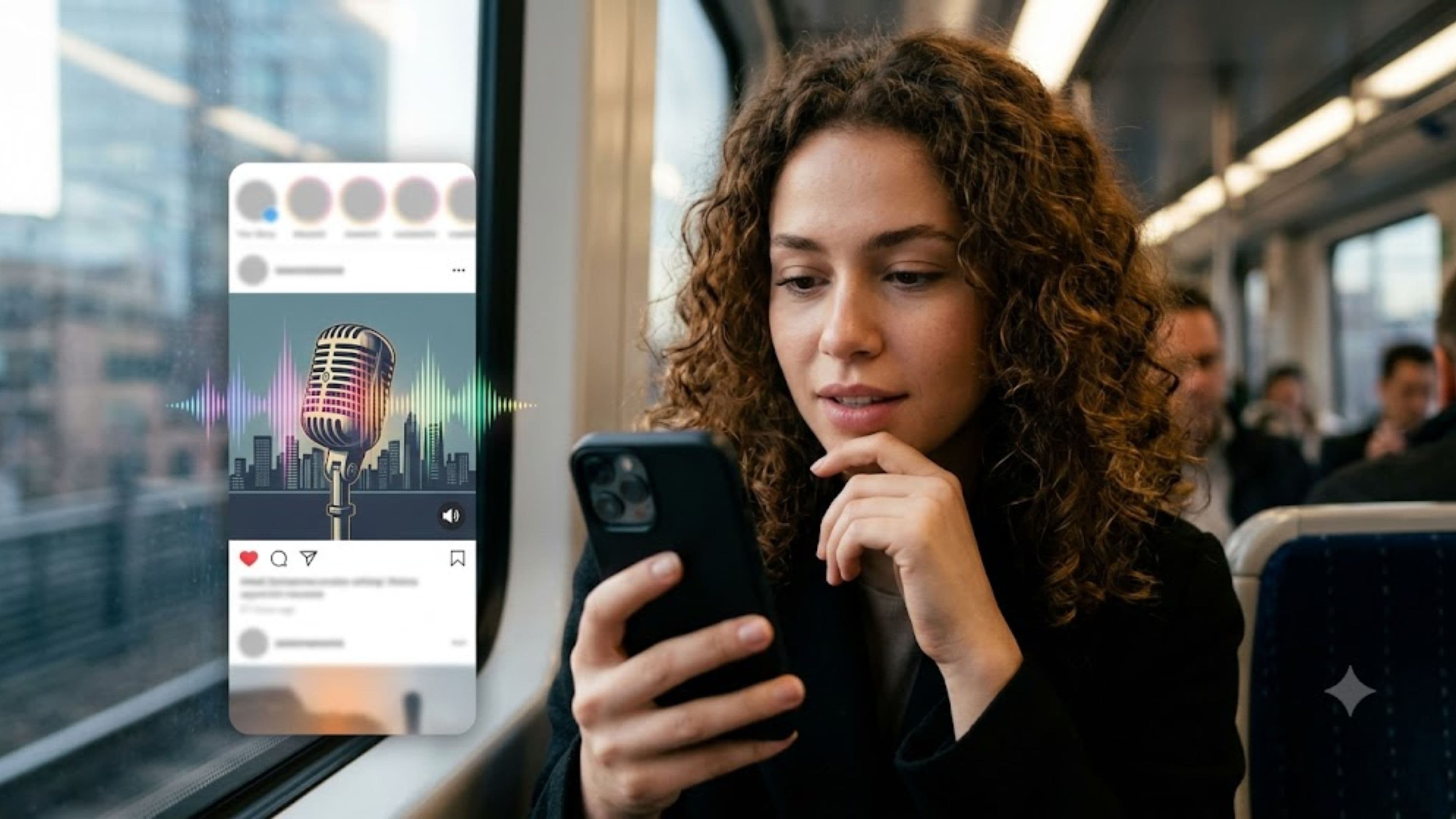
The numbers behind podcast growth are not subtle. There are over five million active podcasts globally, and music and arts education content is one of the faster-growing subcategories. But the reason more music educators are moving into podcasting isn't just about riding a trend – it's because the medium fits the profession in ways that other content formats don't.
The Medium Fits the Message
Music education is fundamentally an auditory discipline. A written blog post about phrasing, dynamics, or ear training is a workaround. A podcast is native. Educators can demonstrate concepts vocally, reference recordings directly, break down what a listener is hearing in real time, and have conversations with guests in a format that feels exactly like the kind of teaching relationship students are already familiar with.
This isn't a minor advantage. The content formats that perform best on podcasting are conversational, narrative, and expertise-driven – and all three describe music education well. An experienced piano teacher explaining the psychology of stage fright, a music theory professor walking through how modal jazz works, a session musician talking through the practicalities of working in studios – these topics are served better by audio than by any other content format. The medium respects the subject matter.
Brand Building That Compounds Over Time
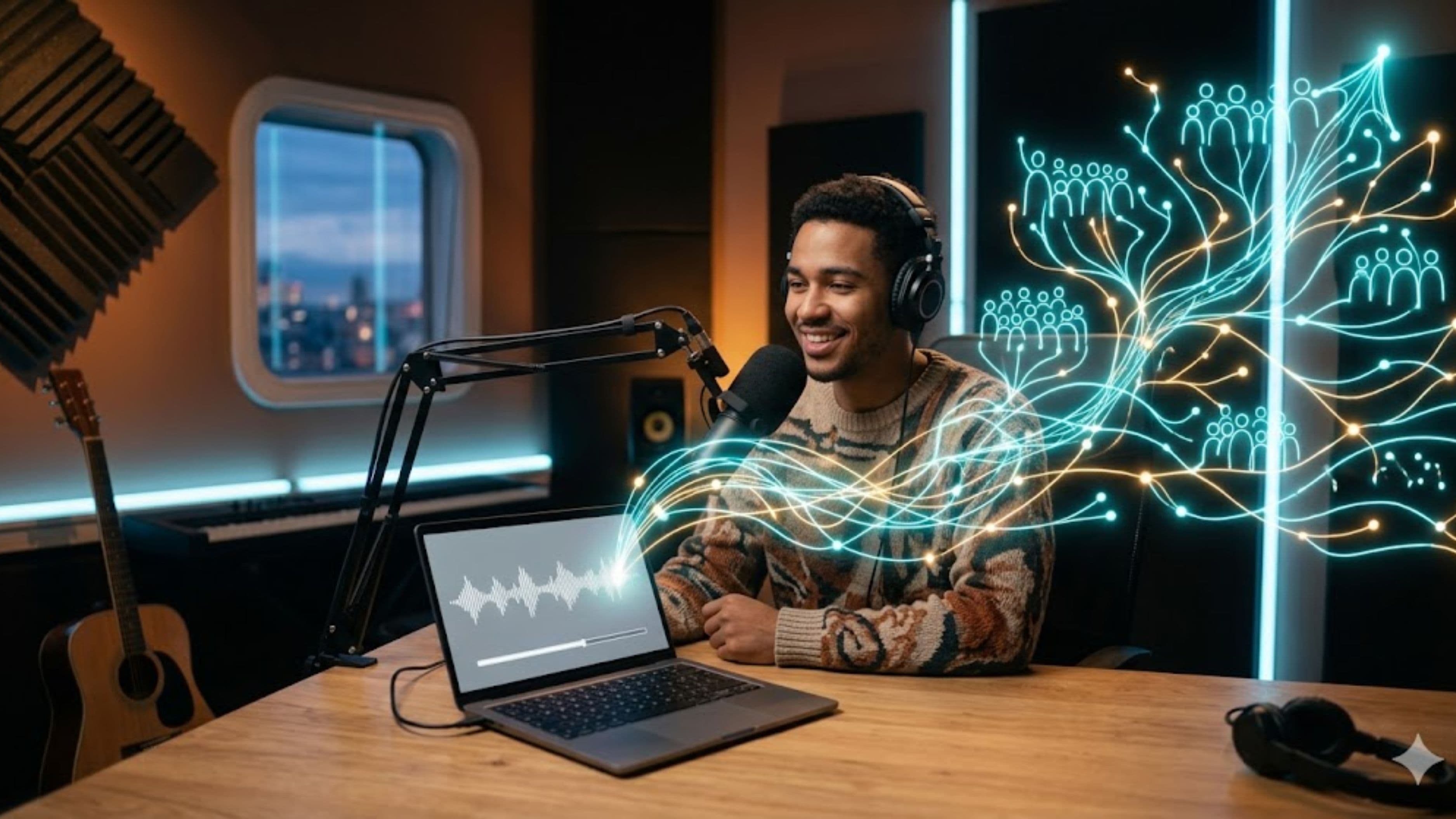
The way podcasting builds a brand is different from social media, and for music educators in particular, it tends to be more durable. Social media content has a short shelf life – a post on Instagram might get traction for 24–48 hours before the algorithm moves on. A podcast episode on "how to practice more effectively" or "what the ABRSM exams actually test" can surface in search results for years and continue bringing in new listeners long after it's published.
That compounding effect matters for educators whose growth is typically driven by reputation and long-term relationships rather than viral moments. A podcast builds depth of authority with each episode. A listener who has consumed 20 episodes of a music educator's podcast before ever booking a lesson or joining their course arrives with far more trust than a follower who saw a Reel twice. That trust differential has real conversion implications for anyone selling lessons, courses, workshops, or educational content.
The Discovery Pathway Is Different From Other Platforms
When someone searches for "how to improve sight-reading" or "why is music theory important for guitarists" on Spotify or Apple Podcasts, they're not looking for entertainment – they're looking for a trusted voice who can help them. That intent signal is closer to how people search on Google than how they scroll on TikTok. For educators, that's a more aligned audience at the point of discovery.
A music educator's podcast is essentially a long-form demonstration of expertise that potential students, clients, and collaborators can evaluate before making any commitment. It functions as a portfolio, a teaching sample, and a personality demonstration all at once. Someone deciding whether to invest in an online course or a private lesson series has significantly more information to work with after listening to six podcast episodes than they do after watching six 60-second videos. The depth of the format accelerates trust in a way that short-form content can't replicate.
How Educators Are Structuring Their Shows
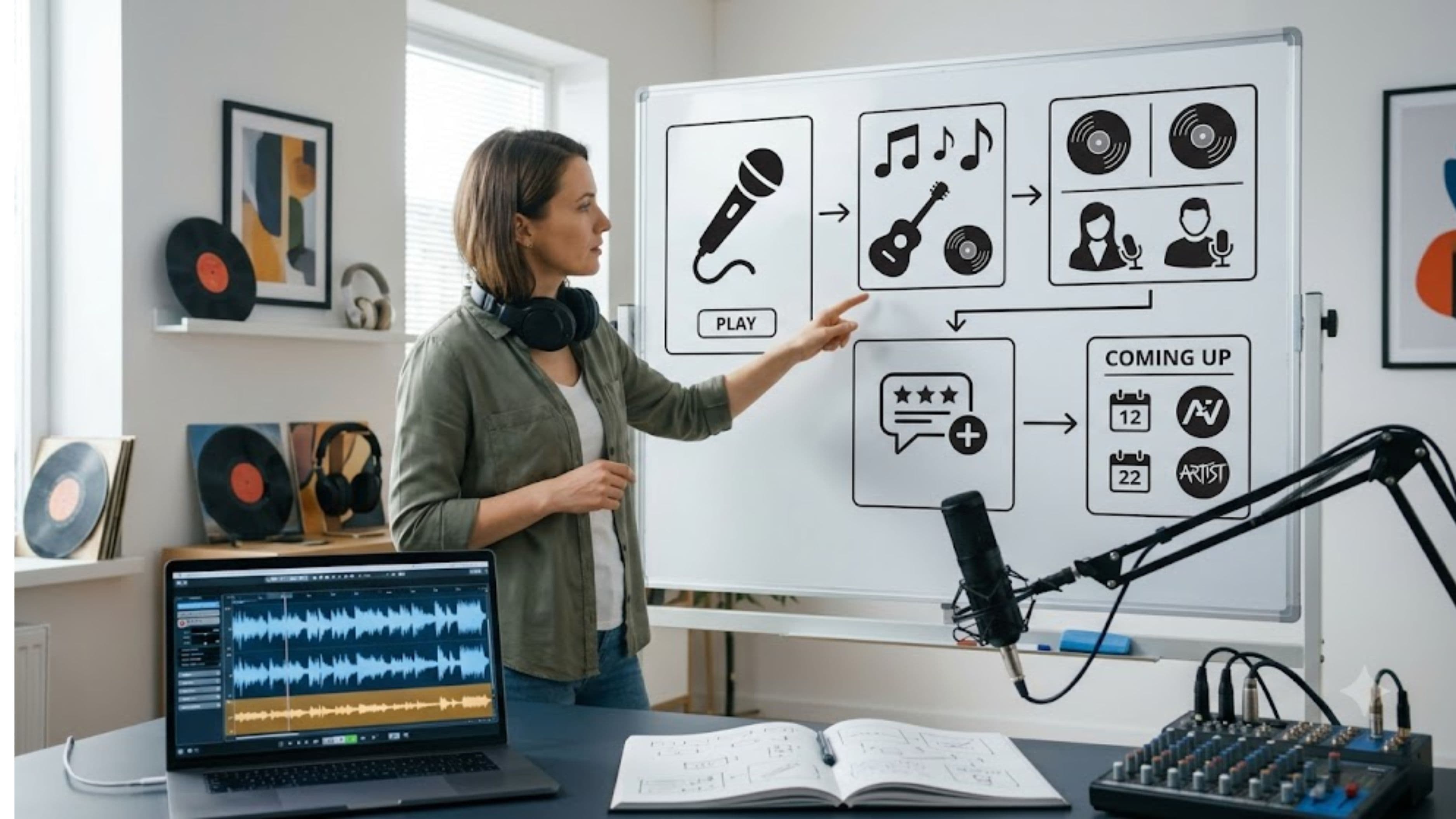
The formats that are working for music educators in podcasting tend to fall into a few patterns, each with a different audience and purpose.
Solo teaching episodes – where the educator explains a concept, technique, or topic from their area of expertise – work well for building authority and SEO discovery. A flute teacher who publishes 50 episodes on technique, repertoire, audition prep, and practice psychology becomes a reference resource in their niche. Listeners who find any one of those episodes are likely to explore the back catalog.
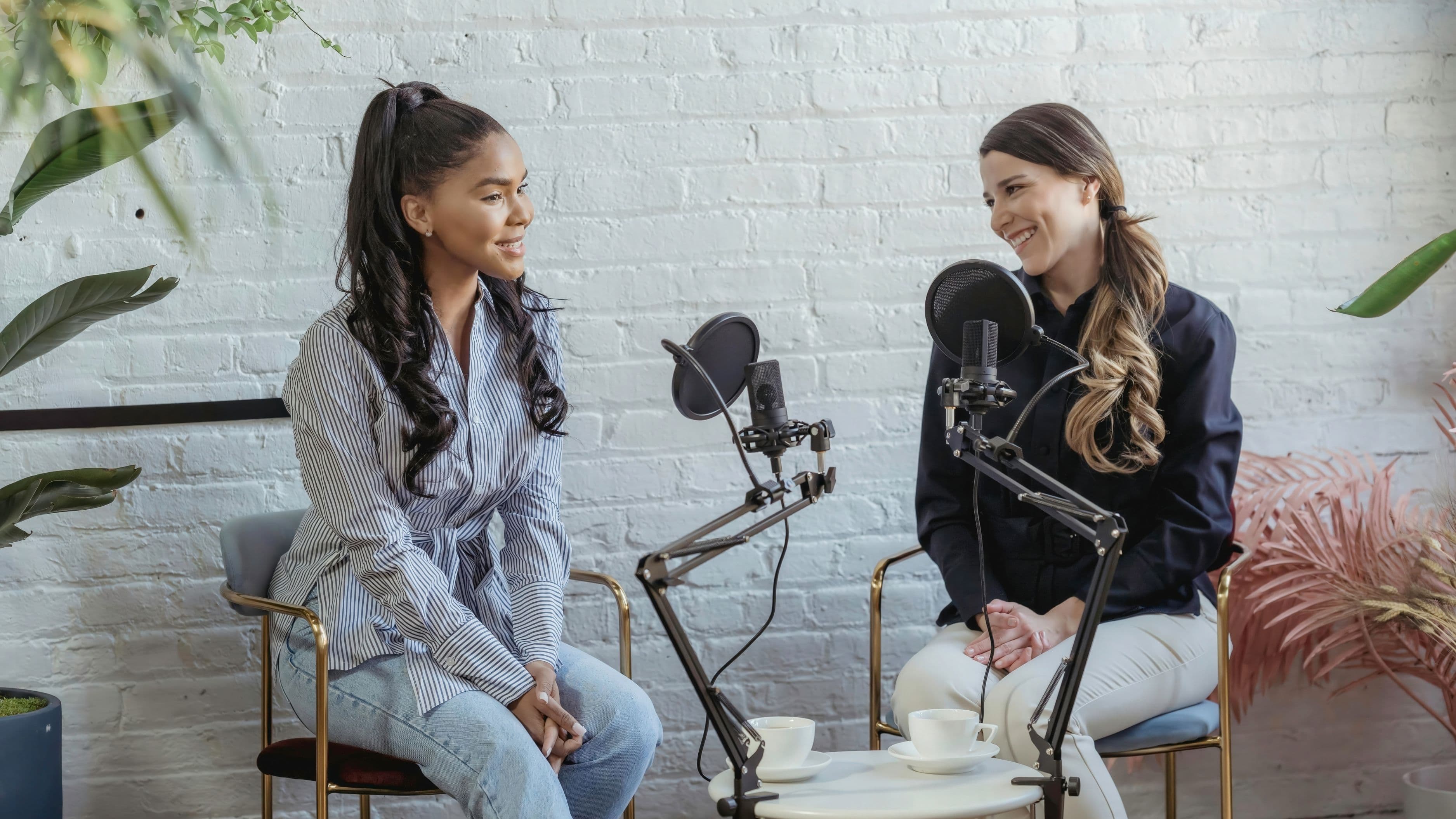
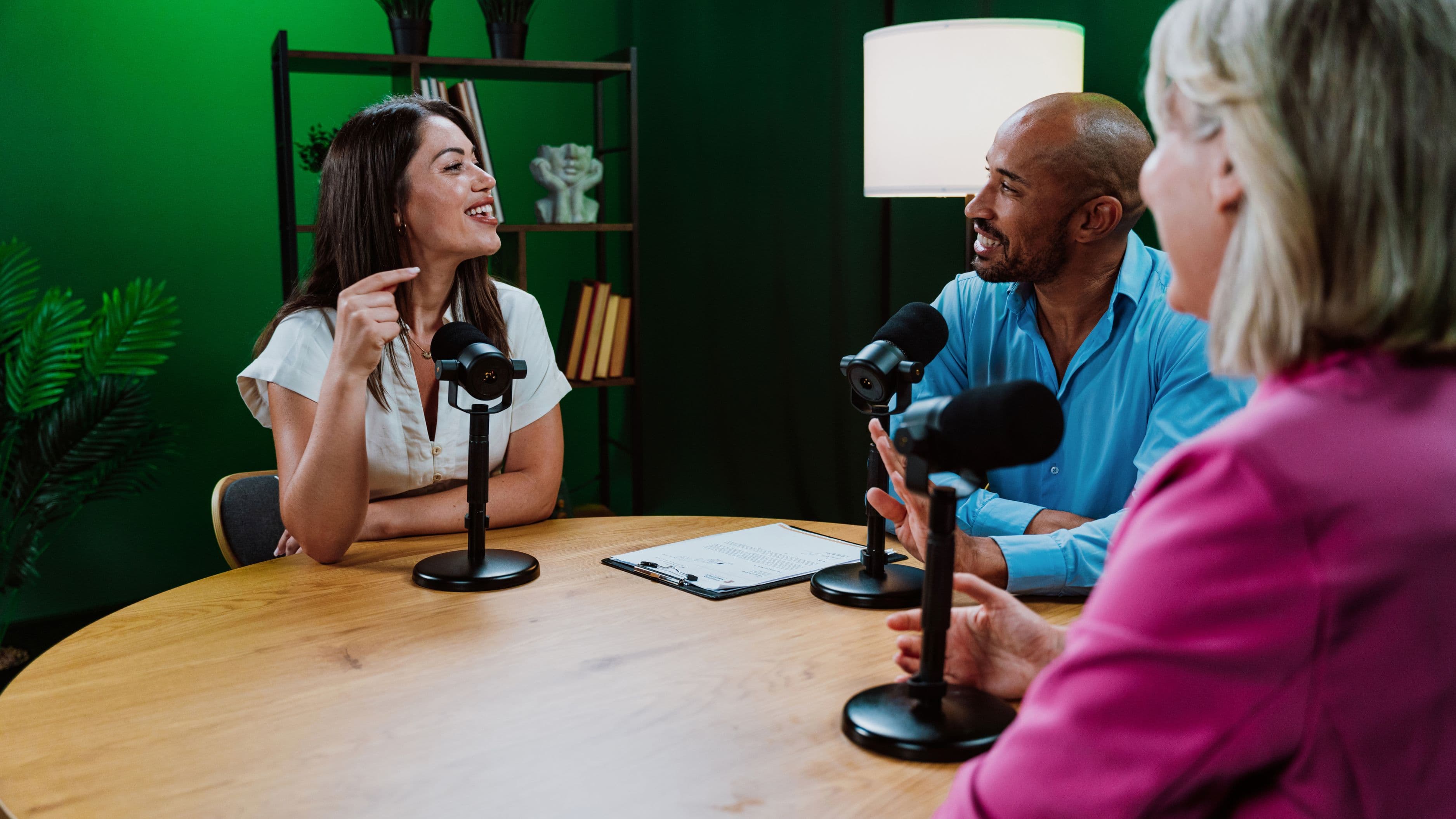
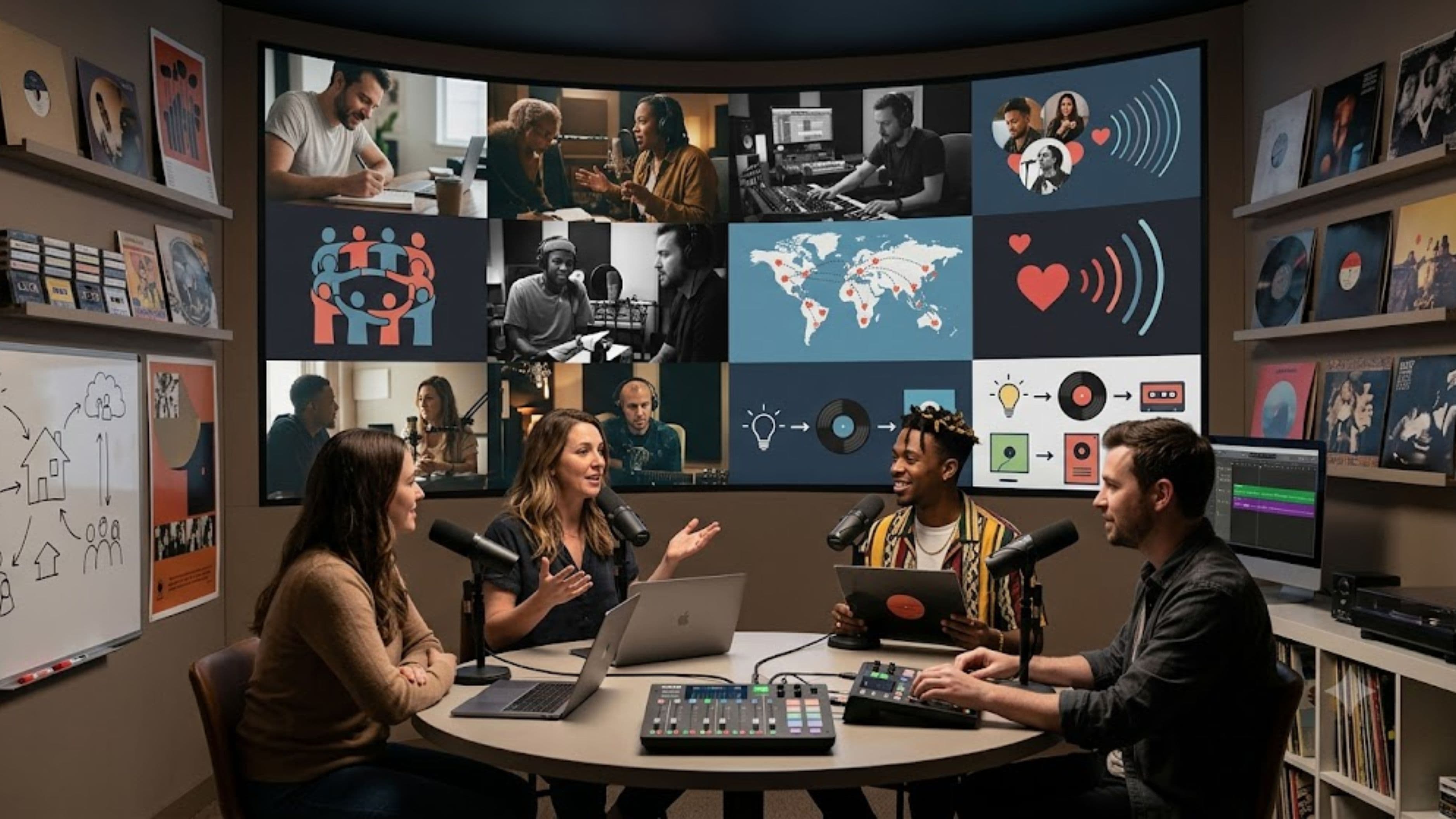
Interview-based shows – featuring other educators, professional musicians, composers, or industry figures – work better for audience growth and network building. When a guest shares an episode they appeared in, the host gets exposure to a new audience that already trusts the guest. For educators trying to grow beyond their existing network, the interview format is one of the most effective organic growth mechanisms available.
Student-facing shows – built around the common questions, challenges, and experiences of students at a specific level or on a specific instrument – occupy a niche that's often underserved and tends to attract highly motivated listeners. A podcast specifically for adult beginner pianists, for example, is addressing an audience that is actively looking for guidance and community and may not be well-served by the general music education content that dominates the space.
Some educators combine formats, alternating between solo teaching episodes and guest interviews. That balance tends to produce both the authority signal of the solo format and the growth mechanism of the interview format.
What Podcasting Does for Revenue Beyond Lessons
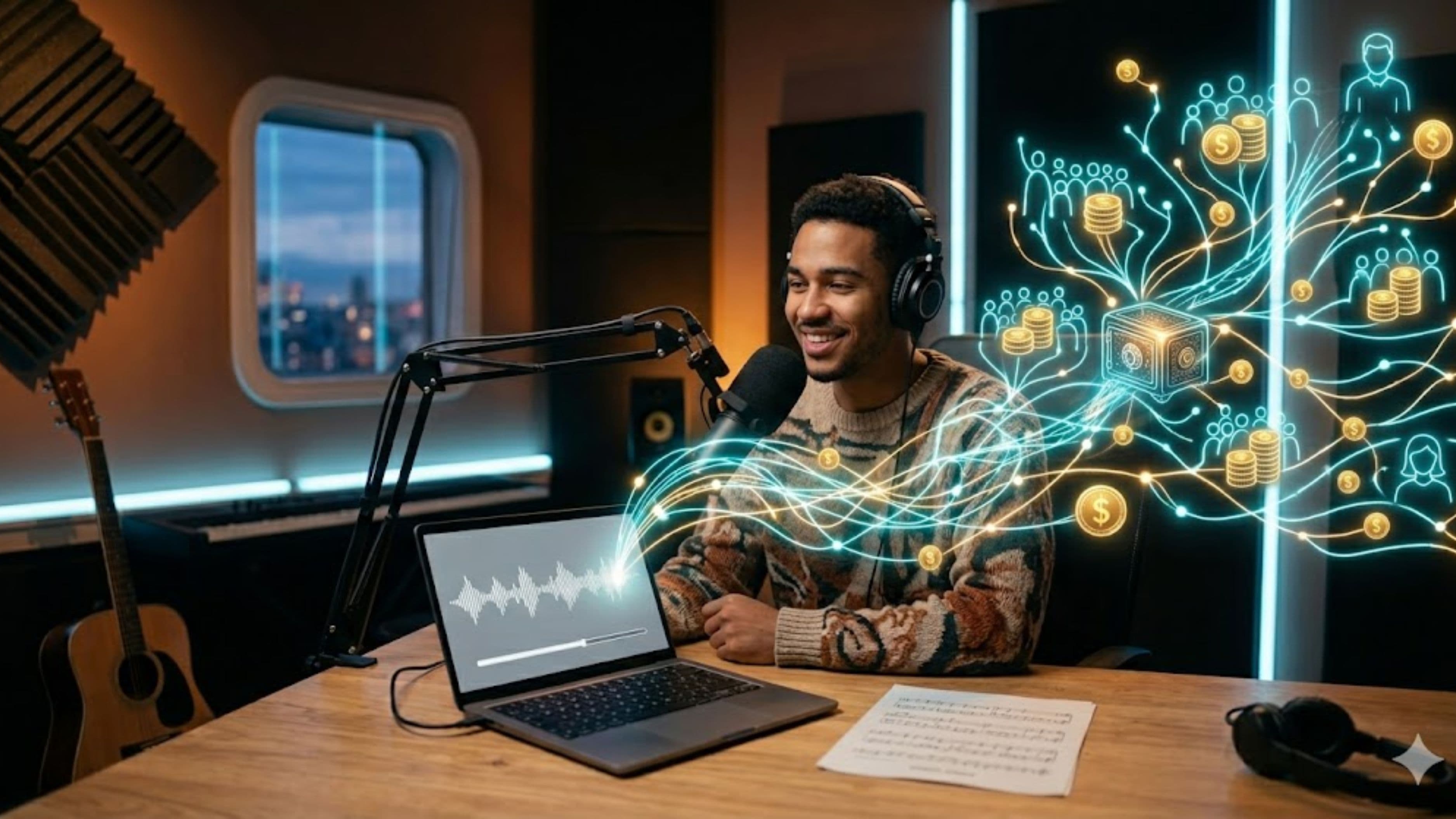
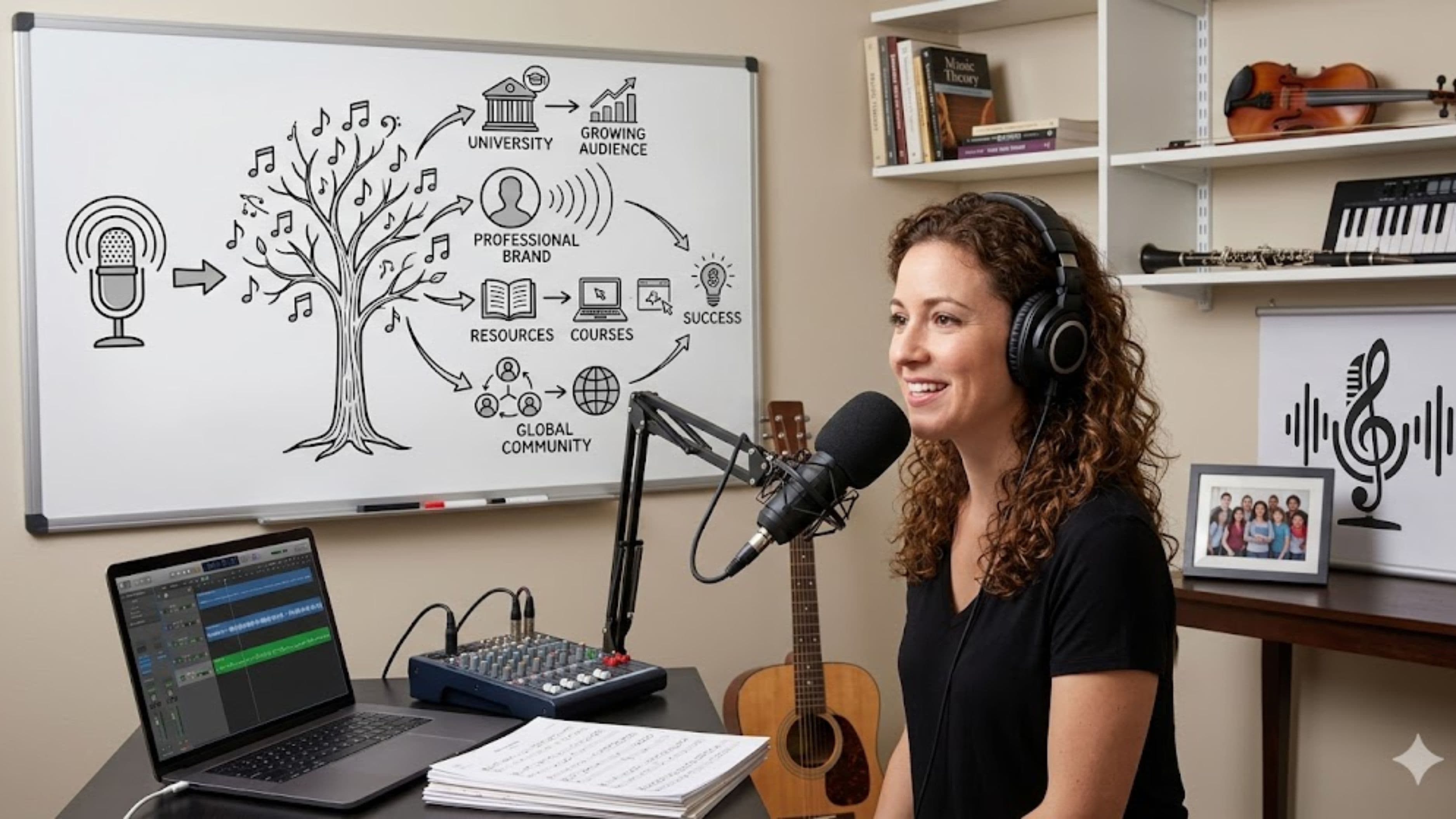
The brand a music educator builds through podcasting typically opens revenue streams that don't exist in a purely local, lesson-based practice.
The most direct is course sales. An educator with an established podcast audience already has a list of engaged listeners who trust their methodology and want to learn from them. Launching a structured online course to that audience – whether on technique, theory, music business, or any other topic the educator is qualified to teach – converts at meaningfully higher rates than cold marketing to strangers. The podcast does the trust-building work that makes the course sale possible.
Workshops, masterclasses, and retreat events are another natural extension. An educator whose podcast attracts a global audience can host online workshops that generate revenue independent of their physical location. The podcast becomes marketing for those events; the events deepen the relationship the podcast started.
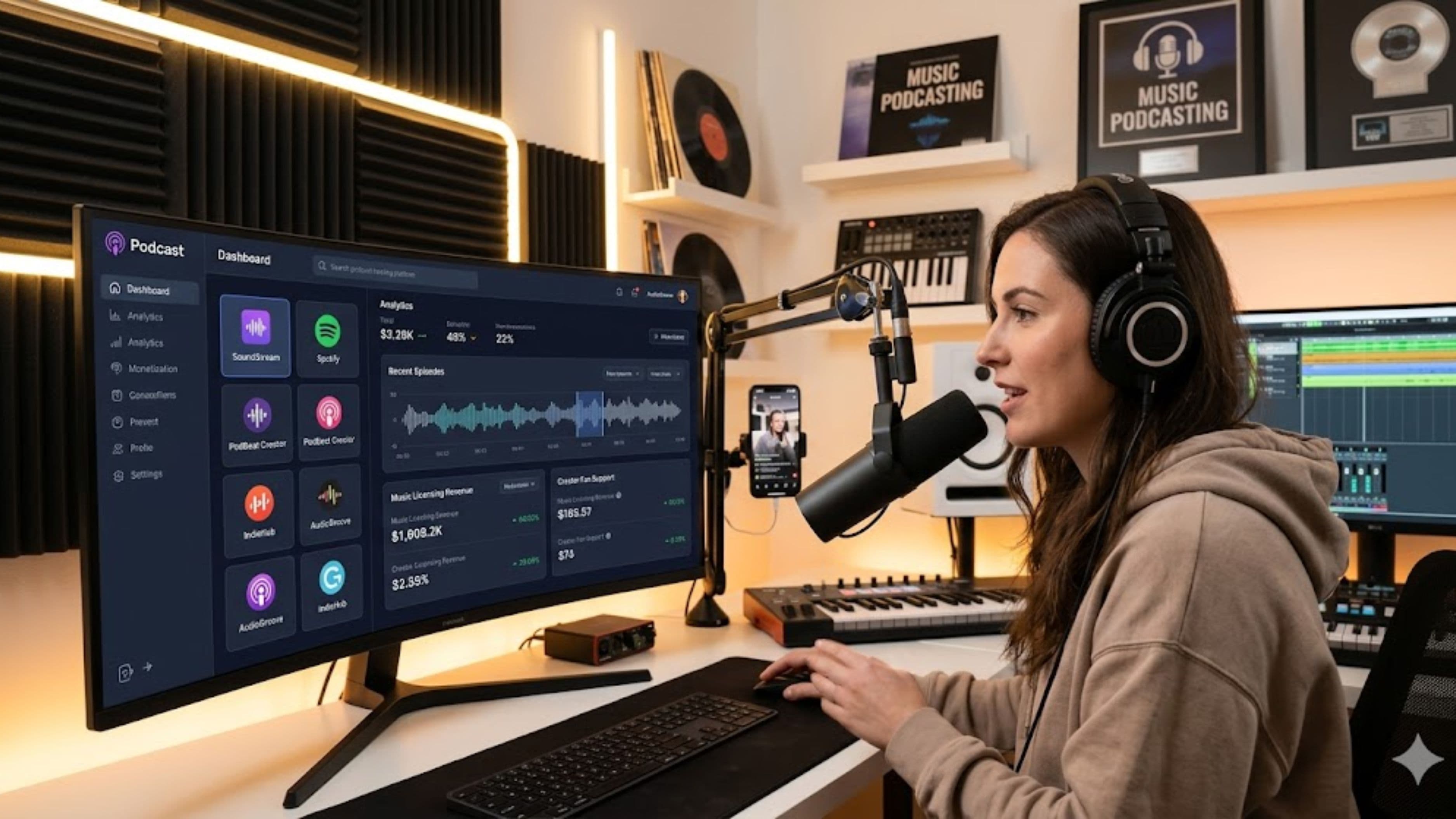
Some music educators with larger audiences monetize the podcast itself – through sponsorships from instrument brands, music technology companies, or music education platforms, or through listener support via Patreon or similar models. These income streams are typically secondary to the brand and product revenue the podcast enables, but they're real and they compound as the audience grows.
The Practical Reality for Getting Started
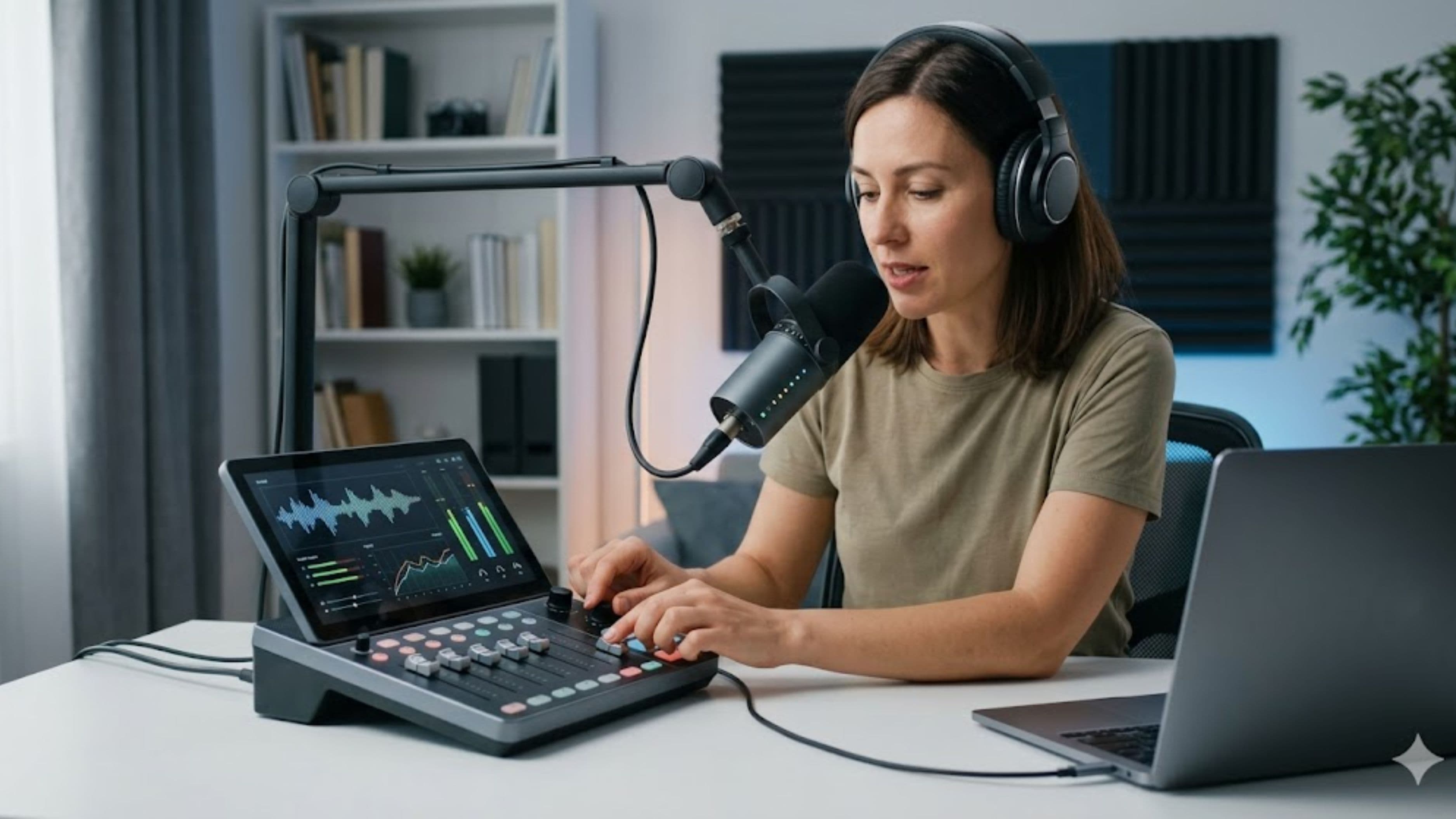
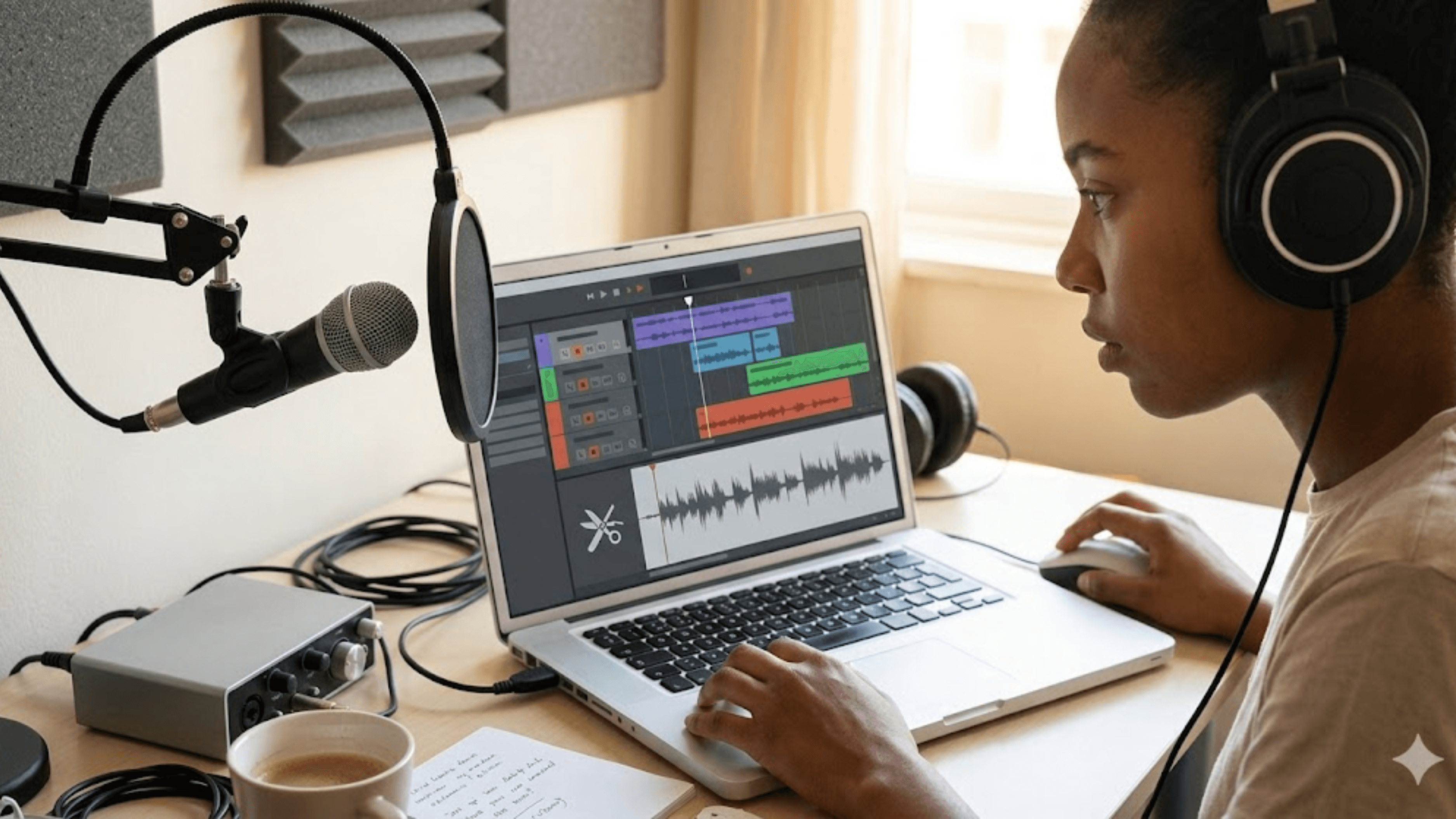
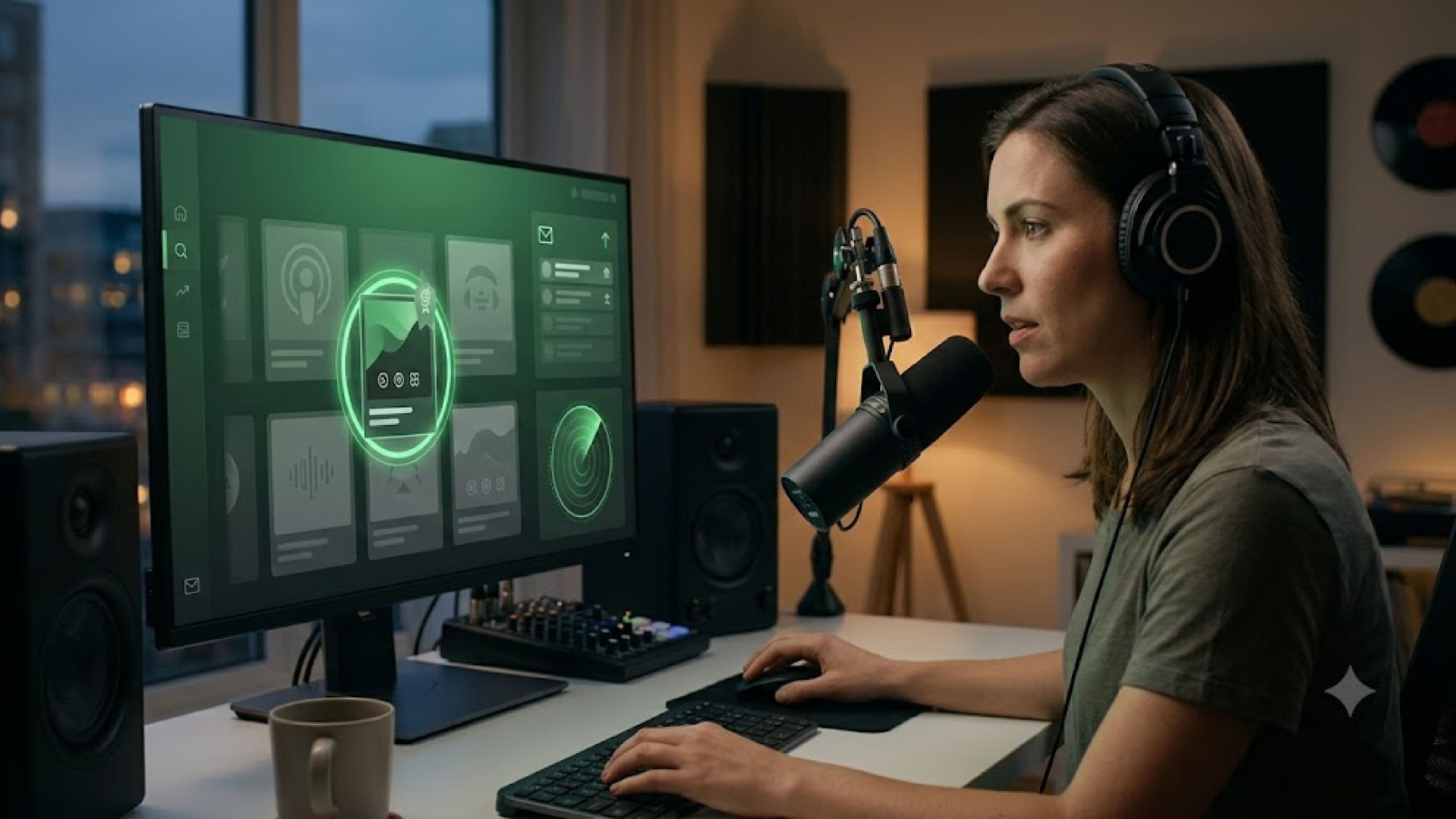
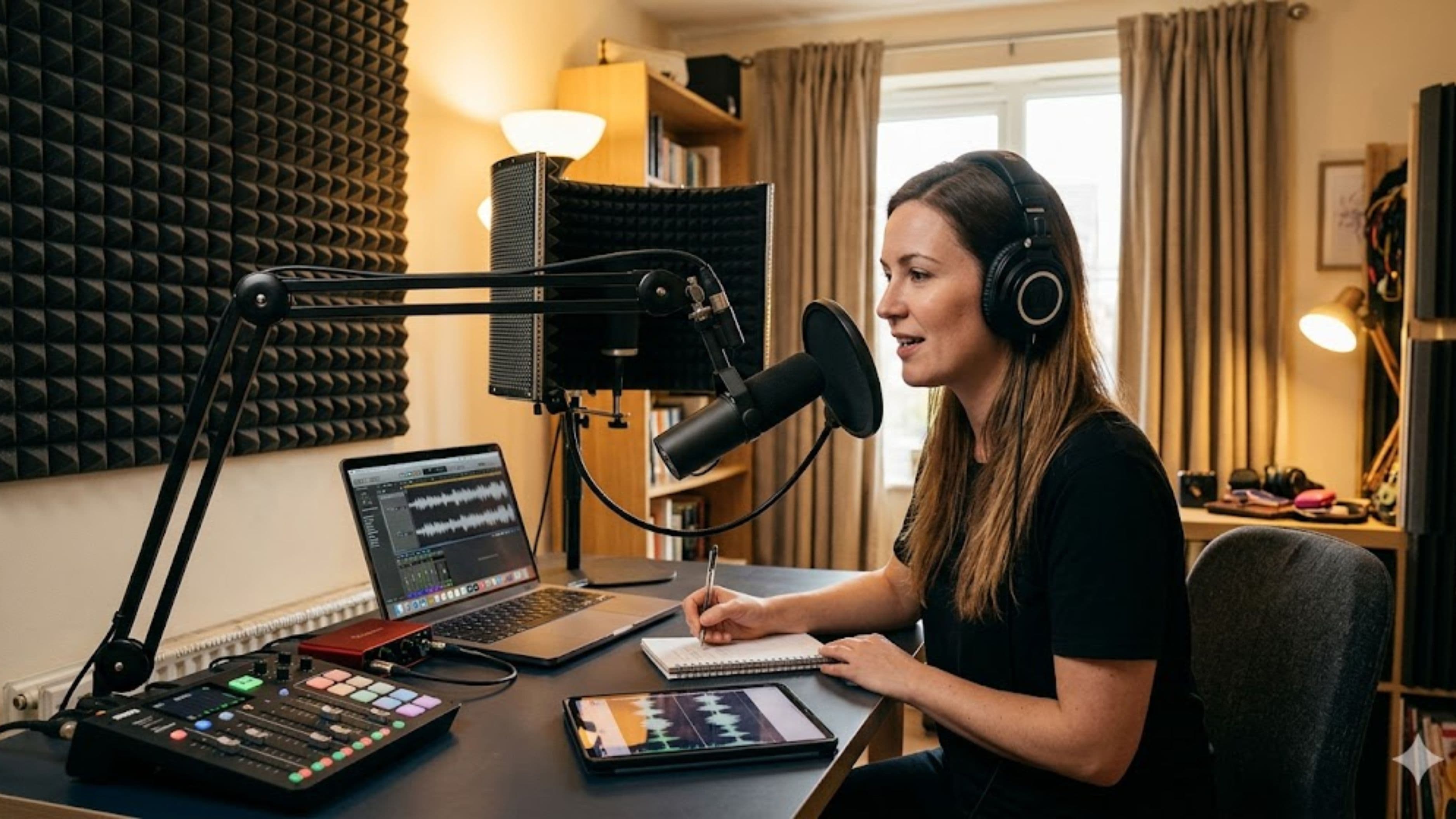
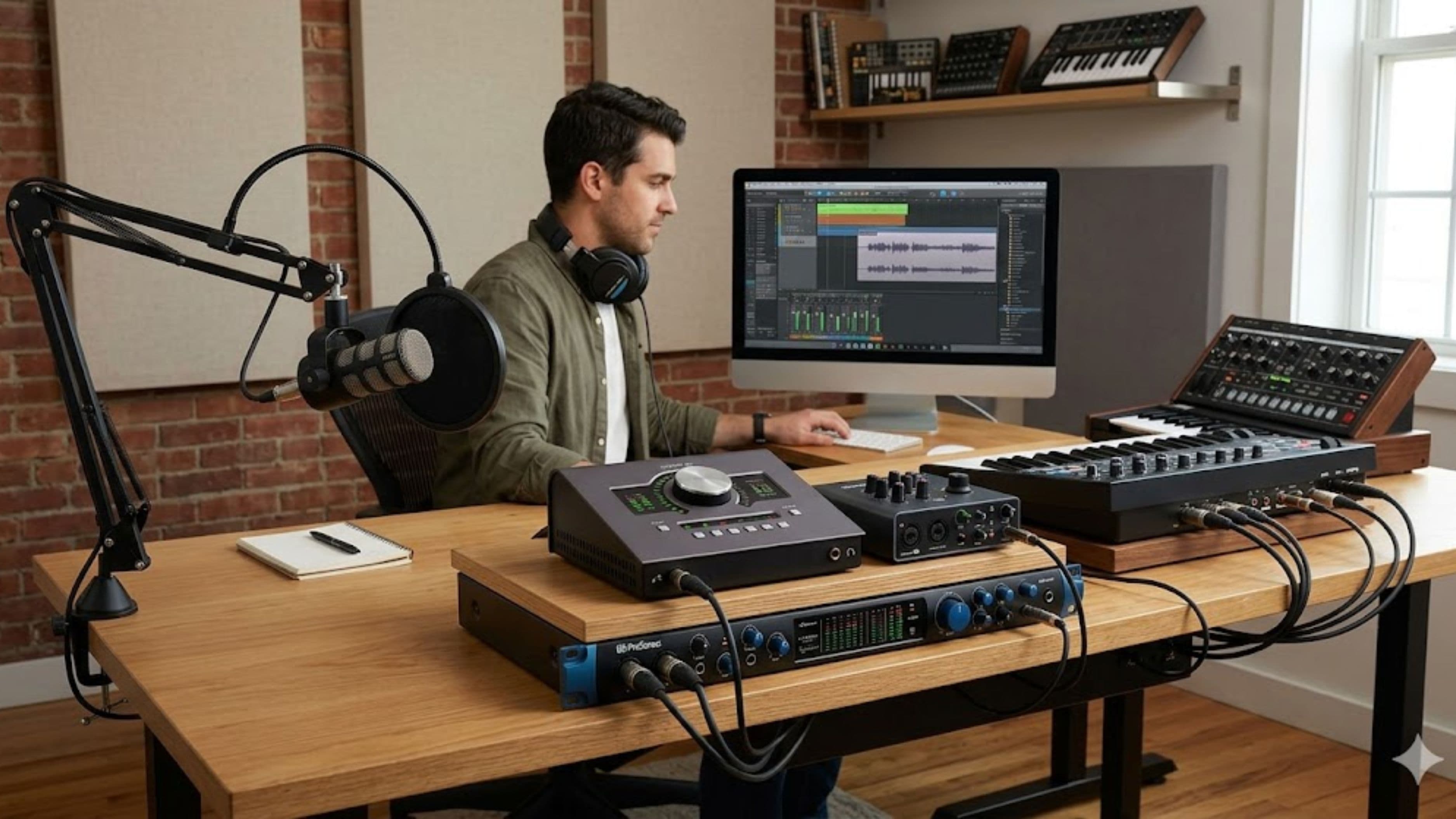
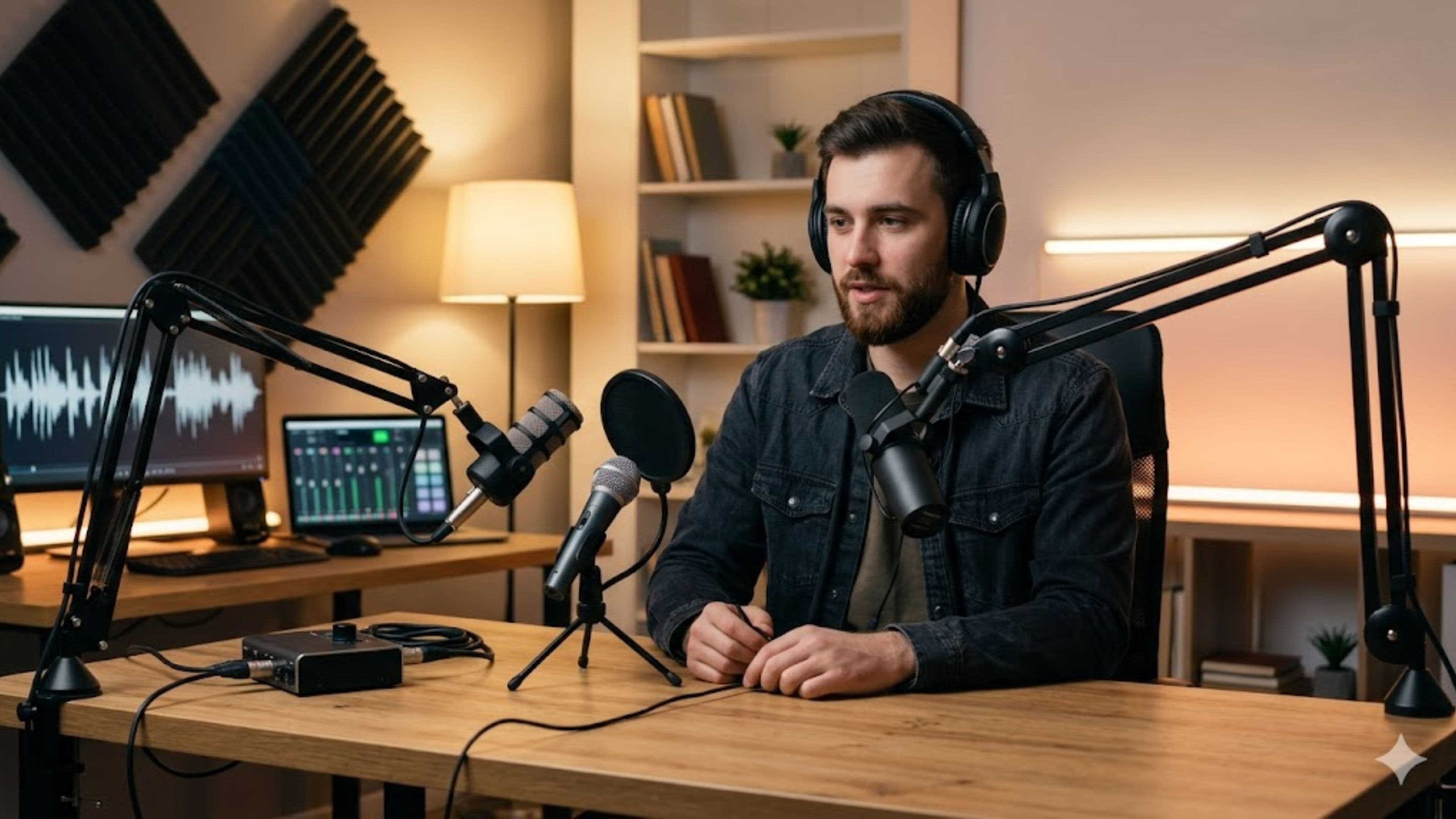
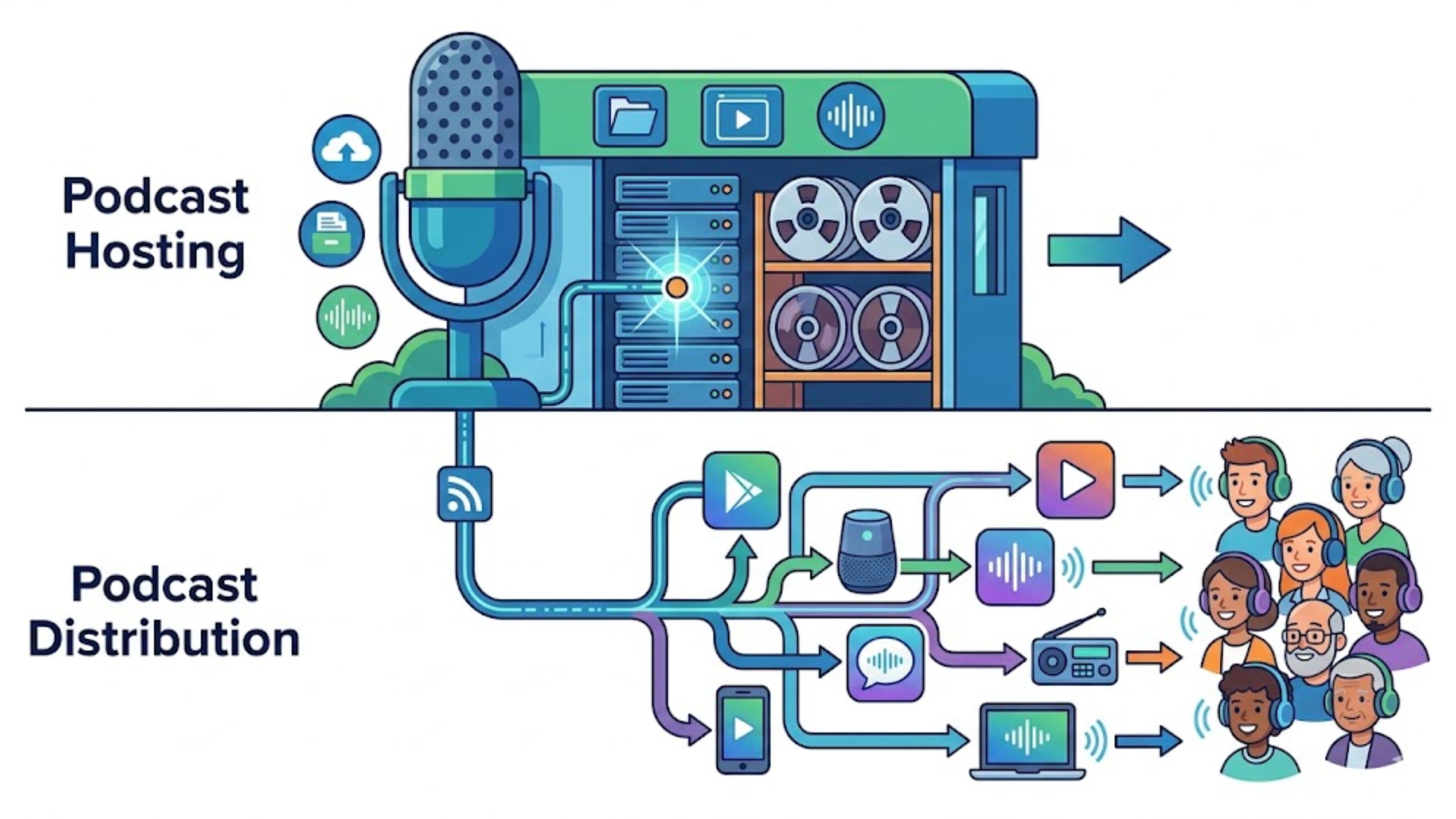
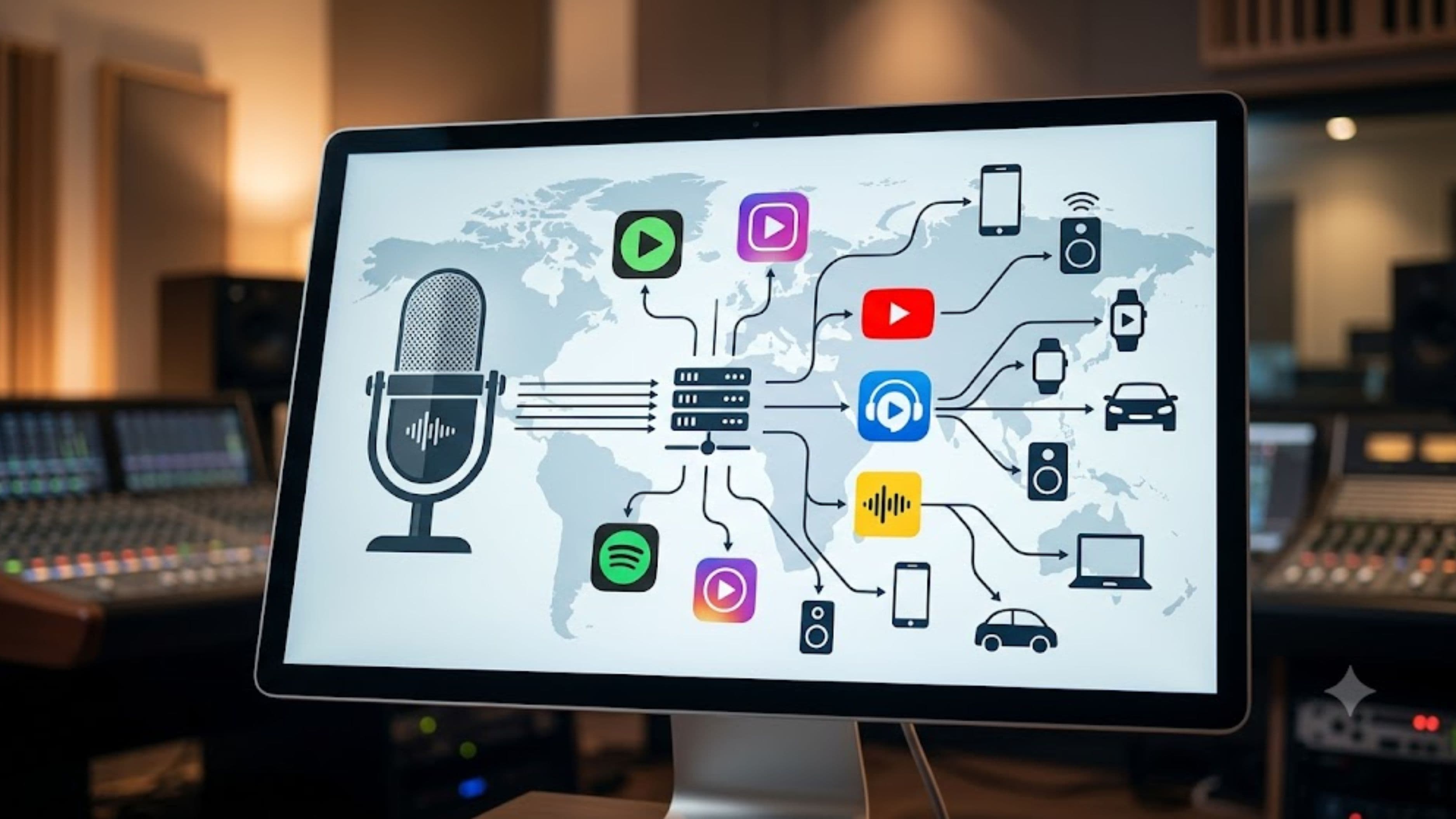
The barrier to entry for podcasting is lower than most music educators assume. A USB condenser microphone in the $80–$150 range – an Audio-Technica ATR2100x, a Blue Yeti, or a Focusrite Scarlett Solo with a dynamic mic – produces audio quality that is more than adequate for podcast distribution. Recording software like GarageBand (free on Mac) or Audacity (free, cross-platform) handles the production side. Hosting platforms like Buzzsprout, Anchor/Spotify for Podcasters (now free), or Podbean distribute to Apple Podcasts, Spotify, and other directories automatically.
The investment is time, not money. A 20–30 minute episode well edited takes two to four hours for most new podcasters to produce. That time cost drops significantly as the workflow becomes routine – most experienced podcasters report spending 90 minutes to two hours per episode once they've found their format and process.
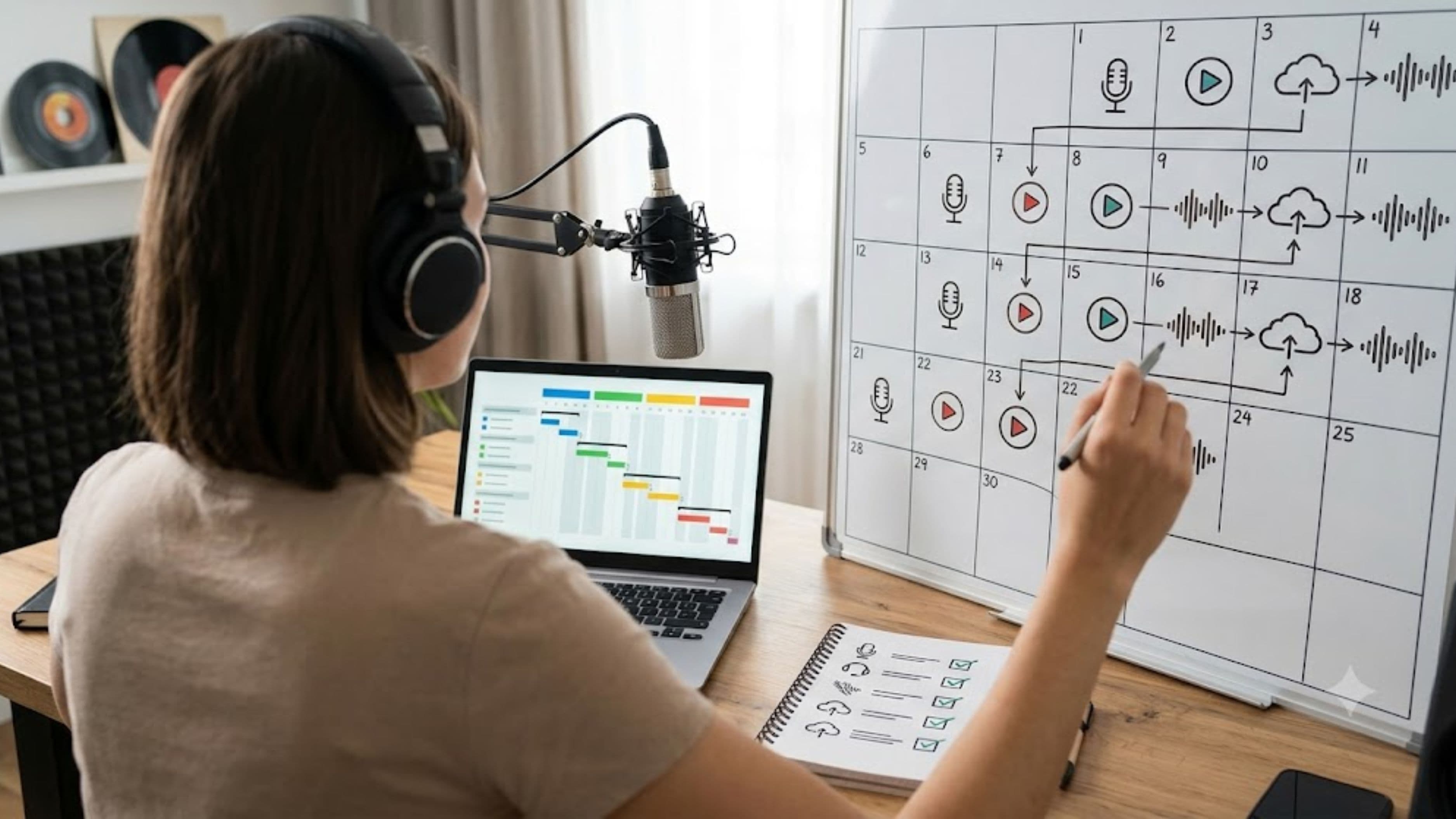
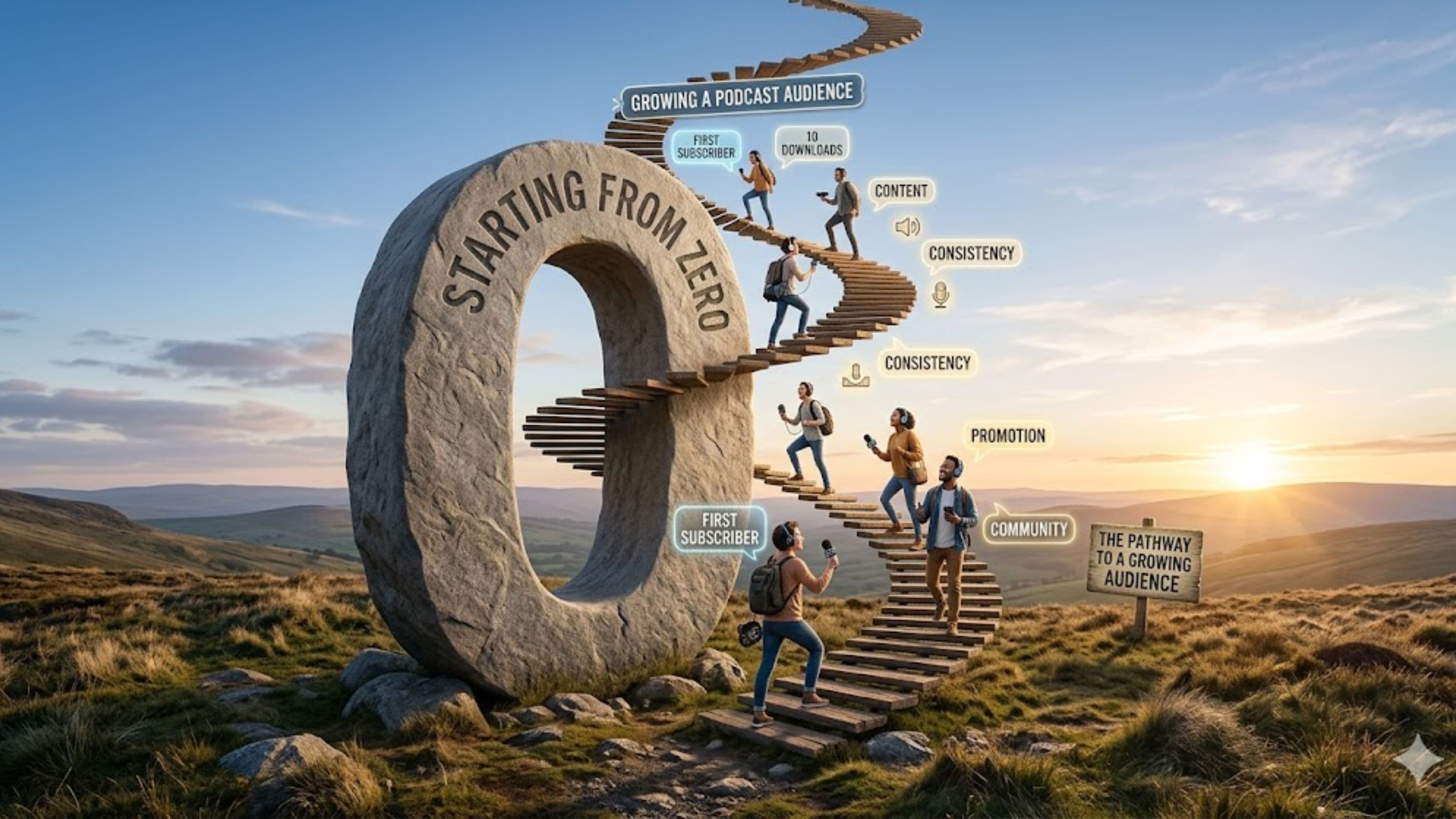
The common trap to avoid is over-producing in the early episodes at the expense of publishing consistently. A podcast that releases one episode a month and is still going two years later outperforms a perfectly produced podcast that published five episodes and stopped. Consistency is the mechanism through which a podcast compounds in value. The first ten episodes will likely have very few listeners. The first 50 will have a real audience. The first 100 will have transformed what the educator can do commercially.
What to Watch Out For
A few patterns are worth knowing before committing to a podcast as a brand-building channel.
Topic focus matters more than production quality. A podcast trying to appeal to "all music lovers" is competing with thousands of general music shows. A podcast specifically for high school musicians preparing for college auditions, or for adult hobbyist guitarists, or for piano teachers working with young children, is operating in a much less crowded space with a listener who has a much clearer reason to subscribe. Specificity builds the audience that matters faster than generality.
Discoverability requires more than publishing. Appearing on other podcasts as a guest, being active in communities where your target listeners spend time, and making your older episodes searchable through good episode titles and descriptions are the primary organic growth levers. Publishing alone is not a growth strategy.
The relationship between podcast and products needs to be designed, not assumed. A podcast can build a large audience of listeners who never convert to paying customers if there's no clear next step. Episode endings that point listeners toward a free resource, a course waitlist, or a community create a pathway that doesn't happen automatically.
FAQ
Do you need a large following before starting a podcast? No. Most successful podcasters had no existing audience when they started. The podcast builds the audience over time through search discovery, guest appearances, and word of mouth. Starting with a small or zero audience is normal and not a reason to delay.
How long should podcast episodes be for music educators? There's no universal rule, but 20–40 minutes works well for most teaching-oriented shows. Short enough to be consumed during a commute or practice break; long enough to develop ideas properly. Interview episodes often run 45–60 minutes. The right length is whatever fits your format without padding or rushing.
Can a music educator build a podcast in a language other than English? Yes, and non-English music education podcasts are significantly less crowded than English-language ones. A music educator with a strong domestic audience in a country where English isn't the primary language often has a more accessible path to podcast authority than they would in the English-language space.
What's the best podcast host for a music educator just starting out? Spotify for Podcasters (formerly Anchor) is free and distributes to all major platforms, making it the lowest-barrier entry point. Buzzsprout and Podbean offer more analytics and features at low monthly cost ($9–$12/month) and are popular with educators who want cleaner audience data. For most creators just starting, free hosting is sufficient until there's a reason to upgrade.
How do you grow a podcast audience as a music educator specifically? Guest appearances on other music podcasts, being active in Facebook groups and subreddits where your target listeners are, getting episodes featured in music education newsletters, and optimizing episode titles for what people actually search in podcast apps are the most reliable non-paid growth strategies. Cross-promotion with other music educators whose audiences overlap with yours is also effective and underused.
📚 Sources
Spotify – Podcast Trends and Creator Insights: https://podcasters.spotify.com/resources
Edison Research – The Infinite Dial 2023: https://www.edisonresearch.com/the-infinite-dial-2023/
Apple Podcasts – Getting Started for Podcasters: https://podcasters.apple.com/
Buzzsprout – How to Start a Podcast: https://www.buzzsprout.com/blog/how-to-start-a-podcast
Podtrac – Podcast Industry Rankers and Market Data: https://podtrac.com/industry-rankings/