Fan communities have always made things. What's changed is the scale, the sophistication, and the degree to which that creative output now has its own reach, its own audiences, and in some cases its own commercial weight. Fan communities built around artists like Taylor Swift, BTS, Beyoncé, and a growing number of independent acts aren't just promoting music – they're building media operations, coordinating cultural moments, and producing content that shapes how the artist and their work are perceived far beyond the original fanbase.
For artists and independent creators trying to understand the modern music ecosystem, this shift is worth taking seriously.
What Fan Communities Are Actually Building
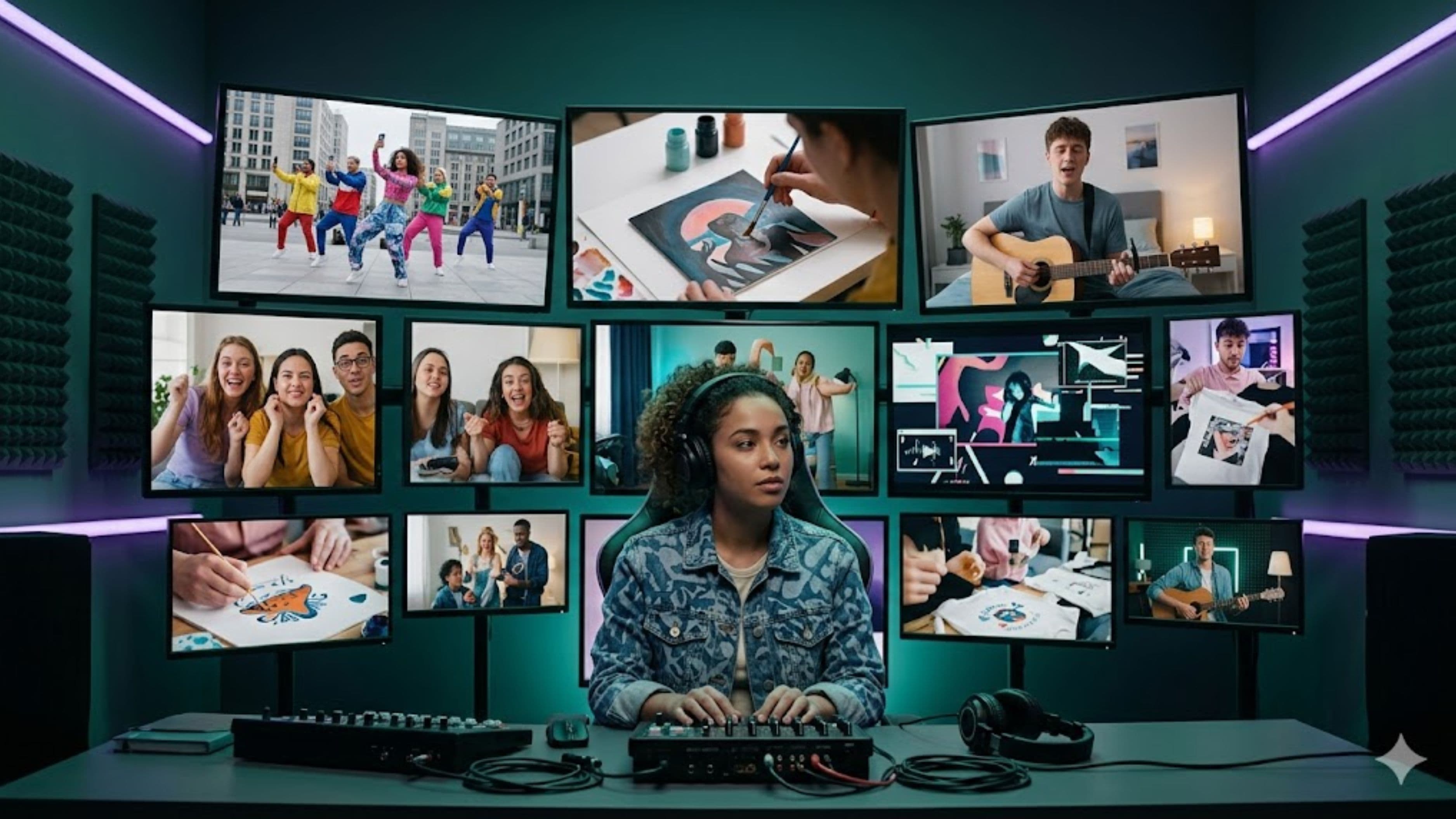
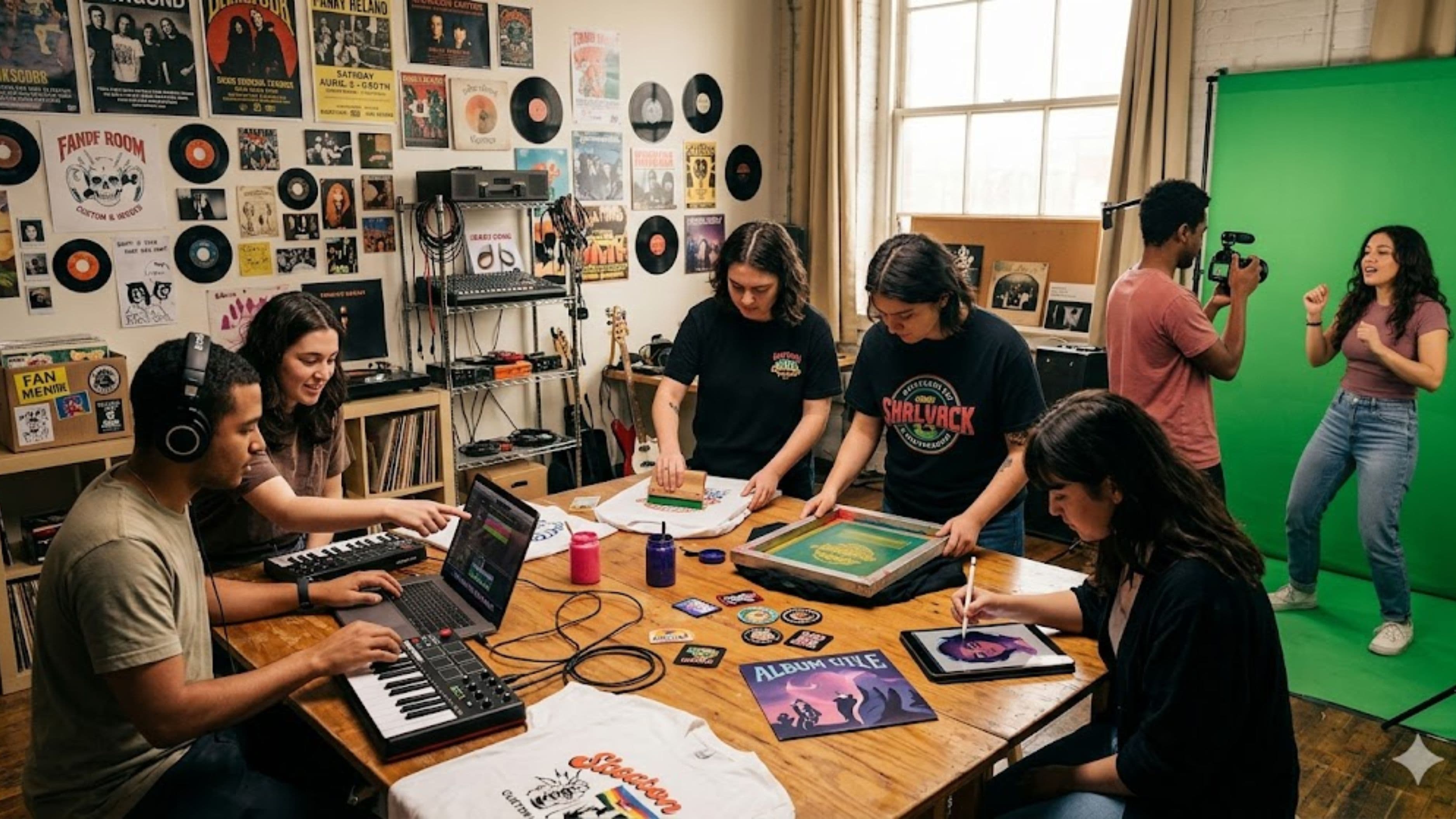
The range of creative output coming from fan communities today is genuinely broad, and much of it goes well beyond the "fan art and fanfiction" template that defined pre-social-media fandom.
Fan-run media outlets are one of the more striking developments. Dedicated fan sites for major artists now function as legitimate news sources within their niches – breaking news on tour announcements, publishing in-depth analysis of discographies, running interviews with other fans and industry figures, and reaching audiences that sometimes rival those of mainstream entertainment publications for coverage of specific artists. These outlets operate with editorial standards, regular schedules, and in some cases volunteer or paid contributor networks.
Podcast ecosystems have emerged organically around artists and genres, producing content ranging from album-by-album retrospectives to weekly news updates to deep analytical discussions about lyrics, production choices, and cultural context. These podcasts attract listeners who are already passionate fans, but they also serve as discovery channels for people who encounter them through search or recommendation before they've heard the artist they're now learning about.
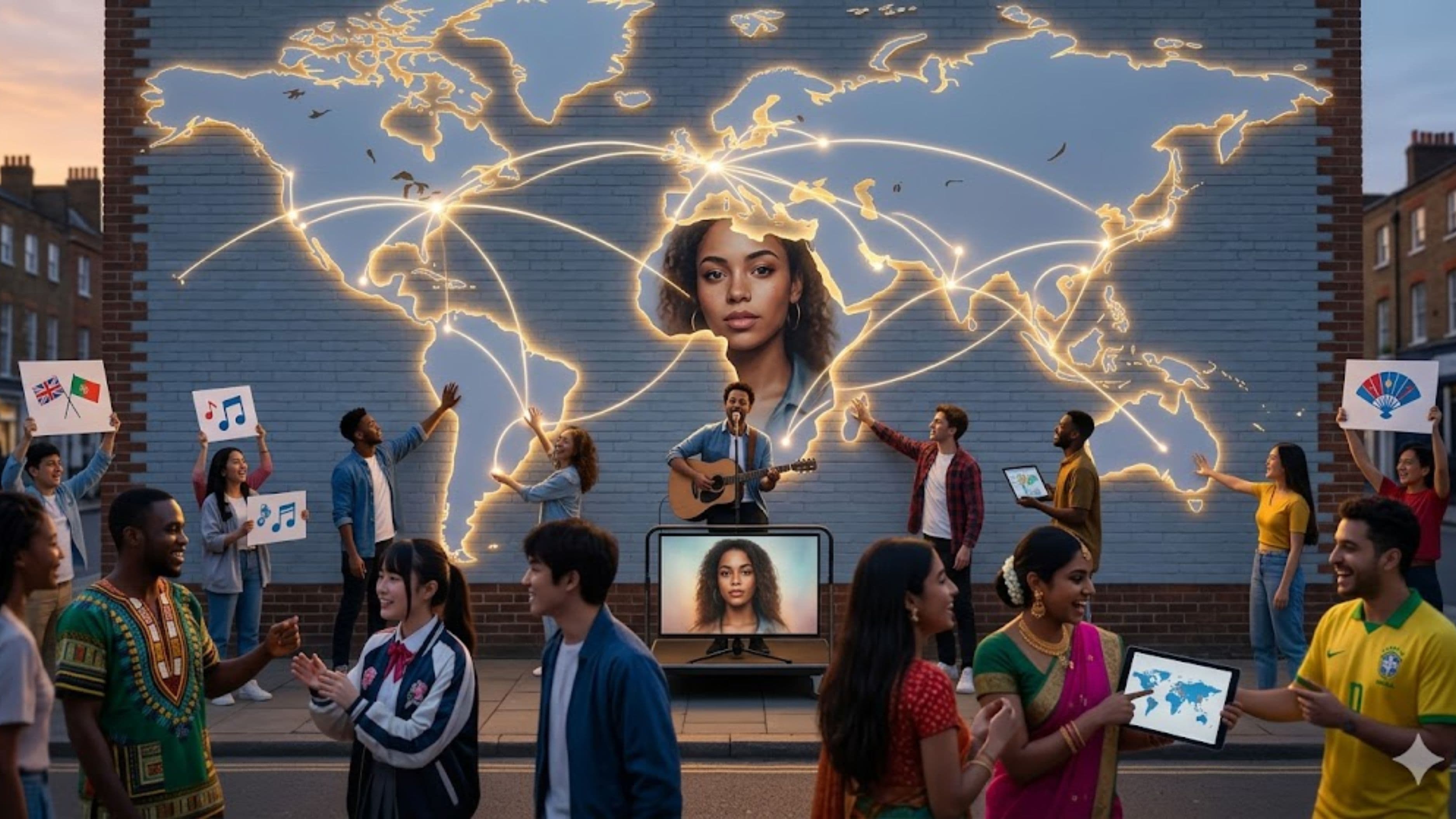
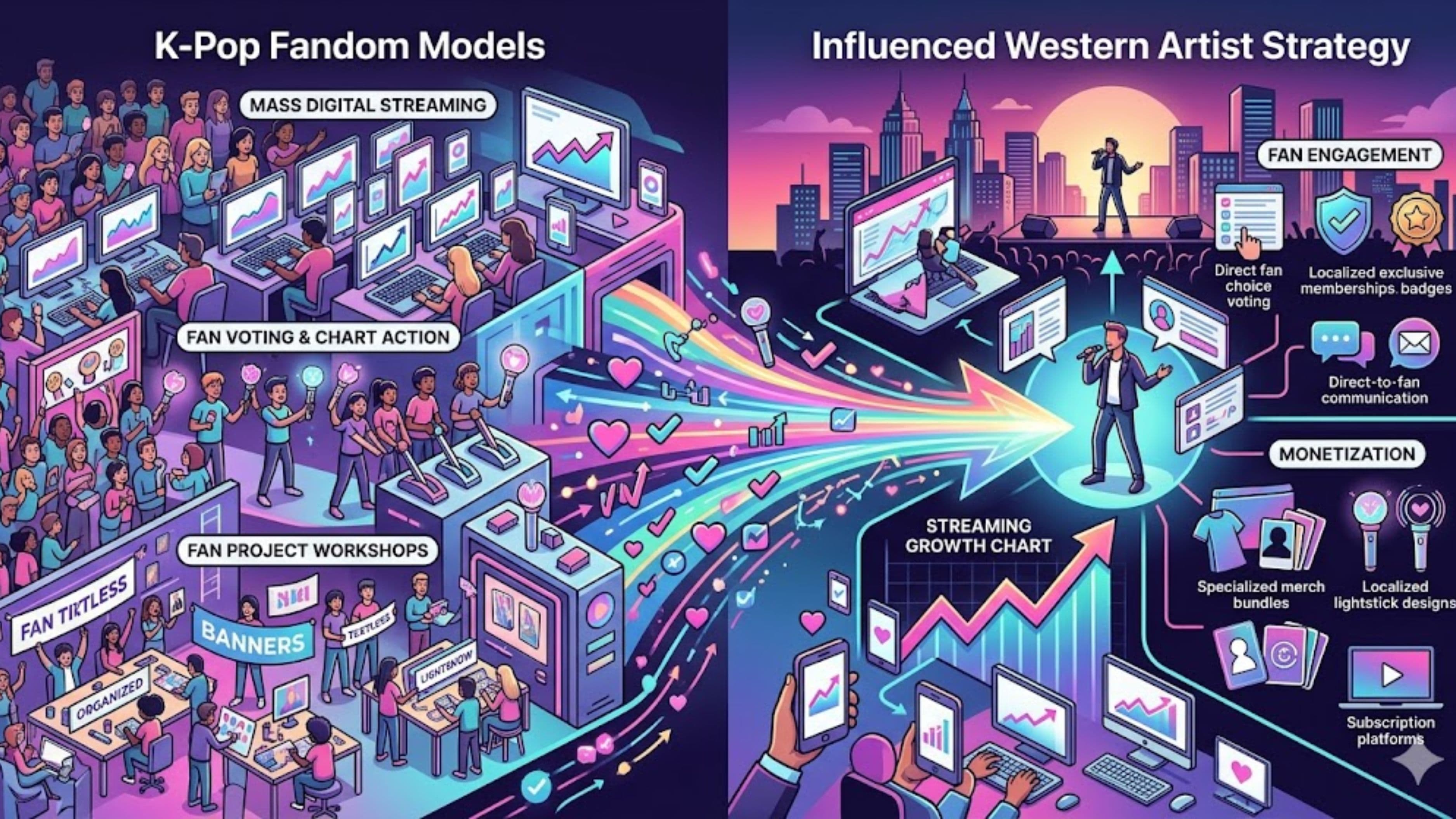
Translation and accessibility networks are less visible but functionally important, particularly for artists with international fanbases. Volunteer translator communities – most notably around Korean pop acts – run coordinated operations to subtitle interview content, translate social posts, and create multilingual resources that make an artist's content accessible to fans in dozens of languages. The scale of these operations is genuinely impressive; major fan translator groups operate with division-of-labor structures, style guides, and review processes that mirror professional localization workflows.
Video essay culture has produced a category of fan-driven analytical content that treats music with the same intellectual seriousness as film criticism or literary analysis. Fan-produced video essays on YouTube regularly attract hundreds of thousands of views, and the most skilled creators in this space have built their own independent audiences that cross multiple fandoms. These essays don't just celebrate the artists they cover – they contribute to the cultural framing of the work in ways that influence how new listeners encounter and understand it.
Why This Is Different from Traditional Fan Activity
The difference between fan communities as audiences and fan communities as creators isn't just a matter of output volume. It's structural.
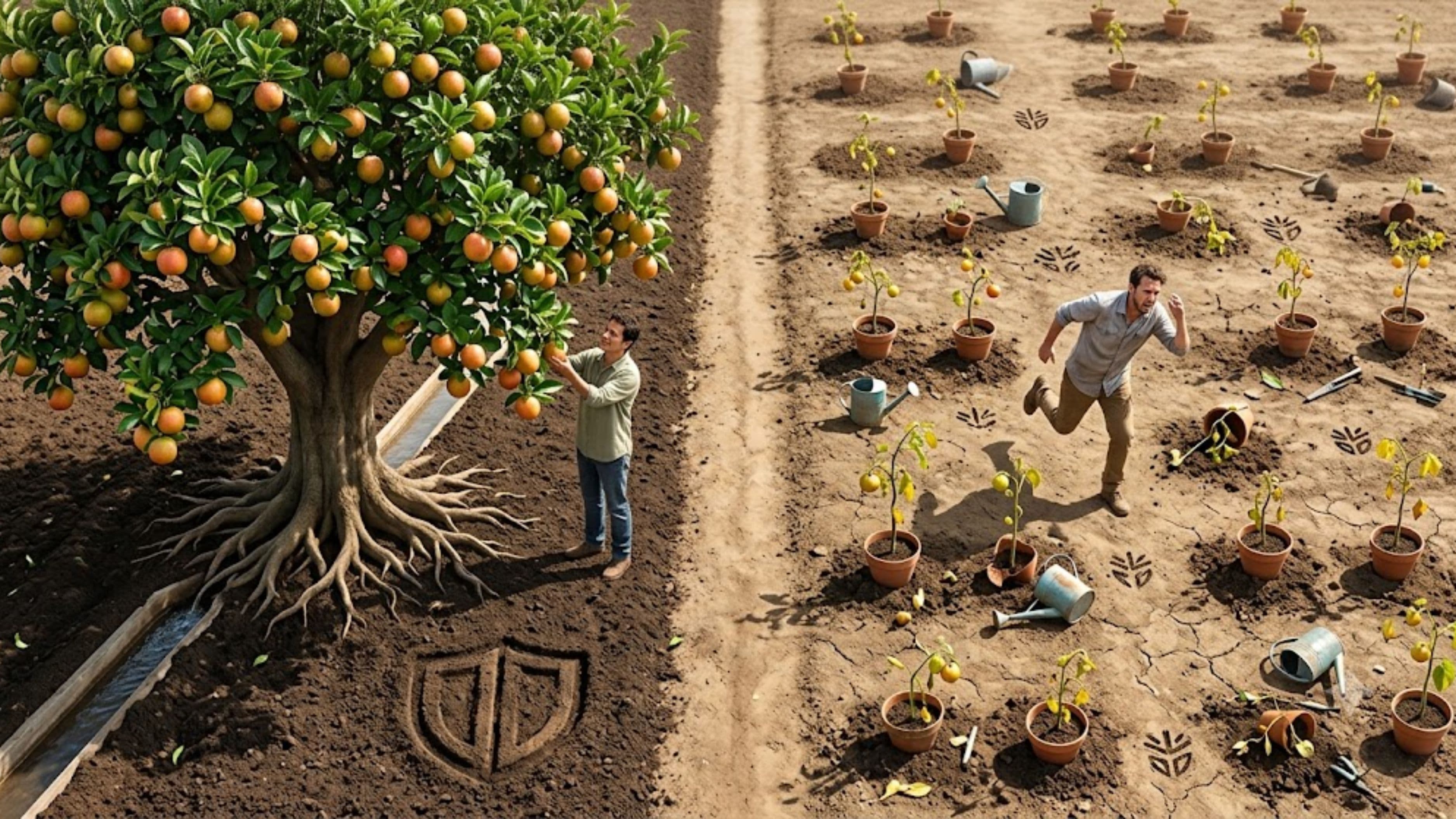
Traditional fan activity was largely reactive and private – you bought the album, you wore the t-shirt, you went to the concert, you talked about it with friends. The cultural production happened upstream in the industry, and fans consumed and interpreted it downstream. The flow of cultural influence was mostly one-directional.
What's happening now involves genuine upstream influence. Fan communities shape narratives before mainstream press does. They amplify some aspects of an artist's work and de-emphasize others through the cumulative weight of what they choose to create content about. They create entry points for new fans through essays, podcasts, and social content that didn't exist in the promotional infrastructure around the original release. And they sustain cultural relevance for albums and artists during the long periods between releases when official promotional activity is minimal.
The platform infrastructure has enabled this in practical terms. YouTube monetization means a fan essayist with a genuine point of view can build a viable content business around their passion. Podcast hosting is free or near-free. Substack and similar newsletter platforms let fan writers build subscriber bases independently of any larger media structure. The tools that were once exclusive to professional media organizations are now available to anyone with a compelling perspective and the consistency to build an audience.
The Impact on Artists: What's Actually Different
For artists, fan communities-as-creators create both opportunities and dynamics that require thoughtful navigation.
The most significant opportunity is sustained cultural presence. An artist with an active, creative fanbase generates cultural conversation and content continuously, not just at release time. That ongoing presence keeps the artist's name circulating in discovery contexts – search results, social algorithms, podcast listeners – in ways that official promotional activity can't sustain indefinitely on its own. For independent artists without label promotional budgets, an engaged creative community can punch well above what their budget would otherwise allow.
Fan communities also function as interpretive amplifiers. When a fan essayist produces a thoughtful analysis of an album's themes, or a fan podcast digs into the production choices on a track, they're providing the kind of contextual framing that deepens listener engagement with the work. Listeners who find an artist through a 20-minute fan essay come in with more context and emotional investment than those who discover the artist through a 30-second algorithm recommendation. The depth of that initial engagement tends to produce more durable fandom.
The dynamic also has friction points. Fan communities that develop strong internal narratives about an artist's work can create interpretive momentum that's difficult for the artist themselves to redirect. When a community has spent months developing a detailed reading of what an album means, a subsequent release that contradicts those interpretations can produce friction rather than celebration. Artists who want creative freedom to evolve need to think about how they communicate with communities that have built elaborate cultural frameworks around their earlier work.
There's also the question of misinformation and parasocial intensity. Fan-run media operates without the editorial accountability structures of professional journalism. Information can spread through fan networks faster than corrections can follow, and the parasocial dynamics that make fan communities so engaged can also make them resistant to information that contradicts their preferred narratives about an artist's personal life or intentions.
The Creator Ecosystem Inside Fandom
One of the more interesting aspects of this trend is that fan communities are producing new creators in a meaningful sense – people who entered a creative discipline through fandom and developed genuine skills and audiences that extend beyond any single artist.
The YouTube fan essay format has produced creators whose audiences follow them across multiple artists and subjects, drawn to their analytical voice rather than their coverage of any specific act. Fan fiction and fan art communities have served as publishing and exhibition contexts where writers and visual artists have developed craft and built followings that have sometimes led to professional creative careers.
Fan podcast hosts have moved into entertainment journalism, artist management, and music industry roles on the strength of the work they did in fan media.
This pipeline from fan creator to professional creator is increasingly recognized within parts of the industry. Some labels and artist management teams actively monitor fan communities not just for promotional data but for talent – people who have demonstrated genuine understanding of an artist's work, audience intelligence, and content creation skills. Fan community leaders have been hired into community management, social media, and editorial roles on the basis of what they built in fan contexts.
For anyone in the early stages of building a music-related creative career, this is practically significant. The fan community context offers a low-stakes environment to develop skills, build an audience around genuine passion, and accumulate a body of work that demonstrates both creative output and industry knowledge.
What This Means for Independent Artists Building a Fanbase
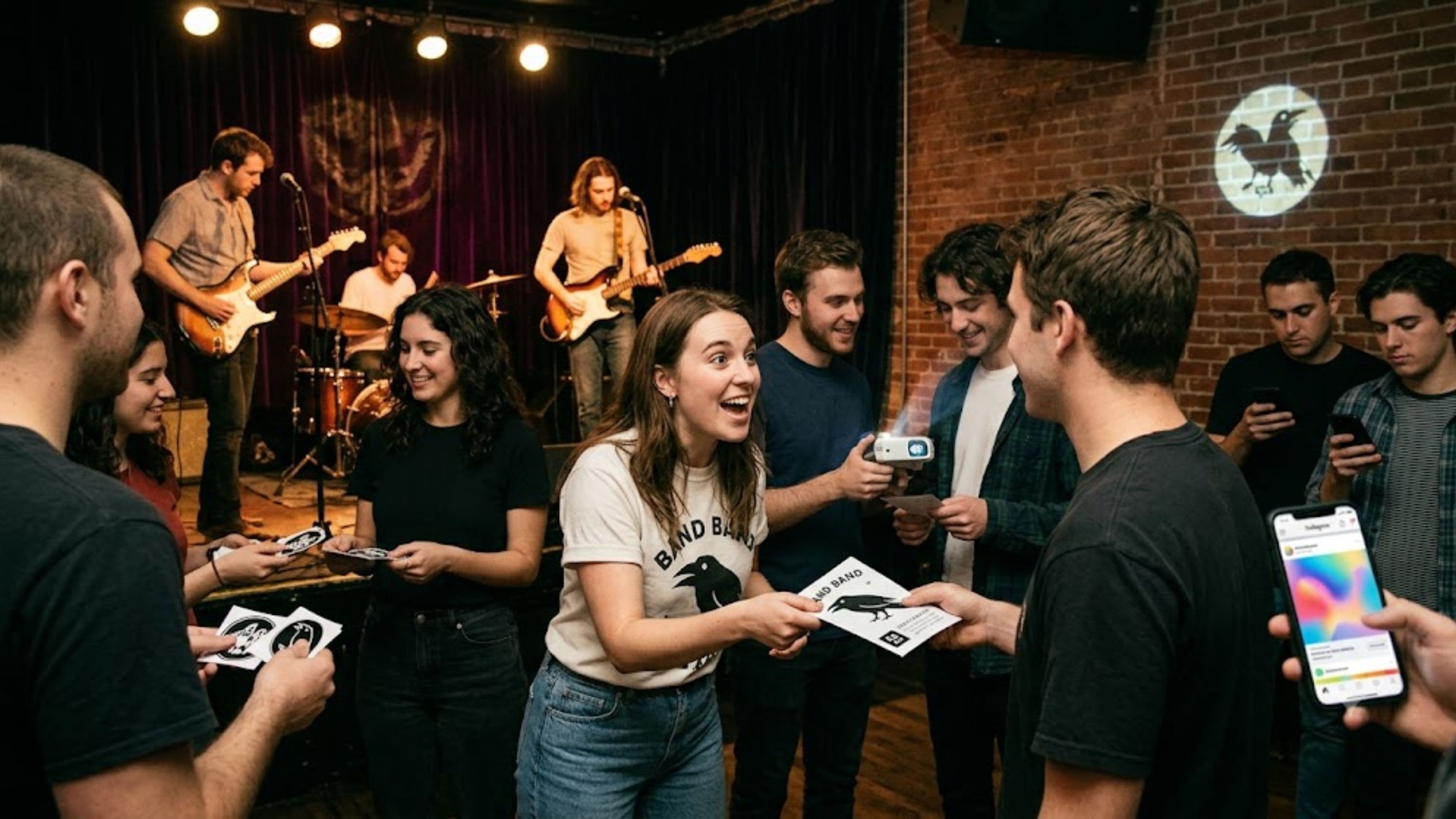
If you're an independent artist in the early stages of building an audience, the lesson from the fan-communities-as-creators trend is that the most valuable thing you can cultivate isn't a passive audience but a community with something to make.
That means providing the raw material that creative fans can work with – stems and instrumentals for producers, lore and conceptual depth for writers and essayists, visual consistency and iconography for designers and video creators, enough personal context and perspective that fans feel there's something worth analyzing and discussing. None of this requires an elaborate strategy; it mostly requires showing up as a genuine creative voice rather than as a promotional machine.
It also means being genuinely curious about what your community produces. Artists who engage with fan essays, share fan art, respond to podcast interviews with fan shows, and acknowledge the analytical work their community does create a reciprocal creative relationship that deepens fan investment in the artist's work. The community sense-making of a fan essay that gets retweeted by the artist it analyzes is qualitatively different from one that disappears into the void.
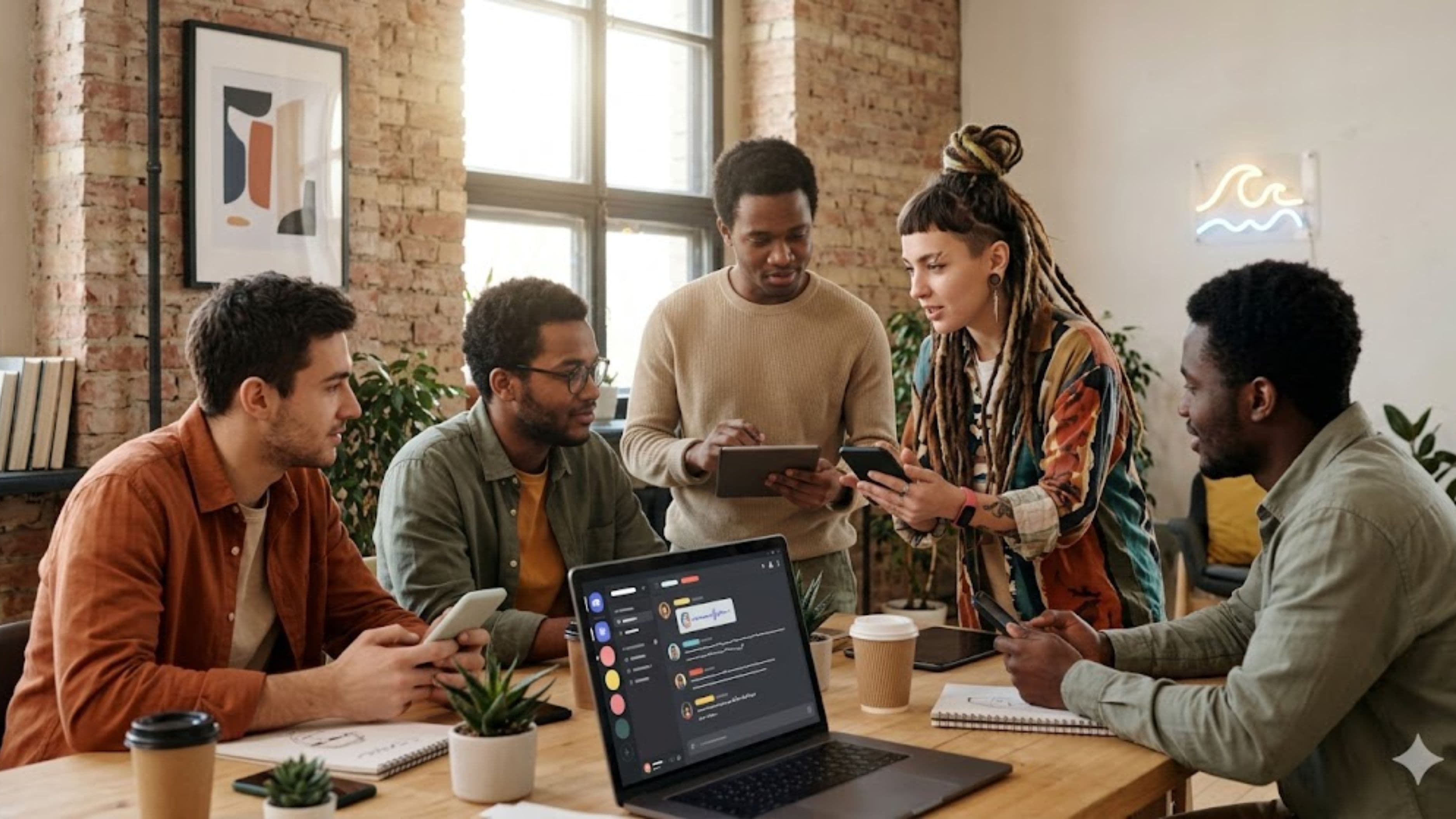
The practical infrastructure exists to support this kind of community building at the independent level. Discord servers, Patreon community tiers, Reddit communities, and platforms like Bandcamp's fan subscription features all provide contexts where fan creators can gather, share work, and build the kind of community infrastructure that sustains creative production over time.
What to Watch Out For
Fan communities as creative ecosystems come with genuine dynamics that aren't always comfortable for artists to navigate.
Community capture is a real phenomenon – when a fanbase develops such strong interpretive ownership of an artist's work that any deviation from their expectations produces significant backlash. Artists who build deep fan community engagement are sometimes constrained by it in ways they didn't anticipate when they were grateful for the enthusiasm.
Fan-run media can also become vectors for misinformation about an artist's personal life, relationships, or intentions. The same engaged attention that produces thoughtful album analyses can produce invasive speculation about things that are none of the public's business. There's no clean solution to this – it comes with the territory of significant fan engagement – but artists who are clear about what they will and won't discuss publicly tend to establish clearer norms around it than those whose boundaries are ambiguous.
Finally, not all fan community creative output reflects well on the artist. Associating with fan creative work means being associated with the full range of what that community produces, including content that might not align with how you want your work to be represented. Selective engagement rather than blanket amplification – responding to the fan work you genuinely connect with rather than all of it – is a sustainable approach that most experienced artists eventually settle on.
FAQ
How do I encourage fan creativity without it feeling forced or promotional? The most effective approach is authentic interest rather than strategy. Share fan work you genuinely find interesting, ask questions that invite response, and provide creative assets – stems, visuals, context – that make fan creation easier. Fans can tell the difference between an artist who's genuinely curious about their community's output and one running a fan engagement campaign.
Should I engage with fan podcast hosts and essayists? If their work resonates with you, yes. A thoughtful fan podcast or essay is a significant piece of cultural work around your music, and acknowledging it builds goodwill and encourages more. The caveat is engaging authentically rather than selectively validating only flattering content – fan communities notice the difference.
Can fan communities around small or emerging artists function the same way? Yes, though at smaller scale. The structural dynamics are the same – engaged fans build creative ecosystems around artists they care about regardless of the artist's size. Some of the most cohesive fan creative communities are around mid-level artists where the community is large enough to be generative but small enough that individual contributors feel genuinely seen by the artist.
How do I handle fan-run accounts that spread misinformation? The most effective responses are clear, direct public communication about anything factually important, and calibrated engagement rather than reactive correction. Attempting to shut down fan accounts or combat misinformation aggressively often amplifies it. Clear, consistent communication through your own channels tends to establish the factual baseline better than individual corrections.
Is fan community building worth investing time in as an independent artist? The time investment is real, and not every artist is well-suited to it temperamentally. But for independent artists without label promotional infrastructure, an engaged fan community that creates content is one of the most cost-effective promotional assets available. It compounds over time in ways that paid promotion doesn't.
Fan communities have always been essential to how music culture propagates and endures. What's new is that the tools for cultural production are now as available to fans as they are to professionals – and the results are reshaping how artists build careers, how listeners discover music, and how the industry understands where cultural momentum actually comes from. For independent artists paying attention, this isn't just an interesting trend. It's infrastructure worth building toward.
📚 Sources
IFPI – Engaging with Music 2023: fan behavior, community, and creation: https://www.ifpi.org/resources/engaging-with-music-2023
Spotify for Artists – Community and fan engagement insights: https://artists.spotify.com/blog/fan-engagement-data
Rolling Stone – How fan communities are reshaping music culture: https://www.rollingstone.com/music/music-features/fan-communities-music-culture
Music Business Worldwide – The rise of fan-led media in the music industry: https://www.musicbusinessworldwide.com/fan-media-music-industry
Bandcamp – How fan communities support independent artists: https://daily.bandcamp.com/features/fan-communities-independent-music
Wired – How K-pop fandom built a global content machine: https://www.wired.com/story/kpop-fandom-content-machine