Memes have gone from cultural noise to genuine distribution channel. They drive streams, resurrect catalogs, break new artists, and occasionally override everything a label's marketing team planned. The mechanism behind this shift isn't mysterious, but it's still underestimated by a lot of people working in music.
What Changed and When
Music has always had viral moments — songs that spread by word of mouth, radio hits that defined eras, TV placements that launched careers. What's different now is the combination of short-form video, audio-native social platforms, and the speed at which a cultural reference can reach critical mass.
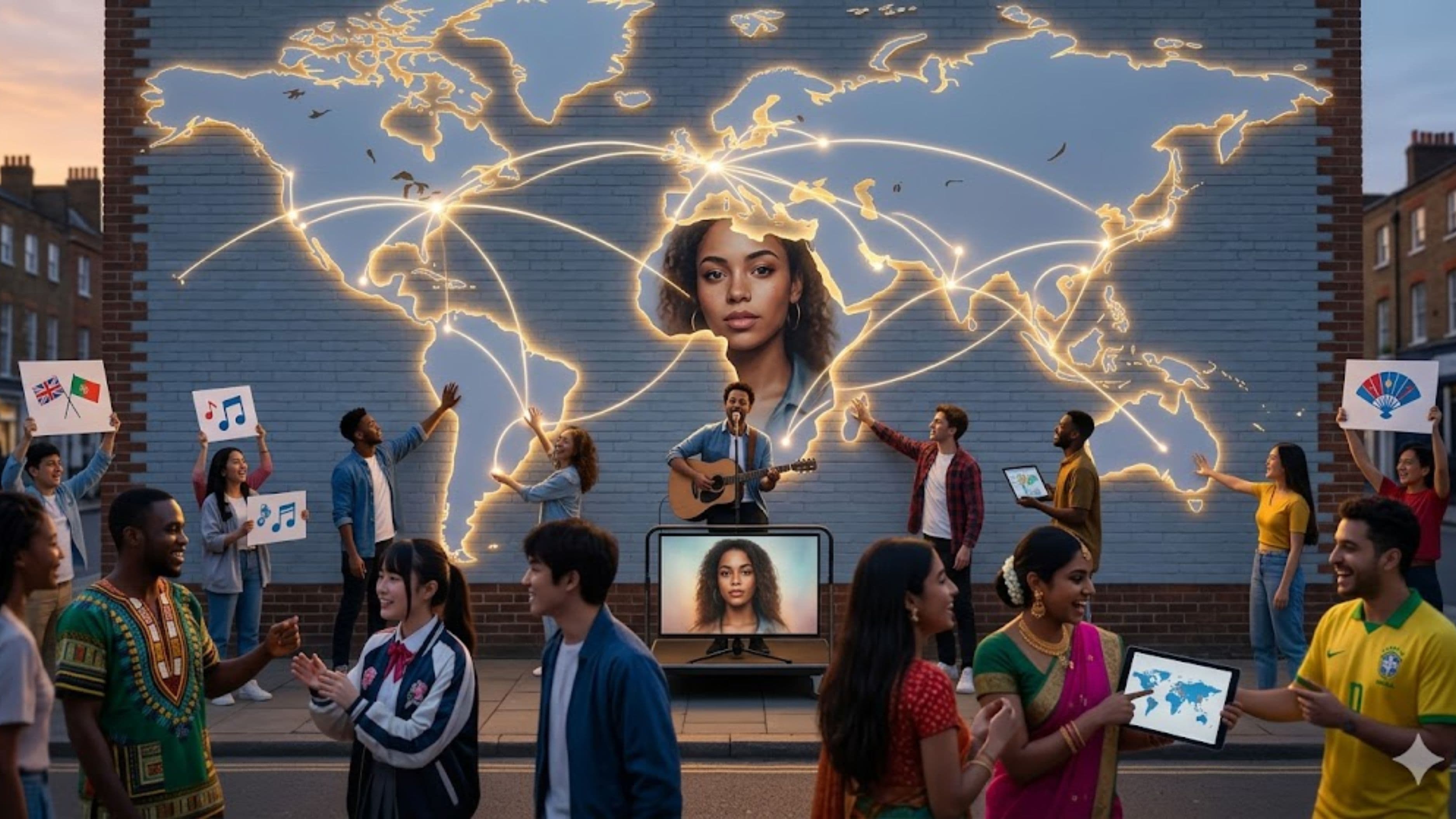
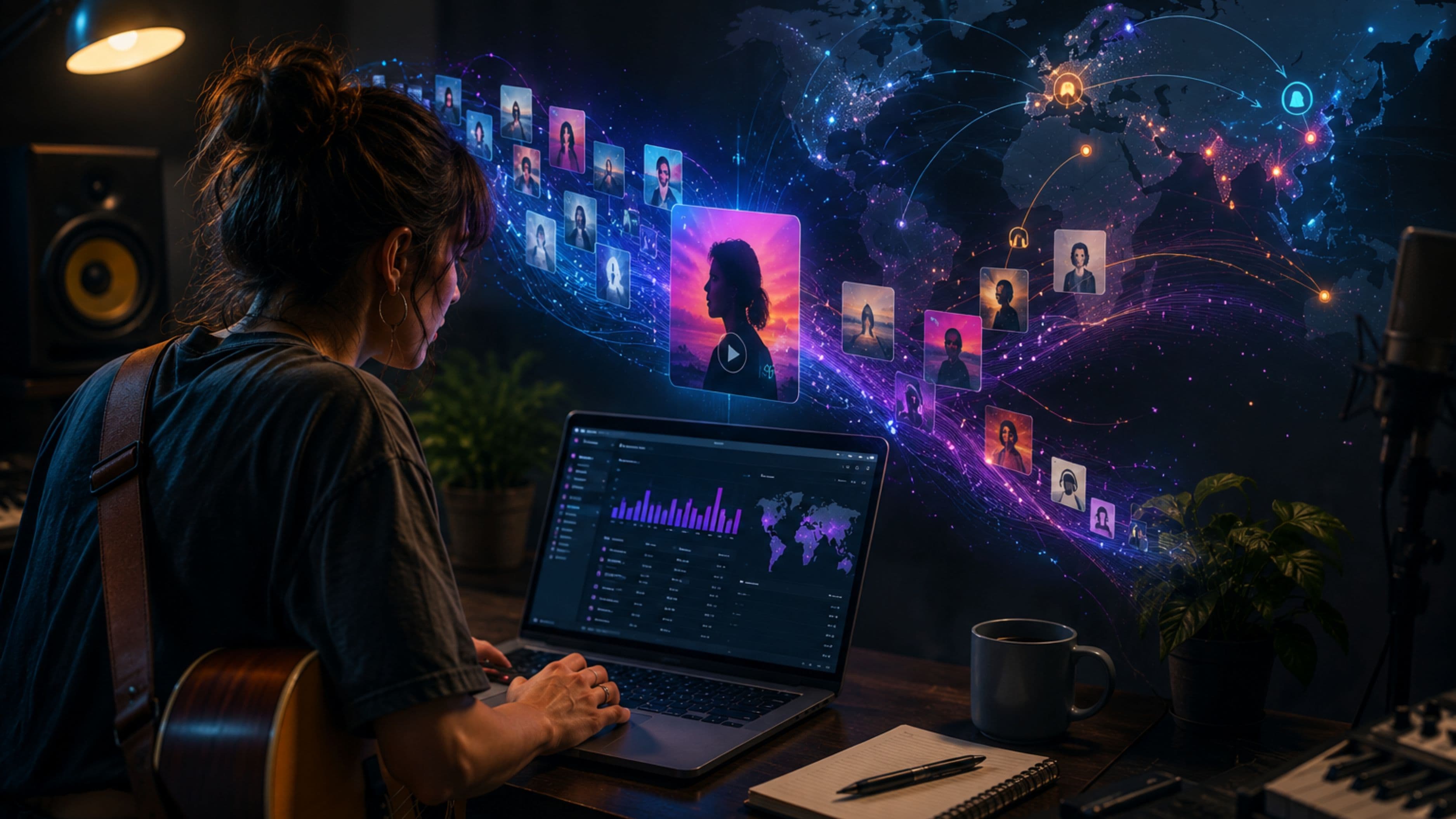
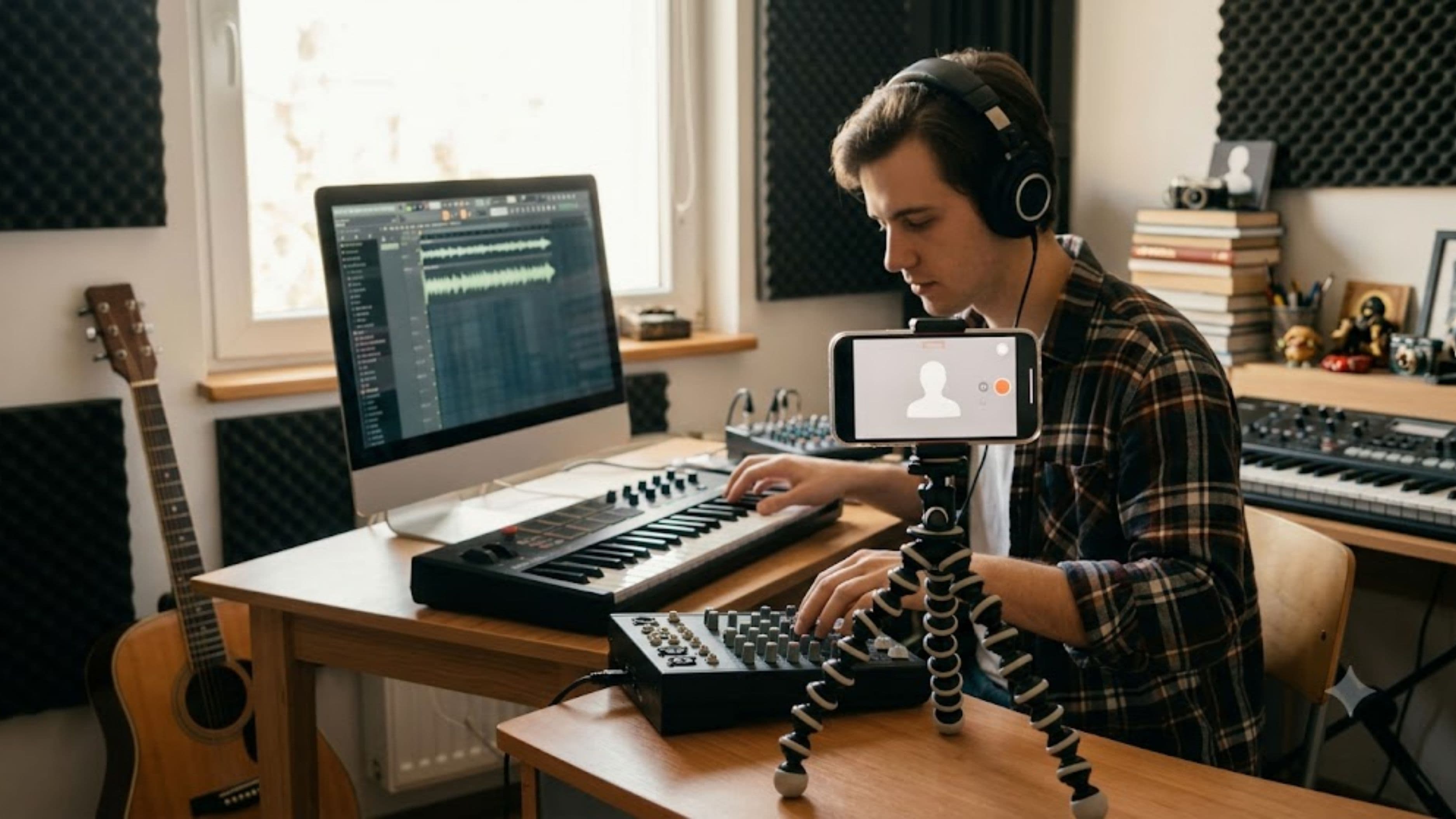
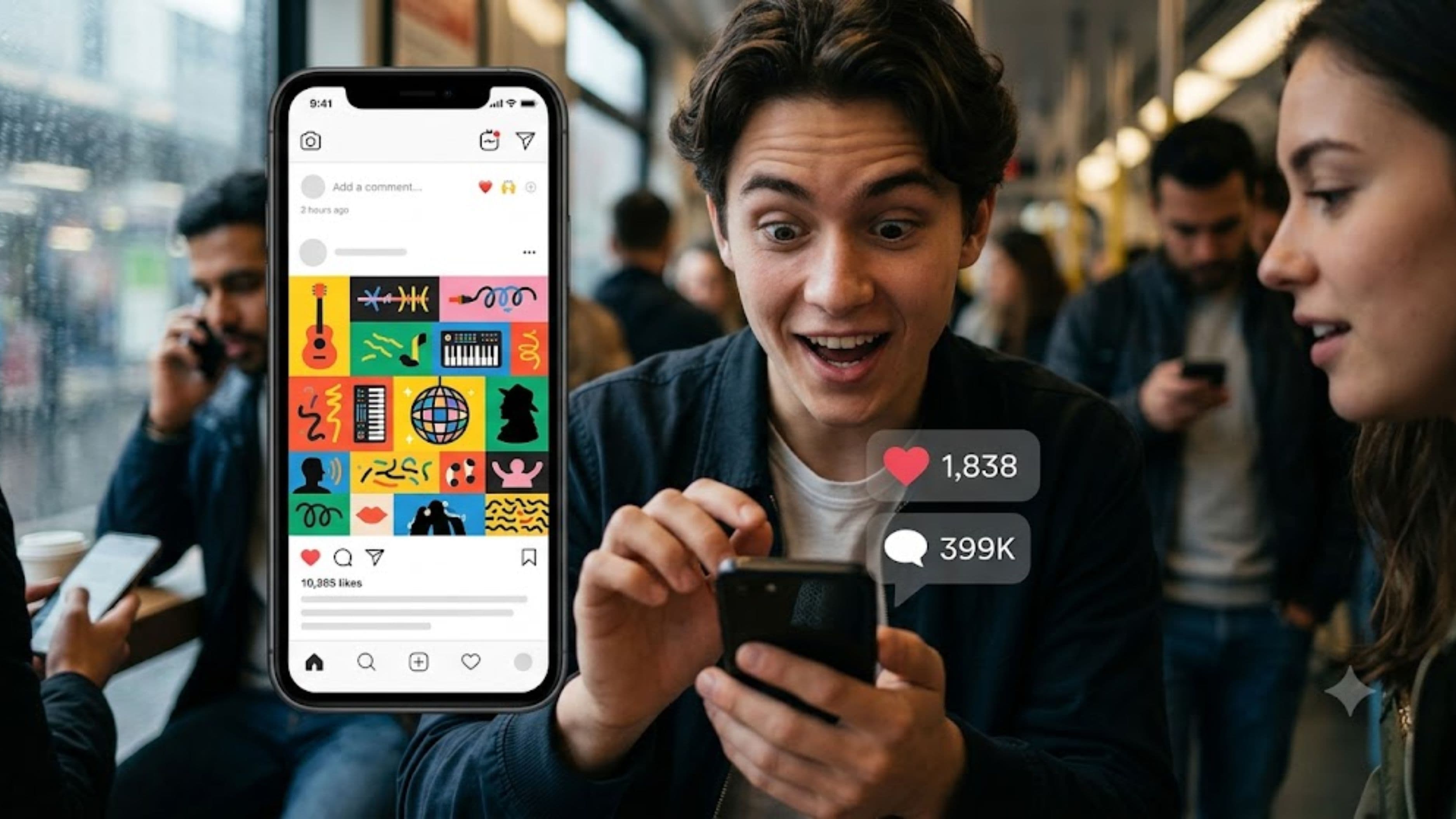
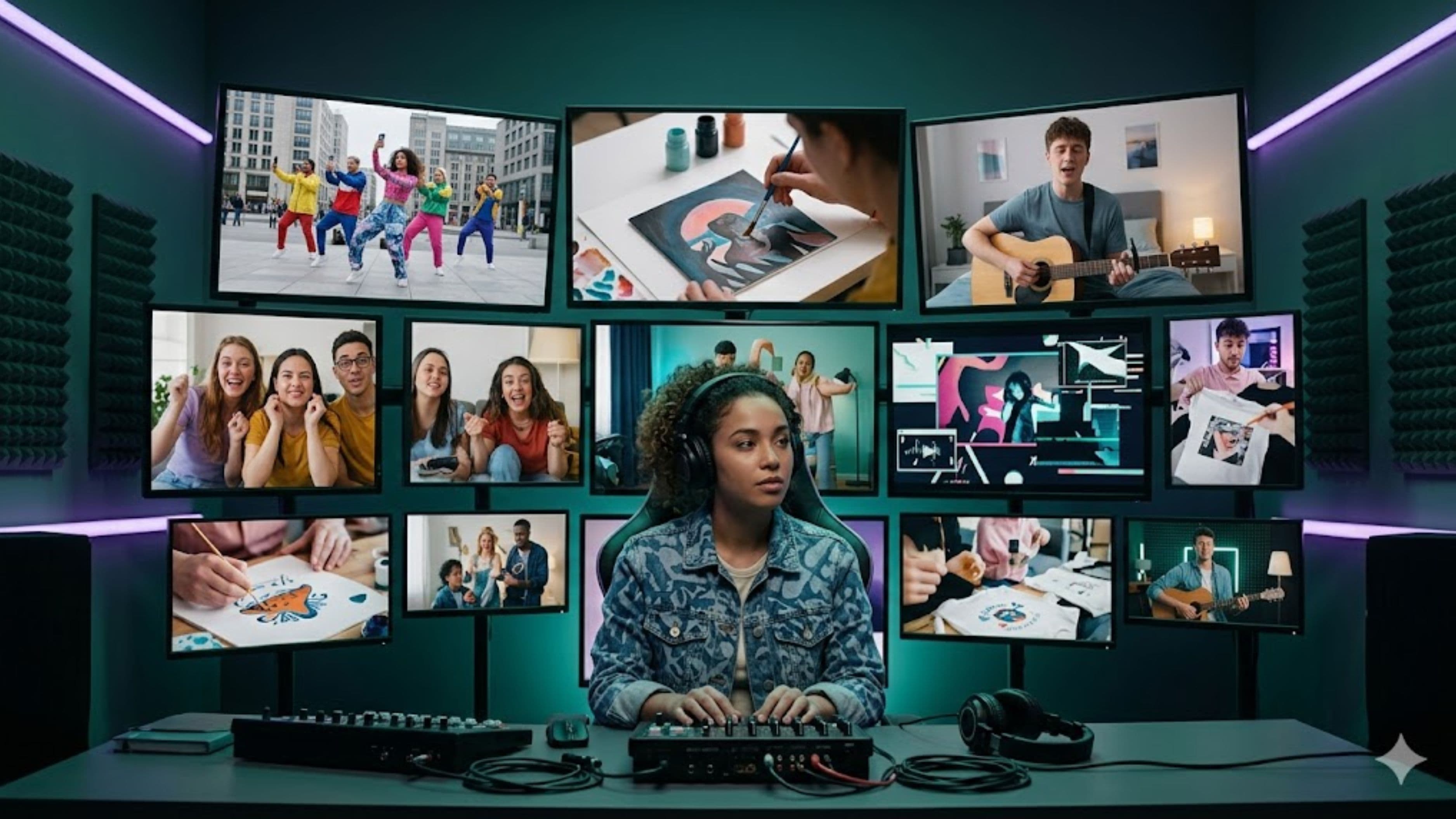
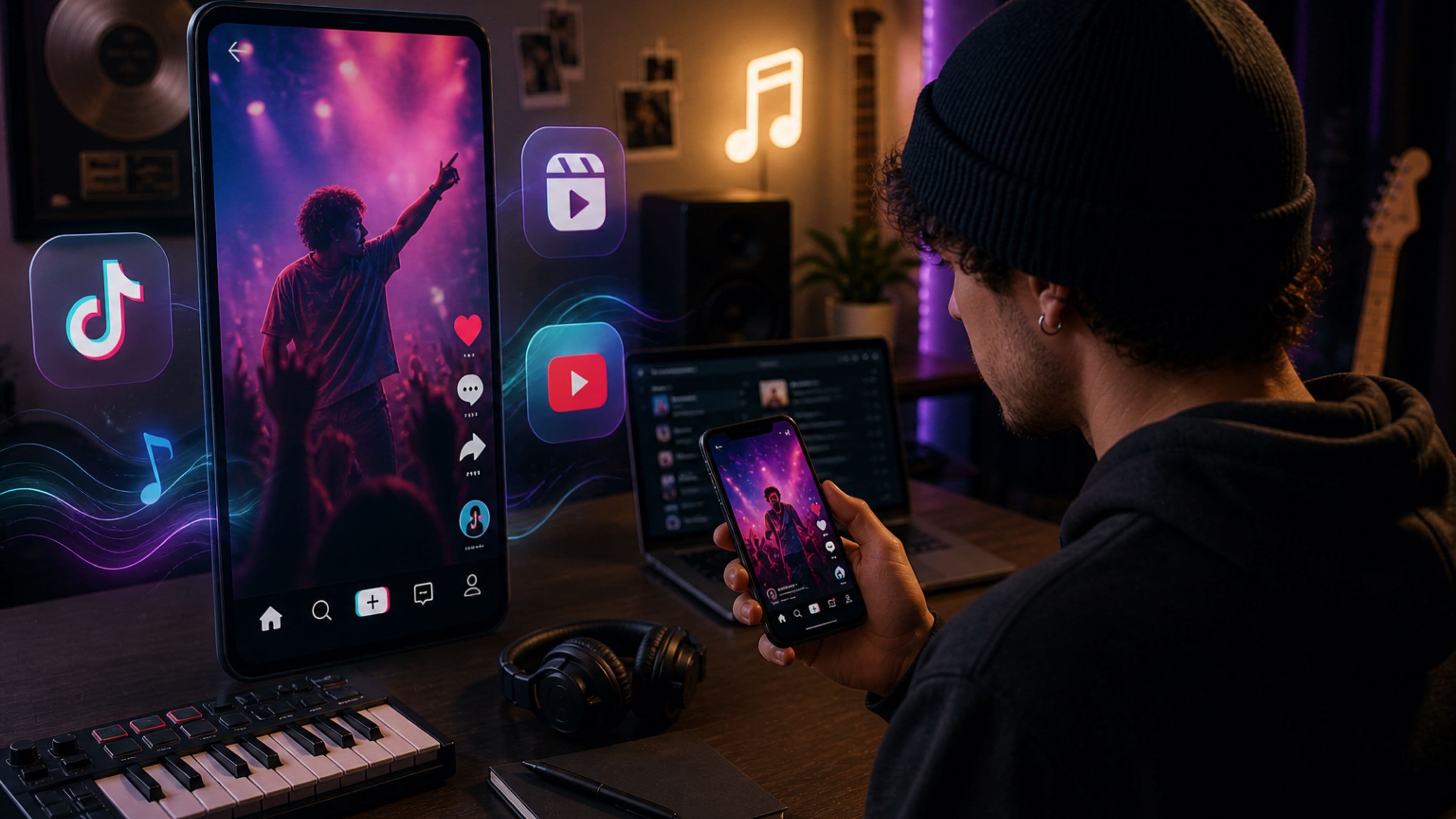
TikTok was the inflection point. The platform's audio-first architecture — where a sound or song snippet gets attached to a format and replicated across millions of user-generated videos — created an environment where music and meme culture became genuinely inseparable. A 15-second audio clip isn't just background to a video; it's the connective tissue of a cultural moment. When that clip gets attached to a meme format that spreads rapidly, the song travels with it. Every video is effectively a micro-advertisement running in organic social feeds.
Before TikTok, the equivalent of this was a song appearing in a viral YouTube video — effective, but dependent on a single piece of content. The TikTok model scales it by orders of magnitude. The format spreads and users self-select to participate, each adding the audio to their own version. A song that gets adopted by one successful meme format can accumulate tens of millions of uses within days.
Instagram Reels and YouTube Shorts followed the same structural logic, extending the surface area of audio-driven meme culture beyond a single platform.
The Mechanics of a Music Meme
Not every song can become a meme, and not every meme drives lasting music success. Understanding why some work and most don't is where this gets practically useful.
The songs that perform best in meme culture share a few consistent properties. They have a distinctive, repeatable hook — a moment within the first 30 seconds that's instantly recognizable after one or two listenings. They fit a specific emotional register clearly enough that users know what context to attach them to. And they leave room for the video's subject to be the actual content — the song is backdrop, not foreground. Overly complex or lyrically demanding tracks don't travel as well because they require active listening, which competes with the visual content they're supposed to support.
The meme format itself matters as much as the song. When audio gets attached to a template — a specific type of lip sync, a transition format, a text-overlay style — it spreads because the template gives non-creative users a low-effort way to participate. The more participatory the format, the more uses the audio accumulates, and the broader the distribution reach.
What's happening underneath this is essentially collaborative, crowd-sourced advertising. Thousands of users are creating content with your song attached, distributing it to their audiences, and driving it into the platform algorithm's recommended feeds. No ad budget achieves that kind of organic distribution.
Real Examples of Memes Driving Music Strategy
The Fleetwood Mac moment was organic and accidental. That's less common now. Labels, artists, and their teams are increasingly building deliberate meme-friendly strategies into release cycles.
Doja Cat is one of the clearest examples of an artist whose early career was shaped by meme culture and who subsequently built it into her strategy deliberately. "Mooo!" went viral as a meme before most industry gatekeepers had noticed her. Her team recognized the mechanism and continued releasing content that participated in meme culture rather than trying to maintain conventional pop distance from it.
Olivia Rodrigo's "Driver's License" exploded in part because the specificity of its lyrics — the blonde girl, the older guy — mapped onto a real-time celebrity drama that TikTok users were already discussing. The song became a meme about the situation before it became a radio hit. The meme didn't just carry the song; it gave it emotional context that radio promotion couldn't manufacture.
SZA's catalog has experienced multiple meme-driven streaming revivals on older tracks years after their original release, demonstrating that catalog depth and a meme-susceptible musical style can generate ongoing commercial moments without new releases.
On the catalog side, Kate Bush's "Running Up That Hill" appearing in Stranger Things is a TV placement, not a meme — but the meme culture around Stranger Things amplified it into something unprecedented, driving the 1985 song to number one on streaming charts globally. The placement created the initial spark; meme culture turned it into a sustained wildfire.
Labels have taken note. Universal, Sony, and Warner all have dedicated teams now focused on identifying which tracks in current and catalog releases have meme potential and seeding them strategically into communities where the right template format might organically develop.
How Artists Are Deliberately Engineering This
The shift from "hoping a meme happens" to "building a strategy around meme potential" is real, and it shows up in several places.
Song construction itself is being influenced. Producers and A&R teams are more explicitly thinking about whether a song has a "TikTok moment" — a hook, a sonic quirk, a lyrical phrase that lands in 15 seconds and begs to be attached to something. This is the audio equivalent of designing for shareability. It's influenced the structure of commercial pop releases, with more front-loaded hooks and fewer extended intros.
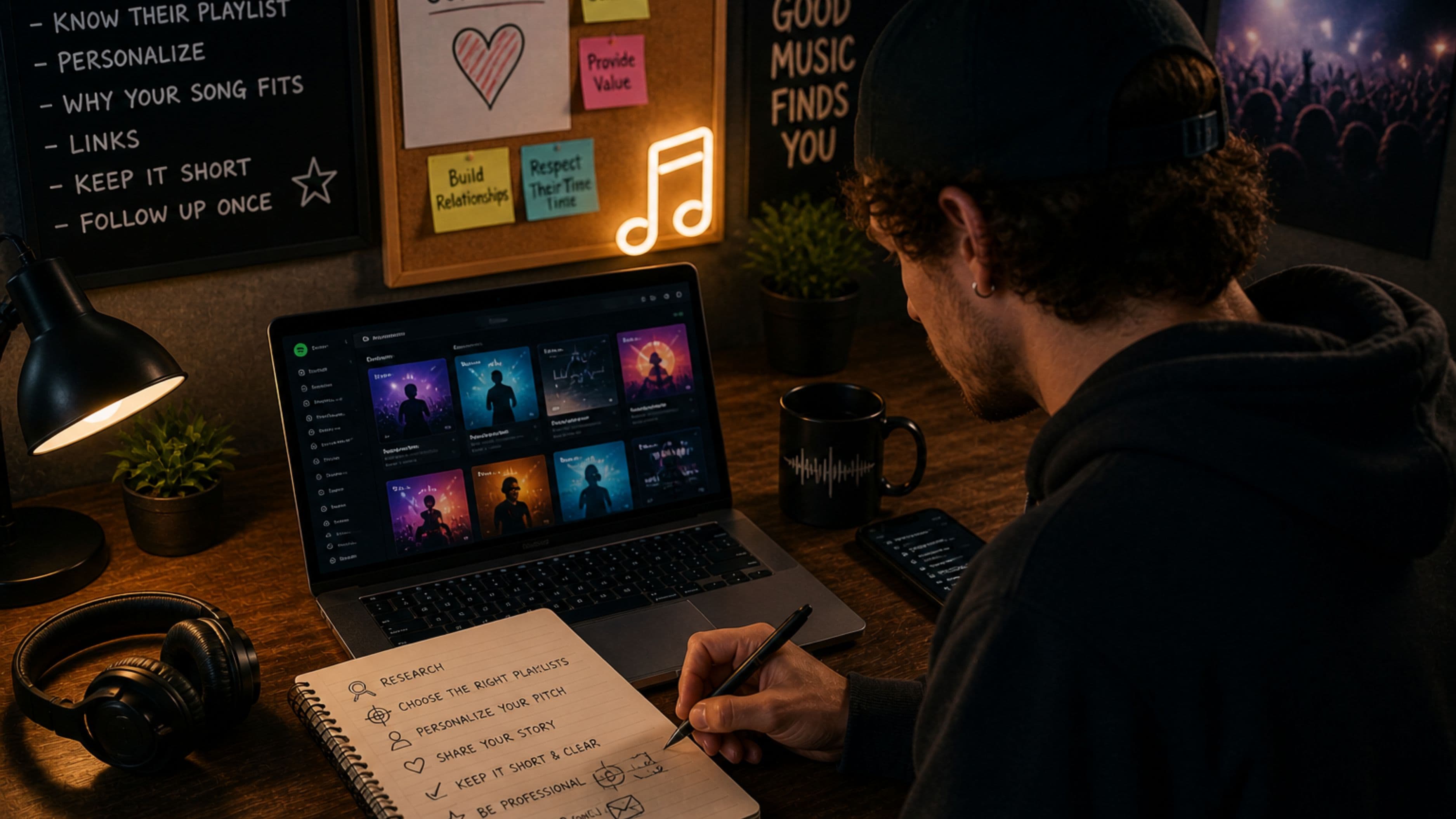
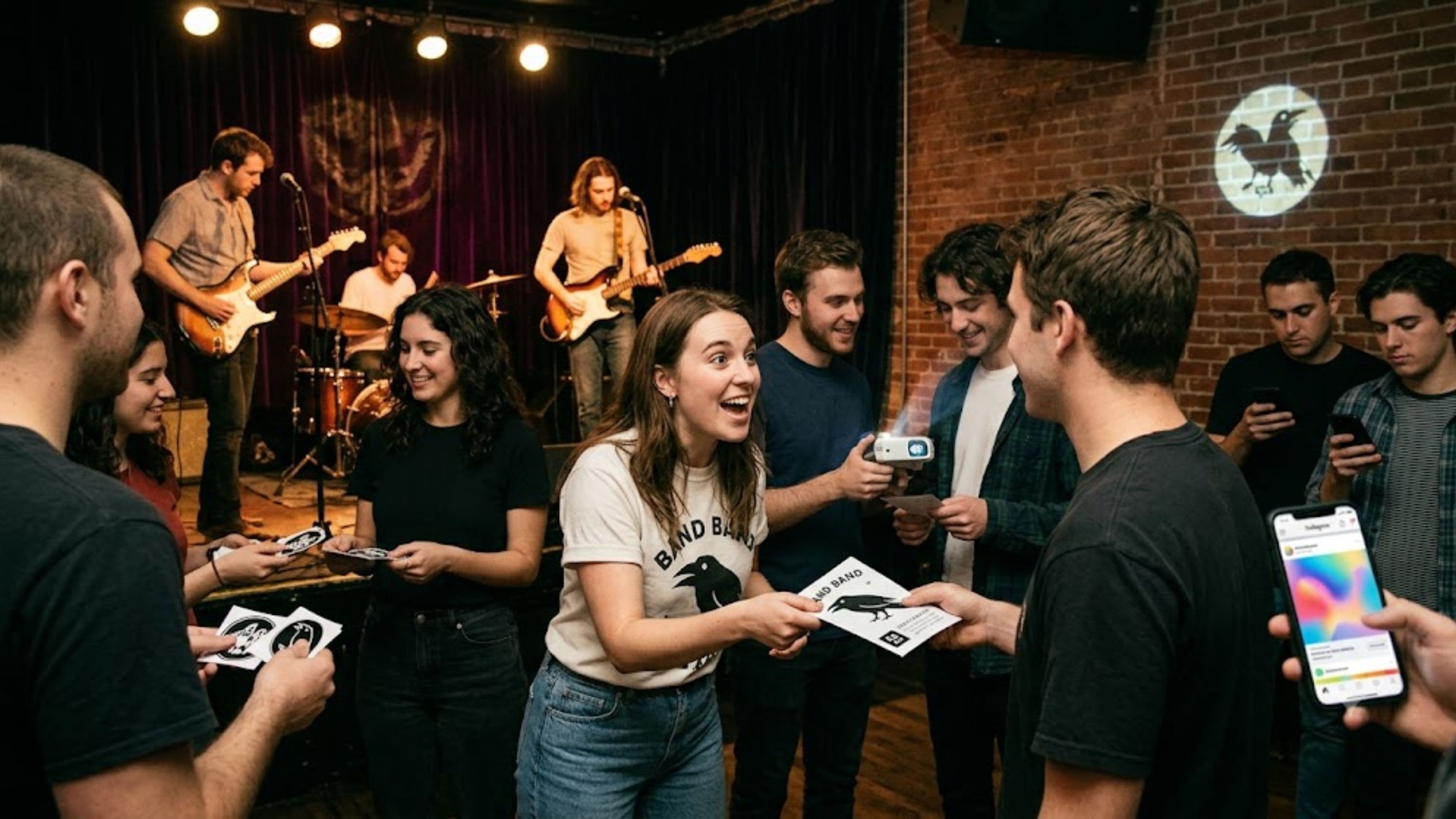
Seeding strategies involve getting audio into the hands of specific creators who are likely to use it in a way that triggers format adoption. A song attached to one high-engagement creator in the right niche can start a chain reaction. This seeding happens through direct creator outreach, distributor pitching to TikTok's editorial team for audio page placement, and relationship management with micro-influencer communities that are known to drive format trends.
Artist participation in their own meme culture has become expected. Artists who ignore or seem embarrassed by meme versions of their work often see the moment die faster. Artists who participate — posting their own version of a trend using their audio, acknowledging fan-made memes, engaging with the humor — extend the cycle and signal to the algorithm that the content is creator-active. Taylor Swift posting her own Renegade version was not a coincidence. Neither is most artist participation in meme formats.
Timing around release cycles has shifted to account for meme lead times. Some teams now release a snippet or "sped up" version of a track weeks before the official release specifically to let a meme format develop organically before the official single drops, so that when it does, there's already an active audio page and established template waiting for mainstream adoption.
What This Means for Independent Artists
The meme-as-marketing dynamic is genuinely more accessible to independent artists than the traditional radio-and-press machinery it's partly displacing. You don't need a major label to get a song onto TikTok's audio page. You don't need a PR budget to seed a song into creator communities. And you don't need industry connections to participate in your own meme culture when it starts.
What you need is an understanding of the mechanism and a willingness to build content strategy around it rather than just releasing music and hoping the algorithm rewards it.
A few things worth internalizing as an independent artist. Your song needs a TikTok moment — identify what it is before you release, not after. That might be a hook, a lyrical line, a sonic quirk, or even the story behind the song. If you can't identify it, users probably can't either, and the song will have a harder time being adopted. Post your own versions of trends using your audio to seed organic use. Make it easy for creators to use your audio by engaging with early adopters and actively encouraging use. And don't try to control how your song gets used in meme culture — the attachment of your audio to content you didn't make or approve is the whole point.
Catalog strategy is also worth thinking about. If you have older releases that have the right sonic properties — distinctive hooks, emotional clarity, meme-friendly register — those songs are potential future meme moments waiting for the right format to attach to. Making them available at high audio quality on all platforms and keeping streaming profiles active maintains the possibility of a catalog revival.
What to Watch Out For
Meme-driven success can be short-lived if the underlying music doesn't hold up on its own. A song that becomes a meme format and then generates millions of streams is generating those streams from users who may have zero attachment to the artist. The conversion rate from meme listeners to actual fans can be very low, and the streaming spike may not translate to lasting catalog performance.
The deliberate engineering of memes also has diminishing returns as it becomes more common. When every artist is trying to seed a TikTok format, the competition for organic adoption gets harder and users become more attuned to what feels manufactured versus what genuinely emerges from the culture. Authenticity is still the most effective quality in meme adoption — songs and moments that feel real spread faster than ones that feel like marketing exercises.
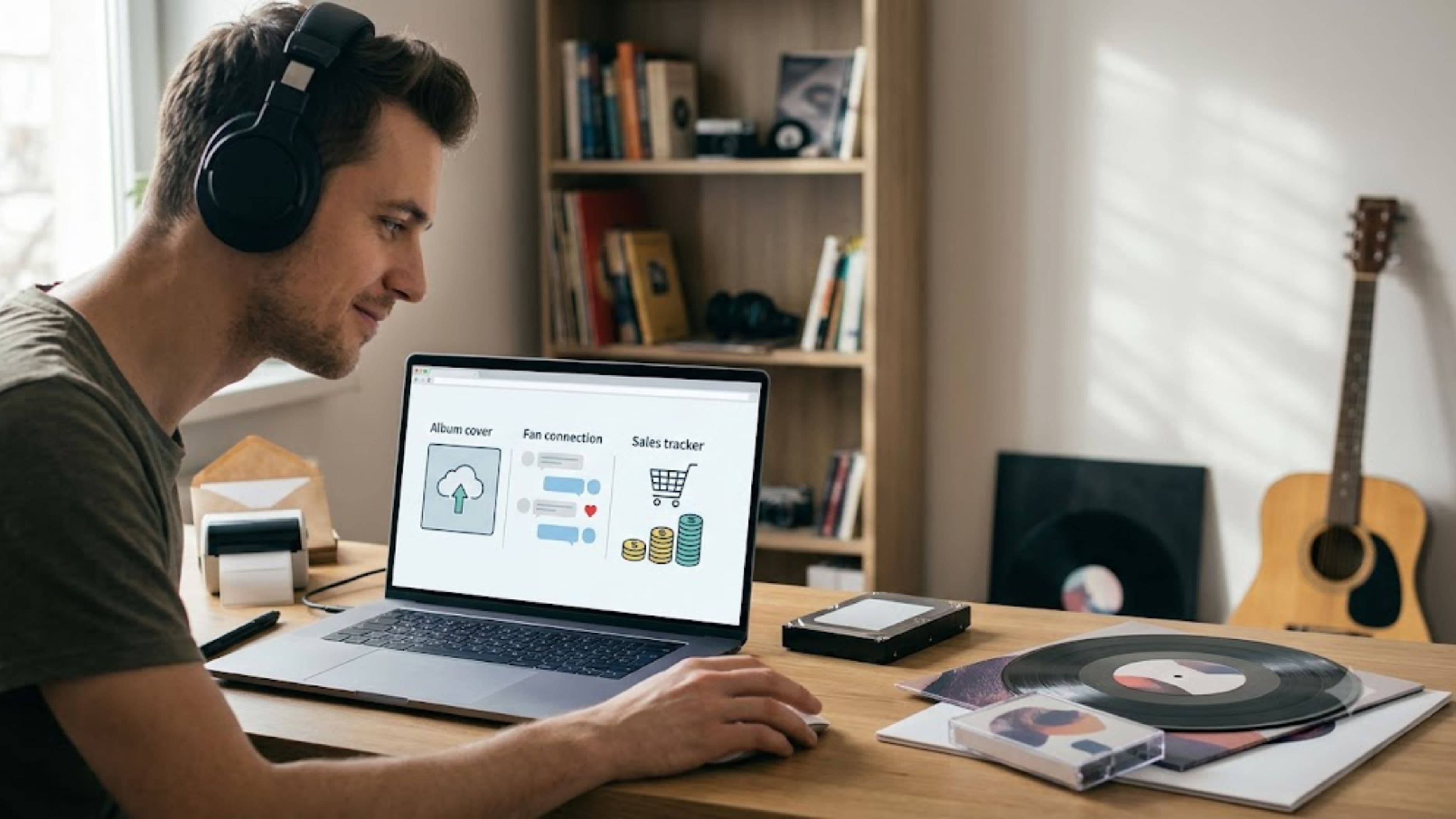
There's also the platform dependency risk. The current meme ecosystem is heavily TikTok-dependent, and TikTok's regulatory situation in various markets — including ongoing uncertainty in the US — makes it a risky single point of reliance. Building audiences that exist across platforms and have a direct relationship with the artist (email lists, Discord communities, Patreon) provides stability that platform-dependent meme success doesn't.
FAQ
Can you deliberately make your song go viral as a meme? You can increase the probability, but you can't guarantee it. Seeding audio to relevant creators, building TikTok-moment thinking into song construction, and participating in your own meme culture all improve the odds. But the actual spark that creates a meme format is almost always organic — user behavior, not marketing execution.
Does meme virality actually translate to real music career growth? It depends heavily on what you do with it. A meme spike that isn't followed by consistent content, active audience development, and deeper fan engagement often fades quickly. Artists who have used meme moments to build sustainable careers — Doja Cat, Tai Verdes, early Lil Nas X — converted the initial spike into ongoing community building. The meme is the top of the funnel, not the destination.
What's the best way for an independent artist to get their song adopted on TikTok? Post consistently using your own audio, create content that shows the song's personality rather than just promoting it, and build relationships with creators in your genre's community. An audio page with creator activity signals to TikTok's algorithm that the sound is active, which increases its likelihood of being recommended to other creators looking for sounds to use.
How do older catalog tracks get meme traction? Usually through an inciting event — a TV or film placement, an artist reference, a cultural moment that creates a new context for an old song. The Fleetwood Mac and Kate Bush examples both had external triggers. For independent artists, the equivalent might be licensing a track to a show or film, having it featured by a creator with a relevant following, or actively posting the track in contexts that give it new relevance.
Is it worth changing how you write songs to make them more "meme-friendly"? Directionally, yes — thinking about what makes a song immediately recognizable and emotionally legible in 15 seconds is good practice regardless of meme strategy. Front-loading the hook, creating lyrical specificity that generates emotional resonance quickly, and giving songs a distinctive sonic identity are all qualities that serve both meme adoption and general commercial appeal. But rewriting your style entirely to chase format trends is a path to inauthenticity that rarely works.
📚 Sources
Billboard – How "Dreams" Returned to the Charts Thanks to TikTok – https://www.billboard.com/music/chart-beat/fleetwood-mac-dreams-tiktok-chart-return-9459078/
Rolling Stone – The TikTok Effect: How Short Videos Are Changing the Music Industry – https://www.rollingstone.com/music/music-features/tiktok-effect-music-industry-charts-1093384/
Music Business Worldwide – Why Labels Are Building Dedicated Meme and Viral Teams – https://www.musicbusinessworldwide.com/why-major-labels-are-building-dedicated-tiktok-viral-teams/
The Ringer – The Kate Bush "Running Up That Hill" Phenomenon Explained – https://www.theringer.com/music/2022/6/7/23158125/kate-bush-running-up-that-hill-stranger-things
Hypebot – How Independent Artists Can Use TikTok Audio Strategy – https://www.hypebot.com/hypebot/2023/07/how-independent-artists-can-use-tiktok-audio-strategy.html
Variety – Meme Marketing and the New Music Playbook – https://variety.com/2023/music/features/music-meme-marketing-tiktok-viral-1235542000/