What Streaming Actually Changed
Streaming's core shift wasn't really about sound quality or convenience, though both improved along the way. It was about access replacing acquisition. Before streaming became dominant, discovering an artist usually meant deciding whether a purchase, an album, a CD, a digital download, was worth the money before you'd even heard the full thing. That friction shaped how people related to music: a purchased album got more attention, more repeat listens, more emotional investment, partly because you'd already committed to it.
Streaming removed nearly all of that friction. A listener can sample an entire discography in minutes, skip anything that doesn't immediately land, and move on without any sunk cost. This has real upside for exploration and discovery, listeners genuinely engage with more artists and more genres than the purchase-based model ever allowed. It also changed the emotional relationship many listeners have with individual albums, since nothing about streaming asks for the kind of commitment a purchase used to require.
Why Vinyl and Physical Collecting Grew Anyway
Here's what makes the cultural picture more interesting than a simple streaming-replaces-ownership story: vinyl sales have grown for well over a decade, even as streaming became the dominant way most people actually listen to music day to day. That's not really a contradiction once you look at what collecting is actually providing that streaming doesn't.
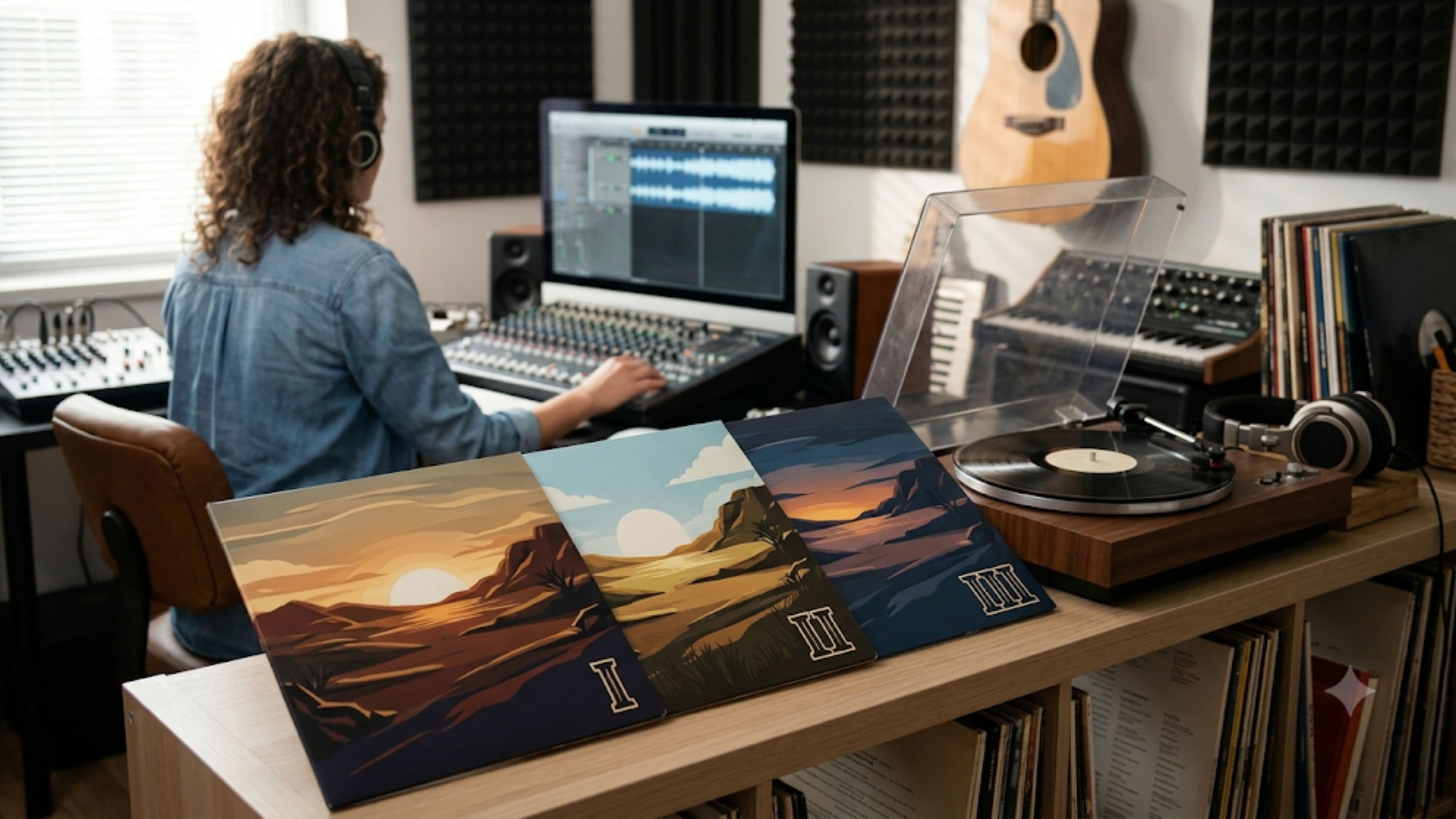
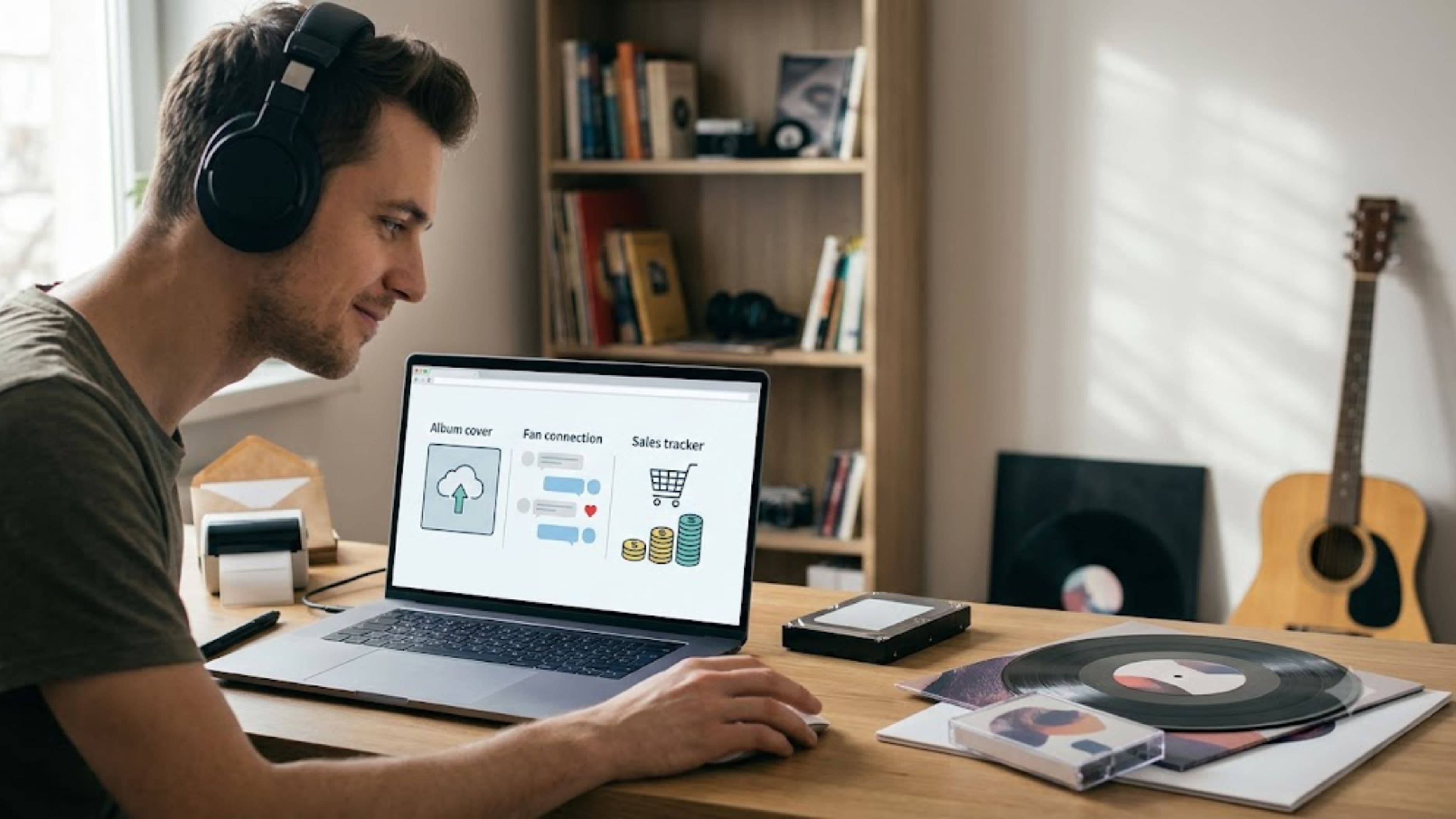
Physical formats, vinyl in particular, offer something streaming structurally can't: a tangible object tied to a specific listening ritual, cover art at a scale that actually rewards attention, and a sense of intentional ownership over a specific piece of music rather than temporary access to all of it. For a meaningful segment of listeners, especially those with a strong emotional connection to a specific artist or album, owning a physical copy functions less as a practical listening format and more as a statement, both to themselves and visibly to anyone who sees a record collection on a shelf.
There's also a scarcity and collectibility dimension that streaming has no equivalent for. Limited vinyl pressings, colored variants, and reissues create a secondary market and a sense of a music object having value beyond its content, something a streaming file, infinitely and identically reproducible, simply can't replicate.
Two Different Relationships to the Same Music
What's actually happening culturally is that streaming and collecting serve two different relationships to music, and increasingly, the same listener maintains both simultaneously. Streaming has become the default for everyday, exploratory, background, and casual listening, the sheer volume of available music makes it the practical choice for most listening occasions. Collecting has become reserved for music that carries deeper personal meaning, a specific album that mattered during a particular period of someone's life, an artist they feel a strong identity connection with, or a release event they want to mark with a physical purchase.
This bifurcation shows up clearly in how record labels and artists now approach releases. It's increasingly common for an album to launch simultaneously on streaming platforms for immediate, wide access, while also offering a limited vinyl pressing specifically for the segment of the fanbase that wants a physical artifact tied to that release moment, sometimes selling out those physical pressings within hours despite the same music being freely available to stream.
What This Means for Independent Artists and Creators
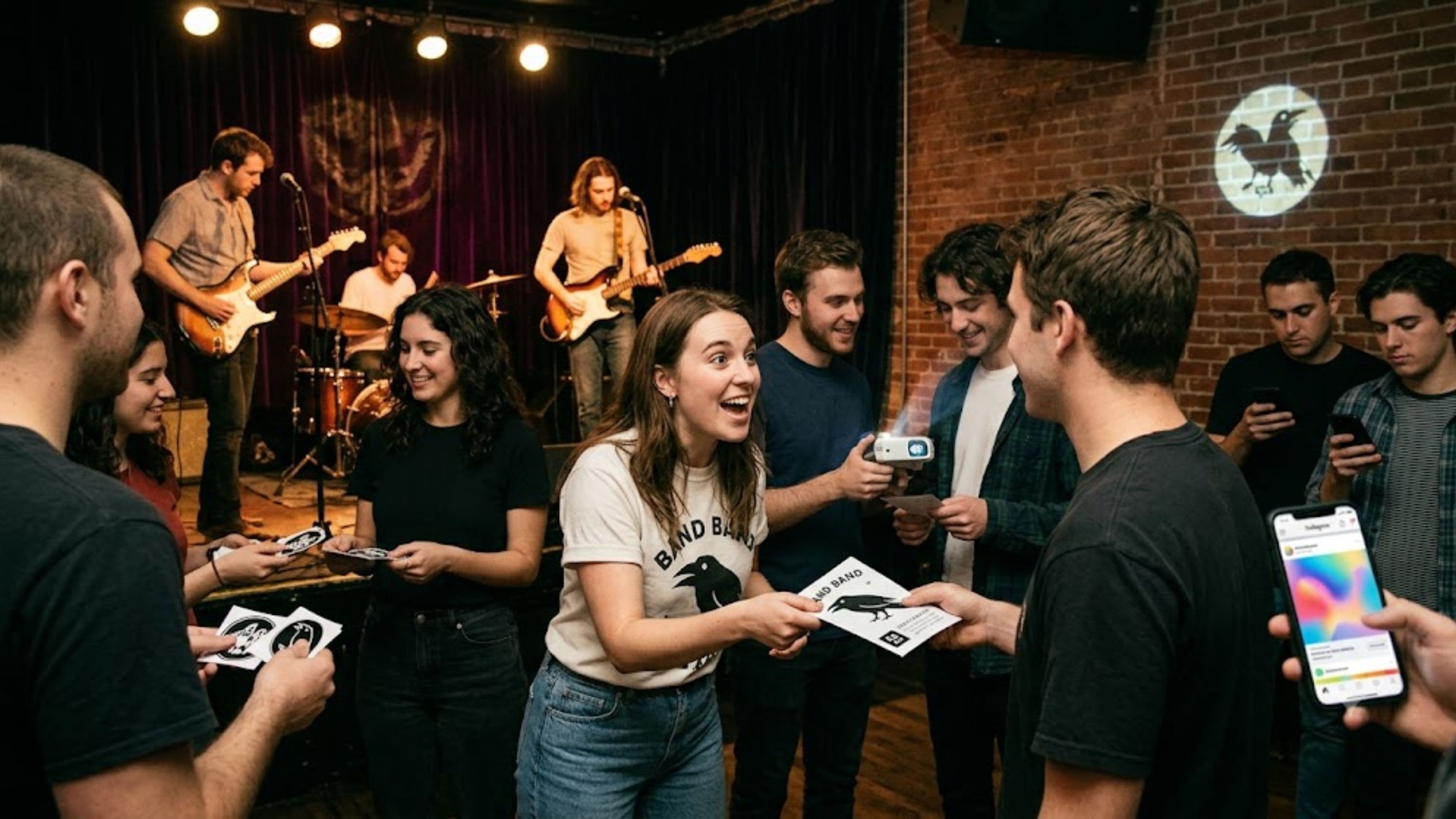
For independent artists, this dual reality creates a genuine strategic opportunity rather than a forced choice between formats. Streaming remains the most effective way to reach new listeners and build an audience at scale, given the near-zero friction for a potential fan to discover and sample your music. But a physical release, even a modest one, gives your most engaged fans, the ones who've already decided they care about your work, a way to express that support tangibly and directly, often at a price point and margin considerably more favorable than typical streaming royalty rates.
What to watch out for here is scale mismatch: a small or emerging artist committing to a large vinyl pressing run based on streaming numbers alone risks tying up money in physical inventory that doesn't match actual fan demand for a physical product specifically. Smaller pressing runs, or pressing on demand through some newer manufacturing services, reduce that risk considerably while still giving dedicated fans the physical option.
Practical Takeaway for Anyone Navigating Both Worlds
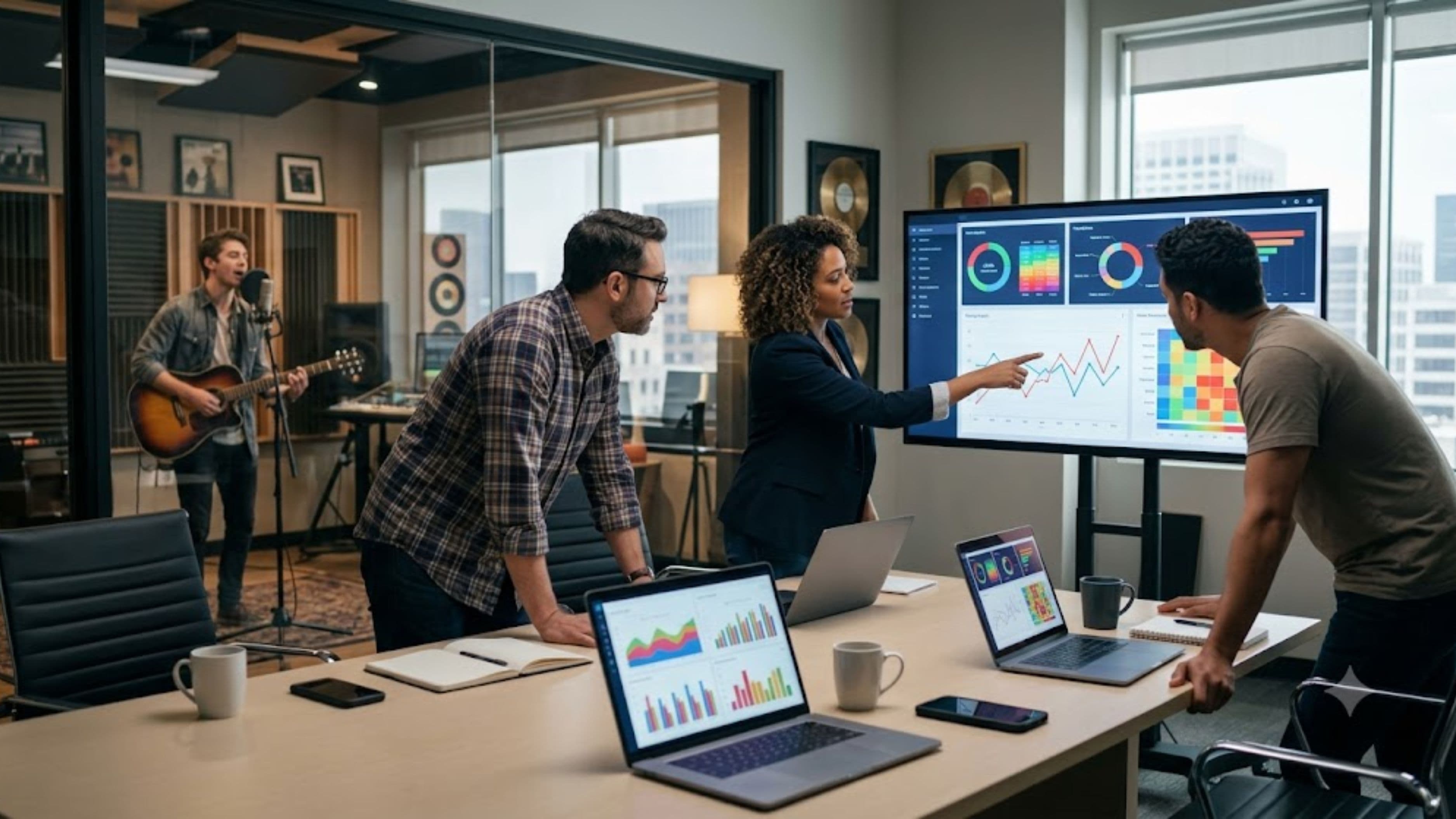
If you're an artist or a label thinking about this, the practical framing is: streaming builds and serves your broad audience, physical formats serve and reward your most invested fans. Treating them as competing formats misses the point, they're increasingly serving genuinely different functions in how people relate to music, and the artists who understand that distinction tend to build stronger, more sustainable relationships with their audience than those chasing one format at the expense of the other.
What to Watch Out For
Don't assume streaming numbers translate directly into physical sales demand, they measure fundamentally different kinds of engagement. Don't overcommit to large vinyl pressing runs without validating actual fan interest in a physical product specifically, through pre-orders or smaller initial batches. And don't dismiss physical formats as a nostalgia act, the sustained, multi-year growth in vinyl sales reflects a genuine and ongoing cultural preference, not a passing trend.
📚 Sources
RIAA, "U.S. Music Revenue Report" – https://www.riaa.com/u-s-sales-database/
Luminate (formerly MRC Data), "Year-End Music Report" – https://luminatedata.com/
Pitchfork, coverage of vinyl market trends and independent artist releases – https://pitchfork.com/