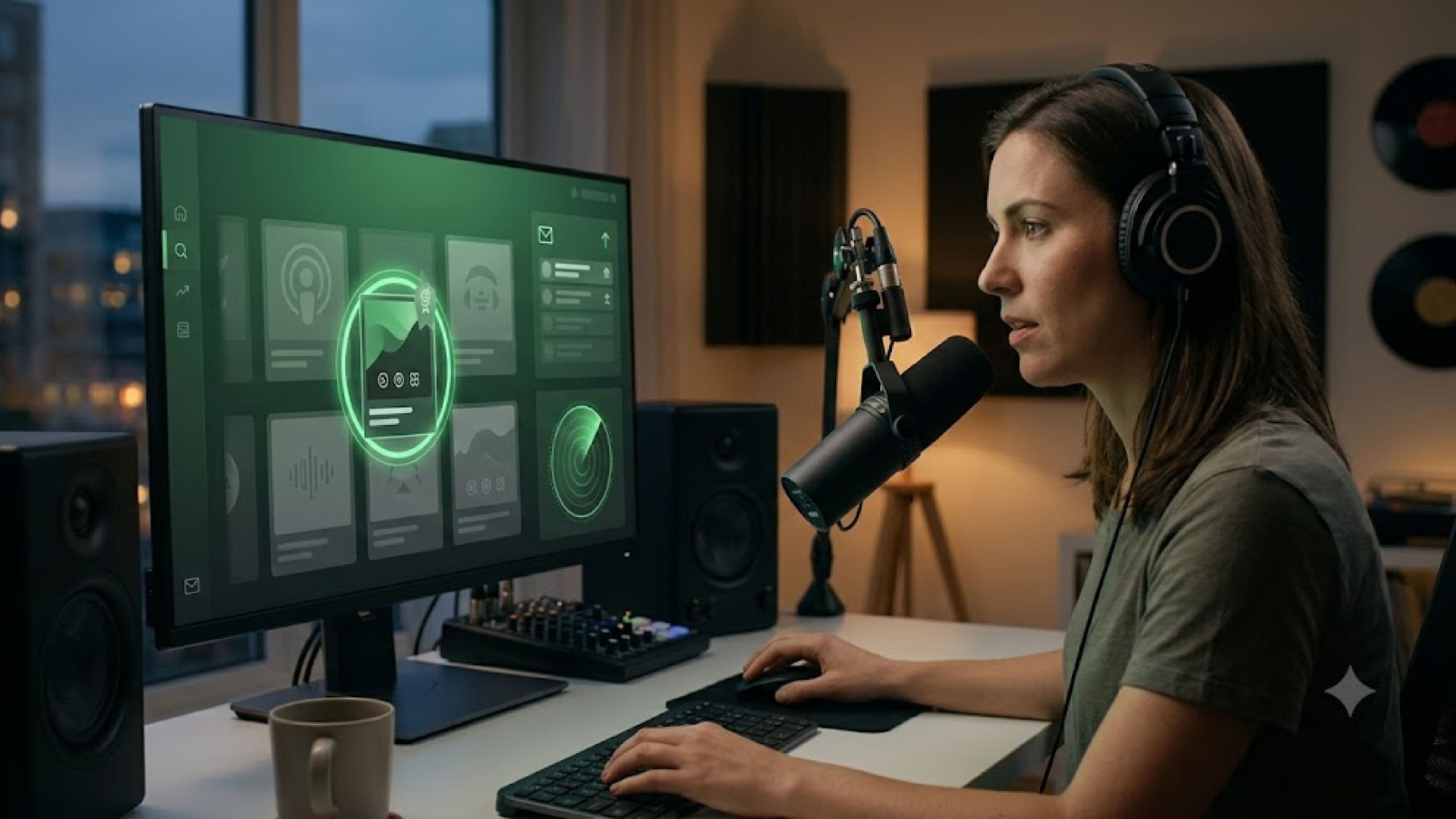
What Editorial Placement Actually Means
Editorial placement refers to a podcast being featured by Spotify's own curation team, whether through category pages, curated playlists, or homepage features, as opposed to being surfaced purely through algorithmic recommendation based on listening patterns. This distinction matters because editorial placement is reviewed and selected by actual people, meaning the criteria involved are somewhat different from what purely drives algorithmic discovery, even though the two systems clearly interact and influence each other.
Getting featured editorially typically produces a meaningful, sometimes dramatic spike in new listeners, since it puts your show in front of an audience that wasn't already actively searching for it. This is different from steady, incremental organic growth, and it's part of why so many podcasters treat editorial placement as a genuine growth milestone worth specifically working toward.
Consistency Signals More Than People Realize
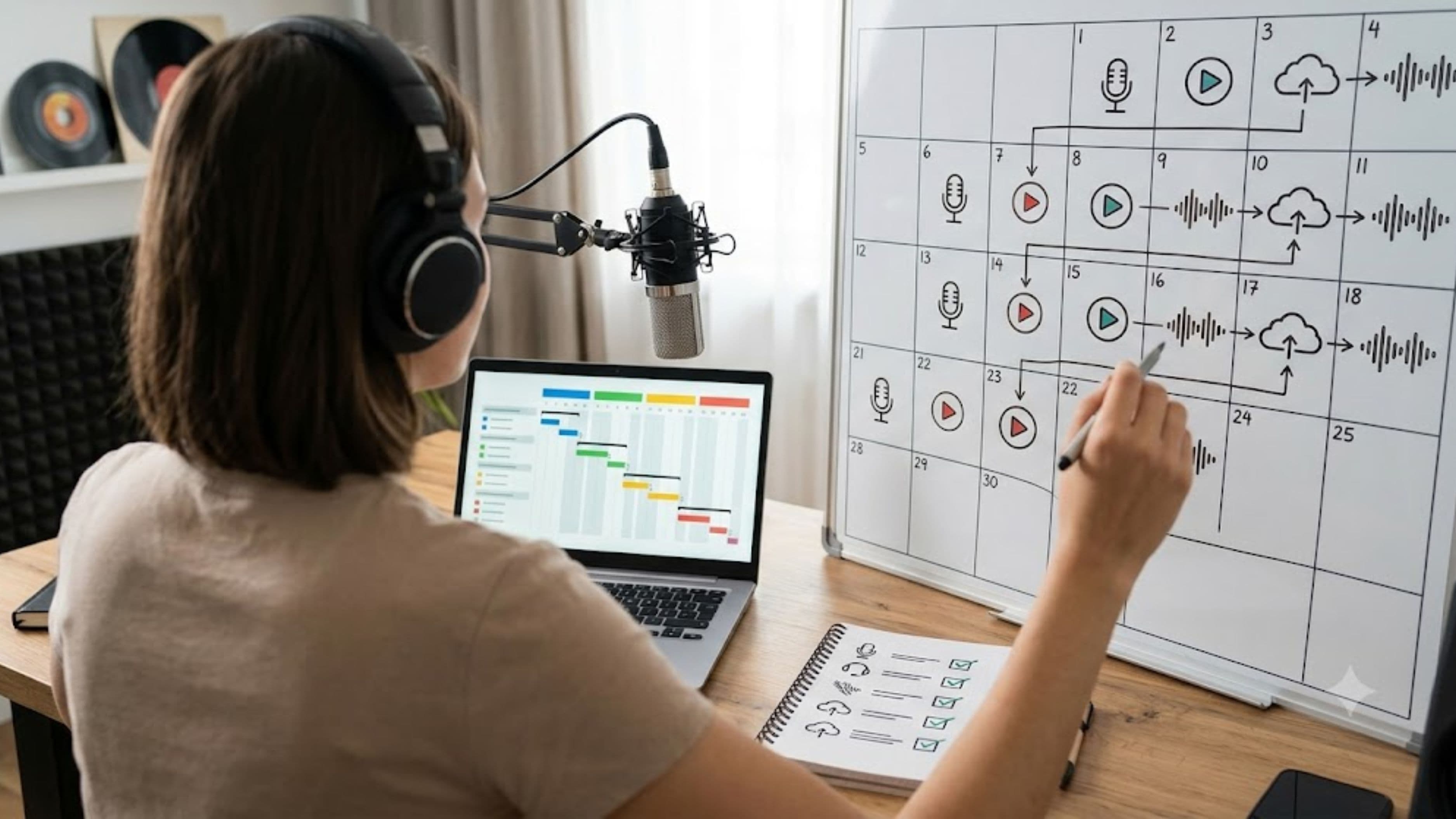
Spotify's editorial teams, like most curation processes, favor shows that demonstrate a reliable, consistent release schedule over shows with sporadic, unpredictable posting patterns. A show that's published weekly for six months straight signals to both algorithms and human curators that it's an active, dependable show worth recommending to new listeners, rather than one that might go dark unpredictably.
This doesn't mean you need years of history before you're eligible for consideration, but a demonstrated pattern of reliability, even over a few consistent months, meaningfully increases how favorably your show is likely to be evaluated compared to a show with an erratic or recently resumed posting history.
Completion Rate Matters More Than Raw Downloads
A common misconception is that download or play count alone drives editorial consideration, when in reality, completion rate (the percentage of an episode listeners actually finish) is a much stronger signal of genuine listener engagement and content quality. A show with a smaller but highly engaged audience that consistently finishes episodes can be a stronger editorial candidate than a show with larger raw numbers but low completion rates suggesting listeners are dropping off early.
Improving completion rate often comes down to tightening your episode structure: strong hooks in the first 60-90 seconds, avoiding excessively long intros before getting to the actual content, and being genuinely disciplined about episode length relative to how much substantive content you actually have to fill it.
Optimize Your Show's Metadata Thoroughly
Your show's title, description, episode titles, and cover art all factor into how discoverable and clickable your podcast appears, both to human curators browsing categories and to Spotify's broader recommendation systems. A vague or generic show description makes it genuinely harder for anyone, human or algorithmic, to understand what your show actually offers and who it's specifically for.
Write a clear, specific show description that immediately communicates your podcast's actual format and value (interviews with independent musicians, deep dives into specific genres, artist career retrospectives, whatever your actual focus is), rather than a vague statement about "music and culture" that doesn't differentiate your show from thousands of others in a similar broad category.
Build External Signals That Support Discoverability
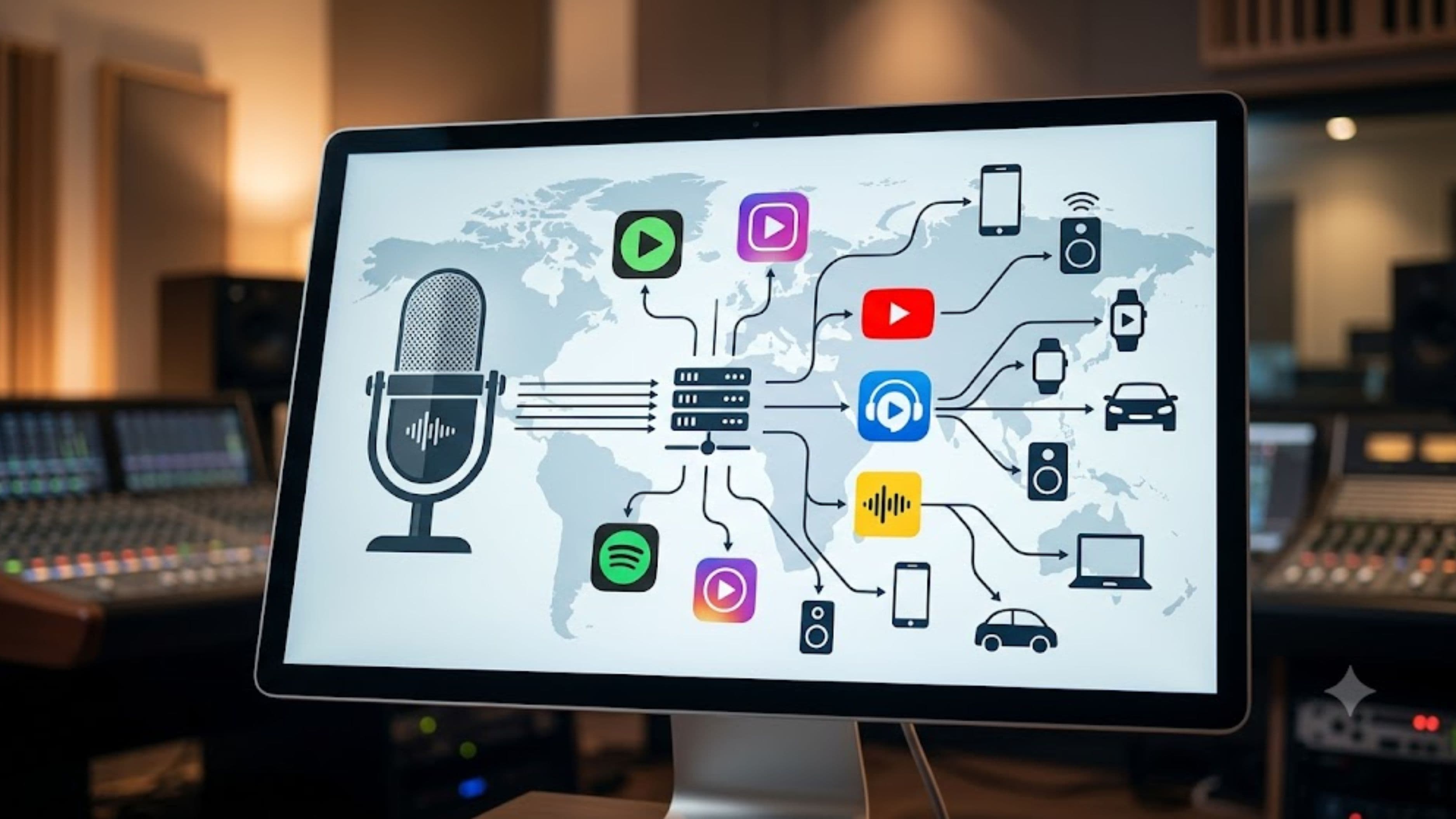
Editorial teams and algorithmic systems alike often factor in signals beyond the platform itself, including social media engagement, whether your show is being discussed or shared externally, and whether you have an active, engaged community around your content. A podcast with genuine cross-platform presence and audience engagement signals broader relevance than one that exists solely within Spotify with no external footprint.
This doesn't mean you need to become a social media influencer to get featured, but maintaining even a modest, consistent presence promoting your episodes and engaging with listener responses helps build the kind of broader engagement signal that supports discoverability across multiple channels, not just within Spotify's own ecosystem.
Submit Through Spotify for Podcasters Thoughtfully
When you submit a new episode through Spotify for Podcasters, take advantage of any available fields for episode descriptions, tags, and categorization rather than leaving them generic or copy-pasted across every episode. Thoughtful, specific episode-level metadata helps both your existing audience find relevant content and gives the platform's systems better signal about what your show actually covers.
If Spotify's tools offer any option to flag or submit specific episodes for consideration (availability of these features can change, so check your current dashboard), use it selectively for episodes you genuinely believe represent your show at its strongest, rather than submitting every single episode indiscriminately.
What to Avoid
Don't chase download numbers through low-quality growth tactics like bot downloads or engagement farms, since this doesn't build genuine completion rate or engagement signals and can actually work against you if the platform's systems detect artificially inflated, low-quality traffic patterns.
Also avoid neglecting your back catalog while focusing entirely on new episodes. A strong recent episode can bring new listeners to your show, but if your back catalog is inconsistent in quality or poorly organized, those new listeners may not stick around or explore further, which undermines the broader engagement signals that support long-term discoverability.
Frequently Asked Questions
How long does it typically take to get noticed editorially? There's no fixed timeline, since it depends heavily on your specific niche, consistency, and engagement metrics, but most podcasters who eventually get featured report it happening after several months of consistent publishing and genuine audience building, not as an overnight result.
Does episode length affect editorial consideration? Not directly by a fixed rule, but episode length affects completion rate, which is a genuine factor. The right length is whatever keeps your specific audience engaged through to the end, which varies by format and content type.
Can independent podcasters realistically compete with larger, well-funded shows for editorial placement? Yes. Editorial curation often specifically highlights independent and niche shows precisely because they offer something distinct from larger, more mainstream content, so a smaller show with strong engagement signals and a clear identity has a genuine path to consideration.
📚 Sources
Spotify for Podcasters – Official Resource Hub, https://podcasters.spotify.com/resources
Spotify for Podcasters – Growing Your Audience, https://podcasters.spotify.com/resources/grow
Edison Research – Podcast Consumer Insights, https://www.edisonresearch.com/category/podcast-research/