1. A Portable Audio Interface
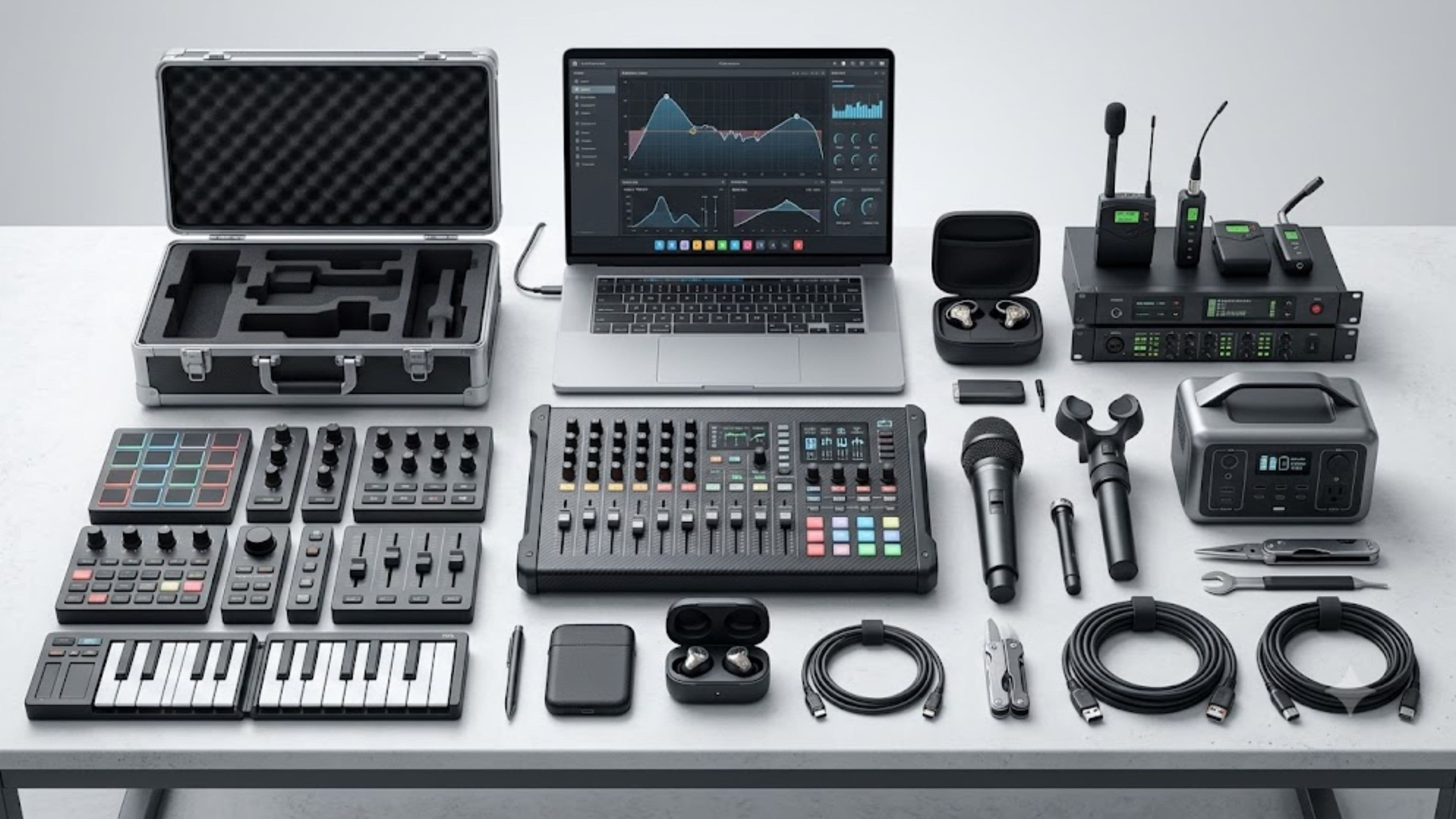
If you're recording anything on the road – rehearsal clips, voice memos for new song ideas, quick content for socials – a small, USB-powered audio interface is worth the space in your bag. It gives you a meaningfully cleaner sound than a phone mic alone, and modern compact interfaces are small enough to travel in a laptop sleeve without adding real bulk.
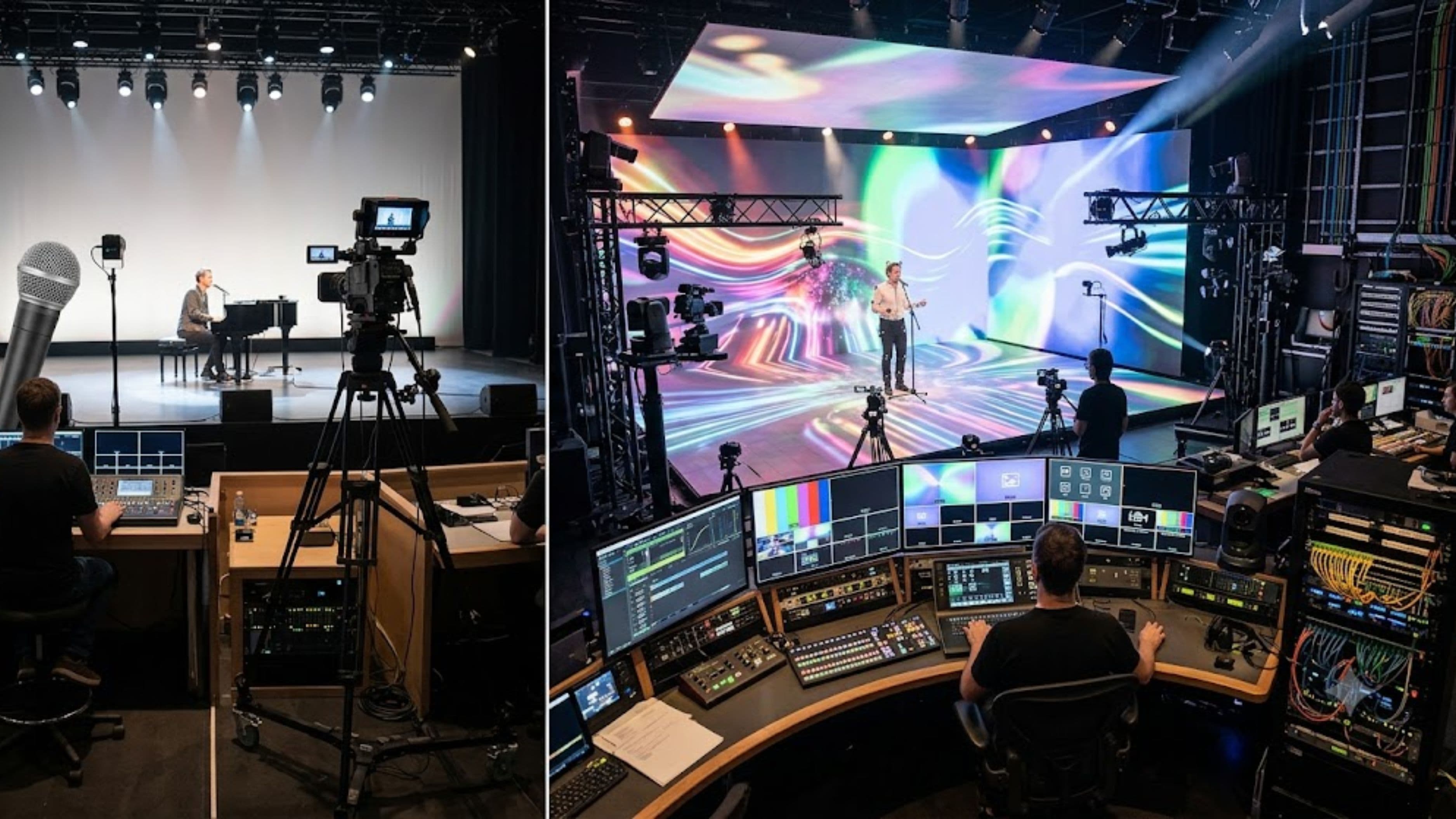
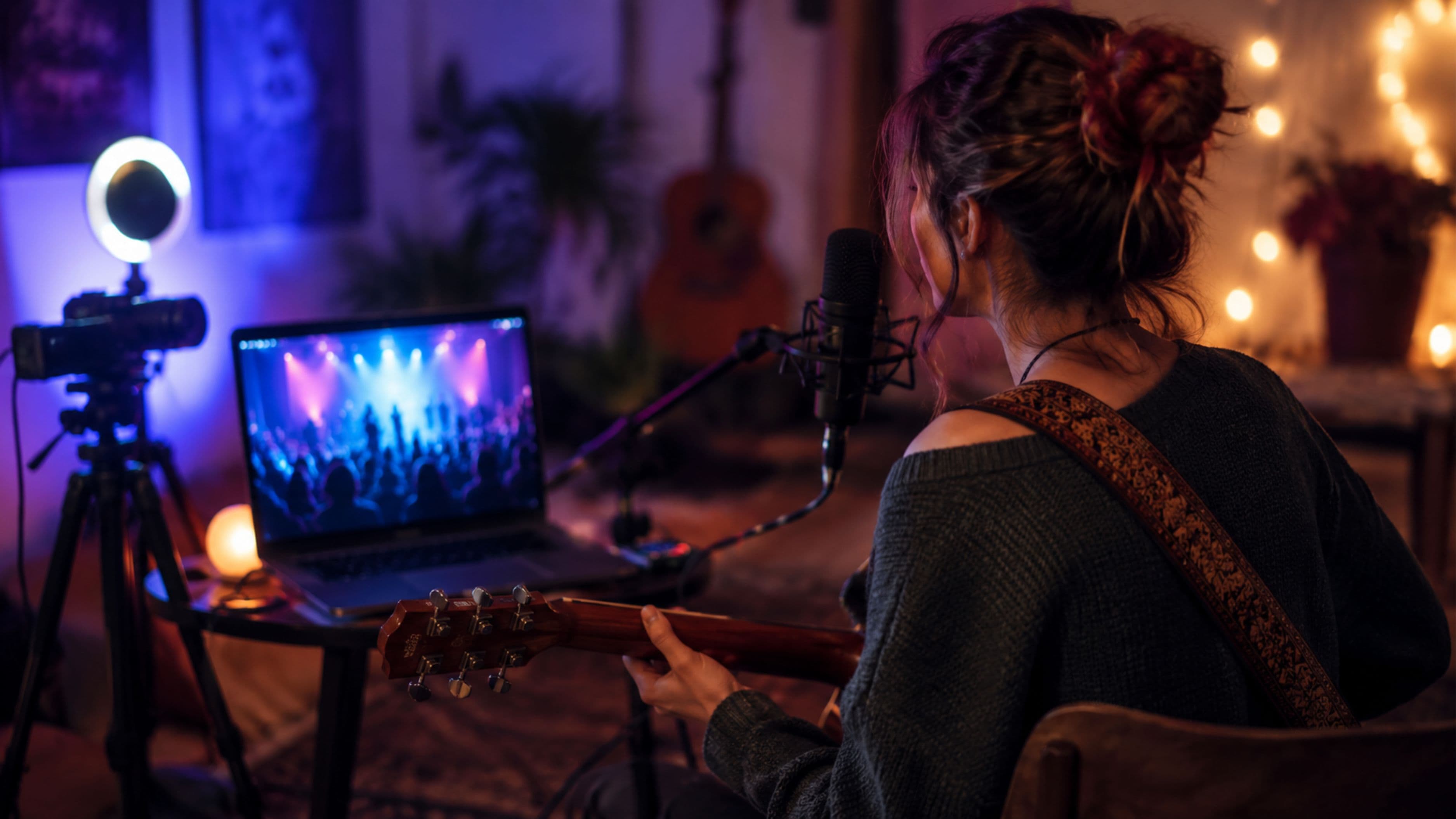
The practical use case here goes beyond studio work. A lot of touring artists use these interfaces to record soundcheck for reference later, capture rough ideas between shows, or produce higher-quality content for platforms that reward better audio. If you're also managing any livestreaming or video content from the road, this is the piece of gear that separates content that sounds professional from content that sounds like it was recorded in a hallway.
2. Reliable Wireless In-Ear Monitoring
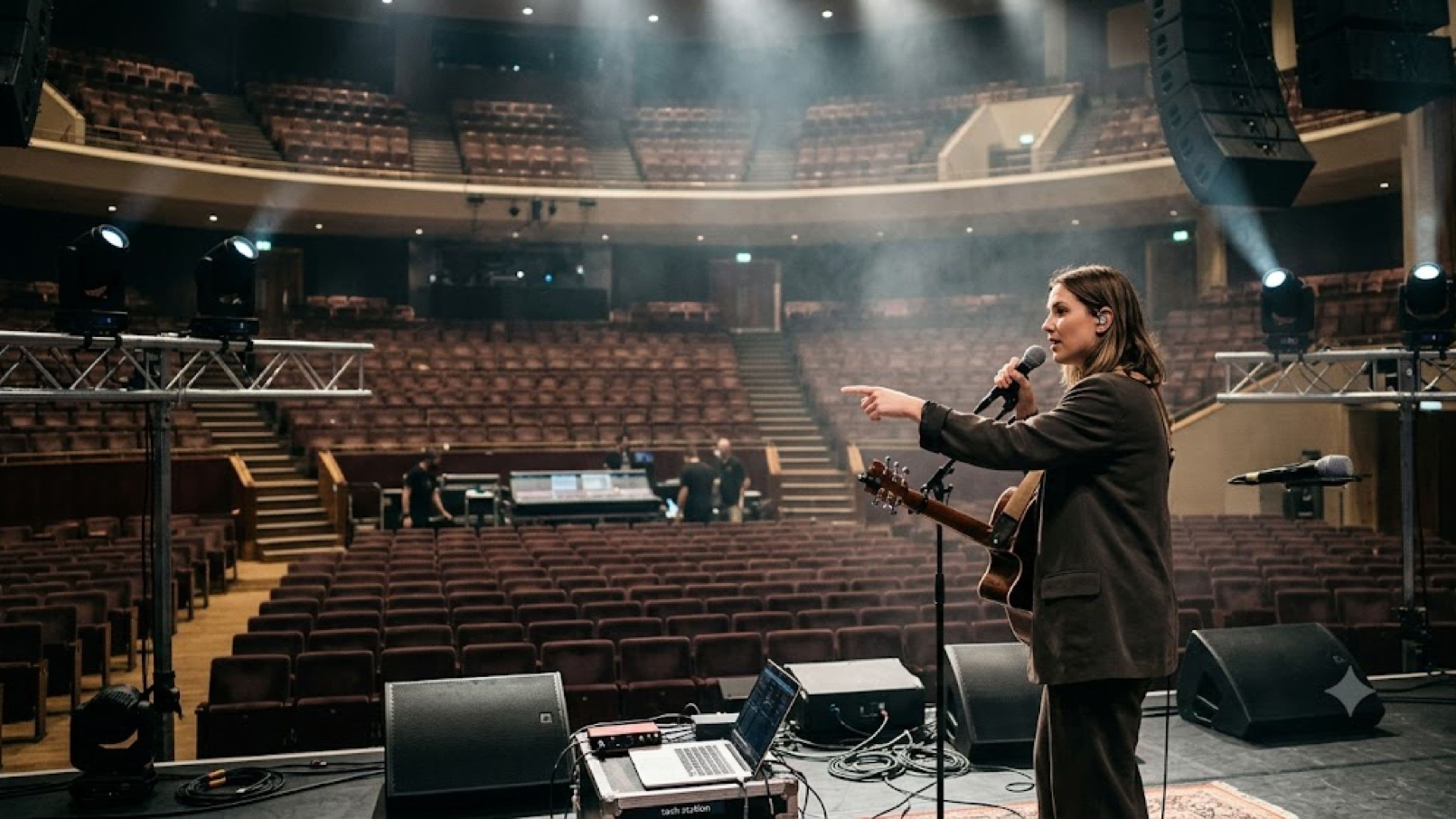
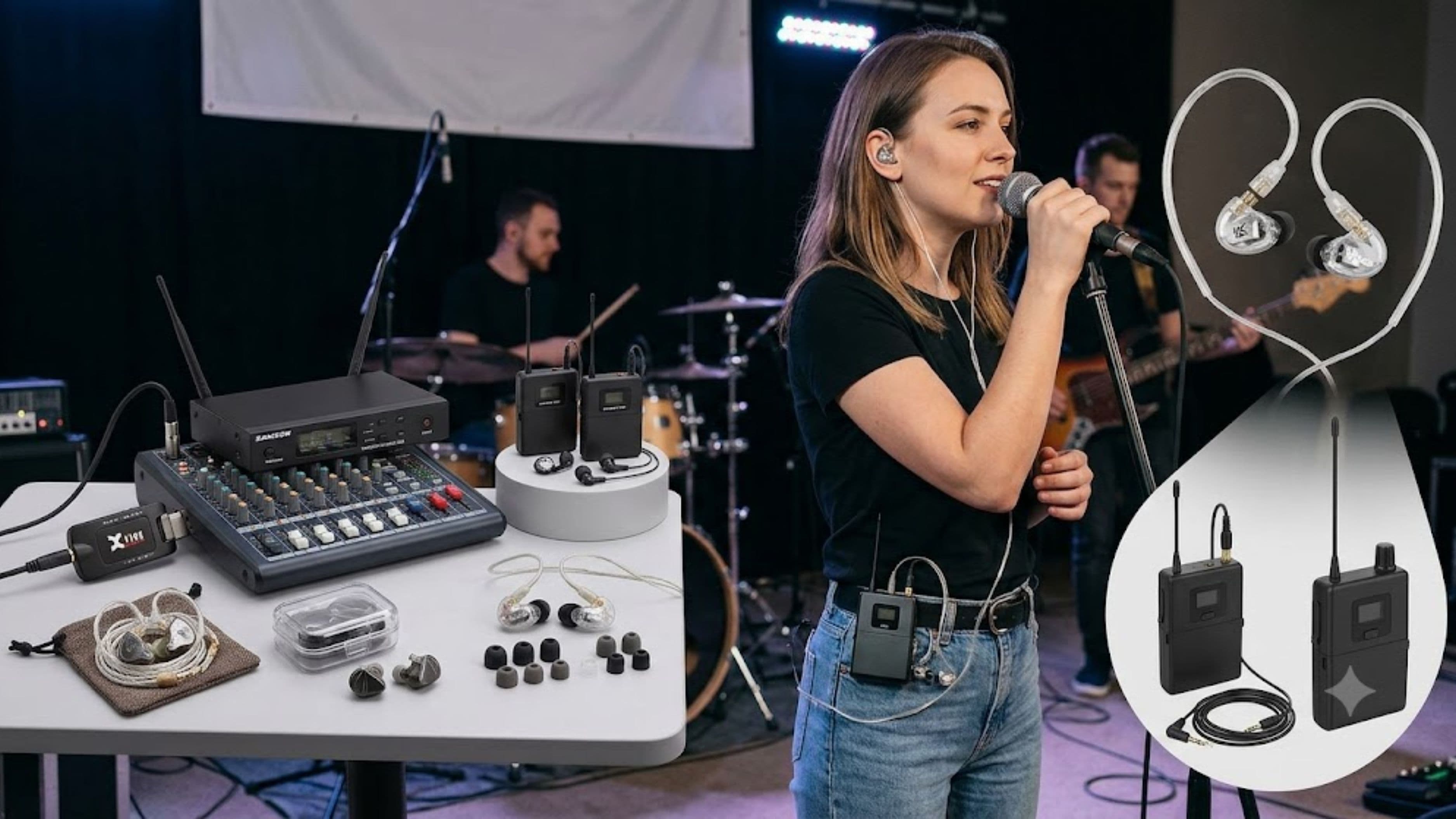
In-ear monitors have become close to standard for touring musicians who want consistent sound without relying on unpredictable venue wedges. A solid wireless IEM setup gives you control over your own mix, reduces stage volume (which matters for hearing health over a long touring career), and adapts more consistently across different venue sizes and acoustics than floor monitors alone.
The real-world relevance here is protecting your hearing over years of shows, not just a single tour. Musicians who tour heavily without any hearing protection strategy often deal with long-term hearing damage that shows up gradually, and IEMs paired with proper monitoring habits are one of the more effective tools for reducing that risk while still hearing yourself clearly on stage.
3. A Genuinely Reliable Power Bank Setup
This sounds almost too basic to mention, but it's one of the most common points of failure on tour: phones, IEMs, wireless mics, and tablets all competing for battery life during a long travel day, with charging access often unpredictable at venues. A high-capacity power bank, ideally one that can charge multiple devices simultaneously, keeps your whole tech kit functional through a long day of travel, soundcheck, and the show itself without hunting for an outlet.
Pair this with a multi-region power adapter if you're touring internationally, since plug types and voltage standards vary significantly by country, and a mismatched adapter can damage sensitive gear rather than just failing to charge it. This is a small, inexpensive addition that prevents a genuinely costly mistake.
4. Cloud Backup for Stems, Setlists, and Session Files
Losing a laptop, having a hard drive fail, or getting gear stolen from a van are all real possibilities on tour, and losing your session files, backing tracks, or stems in that moment can derail a show or a whole leg of dates. Cloud backup – something that syncs automatically in the background rather than requiring you to remember to do it manually – is one of the least glamorous but most important pieces of a modern touring setup.
The practical habit worth building here is redundancy: keep critical files backed up in at least two places, ideally one local (an external drive) and one cloud-based, so a single point of failure – whether it's a stolen bag or a lost signal at the moment you need to sync – doesn't put your whole show at risk.
5. A Setlist and Show-Notes App
Paper setlists still work, but a growing number of touring musicians now rely on apps that keep setlists, stage notes, and even chord charts or lyrics organized and easily editable across a tour, especially useful when a setlist changes city to city or you're subbing in a song last minute. These apps also make it easier to sync changes across a full band, so everyone's looking at the same updated version rather than relying on someone remembering to text an update.
The practical benefit is fewer on-stage surprises. A setlist that's easy to adjust and share reduces the chance of miscommunication between band members, especially on a tour with a rotating crew or last-minute schedule changes.
6. Noise-Cancelling Headphones for Travel
This is as much about sustainability on tour as it is about tech. Long travel days – vans, flights, buses – take a real toll, and a solid pair of noise-cancelling headphones is one of the more effective tools for getting real rest or focus time between shows, which directly affects performance quality and general wellbeing over a long tour.
Beyond rest, these double as a practical tool for reviewing mixes, listening to reference tracks, or doing focused work on new material while traveling, without needing a quiet room that often isn't available on the road.
7. A Portable Payment and Merch Tracking Setup
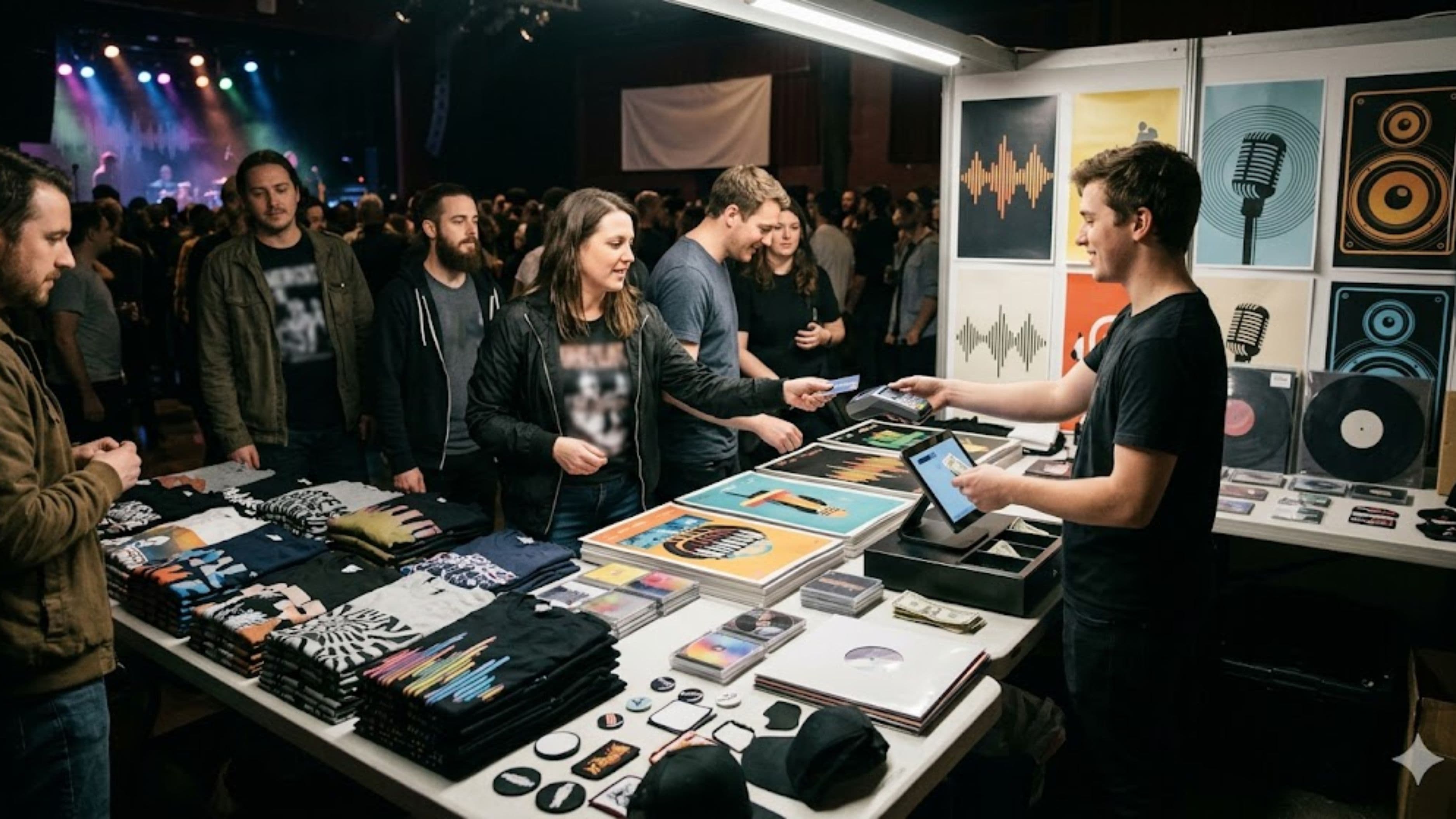
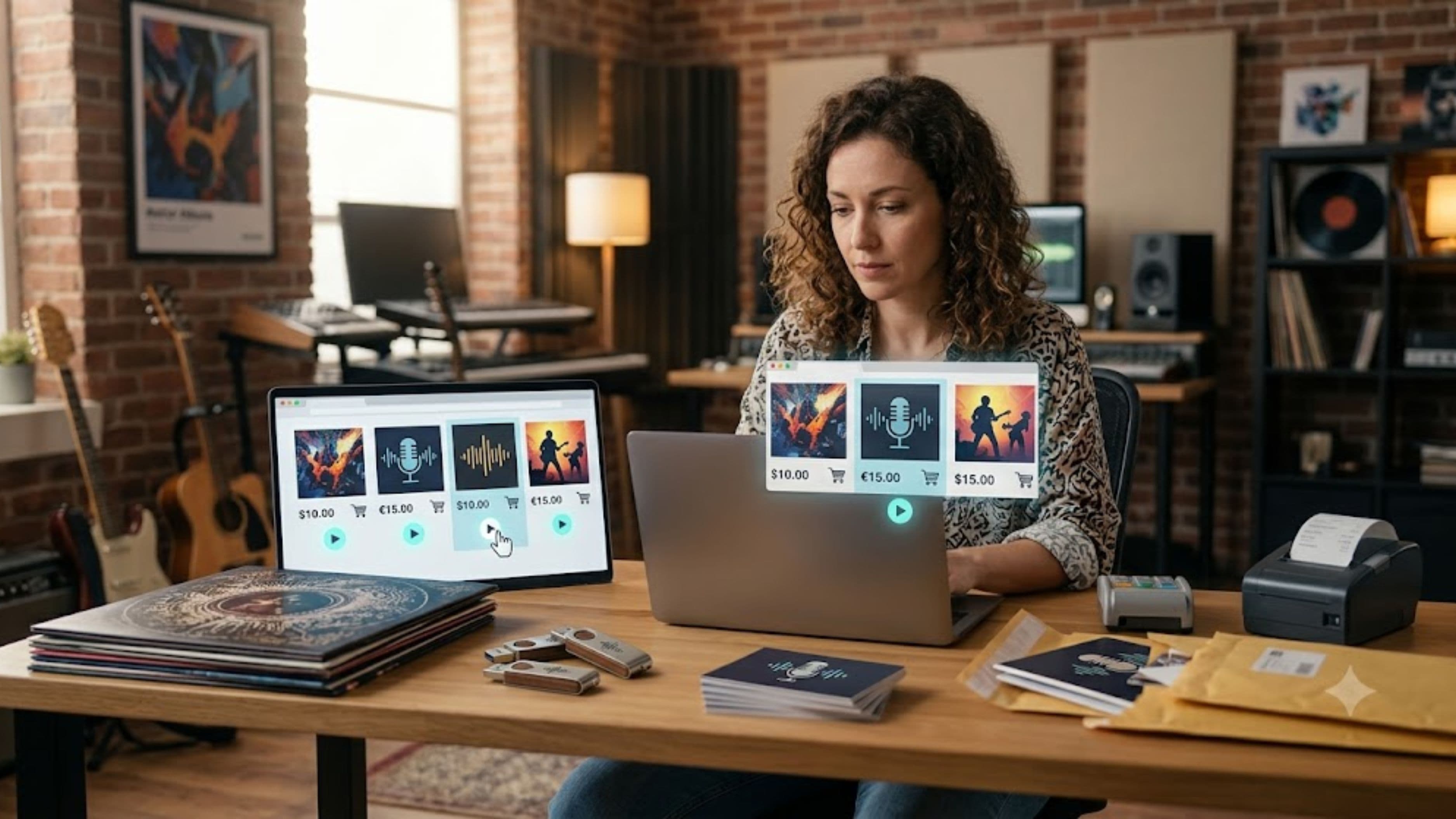
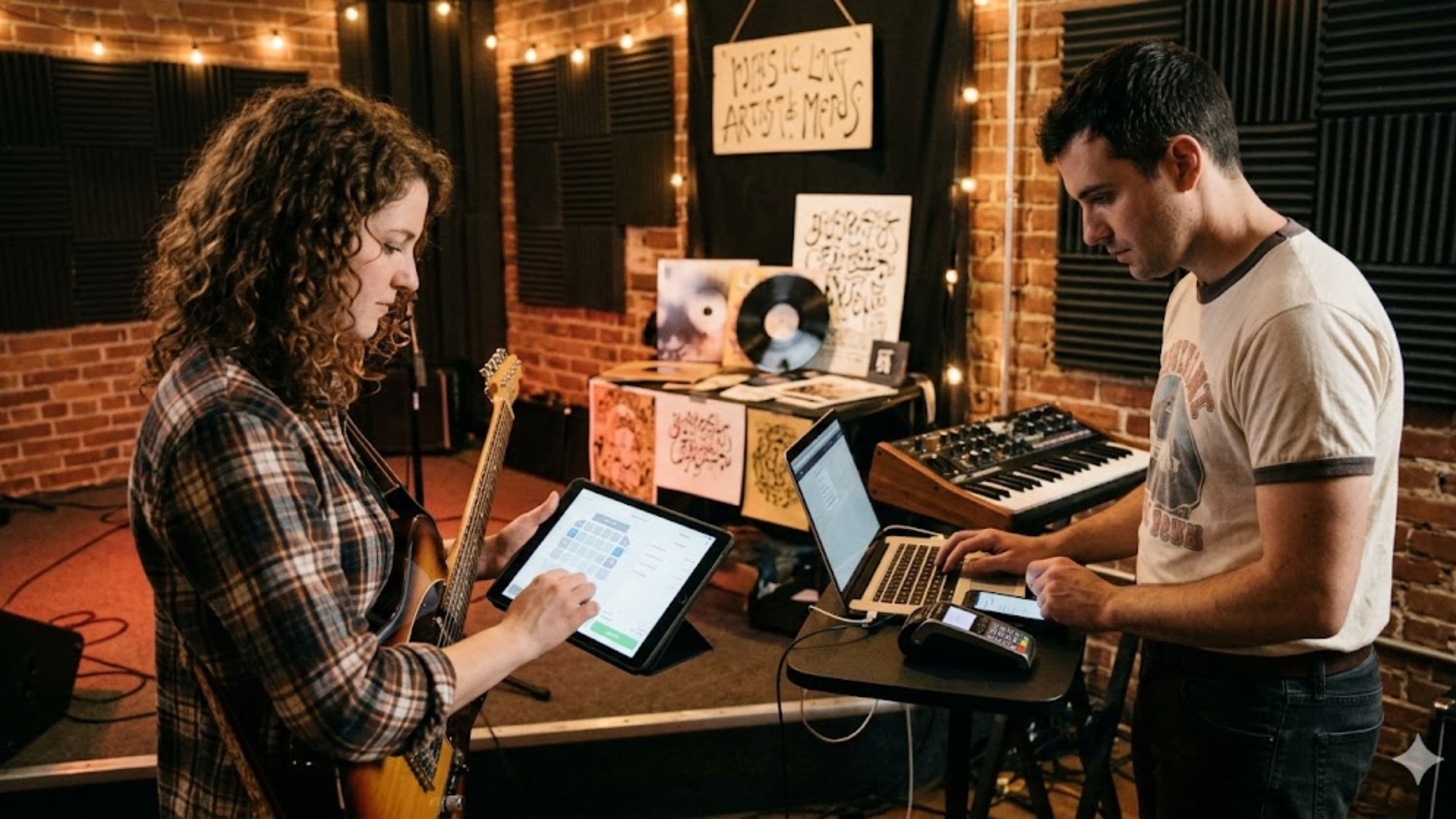
For independent artists selling merch directly at shows, a reliable mobile card reader paired with basic inventory tracking prevents two common problems: losing sales because someone doesn't have cash, and losing track of what's actually selling well across different cities. Modern mobile payment tools are compact and connect directly to a phone, making this an easy addition to a merch table setup without requiring dedicated hardware.
The growth angle here is real: knowing which merch items and price points perform best in different markets helps you make smarter restocking and design decisions for future tours, rather than guessing based on memory after the fact.
8. A Dedicated Cable and Adapter Organizer
Not glamorous, but genuinely important – a dedicated case or organizer for cables, adapters, and small accessories prevents the single most common source of pre-show stress on tour: digging through a bag for the one cable you need while the clock is running down to soundcheck. Keeping this organized isn't really about the tech itself, it's about protecting your time and reducing avoidable stress before a show.
What to Watch Out For
Battery-dependent gear is only as reliable as your charging habits, so it's worth building a simple end-of-show routine – plugging in your power bank, IEMs, and any other rechargeable gear immediately after a set, rather than assuming you'll remember before the next show. Skipping this is one of the most common and preventable tech failures on tour.
It's also worth being cautious about over-investing in gear before you've toured enough to know your actual workflow. Some pieces on this list matter more for certain setups than others – a solo acoustic performer doesn't need the same kit as a full band running in-ear monitors and backing tracks – so prioritize based on your actual show requirements rather than assembling every possible piece of gear at once.
Practical Takeaway
None of this needs to happen all at once. Start with the pieces that address your most frequent point of friction – reliable power, backup of your files, or in-ear monitoring – and build the rest of the kit out over time as you learn what actually matters for your specific setup and touring pace.
FAQ
Do I need all of this gear if I'm just starting to tour locally? No. For local or regional touring, a reliable power bank and basic cloud backup cover the most common points of failure. The rest of the kit becomes more relevant as tours get longer or more complex.
Is wireless in-ear monitoring worth it for a smaller act? It's a real investment, but even a basic wireless IEM setup can meaningfully improve consistency and reduce hearing strain over a long touring schedule, which matters even at a smaller scale.
What's the most commonly overlooked item on this list? Cloud backup for session files and setlists tends to get overlooked until something is actually lost, at which point it's too late. Building the habit early avoids a preventable, high-stress situation later.
📚 Sources
"Noise-Induced Hearing Loss" – National Institute on Deafness and Other Communication Disorders, nidcd.nih.gov
"Data Backup Options" – Federal Trade Commission, consumer.ftc.gov