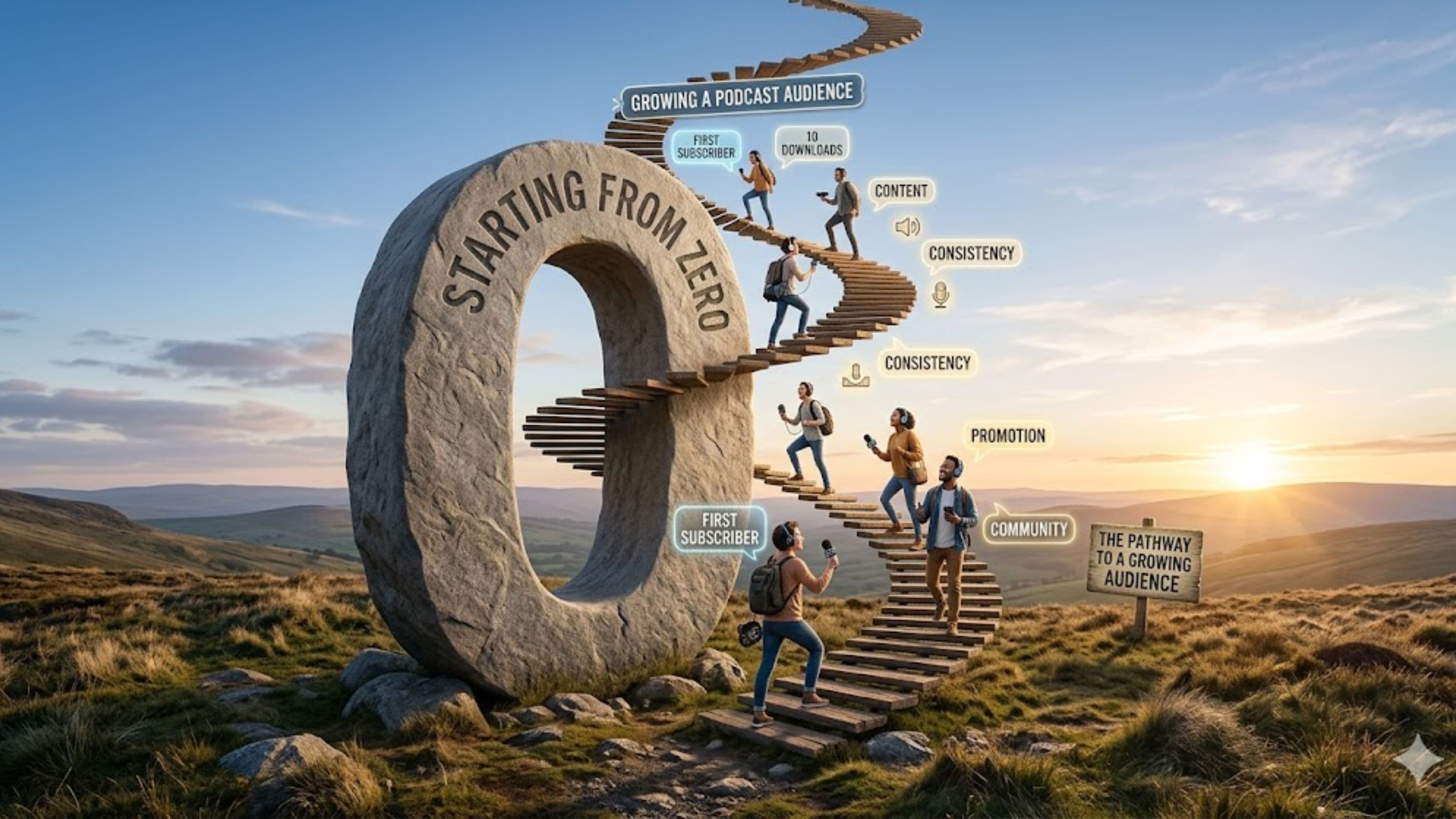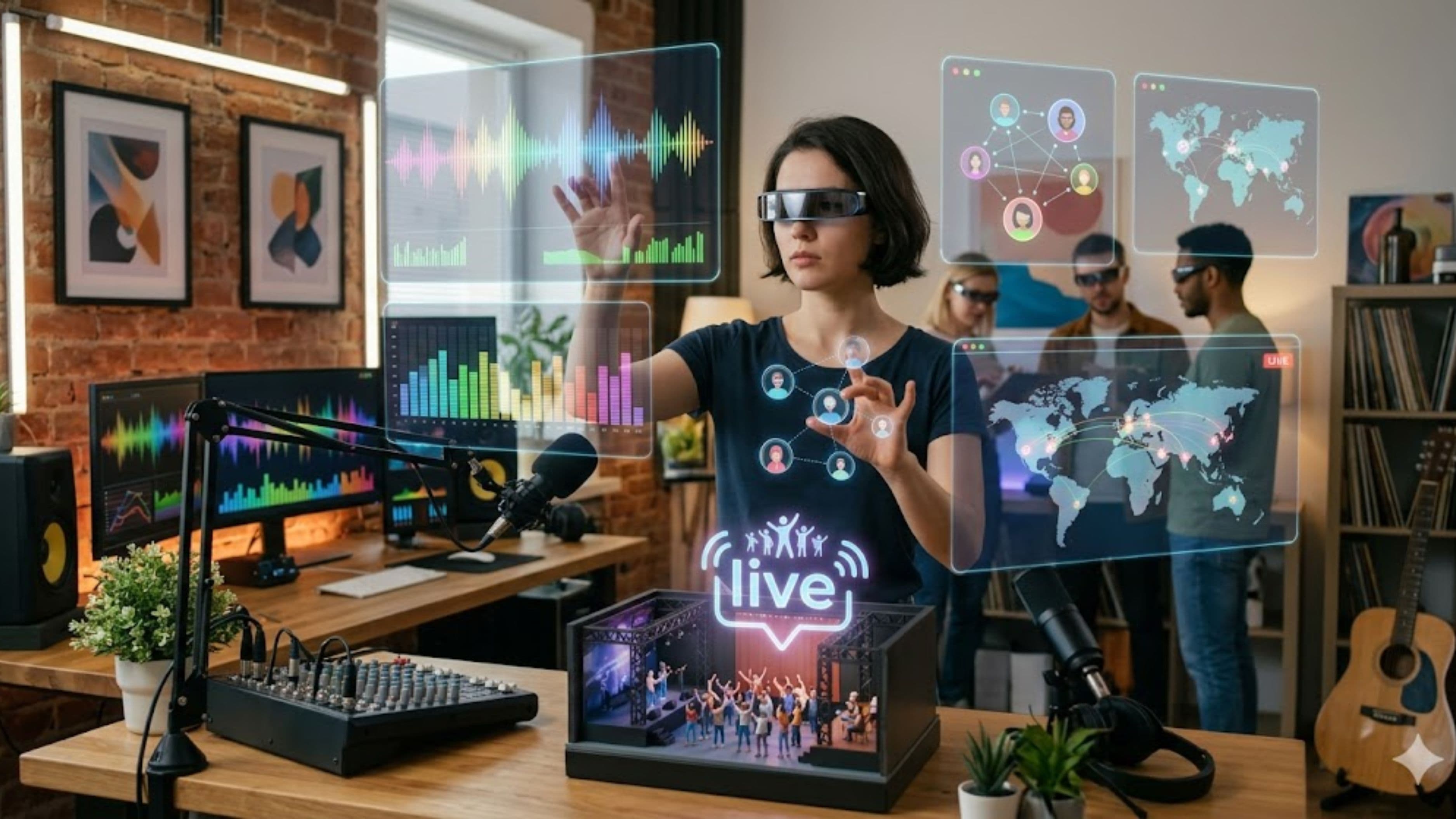
It's not a mass trend yet, but the artists doing it are doing it strategically. Here's why the model works, what it actually builds, and what to consider before you start.
The Core Reason It Works: Depth Over Reach
Social media reach is wide but shallow. A viral post reaches a lot of people briefly. A podcast episode reaches fewer people for 30 to 60 minutes. Those are fundamentally different kinds of engagement, and for artists trying to build a sustainable fanbase, depth often matters more than reach.
When someone listens to a podcast episode in full, they've spent real time with you — your voice, your thinking, your personality, the way you talk about your work. That investment creates a kind of familiarity that a 30-second clip can't build. Listeners who follow a podcast don't just know what an artist sounds like musically; they know how the artist thinks, what influences them, what they care about, and what they're working on. That's the foundation of the kind of fan who buys tickets, purchases merch, supports Patreon campaigns, and tells their friends about you.
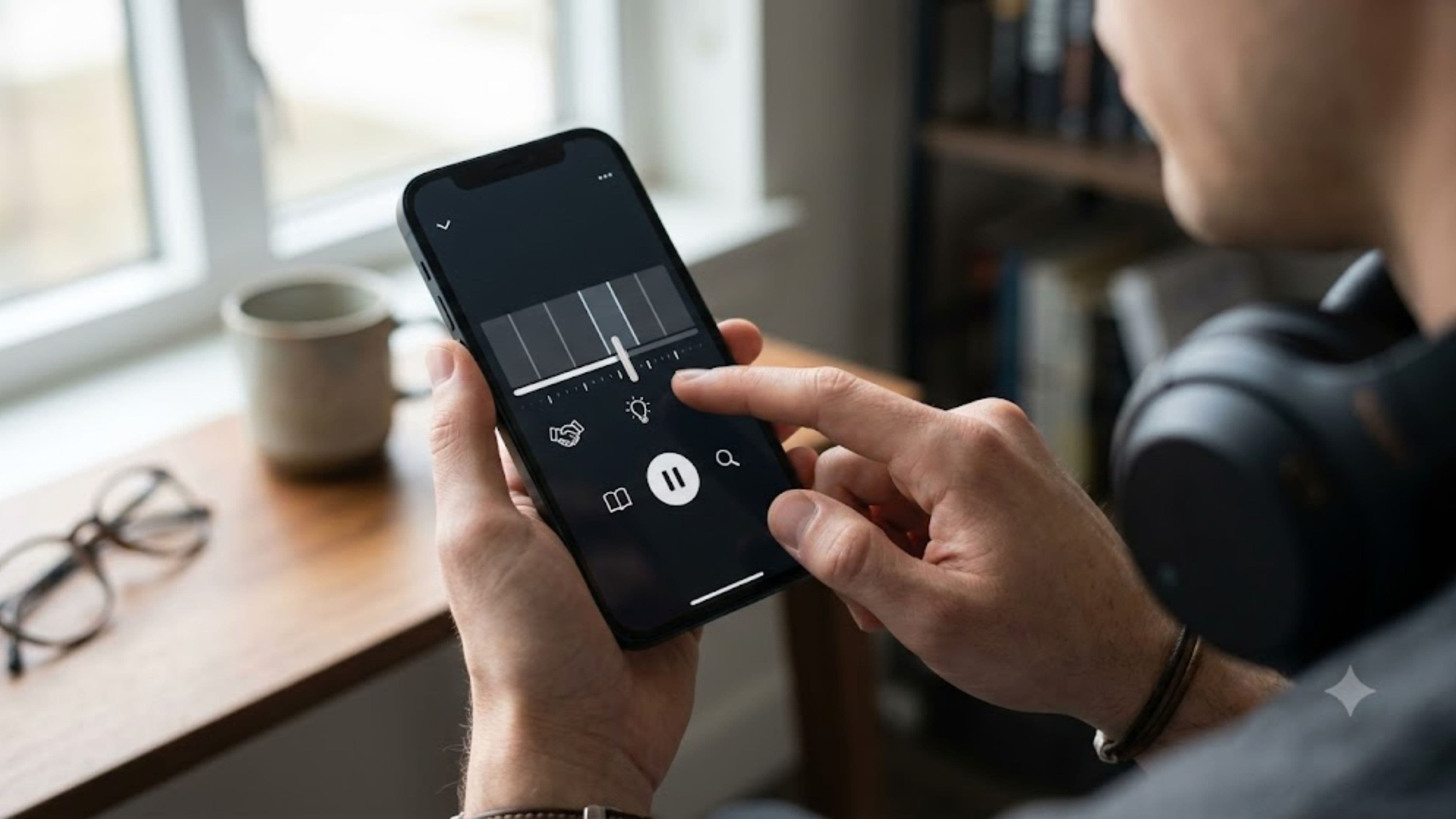
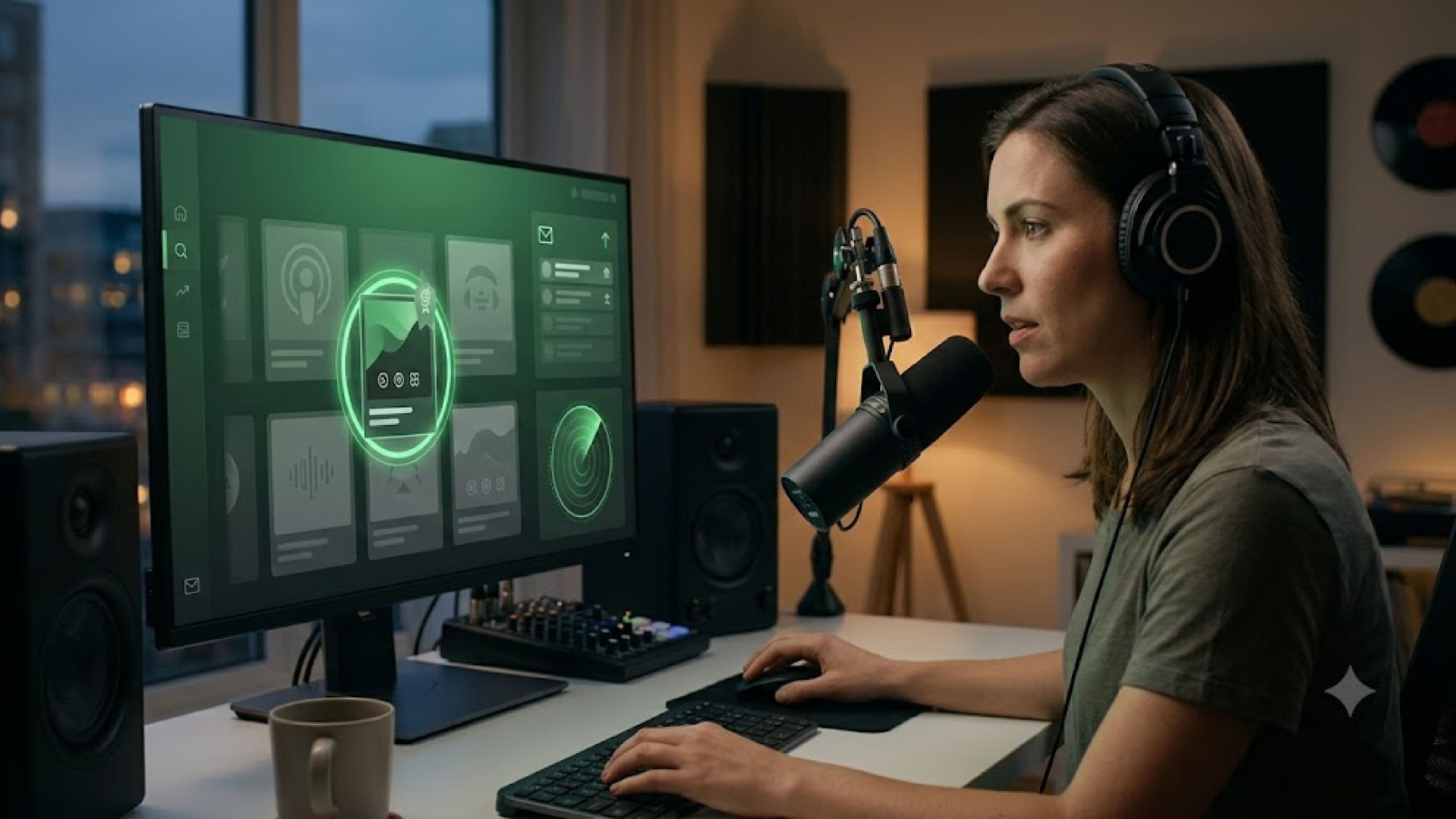
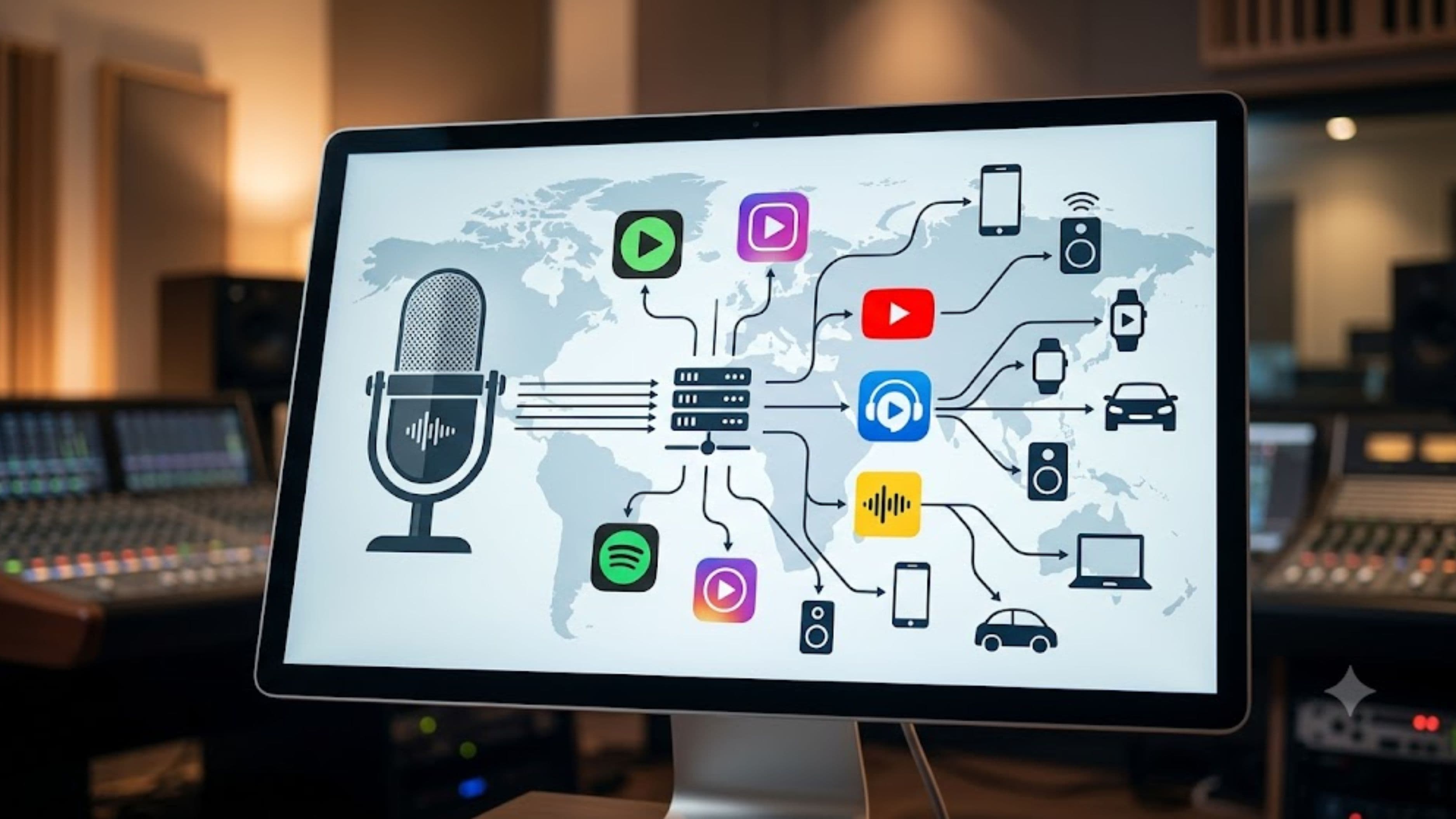
Spotify and Apple Podcasts have built this out explicitly. Both platforms now allow podcast and music content to coexist on an artist's profile, and Spotify has invested significantly in tools that let podcasters link to music directly from episode pages. If someone discovers an artist through a podcast and wants to hear the music, the path from listener to listener is shorter than it's ever been.
What Artists Are Actually Doing With Podcasts
The formats vary significantly, and the right approach depends entirely on the artist's personality and what they have to say.
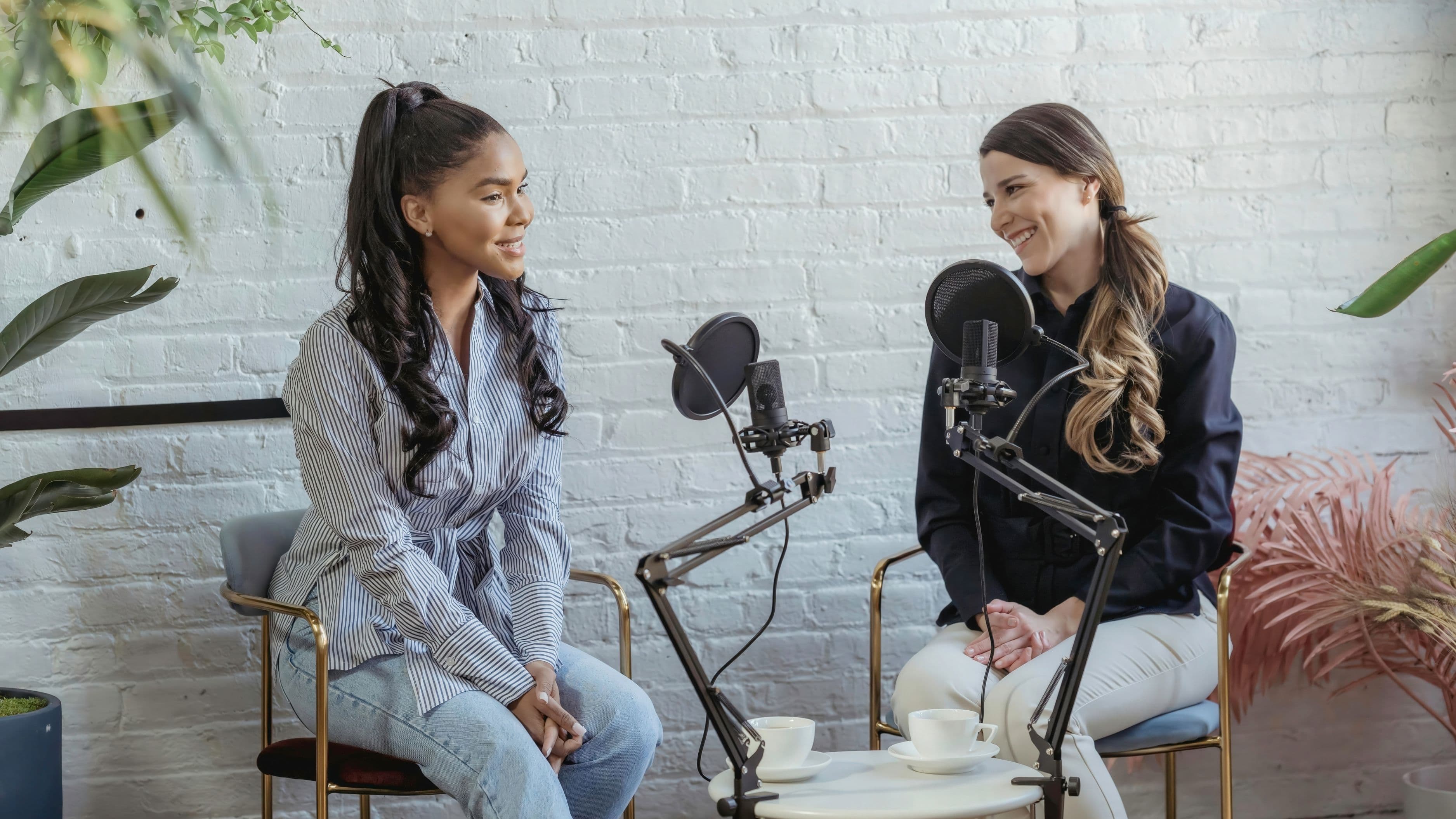
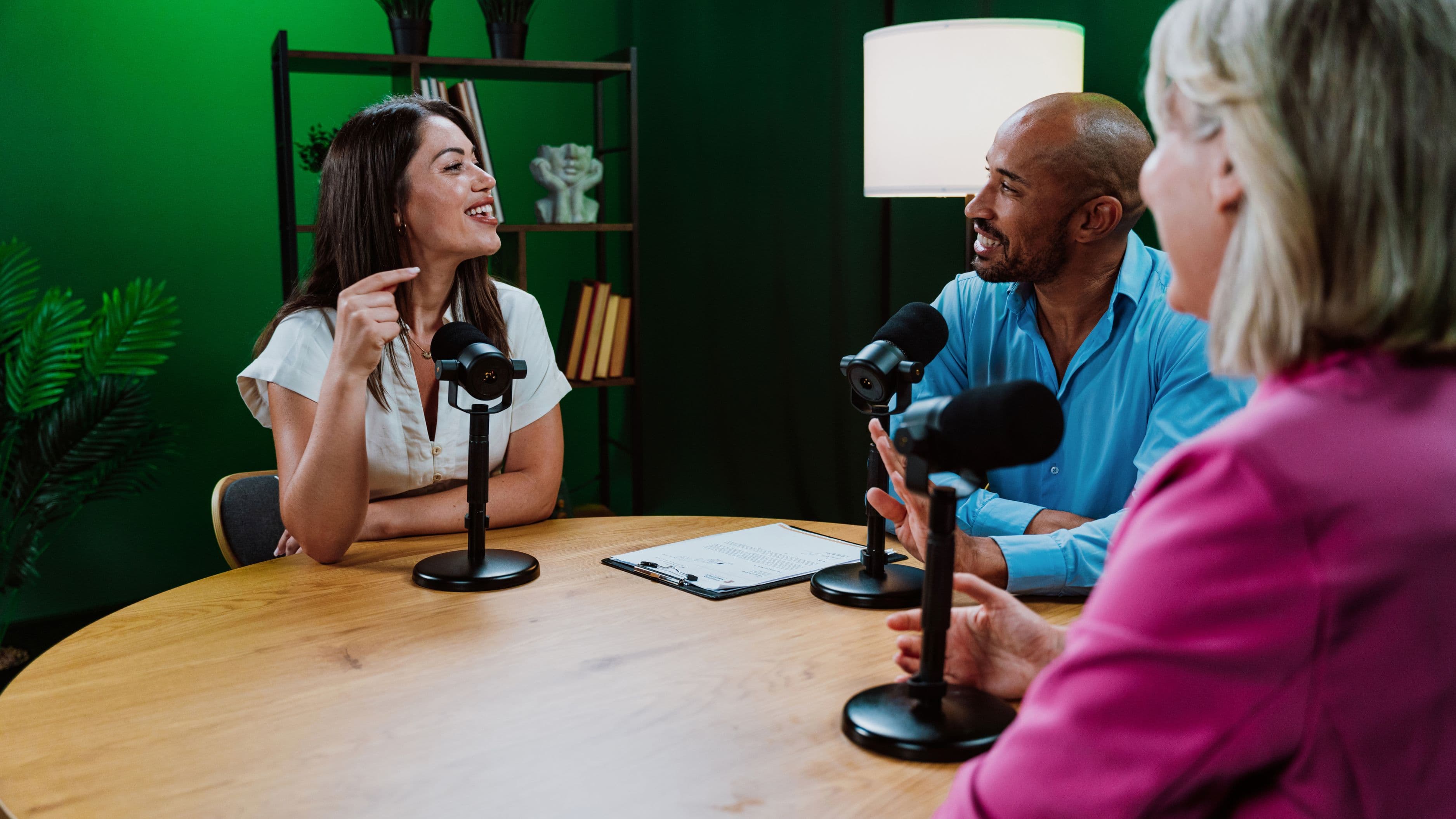
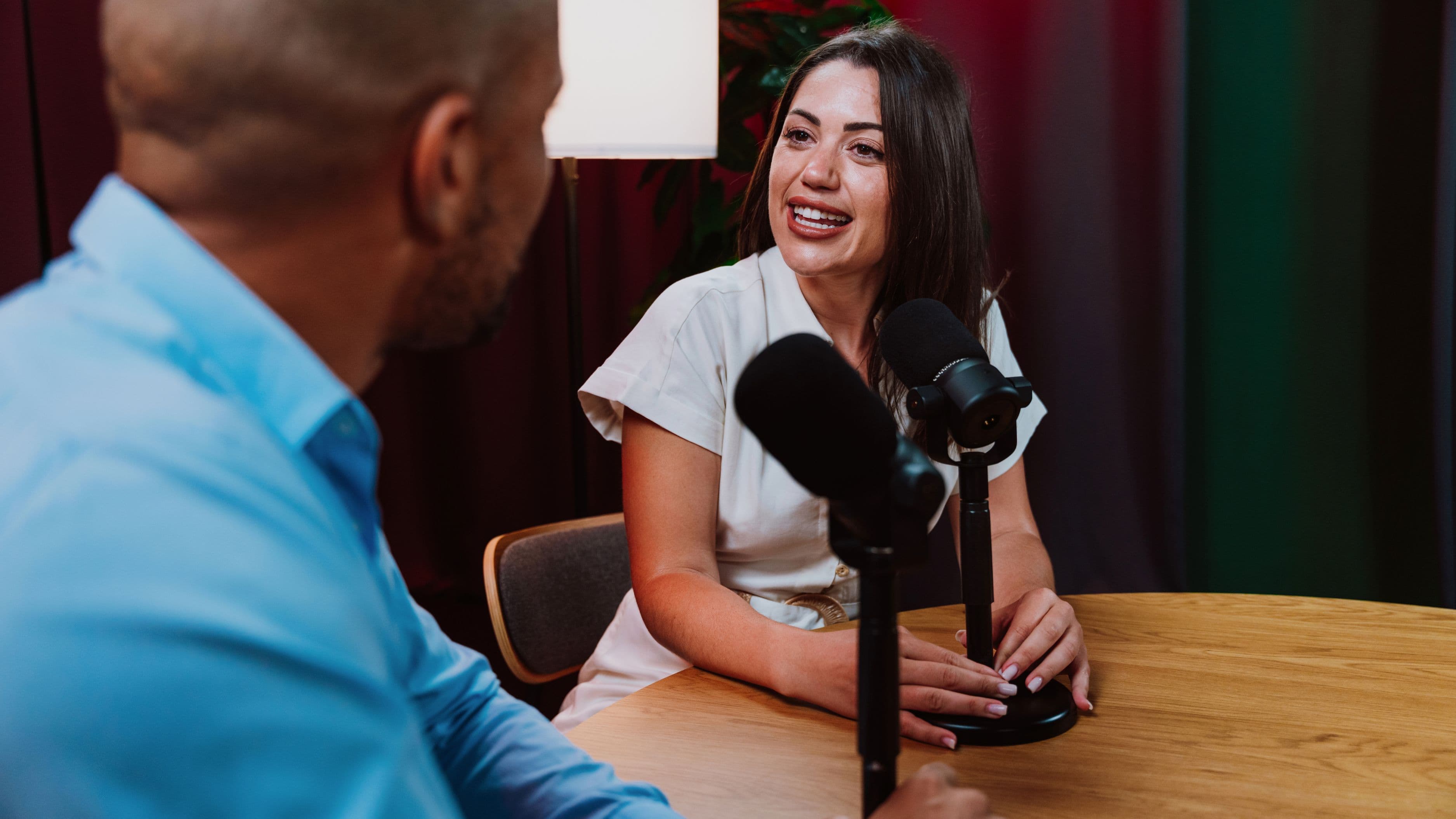
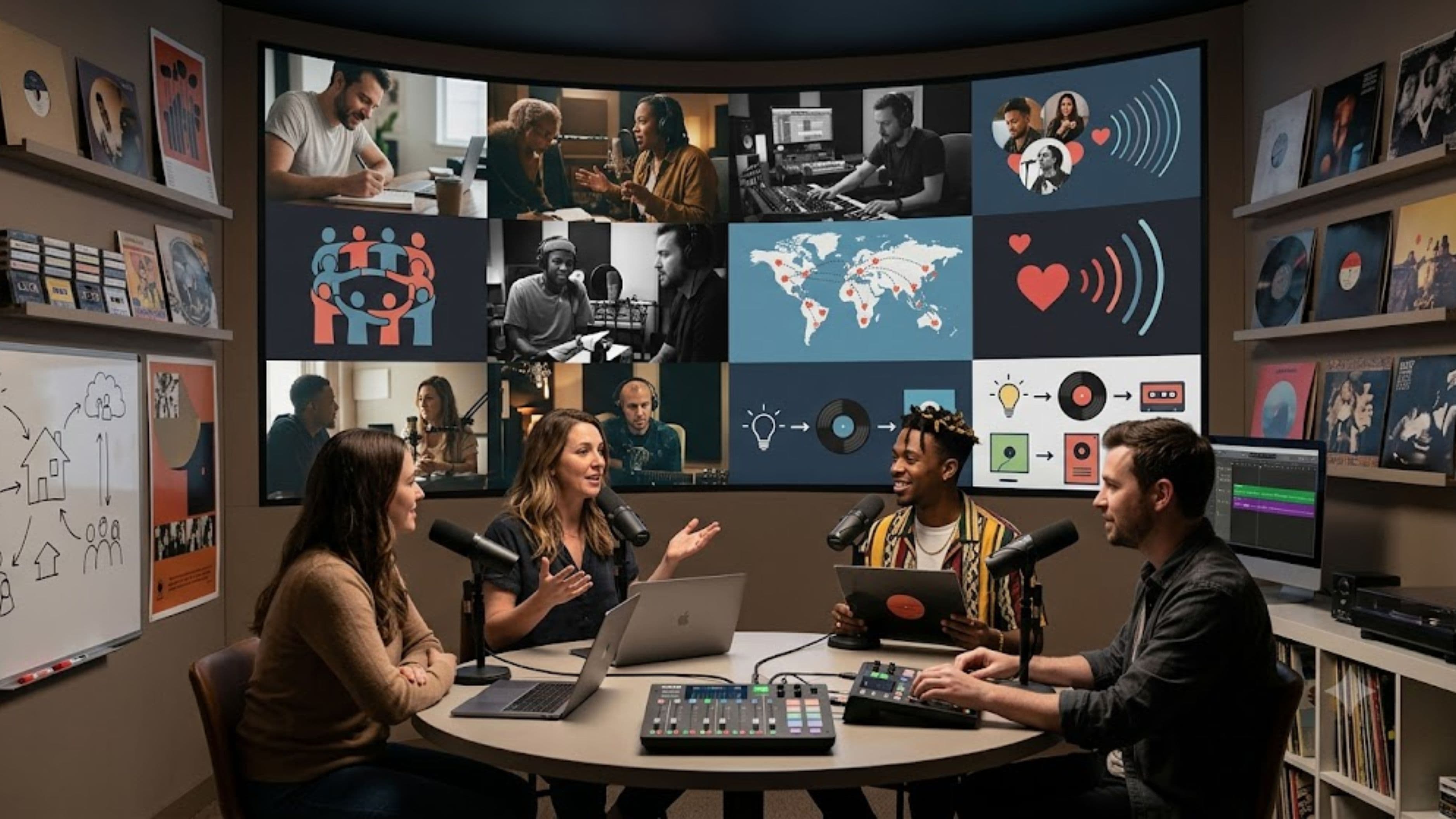
Some artists run interview formats — bringing in other musicians, producers, or industry figures for conversation about the craft. This works well for artists who are genuinely curious about other people's processes and want to position themselves within a broader creative community. Interview podcasts also benefit from cross-promotion: when you have a guest on, they typically share the episode with their own audience, which provides genuine audience overlap and discovery in a way that a social media post rarely achieves.
Others run solo commentary shows — deep dives into albums they love, breakdowns of their own creative process, explorations of a genre's history. This format suits artists with a lot to say and a perspective that's distinct from what's already in the space. It's harder to sustain than an interview show (there's no guest to share the conversational load) but it builds a stronger sense of artistic identity because it's entirely the artist's voice and thinking.
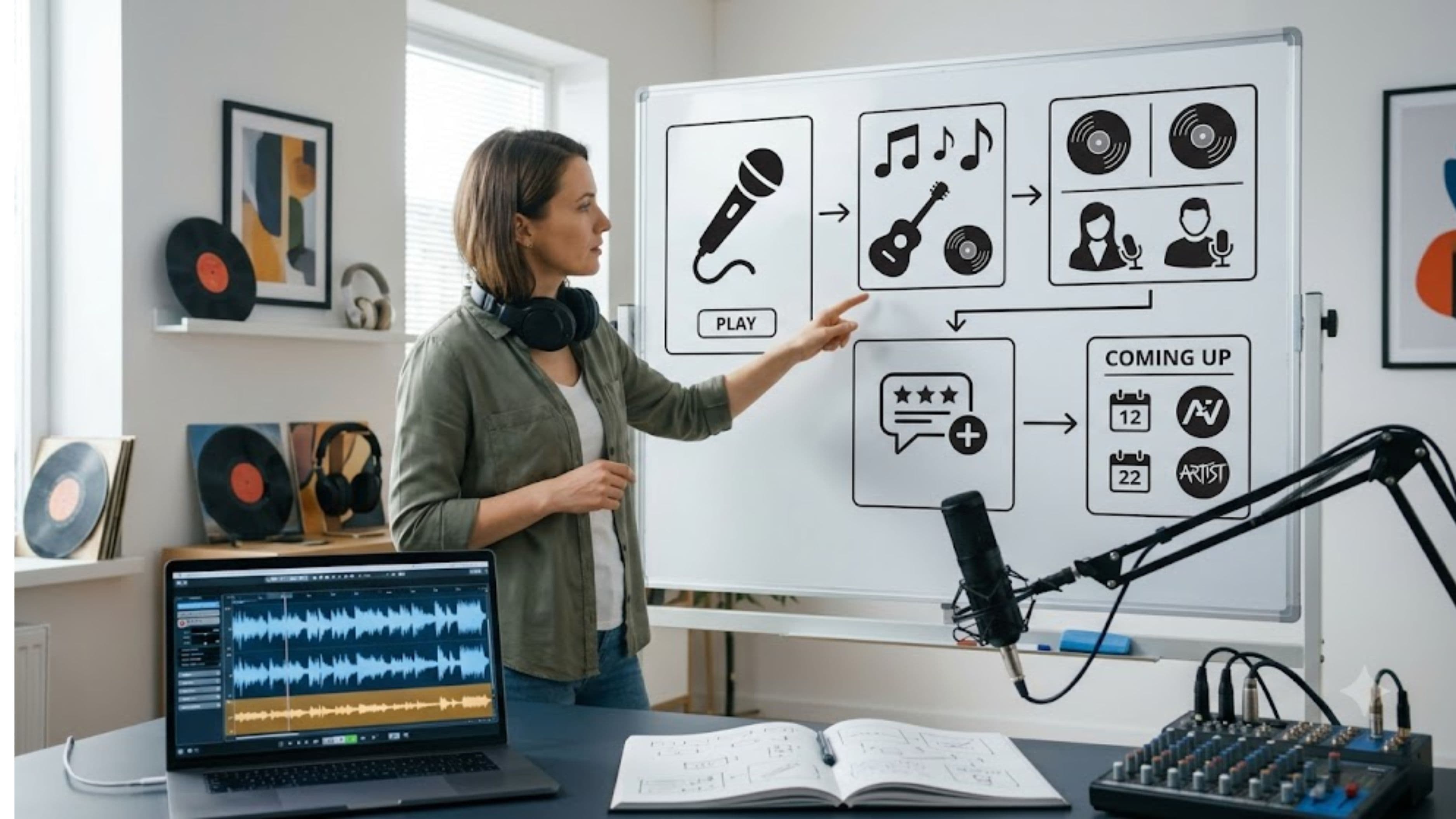
A third format is the behind-the-scenes or making-of show — following the creation of an album or EP in real time, releasing episodes as the project develops. This format has a built-in story arc and a natural promotional angle: by the time the record comes out, the podcast has created an audience who's been invested in its creation. It also works well as a limited series rather than an ongoing commitment, which lowers the barrier for artists who aren't sure they want to run a podcast indefinitely.
The Platform Dynamics That Make This Appealing Right Now
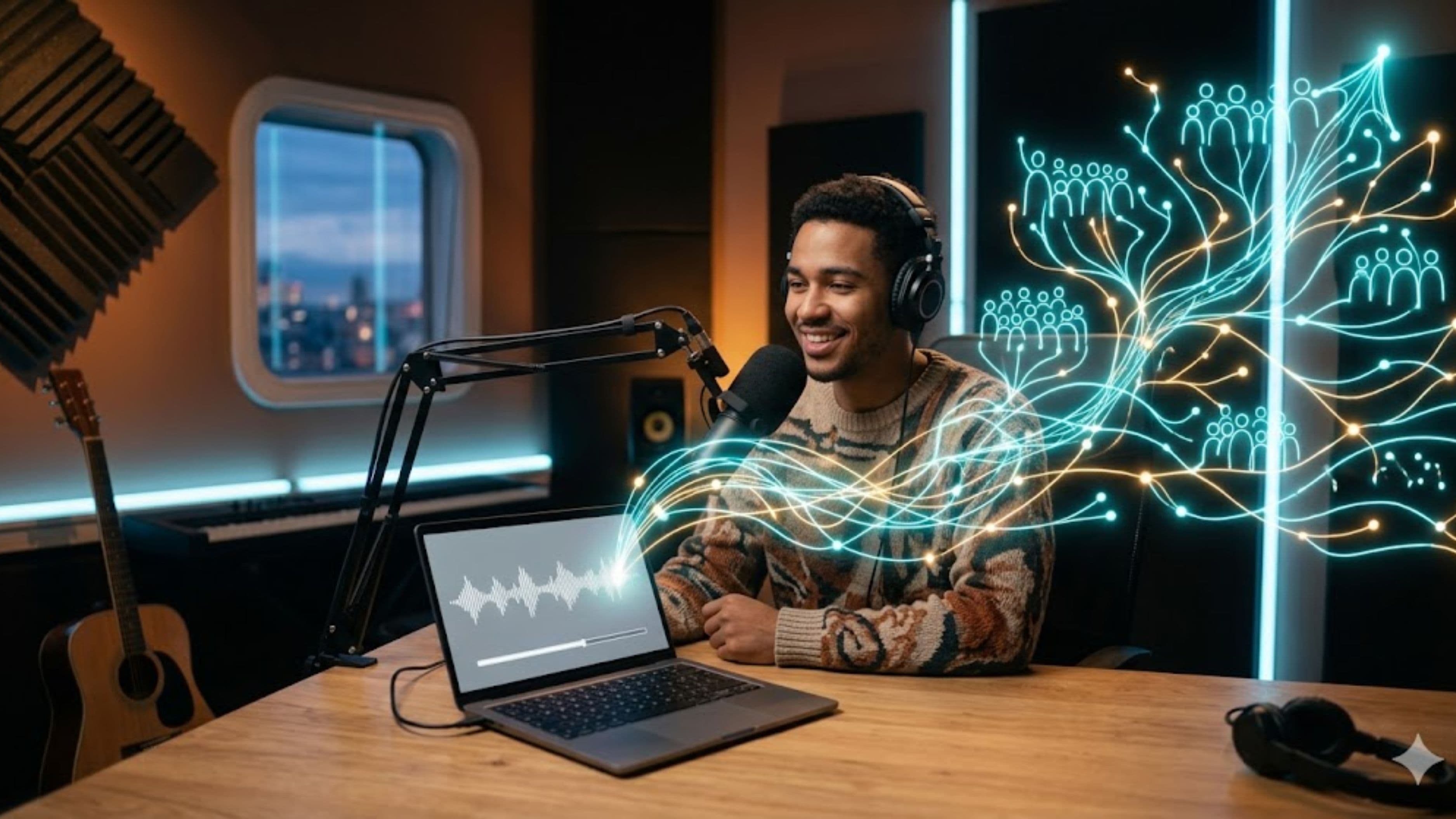
Podcasting doesn't work on the same algorithmic rules as social media. Discovery happens differently — through search, through word of mouth, through appearing as a guest on other shows — and once someone subscribes, they receive new episodes automatically in their podcast app without any algorithm deciding whether to show it to them. That subscription relationship is closer to an email list than a social media follow, which means your content reaches your audience without platform interference.
This matters more than it used to. Artists who built significant social media audiences in the early years of Instagram or YouTube often talk about how those audiences became less reachable as algorithm changes reduced organic reach. Podcast subscribers don't experience that kind of attrition. The format has a structural reliability that most social platforms don't.
There's also a discoverability dynamic specific to music podcasts that's worth understanding. When an artist runs a genre-specific or craft-focused podcast, they can surface in searches from people who are interested in that genre or topic — not necessarily as a listener looking for that specific artist, but as someone who would likely appreciate their music if they encountered it. A podcast about independent hip-hop production, made by a hip-hop producer, reaches people who are already interested in hip-hop production. That's an audience self-selection that's very hard to manufacture through paid promotion.
What It Actually Takes to Sustain
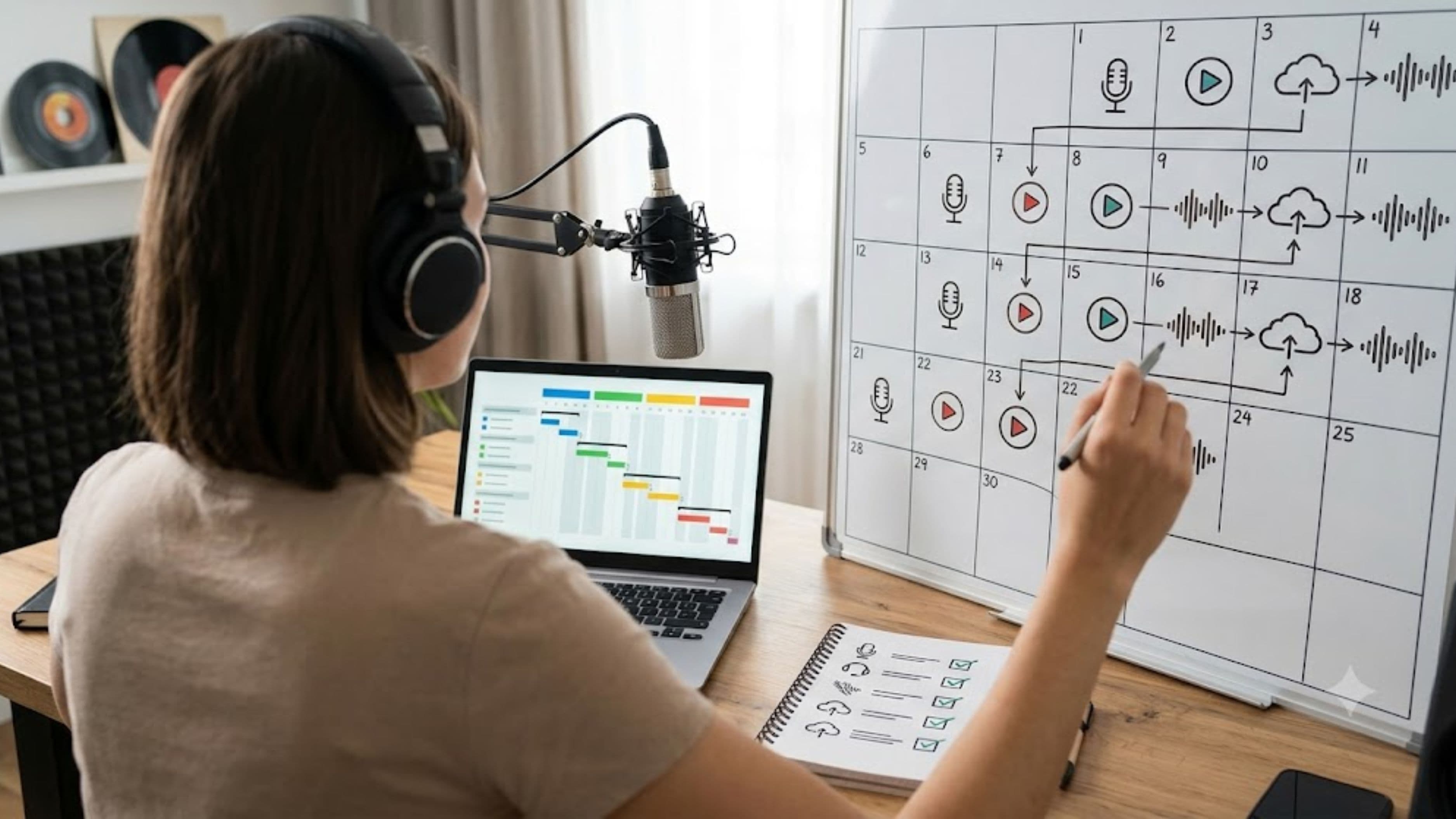
Podcasting is not passive. A podcast that goes dark after four episodes does more reputational damage than not starting one — it signals to listeners that follow-through isn't there. The artists making it work treat it like a release schedule: consistent, planned, and maintained even when it's not immediately generating results.
A sustainable minimum is one episode per month. That's enough to build a catalog over time without creating an unsustainable production burden. Bi-weekly or weekly episodes create faster audience growth but require significantly more ongoing effort in booking, recording, editing, and promoting. Be honest about which cadence fits your current schedule before committing publicly to one.
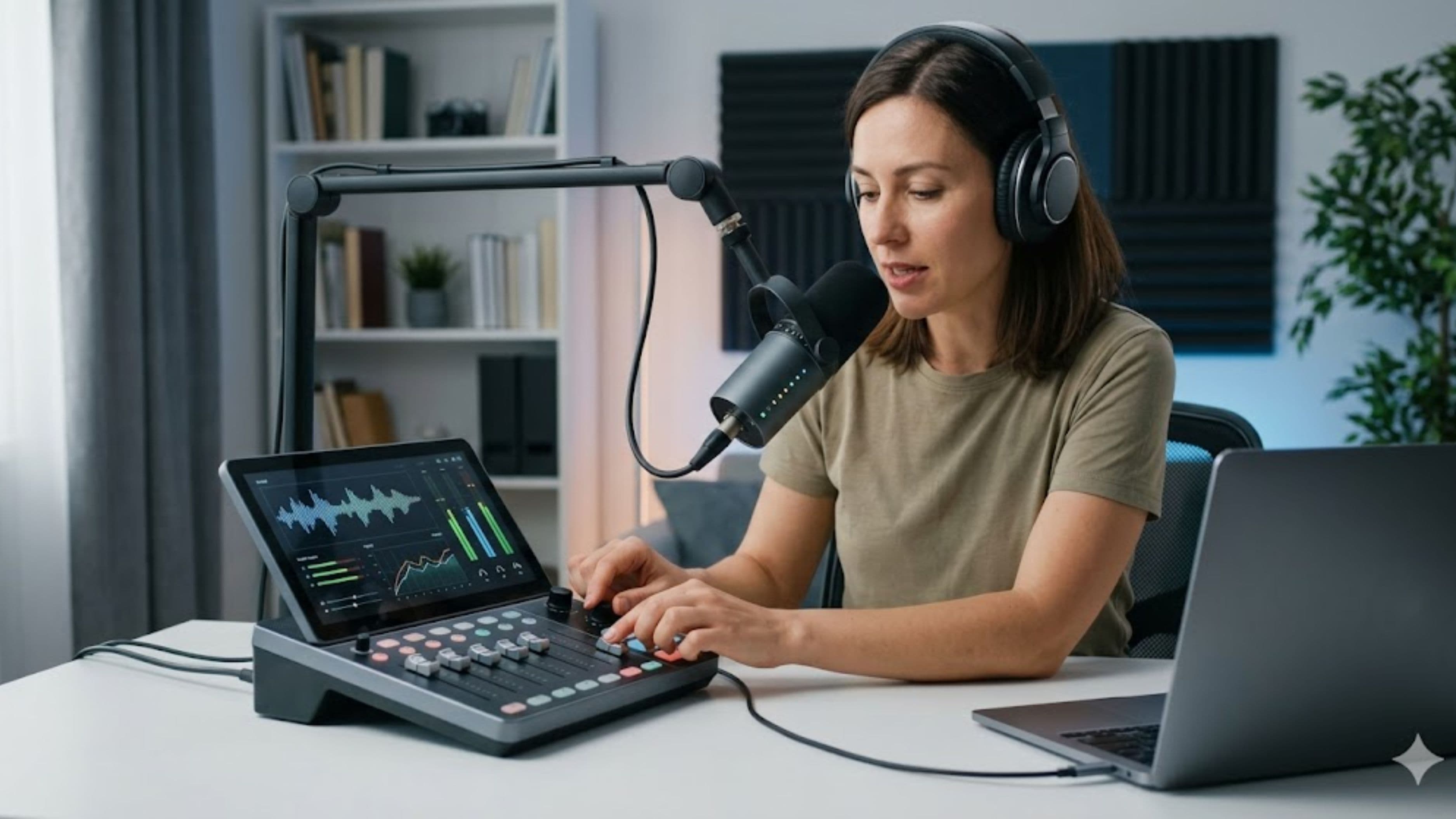
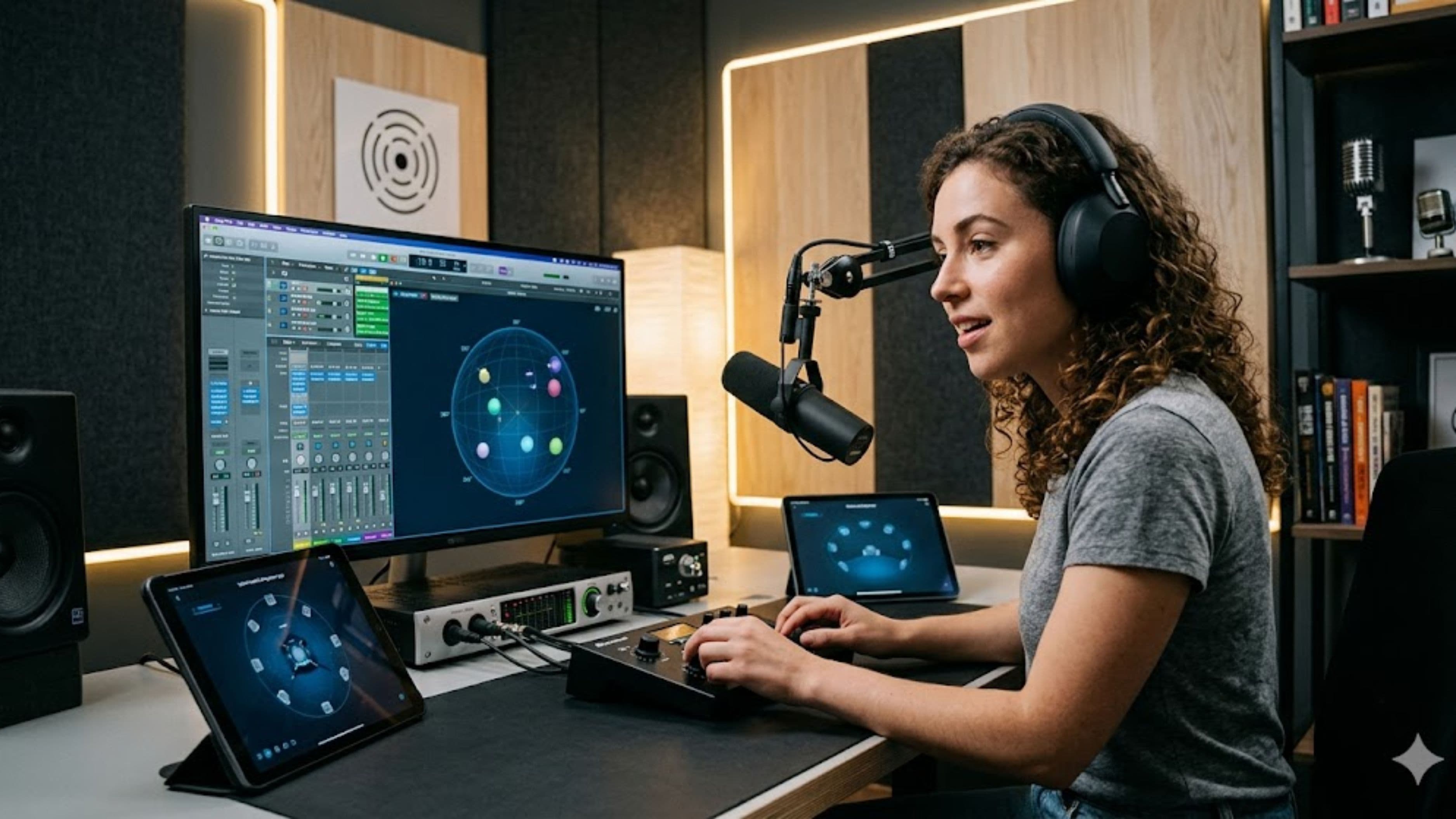
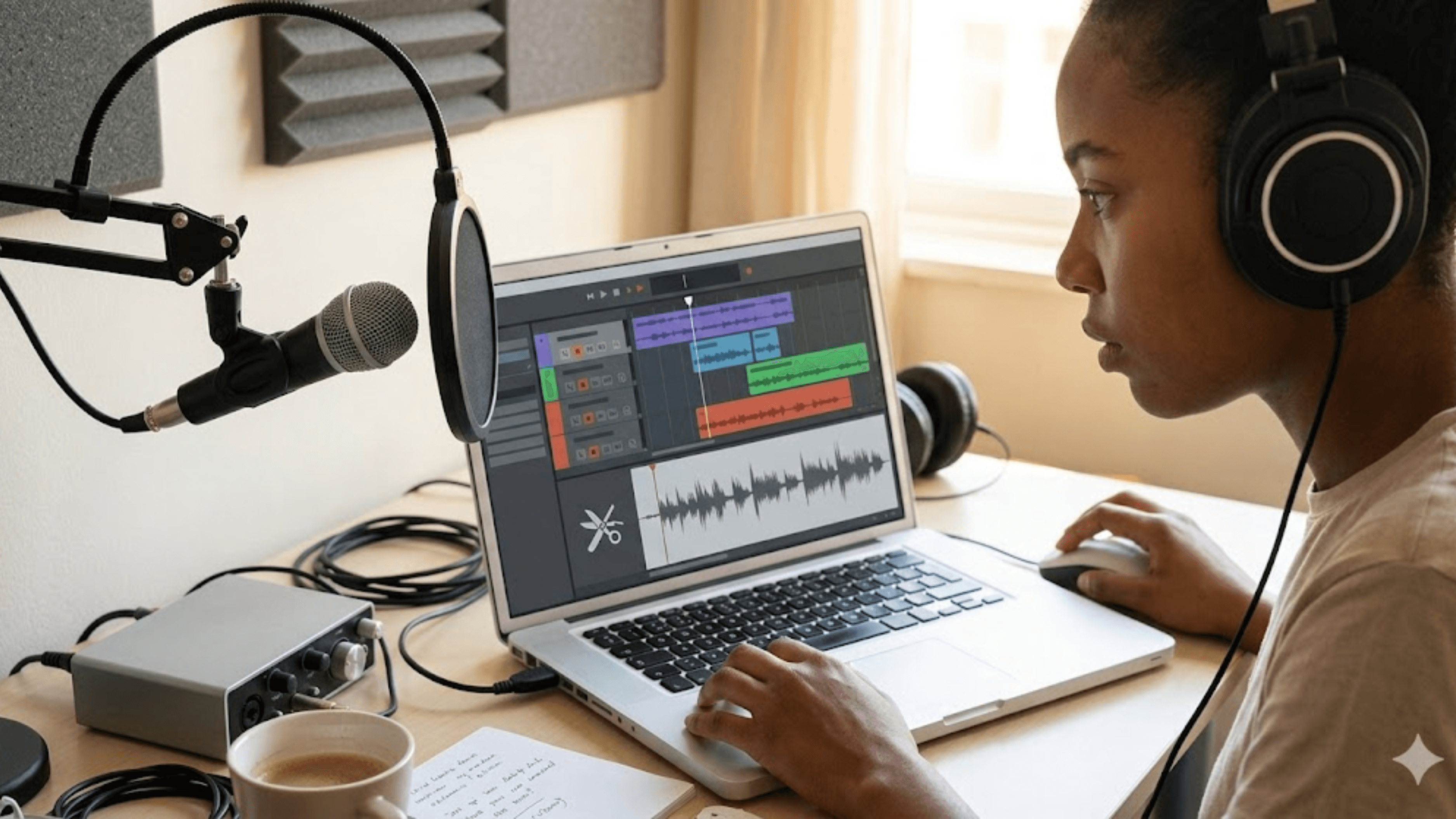
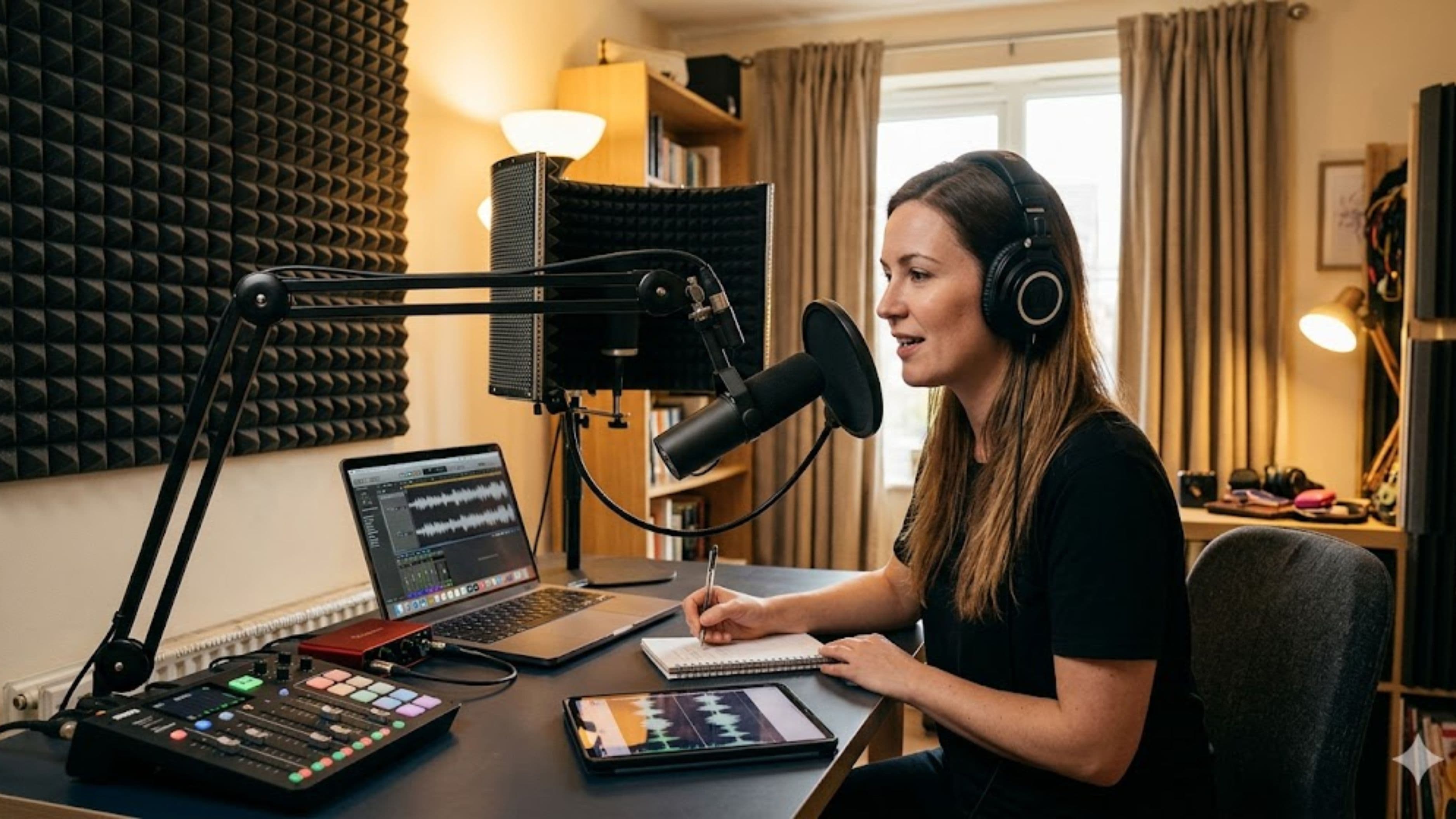
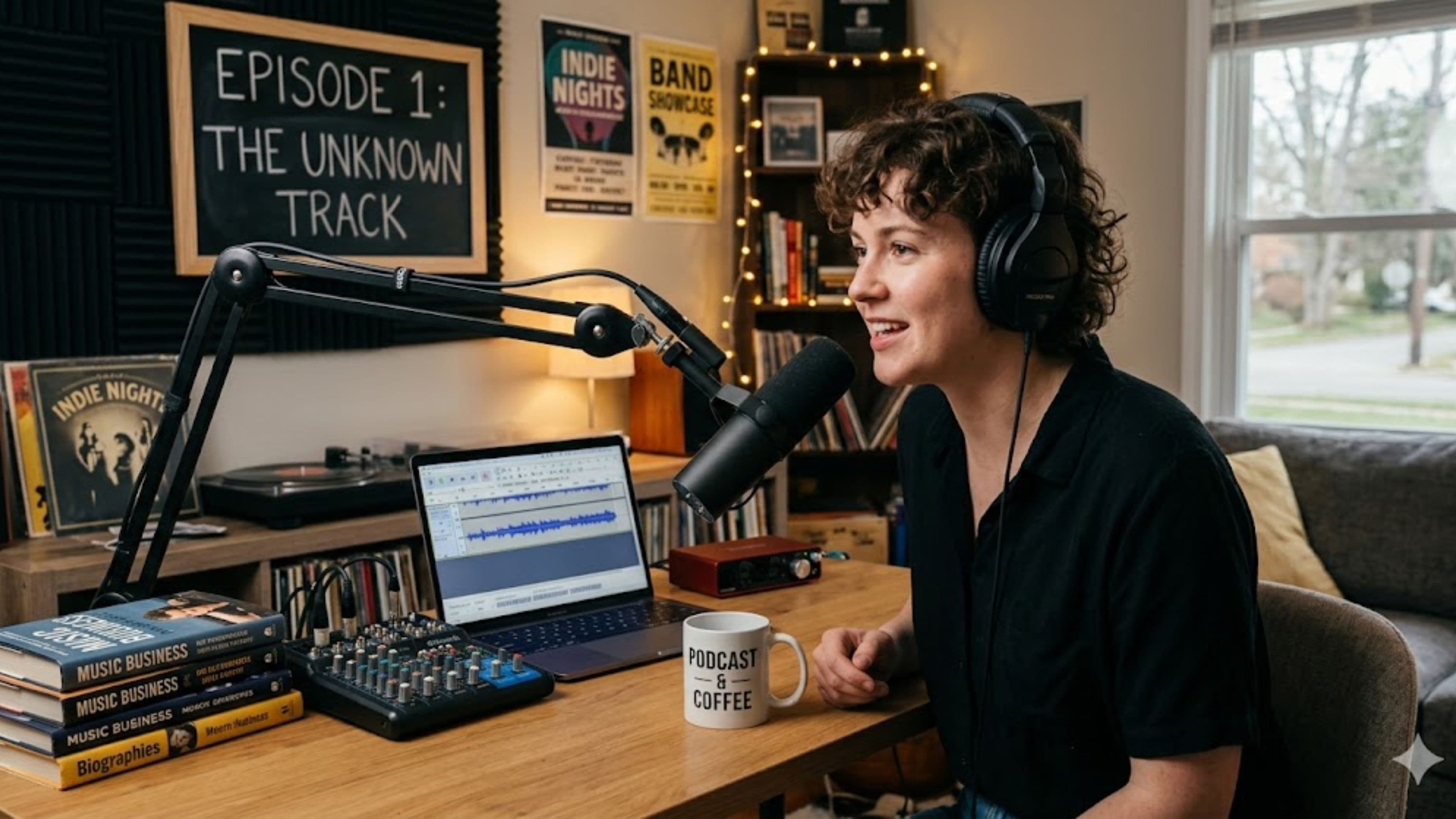
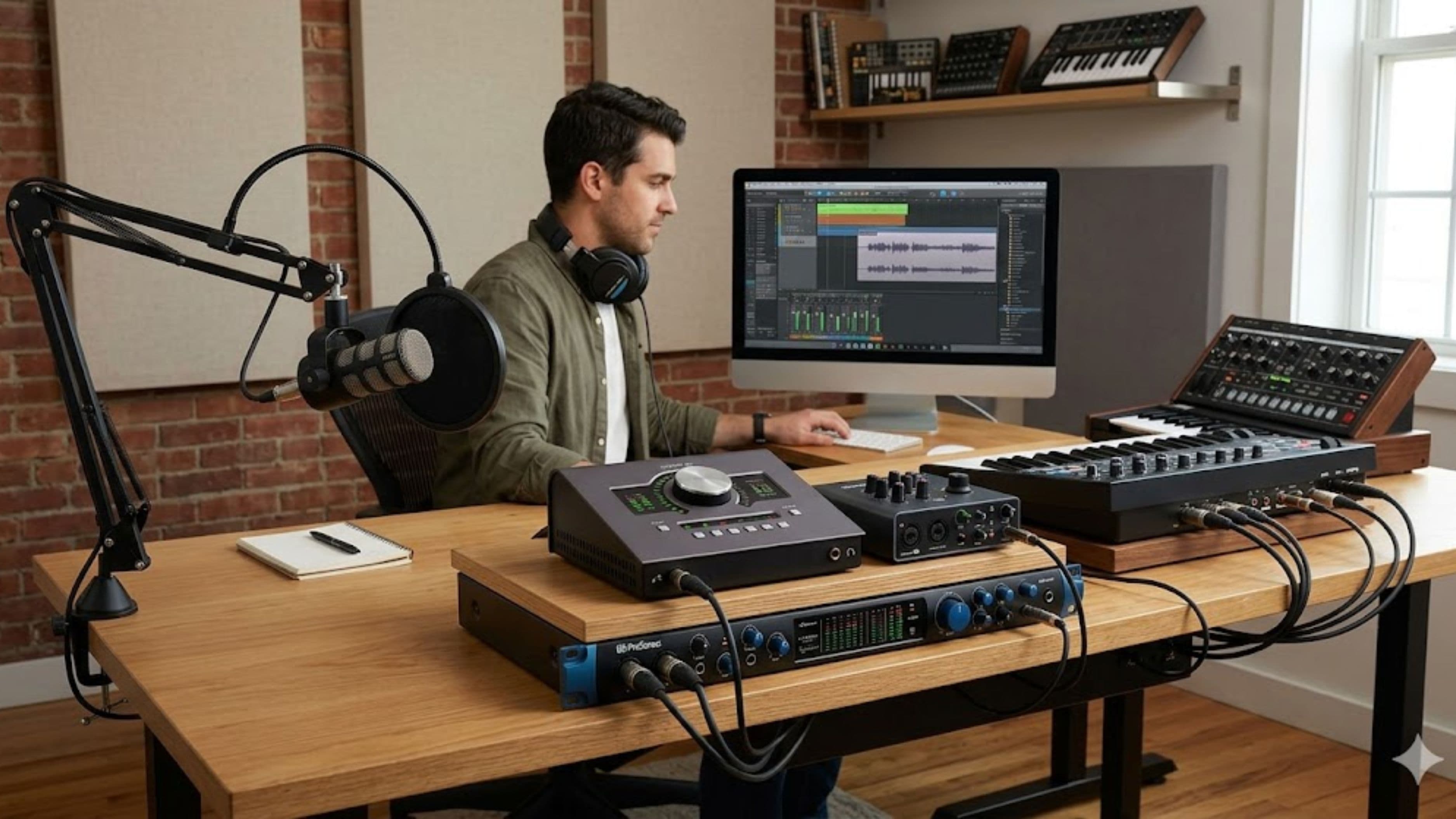
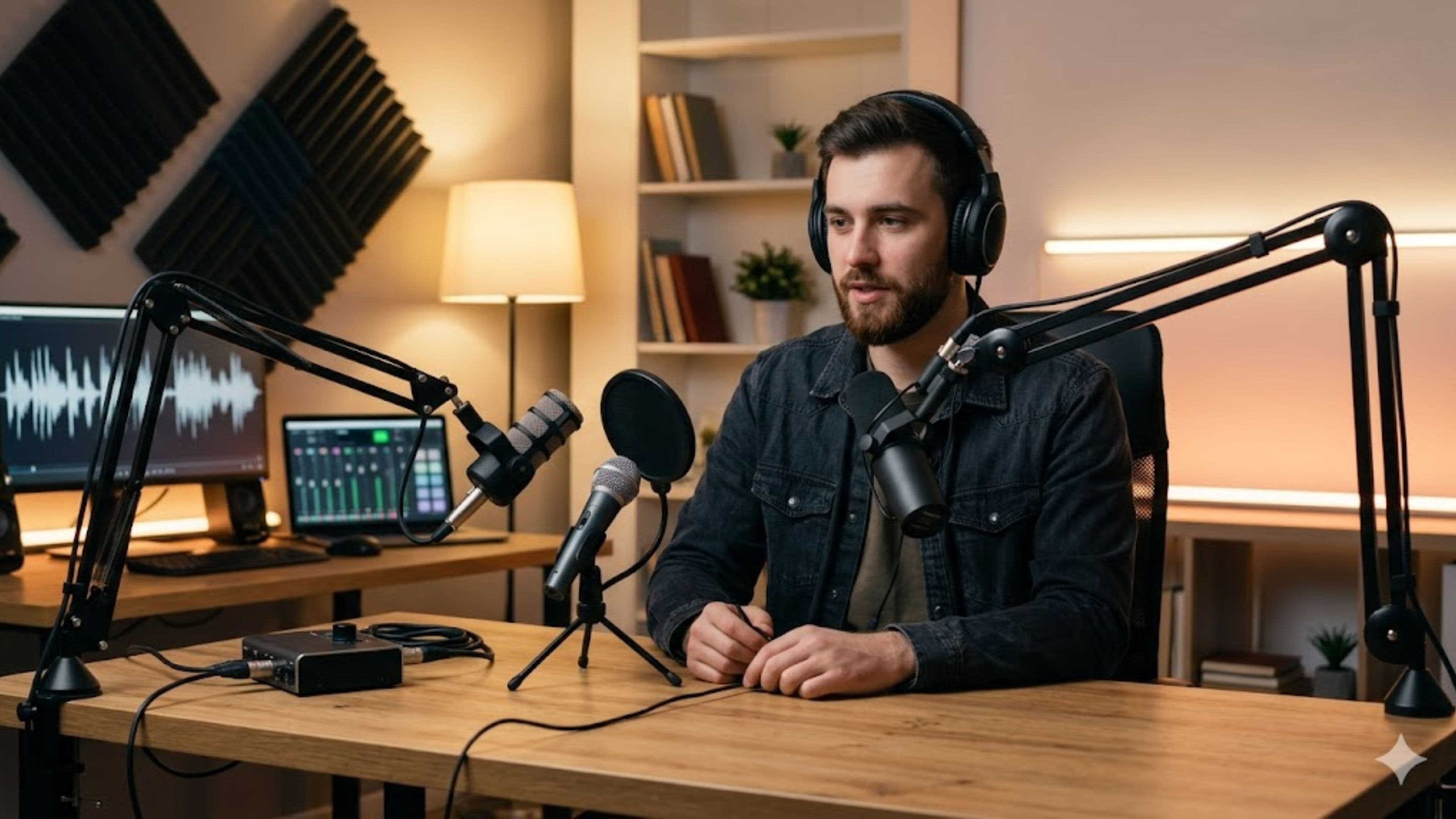
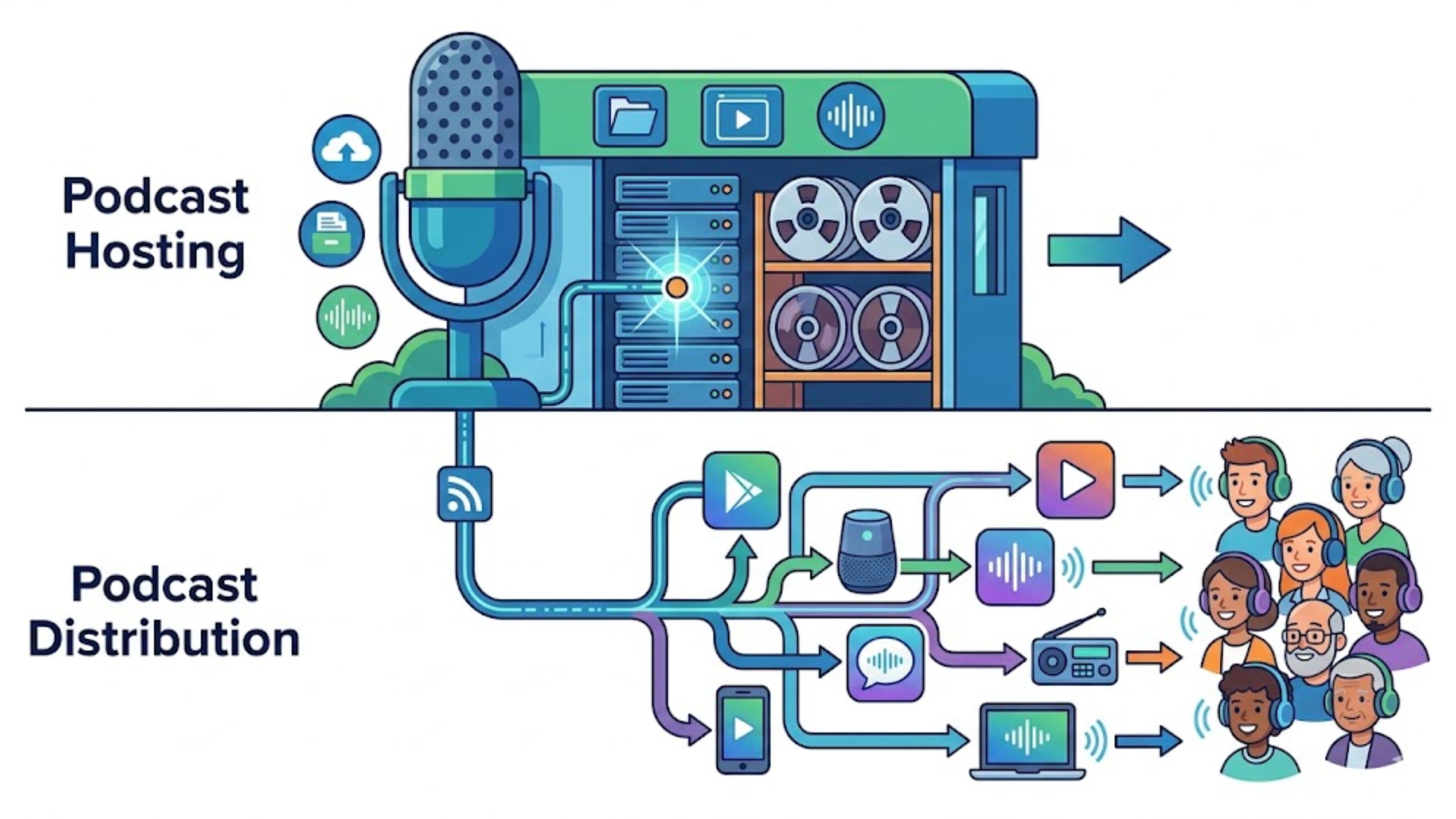
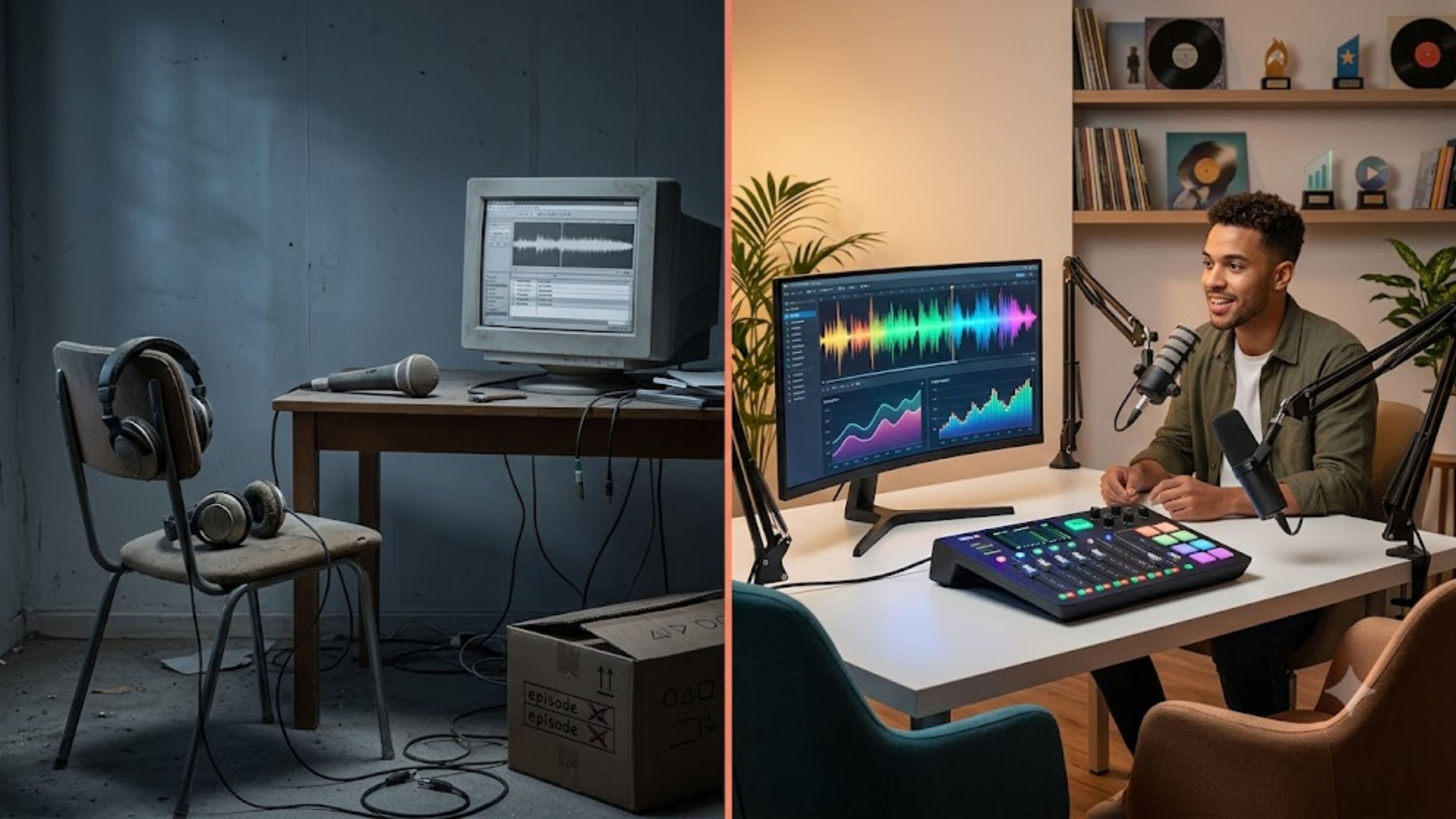
The production investment to start is lower than most artists expect. A USB microphone ($50–$120), free or low-cost editing software, and a podcast hosting platform (most have free tiers up to a certain number of monthly downloads) are the only non-negotiables. Distribution through Spotify and Apple Podcasts is free through platforms like Buzzsprout, Anchor (now Spotify for Podcasters), or Podbean. The barrier to starting is almost entirely time and consistency, not cost.
Monetization: Where It Fits Into the Bigger Picture
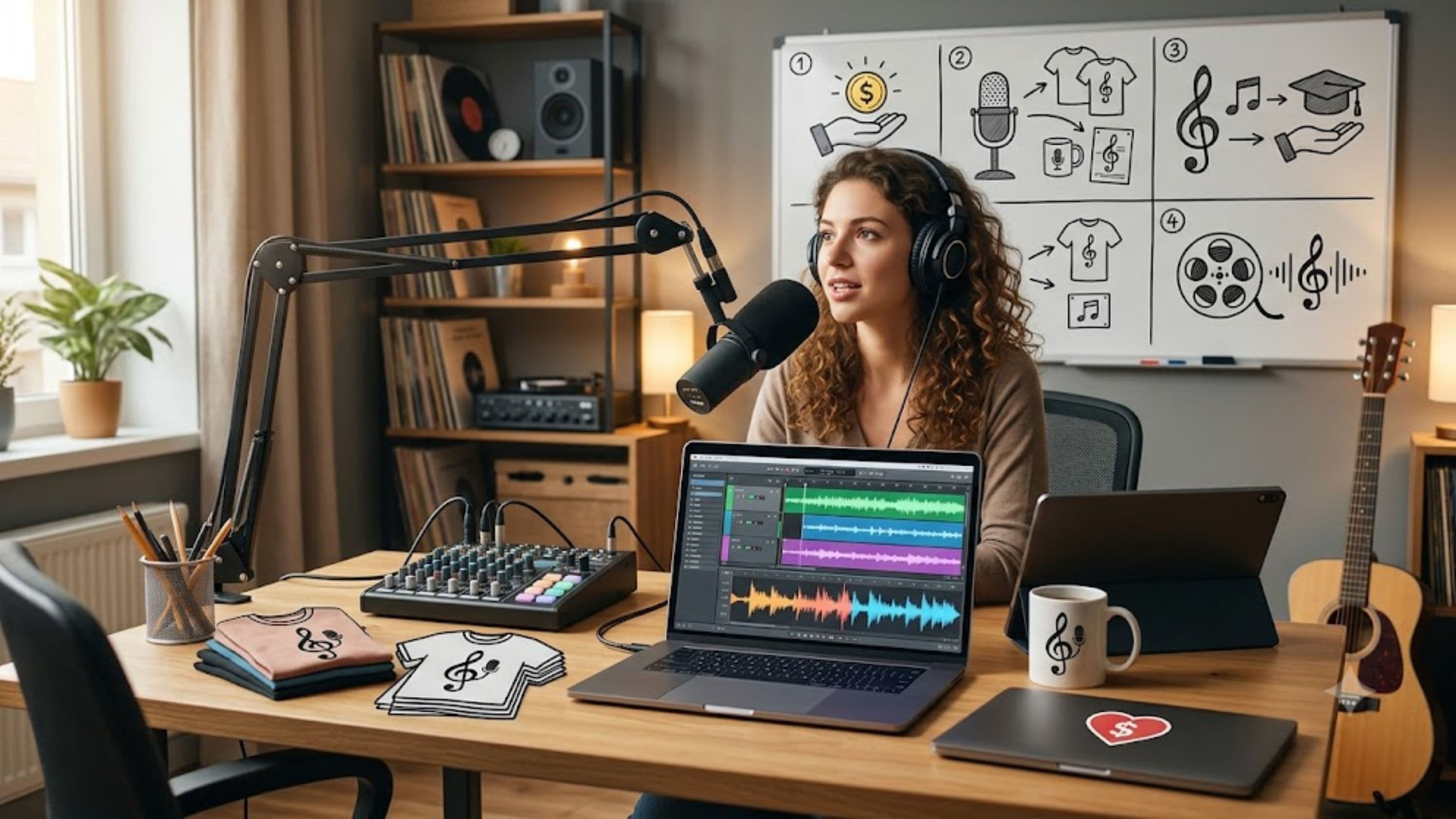
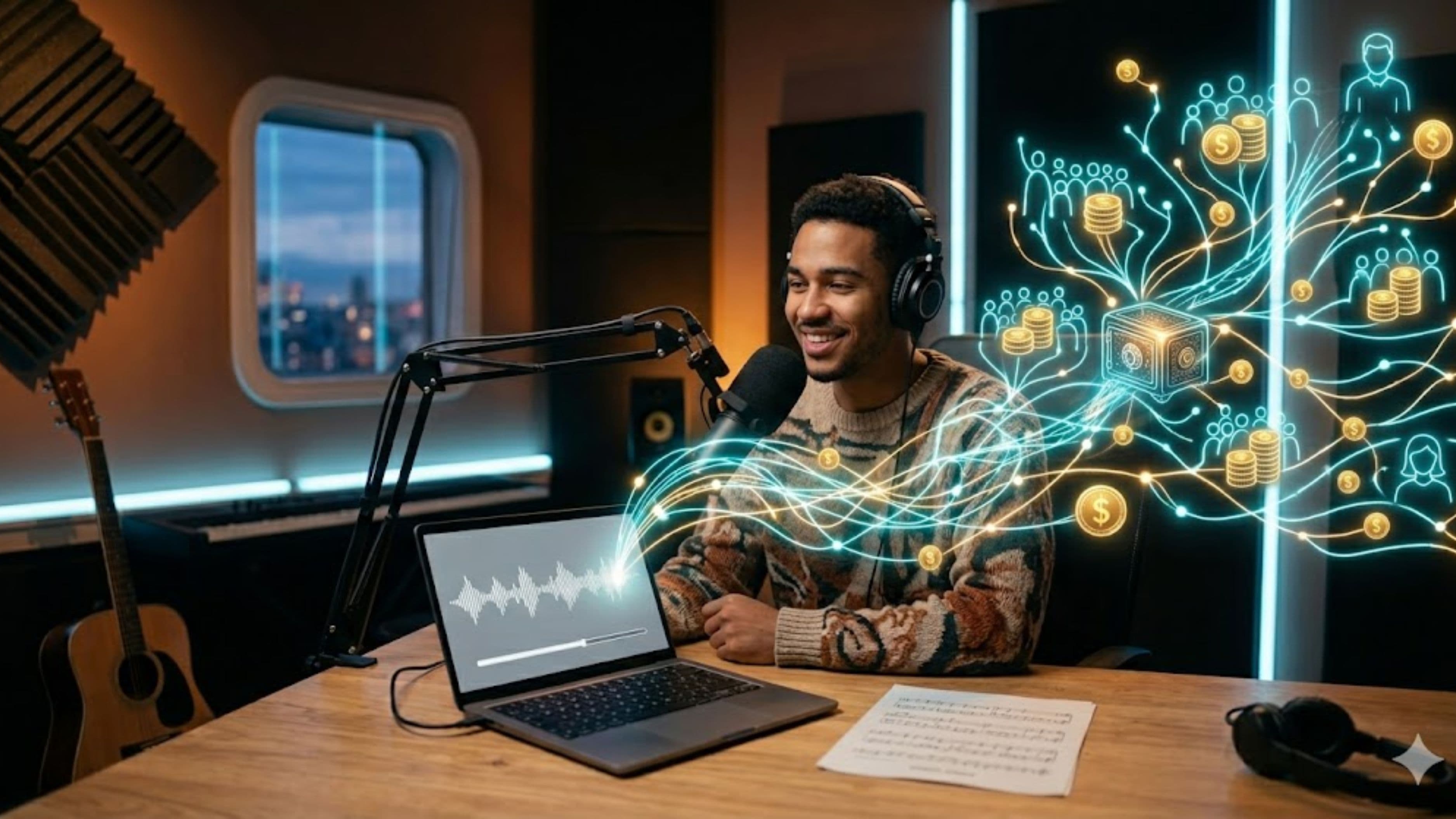
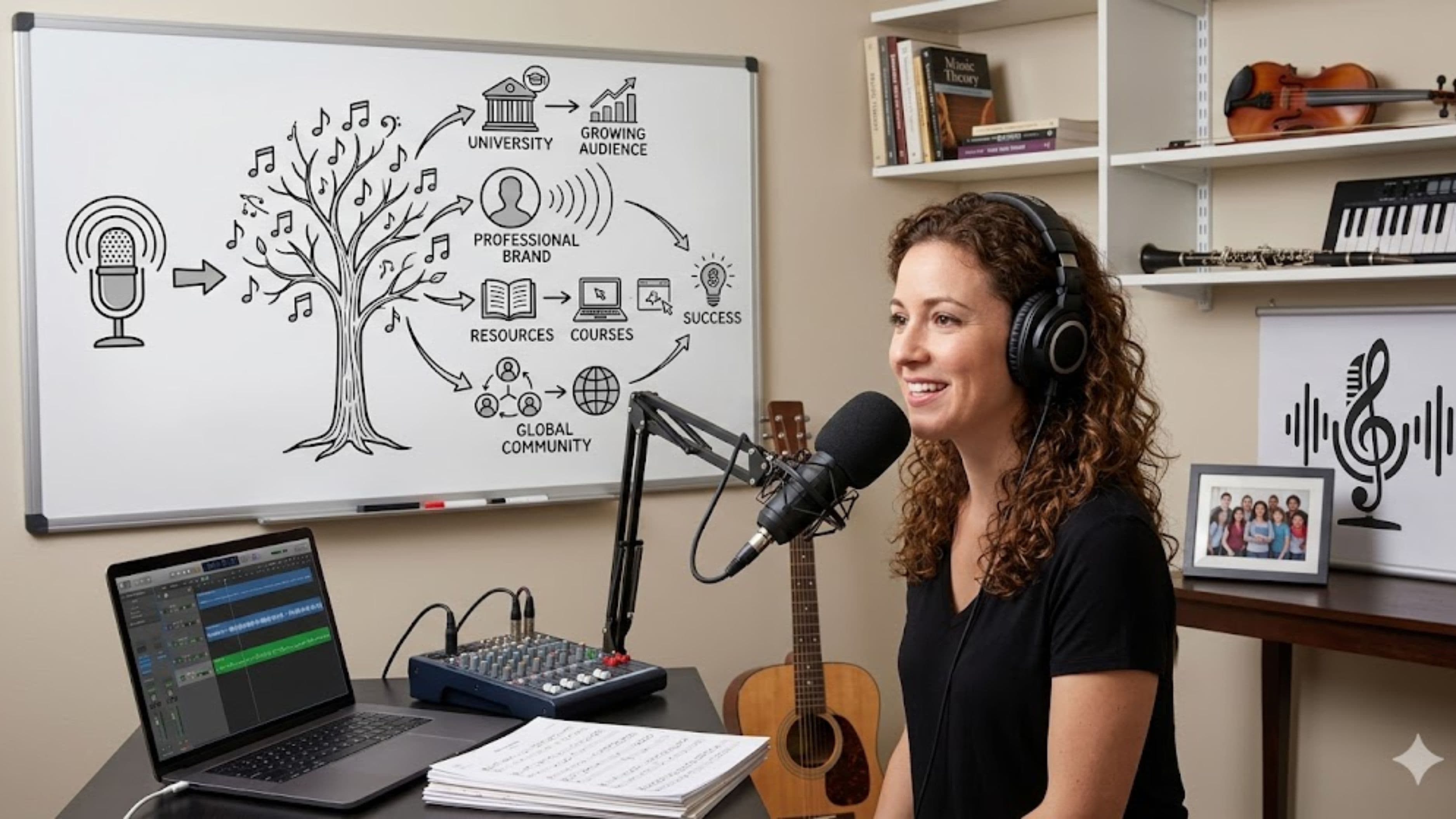
For most artists, the primary value of a podcast isn't direct podcast revenue — it's what the podcast enables. It expands the fanbase who's likely to buy concert tickets, stream music, support crowdfunding campaigns, and engage with other things you're creating. The direct monetization of the podcast itself is secondary.
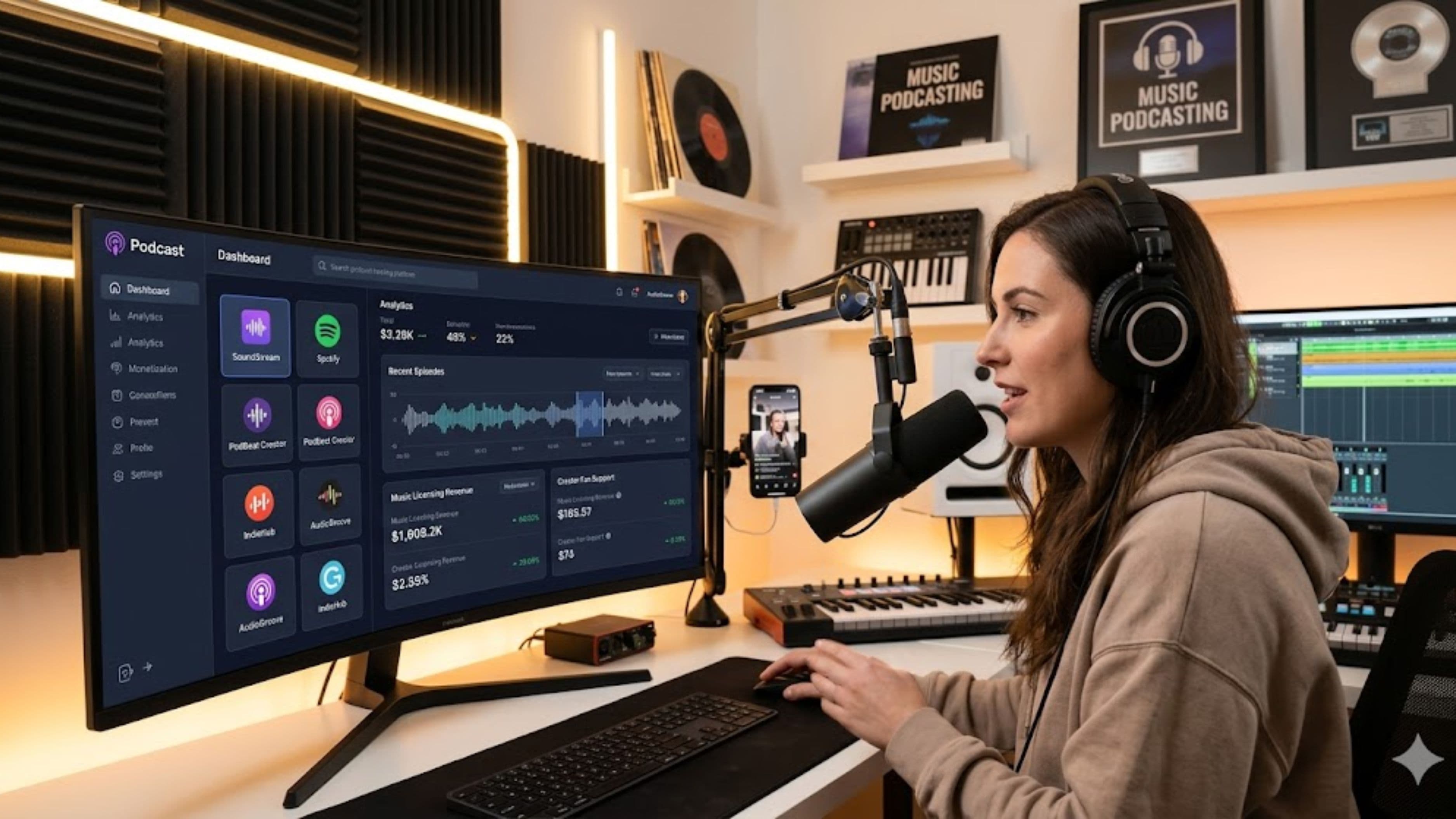
That said, once a podcast builds a consistent listenership, direct monetization options open up. Listener support through Patreon or Supercast is the most common model for independent podcasters — a segment of engaged listeners paying a small monthly amount for early access, bonus episodes, or ad-free listening. For artists who already have a Patreon, a podcast is a natural content tier addition.
Sponsorships become viable at modest download numbers for niche audiences; a music podcast with 2,000 consistent listeners in a specific genre can command relevant sponsorships from music gear brands, music distribution platforms, or music education companies.
The key framing is that podcasting works best as part of an ecosystem — a place where deeper engagement happens, and from which listeners are pointed toward music, live shows, merchandise, and everything else the artist is doing. It's not a standalone revenue stream for most artists at most stages; it's a channel that amplifies everything else.
What to Watch Out For
Starting without a clear sense of who the podcast is for is one of the most common failure modes. A podcast for "music fans" is too broad to build a coherent audience. A podcast for independent electronic music producers, or for fans of 90s R&B, or for songwriters who are learning their craft, is specific enough to find and hold an audience. The narrower the target listener, the easier it is to make content they find genuinely useful or interesting, and the more likely they are to share it.
Treating the podcast as a pure promotional vehicle is another. Listeners can tell when content exists only to drive them toward something else. The most effective artist podcasts lead with genuine value — interesting conversation, real insight, honest reflection on the craft — and let the promotional connection to the artist's music exist as a natural element rather than the main event.
Inconsistent episode quality is a real issue for artists recording in different environments. If you're recording some episodes at home in a treated room and others on the road in hotel bathrooms, the audio quality variation can undermine the professional impression you're building. A minimal acoustic setup that travels (a simple isolation box or a reflection filter for a microphone) makes remote recording viable without sounding like a completely different show.
FAQ
Do I need a big following to start a music podcast? No. Podcasts often build audiences independently from an artist's existing social following. Starting before you have a large audience is actually an advantage — the podcast becomes part of how you build that audience rather than something you launch into an already-established fanbase. The early episodes are also the ones where you find your format and voice, so having a smaller audience during that learning curve is fine.
How many episodes should I have before launching? A common recommendation is to launch with three episodes simultaneously. This gives new listeners something to binge immediately rather than just one episode, and it signals that the show has momentum. Launching with a single episode often results in low subscription conversion because listeners can't assess whether the show is consistently good.
Does the podcast format matter for building a music fanbase specifically? It depends on what you want the podcast to do. Interview formats drive cross-promotional discovery; solo commentary formats build a stronger sense of your individual voice and perspective; behind-the-scenes or making-of formats work best as a direct pathway to the music you're releasing. None of these is universally better — the right one is the one you can sustain and that connects with why someone would want to listen to you specifically.
Should I use a separate RSS feed or host it on Spotify directly? Using a podcast hosting platform (Buzzsprout, Podbean, Transistor) and distributing to all platforms through that is better than Spotify-only hosting. Spotify's podcast hosting (Spotify for Podcasters) locks your analytics to Spotify and doesn't distribute as effectively to Apple Podcasts, which still holds a significant share of podcast listening. A third-party host distributes to all platforms simultaneously and gives you platform-agnostic analytics.
How long should episodes be? The right length is however long it takes to cover what you're covering without padding. Most successful music and creator-focused podcasts run 30 to 60 minutes. Longer episodes are appropriate when the content genuinely warrants it — a deep-dive interview with a significant figure, for example — but episodes padded to a target length are easy for listeners to identify and a fast way to lose them.
📚 Sources
Spotify for Podcasters – Creator Resources: https://podcasters.spotify.com/resources
Edison Research – The Podcast Consumer 2024: https://www.edisonresearch.com/the-podcast-consumer-2024/
Buzzsprout – Podcast Statistics and Trends: https://www.buzzsprout.com/blog/podcast-statistics
Apple Podcasts – About the Platform: https://podcasters.apple.com
Hypebot – How Independent Artists Are Using Podcasts for Fan Growth: https://www.hypebot.com/hypebot/2023/06/how-independent-artists-are-using-podcasts.html