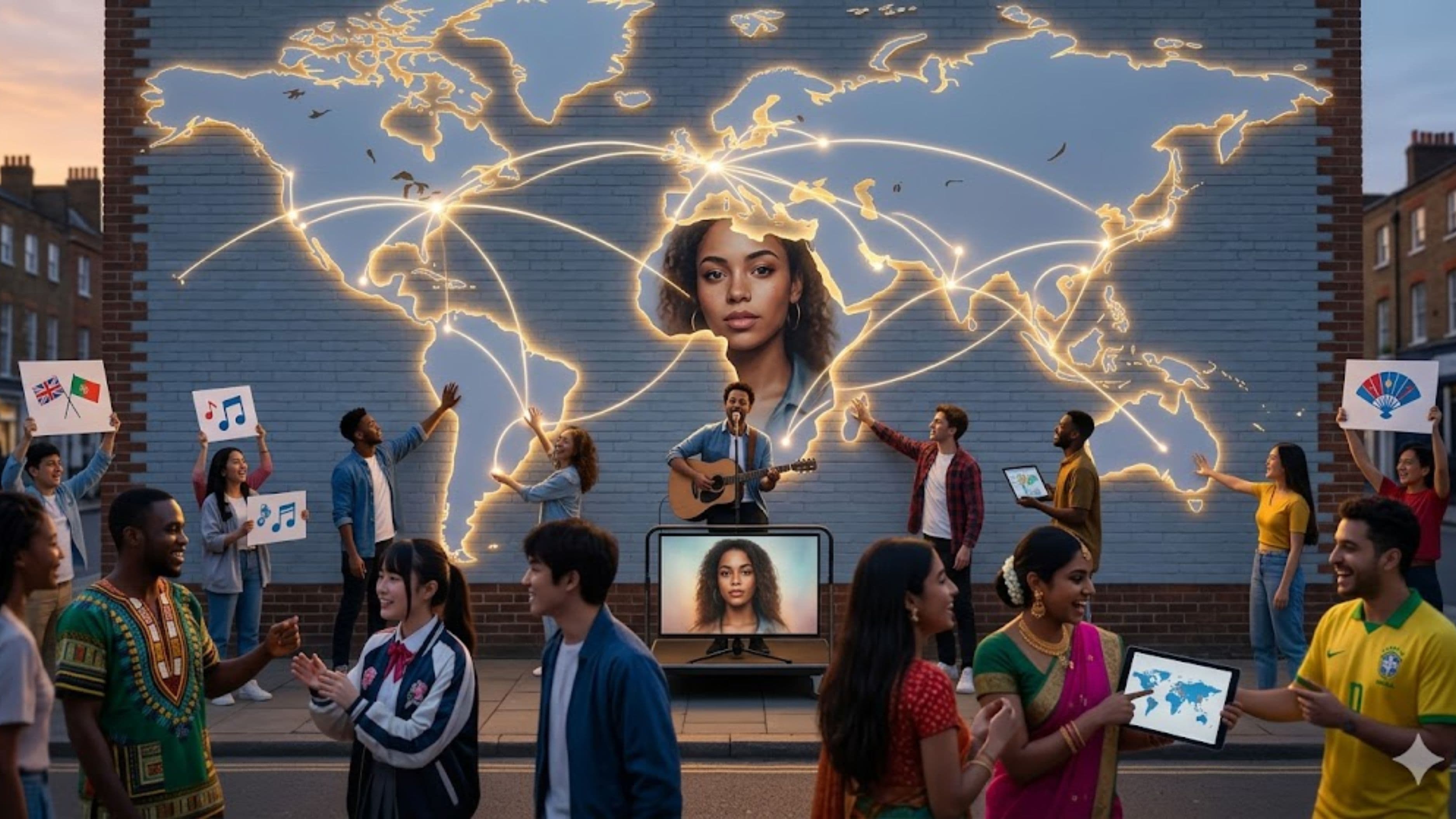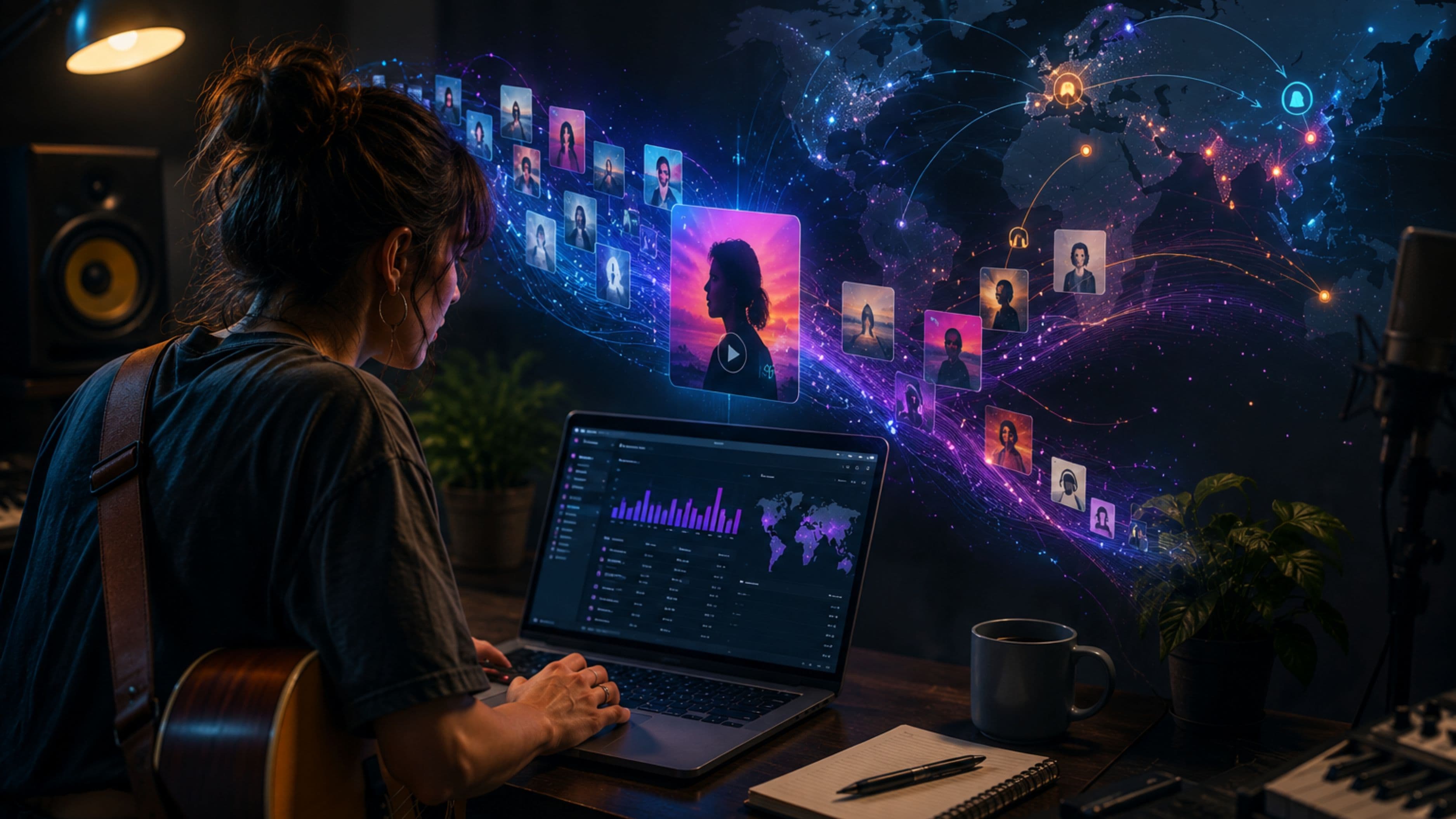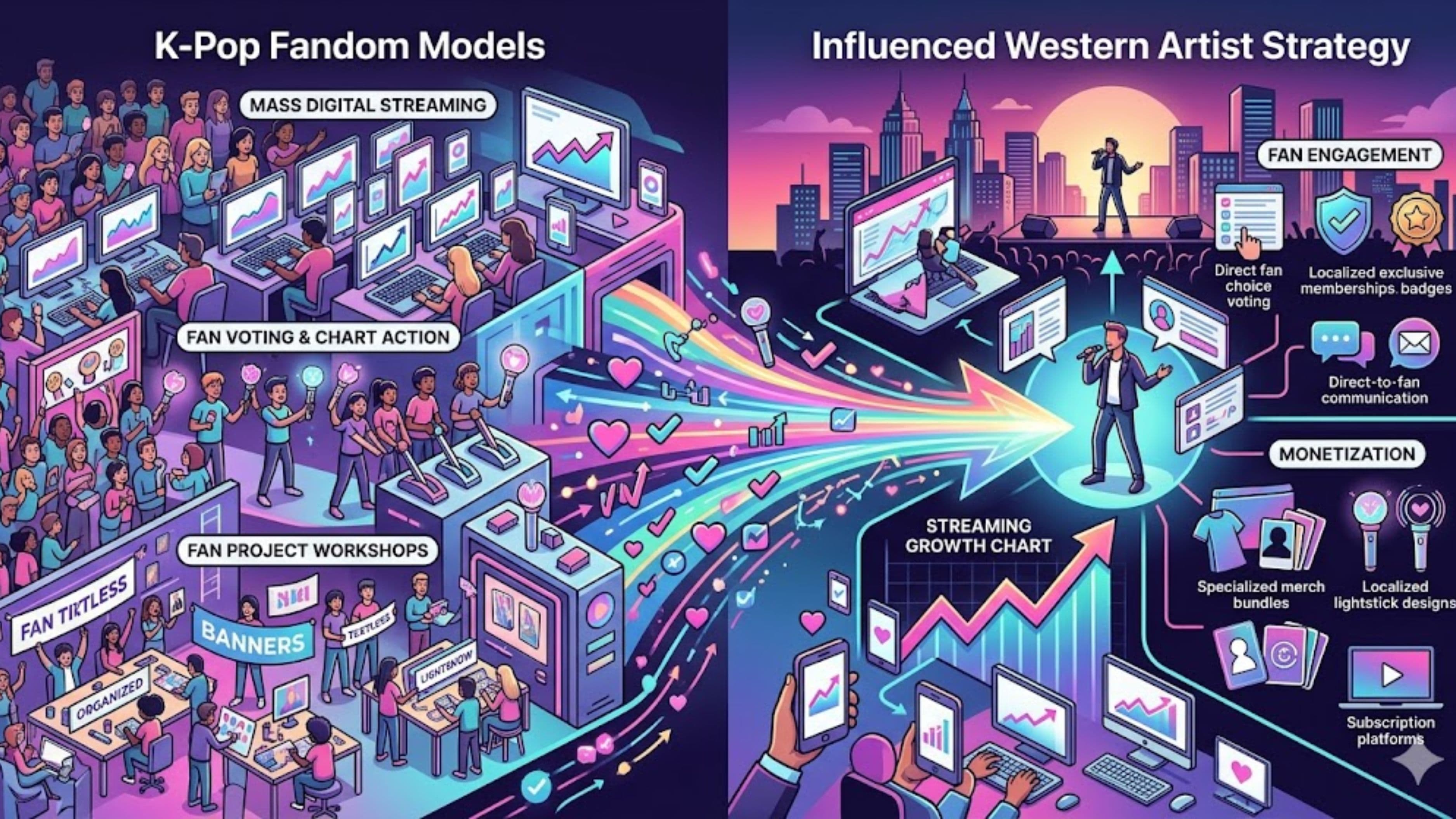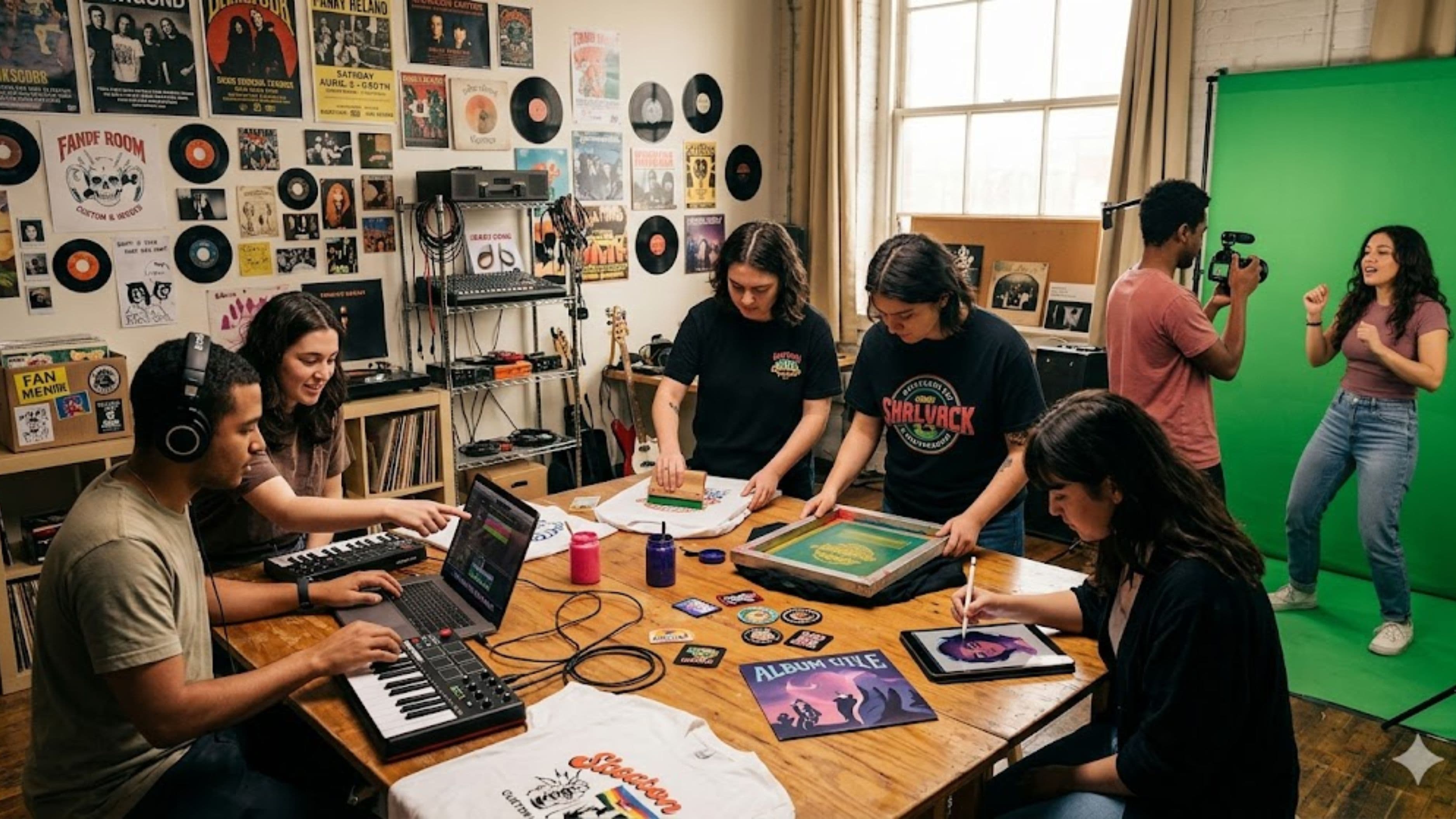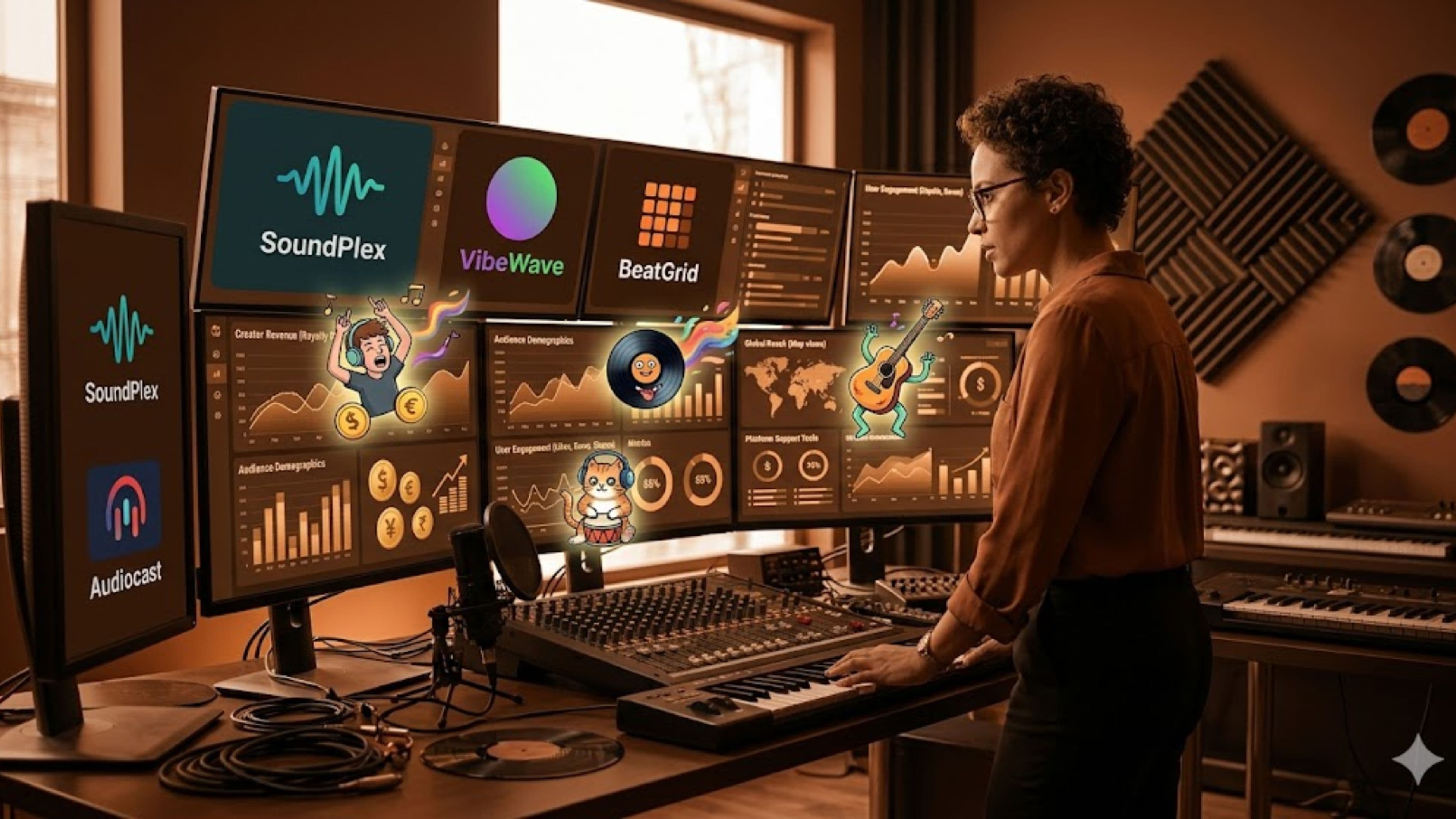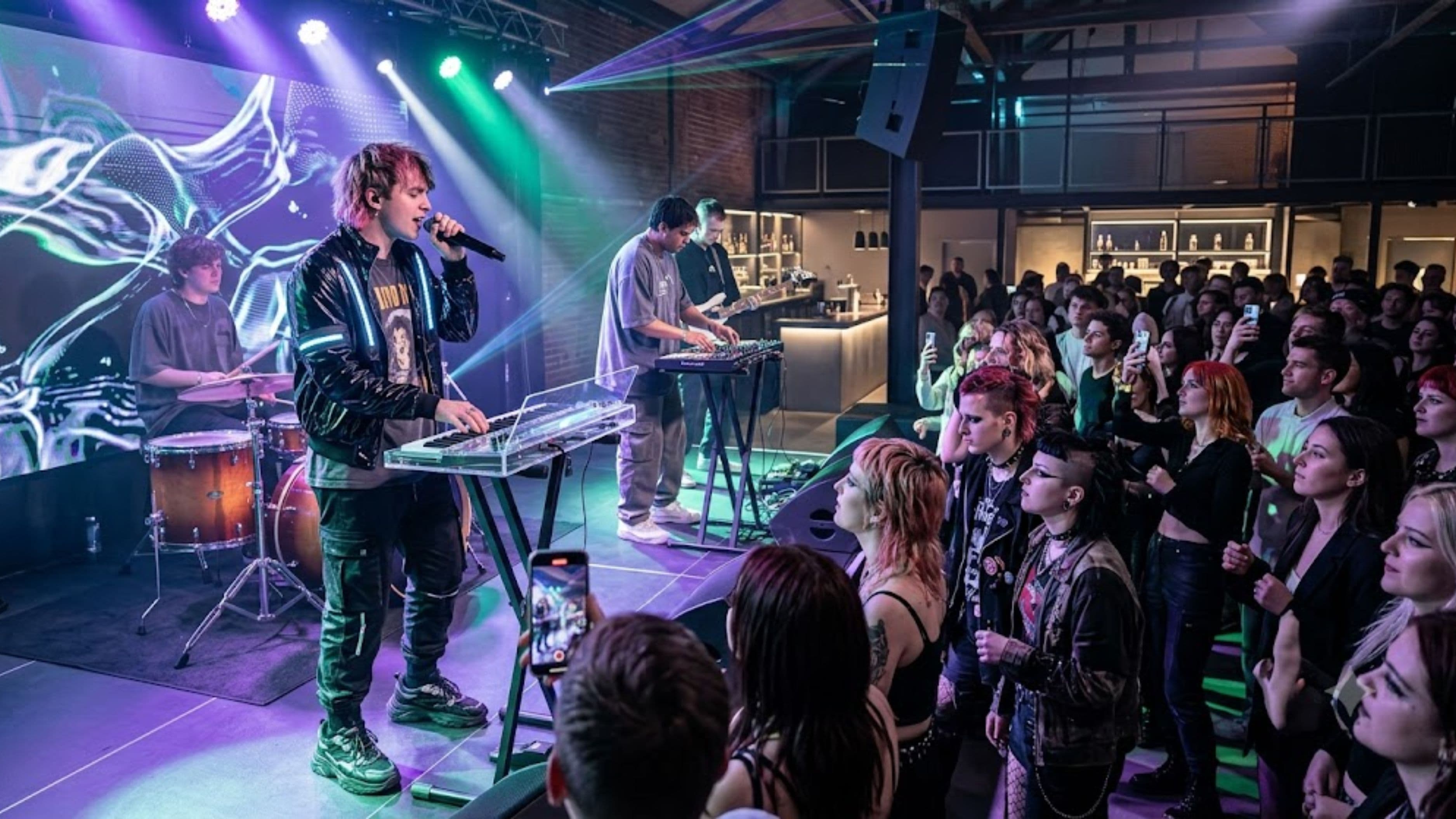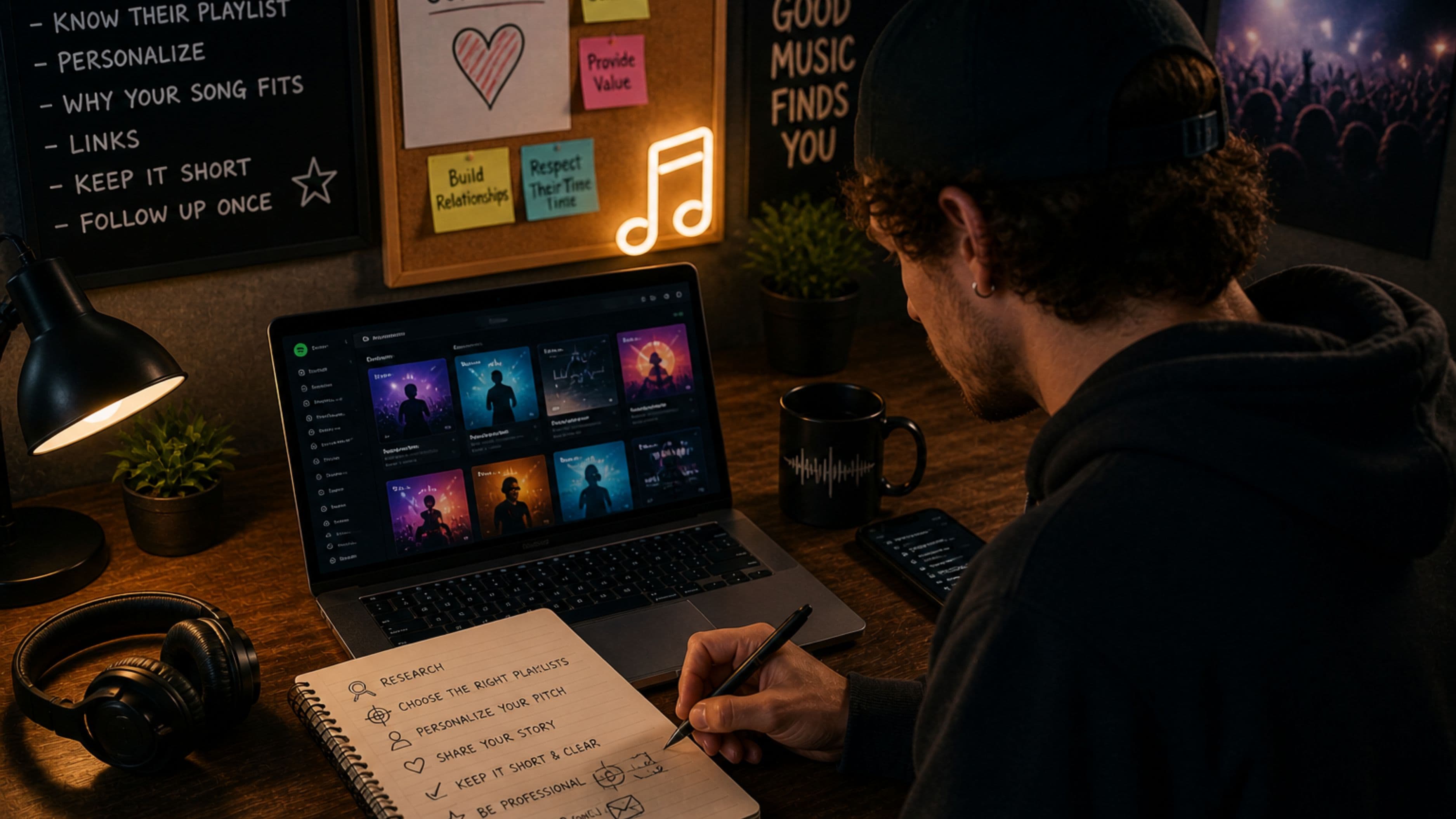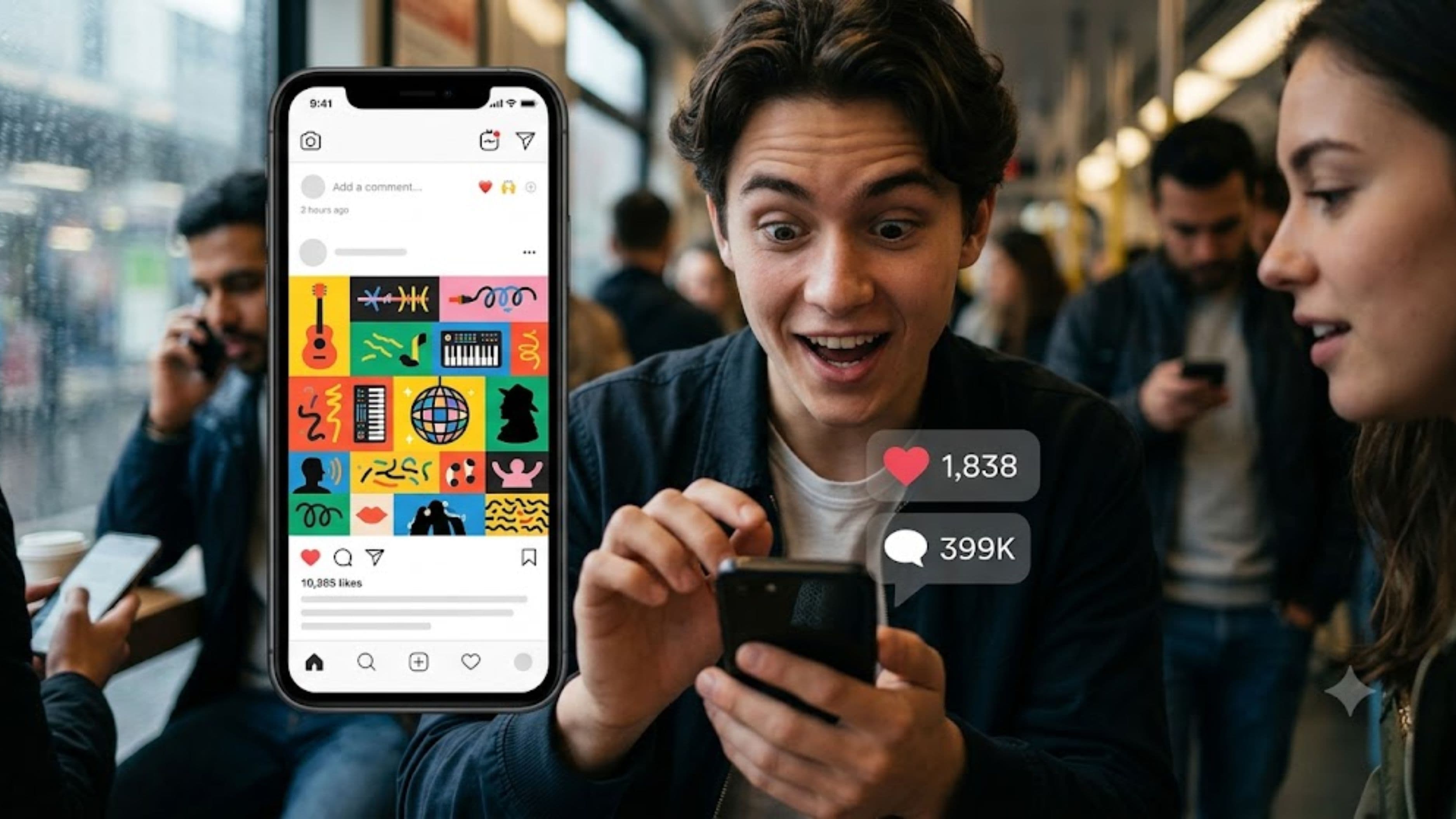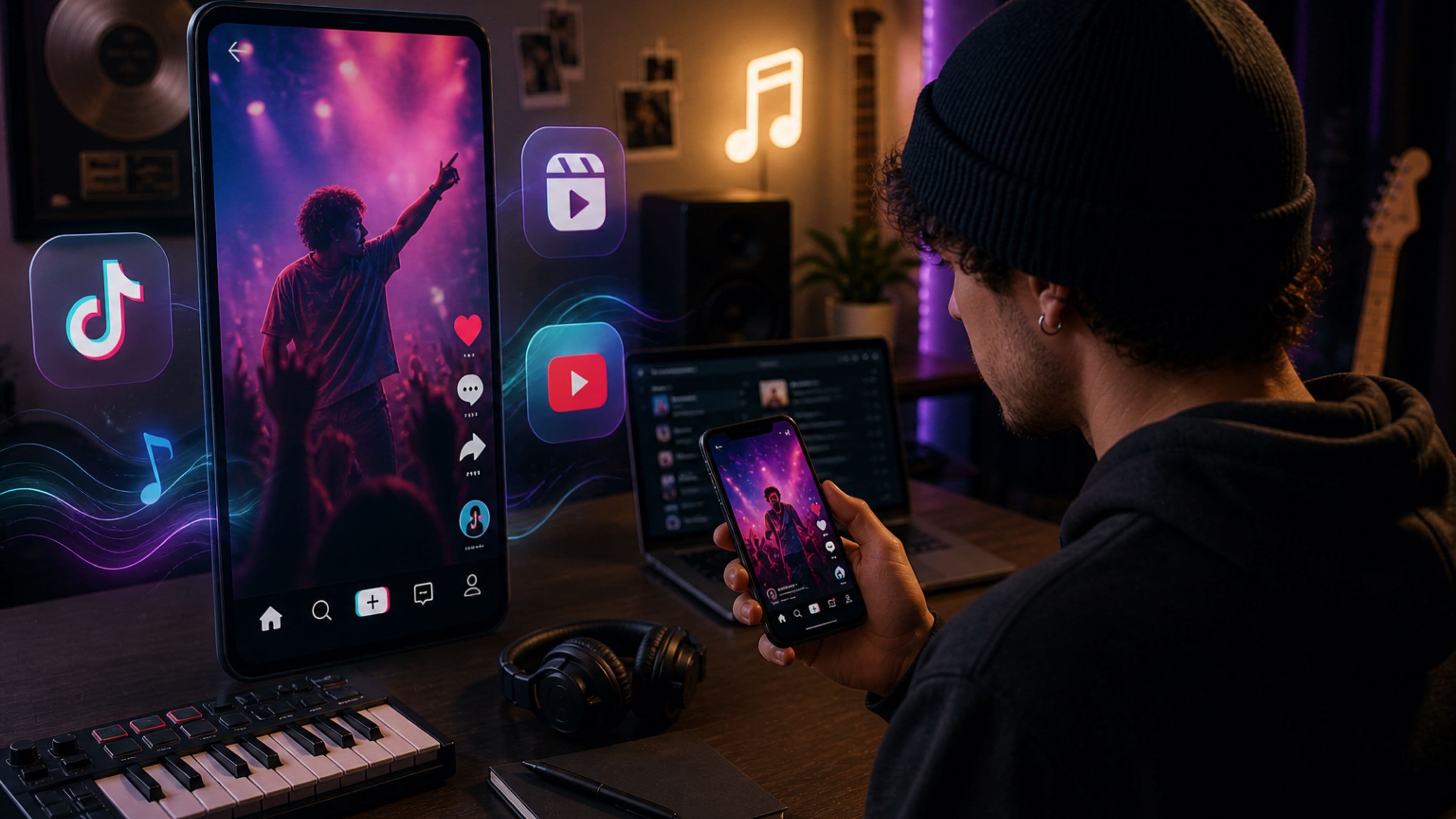
This isn't accidental intimacy or oversharing for attention. The artists doing it most effectively are thoughtful and deliberate – using specific platforms, formats, and content rhythms to construct the feeling of a genuine relationship at scale. Understanding how this works, and where the line is between strategic and exploitative, matters for any independent artist trying to build a lasting fanbase.
What's Actually Happening
Parasocial relationships in music are nothing new – fans have always felt personal connections to artists they love. What's changed is the infrastructure. Streaming stripped music of its physical context. Social media removed the middleman. And short-form video made it possible for a bedroom artist with 2,000 followers to feel more present and relatable to their audience than a major label act with 2 million.
The result is an environment where the emotional connection a fan feels to an artist has become one of the most valuable things in the music industry – sometimes more valuable, commercially, than the music itself. A fan who feels like they know you will stream your album on repeat, buy your merch, fund your tour through crowdfunding, and defend you online unprompted. A fan who just likes your music might save it to a playlist and move on.
Independent artists have been quick to recognize this dynamic because they don't have the promotional machinery that major label acts rely on. They can't buy their way into a parasocial relationship with advertising. They have to build it through consistent, genuine-feeling interaction over time.
The Specific Tactics Being Used
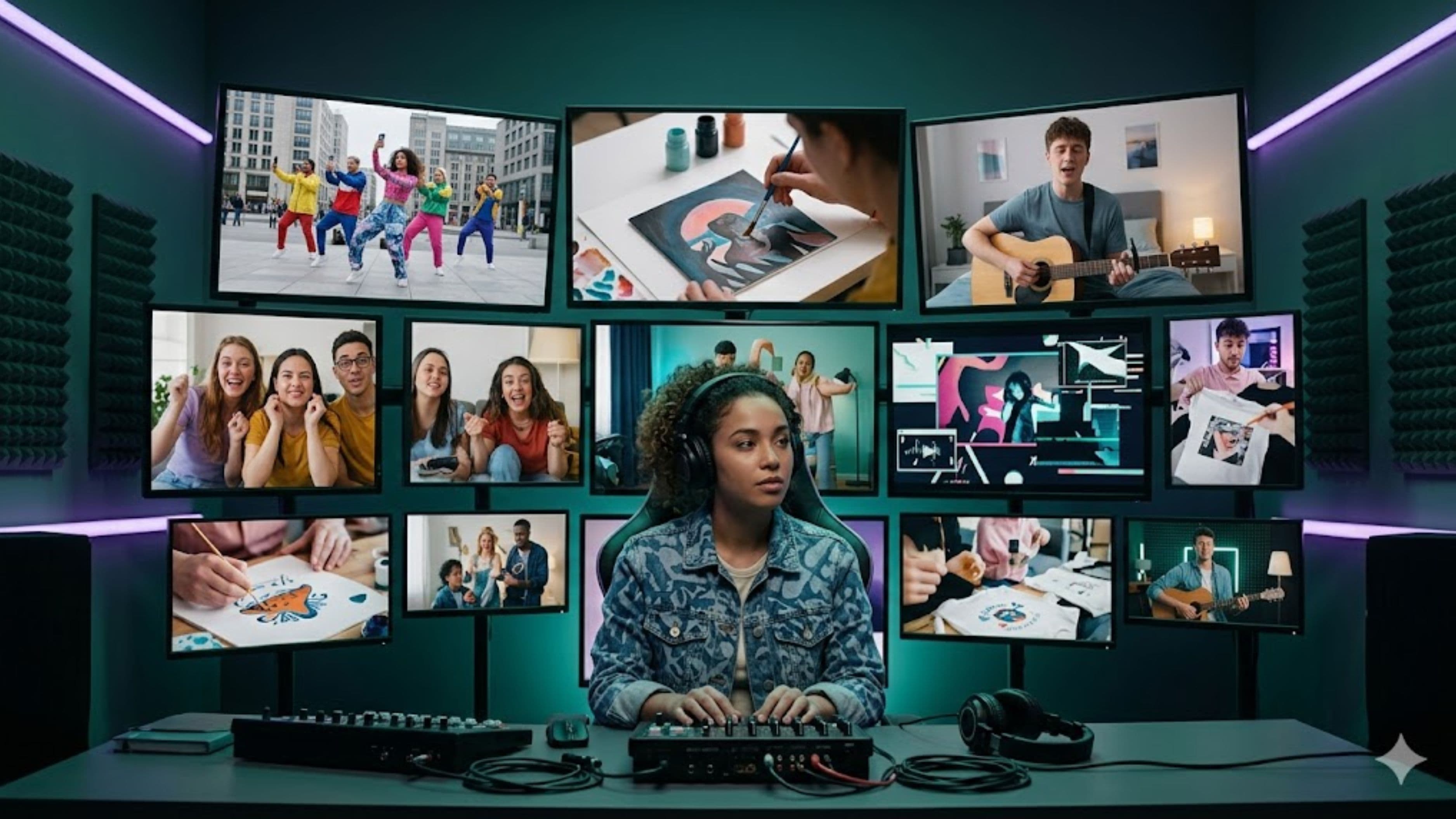
Process content over polish. The single most common thread across artists using parasocial connection intentionally is that they show the making of the music, not just the finished product. Recording sessions, mixing decisions, lyrical rewrites, gear choices, creative blocks, moments of doubt followed by moments of breakthrough – this content invites fans into a process that major label acts almost never reveal, and it creates an ownership feeling. The fan didn't just listen to the song; they watched it be born.
Artists like Arlo Parks, Reuben James, and dozens of smaller independent acts have built followings precisely because their content makes the creative process visible and human. The music feels more meaningful when you've seen the person making it struggle with a chord progression at 2am.
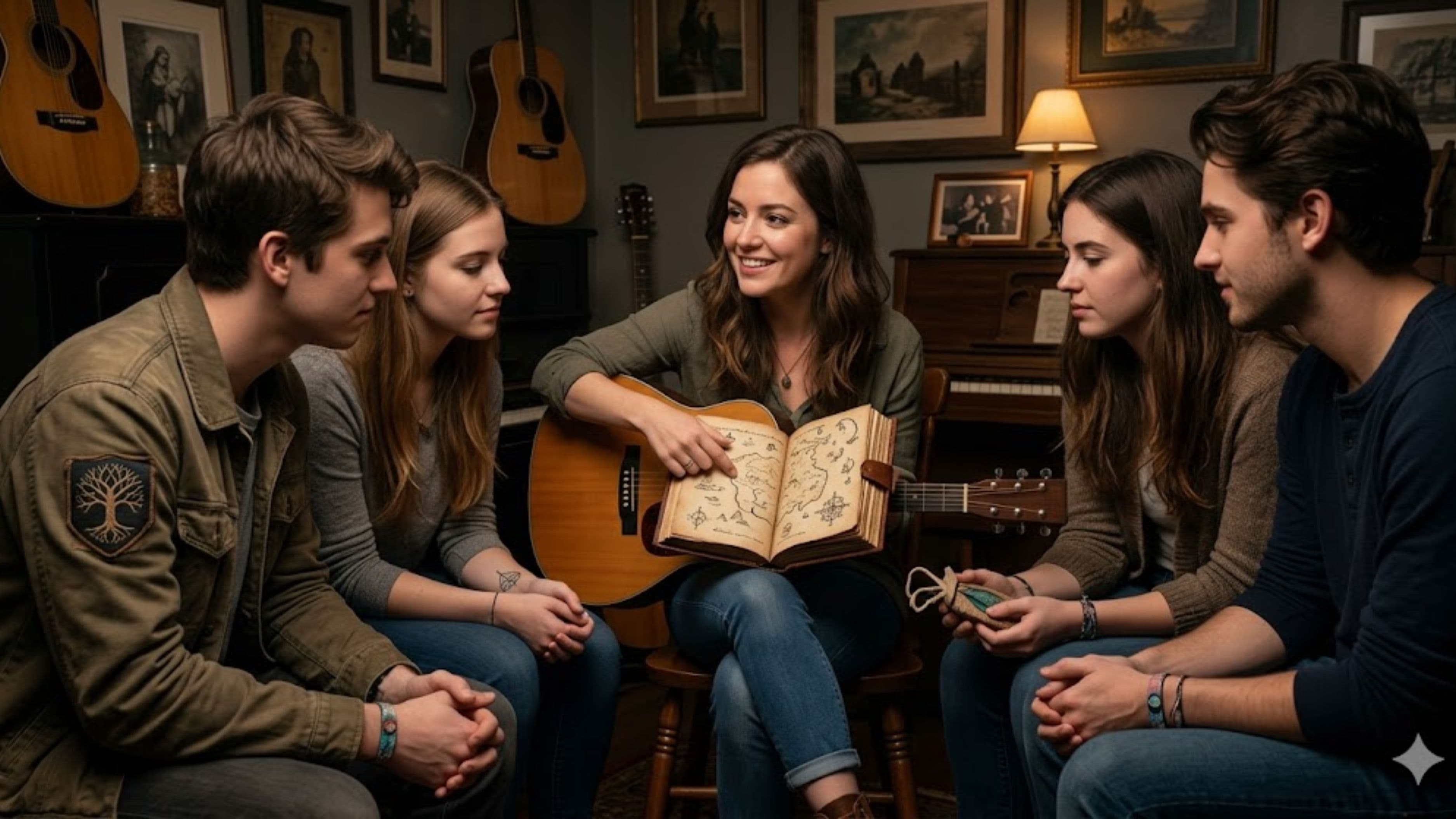
Tiered access systems. Patreon, Substack, and similar platforms have allowed artists to create formalized tiers of closeness. Casual fans get the public content. Paying supporters get voice notes, early demos, direct messages, live Q&As, and the sense of being genuinely inside the artist's world. The financial model follows the parasocial model – people pay to maintain access to a relationship that already exists in their heads.
This tiered approach also lets artists be more candid at specific levels without performing that candor for everyone. An artist can be professional and curated on Instagram while being raw and unfiltered in a Discord server for paying supporters. The contrast makes both feel more real.
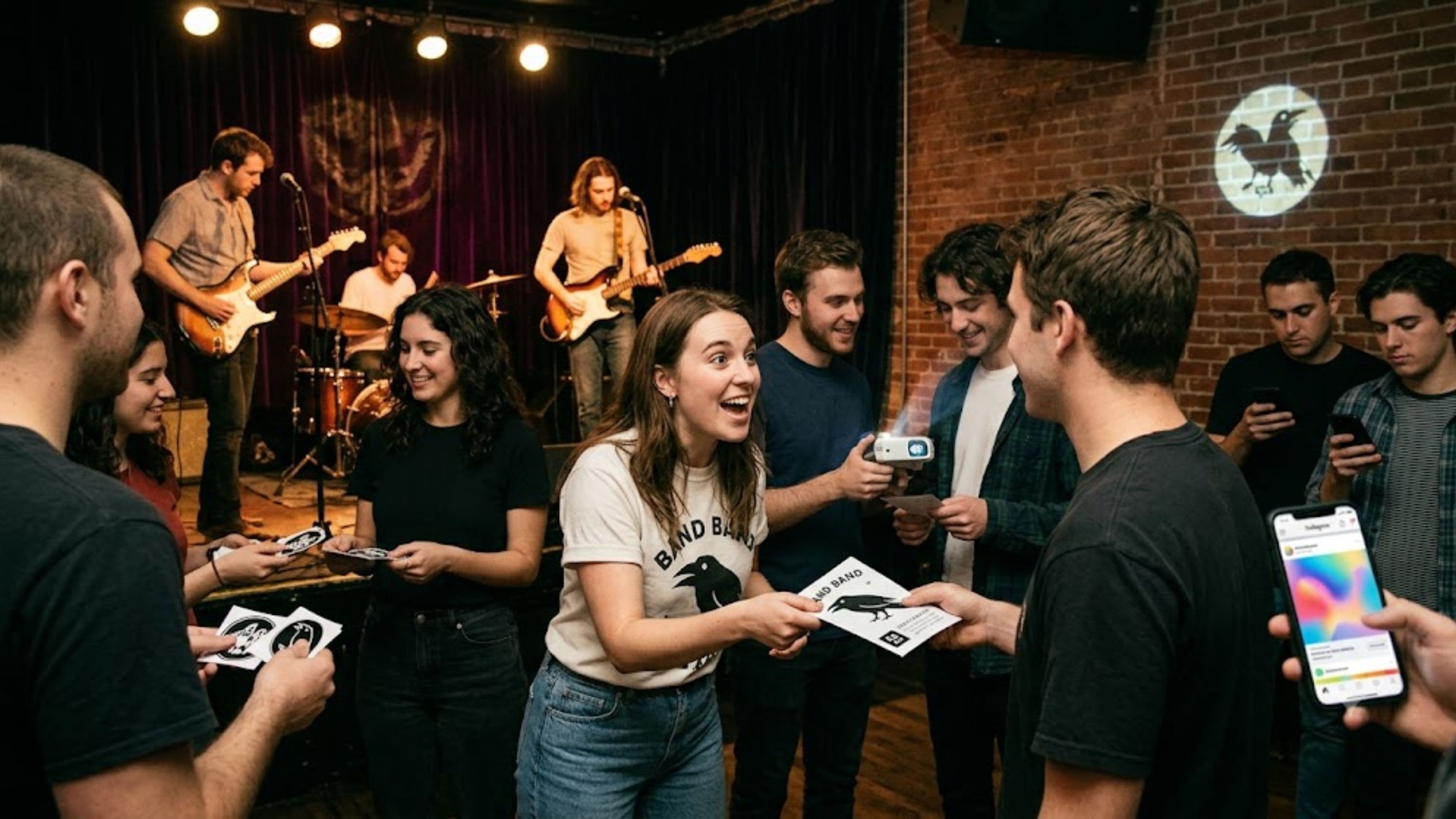
Specificity over scale. Artists who've cracked this tend to talk to their audiences with unusual specificity – referencing a joke from a previous video, remembering details from comments, naming specific cities during tours rather than just saying "thank you for tonight." This specificity creates the illusion of a personal relationship because it mirrors what personal relationships actually feel like. You feel known.
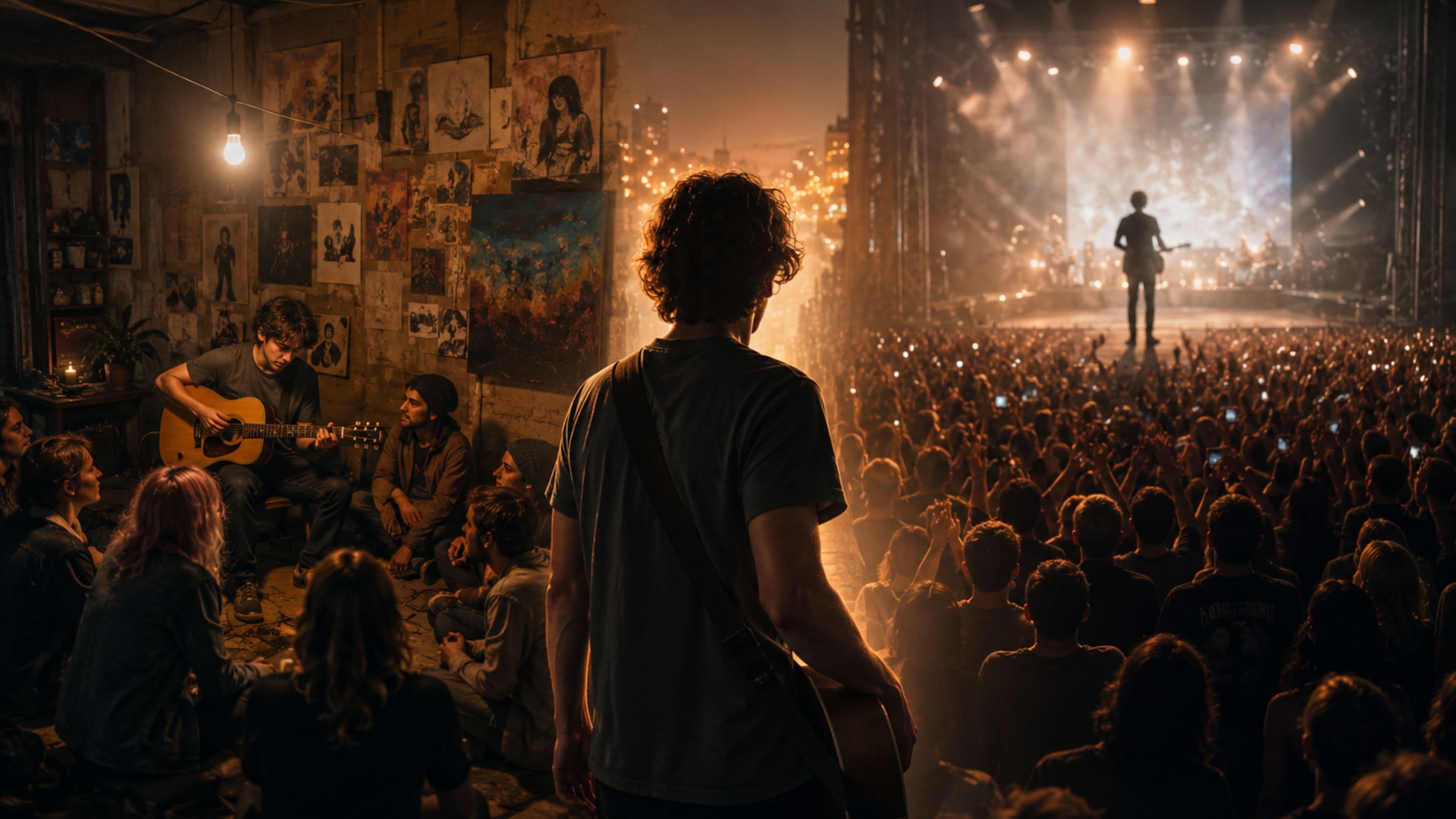
Small independent acts have a genuine advantage here over major stars: they can actually read and respond to most of their comments, remember repeat commenters, and build community over time. Scale often destroys this. Protecting it while you're growing is a genuine strategic consideration – many artists with significant followings deliberately maintain behaviors that signal accessibility even as their audience grows.
Vulnerability as content. Mental health disclosures, relationship struggles, industry frustrations, financial anxiety – personal content that a previous generation of artists would have kept private is now published deliberately and strategically. This isn't entirely cynical; most artists doing this are genuinely sharing, and the connection it creates with fans who relate is real. But the timing, the framing, and the platform choice are often deliberate. A vulnerable thread on Twitter reads differently than the same content in a Patreon voice message to subscribers.
The artists doing this most thoughtfully tend to share selectively – specific enough to feel real, contained enough to maintain a sense of privacy. The ones doing it clumsily either share too much (which can trigger unhealthy fan dynamics or create personal consequences) or share in ways that feel performative (which fans recognize quickly and resent).
Why It Matters for Artist Careers
The commercial implications of intentional parasocial building are significant and direct.
Conversion rates on everything – merch, tickets, vinyl, crowdfunding, Bandcamp purchases – are dramatically higher for fans who feel an emotional connection than for casual streamers. An artist with 50,000 deeply connected fans will typically generate more revenue than an artist with 500,000 casual ones. This is one reason why direct-to-fan platforms have grown so significantly alongside streaming – parasocial connection converts better on owned channels than on algorithmic ones.
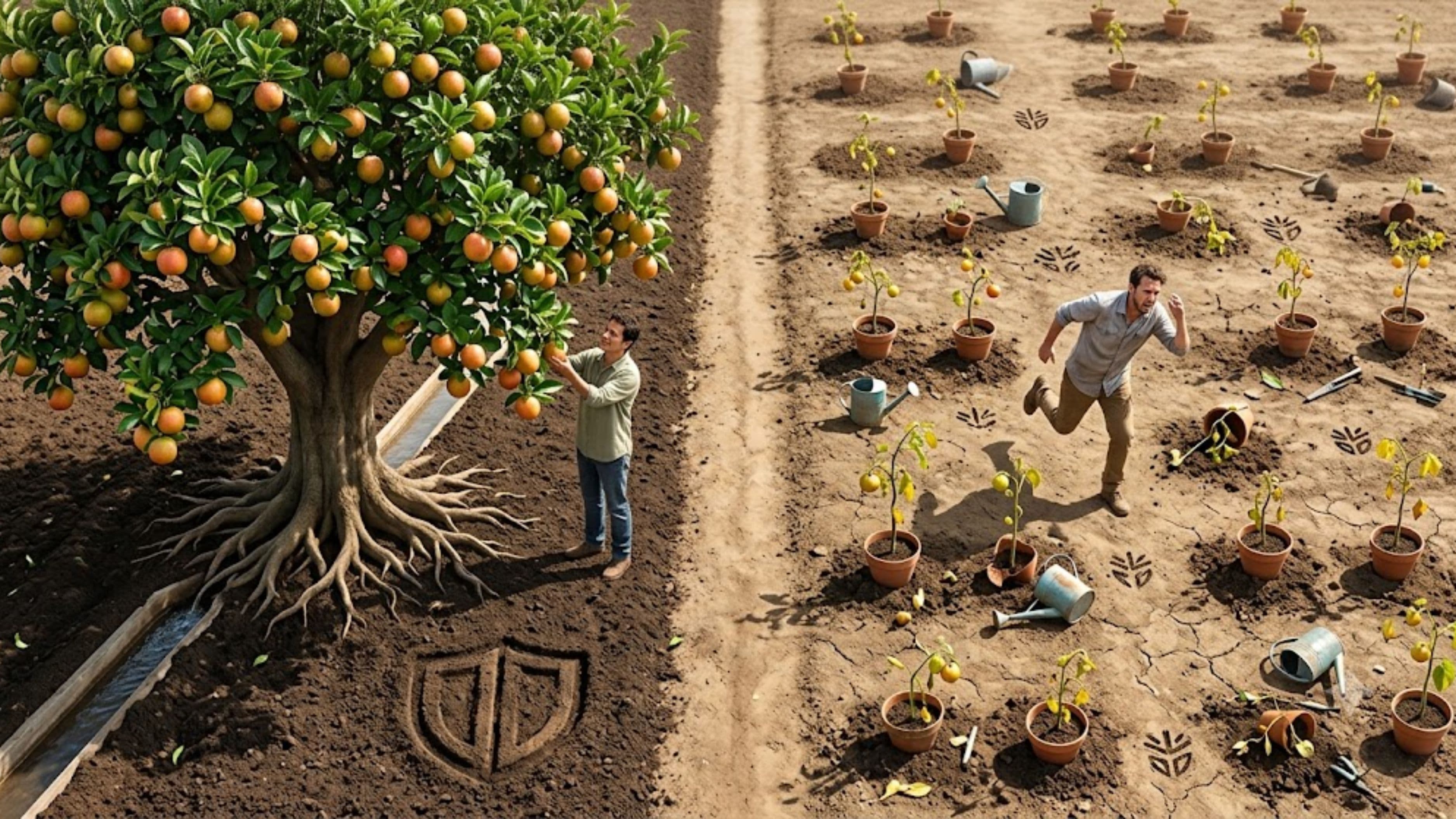
It also creates resilience. A parasocially-connected fanbase survives an artist's difficult periods – a project that doesn't land, a gap between releases, a hiatus. The relationship is with the person, not just the output. This gives independent artists something that used to be the exclusive province of major label acts with large marketing teams: a fanbase that will still be there when the next thing comes out.
The flip side is vulnerability. Artists who build entire fanbases on personal connection are exposed in ways that catalog-focused artists aren't. A personal controversy, a shifting public persona, or a communication misstep lands harder when the brand is the person. Several independent artists have experienced the specific pain of a fanbase feeling betrayed not by the music but by a perceived breach of the personal relationship they believed they had.
Where the Line Gets Complicated
The most honest tension in parasocial strategy is between genuine connection and manufactured intimacy. Fans aren't stupid. They can generally sense the difference between an artist who is actually letting them in and one who has built a performance of letting them in. The latter works in the short term and erodes in the long term.
The healthiest version of intentional parasocial building looks like: deciding what you're genuinely comfortable sharing, building content consistently around that authentic portion of yourself, creating structures (paid tiers, Discord servers, live sessions) that formalize the relationship without making it feel transactional, and maintaining clear internal limits on what stays private.
The unhealthy version – and it exists – looks like engineering emotional responses for engagement without genuine reciprocity, using vulnerable disclosures instrumentally while maintaining emotional distance, and building dependency rather than community. Some fan communities have noticed the difference and written about it articulately. The parasocial dynamic can tip from connection into something that feels more like manipulation, and artists building long careers have an interest in not crossing that line.
Practical Takeaways for Independent Artists
If you're an independent artist thinking about how to build genuine connection with your audience, the most useful reframes are:
Start with what you're actually comfortable sharing. Don't perform vulnerability you don't feel. Fans connect to specificity and honesty more than to any particular content format. Figure out what part of your process and life you can share sustainably, and build from there.
Consistency matters more than virality for parasocial connection. A weekly voice note to Patreon subscribers who never miss it builds stronger bonds than one viral video that brings in strangers who don't stick around.
Protect the intimacy deliberately as you grow. As your audience scales, the behaviors that created closeness early – responding to DMs, referencing comments in videos, remembering regulars – become harder to maintain. Building community infrastructure (Discord servers, fan communities, moderator systems) before you need it preserves the feeling of closeness as you grow.
Don't conflate parasocial connection with exploitation. The goal is fans who feel genuinely connected to your work and your story, not fans who feel they own you or that you owe them personal access. Setting clear limits on what you share – and communicating those limits when necessary – is both healthy for you and, counterintuitively, something fans who genuinely care about you will respect.
What to Watch Out For
Fan community dynamics can shift unexpectedly when parasocial bonds feel broken. Artists who build deeply personal connections with audiences sometimes experience intense backlash when they set limits, go through persona changes, or simply grow in directions the original audience didn't expect. The more personal the connection, the more personal any perceived betrayal feels to the fan. This isn't a reason to avoid building connection – it's a reason to build it on honesty rather than performance.
Platform dependence is the other structural risk. A Patreon community or a Discord server built on someone else's platform is vulnerable to policy changes, algorithm shifts, and platform failure. Artists who build the most durable parasocial connections tend to eventually migrate the core relationship to something they own – an email list, a website, a direct messaging channel – rather than leaving it entirely on a third-party platform.
FAQ
Is deliberately building parasocial connection manipulative? Not inherently. The key distinction is authenticity and reciprocity. Sharing genuinely and building community around that is not manipulation – it's relationship-building at scale. Using emotional content instrumentally to generate revenue without genuine engagement is more ethically complicated. Most artists fall somewhere in between, and the healthiest approach is to stay aware of the distinction and act accordingly.
Does this only work for certain genres or types of artists? Parasocial connection is more natural for singer-songwriters, bedroom pop artists, and solo acts where a single personality is the creative center. It's harder but not impossible for bands, producers who don't perform, and artists in genres where persona is traditionally more guarded. The format adjusts, but the underlying dynamic – fans connecting to the person behind the music – applies broadly.
How do you start building this if you're just beginning? Start with process content. Document what you're making and why. Post it consistently without waiting for a large audience. The early community you build through genuine, consistent process content tends to become your most engaged long-term fanbase. Scale comes later; loyalty comes first.
Can this be done sustainably alongside being a private person? Yes. Many artists maintain a distinct private life while building a genuine public one. The key is deciding what's on the table and being consistent about it. Sharing your creative process, your musical influences, your touring life, and your relationship with fans doesn't require sharing your family, your relationships, or your mental health history.
📚 Sources
Rolling Stone – How TikTok Changed the Way Artists Build Fanbases: https://www.rollingstone.com/music/music-features/tiktok-music-industry-artists-fanbase-2022-1234609993/
Hypebot – Parasocial Relationships and the Music Industry: https://www.hypebot.com/hypebot/2022/05/parasocial-relationships-and-music-marketing.html
MusicWatch – Direct-to-Fan Platforms and Artist Revenue: https://www.musicwatchinc.com/blog/direct-to-fan-a-growing-revenue-stream/
Jem Aswad, Variety – The New Fan Economy: How Artists Are Building Loyalty Beyond Streams: https://variety.com/2023/music/news/artists-fan-economy-patreon-discord-superfans-1235554321/
Bandcamp – The Case for Building Your Own Fanbase: https://daily.bandcamp.com/features/bandcamp-direct-fan-connection