🎼 Musical Growth Through Real-World Practice
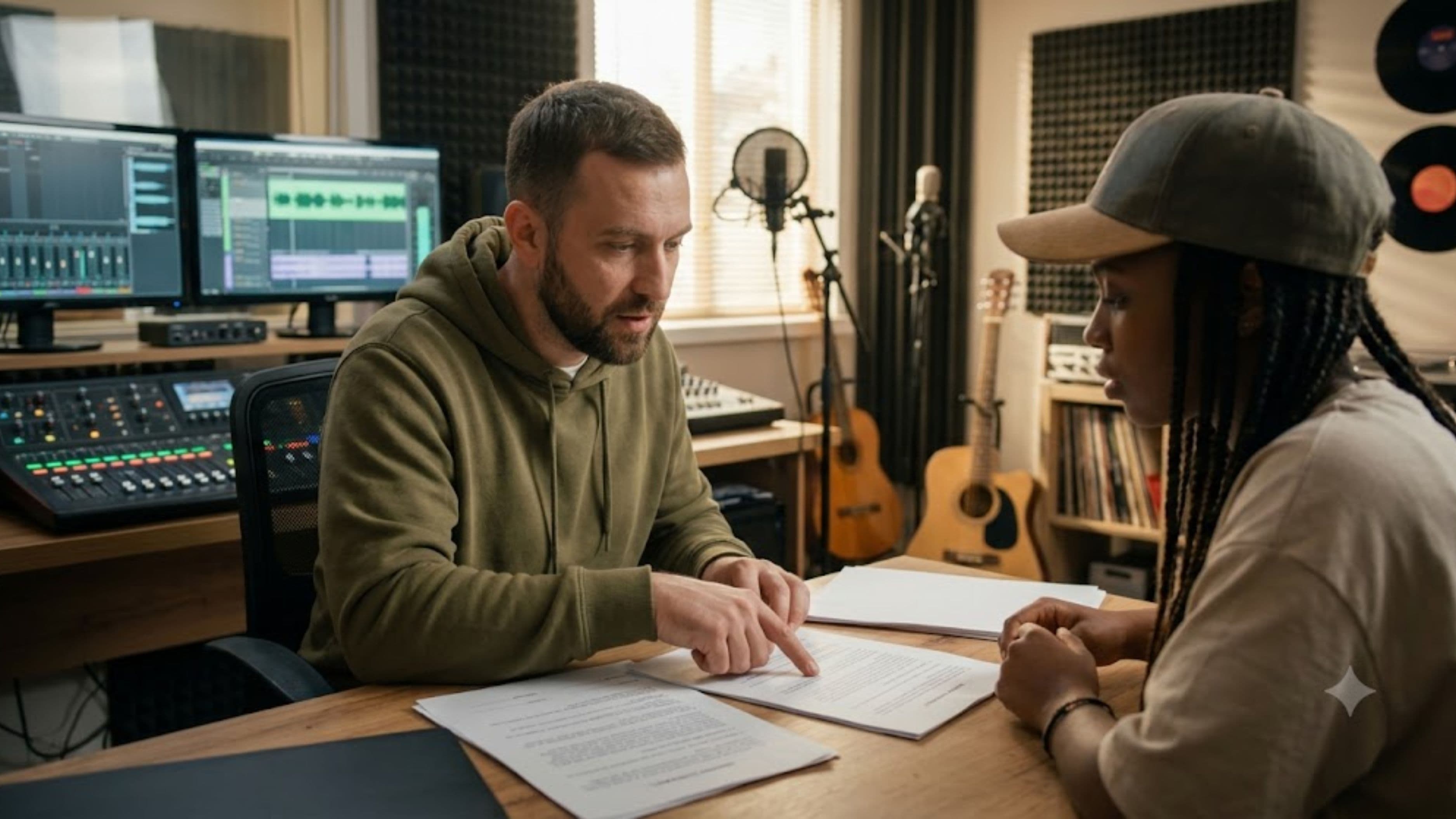
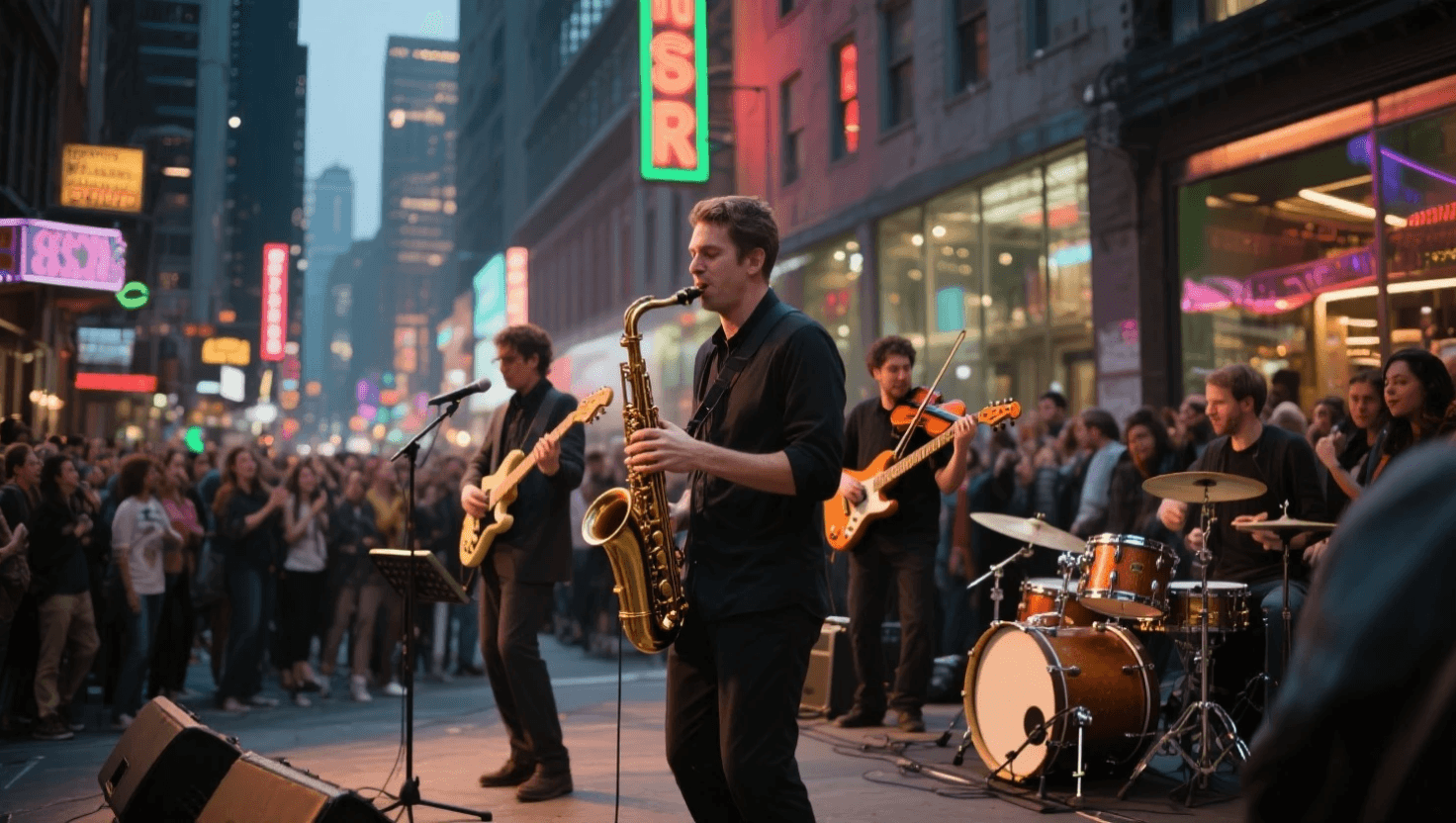
Individual practice is essential, but group settings introduce new challenges and learning opportunities. Playing in a band or ensemble helps musicians develop timing, dynamics, listening skills, and ensemble awareness—things that can’t be fully learned in solo practice. You'll also be exposed to diverse musical styles, sight-reading in context, and adapting your technique to fit a group sound. These are critical skills for both amateur and aspiring professional musicians, accelerating progress far beyond what solo study alone can offer.
👥 Building Connections and Shared Experience
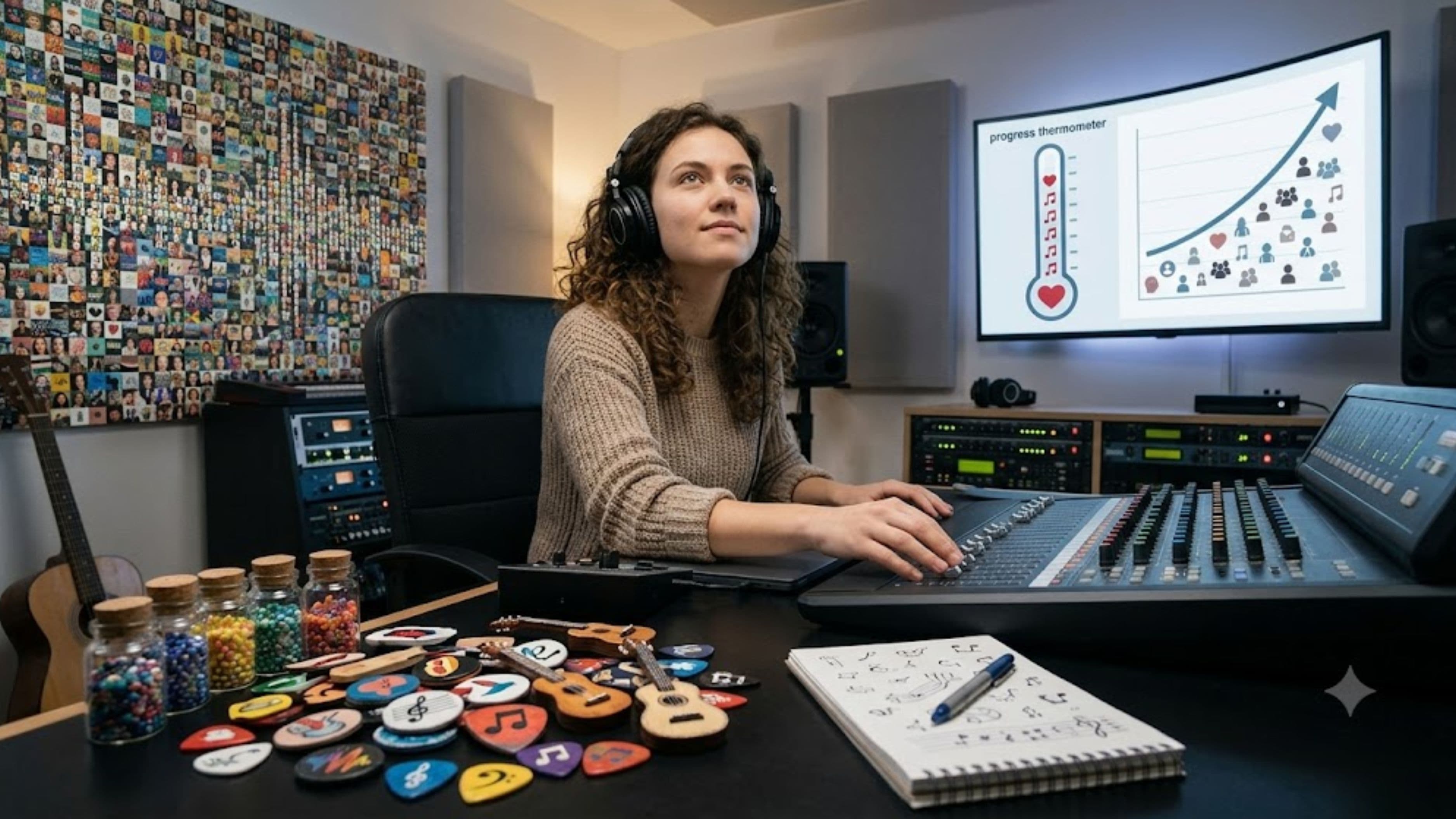
Music communities are often where lasting friendships and networks are formed. Being part of an ensemble connects you with people who share your passion and dedication. Whether it's a school jazz band, community choir, or adult orchestra, the sense of camaraderie and shared achievement makes music more meaningful. These connections not only support your growth but also encourage accountability and motivation—especially during periods when practice becomes a challenge.
🎤 Developing Confidence Through Performance
Live performance can be intimidating, but it's also transformative. Joining an ensemble gives you regular opportunities to perform, helping to ease stage fright, build stage presence, and instill a sense of accomplishment. Concerts, recitals, and festivals allow musicians to set goals and receive feedback in real-time. Over time, these experiences help develop the poise and confidence necessary to grow—not just as a musician, but in other areas of life such as public speaking and teamwork.
🌐 Expanding Musical Horizons Through Collaboration
Every group you join exposes you to new repertoires, traditions, and styles. You might start in a jazz combo and end up joining a funk band—or transition from classical quartets to contemporary ensembles. Collaborating with others pushes your comfort zone and inspires you to grow in unexpected directions. These experiences broaden your musical identity and make you a more adaptable, versatile musician.
🎯 Finding Opportunities in Your Local Community
Start by checking with local music schools, community centers, churches, or arts organizations, which often host ensembles open to all levels. Visit music stores—they frequently have bulletin boards with band listings and event flyers. Online platforms like Facebook Groups, Meetup, and local forums can also connect you with nearby music groups.
Ask private instructors or friends for recommendations, and consider attending a local concert or rehearsal to network. Whether you're a student or an adult beginner, there's likely a welcoming group near you—you just have to take the first step.