What's Happening
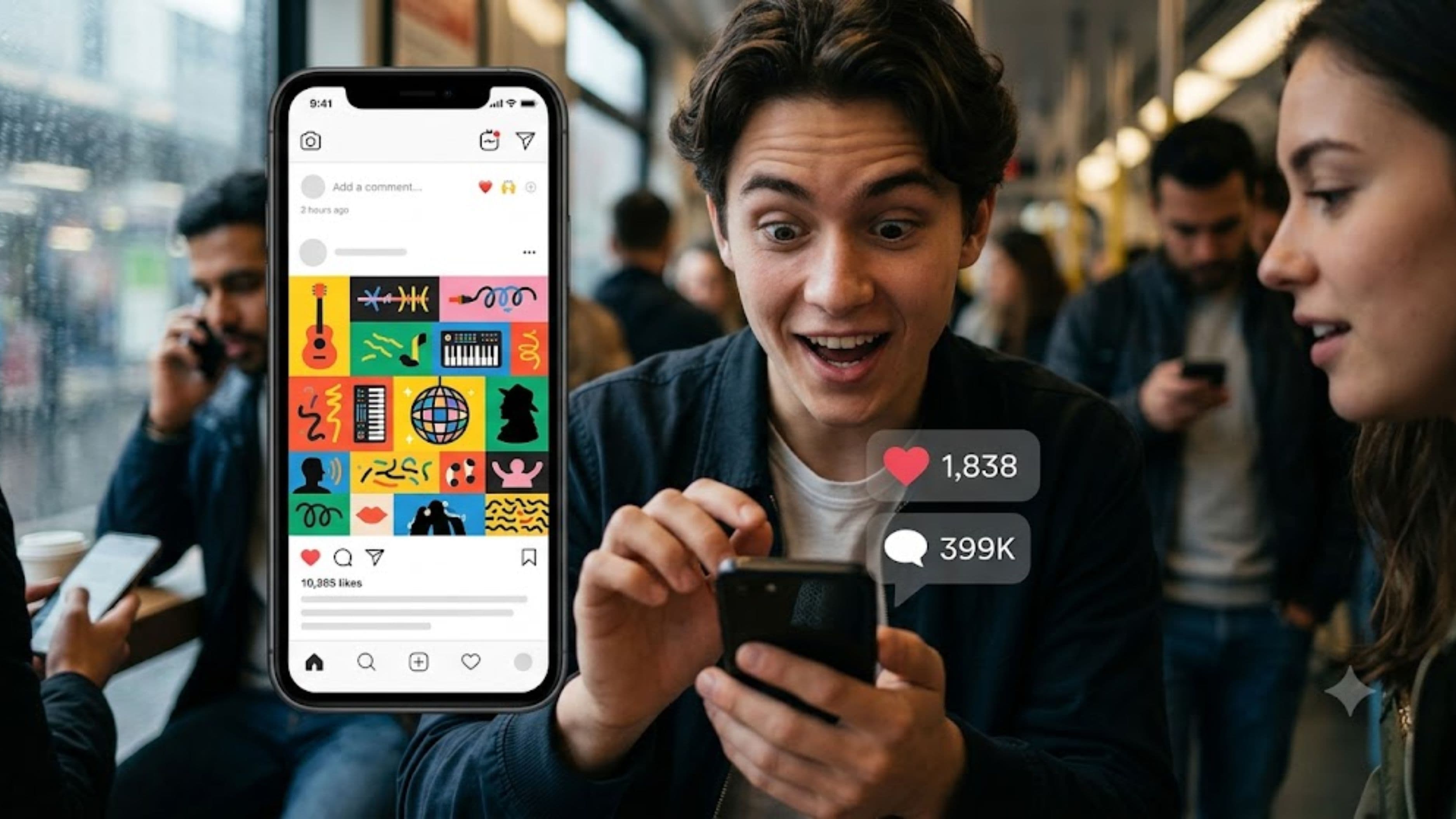
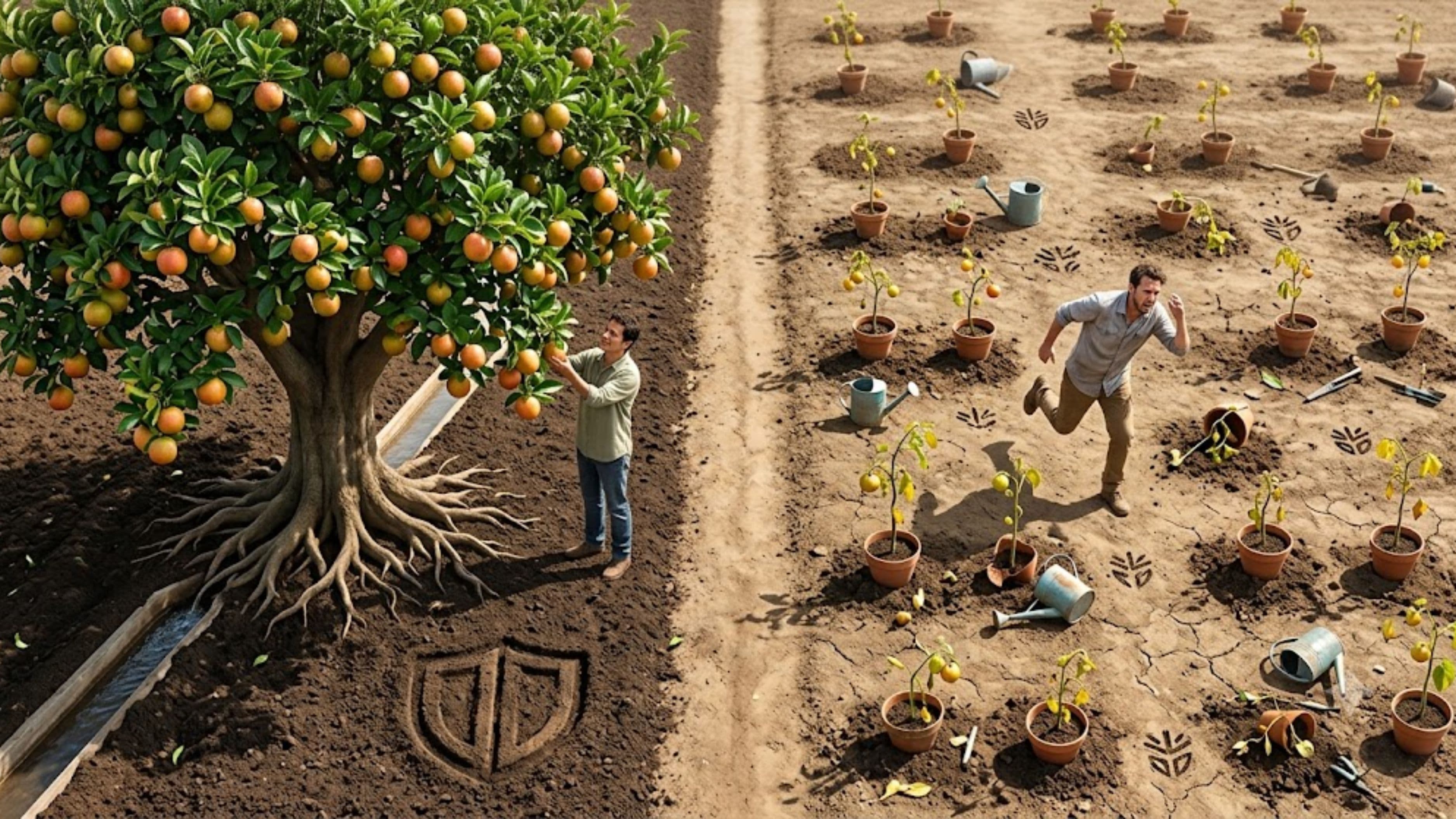
There's a growing shift among successful independent artists and the managers and strategists working with them toward concentrating effort on a single primary platform rather than maintaining an even presence across five or six at once. This isn't a rejection of multi-platform presence entirely – it's a recognition that algorithms on nearly every major platform reward consistency and depth of engagement on that specific platform, not just raw content volume spread across many.
Why It Matters
Every platform's recommendation algorithm is built to identify creators who post reliably and generate genuine engagement over time, and that pattern recognition takes weeks or months to establish. An artist splitting their content-creation energy across five platforms typically posts less frequently and with less refinement on each individual one, which makes it far harder for any single platform's algorithm to build confidence in pushing that artist's content to new audiences.
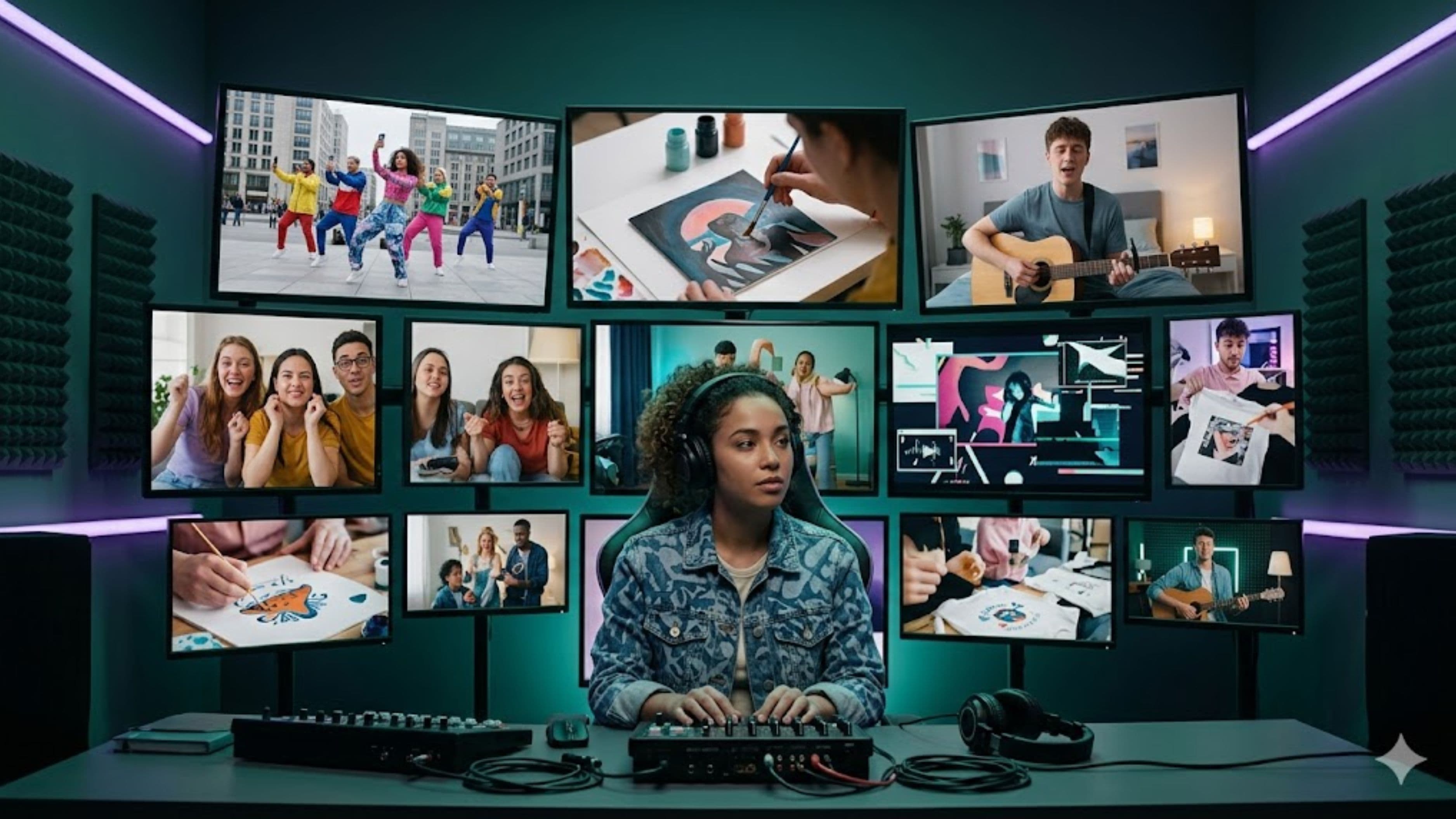
There's also a practical content-quality issue. Different platforms reward different formats – short vertical video, long-form content, static images with strong captions – and content genuinely optimized for one format rarely performs as well when it's simply reposted elsewhere without adaptation. Artists trying to maintain five platforms at once often end up cross-posting the same content everywhere, which underperforms compared to content built specifically for where it's being posted.
Key Developments
Data from platform-side creator resources and independent artist growth case studies consistently point to the same pattern: artists who commit to one platform, post consistently for a sustained period (generally a minimum of several months), and build genuine engagement with a smaller but real audience tend to see stronger algorithmic distribution than artists maintaining a thin presence everywhere. Once that first platform's audience and algorithmic trust are established, expanding into a second platform becomes measurably easier, since there's now an existing audience willing to follow the artist elsewhere.
This has shifted how a lot of artist development conversations happen. Rather than asking "which platforms should I be on," the more useful question has become "which single platform fits my content style and target audience well enough to commit to consistently for the next several months."
Impact on Creators
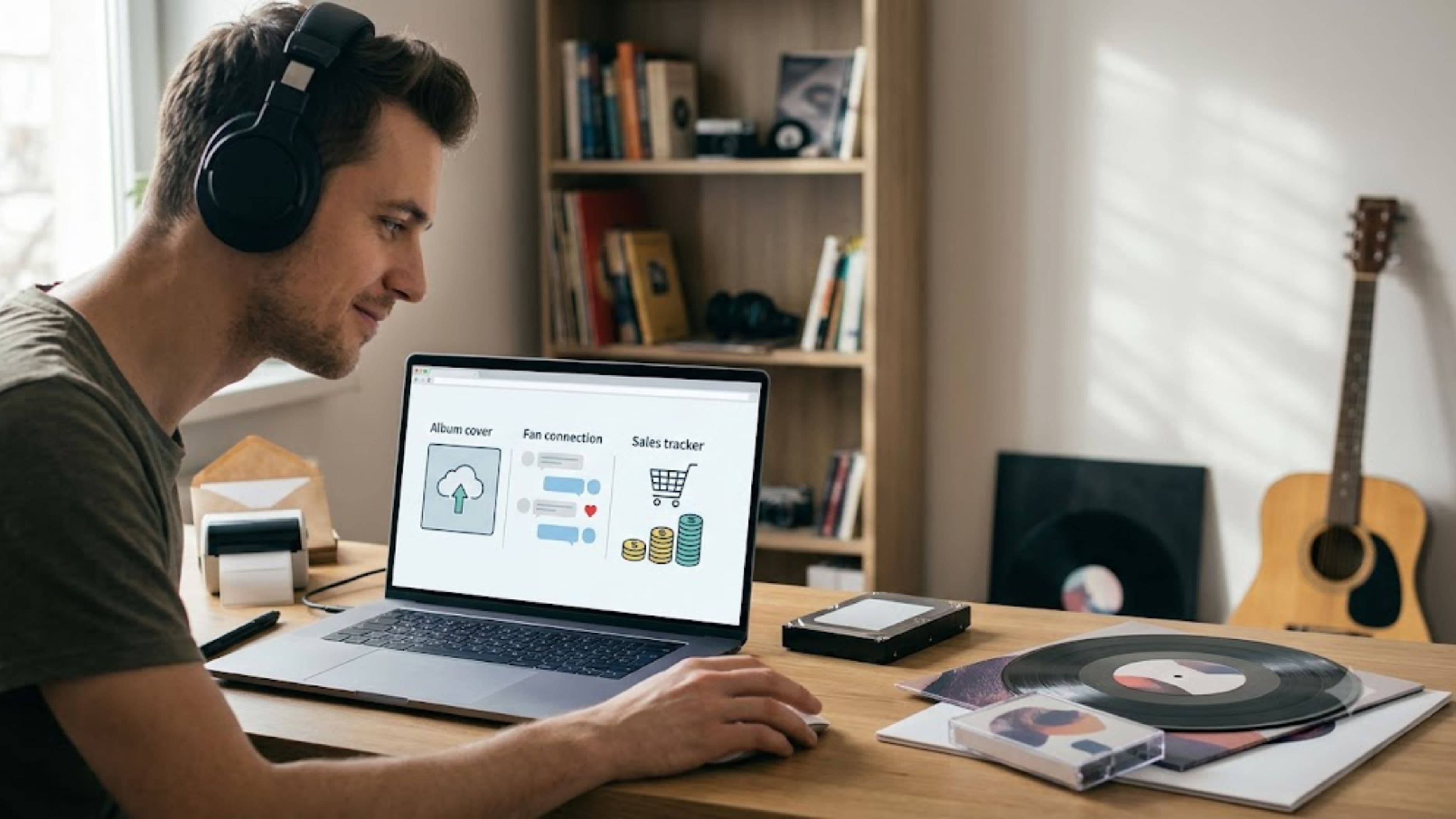
For independent artists without a label's marketing budget or a team handling content across multiple channels, this shift is genuinely good news – it means real growth doesn't require being everywhere at once, which was always going to be unsustainable for a solo artist or small team anyway. It reframes the growth strategy around depth rather than breadth, which tends to be a more realistic and less overwhelming approach for someone managing their own career alongside actually making music.
The trade-off worth being honest about is that concentrating on one platform means slower initial reach across the broader internet, since you're not casting as wide a net immediately. The payoff is that the audience you do build tends to be more genuinely engaged, and the platform's own algorithm becomes a more reliable growth engine over time rather than something you're fighting against with scattered, inconsistent content.
Practical Takeaway
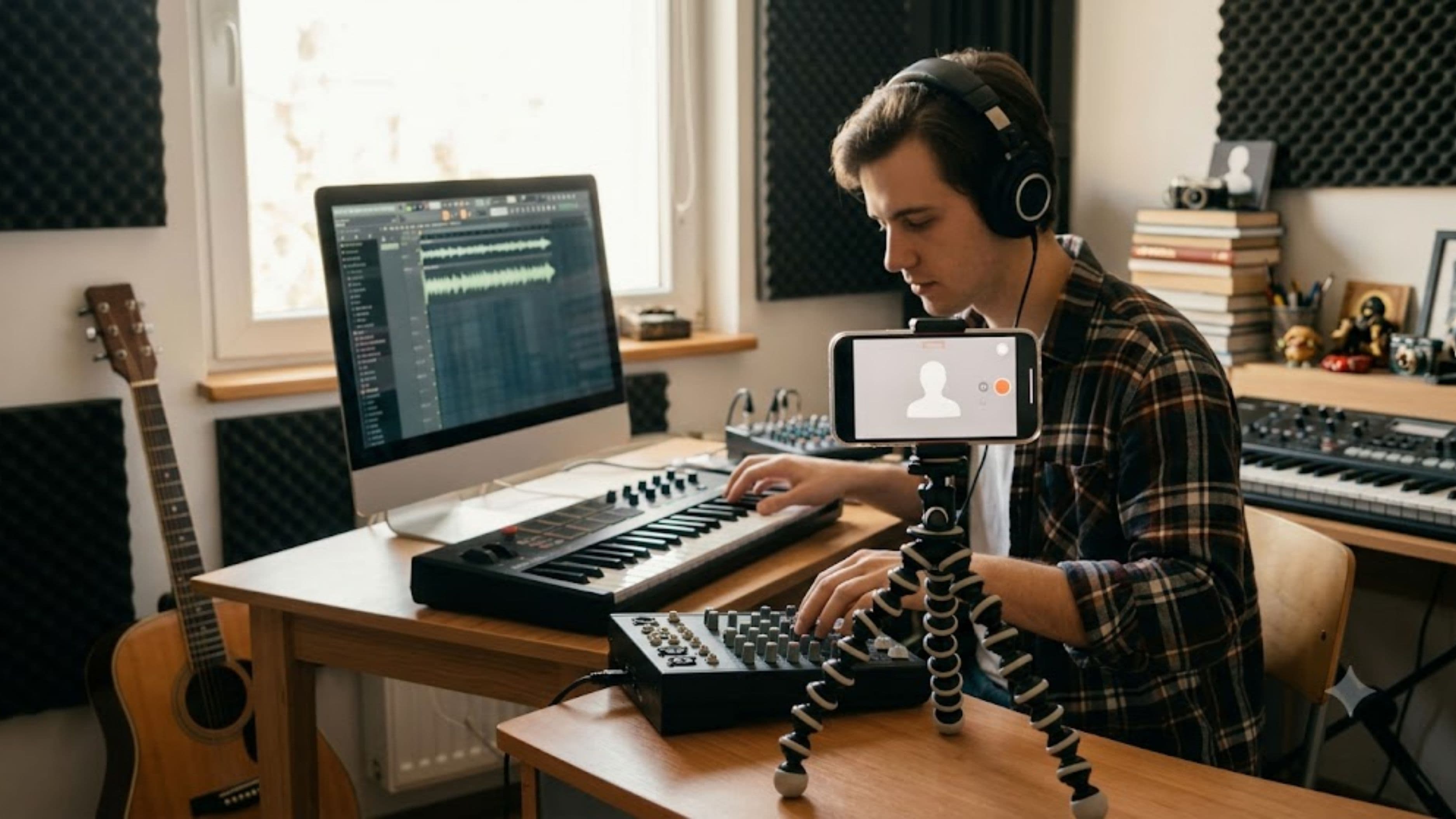
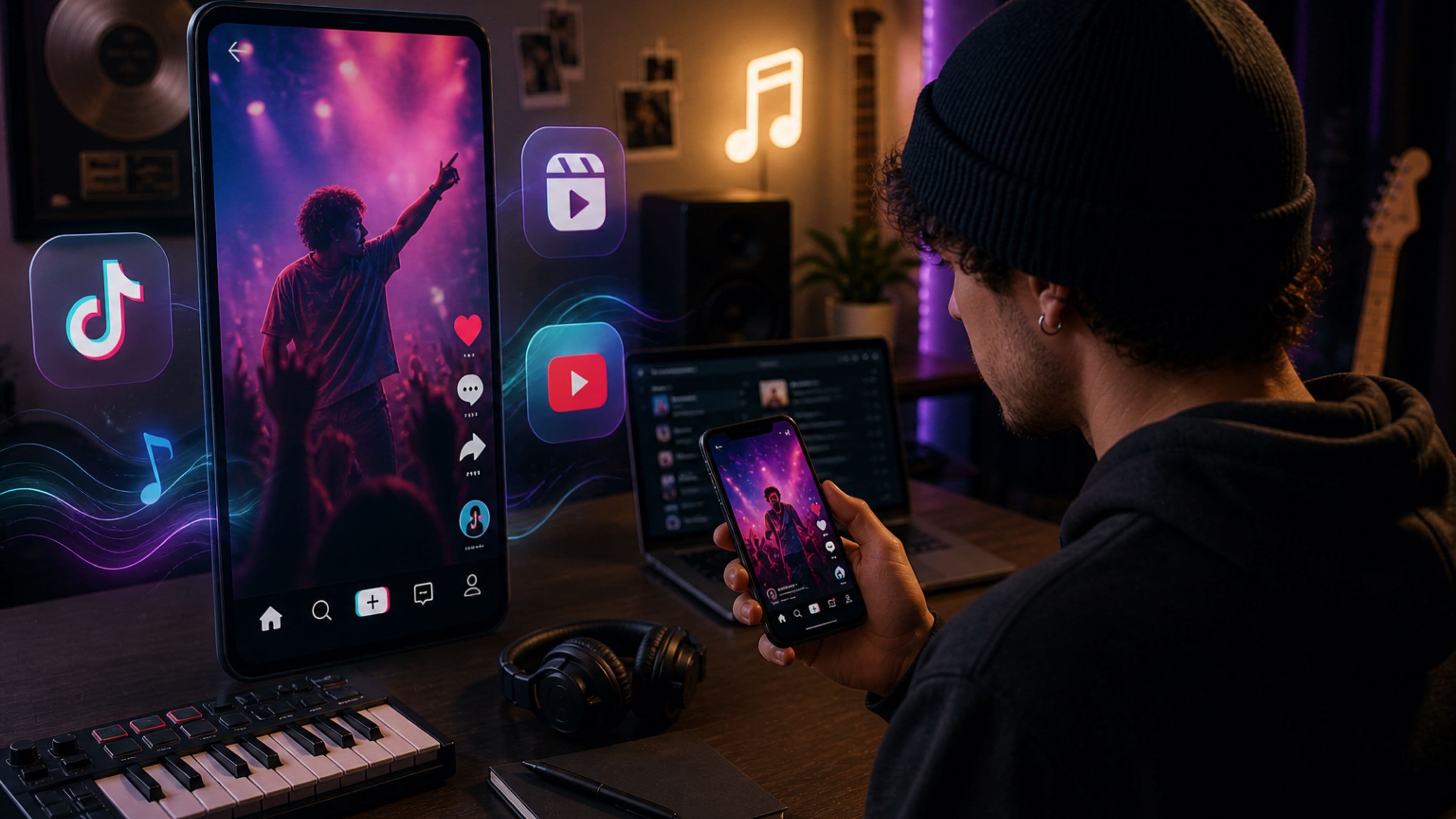
Pick the platform where your content style and target audience overlap most naturally – short-form video-heavy artists often find TikTok or Instagram Reels a stronger fit, while artists building longer-form storytelling or behind-the-scenes content may find YouTube a better match. Commit to a consistent posting schedule on that platform for at least a few months before judging results, and resist the urge to add a second platform until you've built real traction and a repeatable content rhythm on the first.
FAQ
Does this mean I should delete my other social accounts? Not necessarily. Keeping a presence elsewhere is fine, but the growth strategy and content-creation energy should be concentrated on your primary platform, with secondary platforms treated as a lighter-touch presence rather than an equal priority.
How long should I commit to one platform before expanding? Most successful case studies point to a minimum of three to six months of consistent posting before meaningful algorithmic traction develops, though this varies by platform and content type.
Which platform is best for a new independent artist? This depends heavily on your content style and target audience. Short-form, visually dynamic content tends to fit TikTok and Instagram Reels well, while artists with strong storytelling or behind-the-scenes content may find YouTube a better long-term fit.
📚 Sources
Spotify for Artists – growth and marketing resources – https://artists.spotify.com/en/blog
YouTube Creator Academy – algorithm and consistency guidance – https://creatoracademy.youtube.com/
TikTok for Business – creator content strategy resources – https://www.tiktok.com/business/en/blog