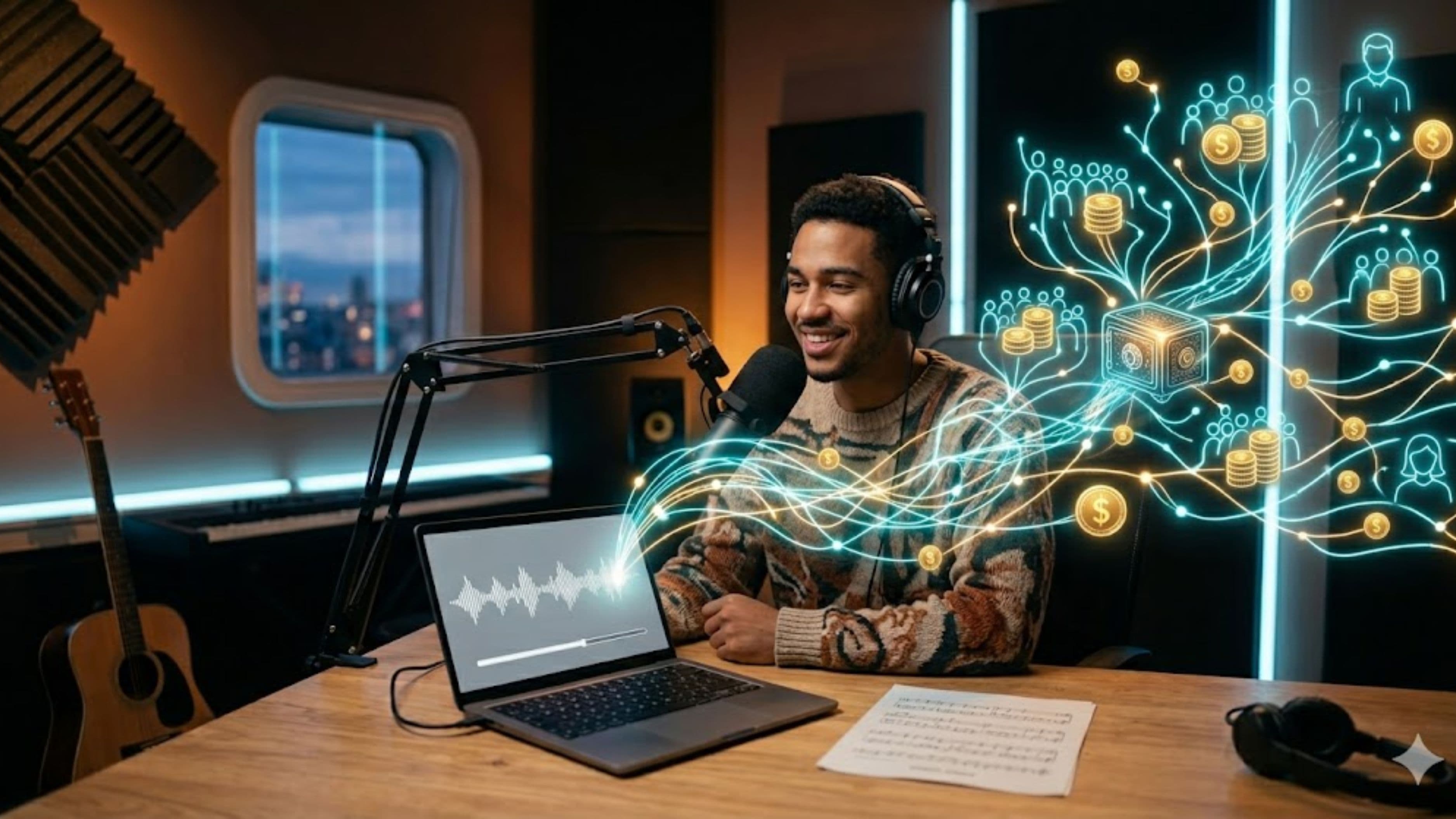
This guide is about how to do that deliberately – not just starting a podcast and seeing what happens, but building one with a monetization strategy baked in from the start.
Start With a Clear Position, Not Just a Topic
The podcast space is crowded and music is a broad topic. "A podcast about music" won't attract a loyal, monetizable audience because it's not clear who it's for or why someone should listen to you specifically. The shows that build real audiences – and real revenue – are the ones with a point of view and a defined listener.
Your position should answer two questions: who is this for, and what will they be able to do or understand because they listen? A podcast for indie artists trying to get sync placements is a position. A podcast that breaks down the production techniques of classic hip-hop records for aspiring producers is a position. A podcast about the business of touring for working musicians is a position. "Music talk with a musician" is not.
Your existing expertise should shape this. If you've been producing beats for ten years, build the show around production knowledge. If you've navigated the independent release cycle multiple times, that's your angle. The tighter your position, the easier it is to attract the exact audience that will pay for what you eventually offer.
Build the Audience Before You Ask Anything of It
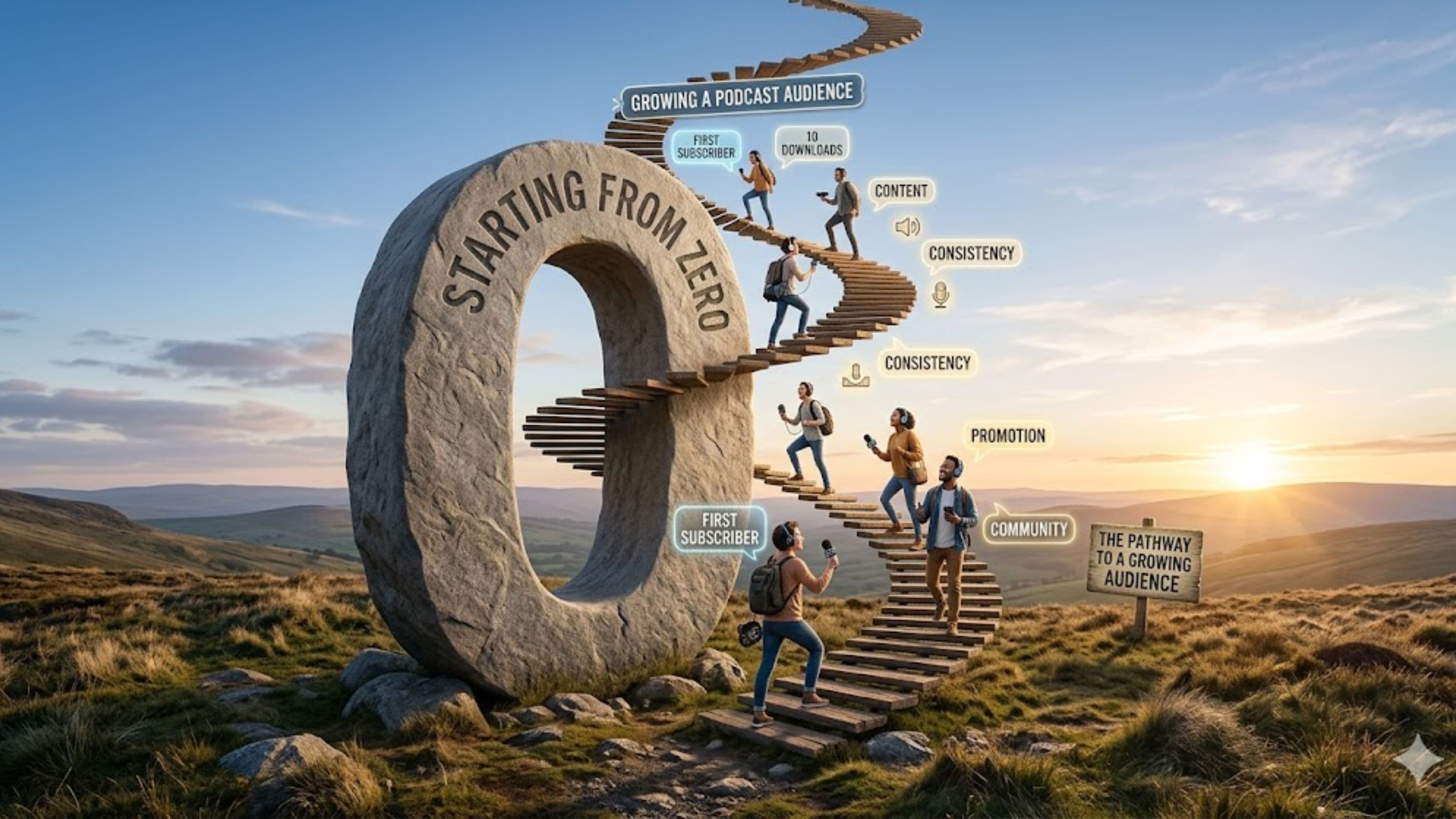
This is the step people skip in their eagerness to monetize quickly, and it consistently undermines the effort. An audience of 200 listeners who trust you and show up every week is more monetizable than an audience of 2,000 who found you through one viral moment and have no real relationship with the show. Depth of engagement matters more than scale, especially in music where niche communities are tight-knit and word-of-mouth is still how most things actually spread.
Plan to publish consistently for at least three to six months before pushing any paid offering hard. In that window, your job is to demonstrate your expertise, prove that you understand your listener's specific situation, and give them enough value that they want more. If someone finishes an episode feeling like they learned something genuinely useful – not just entertained – they're the kind of listener who converts into a paying customer.
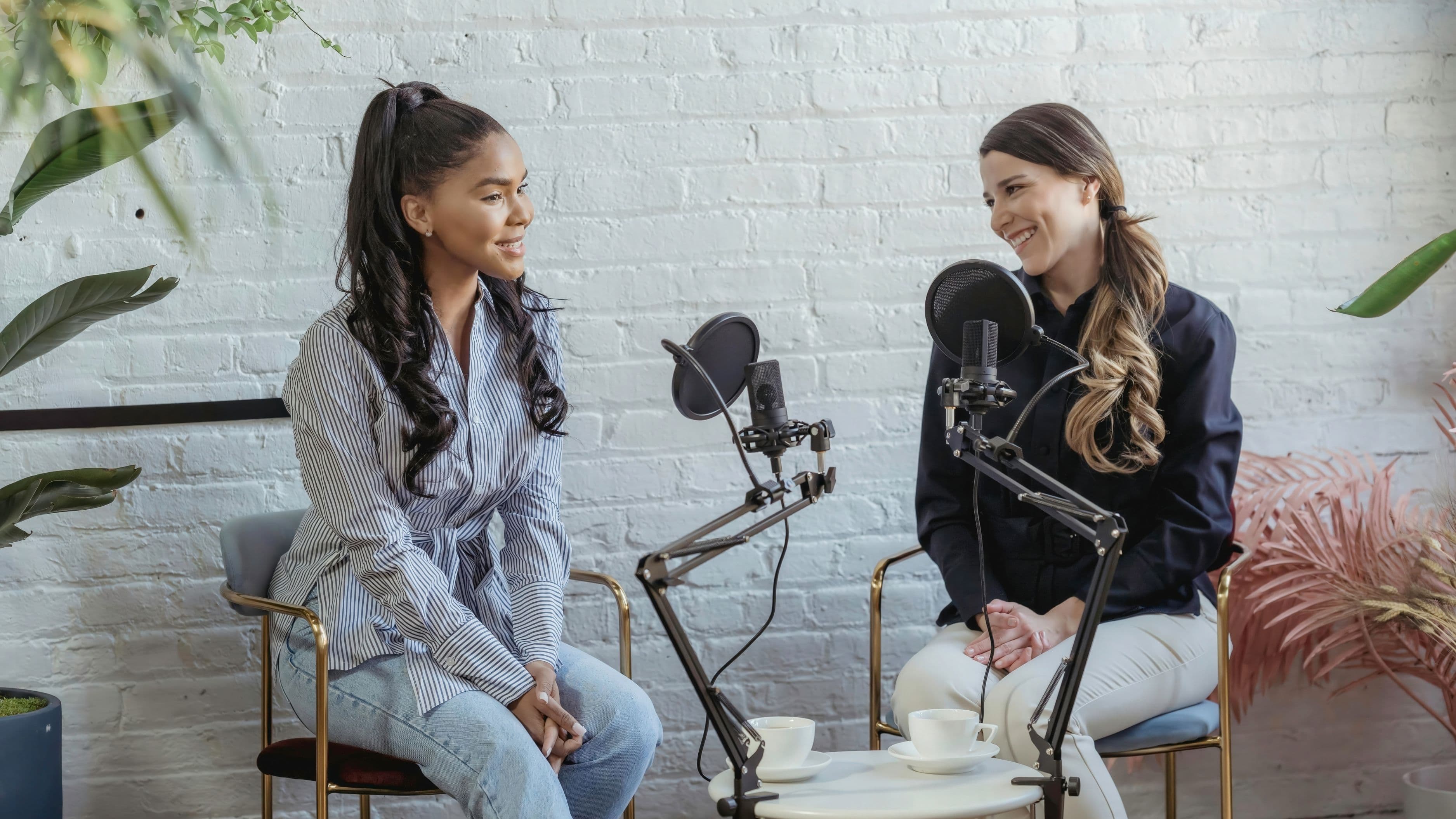
The format that tends to work best for expertise-based monetization is an interview plus solo commentary combination. Bringing in guests gives you credibility and reach; solo episodes let you go deep on specific concepts and establish your own voice as the definitive one on your topic.
The Monetization Paths That Actually Work for Music Podcasts
Not all podcast monetization models fit music expertise shows, and some that look obvious don't deliver much in practice. Here are the ones that have real traction.
Direct Courses and Workshops
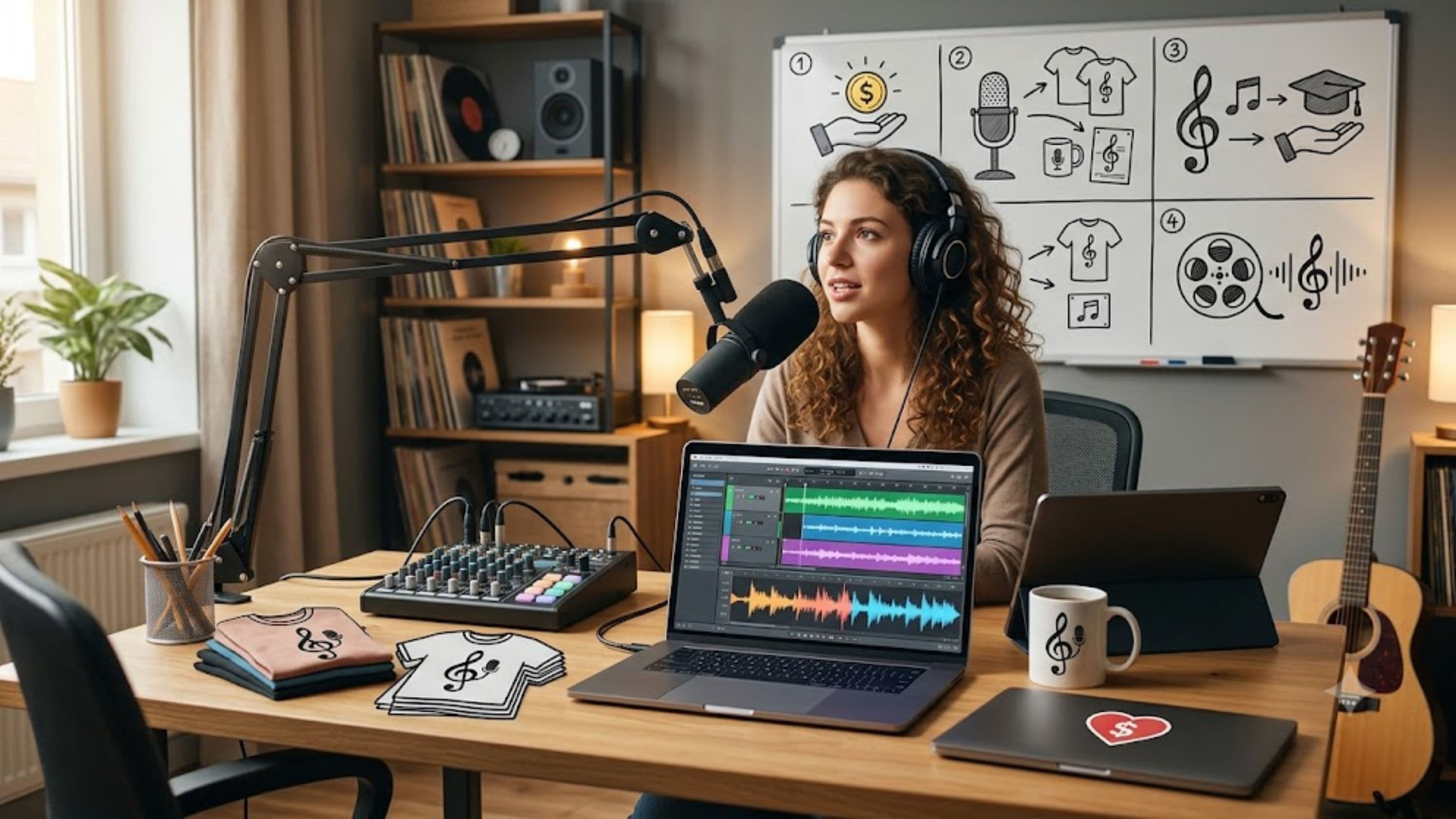
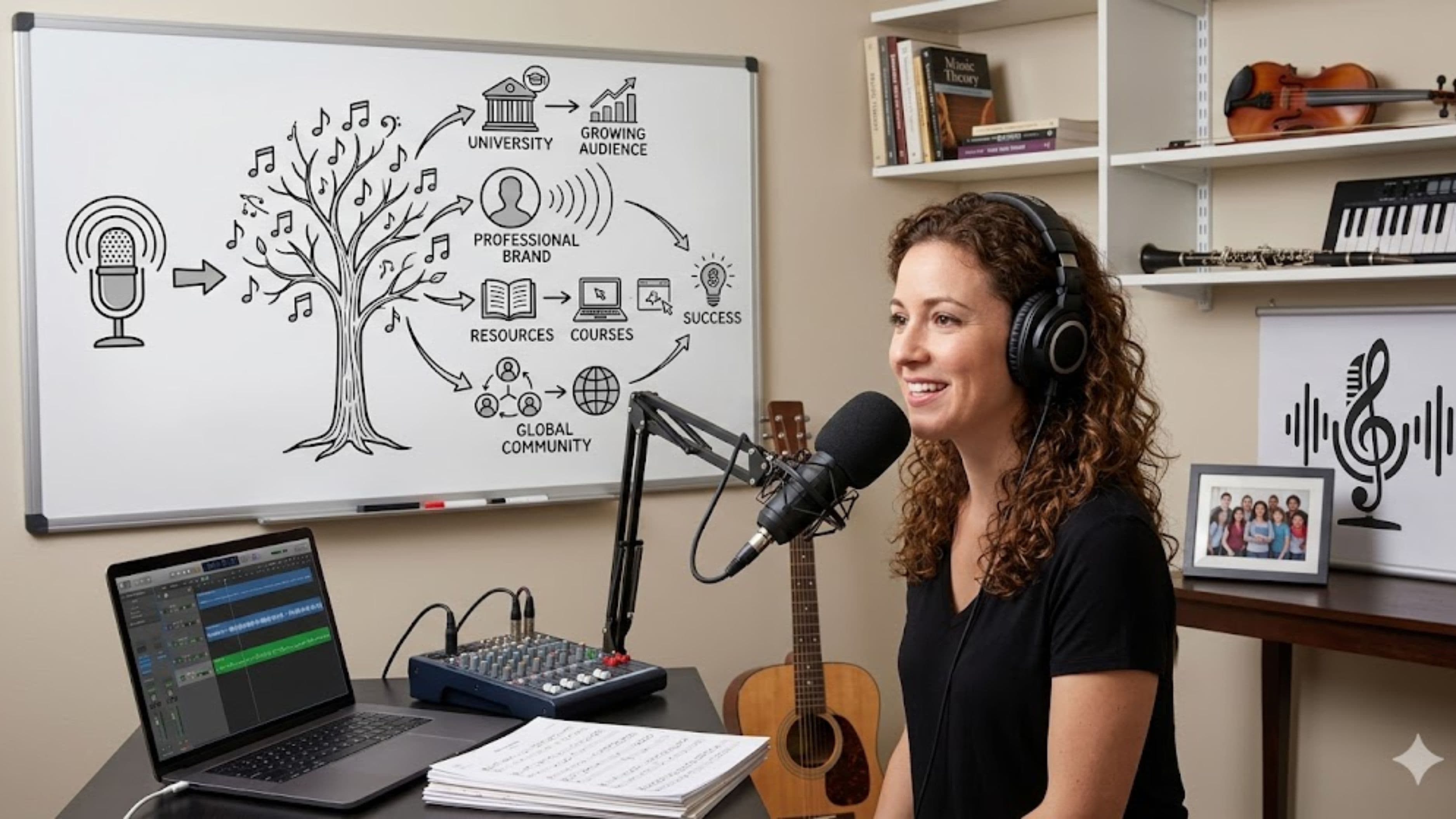
This is the highest-return monetization path for knowledge-based podcasts and the one most worth building toward from the start. If your show is consistently teaching something – production techniques, music licensing basics, how to pitch to playlists, how to book shows – your most engaged listeners will want a more structured, in-depth version of that teaching. A course that expands on your podcast content, or a live workshop where you teach a specific skill, converts naturally from an engaged podcast audience in a way that general advertising never does.
Platforms like Teachable, Gumroad, and Kajabi handle the technical side of selling and delivering a course without requiring any specialized knowledge to set up. Pricing for music-specific courses ranges widely – $49 for a tightly scoped workshop to $500+ for comprehensive programs – with the upper end accessible once you've built real trust and demonstrated results.
The key is alignment. The course should feel like the obvious next step for a listener who's been getting value from the free podcast. If your podcast teaches sync licensing strategy episode by episode, a course that walks through the full sync pitch process end-to-end is a natural extension. If the course feels disconnected from the show's content, conversion rates will be low regardless of how good it is.
Memberships and Listener-Supported Models
Patreon and similar platforms (Supercast, Supporting Cast) let your most engaged listeners pay a monthly amount for exclusive content, early access, behind-the-scenes material, or direct access to you. For music podcasts with a loyal niche audience, even 100–200 paying members at $7–$15/month produces meaningful recurring income – not podcast-as-primary-business money for most people, but a real financial return for the effort invested.
The pitch for a membership works best when the exclusive content is genuinely valuable rather than just "bonus episodes." Direct community access (a Discord or private forum where listeners interact with you and each other), live Q&As, uncut interviews, or early access to course materials are the types of benefits that justify a monthly payment. Extra episodes alone rarely do.
Coaching and Consulting
If your music expertise is in an area where individuals need personalized guidance – production feedback, career strategy, mixing advice, artist development – one-on-one or small-group coaching is one of the most straightforward monetization paths to test early. It doesn't require building a course or a membership platform. It requires having a booking link (Calendly works fine) and mentioning it on the show.
Coaching is also useful for validating what your audience actually struggles with before you invest in building a course. The questions that come up repeatedly in coaching sessions tell you exactly what a paid course should cover.
Sponsorships (With Realistic Expectations)
Podcast advertising is real, but the numbers are less impressive than most people assume until you have significant scale. The standard CPM rate for podcast advertising is roughly $15–$40 per thousand downloads per episode, depending on the niche and audience quality. At 1,000 downloads per episode – which takes most shows 12–18 months to reach – that's $15–$40 per episode. At 10,000 downloads, it becomes meaningful money.
For music podcasts, the most appropriate sponsors are music-adjacent tools and services – DAW software, plugin companies, music distribution platforms, gear brands, music education platforms – rather than general consumer brands. These sponsors understand the audience and are willing to pay for access to it. Approaching them directly with a media kit (listener numbers, engagement rate, demographic overview) often works better than waiting to be discovered by a podcast advertising network.
The more realistic early-stage approach is affiliate partnerships rather than traditional sponsorships. Many music software and services companies run affiliate programs that pay a commission per sale rather than a flat CPM rate. If you genuinely use and recommend a particular DAW plugin, drum machine, or distribution service, an affiliate link in your show notes generates income proportional to your influence rather than your download count.
Live Events and In-Person Workshops
A podcast with a loyal local or regional audience can convert into ticket sales for live events – panels, masterclasses, listening sessions, or networking events for the specific community your show serves. This works particularly well for shows focused on a local music scene or a specific regional genre. The podcast builds the community; the event monetizes it.
Even a single annual event with 50–100 paying attendees at $30–$100 per ticket produces meaningful revenue and deepens the relationship between you and your audience in ways that digital interactions don't replicate.
What to Build First
The most practical order of operations for most music podcasters: start with affiliate partnerships (low effort, starts generating income early), build toward a small-group workshop or course around your core expertise once you have 200–400 regular listeners, and layer in membership or coaching as the audience grows and demand makes itself obvious.
Don't try to run every monetization model simultaneously from the beginning. A podcast that's also trying to sell a course, run a Patreon, pitch sponsors, and sell event tickets in its first three months is a podcast without a clear value proposition to any audience. Pick one path to start, execute it well, and build from there.
Common Mistakes to Watch Out For
Monetizing too early, before you've built genuine trust, is the most common mistake and the one most likely to kill early momentum. If an episode is 30 minutes of content followed by a three-minute pitch, and that's every episode, listeners who haven't yet decided they trust you will stop listening.
Building for a general audience instead of a specific one consistently underperforms. The broader the topic, the harder it is to attract the kind of loyal, engaged listener who converts into a paying customer. Narrower shows with smaller but more dedicated audiences almost always out-monetize larger, broadly-focused ones.
Treating the podcast as a lead generation tool exclusively, where every episode is working toward selling something, produces content that feels transactional rather than genuinely valuable. The most effective monetization flows from shows where the host is clearly there to teach and share, not primarily to sell.
FAQ
How many listeners do I need before I can start monetizing? There's no hard threshold. Affiliate partnerships can generate income with a few hundred listeners. A coaching offer can be tested with 100 dedicated listeners. Courses and memberships become more viable around 300–500 consistent listeners per episode. Traditional sponsor CPM deals typically require 1,000+ downloads per episode to be attractive to most advertisers.
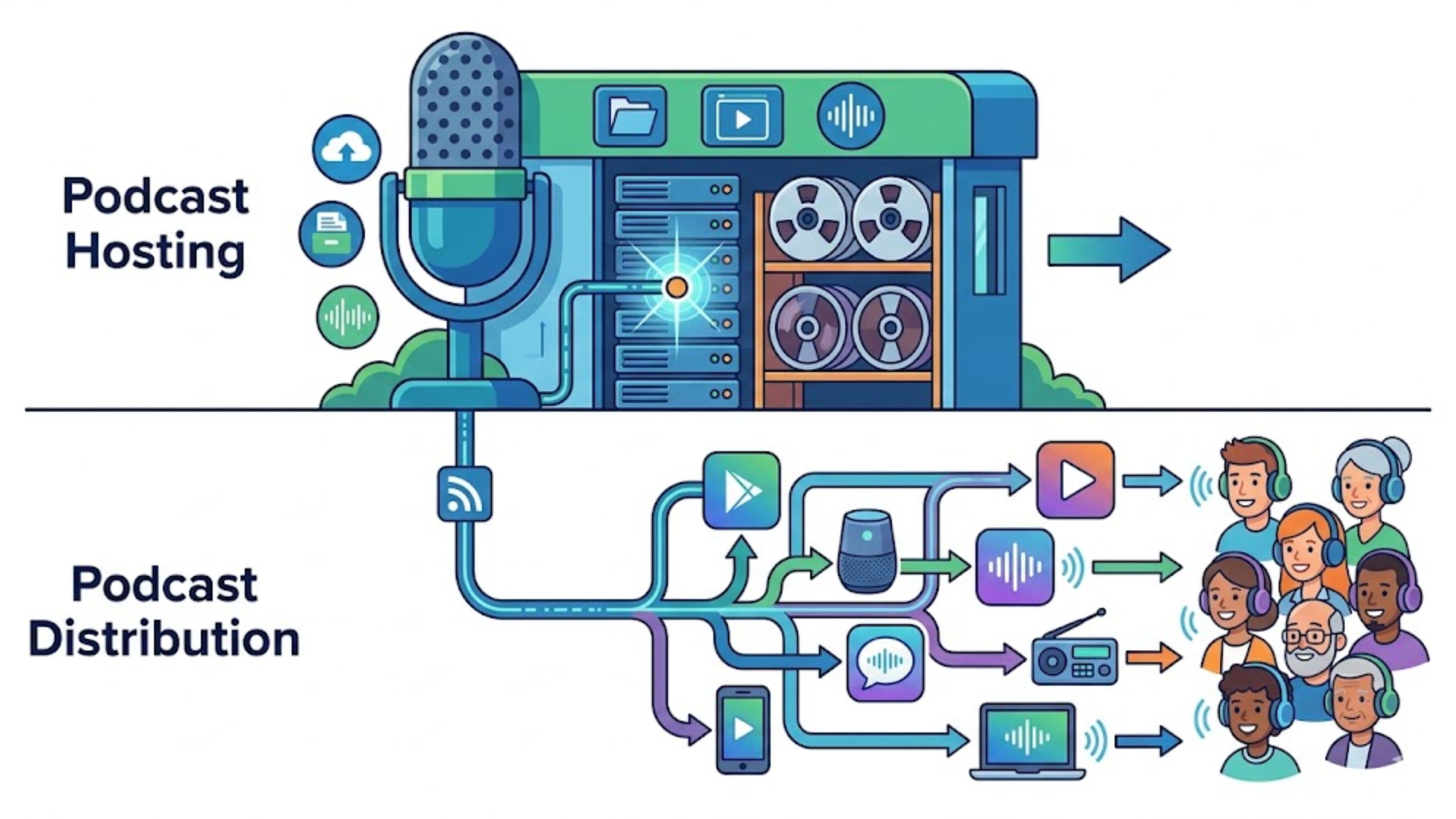
What platforms work best for hosting a music podcast? Buzzsprout, Spotify for Podcasters (formerly Anchor), and Transistor are the most commonly used for independent podcasters. All distribute to major platforms automatically. Transistor and Buzzsprout offer better analytics for understanding your audience, which matters more once you're pitching to sponsors.
Should I launch with a course or test coaching first? Test coaching first. A few one-on-one sessions tell you what your audience actually needs, what they're willing to pay for, and how to structure a course that solves the right problem. Building a course based on assumptions about what your audience wants is riskier than building it based on paid validation.
Can I monetize a music podcast without having a large social media following? Yes. Podcast monetization is driven by listener loyalty and engagement more than total audience size. A small, highly engaged audience that trusts you will convert into course buyers, members, and coaching clients at rates that a large, passive social media following won't match.
What's the fastest way to grow a music podcast audience? Guest appearances on other established podcasts in your space move the needle faster than most other organic growth tactics. When you're a guest on a show whose audience overlaps with your target listener, you're getting introduced to exactly the right people. Consistent publishing frequency and strong episode titles optimized for search also compound over time.
📚 Sources
Spotify – Podcast monetization for independent creators: https://podcasters.spotify.com/monetization
Buzzsprout – Podcast advertising rates and how they work: https://www.buzzsprout.com/blog/podcast-advertising-rates
Gumroad – Selling digital products and courses: https://help.gumroad.com/article/62-what-can-i-sell
Teachable – How to create and sell an online course: https://teachable.com/blog/how-to-create-an-online-course