That shift isn't accidental. As podcasting has matured into a major entertainment business, networks have started playing the same role labels play in music: funding creators, building audiences, controlling distribution, and taking a cut. If you're a podcaster, or a musician expanding into audio, understanding how this works can help you decide whether to sign, stay independent, or negotiate smarter.
What's Happening
Podcast networks have evolved from loose collections of shows sharing ad sales into full-service media companies. Major players like SiriusXM, iHeartMedia, Audioboom, and others offer creators money, production support, advertising, and promotion in exchange for rights, revenue share, or exclusivity.
Big headline deals have made the comparison impossible to ignore. Reported deals with top talent, such as Alex Cooper's widely reported move of Call Her Daddy to SiriusXM in 2024, look more like superstar record contracts than traditional ad arrangements. At the other end of the scale, mid-sized shows are signing network deals for advances, guaranteed minimums, or shared revenue.
Meanwhile, platforms are becoming more like labels too. Spotify's Partner Program, launched in early 2025 in several markets, began paying eligible video podcasters based on engagement, which makes the platform part funding source, part distributor.
Why It Matters
The label model has always come with trade-offs, and podcasters are now running into the same ones musicians have debated for decades.
Money upfront versus ownership later
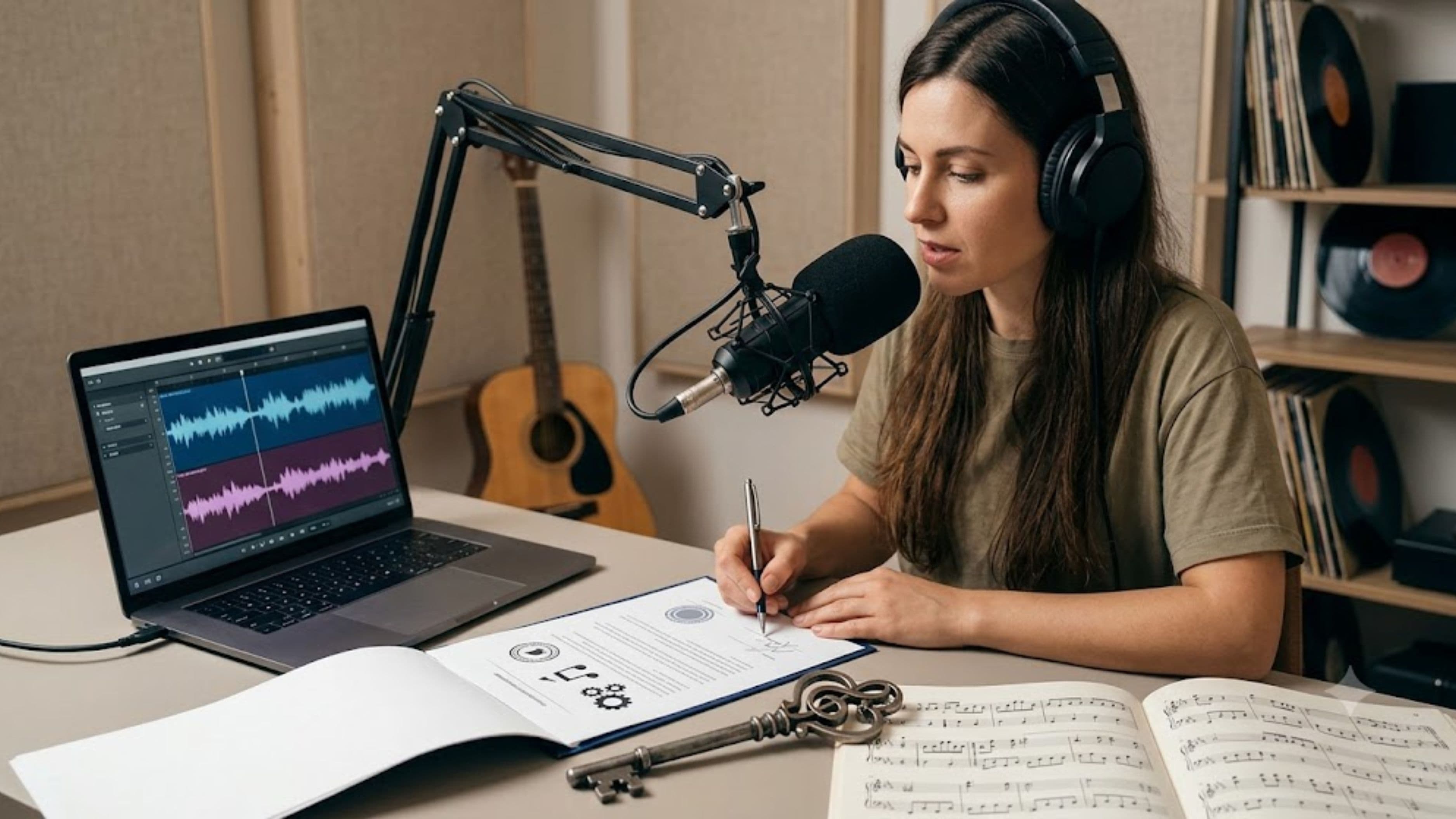
Record labels traditionally pay advances and cover production and marketing, then recoup those costs from the artist's earnings before paying royalties. Podcast networks often work in a similar way, offering upfront money or guarantees while taking a percentage of ad revenue, sometimes for years.
The key question is ownership. Some network deals give creators full ownership of their shows and IP, while others transfer rights to the network. If the network owns your show, you may not be able to take it with you if you leave, just as musicians have historically struggled to regain their master recordings.
Distribution and discovery
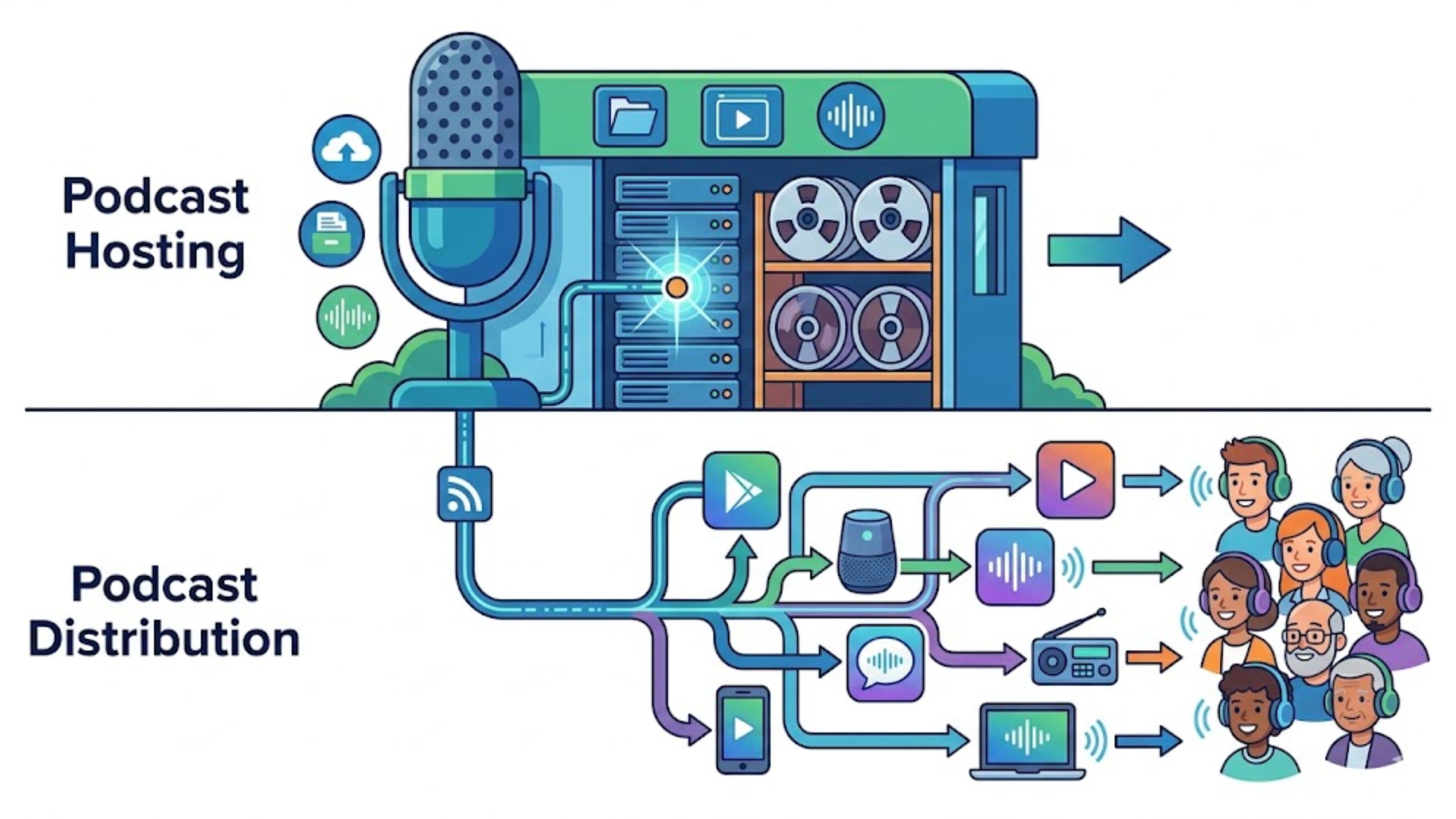
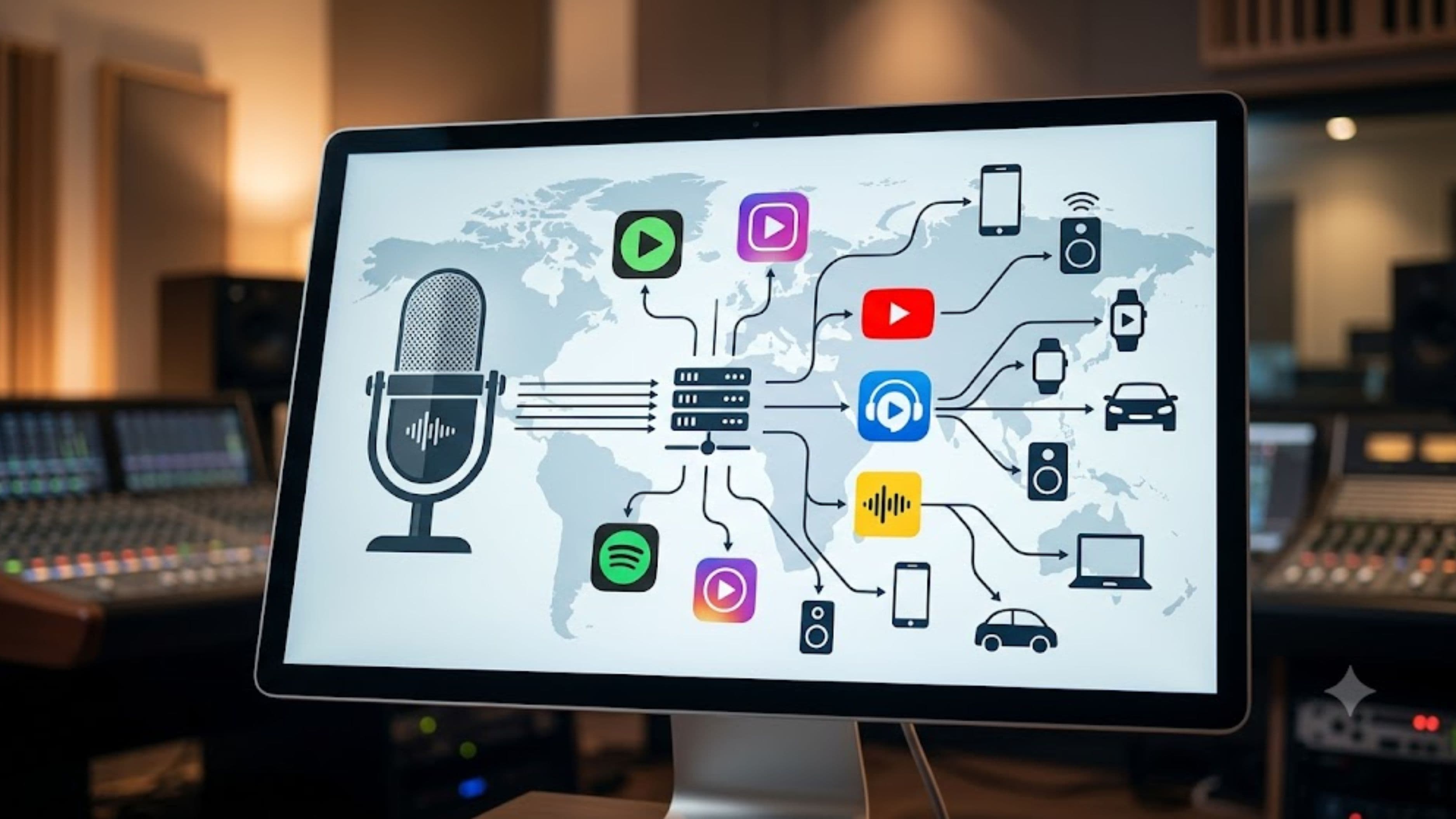
Labels have long helped artists reach playlists, radio, and retail. Networks do the podcast equivalent: cross-promoting shows within their catalog, securing featured placement on apps, and running ads across other shows. For a new podcast, that exposure can be the difference between a handful of listeners and a real audience.
Exclusivity changes your reach
Some networks and platforms require exclusivity, meaning your show only appears on one app or service. That can come with bigger payments but limit your audience. Several high-profile exclusive podcast deals have since shifted toward wider distribution, reflecting the tension between exclusive money and broad reach.
Impact on Creators
More ways to get paid
For creators, the rise of networks means more opportunities for advances, guaranteed income, and professional support. That's especially helpful if you can't afford editors, producers, or video teams on your own.
More complex contracts
With more money comes more complicated terms. Deals can include revenue splits, performance targets, content ownership clauses, exclusivity windows, video rights, live event rights, and non-compete provisions. It's increasingly important to understand exactly what you're signing.
Musicians crossing into podcasting
Many musicians now use podcasts to build deeper fan relationships, share behind-the-scenes stories, and create new income streams. If you're an artist signed to a label, check whether your contract includes rights or restrictions related to other media before starting a podcast or signing with a network.
Practical Takeaways
If you're considering a network deal, a few steps can protect you.
Know your numbers first. Understand your downloads, audience demographics, and current ad income. That gives you leverage and helps you evaluate whether an offer is fair.
Ask who owns the show. Ownership of your feed, name, back catalog, and future episodes is one of the most important terms in any deal.
Understand the revenue split. Ask what percentage the network takes, what costs it can recoup, and how payments are calculated.
Clarify exclusivity. Find out whether your show must be exclusive to one platform and for how long.
Check the exit terms. Know what happens if the deal ends, including whether you keep your feed and subscribers.
Get legal advice. An entertainment attorney who understands podcast and media contracts can spot risky terms before you sign.
What to Watch Out For
The biggest risk is signing away long-term value for short-term money. An advance can feel life-changing, but if it comes with losing ownership of your show, you may regret it as your audience grows.
Also watch out for networks that overpromise promotion but underdeliver. Ask for specifics about how they'll market your show, and talk to other creators on the network about their experience. As in music, the value of a partner depends on what they actually do, not just the logo.
Finally, remember that independent paths are stronger than ever. Listener support platforms, direct sponsorships, premium subscriptions, and platform programs mean you don't need a network to earn money. A network deal should add value you can't easily create yourself.
Network Deal vs. Staying Independent: A Quick Scenario
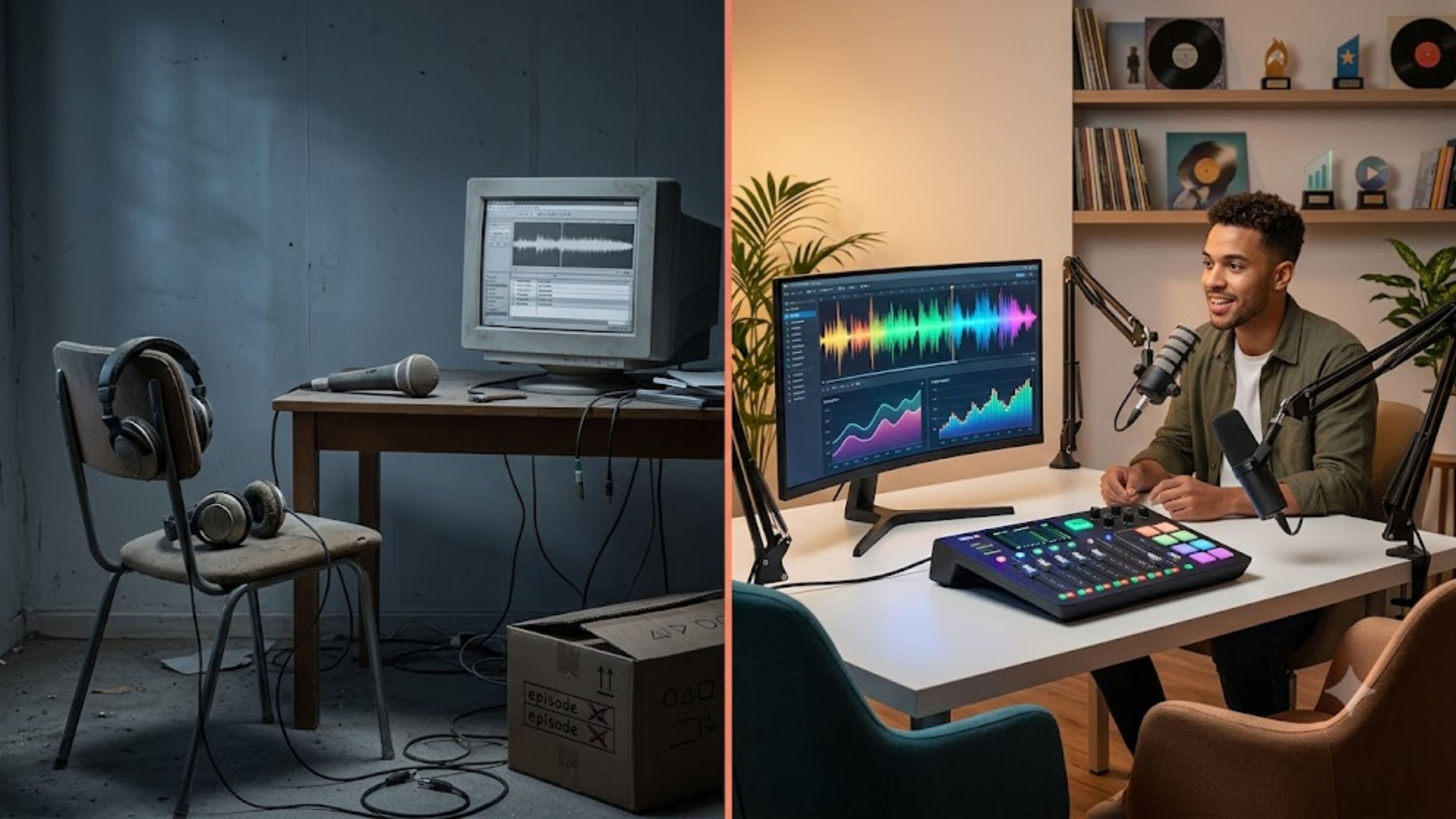
Imagine your show averages a few thousand downloads per episode and earns modest income from a couple of direct sponsors. A network offers you an advance plus a revenue share on ads it sells into your show. On paper, the advance is more money than you'd make on your own this year.
Before signing, compare it with a realistic independent path. Could you grow sponsorship income with a media kit and consistent outreach? Would a listener membership bring in steady monthly revenue? If the network's promotion could multiply your audience, the deal may be worth the split. If it mainly offers ad sales you could eventually handle yourself, keeping ownership might be the smarter long-term play.
FAQ
What does a podcast network do?
Podcast networks typically handle advertising sales, promotion, production support, and sometimes funding, in exchange for a share of revenue or rights to the show.
Should I sign with a podcast network?
It depends on your goals. Networks can help with growth and income, but deals may involve revenue splits, exclusivity, or ownership trade-offs. Compare offers against what you could achieve independently.
Do podcast networks own your show?
Some do and some don't. Ownership depends entirely on the contract, so review it carefully.
Can independent podcasters still succeed?
Yes. Many podcasters earn income through sponsorships, listener memberships, merchandise, and platform programs without joining a network.
The Takeaway
Podcast networks are increasingly acting like record labels, offering money, promotion, and professional support, but often asking for rights and revenue in return. That's not inherently good or bad. It's a business decision. Know your value, protect your ownership, read every clause, and choose the path that supports your long-term creative and financial goals.
📚 Sources
Edison Research – The Infinite Dial 2025: https://www.edisonresearch.com/the-infinite-dial-2025/
Spotify for Creators – Spotify Partner Program: https://creators.spotify.com/partner-program
U.S. Copyright Office – "Copyright Basics" (Circular 1): https://www.copyright.gov/circs/circ01.pdf