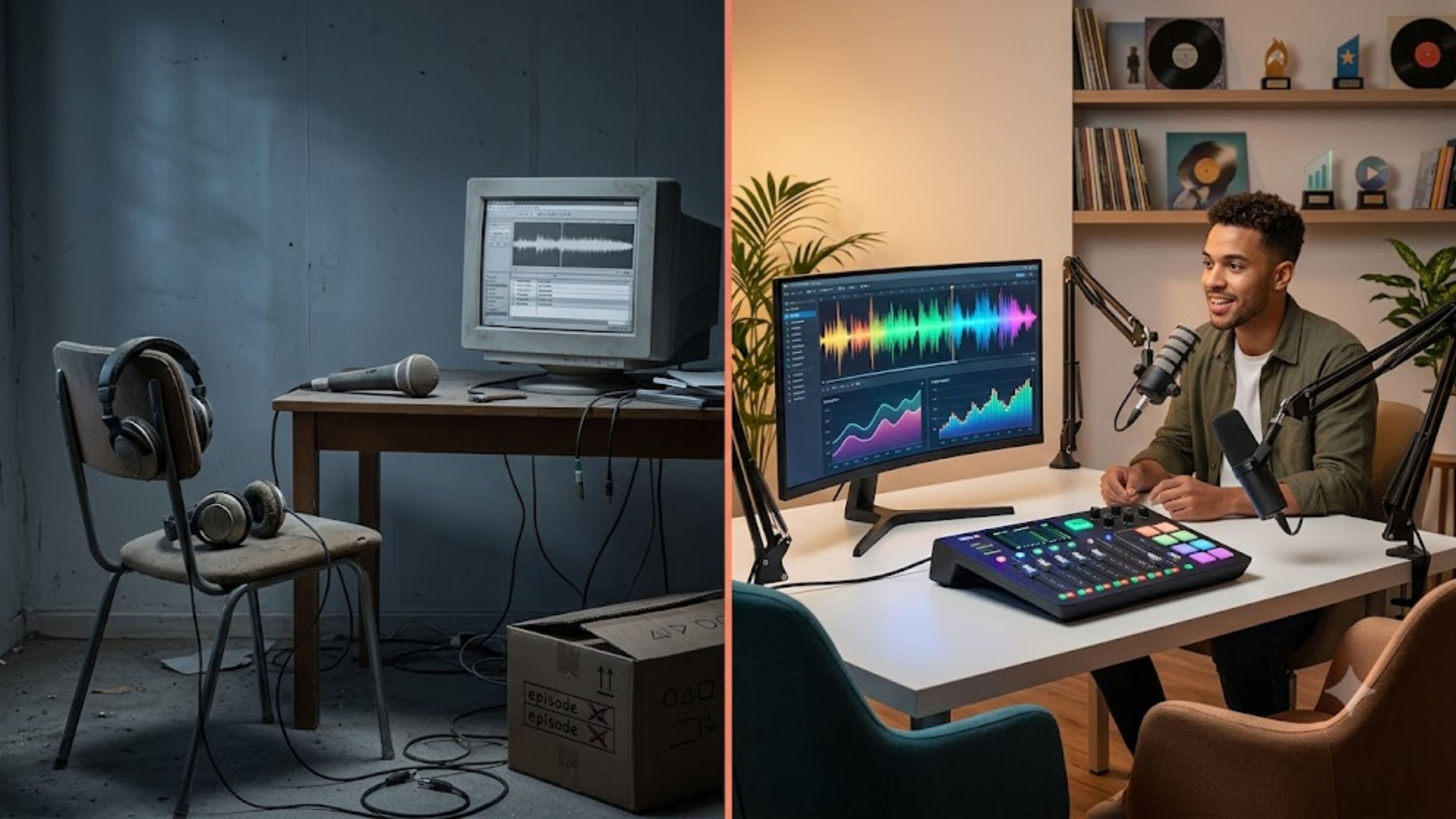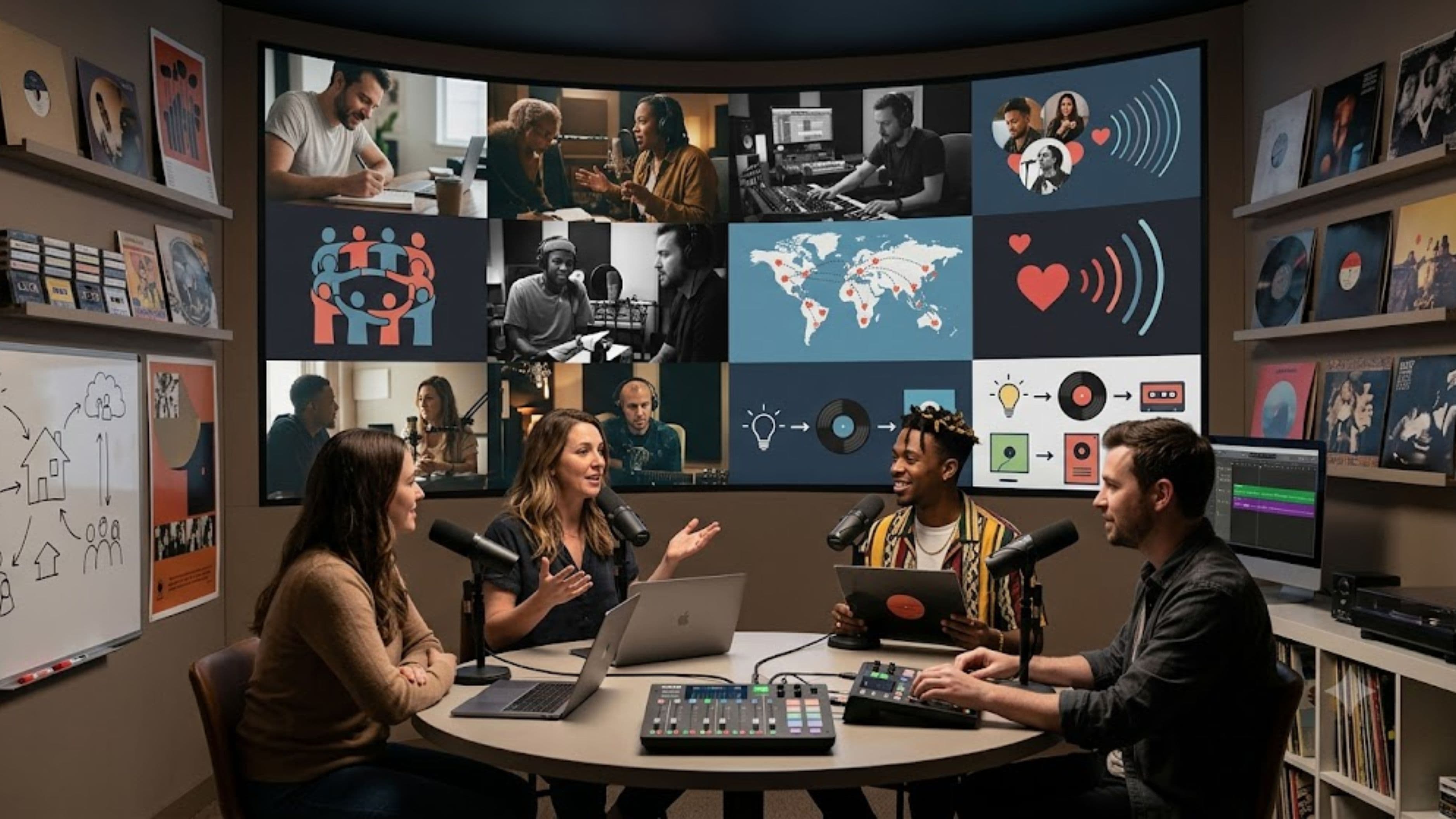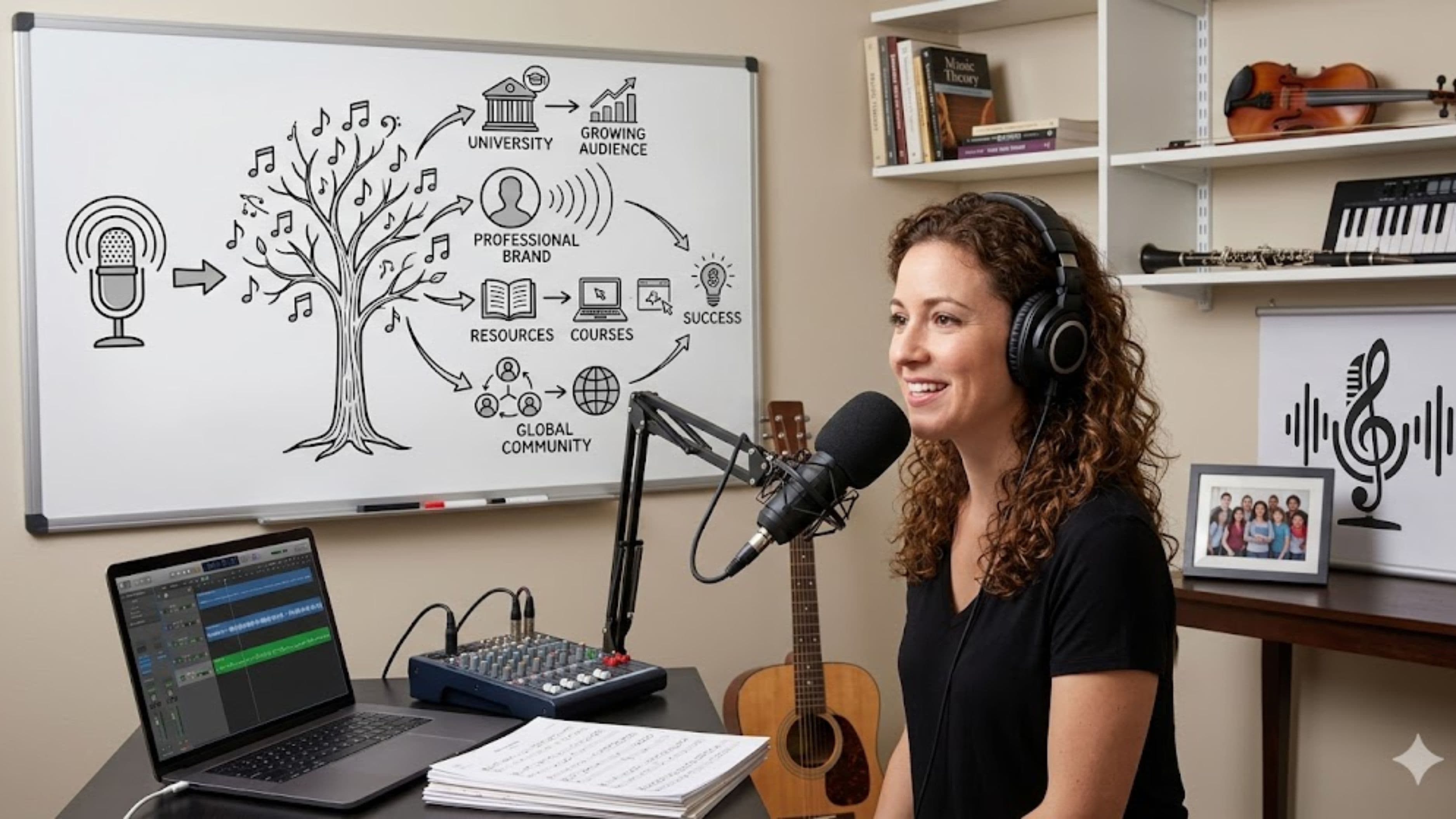
The equipment landscape in 2026 looks different. Prices have dropped, the technology in mid-range gear has caught up to what used to be professional-grade, and an entirely new category of all-in-one podcast hardware has arrived that makes the setup process significantly simpler. At the same time, the software layer has matured enough that raw audio quality matters less than it used to. For independent creators trying to figure out what to buy and what to skip, understanding what's actually changed helps cut through the noise.
What's Happened to Microphone Quality at Every Price Point
The most visible shift is what you can get for under $150. Microphones that cost $80–$130 in 2026 deliver audio quality that required $250–$300 a few years ago, largely because the components that were once cost-prohibitive to manufacture at scale – cardioid capsule designs, low self-noise preamps, internal shock mounting – have become standard even in entry-level products.
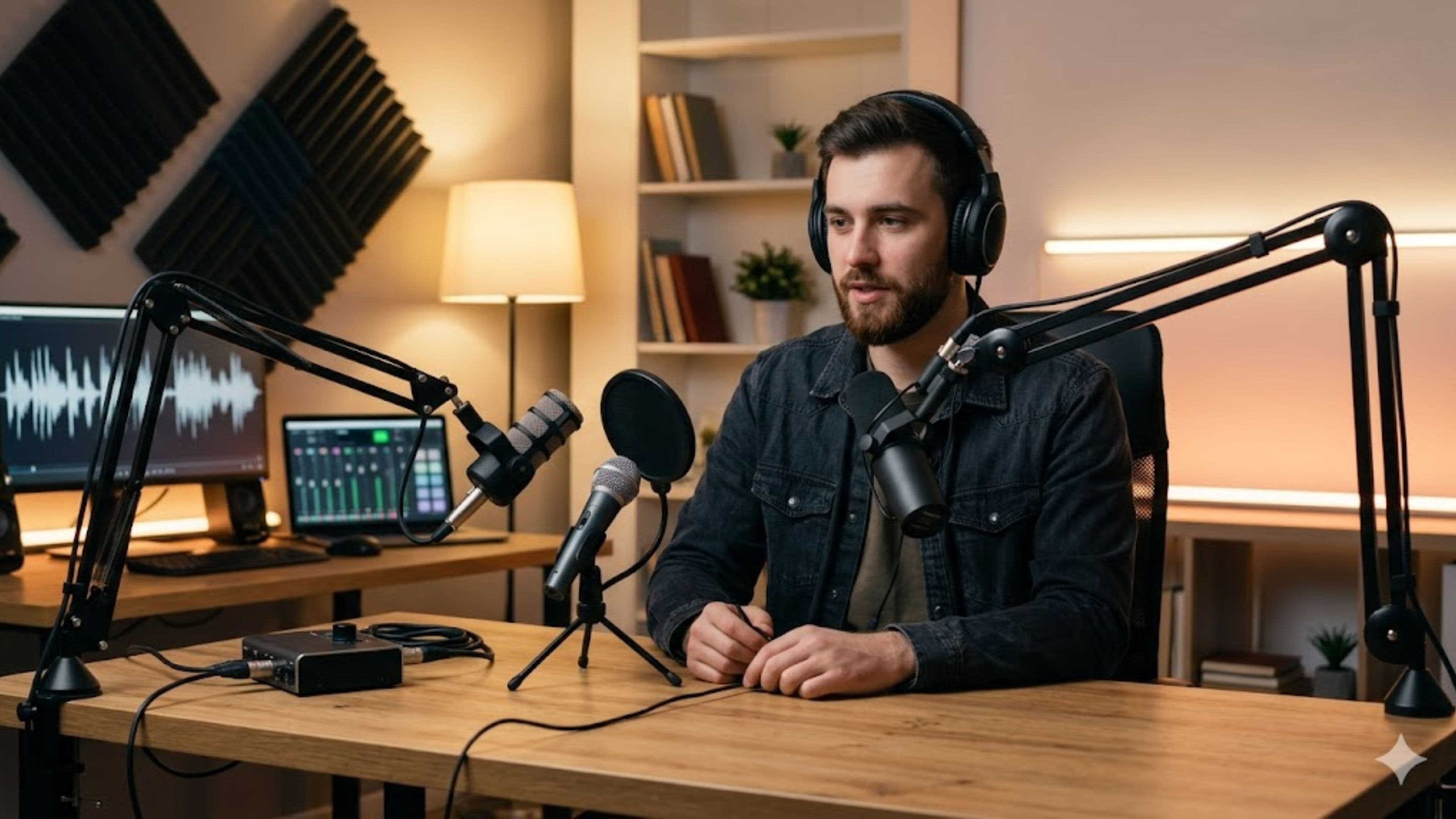
The USB condenser microphone category, which was already maturing, has largely stabilized. Models from the major podcast hardware brands now include real-time monitoring (headphone jack directly on the mic), gain control, and mute buttons as default features rather than upgrades. What changed more significantly is the dynamic microphone segment. Broadcast dynamic mics, which used to require a dedicated audio interface and a clean preamp to sound their best, now come in USB versions with built-in preamp circuitry that handles the gain requirements internally. For creators recording in less-than-ideal acoustic environments, dynamics remain better than condensers because they reject ambient noise more effectively – and the USB dynamic now delivers that advantage without the interface requirement.
The tradeoff worth knowing: more features on the mic itself sometimes means less flexibility later. A microphone with gain control and EQ built into the hardware is useful out of the box but harder to fully integrate into a multi-input recording chain if your setup grows. If you're starting a solo show in a home office, that's not a problem. If you're planning to eventually record multiple guests or build a more elaborate studio, XLR remains the more future-proof choice even if it requires an interface upfront.
The All-in-One Podcast Recorder Has Become the Default for Beginners
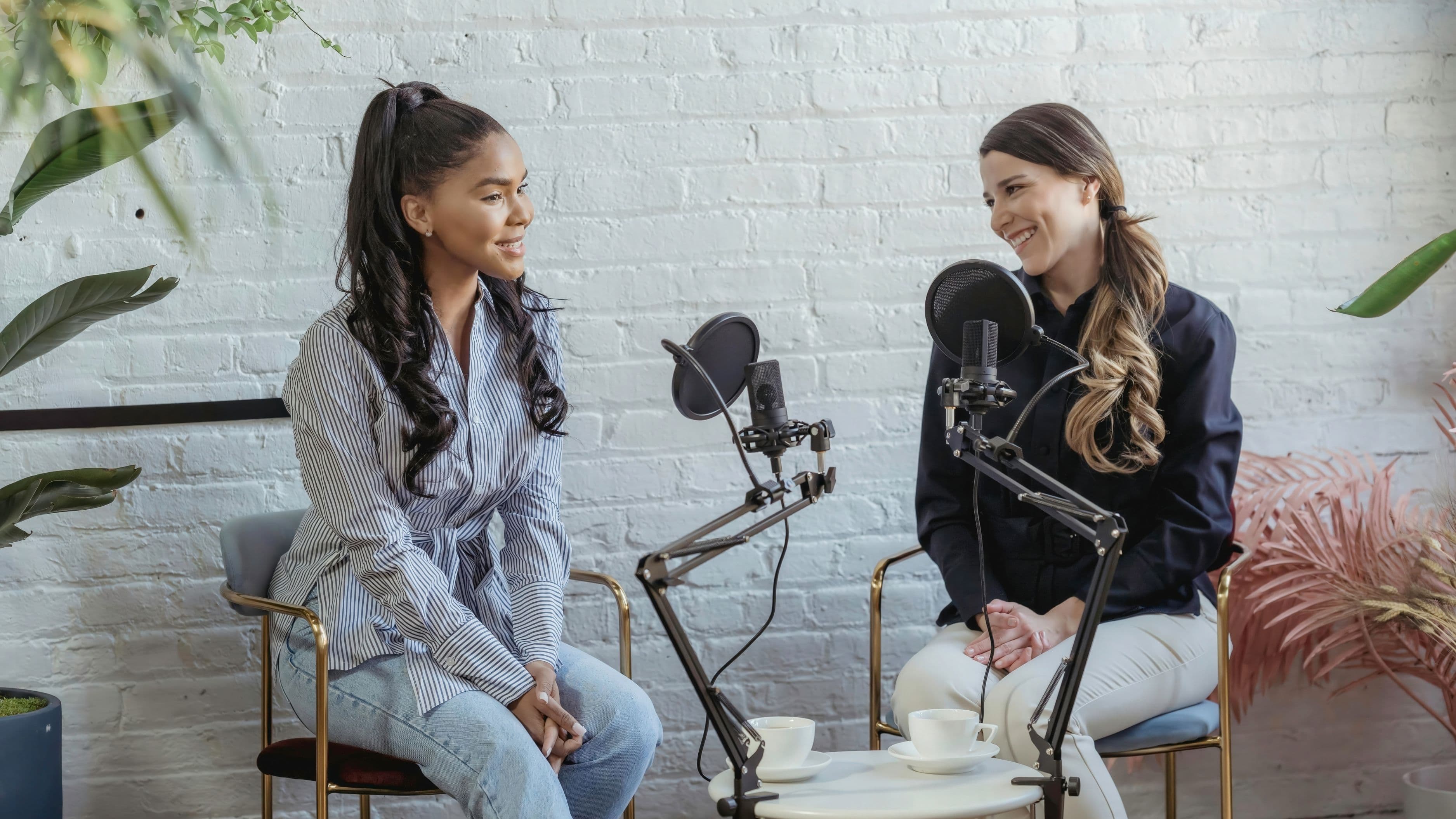
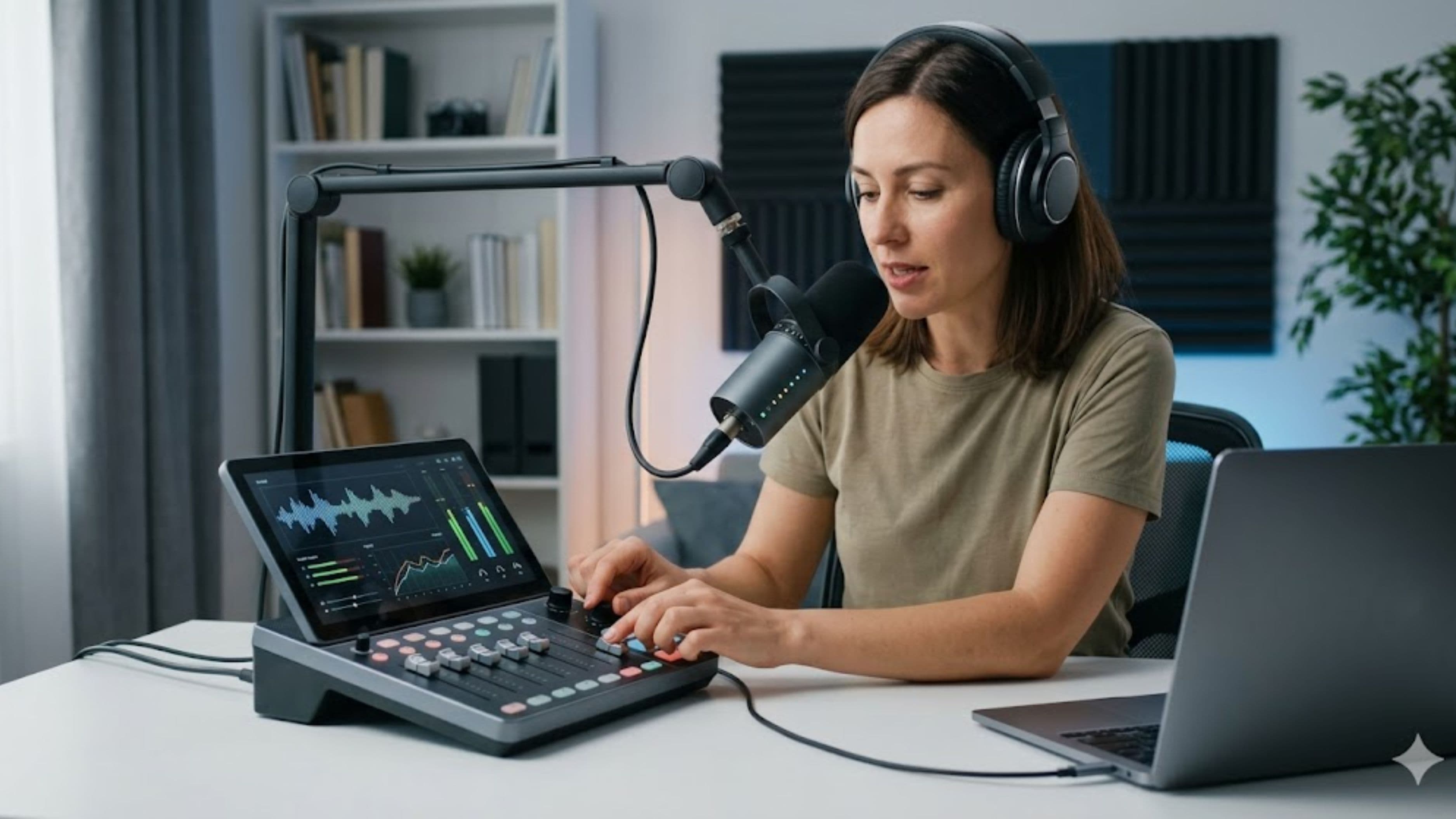
The category of dedicated podcast recorders – handheld or desktop devices that combine an audio interface, multiple XLR inputs, built-in mixing, recording storage, and often a touchscreen display – has become the entry point that most independent creators gravitate toward in 2026. Devices in this category handle everything a solo or multi-host show needs in one box, without requiring a separate computer during recording, a DAW running in the background, or cables running to a separate interface.
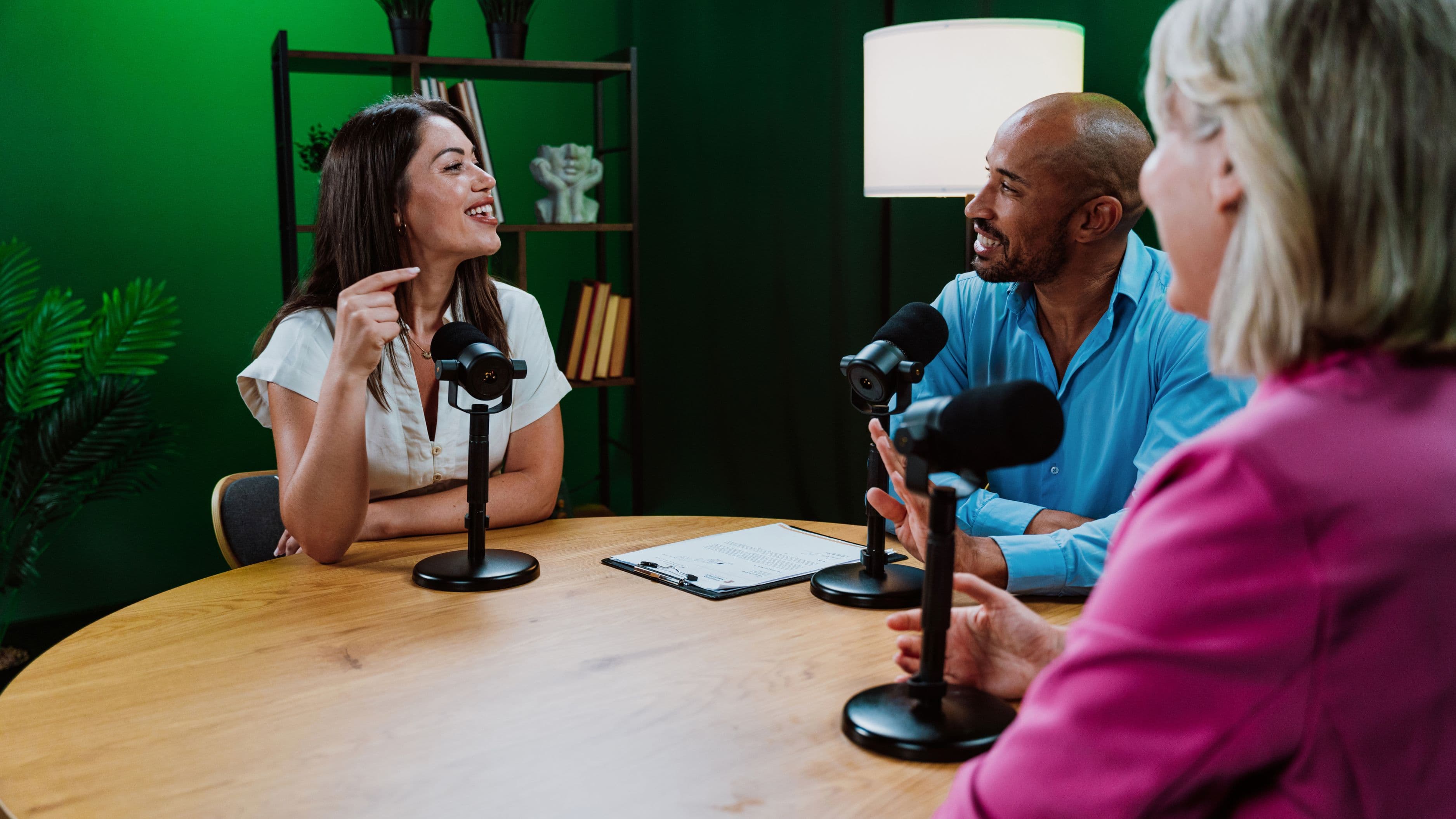
The practical appeal is real. For a two-person show where both hosts are in the same room, a four-channel podcast recorder with onboard EQ, compression, and noise reduction on each input removes the need for any additional software to get production-ready audio. Some current models include integrated pad launchers for sound effects and music, which used to be a separate hardware requirement for creators who wanted that production layer. Recording goes directly to SD card or to cloud storage via built-in Wi-Fi, and the audio files come out clean enough to upload with minimal post-processing.
The limitation is also real: these devices are purpose-built, which means they're excellent at what they do and inflexible about everything else. If you outgrow the format – moving to video podcasting, incorporating live guests remotely, or wanting more granular production control – a dedicated recorder becomes a step backward. It's a great starting point, but it's not the endpoint for creators who scale their shows.
Remote Recording Has Gotten Significantly Better – and the Hardware Has Caught Up
Remote podcast recording – where two or more hosts are in different locations – used to be the weak link in independent podcasting. Browser-based recording platforms improved the situation meaningfully, but the hardware side lagged. Most creators recording remotely were still using whatever USB microphone they had at their desk, and the variation in room acoustics, mic quality, and connection reliability between hosts was audible and difficult to fix in post.
In 2026, the combination of higher-quality default hardware (most creators who podcast have at least a reasonable USB microphone at this point) and dramatically improved noise suppression and audio enhancement built into the recording platforms has narrowed the gap between in-person and remote recording quality significantly. Platforms that record each participant's audio locally on their own device – rather than capturing the call audio – and then sync the tracks in post have become the standard approach, and the quality is now comparable to in-person recording in many cases.
The hardware specifically designed for remote co-hosts – interfaces with two XLR inputs and direct integration with remote recording platforms – has also matured. For creators who do the majority of their interviews or co-hosted episodes remotely, having a reliable local recording setup on both ends makes post-production considerably simpler and the final audio considerably more consistent.
Acoustic Treatment Has Become a Non-Negotiable Conversation
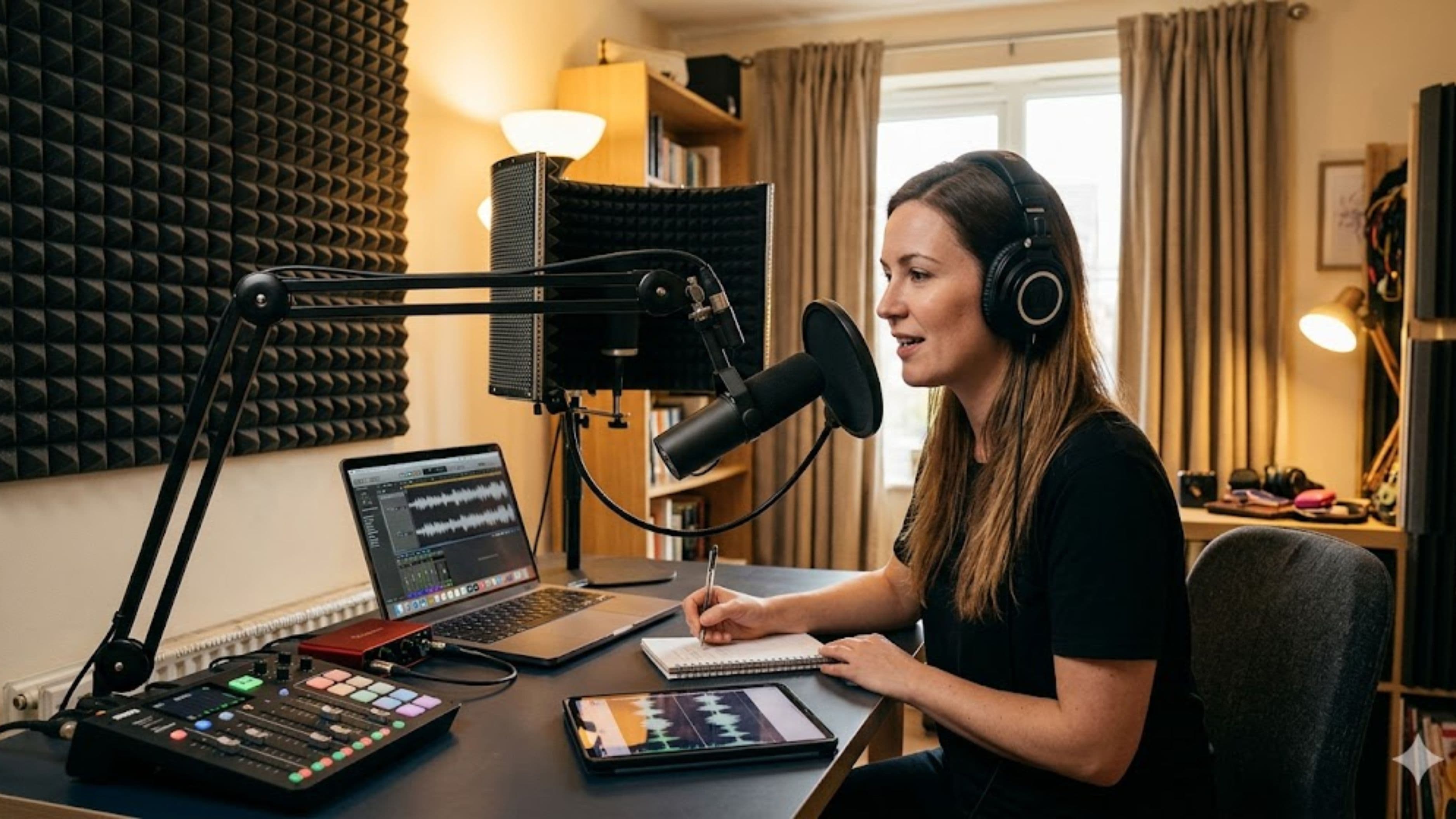
One of the quieter shifts in the creator equipment landscape is how much more seriously acoustic treatment is discussed. Five years ago, the conversation was primarily about which microphone to buy. Today, the consensus among experienced independent creators is that room acoustics matter more than microphone quality past a certain baseline, and the baseline has dropped substantially.
A $120 microphone in a well-treated room consistently sounds better than a $400 microphone in a reverberant, untreated space. This isn't new information – audio engineers have known it for decades – but it's become practical knowledge in the podcasting community as more creators have invested in gear, been disappointed by the results, and traced the problem back to the room rather than the microphone. Budget acoustic panels, moving blanket setups, recording inside a closet full of clothes, and purpose-built portable vocal booths have all become standard recommendations alongside hardware advice.
The shift matters because it redirects spending. A creator who would have bought a $250 microphone in 2022 might now spend $120 on a microphone and $80–$100 on basic acoustic panels, getting a better result for the same or less money. Understanding that the environment is part of the recording chain – not just the hardware – is the single most practical mindset shift in independent podcasting right now.
The Rise of the Podcast-First Audio Interface
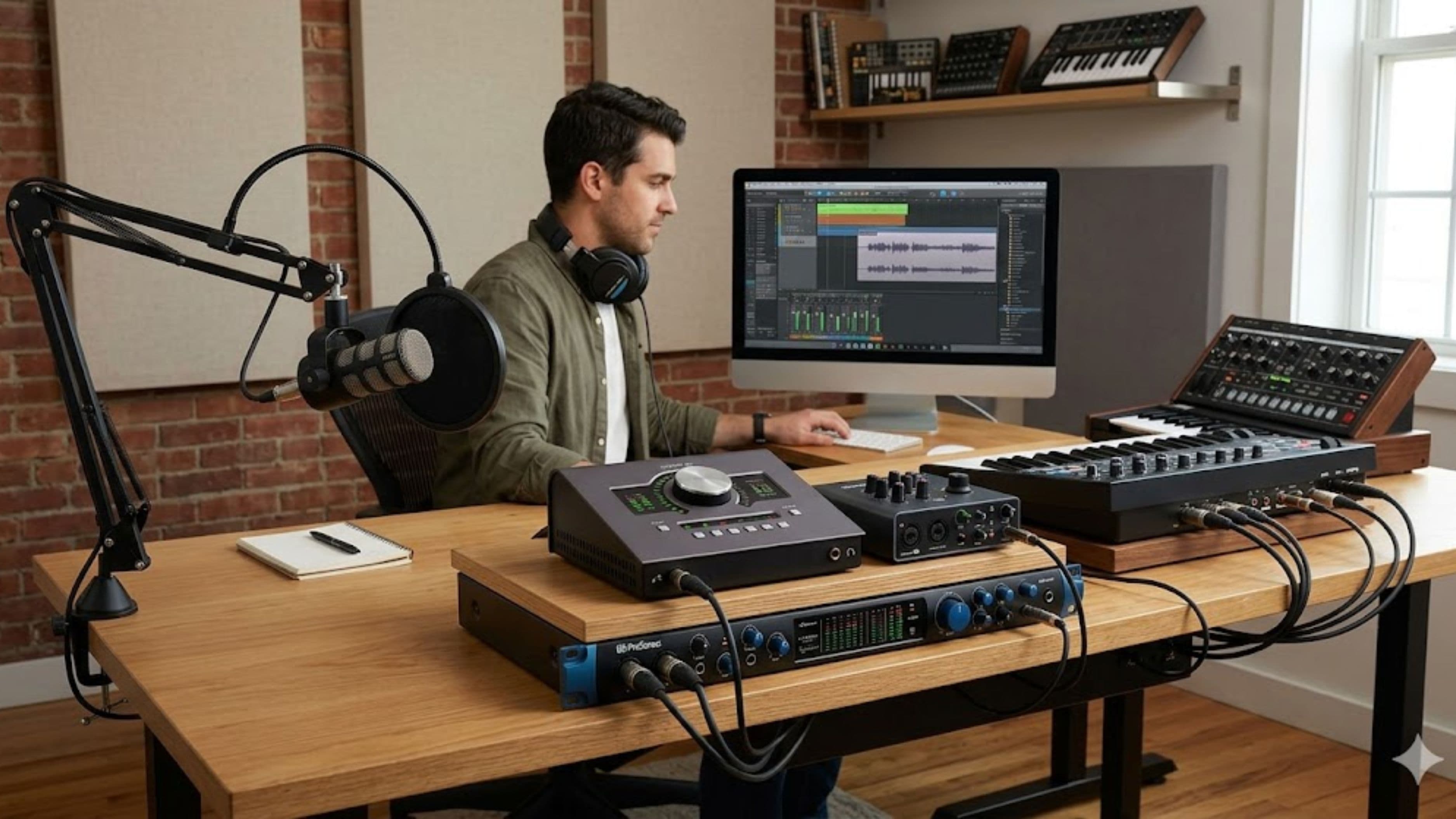
For creators who have grown past the all-in-one recorder stage and want more flexibility, the podcast-specific audio interface has emerged as its own product category. These differ from traditional music production interfaces in how they're designed: physical mix controls for multiple inputs, dedicated podcast-mode compression and EQ per channel, easy headphone distribution for multiple guests, and integration with podcast hosting platforms.
Traditional audio interfaces were designed primarily for music recording, where the operator controls everything in software. Podcast-focused interfaces move more of that control to hardware knobs and faders, which makes them faster and more intuitive to operate in a live recording context. For a show that records weekly with a consistent format, the ability to recall a saved channel configuration and hit record without touching a computer is a meaningful workflow improvement.
The price range for this category runs from $150 for entry-level podcast interfaces with two XLR inputs to $400–$600 for more fully featured units with four or more channels, hardware sound pads, built-in processing, and dedicated podcast connectivity modes. For a creator doing a weekly show with regular guests and wanting more flexibility than an all-in-one recorder provides, this is the category most worth exploring in 2026.
What Hasn't Changed (and Why That Matters)
The fundamentals of good podcast audio haven't shifted: a good microphone placed correctly, in a controlled acoustic environment, recorded at an appropriate gain level, produces a clean, professional result. The hardware landscape has made achieving that result more accessible and less expensive, but it hasn't changed what the result actually requires.
The creator who spends $1,000 on gear and records in a live, reverberant room will still produce worse audio than someone with $200 of equipment in a well-treated closet. The creator who understands gain structure and microphone placement will still outperform someone with better hardware who hasn't learned the basics. Better gear lowers the floor; it doesn't guarantee the ceiling.
For independent creators deciding where to focus attention and money, the practical sequence hasn't changed either: get a decent microphone that fits your recording environment, treat your space as well as you reasonably can, learn the basic principles of gain and mic technique, and then worry about upgrades. The hardware evolution of 2026 means you can start that process for less money than before and get further before upgrades matter – which is genuinely good news for anyone entering the space.
What to Watch Out For
Feature creep in entry-level gear. More features aren't always better when you're starting out. A microphone with onboard DSP, multiple polar patterns, a built-in headphone amp, and companion app control can create decision paralysis and troubleshooting complexity that slows you down rather than helping. For most solo creators recording in a consistent environment, a single cardioid pattern and a physical gain knob are sufficient.
All-in-one recorders that lock you into a format. The convenience of purpose-built podcast hardware comes with real limitations. If your show evolves – adding video, incorporating remote guests more heavily, or expanding your production setup – an all-in-one device may not grow with you. Think about where you want the show to be in two years before deciding whether dedicated hardware or a more modular setup makes more sense.
Budget acoustic panels with misleading performance claims. Not all acoustic panels are created equal, and some marketed for podcasting provide minimal actual absorption in the frequency ranges that matter most for vocal recording. Basic knowledge about absorption coefficients, NRC ratings, and the difference between acoustic panels and soundproofing will save money and frustration when shopping for room treatment.
FAQ
What's the minimum equipment needed to start a podcast in 2026? A USB dynamic microphone ($80–$130), a decent pair of headphones for monitoring, and recording software (free options like Audacity or GarageBand are sufficient to start) cover the fundamentals for a solo show. If you're recording with a co-host in person, add a podcast recorder or a two-input USB interface.
Is XLR still worth it for independent creators? For creators who are serious about audio quality and plan to grow their setup over time, yes. XLR gives you more flexibility in microphone choice, better preamp options, and a cleaner upgrade path. For casual or beginner creators who want to start quickly with minimal setup complexity, USB works well at current quality levels.
Have software tools reduced the importance of hardware quality? Partially. Noise suppression, audio enhancement, and restoration tools available in editing software and recording platforms can fix certain issues – background noise, minor room reverb, some recording artifacts – that used to require better hardware or better rooms to avoid. But they can't add presence and warmth that wasn't captured, and they work best on already-decent audio rather than as a rescue tool for fundamentally poor recordings.
What's the best upgrade path from a starter USB mic? The most common and practical path is: USB microphone to a USB dynamic or XLR dynamic with a basic audio interface, then to a podcast-focused interface or a four-channel all-in-one recorder if you're expanding your show format. Acoustic treatment should run parallel to hardware upgrades rather than coming after them.
The Bottom Line
Independent podcasting in 2026 is genuinely more accessible than it was a few years ago, and the hardware reasons for that are real – better entry-level microphones, more capable all-in-one devices, and a mature remote recording ecosystem have all lowered the barrier meaningfully. The principles that determine whether a podcast sounds good haven't changed. What's changed is how much you need to spend to meet those principles at a starting level, and that number has dropped substantially. For creators who understand where the equipment ends and the technique begins, the current landscape is as good as it's ever been.
📚 Sources
Podcast Insights – State of Podcasting Report 2024: https://www.podcastinsights.com/podcast-statistics/
Sound On Sound – Dynamic vs Condenser Microphones Explained: https://www.soundonsound.com/techniques/dynamic-vs-condenser-microphones
The Verge – Best Podcast Microphones in 2024: https://www.theverge.com/23753788/best-podcast-microphone
Transom – Acoustic Treatment for Podcasters and Home Recorders: https://transom.org/2012/acoustic-treatment/
Edison Research – The Infinite Dial 2024 Podcast Listener Report: https://www.edisonresearch.com/the-infinite-dial-2024/