Here's exactly how to put one together that holds up.
What a Press Kit Actually Needs to Do
Before building anything, it helps to understand what a press kit is really for. It's not a comprehensive biography or a portfolio of everything you've ever made, it's a fast, scannable answer to the questions a journalist, curator, or blog is silently asking: who is this artist, what do they sound like, and is there a reason to care right now. A press kit that answers those three things clearly in under a minute will outperform a beautifully designed one that buries the answer under unnecessary detail.
This matters because the person opening your kit is almost always doing it quickly, often on a phone, often between dozens of other emails. Every extra step required to find the basic information (a confusing layout, a bio that takes three paragraphs to mention your genre, a missing streaming link) increases the odds they close it and move on without ever hearing your music.
Step-by-Step Process
Start with a one-line artist description, not a biography. Before any extended bio, lead with a single, sharp sentence that captures your sound and identity, something like "Bedroom pop artist blending lo-fi production with sharp, conversational songwriting." This gives a busy reader instant context before they decide whether to keep reading, rather than making them dig through paragraphs to figure out your genre.
Include a short bio, not a long one. Three to five sentences covering your background, your sound, and one or two concrete, relevant accomplishments (a notable release, a meaningful placement, a real audience milestone) is plenty. Save the longer, more detailed version of your story for your website, where someone who's already interested can choose to read more.
Provide direct streaming links, not just a website. Link straight to your music on Spotify, Apple Music, or wherever it's most relevant, rather than making someone click through to your website and then search for the music themselves. The fewer clicks between your press kit and someone actually hearing your music, the better your odds of them following through.
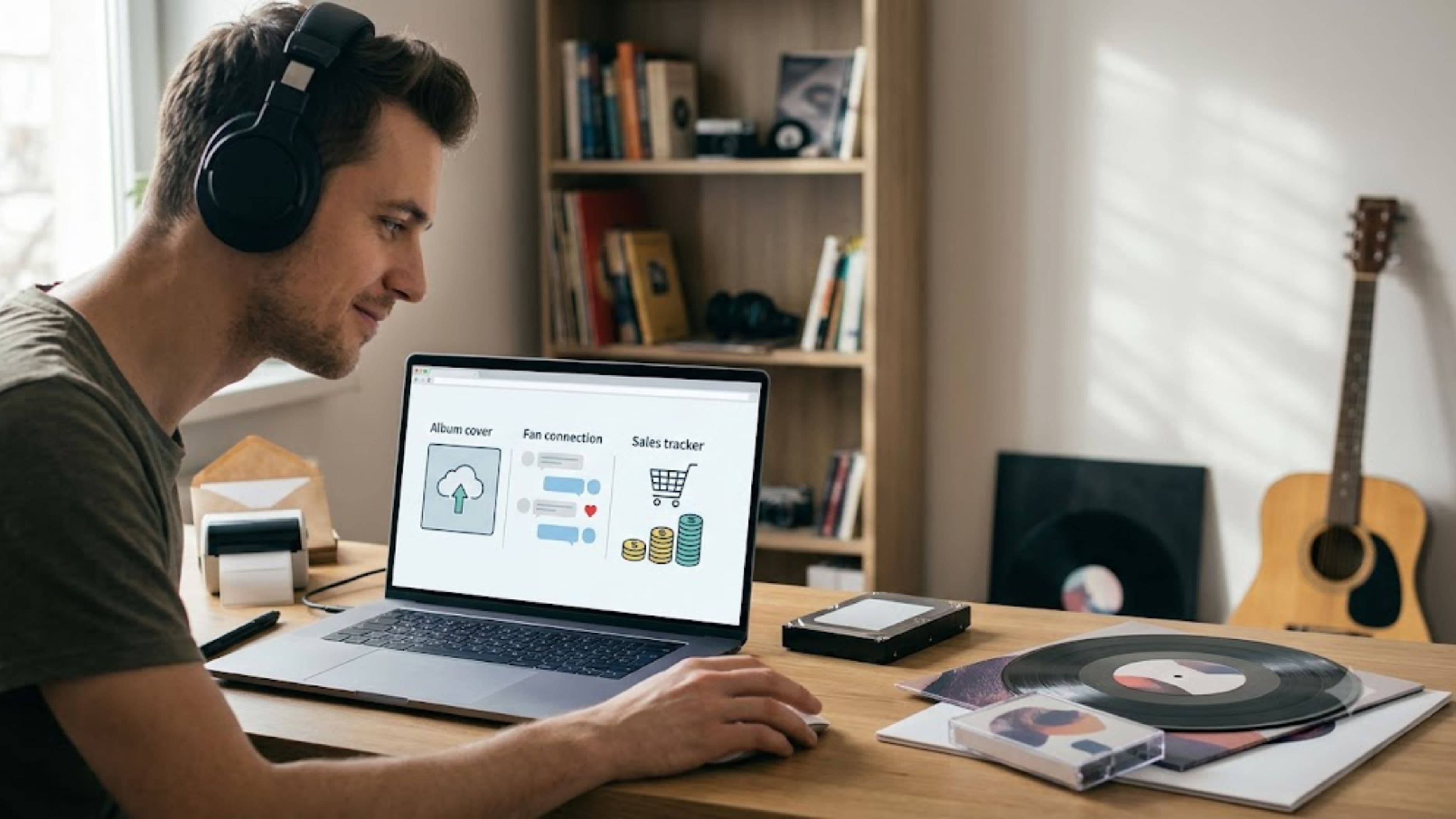
Include high-quality photos that are easy to download. Provide at least two to three professional or high-quality images, sized appropriately for both web and print use, hosted somewhere that allows a direct download rather than requiring a login or a complicated file request process. A journalist working on a tight deadline will skip a photo that requires extra steps to access.
Add your social and streaming stats, but keep it brief. A short, factual line noting your monthly listeners, follower count, or notable streaming numbers gives context without turning the kit into a sales pitch. Only include numbers that are genuinely competitive for your stage and genre, since inflated-feeling stats sections can undercut credibility rather than build it.
Include a clear, current contact method. This sounds obvious, but it's a common gap. Make sure your press kit clearly states who to contact, with an actual working email address, rather than assuming someone will track down your management or label through a separate search.
Format it as a simple, fast-loading webpage or a clean one-page PDF. Avoid heavy, slow-loading design elements or overly complex layouts. A simple, well-organized page that loads quickly and scans easily will get more genuine attention than an elaborate design that takes time to load or navigate, especially when someone's reviewing it from a phone.
Tips for Better Results
Update your press kit every time you have a meaningful new accomplishment, like a notable playlist placement, a press mention, or a new release, rather than letting it go stale for months or years. A kit that references outdated numbers or doesn't reflect your most recent work signals less momentum than you might actually have.
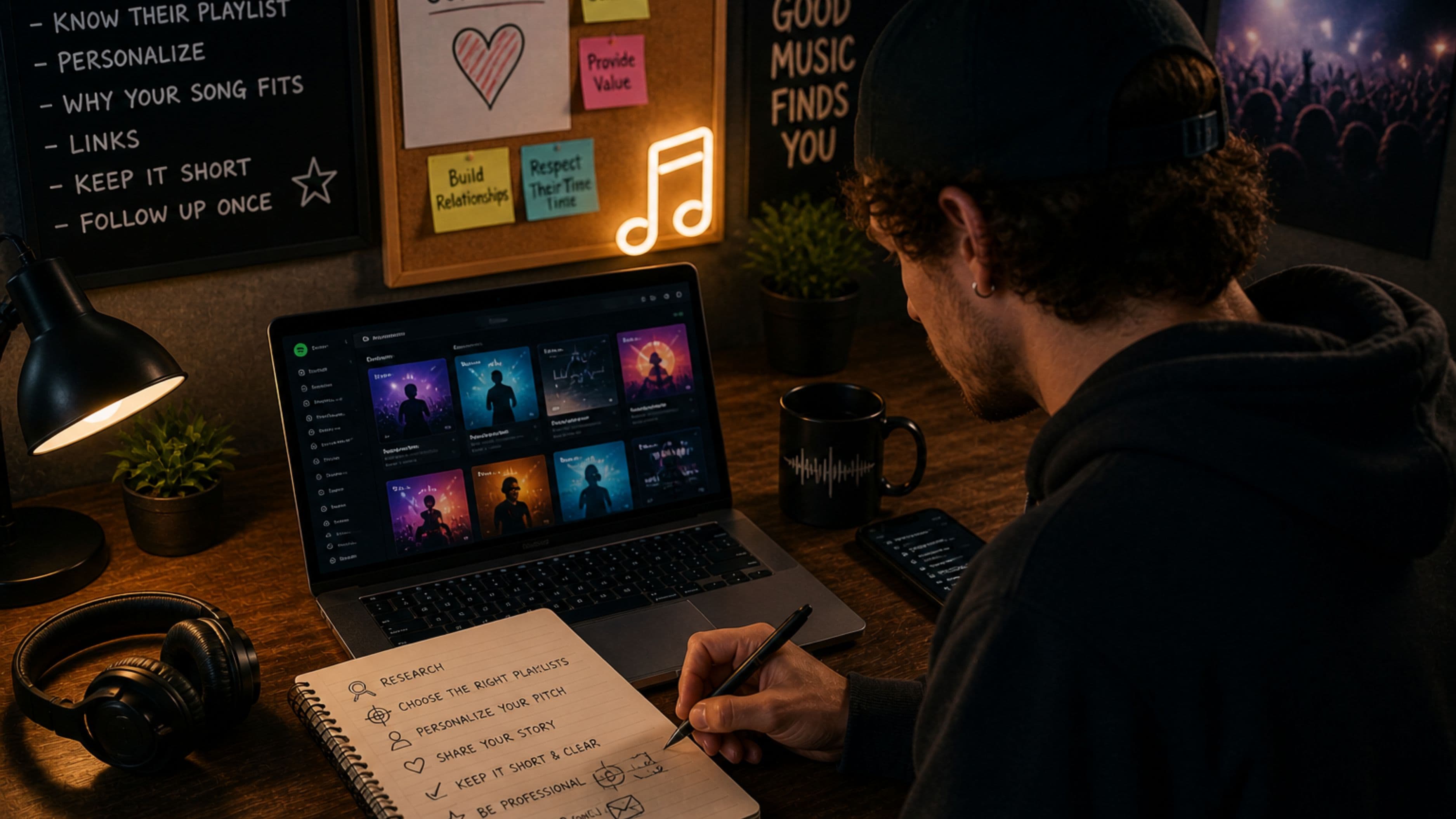
Tailor the pitch email accompanying your press kit to the specific outlet or curator you're reaching out to, referencing something specific about their previous coverage or playlist that makes the connection to your music clear. A generic, mass-sent pitch with a press kit attached gets far less attention than one that shows you've actually looked at what that person covers.
Common Mistakes
Sending a press kit as a large, hard-to-open attachment, rather than a simple link, is one of the most common ways a kit gets ignored before it's even opened, especially when email systems flag large attachments or they take too long to download on mobile. Burying the most important information (your sound, your music links, your contact info) below excessive backstory or stylistic flourishes is another frequent issue, since the goal is fast clarity, not a creative writing showcase.
It's also a mistake to leave out a one-line genre or sound description entirely, assuming the music speaks for itself once someone clicks play. Many recipients decide whether to click play at all based on how clearly and specifically you've described your sound in the first place, so skipping that description can cost you the listen entirely.
FAQ
Should my press kit be a PDF or a webpage? Either works, but a webpage tends to load faster, is easier to update over time, and avoids the friction of a download, making it generally the more practical choice unless a specific outlet requests a PDF format.
How often should I update my press kit? Update it any time you have a meaningful new accomplishment or release, and do a general review every few months even without major news, since outdated numbers or old releases can undercut an otherwise strong kit.
Do I need professional photos for my press kit? High-quality, well-lit photos matter more than expensive, heavily produced ones, so a clean, well-composed photo taken with intention can work well even without a large photography budget.
How long should the bio section be? Three to five sentences is typically enough for the main press kit bio, with a longer, more detailed version reserved for your website for readers who want additional background.
A press kit that actually gets opened isn't the most elaborate one, it's the one that respects the recipient's time and gets straight to the answers they're actually looking for. Keep it short, make the music and contact information impossible to miss, and update it regularly so it always reflects where you actually are right now.
📚 Sources
Music Business Worldwide – How Independent Artists Pitch Press and Media - https://www.musicbusinessworldwide.com/independent-artists/
DIY Musician (CD Baby) – Building an Effective Electronic Press Kit - https://diymusician.cdbaby.com/music-promotion/