Why Most Artists Underestimate Their Costs
The music industry has a visibility problem when it comes to money. What you see publicly is income – streams, sync deals, touring revenue, merch sales. What you don't see is the cost infrastructure that makes any of that income possible. Recording costs money. Distribution costs money. Promotion, mastering, music videos, licensing, legal setup, equipment, rehearsal space, and the tools to manage all of it – they all cost money, and they add up faster than most independent artists expect when they start tracking everything honestly.
The deeper issue is that a lot of music career costs get absorbed into personal spending rather than tracked as business expenses. You pay for a subscription with your personal card, you buy gear without recording it anywhere, you commission artwork from a friend and pay cash. None of it appears in a budget. All of it is real business cost that affects your actual profitability – and more practically, your ability to claim deductions and understand where your money is actually going.
The Core Cost Categories You Need to Know
Breaking down the real cost of an independent music career means looking at every layer of the operation, not just the most obvious ones.
Recording and production is usually the largest single line item, particularly at the start of a career. Studio time at a professional facility typically runs $50–$250 per hour depending on location and the engineer included. A four-song EP produced to a competitive standard can cost $3,000–$10,000+ in studio fees alone if you're working in a professional environment. Home recording setups reduce this significantly – a functional home studio can be built for $1,000–$3,000 in equipment – but the upfront cost is real, and the ongoing maintenance and upgrade costs continue indefinitely. If you work with external producers, their fees range from a flat project rate to a points deal on your masters, which is a different kind of cost but a cost nonetheless.
Mixing and mastering are separate from recording and are often underbudgeted. A professional mix typically costs $100–$500 per song; mastering runs $50–$200 per song. On an album of ten tracks, those costs stack quickly. Skimping on these stages is one of the most common and audible mistakes independent artists make, and the commercial cost of sounding unpolished in a market where listeners have infinite options is hard to quantify but real.
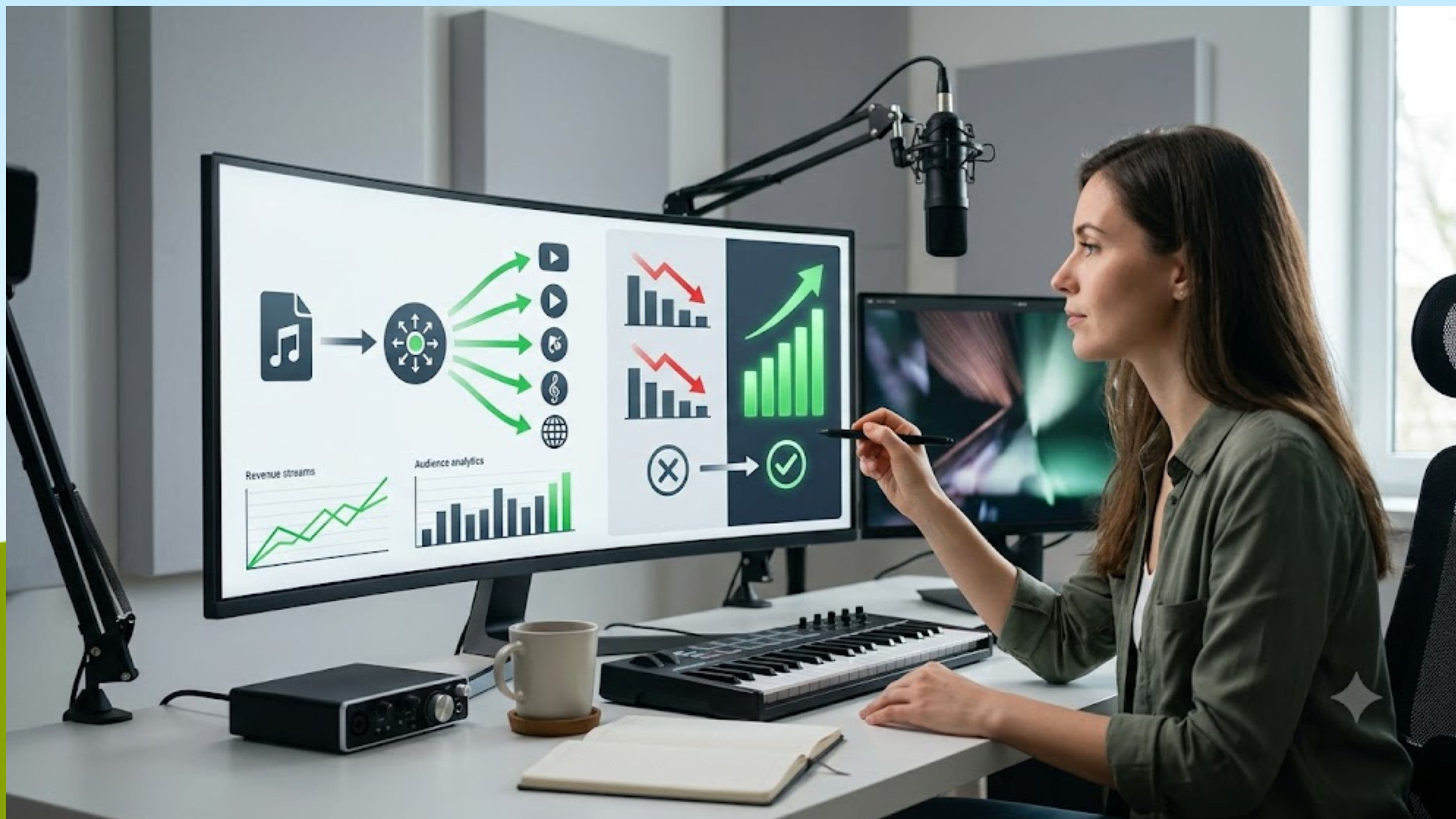
Music distribution costs vary by service and model. DistroKid charges around $22–$36 per year for unlimited releases. TuneCore charges per release – $9.99 for a single, $29.99 for an album. CD Baby charges a one-time fee of $9.95 per single or $29 per album plus an ongoing 9% commission on earnings. These are relatively small costs that compound if you're releasing consistently, and the model you choose affects your long-term royalty payout structure.
Music registration and royalty collection is a cost category that most independent artists either handle poorly or skip entirely, which means leaving money on the table. Joining a Performing Rights Organization (ASCAP, BMI, or SESAC in the US) is free for songwriters, but registering works consistently requires time and administrative attention. Publishing administration services like Songtrust ($100 setup fee + $20/year) handle global royalty collection across territories and PROs on your behalf. Not collecting publishing royalties is effectively a hidden cost – the money exists, it just never reaches you.
Marketing and promotion is where the budget range is widest. Playlist pitching through services like SubmitHub starts at roughly $0.30–$1.00 per submission. PR campaigns for an album release from an independent music PR firm typically run $1,500–$5,000 for a basic campaign. Social media advertising costs as much as you're willing to spend, with meaningful results on Meta typically requiring $300–$1,000 per campaign at minimum. Music video production ranges from a few hundred dollars for a well-executed DIY concept to $5,000–$20,000+ for a professionally produced video. None of these are optional if you're trying to grow – they're the cost of getting your music heard.
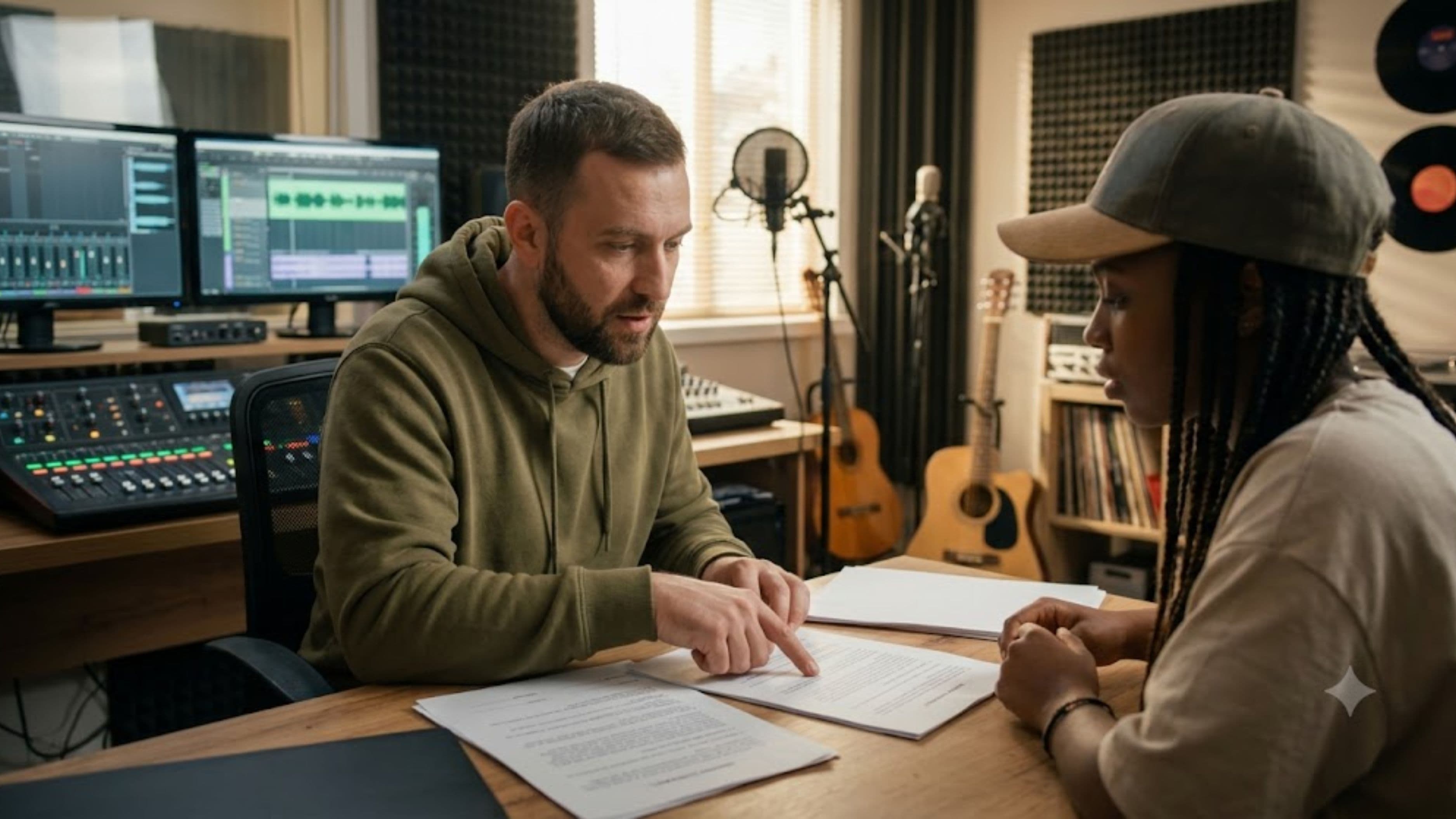
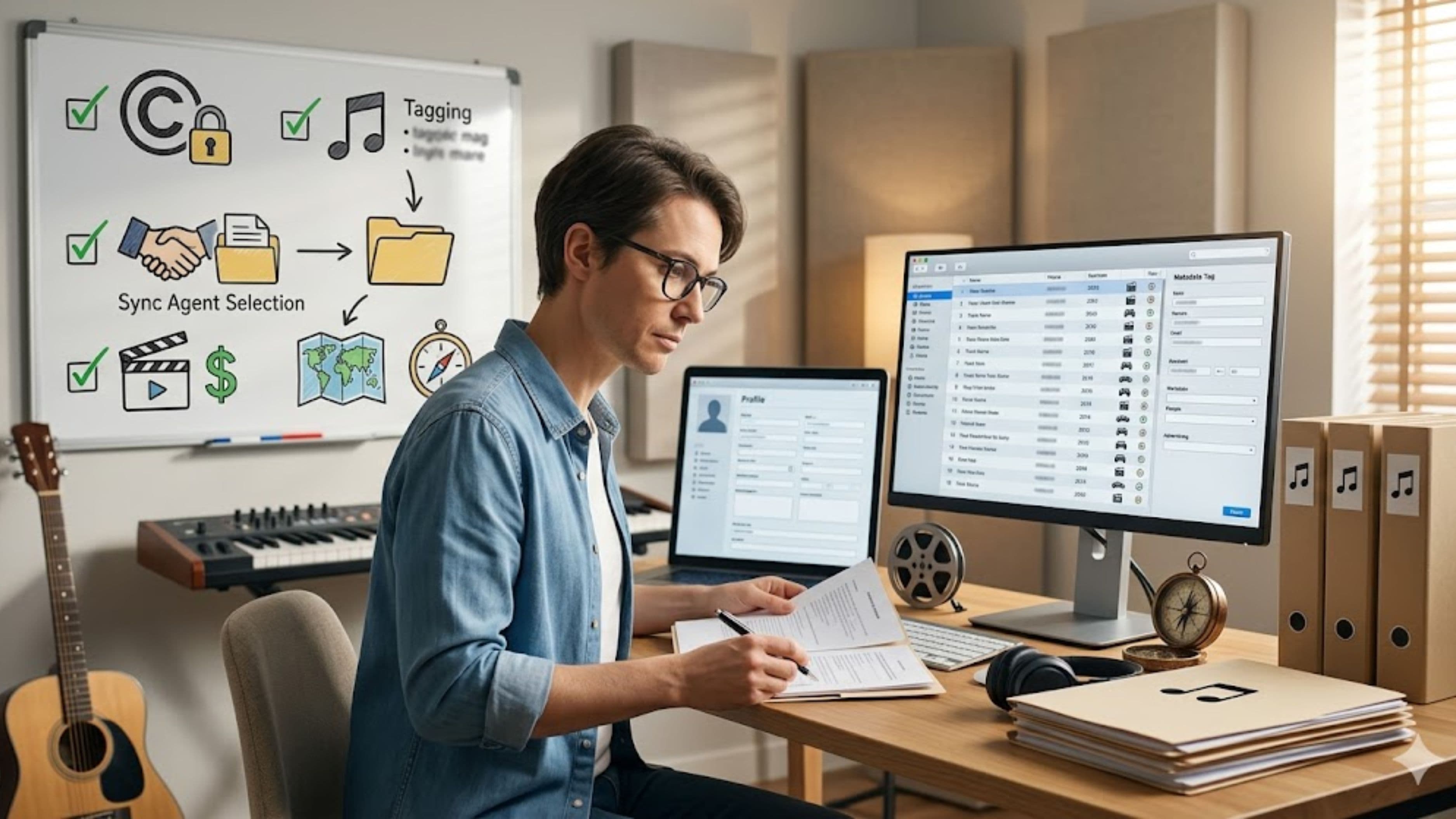
Legal and business setup is the area most independent artists defer the longest, usually until a problem forces their hand. Forming an LLC (typically $50–$500 in state filing fees) gives you liability protection and opens a business bank account. An entertainment lawyer's review of a contract costs $300–$600 per hour, and having someone look at a sync deal, a label agreement, or a booking contract before you sign is worth every dollar of that fee relative to the cost of signing something you didn't fully understand. Copyright registration through the US Copyright Office costs $45–$65 per work when filed online, and while copyright exists automatically when a work is created, registration is required before you can sue for statutory damages.
Live performance costs are often overlooked in career cost calculations because they feel like they produce income rather than cost it. The reality is that playing live requires investment in equipment, transportation, rehearsal time, crew if you need them, and often a booking agent whose commission (10–15% of gross) comes directly off the top of your performance fees. Merchandise at shows requires upfront inventory investment. Venue costs – backline rental, production costs the venue passes through – show up as deductions from your guarantee in ways that aren't always clearly communicated upfront.
Software and tools accumulate into a meaningful monthly cost that's easy to lose track of. A basic toolkit for an independent artist might include a DAW subscription or license ($60–$600/year), a plugin bundle ($100–$500/year), a distribution service (~$36/year), a social media scheduling tool ($15–$50/month), a link-in-bio service like Linktree or Koji (free to $25/month), and accounting software ($15–$30/month). That's $200–$1,500 per year in recurring tools before you've paid for anything creative.
What This Actually Costs Annually
Putting the categories together, a realistic annual operating budget for an independent artist releasing music seriously looks something like this. At the lower end – home recording, minimal marketing, basic distribution, self-managed administration – you might be running at $3,000–$6,000 per year in actual costs. At a professional independent level – working with external producers and mixers, running real marketing campaigns, hiring occasional legal support, touring regionally, and building out infrastructure – $15,000–$40,000 per year is a realistic range before you account for your own time. These numbers aren't meant to be discouraging. They're meant to be honest, because building a sustainable career requires knowing what you're actually working with.
The Time Cost That Doesn't Show Up on Any Invoice
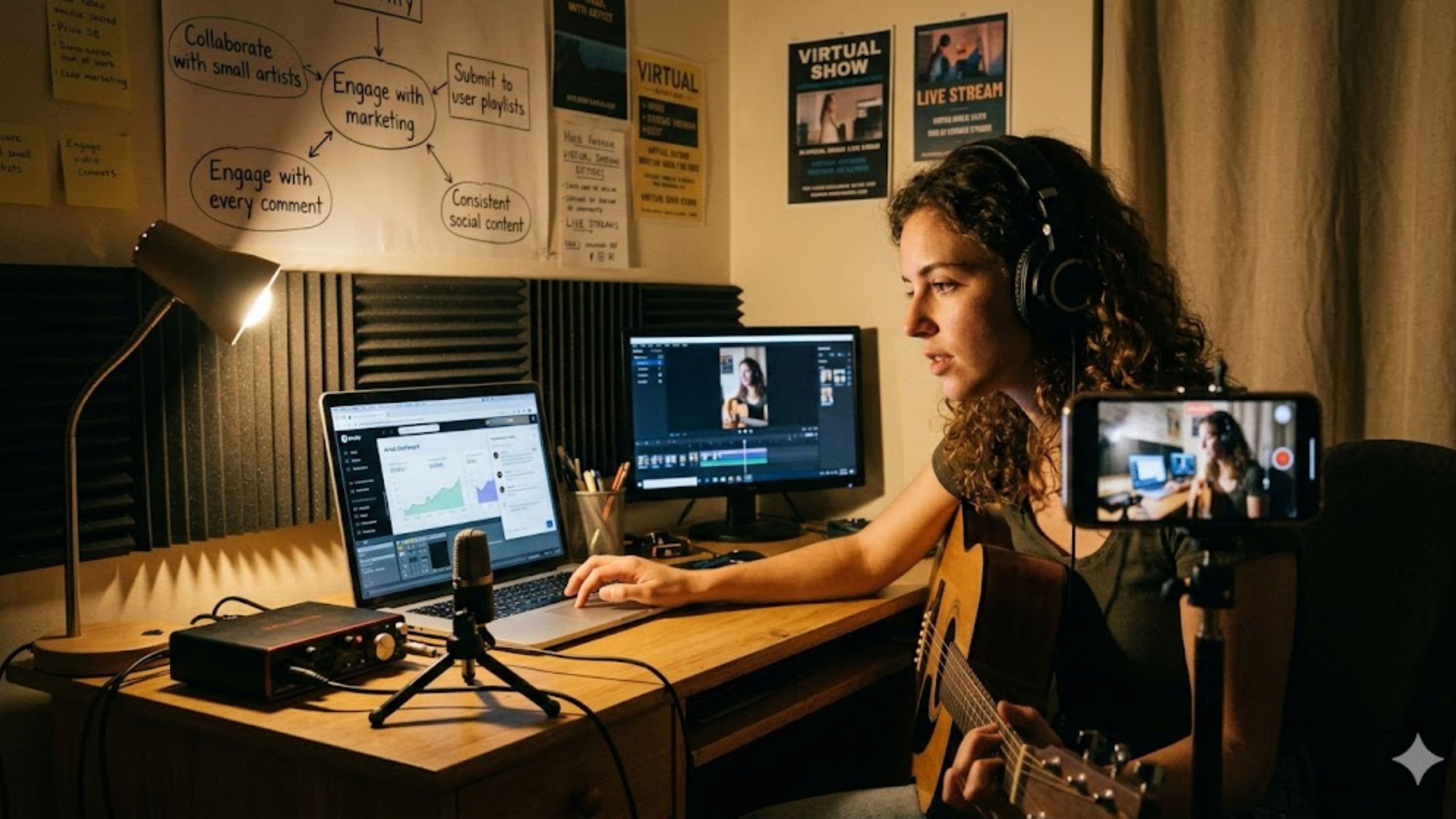
Money is the more visible cost, but time is the one that actually limits most independent artists more than budget does. Managing distribution, registering copyrights, pitching playlists, responding to booking inquiries, maintaining social media, handling accounting, filing taxes, and chasing unpaid royalties – all of this exists outside of making music and requires a significant number of hours per week for anyone operating independently. The standard estimate in independent artist circles is that business administration takes 15–20 hours per week for an active artist, which is effectively a part-time job running alongside your creative output.
This is why artist management, publishing administration services, and booking agents exist – they're not luxuries, they're operational infrastructure that buys back the time required to actually make music. The question of when to bring in help is financial (can you afford it?), but it's also strategic: what is your time actually worth, and is the value you're generating with the time you're spending on administration higher than what it would cost to delegate it?
What to Watch Out For
The single biggest financial trap for independent artists is spending heavily on recording and production without a parallel investment in distribution and promotion. A $10,000 recording budget and a $200 marketing budget is a common and painful imbalance. The music gets made at a high standard and then doesn't reach enough people to justify the investment, which creates a false conclusion that the music itself wasn't good enough rather than the correct conclusion that the release strategy was underfunded.
Watch out for services that charge recurring fees for things that should be one-time costs. Several distribution and promotion services use subscription models that continue billing even when you're not actively releasing, and the accumulated cost of dormant subscriptions is worth auditing at least twice a year.
Be careful with "pay to play" promotion schemes – services that guarantee playlist placements, press features, or social media reach in exchange for payment, but whose results can't be verified or are systematically inflated. Organic growth in the current music environment is slower than most artists want, and the temptation to accelerate it with paid services that promise shortcuts is understandable. Most of those services don't deliver what they imply, and the money spent on them is often better directed toward advertising that can be tracked, optimized, and attributed to real outcomes.
Making the Numbers Work
The goal isn't to minimize every cost – it's to understand which costs are generating returns and which aren't. That requires tracking. A simple spreadsheet categorizing every music-related expense by month is more than enough to start building a picture of where your money is going. Accounting software like QuickBooks Self-Employed or Wave can formalize this and make tax time significantly less painful if you're treating music as a business.
The business framing also unlocks deductions. Equipment, software subscriptions, home studio costs, travel to performances, professional development, and even a portion of your phone bill if used for music business purposes can all be deductible against music income in most jurisdictions. Working with an accountant who understands the creative industry space – even for a single annual review – usually pays for itself in deductions identified and compliance risks avoided.
FAQ
Do I need to form a business entity to have a music career?
You don't need to, but there are meaningful reasons to consider it. An LLC provides personal liability protection and makes it easier to open a dedicated business bank account, separate personal and business finances, and present professionally when dealing with labels, sync houses, and venues. The filing cost is low in most US states and the administrative overhead is minimal. Many working independent artists operate as sole proprietors (no formal entity) and do fine, but an LLC is worth the setup cost once you're generating meaningful income.
How much should I budget for a first professional release?
A realistic minimum for a single released to a professional standard – mixing and mastering included, basic distribution, and a modest promotional push – is $1,500–$3,000. An EP done properly starts around $5,000 and can go significantly higher depending on whether you're recording in a professional studio, working with an established producer, or running a real PR campaign. These aren't numbers that require outside funding – they're numbers that require planning and timing your release when the budget is ready.
When does it make sense to hire a music lawyer?
Before you sign anything significant. A sync deal, a label deal, a management agreement, a publishing contract, or any agreement involving your masters or publishing rights warrants legal review. The cost of an hour or two of an entertainment lawyer's time is almost always less than the cost of misunderstanding a contract you've signed. Many entertainment lawyers offer a first consultation at reduced or no cost – finding one who specializes in music is worth the effort.
Is it worth paying for playlist pitching services?
It depends entirely on the service and your expectations. Organic playlist pitching through Spotify for Artists is free and should always be the first step for new releases. Third-party pitching services through platforms like SubmitHub give you access to independent playlist curators and blog writers for a small per-submission fee, and the results are variable but trackable. Avoid any service that guarantees specific stream numbers or playlist placements from major editorial playlists – those aren't legitimately for sale, and claims otherwise are a red flag.
How do I start tracking music business expenses?
Open a separate bank account or credit card specifically for music business spending – this alone makes tracking dramatically simpler than trying to separate personal and business expenses from a shared account. Then record every transaction with a note indicating what it was for. At minimum, review your expenses monthly. At tax time, having a year of clean categorized records is worth significantly more than trying to reconstruct everything from memory in April.
📚 Sources
Spotify for Artists – How Spotify royalties work and streaming income explained: https://artists.spotify.com/en/blog/how-does-spotify-pay-artists
DistroKid – Distribution pricing and plan comparison: https://distrokid.com/comparison/
Songtrust – Publishing administration explained for independent artists: https://www.songtrust.com/music-publishing-101
US Copyright Office – Copyright registration fees and process: https://www.copyright.gov/registration/
ASCAP – How to join and register your works as a songwriter: https://www.ascap.com/help/ascap-payment/how-ascap-works
Music Business Worldwide – Independent artist income and cost landscape: https://www.musicbusinessworldwide.com/independent-artists-music-industry/
Hypebot – Real costs of releasing music independently: https://www.hypebot.com/hypebot/2023/01/the-real-costs-of-releasing-music-independently.html
🔍 Explore Related Topics
How to set up an LLC for your music career