Why Live Recordings Usually Fall Short
Most disappointing live recordings share the same root causes: poor microphone placement relative to the sound source, uncontrolled room acoustics bleeding into every channel, and inadequate gain staging that either clips the loudest moments or buries the quiet ones in noise. None of these are unfixable, but they do require deliberate planning rather than just pressing record and hoping for the best.
Get Your Microphone Placement Right First
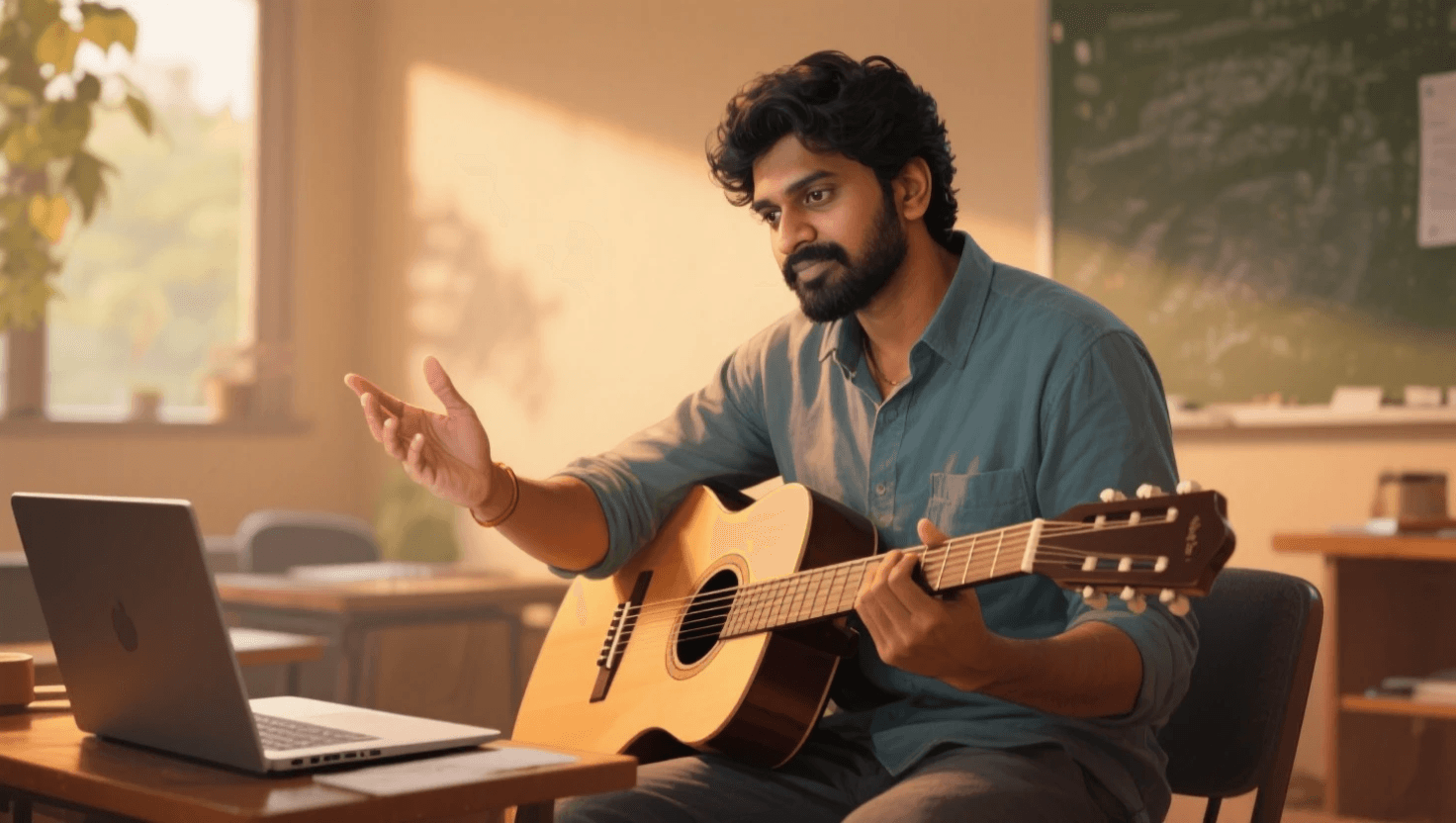
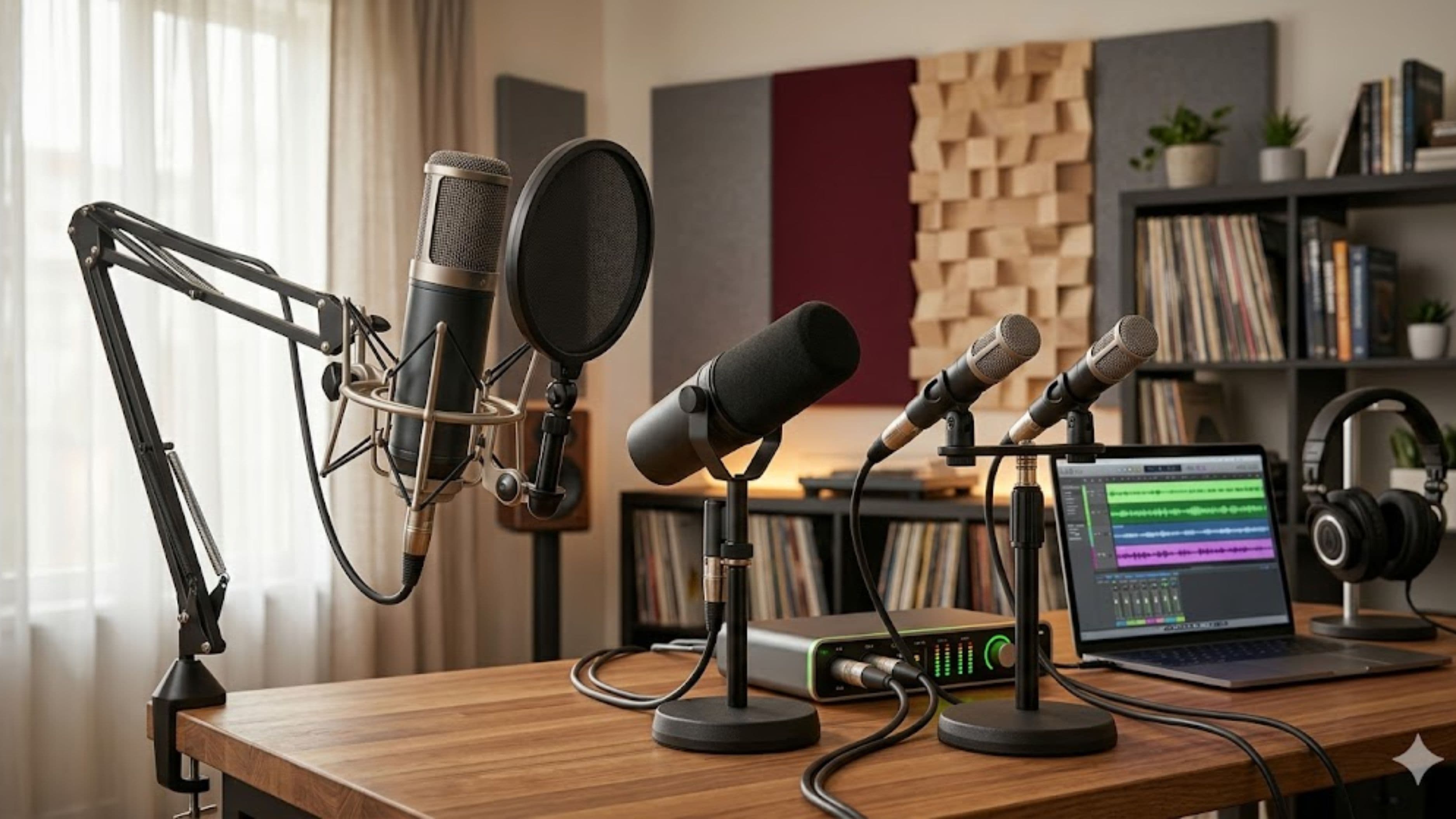
Microphone placement affects the final sound more than almost any other single factor, and it's the step most commonly rushed. For vocals, positioning a mic six to twelve inches from the source, angled slightly off-axis to reduce plosive pops, captures a fuller, warmer tone than a mic placed too far back trying to capture "room sound" along with the voice. For instruments, understanding where the actual sound is projecting from, the soundhole of an acoustic guitar, the bell of a horn, matters more than simply pointing a mic in the general direction of the instrument.
Treat the Room, Even a Little
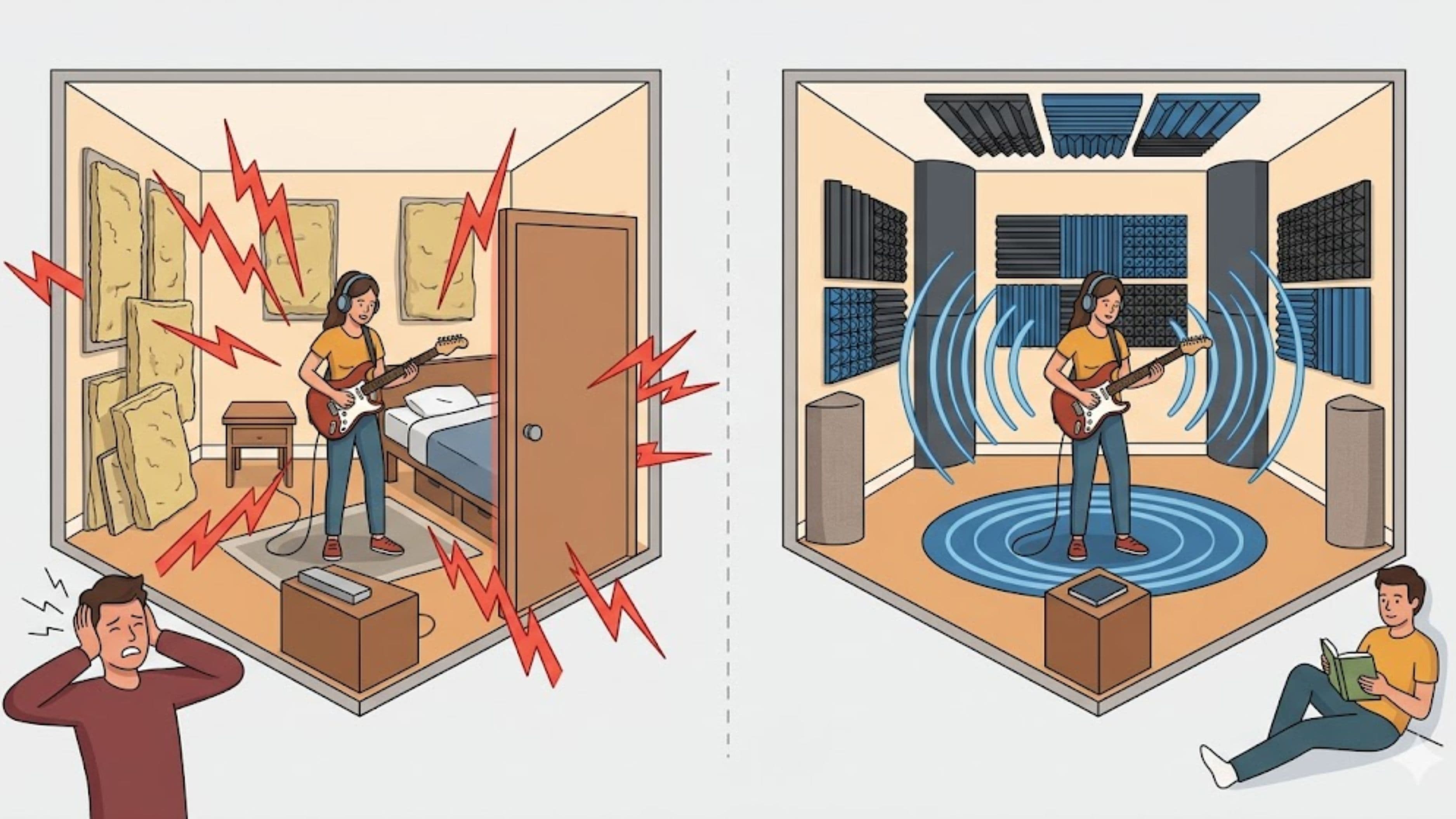
Untreated rooms with hard, reflective surfaces introduce echo and a washed-out quality that's difficult to remove after the fact without damaging the recording's natural tone. You don't need a professional acoustic treatment setup to make a meaningful difference, hanging moving blankets, using heavy curtains, or even recording in a room with soft furniture and carpeting reduces harsh reflections considerably compared to a bare, hard-surfaced space. If you're recording in a genuinely reverberant venue, positioning microphones closer to the source rather than relying on ambient pickup reduces how much of that unwanted room character bleeds into the recording.
Get Gain Staging Right Before You Ever Hit Record
Setting your input levels correctly before the performance starts is one of the most overlooked technical steps, and getting it wrong is nearly impossible to fully fix afterward. Run a soundcheck at the loudest expected moment of the performance and set your gain so peaks sit comfortably below clipping, typically leaving a few decibels of headroom, since a live performance's dynamics are less predictable than a controlled studio take and you want margin for unexpected loud moments.
Use Multiple Mics Strategically, Not Excessively
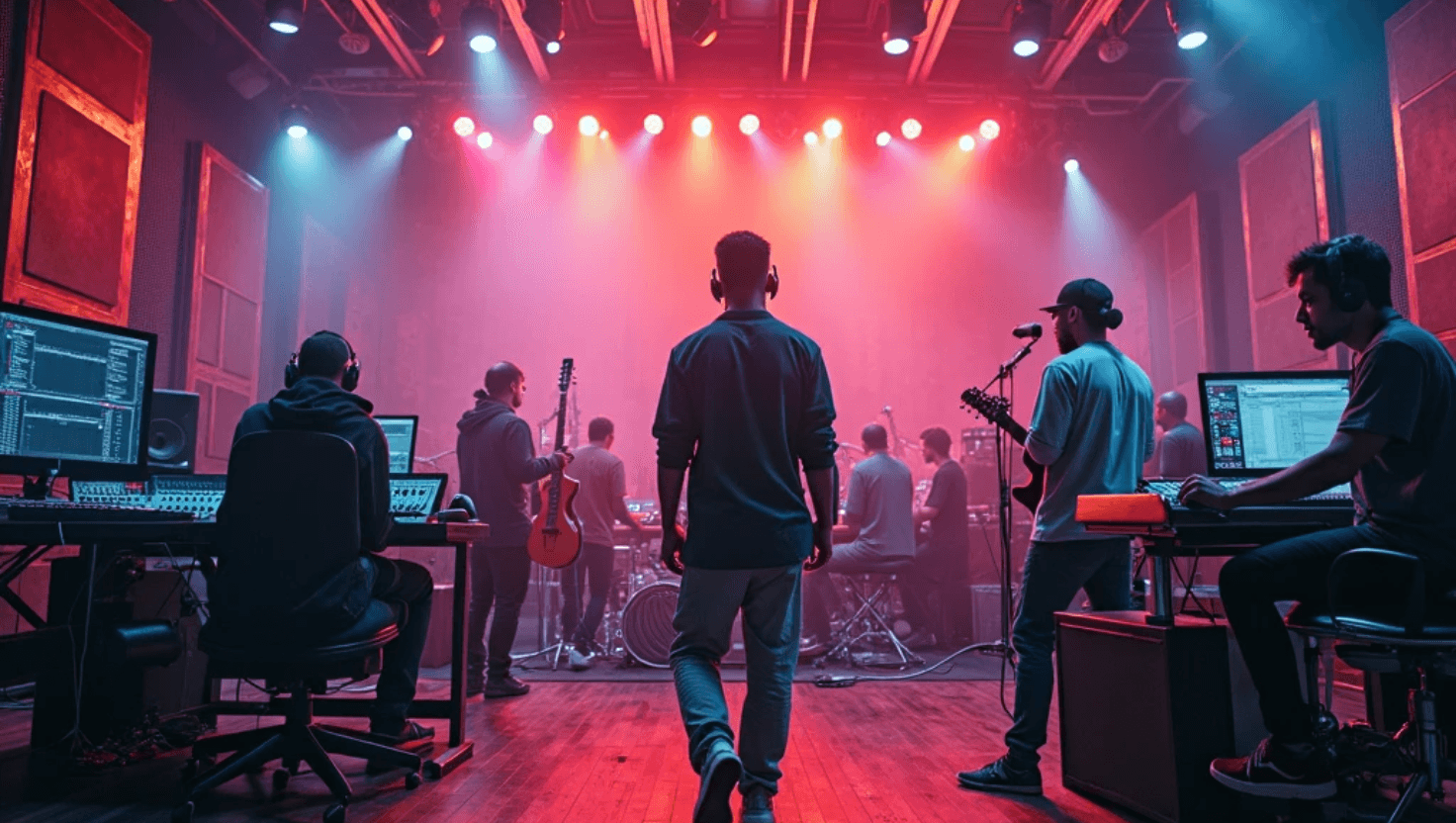
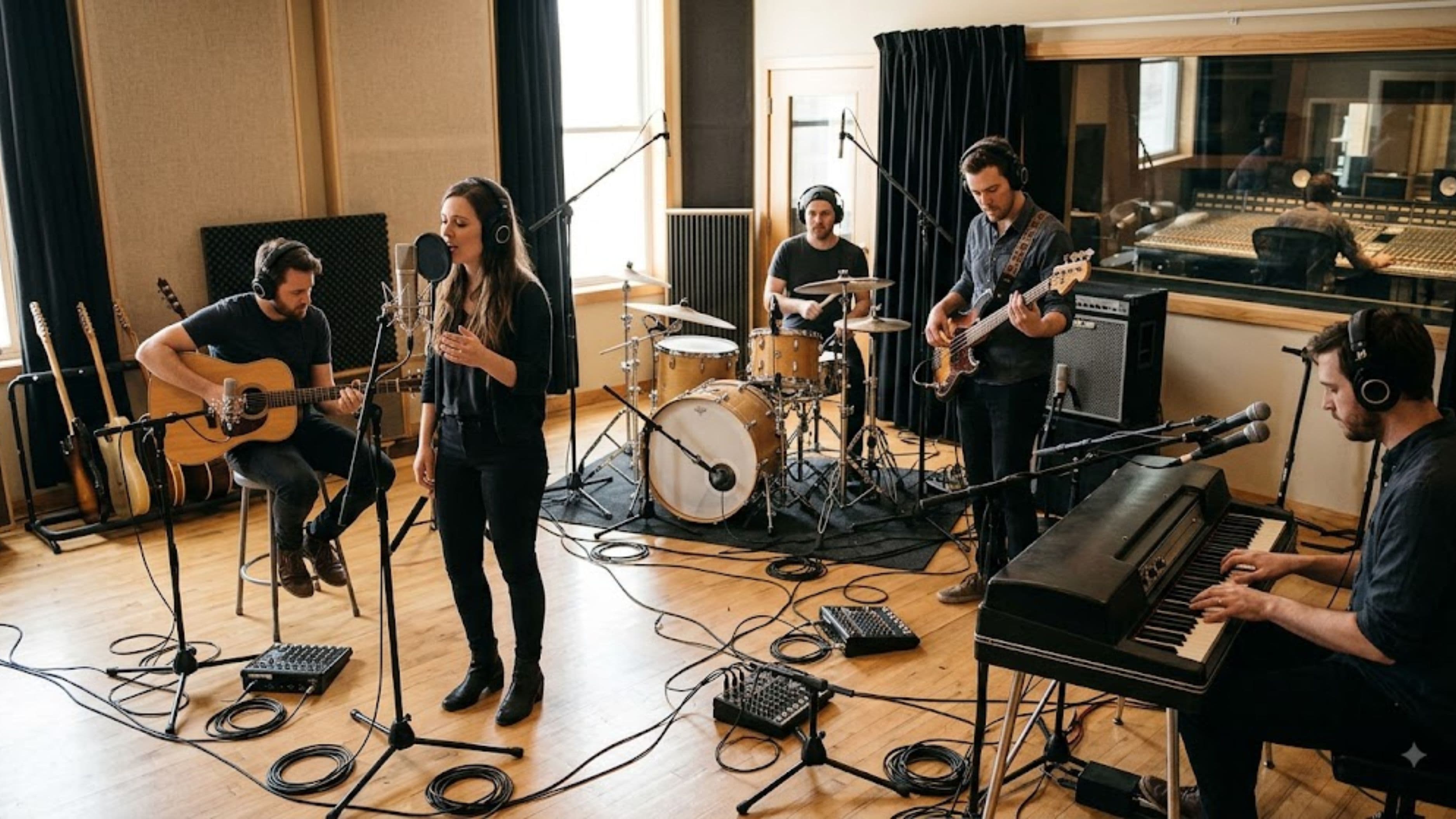
Capturing a live performance with multiple microphones, close mics on individual sound sources plus a stereo pair for overall room ambience, gives you far more flexibility during mixing than a single mic trying to capture everything at once. That said, more microphones isn't automatically better, each additional mic introduces potential phase issues if not positioned and timed carefully relative to the others, so prioritize a few well-placed mics over a large number of poorly considered ones.
Address Phase Issues During Setup
When multiple microphones pick up the same sound source at slightly different distances, their signals can partially cancel each other out when combined, creating a thin, hollow quality in the final mix. Checking phase relationships during setup, by listening to combined mic signals together before the performance and adjusting mic distances or polarity as needed, prevents this problem rather than trying to fix it afterward, which is considerably harder once the performance has already been recorded.
Editing and Mixing for a Polished Final Sound
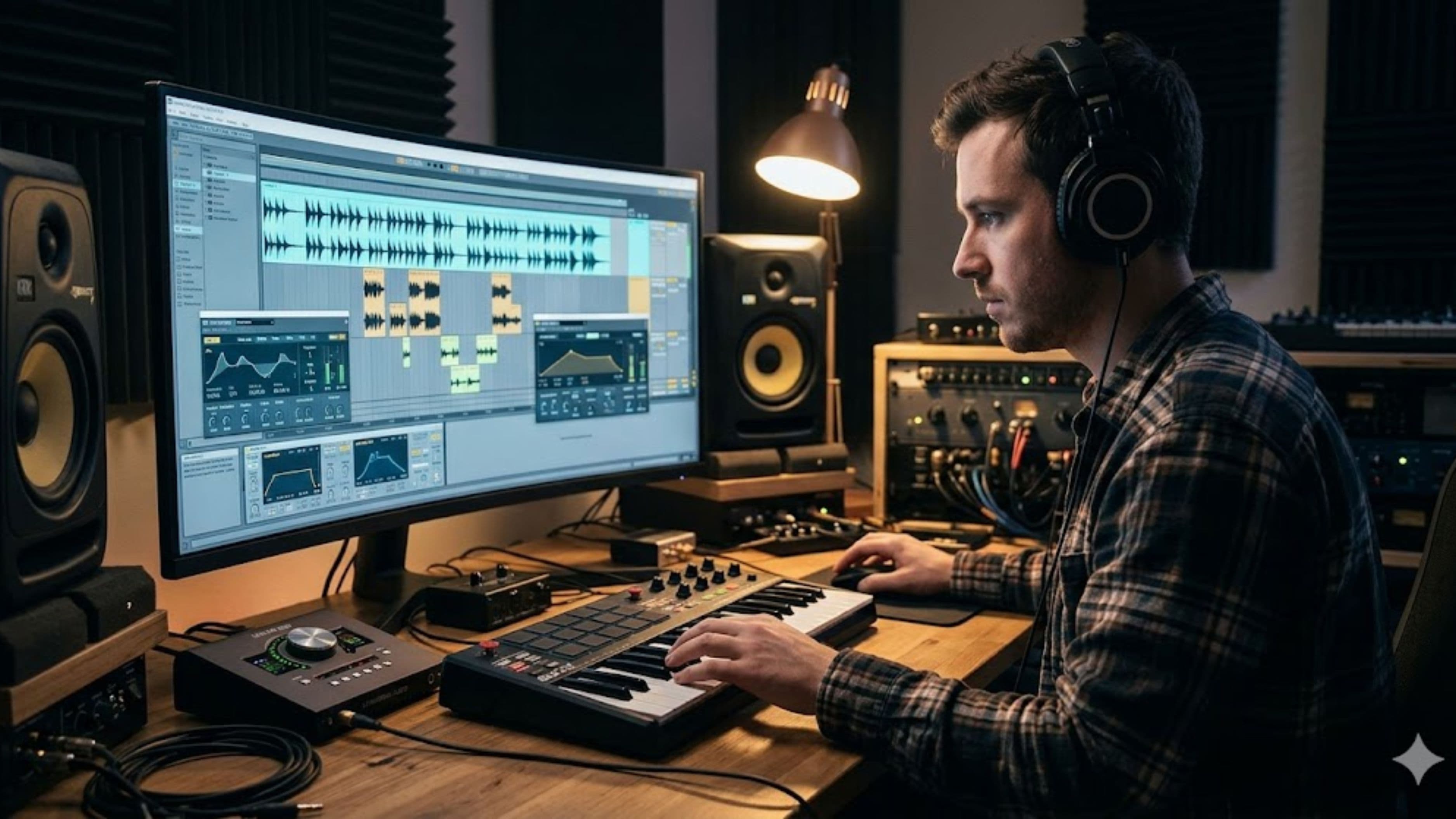
Once you have a clean, well-captured recording, basic mixing techniques close much of the remaining gap toward a studio-quality sound. Light compression evens out natural performance dynamics without flattening the energy of a live take, while subtle equalization can address any tonal imbalances introduced by the room or mic placement. Adding a small amount of reverb intentionally, rather than relying on unwanted room reverb captured during recording, gives you creative control over the recording's ambience instead of being stuck with whatever the venue happened to produce.
What to Watch Out For
Overcompressing a live recording in an attempt to make it sound more polished often strips away the natural dynamic energy that made the live performance compelling in the first place, so use a light touch and compare against the raw recording periodically. Relying entirely on post-production to fix a poorly captured recording rarely delivers results comparable to getting the fundamentals right during the actual recording session, no amount of mixing skill fully compensates for bad mic placement or improper gain staging from the start.
Realistic Expectations
Live recordings will always retain some character distinct from a fully controlled studio session, the room, the performance energy, the slight imperfections of a live take, and that's not necessarily something to eliminate entirely. The goal here isn't erasing every trace that a recording happened live, it's capturing a clean, well-balanced signal that gives you real flexibility during mixing, so the finished product sounds intentional and polished rather than accidental and compromised.
FAQ
Do I need expensive microphones to get a studio-quality live recording? Good technique, placement, gain staging, and basic room treatment matter more than microphone price for most home and small-venue recording situations, though quality does matter more as your ambitions and budget scale up.
How many microphones do I actually need for a solo live performance? For a single vocalist and instrument, two to three well-placed microphones, close mics on the primary sources plus one for ambience, typically covers what you need without introducing unnecessary phase complications.
Is it worth hiring a professional for an important live recording? For high-stakes recordings, a performance you're planning to release commercially or use for promotional purposes, professional recording expertise can meaningfully improve results, particularly around mic placement and room treatment decisions that benefit from experience.
📚 Sources
Audio Engineering Society – Live Sound Recording Fundamentals: https://www.aes.org/technical/
Sound on Sound – Microphone Placement Techniques: https://www.soundonsound.com/techniques