Why Recurring Revenue Matters More Than One-Off Sales
A one-time purchase, whether it's a track download or a concert ticket, requires you to constantly find and convince new buyers to keep income flowing. Recurring revenue flips that model – a smaller group of committed fans pays regularly, giving you a predictable income floor you can plan around, rather than a series of unpredictable spikes tied to release schedules or tour dates.
This distinction matters practically, not just financially. Predictable income lets you plan studio time, invest in production, or reduce reliance on outside work, since you're not entirely dependent on the next release performing well.
Fan Subscription Platforms
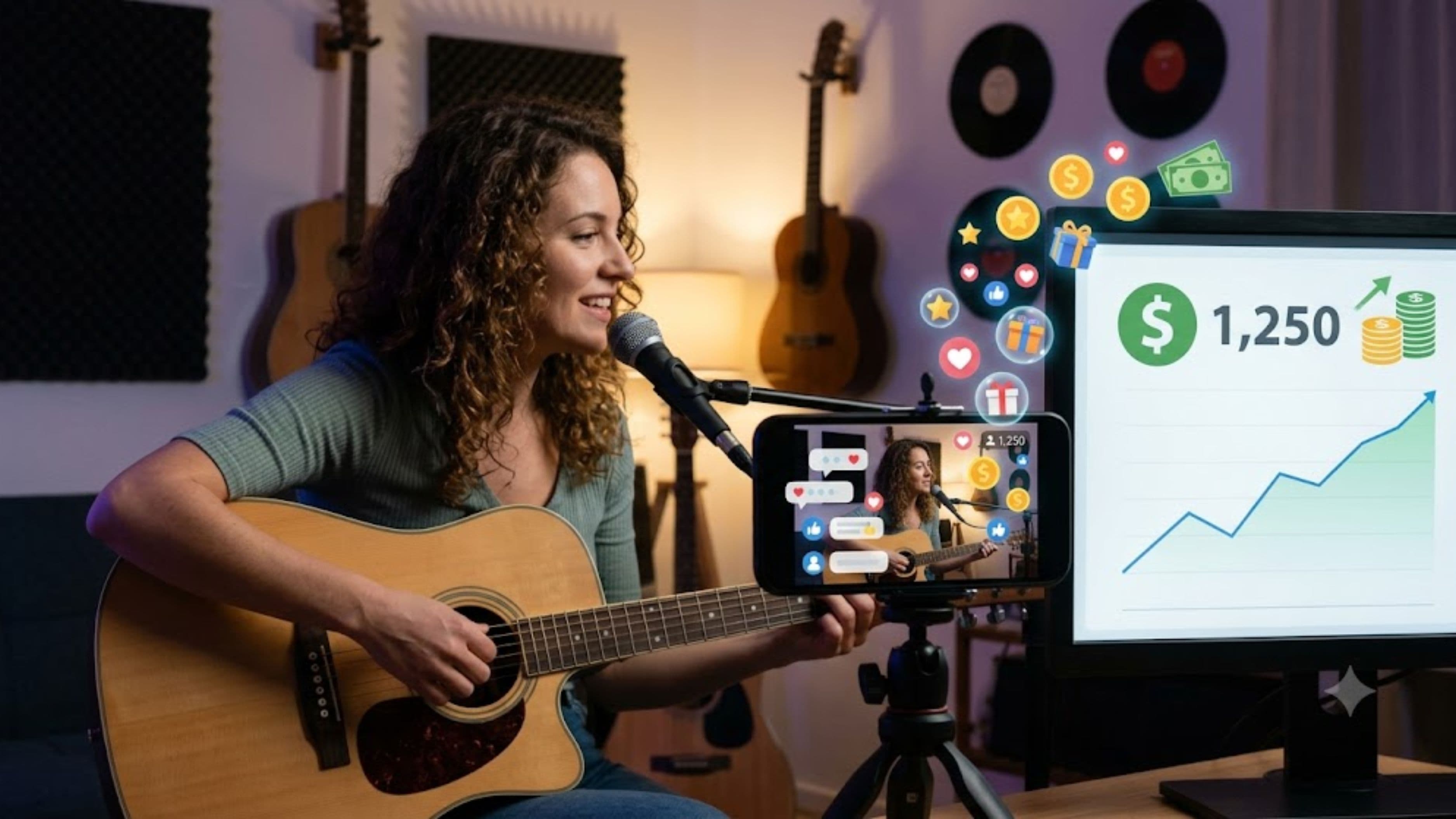
Platforms built specifically for direct fan subscriptions let artists offer paid monthly tiers in exchange for exclusive content – early track access, behind-the-scenes updates, unreleased demos, or direct interaction. The core appeal for fans is access and connection that streaming platforms don't offer, and the appeal for artists is a direct, recurring relationship that doesn't depend on algorithmic playlist placement or streaming royalty rates.
Setting this up successfully generally requires having an existing engaged audience first – a subscription platform amplifies a relationship that already exists rather than creating one from scratch. Realistic expectations matter here: most independent artists see meaningful subscription revenue only after building consistent engagement over months, not immediately after launching a page.
Patreon-Style Tiered Membership
Tiered membership models let you offer different levels of access at different price points – a lower tier might include early releases, while a higher tier includes something more personal, like a monthly video call or physical merchandise. This model works well because it lets your most dedicated fans contribute more without pricing out casual supporters who still want to be part of the community at a lower cost.
What to watch out for: too many tiers with unclear value differences can confuse potential subscribers and actually reduce conversion. Two to three clearly differentiated tiers generally outperform five or six overlapping options.
Licensing and Sync Placement Royalties
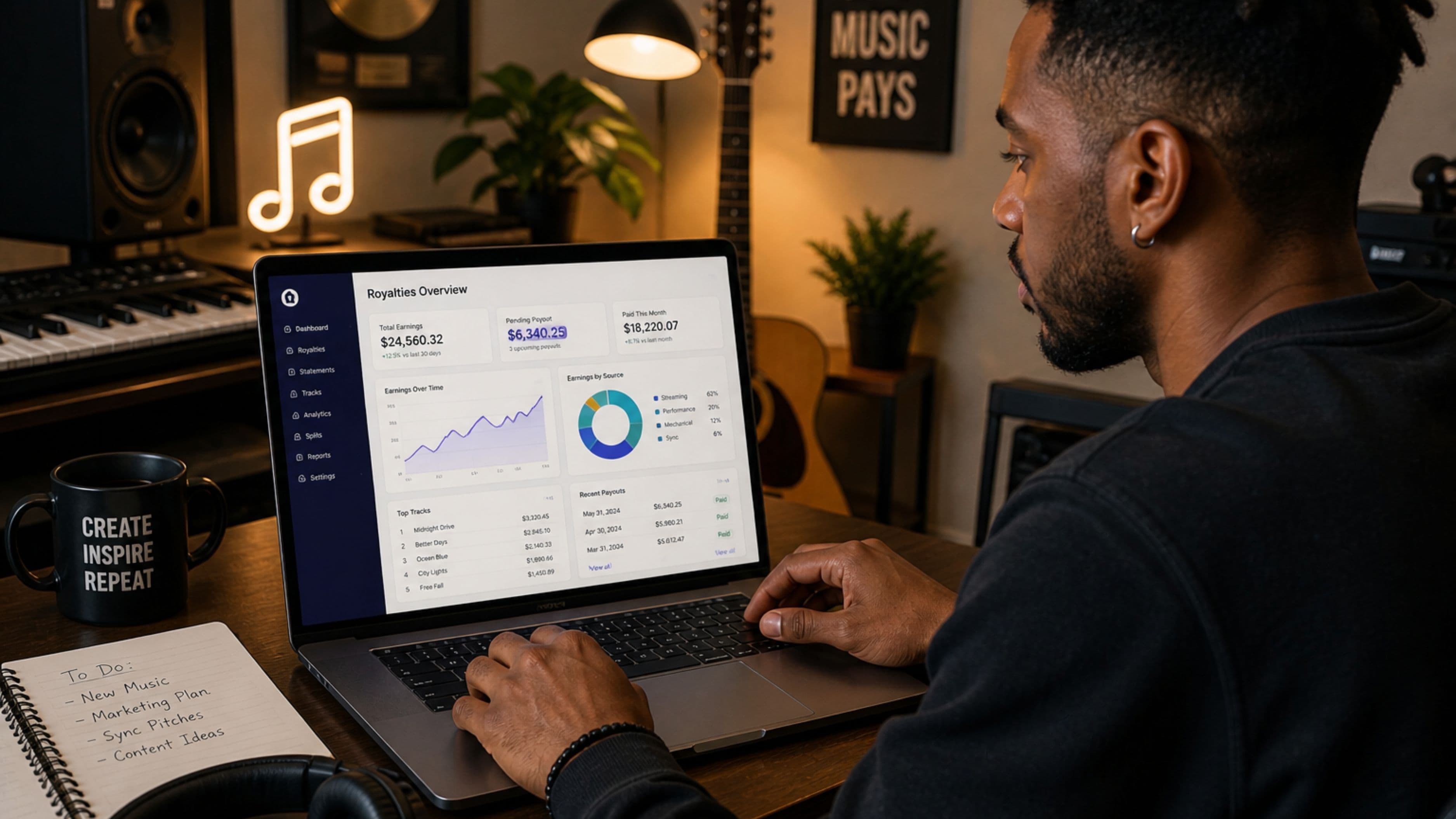
Licensing your music for use in ads, films, TV shows, and video games – often called sync licensing – can generate recurring royalty income long after the initial placement, particularly if a show or ad continues running or gets rebroadcast. Working with a sync licensing agency or platform that connects independent artists with placement opportunities is generally more accessible than trying to pitch directly to production companies without industry connections.
Realistic expectations: sync placements are competitive, and income from any single placement is often modest unless it's a major campaign or long-running show, but the recurring nature of royalties from ongoing usage makes this a genuinely durable revenue stream once you have a placement in rotation.
Merchandise Subscription Boxes
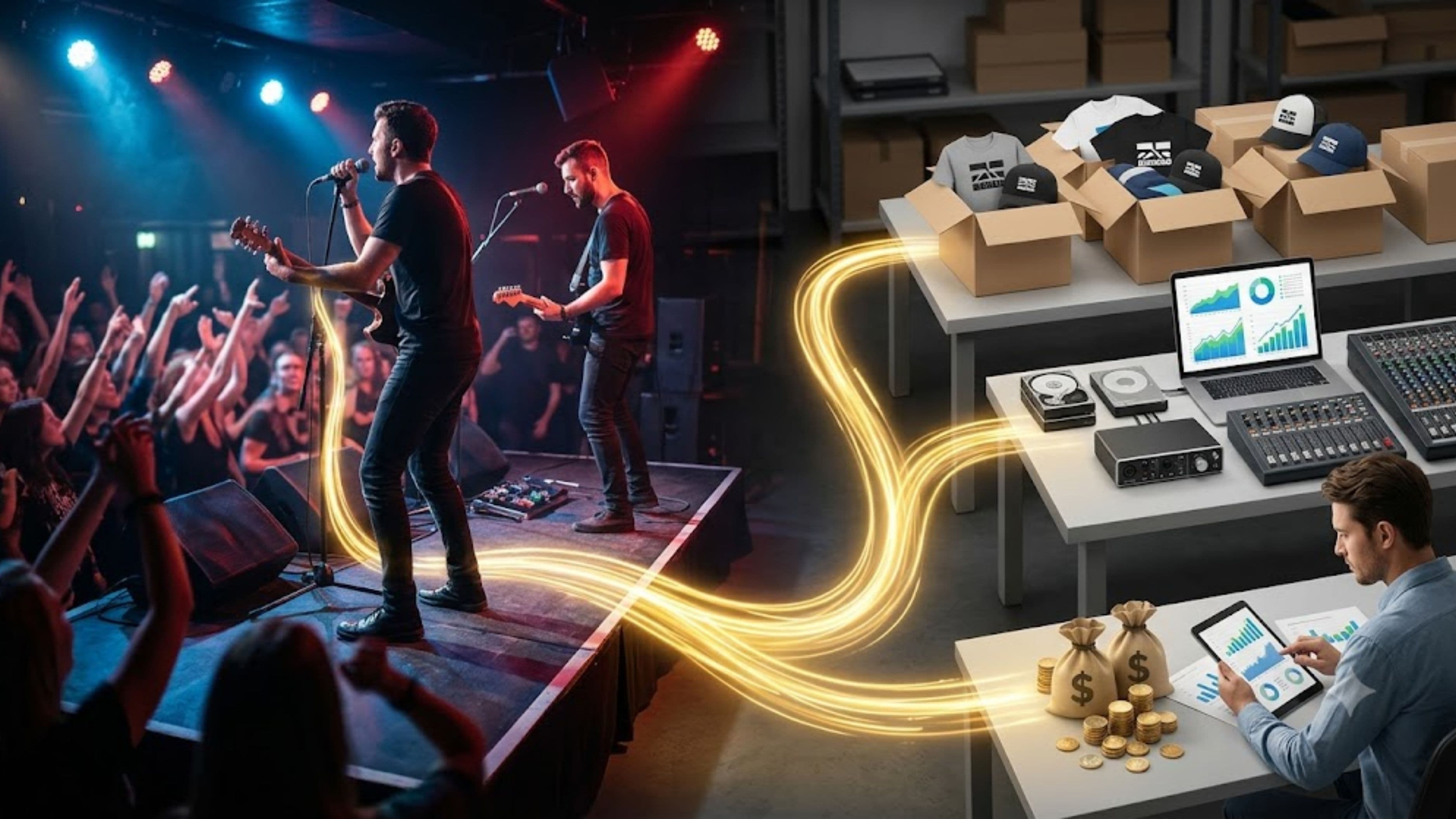
Rather than a single merch drop, some artists have built recurring "merch box" style subscriptions – a periodic package of exclusive items, from limited apparel to signed items, delivered to subscribers on a regular schedule. This works best for artists with a strong, tangible brand identity, since fans need a compelling reason to commit to an ongoing subscription rather than a one-time purchase.
What to watch out for: this model requires more operational overhead than digital subscriptions – production, shipping, and fulfillment logistics need to be sustainable at your current scale before committing to a recurring physical product.
Teaching and Coaching Content
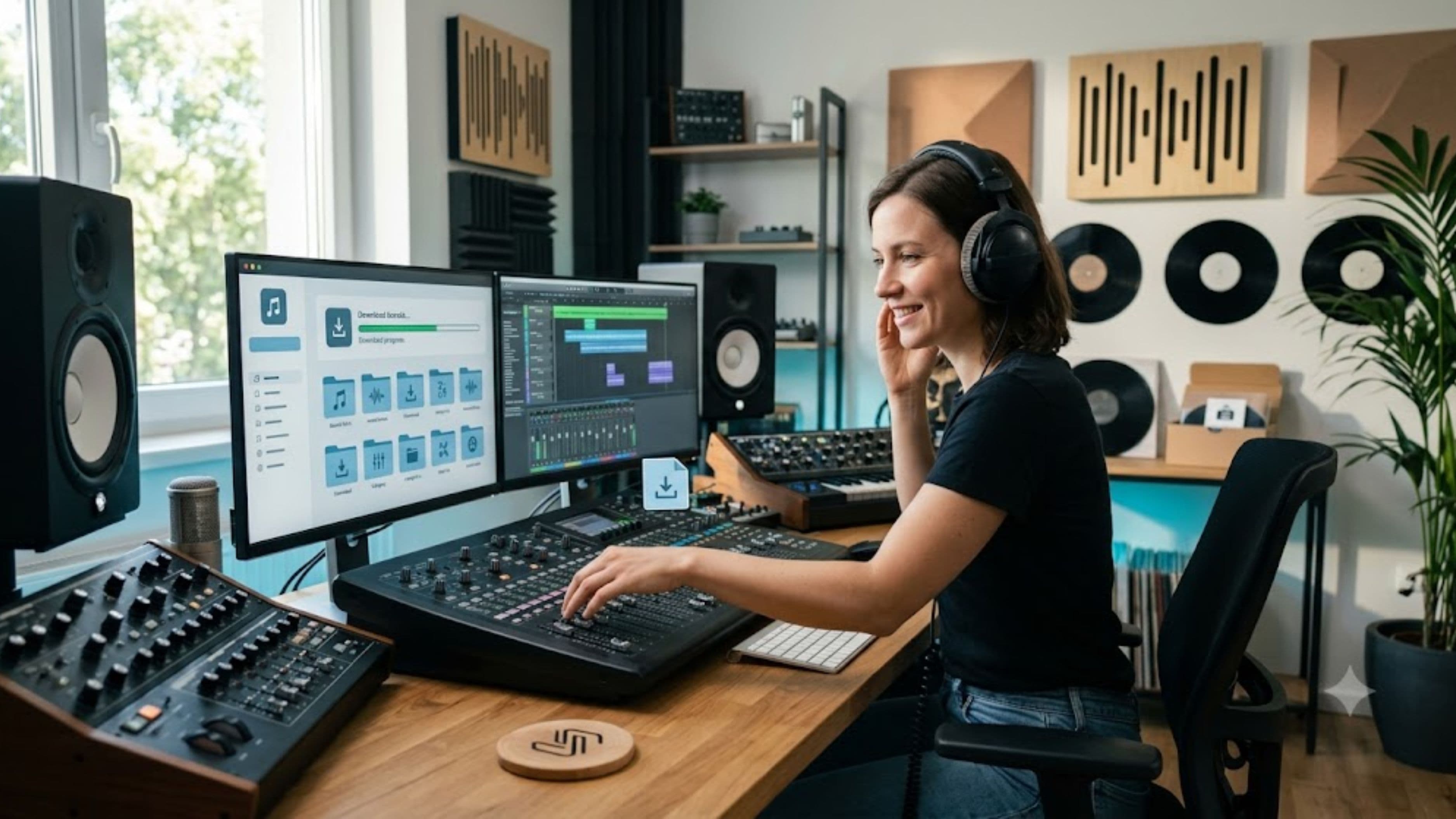
Artists with a specific skill – production techniques, songwriting, vocal training, or instrument mastery – can build recurring revenue through ongoing paid lessons, workshops, or subscription-based educational content. This diversifies income beyond your music itself and can appeal to an entirely different audience segment: aspiring musicians rather than just fans of your specific sound.
Building Toward This Sustainably
Recurring revenue streams generally require an existing, engaged audience to work well from the start, so the practical sequence for most independent artists looks like: build genuine audience engagement first, choose one recurring revenue model that matches your strengths and existing content style, and only add additional models once the first is generating consistent (even if modest) results.
What to Watch Out For
Don't launch multiple recurring revenue streams simultaneously before validating that any single one resonates with your audience – spreading a small, early audience across too many payment options usually dilutes results rather than multiplying them. Avoid overpromising exclusive content you can't consistently deliver, since subscription models depend heavily on trust and consistency to retain paying members month over month. And be realistic that recurring revenue, particularly in the early stages, is typically a supplement to other income sources rather than an instant full replacement for touring, streaming, or other work.
Practical Takeaway
Start with the recurring revenue model that requires the least operational overhead relative to your existing content and audience size – for most artists, that's a fan subscription platform rather than a physical merchandise subscription, simply because it has lower logistical complexity while you're still building consistent engagement.
FAQ
How big does my audience need to be before starting a fan subscription? There's no strict minimum, but conversion rates for paid subscriptions from an engaged audience typically run in the low single digits, so the more genuinely engaged followers you have, the more realistic meaningful subscription revenue becomes.
Is sync licensing realistic for a completely independent artist without label backing? Yes, particularly through licensing platforms and agencies that specifically work with independent artists, though competition for prominent placements remains significant.
Should I focus on one recurring revenue stream or diversify immediately? Focusing on one model first and validating it with your actual audience is generally more effective than launching several simultaneously, since it lets you learn what resonates before adding complexity.