The Shift From One-Time Sales to Recurring Revenue
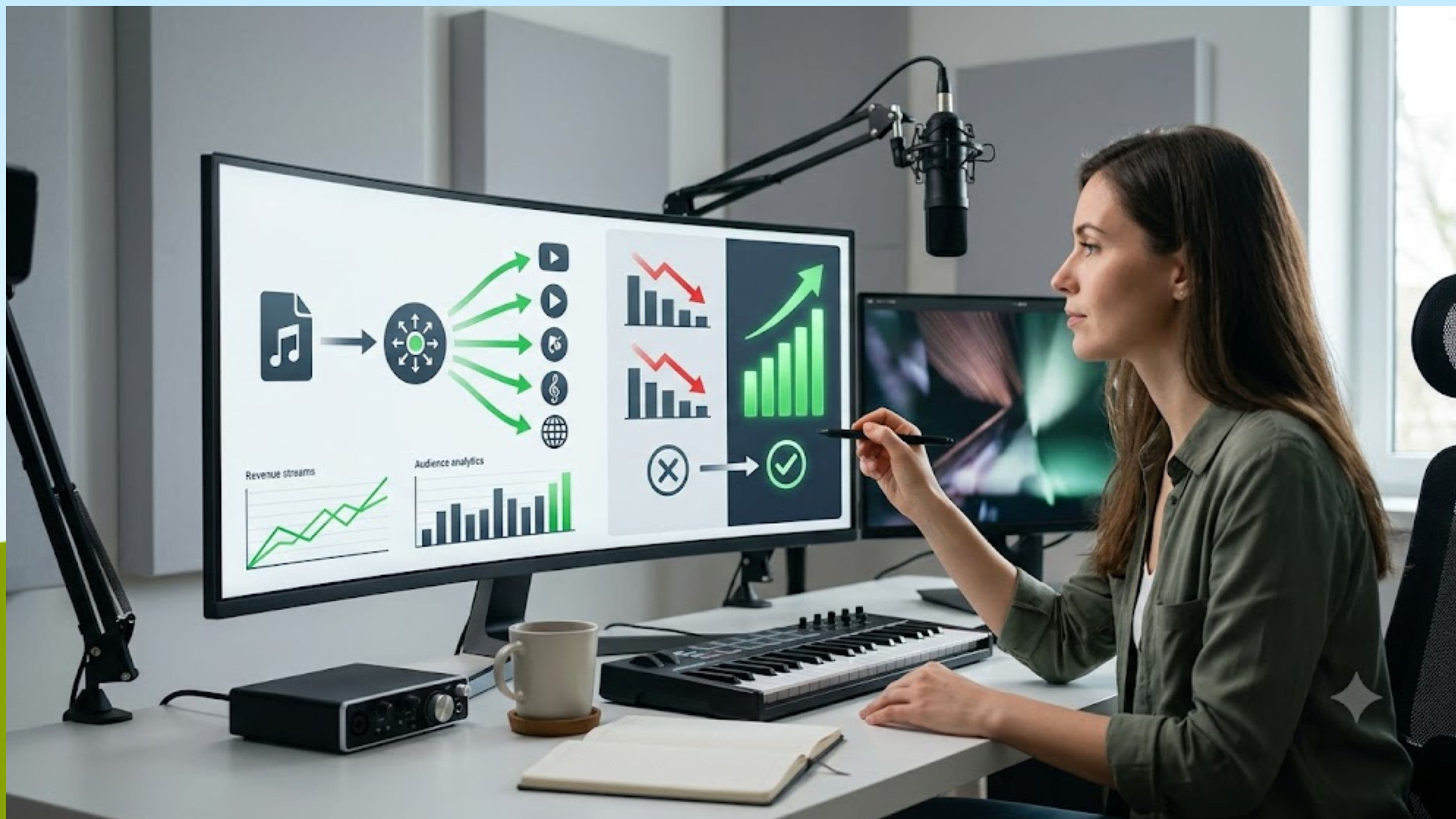
The sample pack market ran on one-time transactions for most of its history. A producer found a pack they liked, paid $20–$40, and moved on. The seller got one payment per customer, and growth required constantly finding new buyers. That model worked well enough when the market was smaller and producers were hungry for any quality samples they could find, but it had a structural ceiling: no loyalty, no compounding, no way to build a business that didn't depend entirely on acquisition.
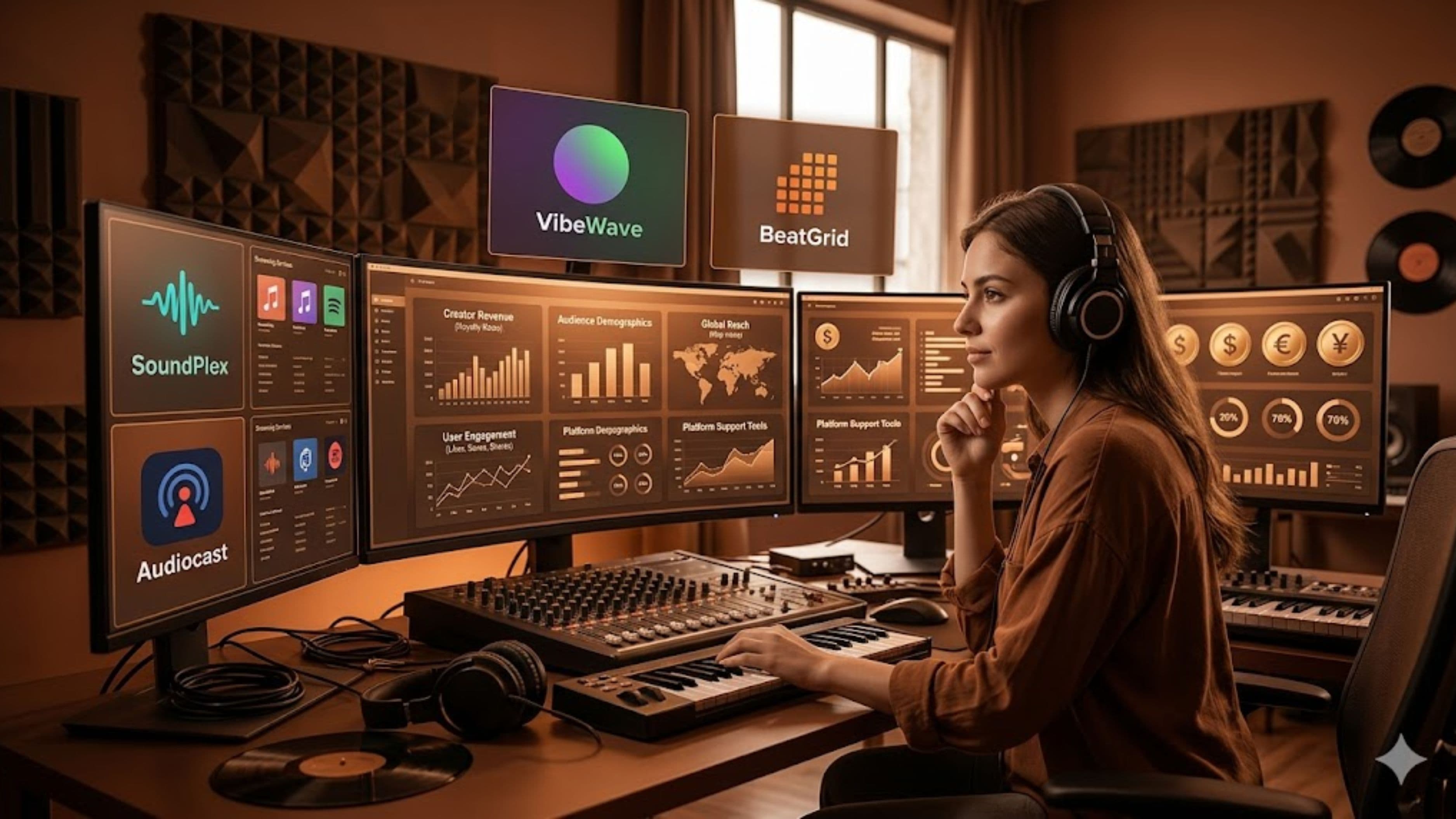
The subscription model changed the fundamental economics. Instead of a single transaction, a platform captures monthly recurring revenue from each subscriber and distributes a portion of that to creators based on a formula tied to usage or download volume. For individual producers building a catalog, this means that a sample pack created in 2021 can still generate income in 2025 without any additional work. The catalog compounds in a way that one-time sales never could, and the predictability of recurring revenue makes it easier to plan, invest in production quality, and build a real operation around sounds.
The Platforms That Made This Possible
Splice was the company that most directly legitimized the subscription model for samples in the consumer market. Launched in 2013 and having grown significantly since, Splice's Sounds product gives subscribers access to a massive library of loops, one-shots, and presets for a monthly fee (plans range from roughly $7.99 to $13.99/month at various credit tiers). Creators who upload to Splice earn royalties based on download credits used to access their content. The platform reached over 4 million users as of its most recent publicly shared figures, which translates into a significant royalty pool for top creators on the platform.
Loopmasters' subscription through Plugin Boutique, Native Instruments' Sounds subscription, and Tracklib's catalog subscription for samples from original recordings all operate on variants of the same model, each with slightly different creator economics and curation standards. Splice dominates market share in the direct-to-producer space, but the broader ecosystem has expanded enough that creators now have multiple platforms to distribute across.
What the platforms brought that individual sales couldn't was infrastructure: payment processing, licensing clarity, content management, and a ready audience. Producers who previously had to manage their own Gumroad stores, handle customer support, and chase discoverability now had access to platforms with built-in audiences and consistent income reporting.
What Makes a Sample Pack Catalog Actually Sustainable
Not everyone uploading packs to Splice or Loopmasters is building a sustainable business, and the distinction matters. The creators who've turned sample pack production into reliable income share a few consistent characteristics that separate them from producers who upload sporadically and wonder why royalties are minimal.
Volume and consistency are the first factors. Creators earning meaningful monthly income from subscriptions typically have large catalogs – hundreds of packs, not tens – and release on a regular cadence. The algorithm rewards consistency because subscriber behavior involves exploring new content regularly, and creators who aren't releasing new material gradually fade from search results and curated placements. Building a sustainable catalog is a multi-year project, not a single pack launch.
Niche specificity matters more than it used to. The sample pack market is crowded enough that generic "hip-hop drums" or "deep house loops" packs compete against massive back catalogs from established creators. Producers who've built real followings tend to have a specific sonic identity – a recognizable aesthetic across their packs, whether that's a specific era of electronic music, a genre-crossing style, or a particular production approach. Specificity makes you findable and memorable in a way that generic content doesn't.
Production quality has a higher floor than it did five years ago. The average quality of commercially available sample packs has risen significantly as more professional producers entered the market, and packs that would have passed quality standards in 2015 may not meet the expectations of buyers today. Investing in the production quality of the samples themselves – not just how they're named or marketed – is a prerequisite for building a catalog that continues to generate downloads over time.
The Creator Economics: What Producers Are Actually Earning
The royalty structure on subscription platforms varies and isn't always publicly disclosed in detail. What's generally understood from creator community discussions and published interviews is that Splice pays creators based on a share of revenue tied to the number of credits used to download their content. Top creators on the platform – those with large, consistently downloaded catalogs – have reported monthly earnings ranging from a few hundred dollars to several thousand, with the higher end reserved for established names with catalogs of significant depth.
The economics work on a long tail model. A single pack generating $50–$150/month in royalties doesn't build a business, but twenty packs each generating that range starts to look like meaningful passive income. A hundred packs with strong download rates starts to look like a real revenue stream. This is why the producers who've made subscription income work as a business are almost universally treating it as a catalog-building exercise over years rather than a quick income source.
There's also a leverage dynamic worth understanding. Sample packs, once produced and uploaded, require minimal ongoing maintenance. Unlike streaming royalties for music, which are tied to active listening and can decline as a song moves out of the cultural moment, a well-made sample pack can generate downloads consistently for years because producers are always looking for good sounds regardless of when they were made. The work is front-loaded; the income is distributed over time.
The Licensing Layer: Why It Matters More Than Most Producers Think
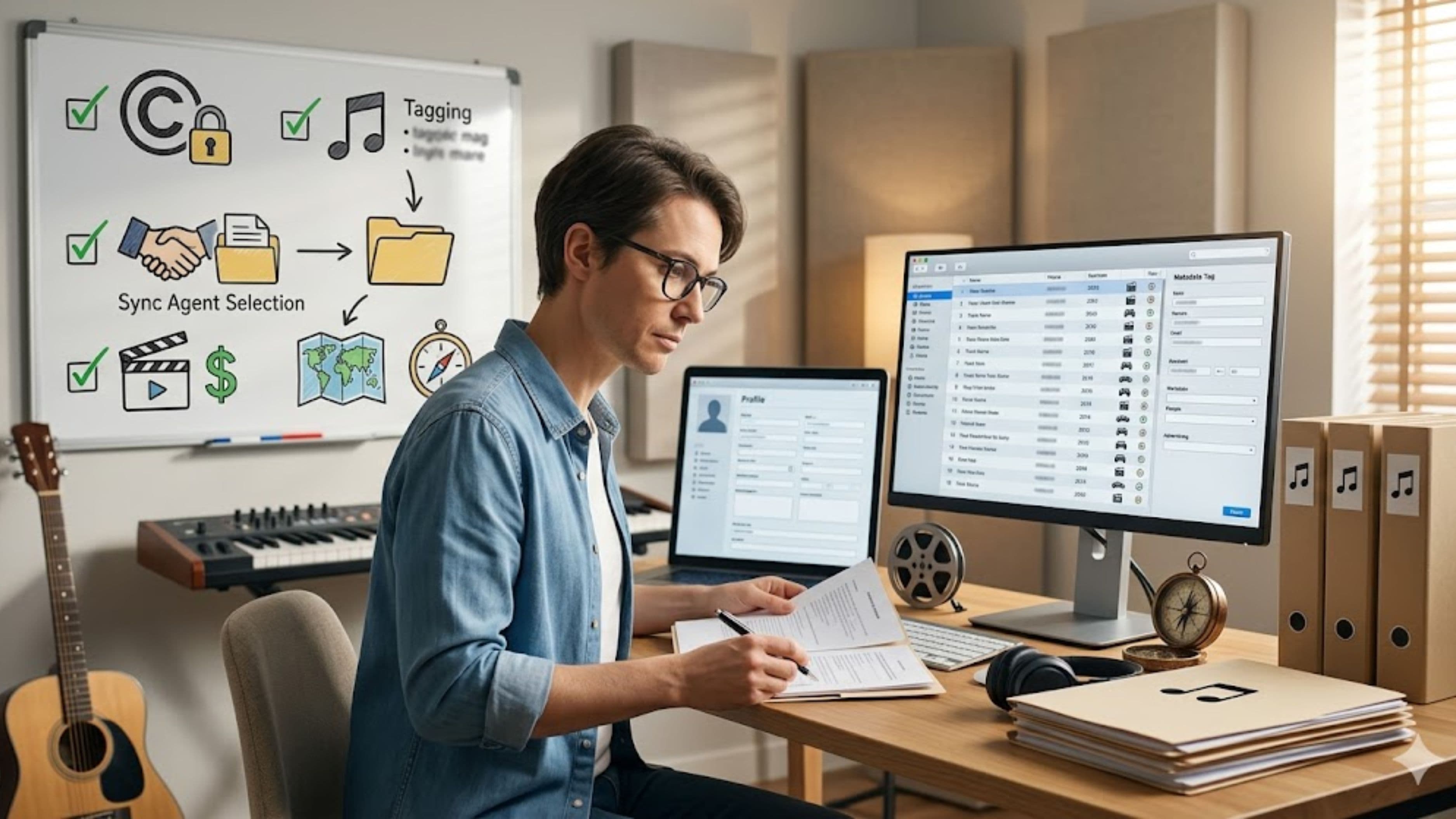
One of the significant advantages that major subscription platforms provide is licensing clarity. When you upload to Splice, your samples are licensed under Splice's royalty-free framework, which means subscribers can use your sounds in their productions commercially without additional clearance. That clarity is valuable to buyers and is part of why the platforms attract the volume of subscribers that makes creator royalties meaningful.
For producers building a catalog, understanding exactly what licensing terms they're agreeing to is important. Different platforms have different agreements about exclusivity, distribution rights, and what happens to samples uploaded if you stop working with the platform. Splice has historically operated with non-exclusive agreements, meaning creators can distribute the same sounds on multiple platforms – which is important for maximizing the reach of a catalog. Reading the platform agreement before uploading a significant volume of work is worth the time.
The licensing model also matters if you're creating sample packs from original recordings that involve session musicians, vocalists, or sampled material. Any sounds that contain third-party performances require clearance or assignment of rights before they can be sold commercially through a subscription platform. This is an area where producers who are scaling their catalog sometimes run into legal complications that weren't anticipated upfront.
Beyond Splice: Building a Multi-Platform Sample Business
The producers who've built the most durable businesses in this space don't rely on a single platform. Distributing across Splice, Loopmasters, your own website, and potentially Gumroad for direct sales gives you diversified income sources and protection against any single platform changing its creator terms or losing market position. It also gives you data across multiple channels that helps you understand which styles and sounds actually resonate with buyers versus which ones you're producing based on intuition.
Direct sales through your own website or Gumroad sit alongside the subscription model rather than competing with it. Direct buyers often have a different relationship with your brand – they're specifically seeking out your work rather than discovering it through a platform's library – and the economics are better since you keep a higher percentage. Building an email list of direct buyers alongside your platform presence is one of the most commonly cited strategies among full-time sample creators, because it reduces platform dependency and creates a direct channel for announcing new releases.
Some producers have also expanded into white-labeling: producing sample packs under contract for other brands, labels, or platforms. This provides project-based income that doesn't depend on catalog performance and is often how producers in this space smooth out the income variability that comes with a royalty-dependent model. The white-label route typically requires a larger portfolio to demonstrate capabilities and existing relationships within the production community.
What to Watch Out For
Market saturation is the most significant challenge in the sample pack space right now. The barrier to entry for uploading packs to most platforms is low, which means the volume of content on major platforms has grown faster than the subscriber base in many genres. Standing out in a crowded library requires more than production quality – it requires marketing, a personal brand, and consistent platform presence that many technically capable producers haven't invested in building.
Watch platform terms closely. Subscription platforms have the leverage in the creator relationship, and terms can change. Understanding what you're agreeing to upfront and keeping records of your content uploads protects you if a platform changes its royalty model or you need to navigate a dispute about attribution or payments.
Don't mistake activity for progress. Uploading a hundred low-effort packs generates less income than uploading twenty high-quality, well-niched ones that develop a genuine following. The quantity-over-quality trap is real in this market, and it tends to result in a diluted catalog that earns marginally across many mediocre packs rather than meaningfully from a smaller body of strong work.
FAQ
How much can you realistically earn from sample pack subscriptions as a starting producer?
In the first year, most creators earn $0–$200/month from subscription royalties while building their catalog. The income curve is slow initially and accelerates as the catalog grows and gets indexed in platform search. Treating it as a long-term income-building project rather than an immediate revenue source is the realistic framing. Producers who stick with it consistently for two to three years while building catalog depth report substantially higher monthly income.
Do you need to be exclusive to Splice or can you sell on multiple platforms?
Splice has generally operated with non-exclusive agreements, meaning you can distribute the same content on Loopmasters, your own site, and other platforms simultaneously. Always verify the current platform agreement before uploading, as terms can change. Non-exclusivity is an important creator protection and worth confirming before committing significant catalog volume.
What genres have the highest demand in sample pack markets?
Hip-hop drums and loops, lo-fi production elements, trap, house, and electronic music broadly have historically driven the highest download volumes on major platforms. That said, demand is broad enough that well-produced packs in almost any genre find an audience. Niche genres with passionate producer communities – footwork, Jersey club, afrobeats, UK garage – can generate strong targeted download numbers even without massive total volume.
Is it better to focus on sample packs or preset packs for subscription income?
Both are viable, but they have different production requirements and audiences. Sample packs (loops, one-shots, stems) appeal to a broader producer base and don't require specific software. Preset packs are tied to ownership of the specific plugin, which limits the potential audience but can command higher perceived value from producers who use that instrument heavily. Many successful creators in this space produce both.
How do you protect your original sounds from being copied or repackaged?
Watermarking preview files and keeping detailed records of your upload history are the primary practical protections. Copyright in original sound recordings exists automatically upon creation, though registration strengthens your position in any dispute. Platform terms typically prohibit resale of downloaded content, but enforcement is imperfect. The most practical protection is building a recognizable creative identity so your sounds are associated with you specifically – making unauthorized repackaging easier to identify and less commercially viable for bad actors.
📚 Sources
Splice – How Splice royalties work for creators: https://support.splice.com/hc/en-us/articles/360040509632-How-do-Splice-royalties-work
Hypebot – Sample pack market growth and creator economics: https://www.hypebot.com/hypebot/2022/05/the-business-of-sample-packs.html
Music Business Worldwide – Splice user growth and market position: https://www.musicbusinessworldwide.com/splice-has-now-signed-up-4-million-users/
Loopmasters – Creator submission and distribution overview: https://www.loopmasters.com/producers
Tracklib – Licensing model and how creators earn from the platform: https://www.tracklib.com/artists
US Copyright Office – Sound recording copyright basics: https://www.copyright.gov/circs/circ56.pdf