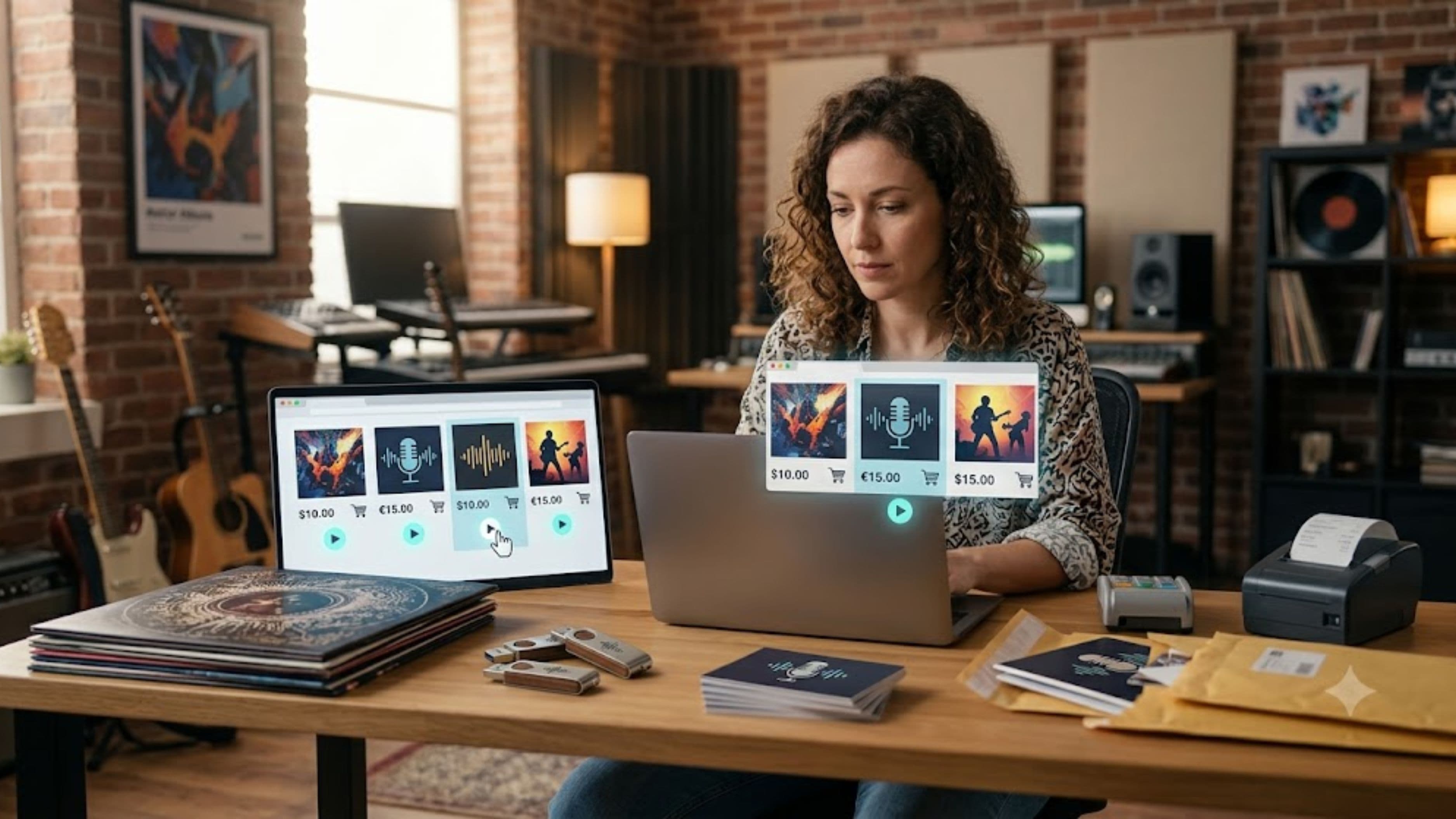
Why Live Recordings Have Real Monetization Potential
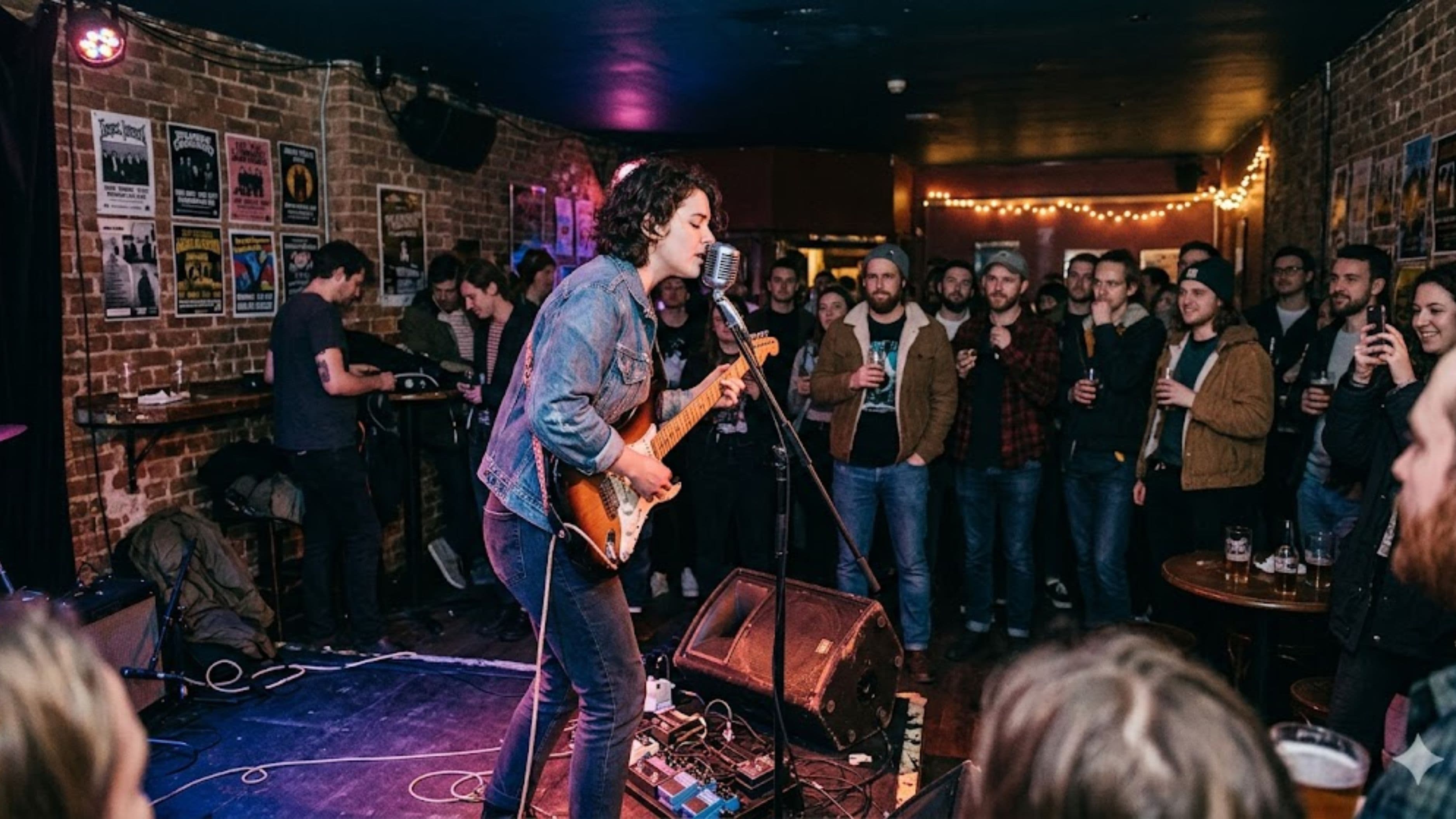
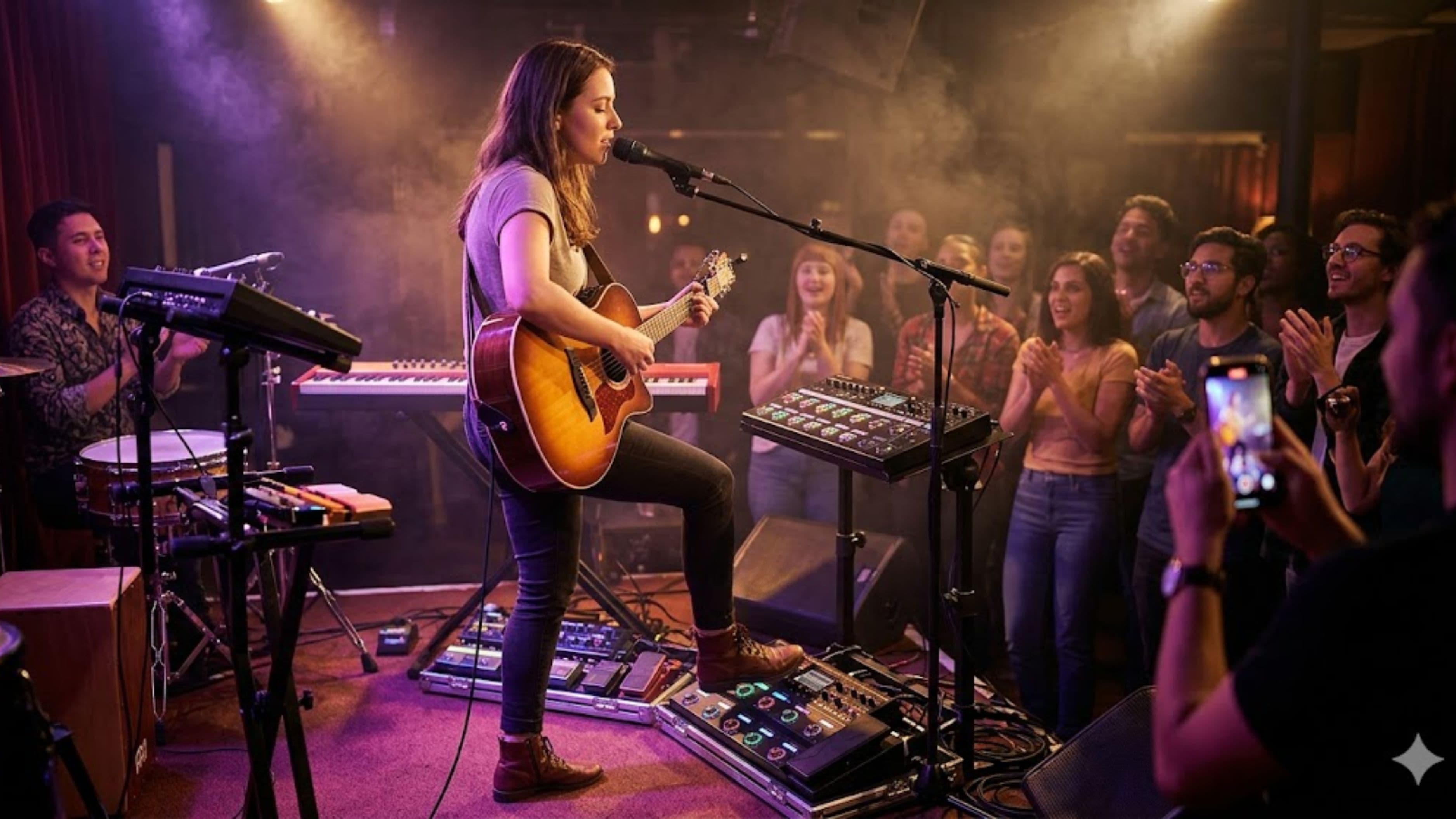
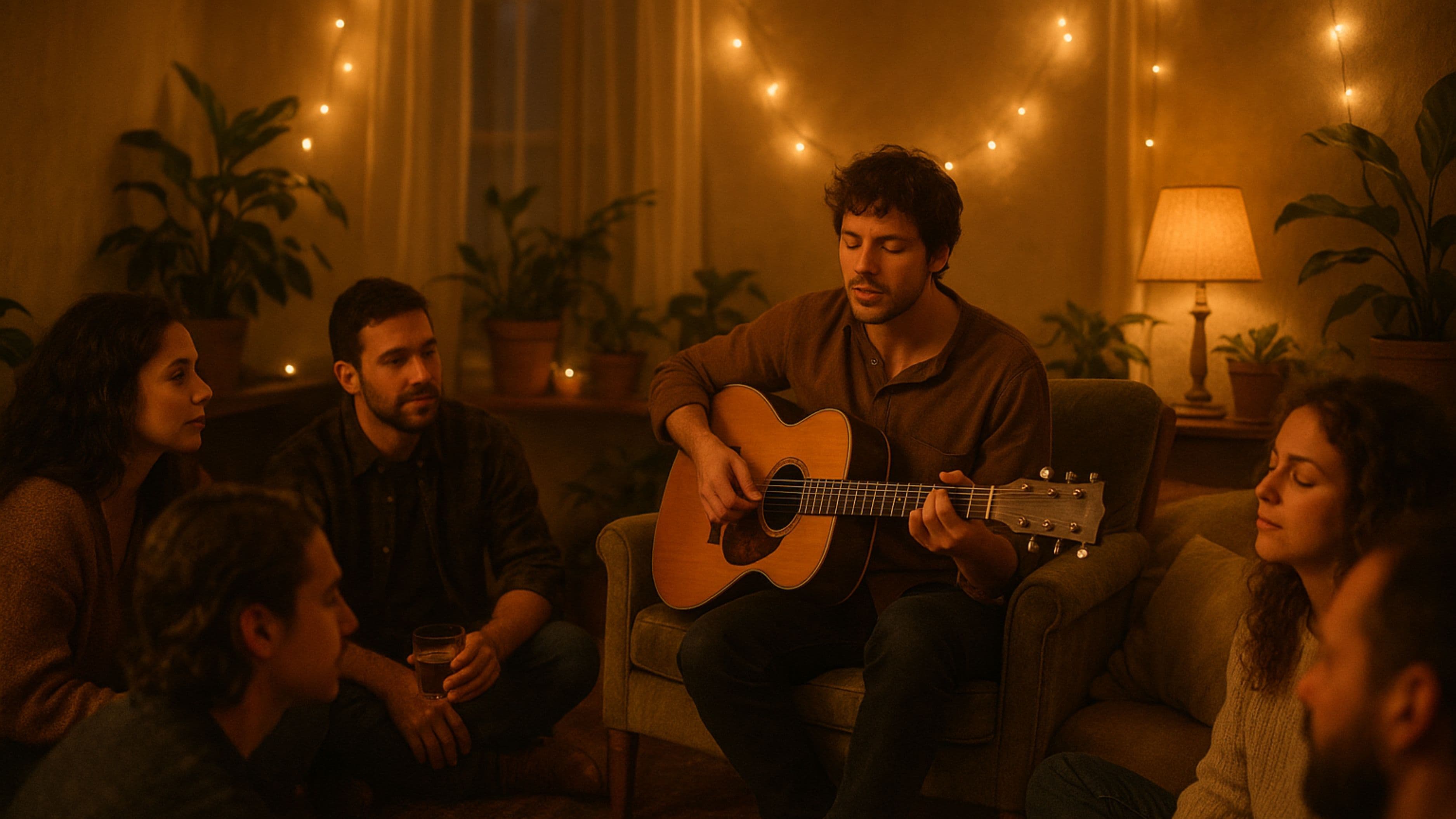
Live recordings offer something studio releases don't: a documented, specific moment in time. Fans who attended a show often want a way to relive it, and fans who couldn't attend are frequently curious about how a song sounds performed live versus its studio version. This built-in demand is part of why bootleg and live recording culture has existed in music for decades, long before independent artists had easy tools to capture and sell this content themselves.
For independent artists specifically, live recordings also offer a lower-cost way to expand a catalog. Rather than funding another full studio recording session, a well-captured live show can become a sellable release using content you've already created as part of a normal night's performance.
How to Actually Capture Usable Live Recordings
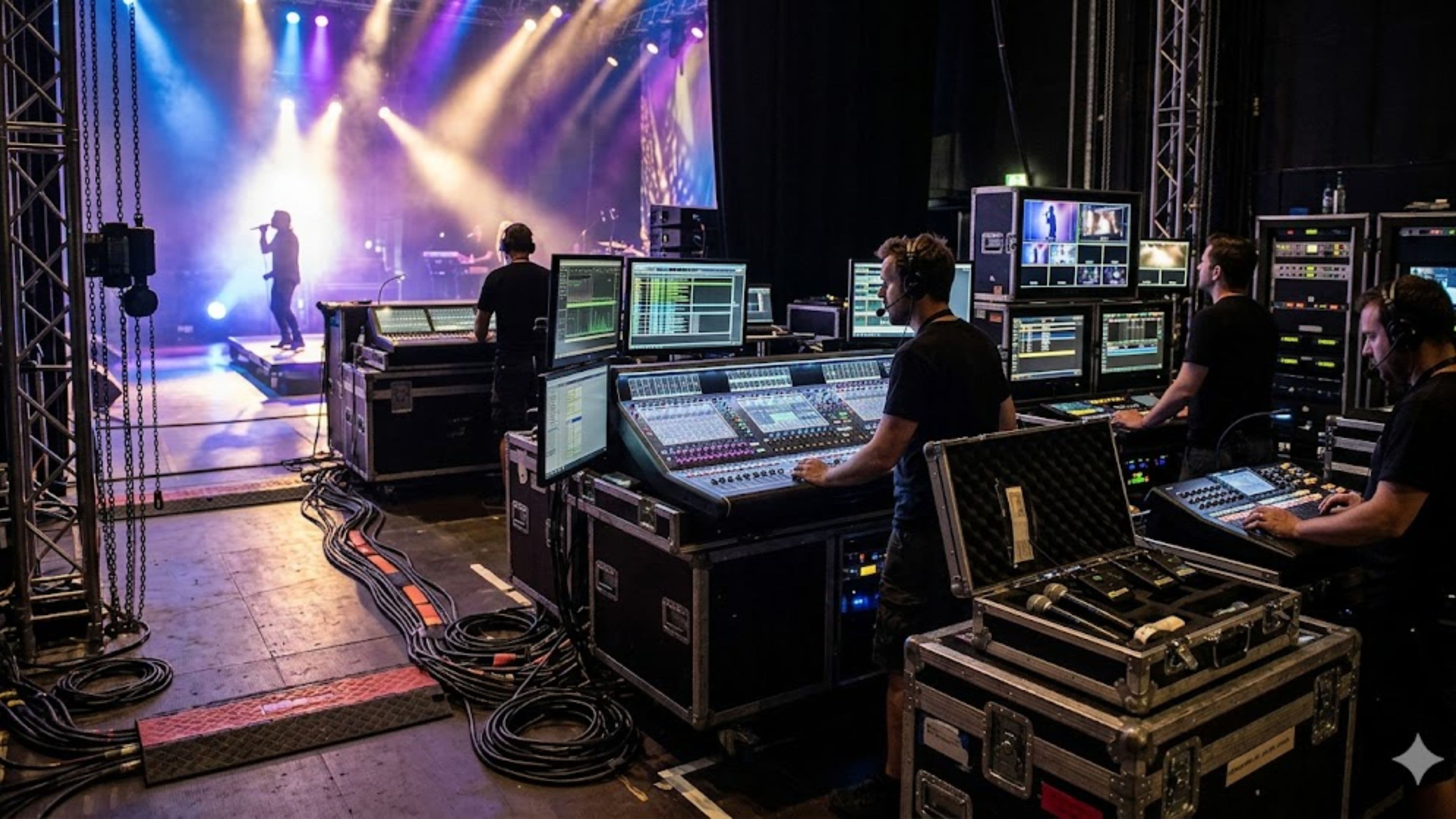
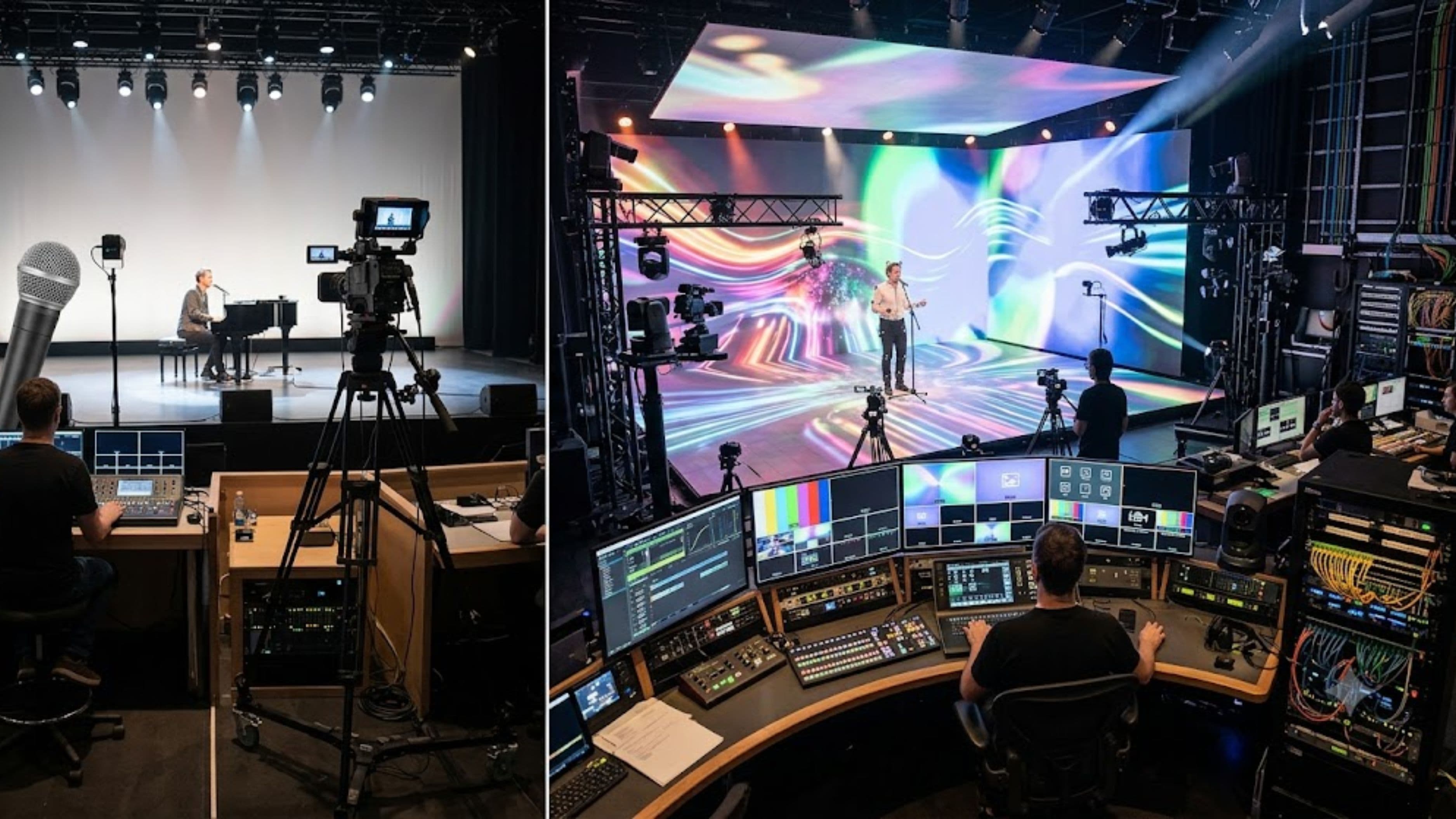
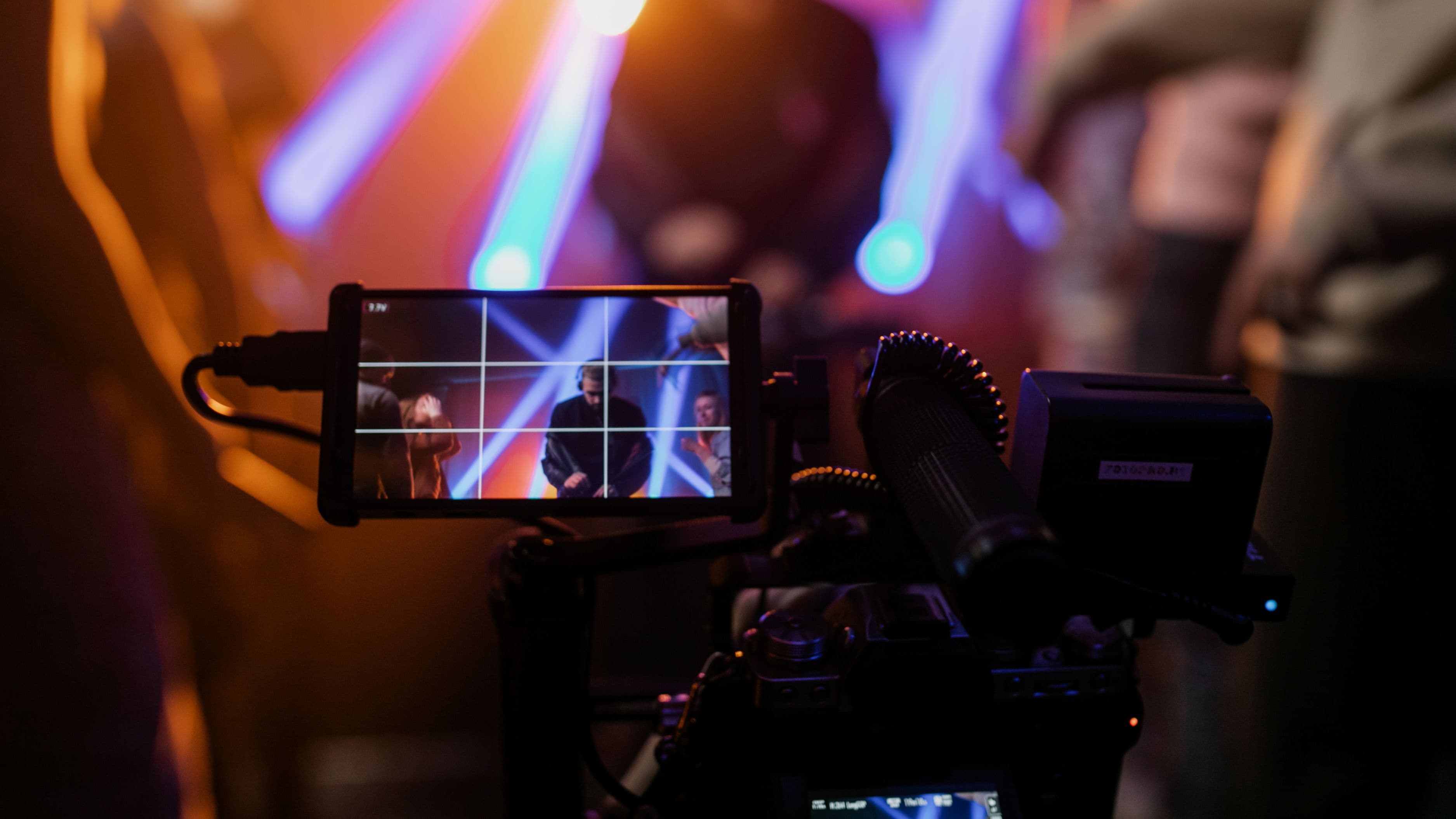
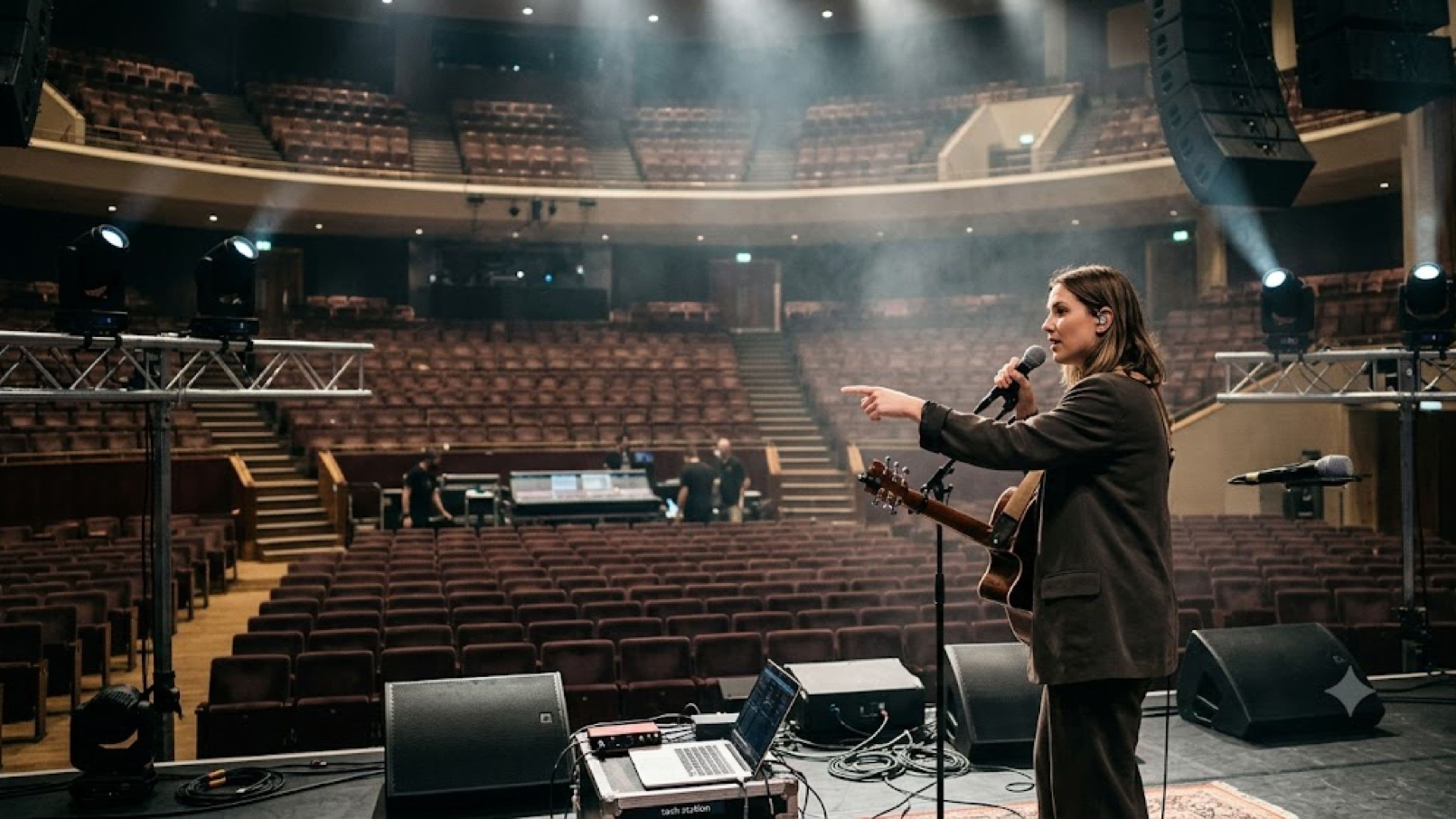
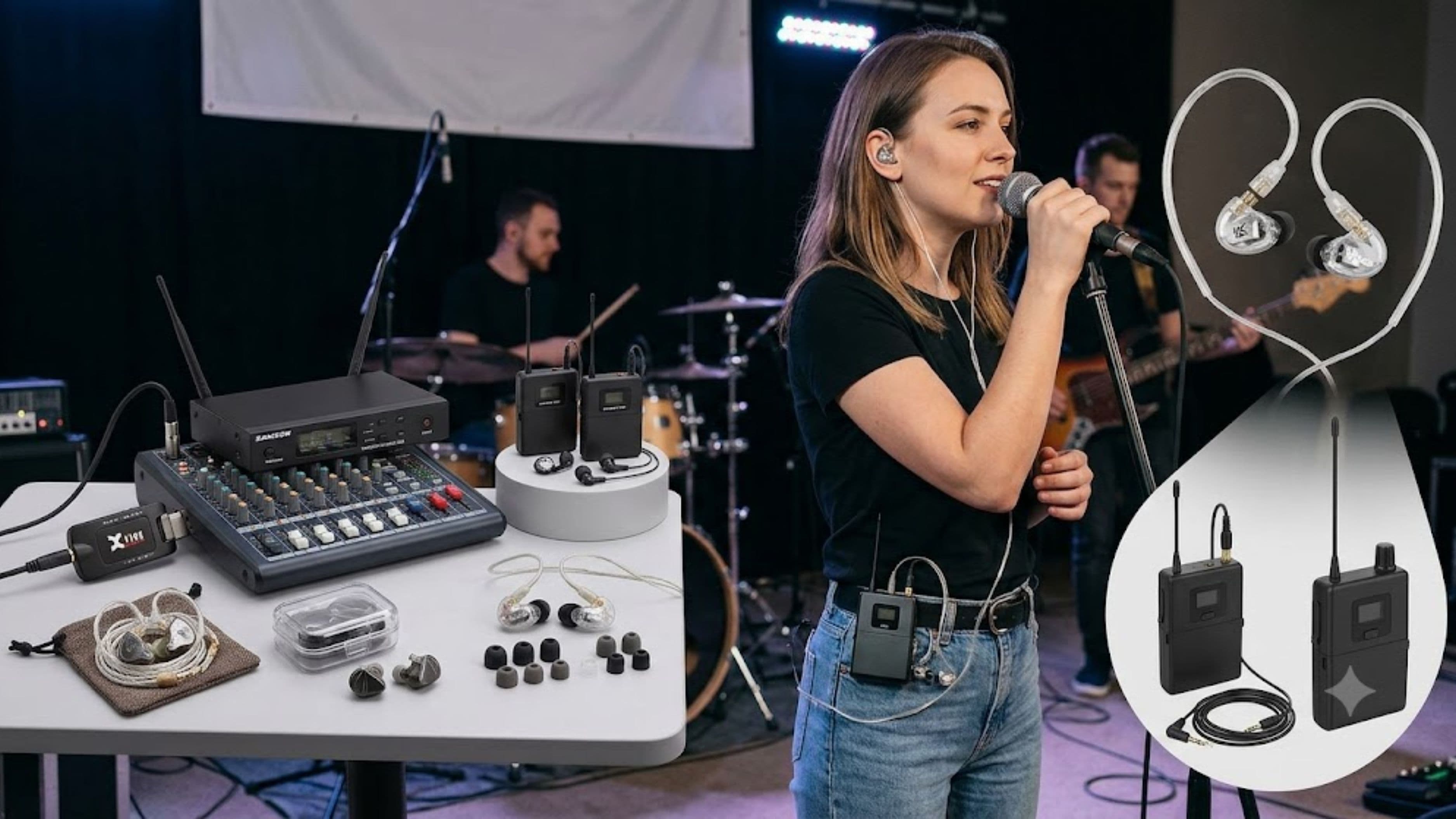
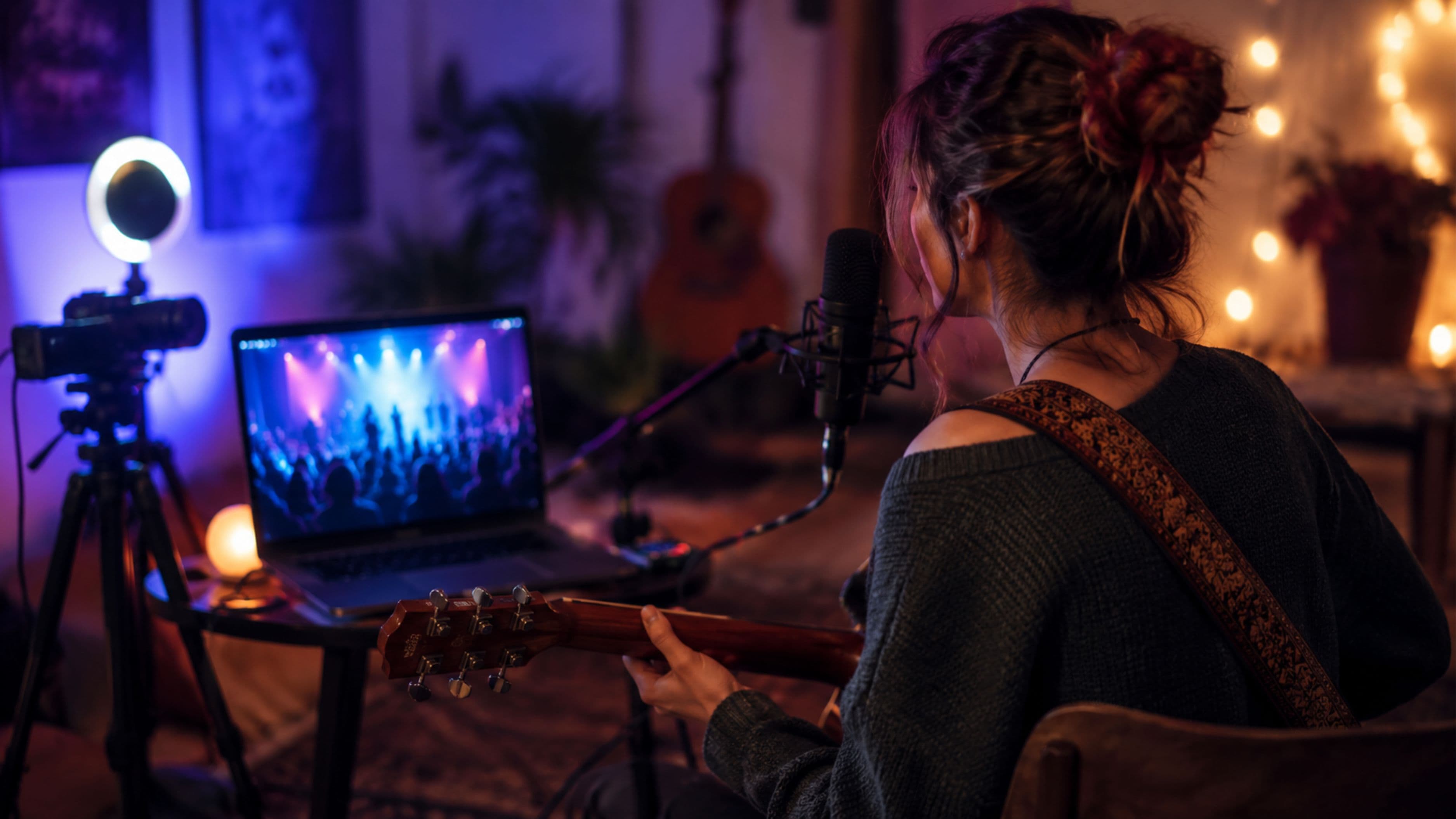
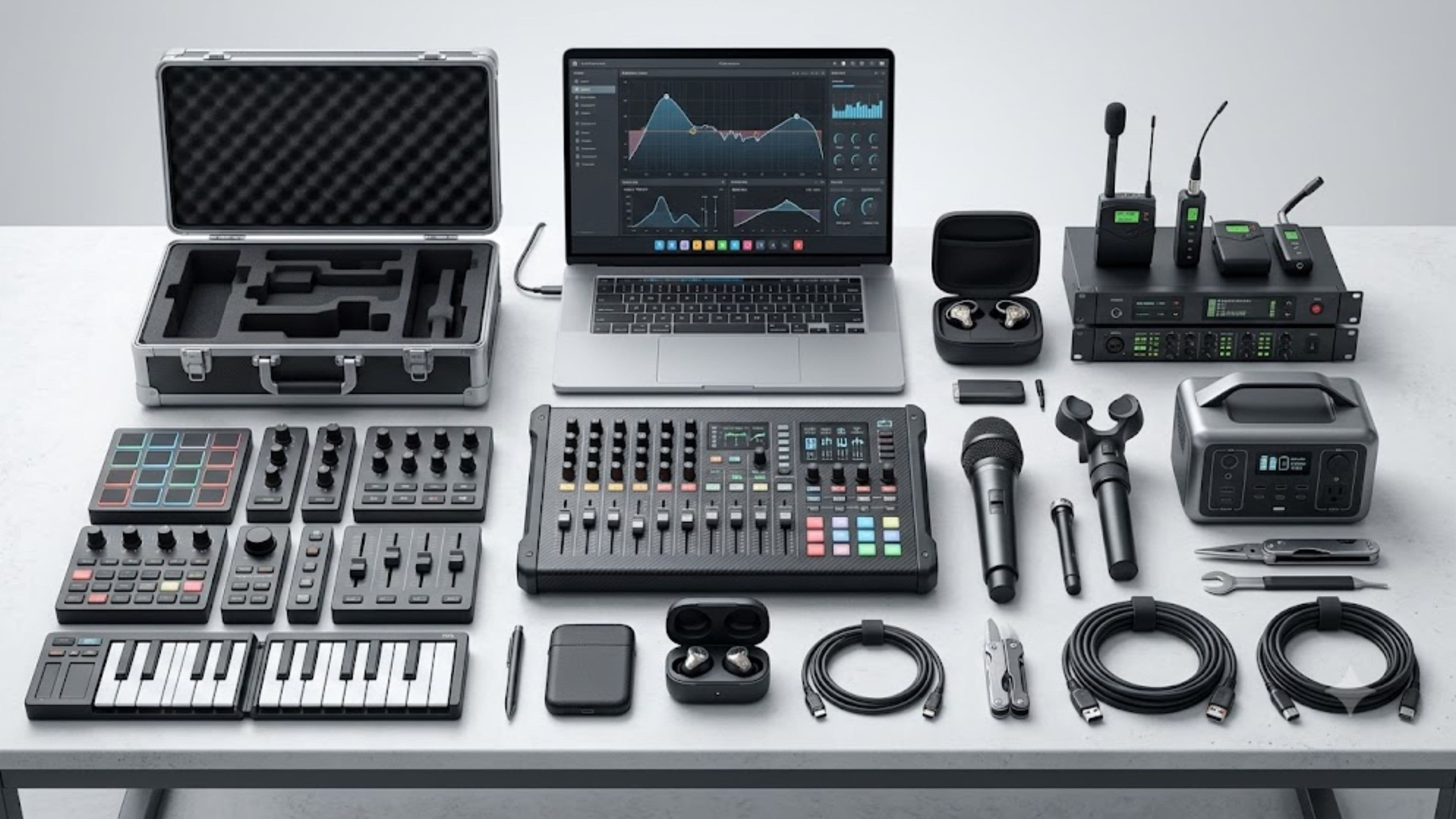
Invest in a reliable, simple recording setup rather than assuming your soundboard feed alone will suffice. A direct soundboard recording captures the mixed output going to the house speakers, but this often misses crowd energy and room ambiance that makes a live recording feel genuinely alive. Pairing a soundboard feed with a simple stereo room microphone setup, blended together afterward, tends to produce a much more compelling final product than either source alone.
Get in the habit of recording every show, even ones that don't feel special in the moment. Some of the best live recordings come from unexpected nights rather than the ones you planned to be significant, and you won't know which show captured something special until you listen back later.
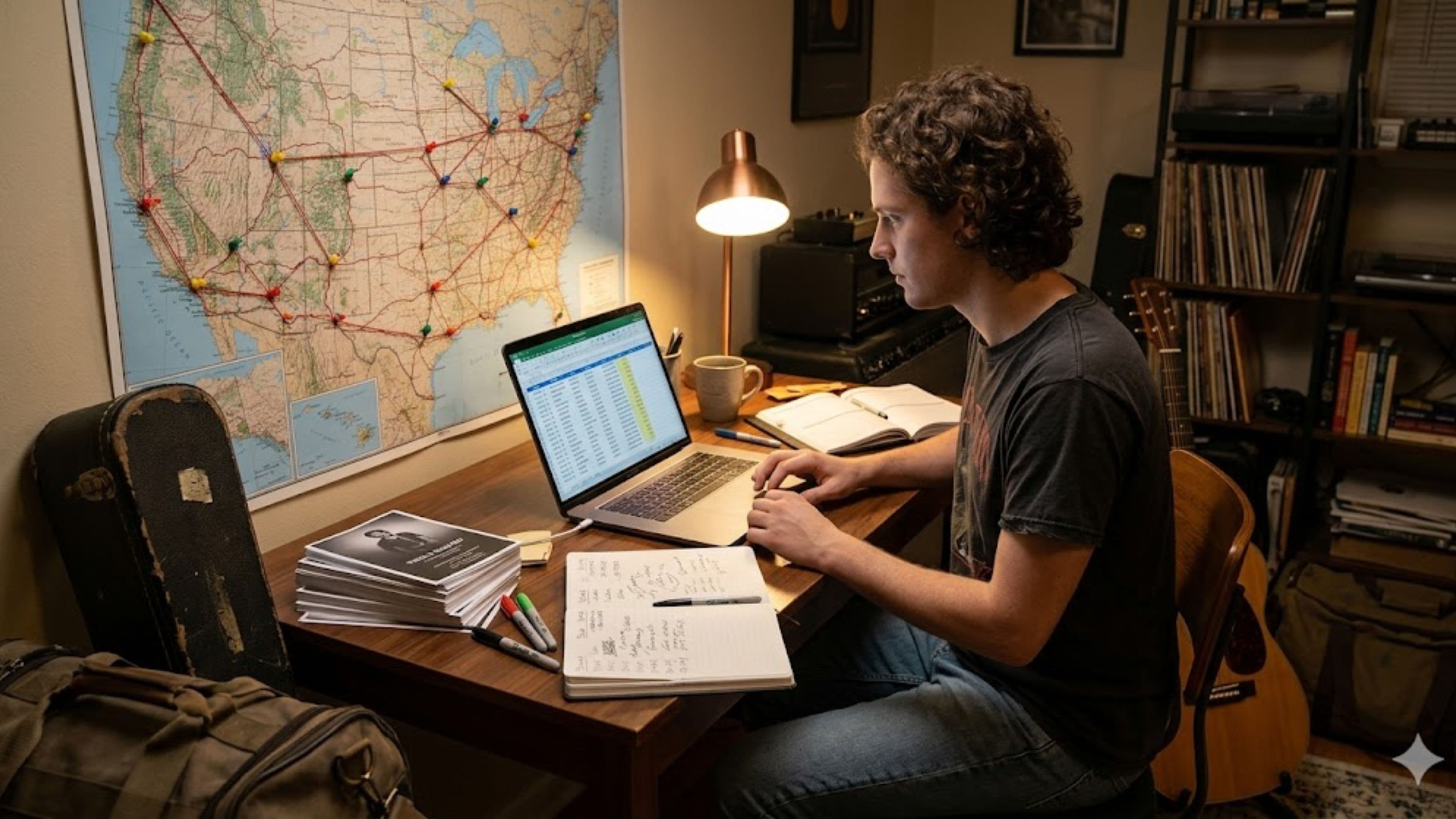
Keep a simple, consistent file naming and storage system. As your catalog of live recordings grows, being able to quickly find a specific date, venue, or performance becomes genuinely important, and this is much easier to maintain from the start than to organize retroactively after accumulating dozens of unlabeled files.
Where and How to Actually Sell Live Recordings
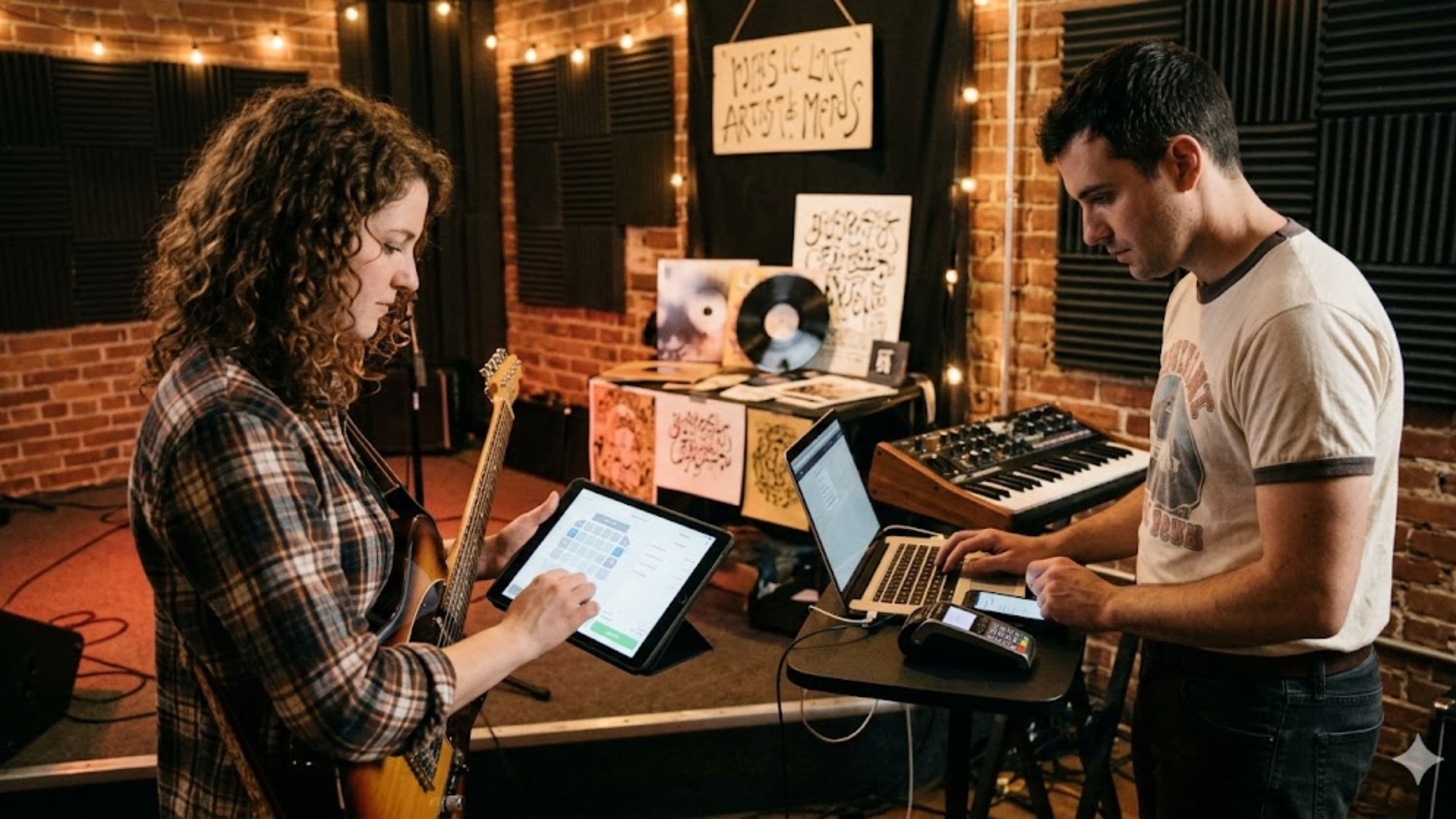
Direct-to-fan platforms. Services like Bandcamp allow artists to sell live recordings directly to fans, often with a more favorable revenue split than traditional streaming platforms, and with the flexibility to price and package recordings however makes sense (a single show, a curated "best of" live compilation, a full tour archive).
Tiered access through fan membership platforms. Some artists offer live recordings as a benefit within a paid fan membership or subscription tier, turning what could be a one-time purchase into a recurring revenue stream tied to ongoing fan support.
Limited or specific releases tied to memorable shows. Rather than releasing every single recorded show, some artists find more success curating specific releases – a hometown show, a particularly well-received performance, an anniversary show – which creates a stronger reason for fans to want that specific release rather than treating your live catalog as an undifferentiated archive.
What to Watch Out For
Rights and clearance issues matter, especially for cover songs. If your live set includes cover songs, selling recordings of those performances involves mechanical licensing considerations that don't apply to your original material. This is a genuinely important detail to understand before selling recordings containing covers, since licensing requirements differ from simply performing a cover live.
Audio quality expectations from fans have risen. A recording that sounds noticeably rough or poorly balanced can undercut the perceived value of what you're selling, so it's worth investing at least modestly in a clean, well-mixed final product rather than selling raw, unprocessed board recordings.
Venue and contract restrictions sometimes apply. Some venues have their own policies about recording and selling live performance audio, so it's worth confirming this is permitted before setting up your recording rig, particularly at venues you don't have an established relationship with.
Realistic Expectations
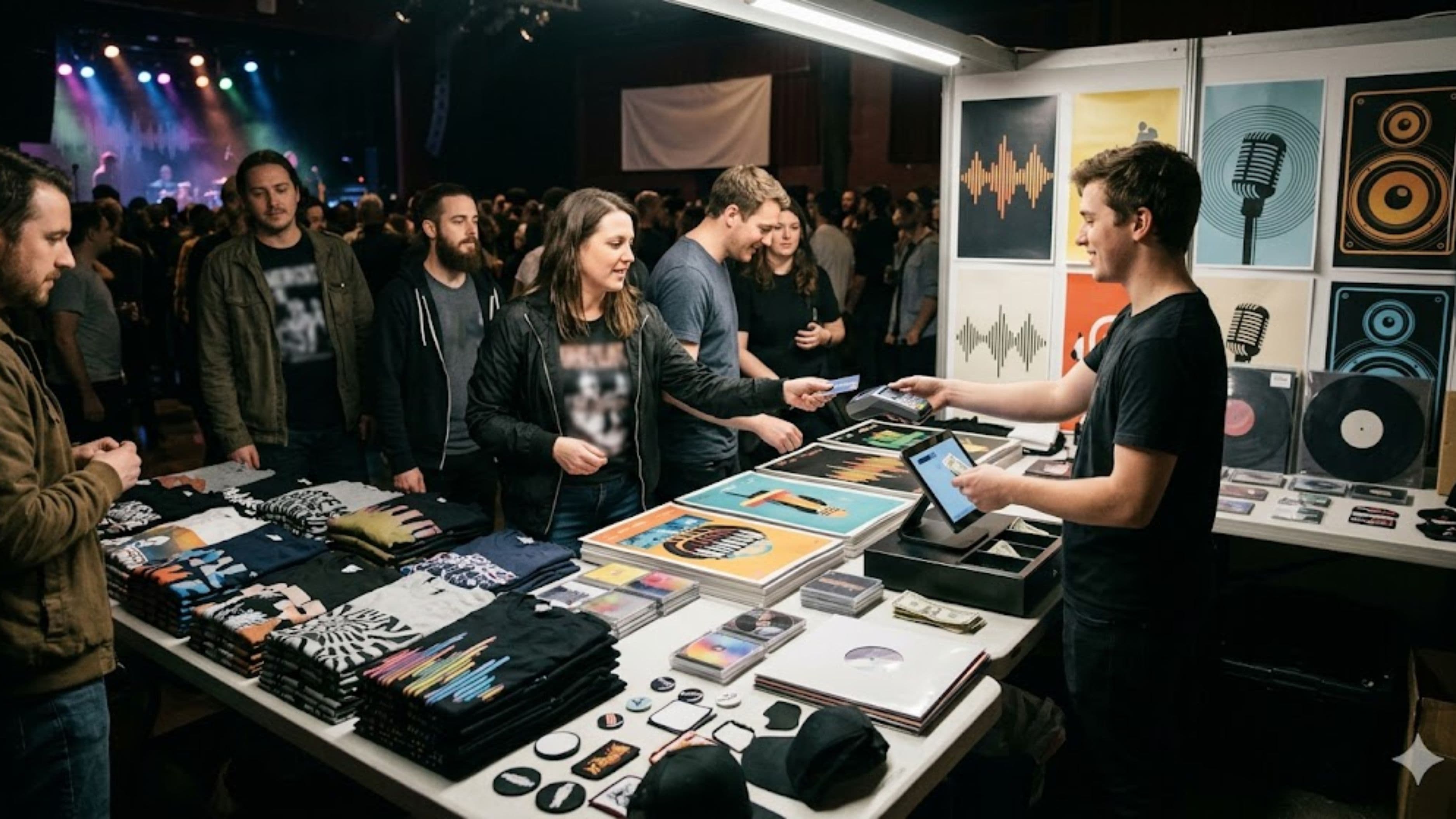
Live recording sales are rarely a primary income source on their own, especially early in an artist's career, but they can meaningfully supplement other revenue streams (merchandise, streaming, direct fan support) with relatively low ongoing production cost once your recording setup is established. Growth here tends to be gradual, built on a consistent catalog and a fan base that values the specific, unrepeatable nature of live performance, rather than a single release driving a dramatic income spike.
Common Mistakes to Avoid
Avoid releasing every single recorded show without any curation, which can dilute the perceived value of your catalog and make it harder for fans to know where to start. It's also worth avoiding neglecting basic audio cleanup before release – even simple, accessible editing tools can meaningfully improve a rough recording without requiring a full professional mixing engineer for every release.
FAQ
Do I need expensive recording equipment to start selling live recordings? No. A reliable audio interface, a simple stereo microphone setup, and access to your venue's soundboard feed can produce a genuinely sellable recording without requiring professional-grade touring equipment.
Can I sell recordings of shows that include cover songs? This involves mechanical licensing considerations that differ from simply performing covers live, so it's worth researching licensing requirements or consulting a resource like the Harry Fox Agency before selling recordings containing cover material.
How should I price live recordings compared to studio releases? Many artists price live recordings similarly to or slightly below studio releases, though this varies based on your specific fan base and how you're packaging the release (single show versus a curated multi-show collection).
Bottom Line
Selling your own live show recordings turns something you're already creating as part of a normal performance into a legitimate, if modest, additional revenue stream. It requires a reasonably reliable recording setup, some attention to audio quality, and awareness of licensing considerations around covers, but for independent artists already playing regular shows, it's a low-cost way to expand a catalog and give dedicated fans something genuinely worth paying for.
📚 Sources
Bandcamp – Artist Resources for Selling Music Directly to Fans. bandcamp.com
Harry Fox Agency – Mechanical Licensing Overview. harryfox.com