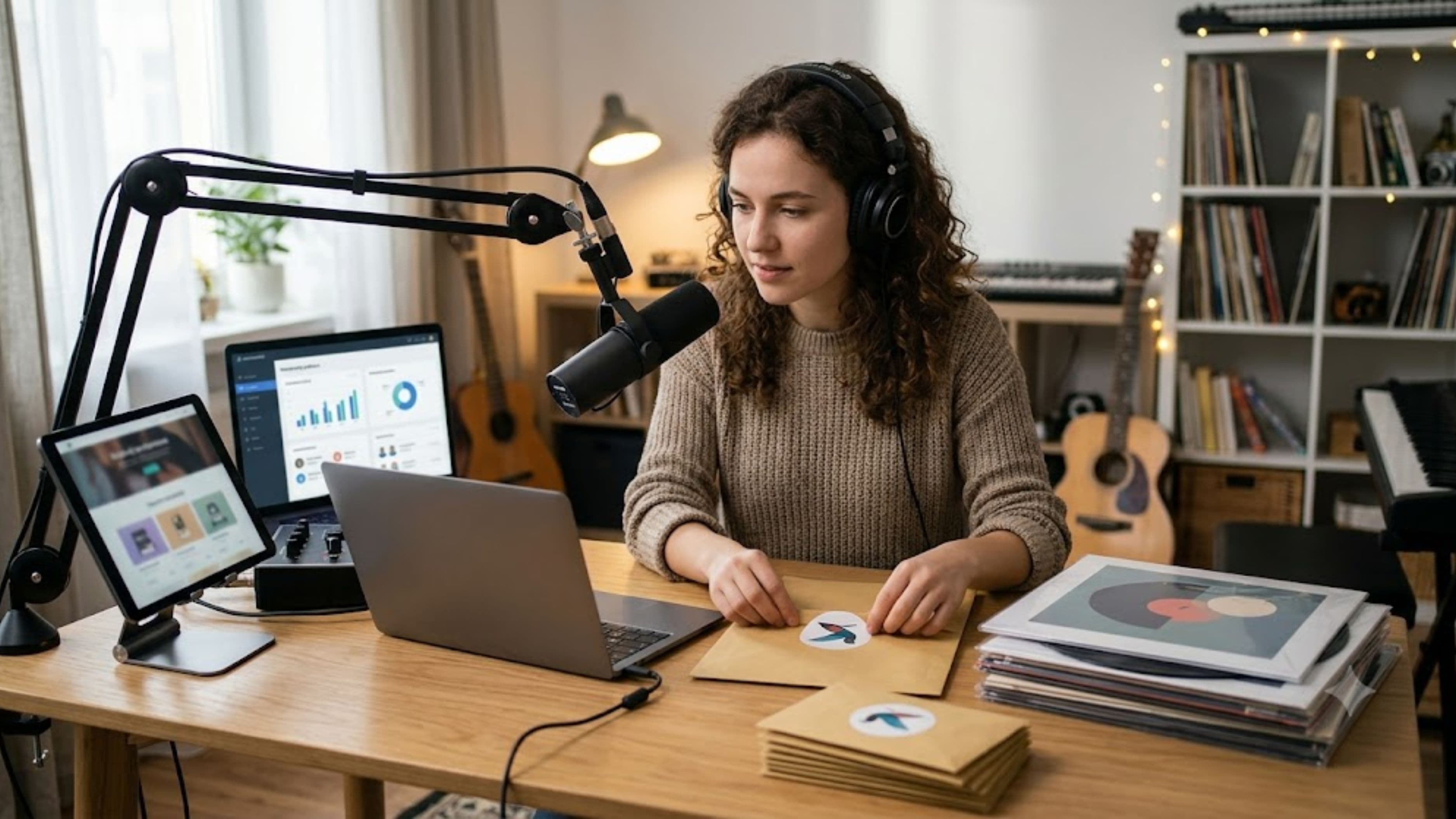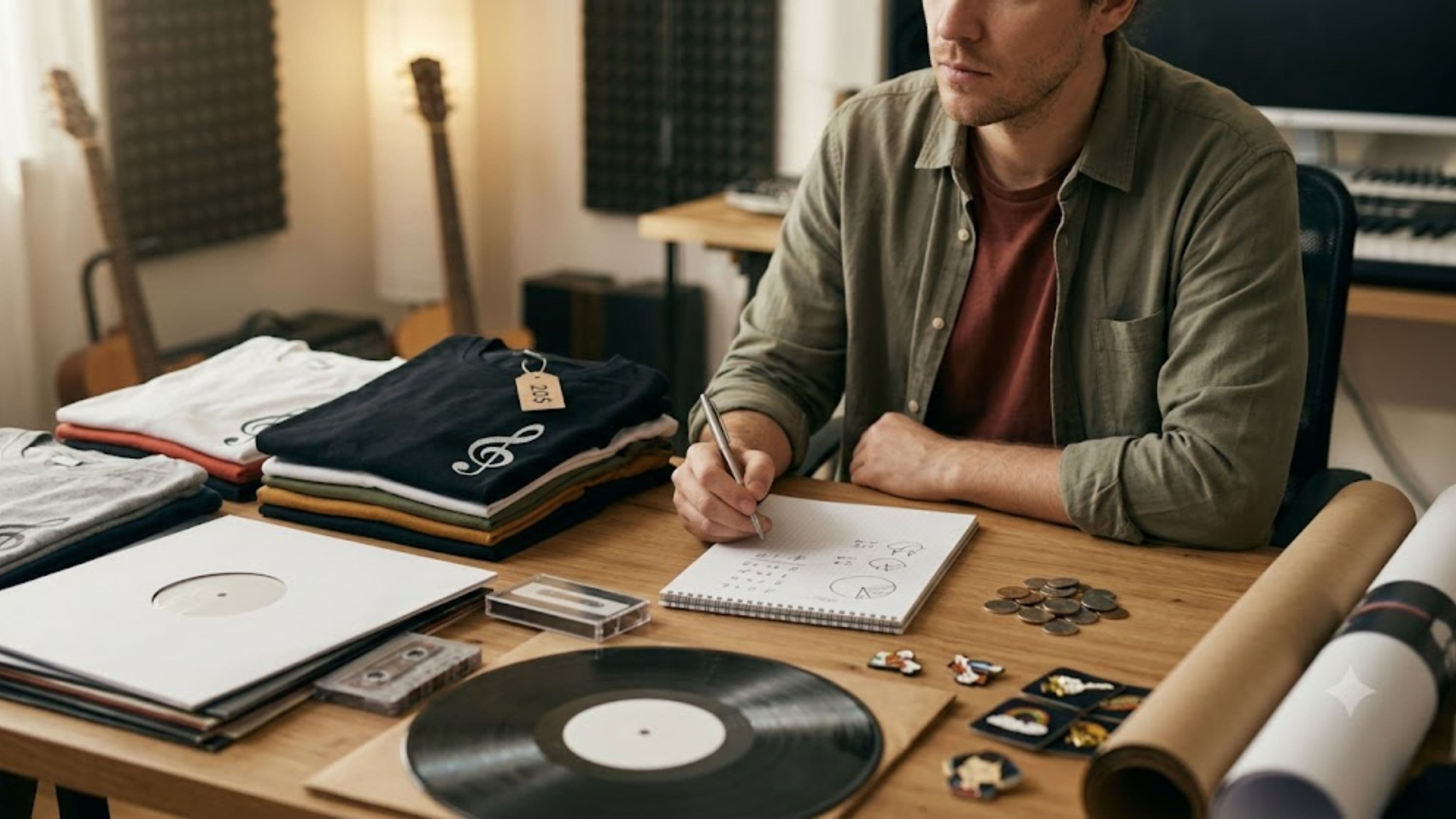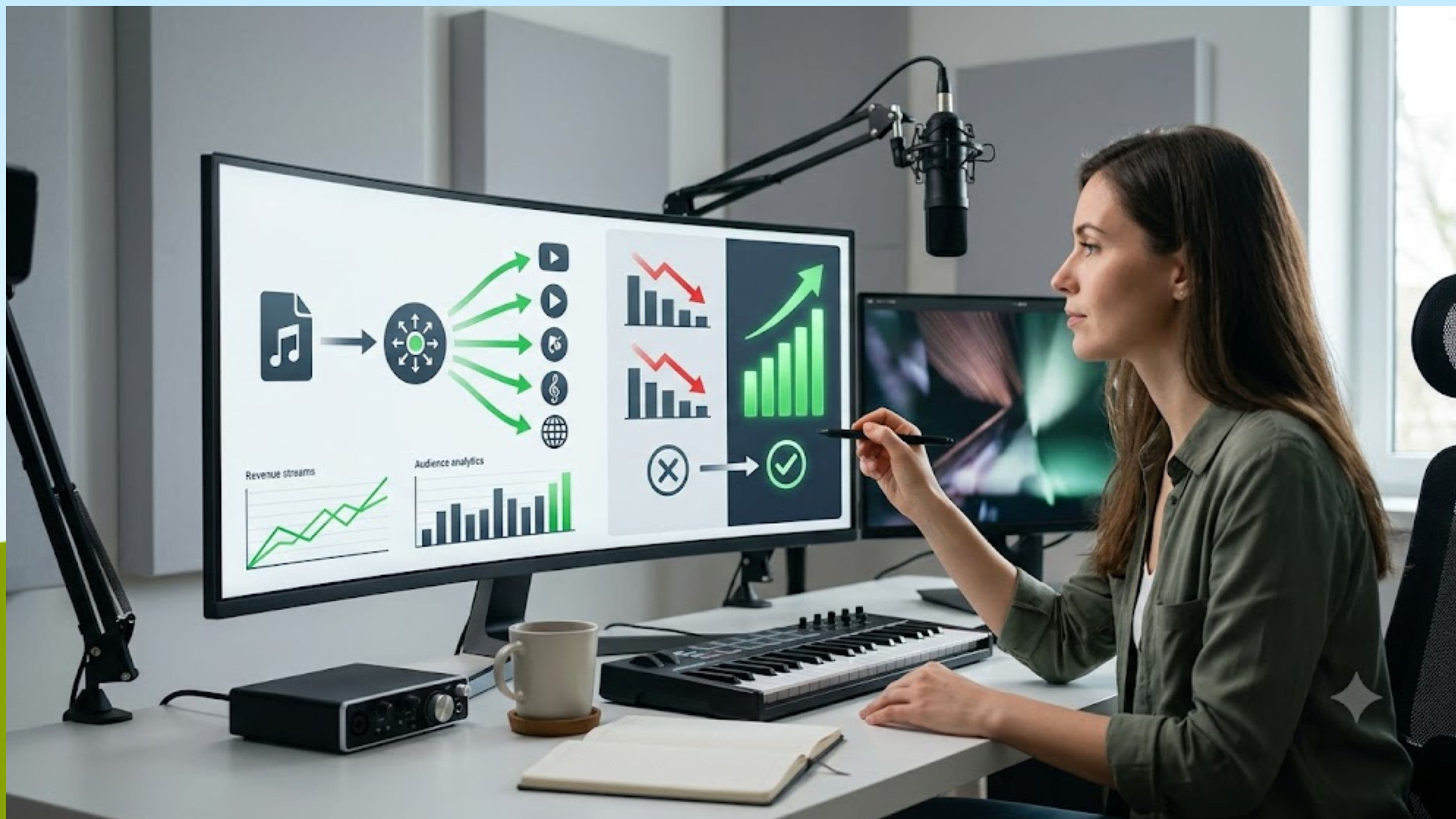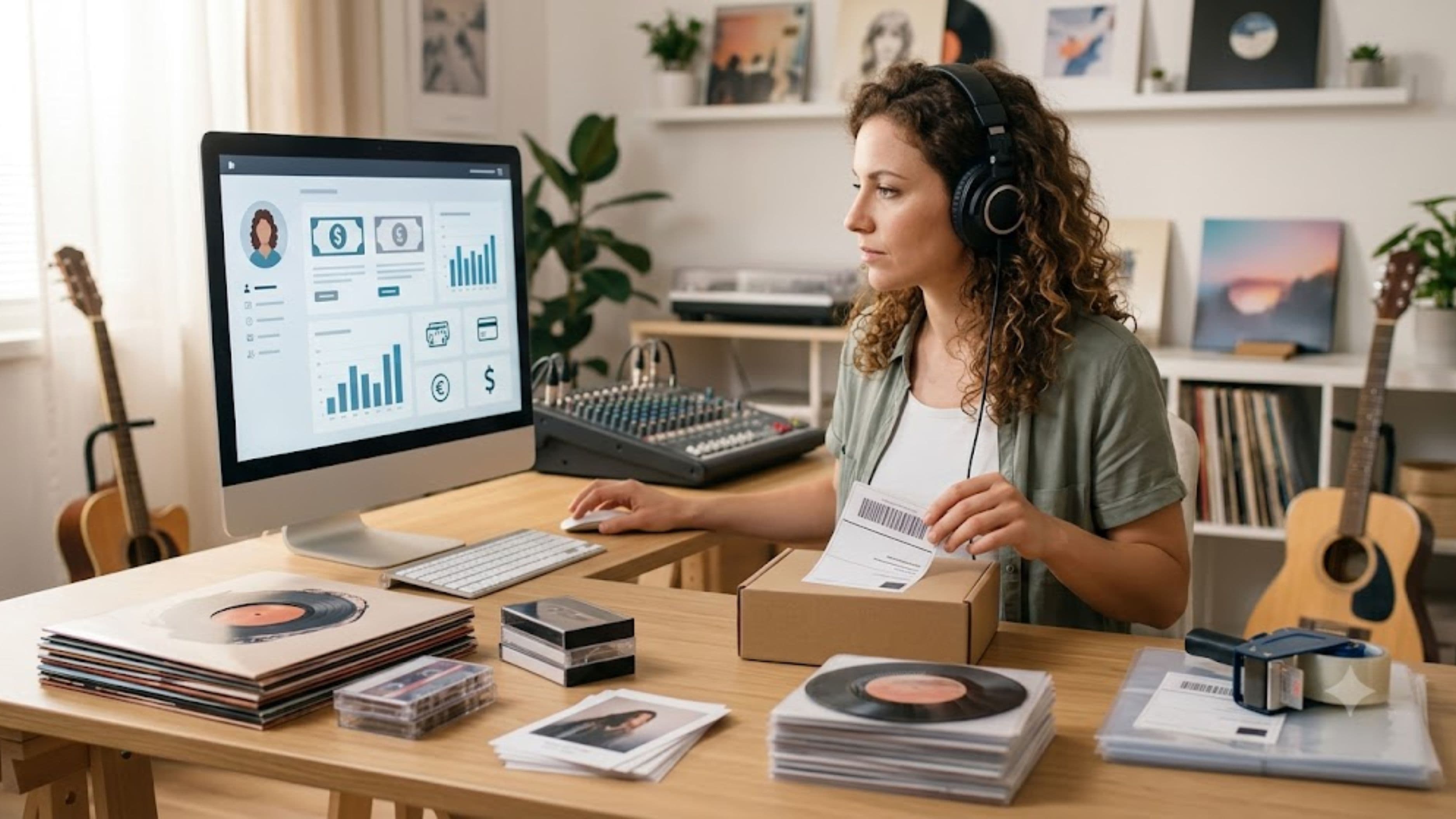
This isn't about abandoning streaming entirely. It's about understanding where direct sales fit into your overall strategy and how to use these platforms effectively alongside, or instead of, traditional distribution depending on your goals.
Why Artists Are Exploring Direct Sales
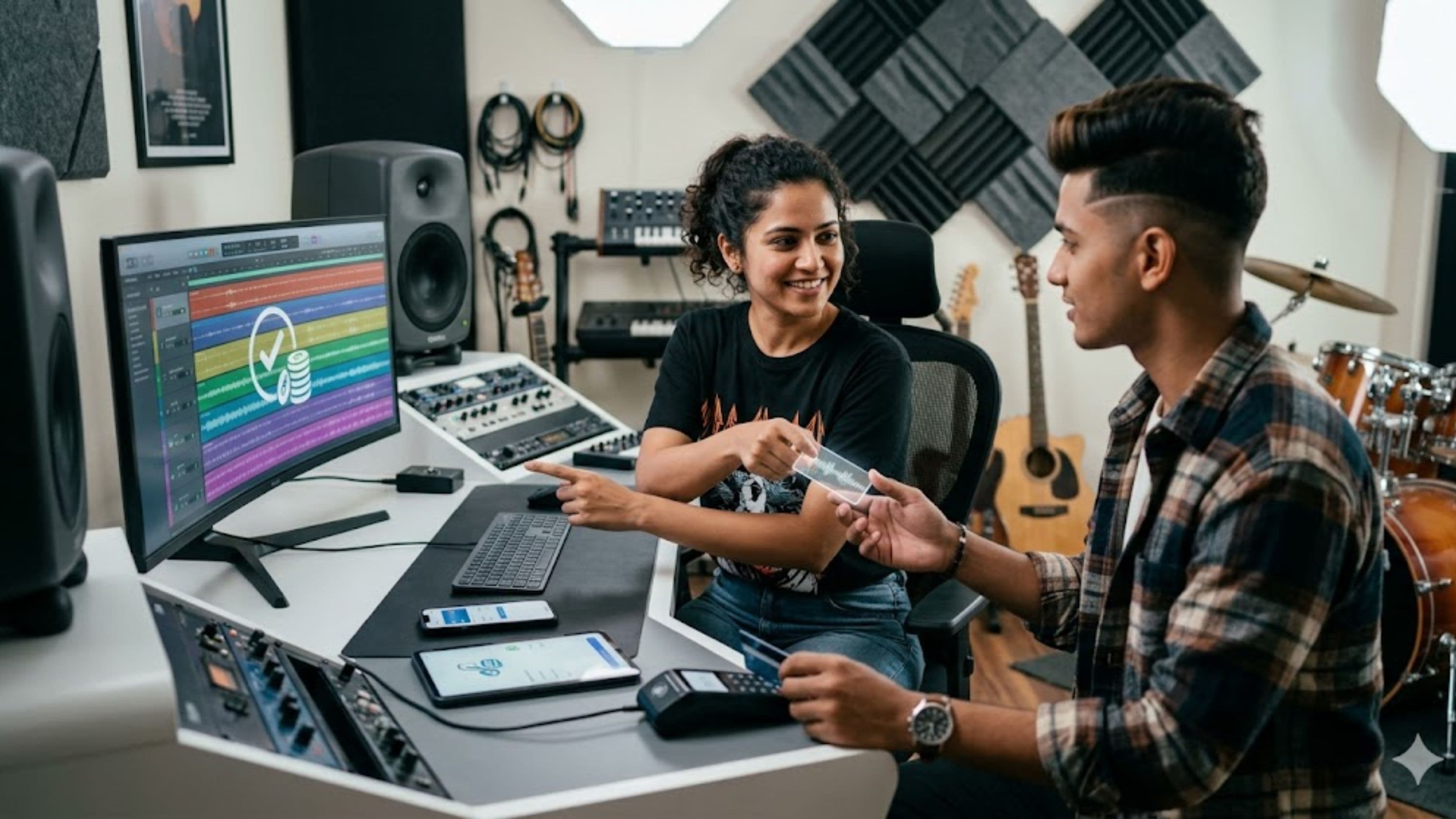
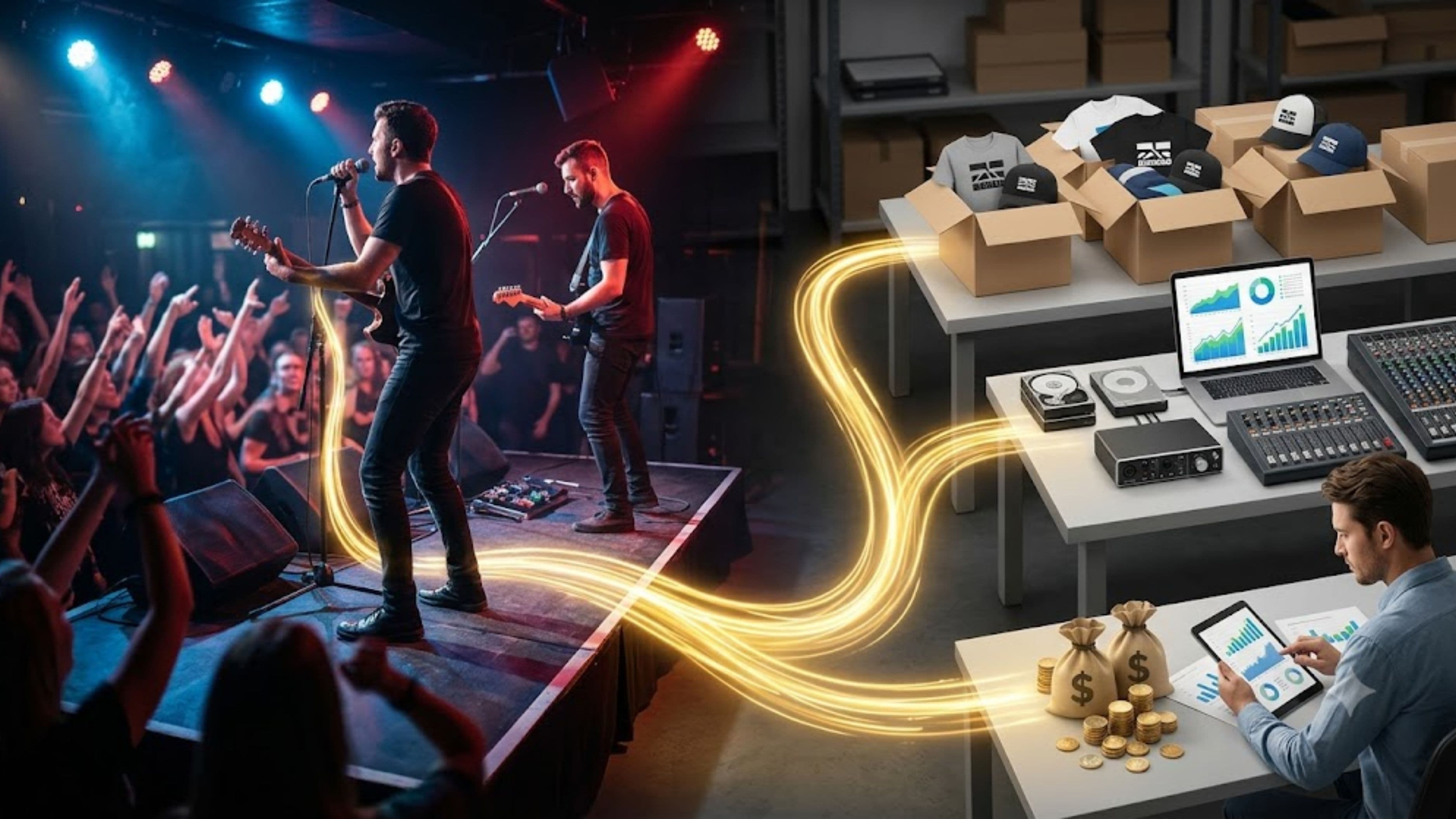
Streaming pays fractions of a cent per stream, which means meaningful income typically requires either massive listener volume or additional revenue streams beyond streaming alone. Direct sales flip this model: instead of earning a tiny amount per stream across a huge audience, you earn a full sale price from a smaller, more dedicated group of fans who are willing to pay directly for your music.
This model tends to work best for artists who've already built some level of engaged fanbase, even a modest one, since direct sales rely on fans actively choosing to purchase rather than passively discovering your music through algorithmic playlists the way streaming often works.
Platforms Built for Direct Music Sales
Bandcamp
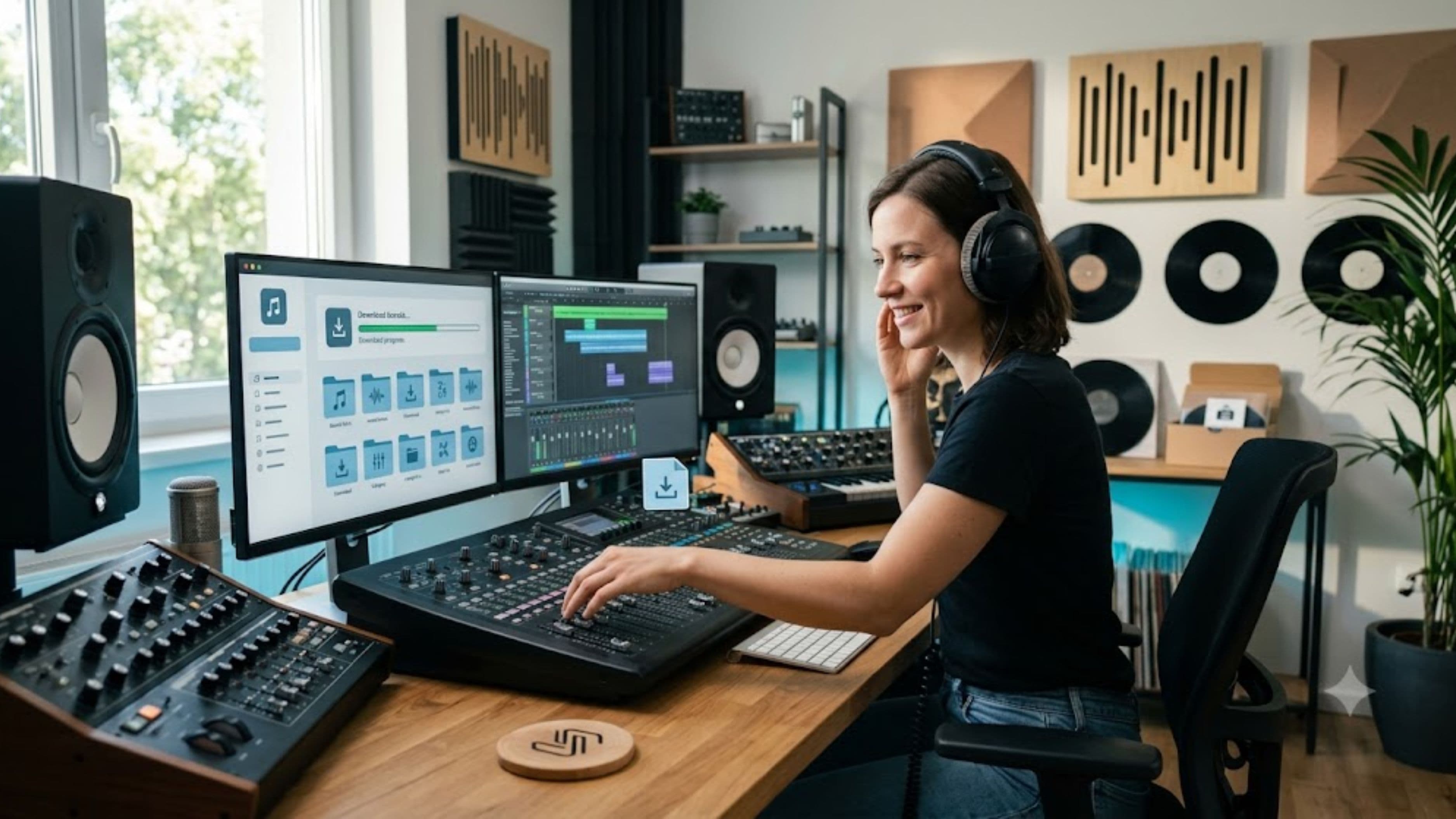
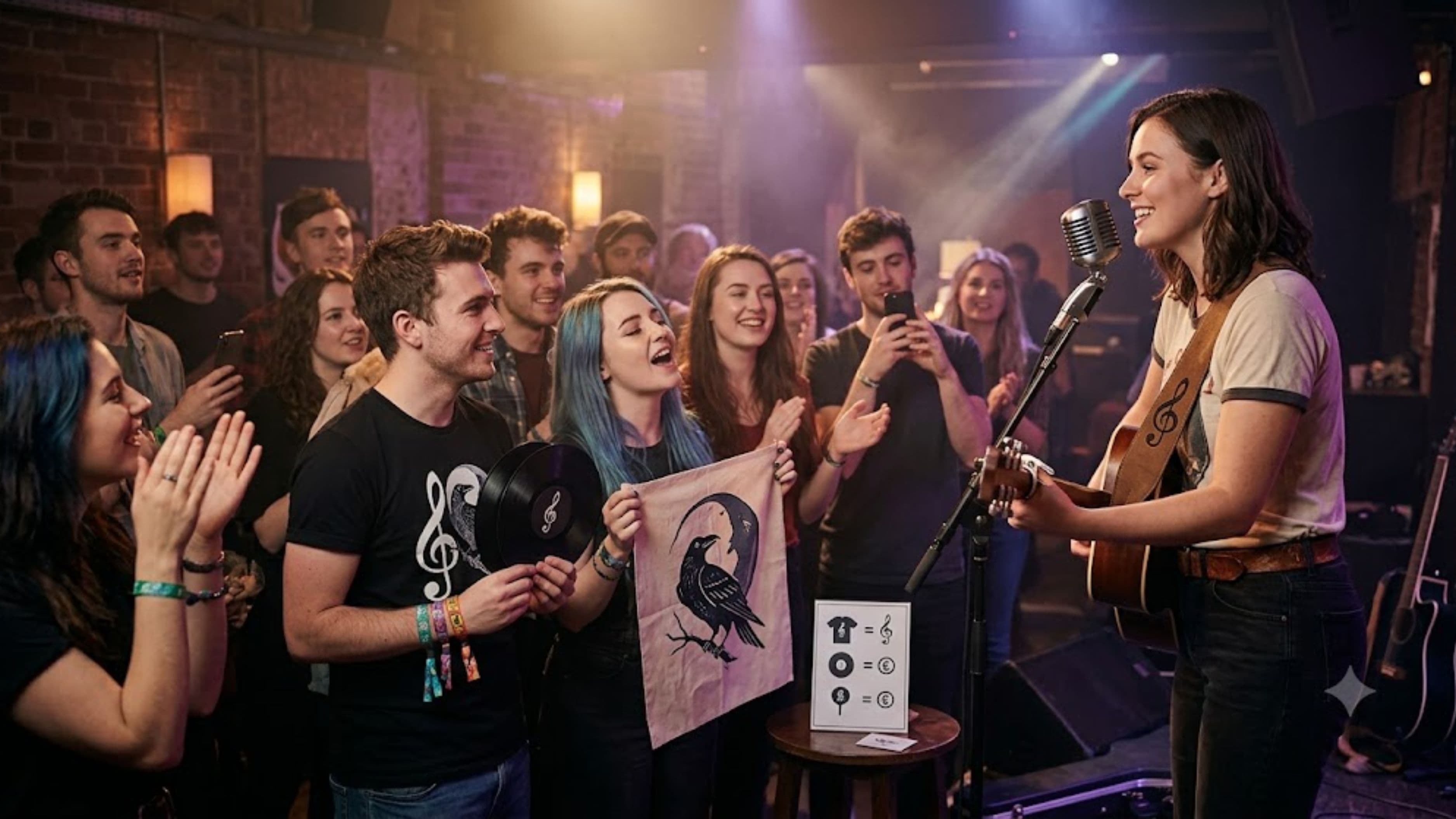
Bandcamp remains one of the most established platforms for direct music sales, allowing artists to sell digital downloads, physical merchandise, and even offer pay-what-you-want pricing. Artists typically keep a significantly larger percentage of revenue compared to streaming royalties, and Bandcamp's fan-first community tends to attract listeners specifically looking to financially support artists directly rather than just stream passively.
The platform also runs periodic "Bandcamp Fridays," where the platform waives its revenue share entirely for a day, which can meaningfully boost sales during those windows if you time a release or promotion around them.
Your Own Website With an Embedded Store
Setting up direct sales through your own website, using tools that embed a simple checkout for digital downloads or merchandise, gives you the most control over branding, pricing, and the overall fan experience. This requires more setup effort than using an established platform, but it also means you're not dependent on a third-party platform's policies, fees, or algorithm changes.
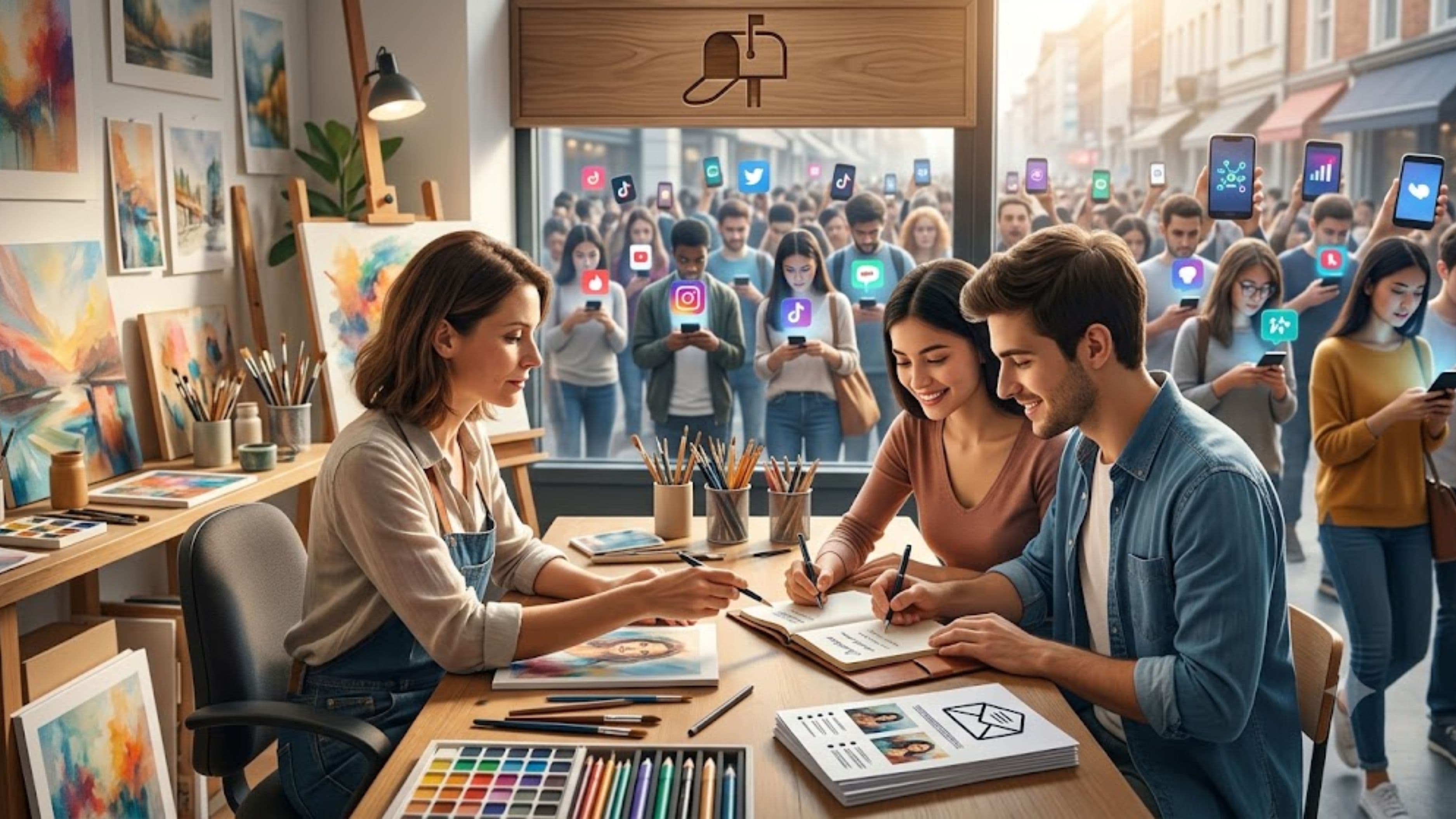
This approach works particularly well when paired with an email list, since you own that direct communication channel with fans rather than relying entirely on a platform's own audience or notification system.
Patreon and Membership Platforms
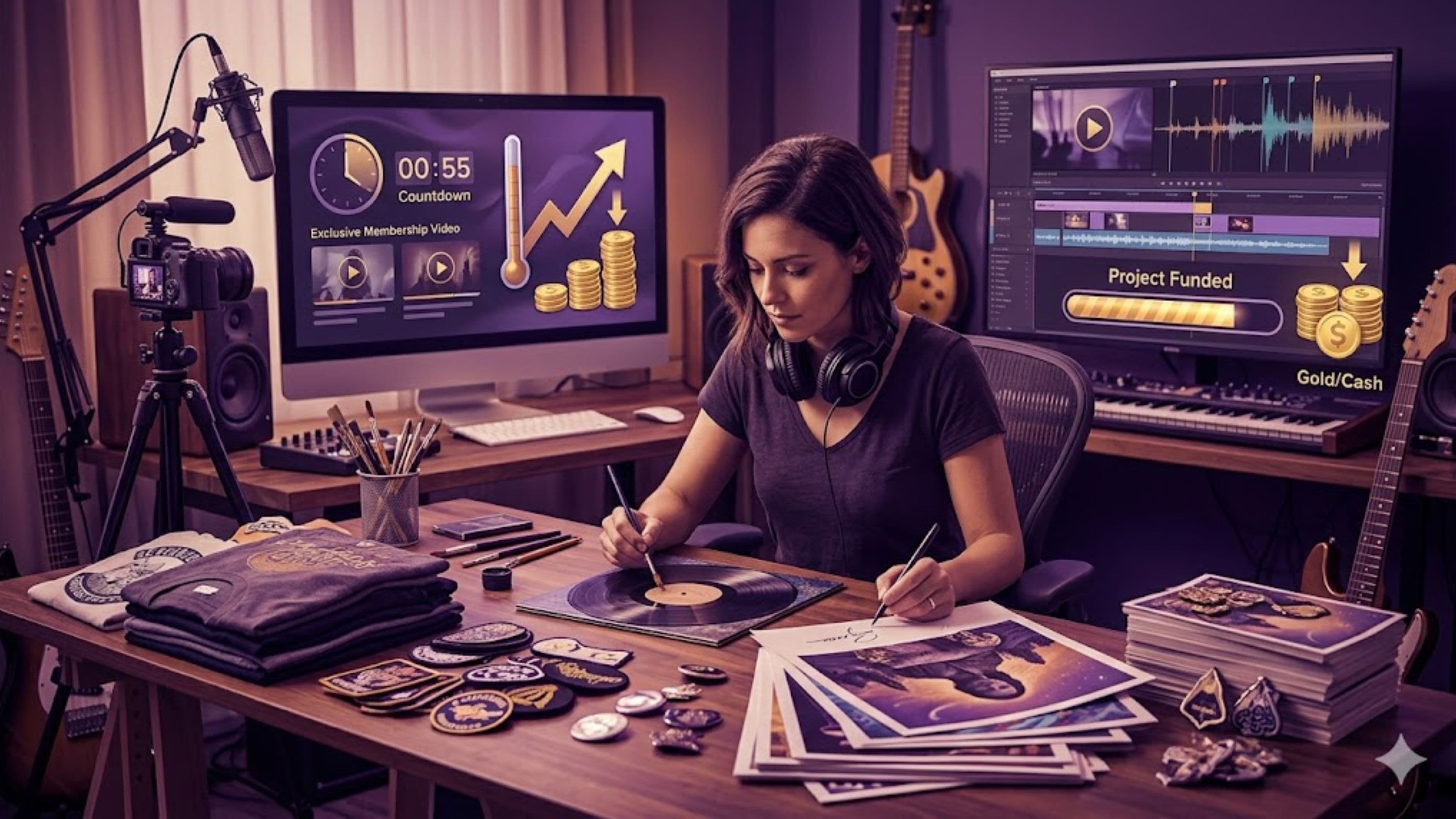
While not exclusively a music sales platform, Patreon and similar membership tools let artists offer exclusive tracks, early releases, or bonus content to paying subscribers on a recurring basis. This creates more predictable, recurring revenue compared to one-time sales, which can be valuable for planning and budgeting as an independent artist.
The trade-off is that membership platforms require ongoing content creation to keep subscribers engaged and justify the recurring cost, which is a different commitment than a single one-time sale through a platform like Bandcamp.
What You Need Before Starting Direct Sales
An Existing Audience, Even a Small One
Direct sales work because fans are actively choosing to support you financially, which requires some existing relationship or awareness, even if it's a modest following on social media or an email list. Without any existing audience, direct sales platforms alone won't generate discovery the way streaming's algorithmic playlists can, so this works best as a complement to, not a replacement for, other visibility efforts.
Properly Mastered, Release-Ready Files
Direct platforms generally expect the same audio quality standards as traditional distribution, so your files need to be properly mixed and mastered before going up for sale. Selling music that sounds noticeably lower quality than what fans expect from streaming can undermine trust, even if they're buying directly to support you rather than for the audio quality itself.
A Pricing Strategy That Makes Sense for Your Audience
Direct sales give you control over pricing, which is both an opportunity and a decision that requires some thought. Pay-what-you-want models can work well for building goodwill and lowering the barrier to purchase, while fixed pricing offers more predictable revenue per sale. Testing different approaches, or offering tiered options like a basic download versus a bundle with extras, can help you find what resonates with your specific audience.
What to Watch Out For
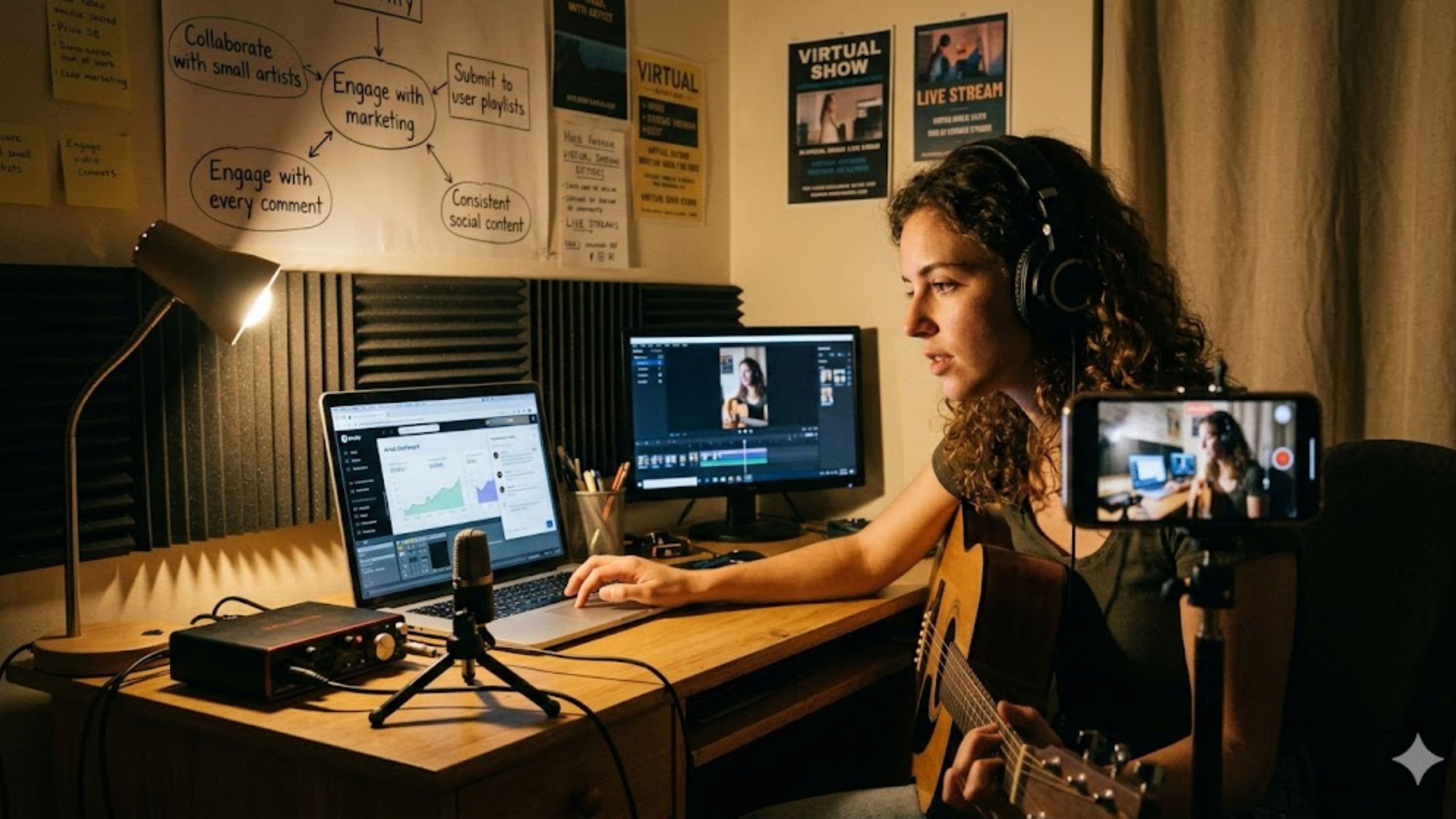
Direct sales platforms generally don't offer the same built-in discovery mechanisms that streaming platforms provide through algorithmic recommendations and playlists. This means you're responsible for driving traffic to your direct sales page yourself, through social media, email, or other promotion, which requires more ongoing effort than uploading to a distributor and letting streaming algorithms handle discovery.
It's also worth understanding each platform's specific fee structure and payout terms before committing, since even direct-to-fan platforms take some percentage or fee, just typically less than the layered cuts involved in traditional distribution and streaming royalty splits.
How to Approach This Practically
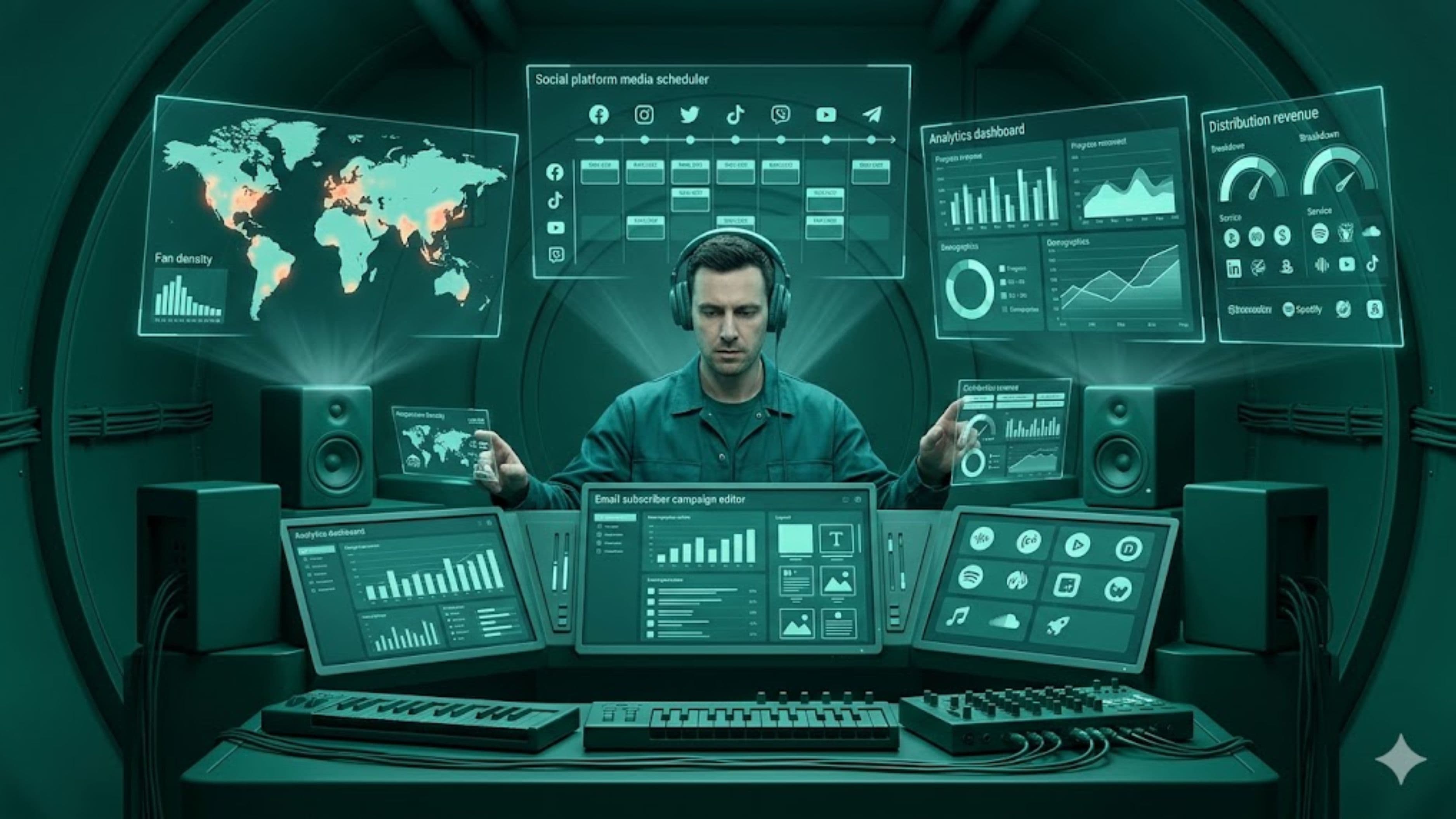
A reasonable strategy for most independent artists combines both approaches rather than choosing one exclusively: using streaming distribution for broad discovery and algorithmic reach, while building a direct sales presence, through Bandcamp or your own site, for your most engaged fans who want to support you more directly and who you can reach without relying on a platform's algorithm.
Announcing new releases or exclusive content to your email list or social following before or alongside a streaming release can drive meaningful direct sales activity in the release window, when fan interest and attention are naturally highest.
FAQ
Do I need a distributor at all if I'm using direct sales platforms? Not necessarily, though most artists benefit from using both, since distributors give you streaming platform reach that direct sales platforms typically don't replace on their own.
How much more money can I make from direct sales compared to streaming? This varies significantly based on your specific audience size and engagement, but a single direct sale often earns more than thousands of streams would generate in royalties, since you're capturing full sale value rather than fractional per-stream payouts.
Is Bandcamp still relevant for new artists, or is it mainly for established acts? Bandcamp remains genuinely useful for artists at any stage, particularly those building a dedicated fanbase, since its community is specifically oriented toward discovering and financially supporting independent music.
📚 Sources
"Music Industry Revenue Report" – Recording Industry Association of America – https://www.riaa.com/reports/
"How Streaming Royalties Work" – Recording Academy – https://www.grammy.com/advocacy
"Bandcamp for Artists" – Bandcamp – https://bandcamp.com/artists