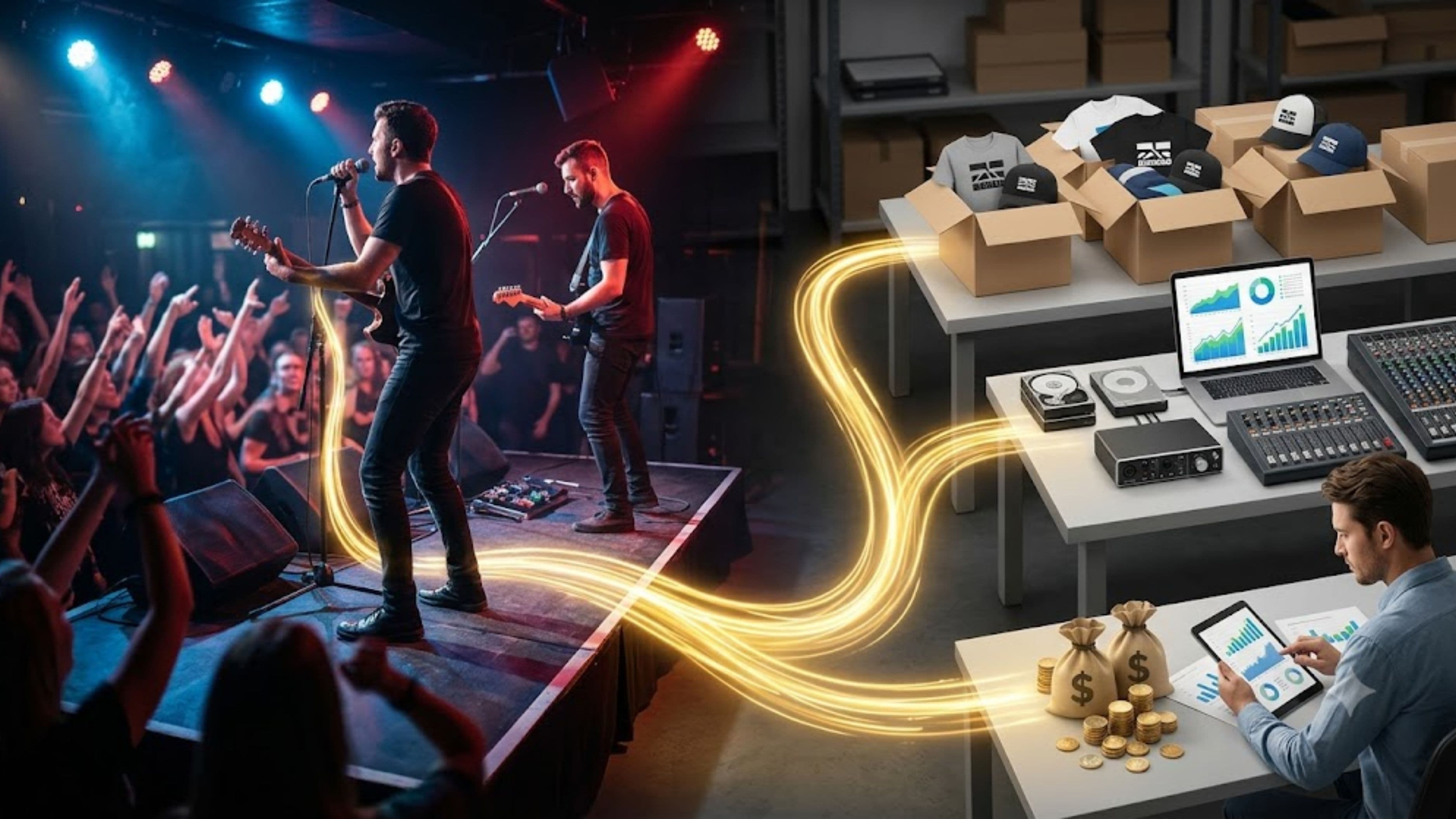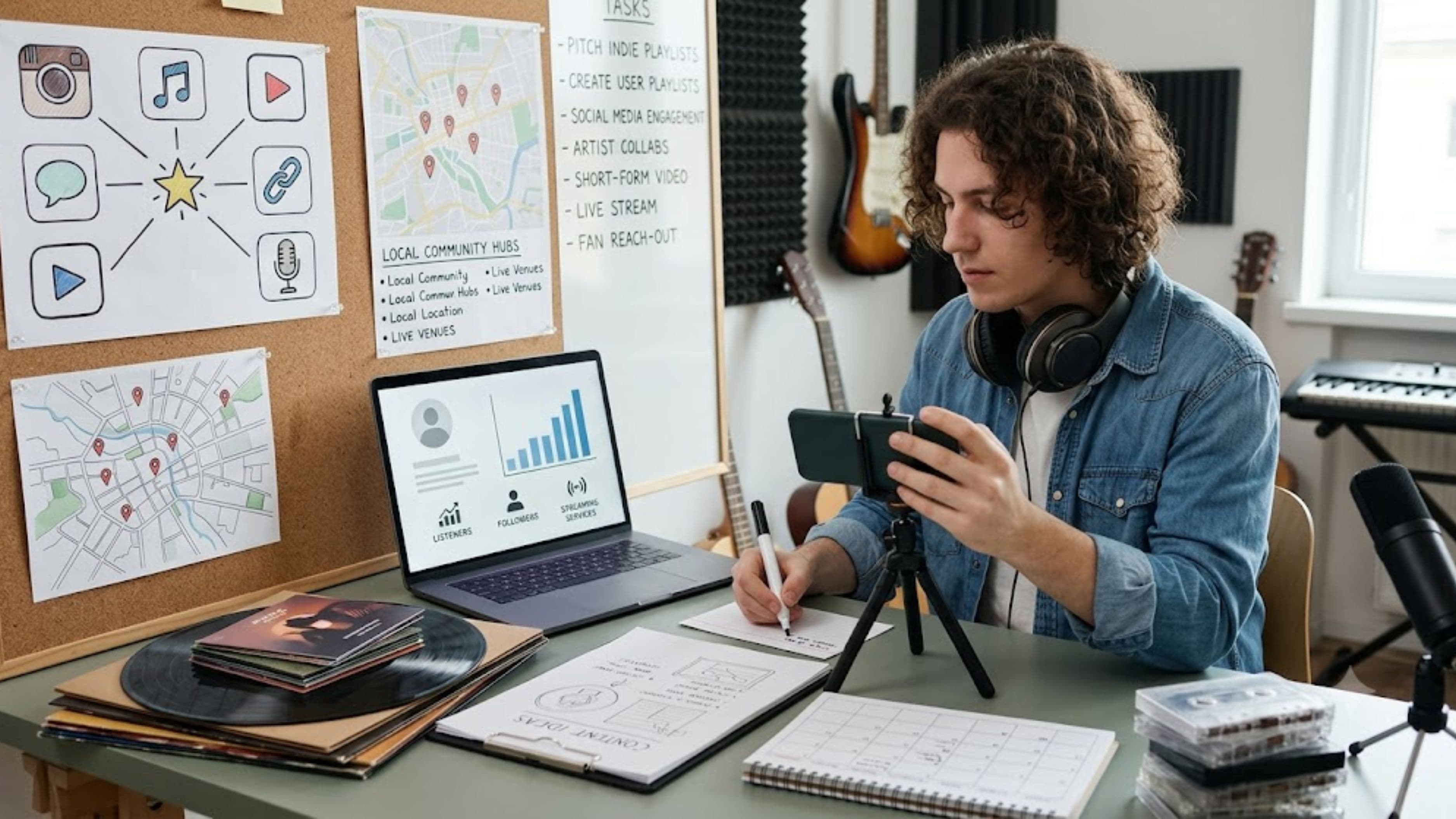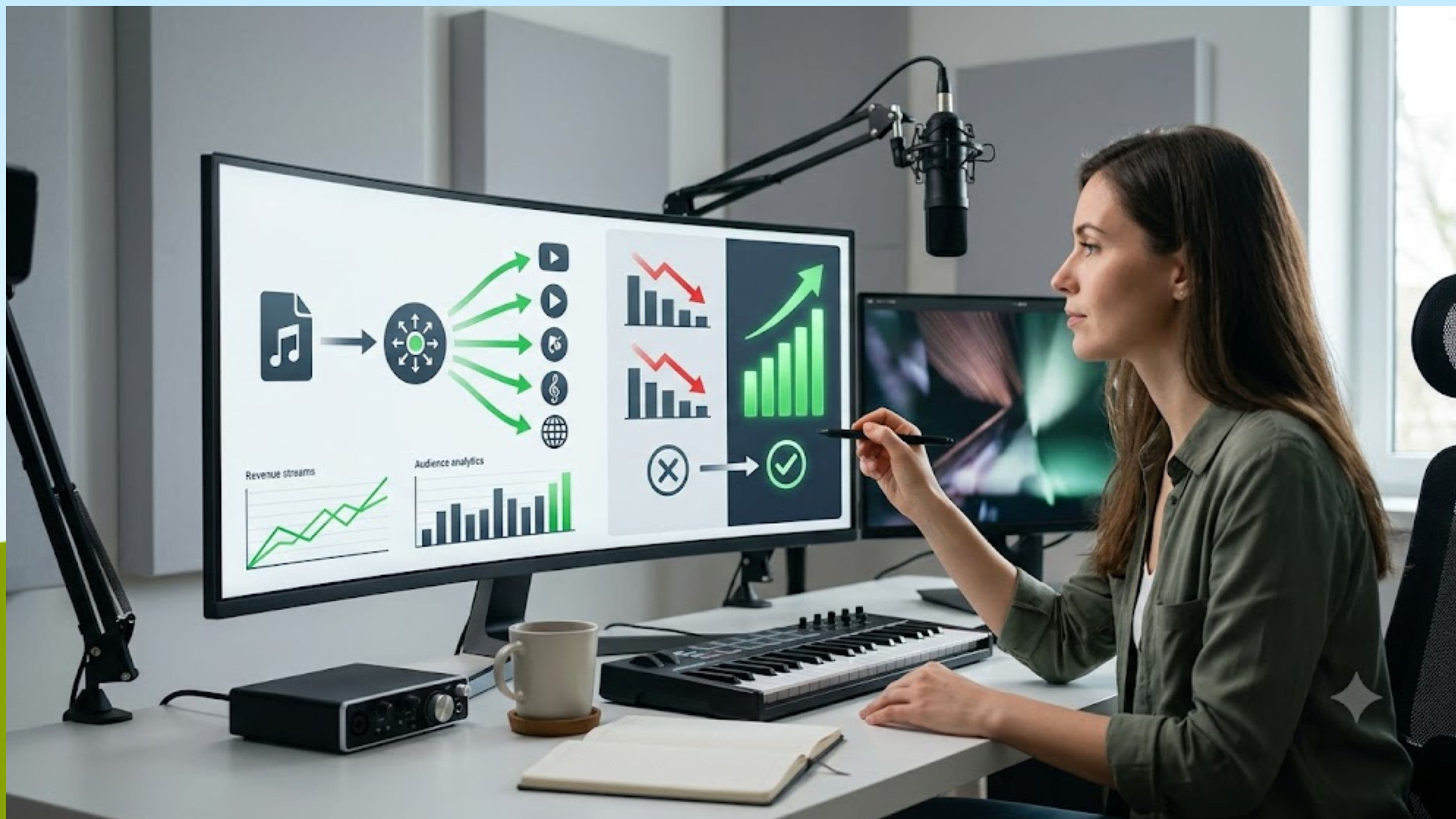
The shift isn't driven by one platform or one moment. It's the result of several things happening simultaneously: better licensing tools, social media discovery that operates at album-cycle speed, artist budgets moving away from label infrastructure, and a generation of independent artists who prefer sourcing beats on their own terms. For producers paying attention, the window is wide open.
What's Actually Changed
The core change is infrastructure. Selling beats directly used to mean building your own website, writing your own licensing agreements, chasing down payments, and handling delivery manually. Most producers either skipped the direct route entirely or built something clunky that converted poorly. The platforms that existed five years ago were either too basic or too focused on the traditional beat lease marketplace model to support a genuinely direct relationship between producer and artist.
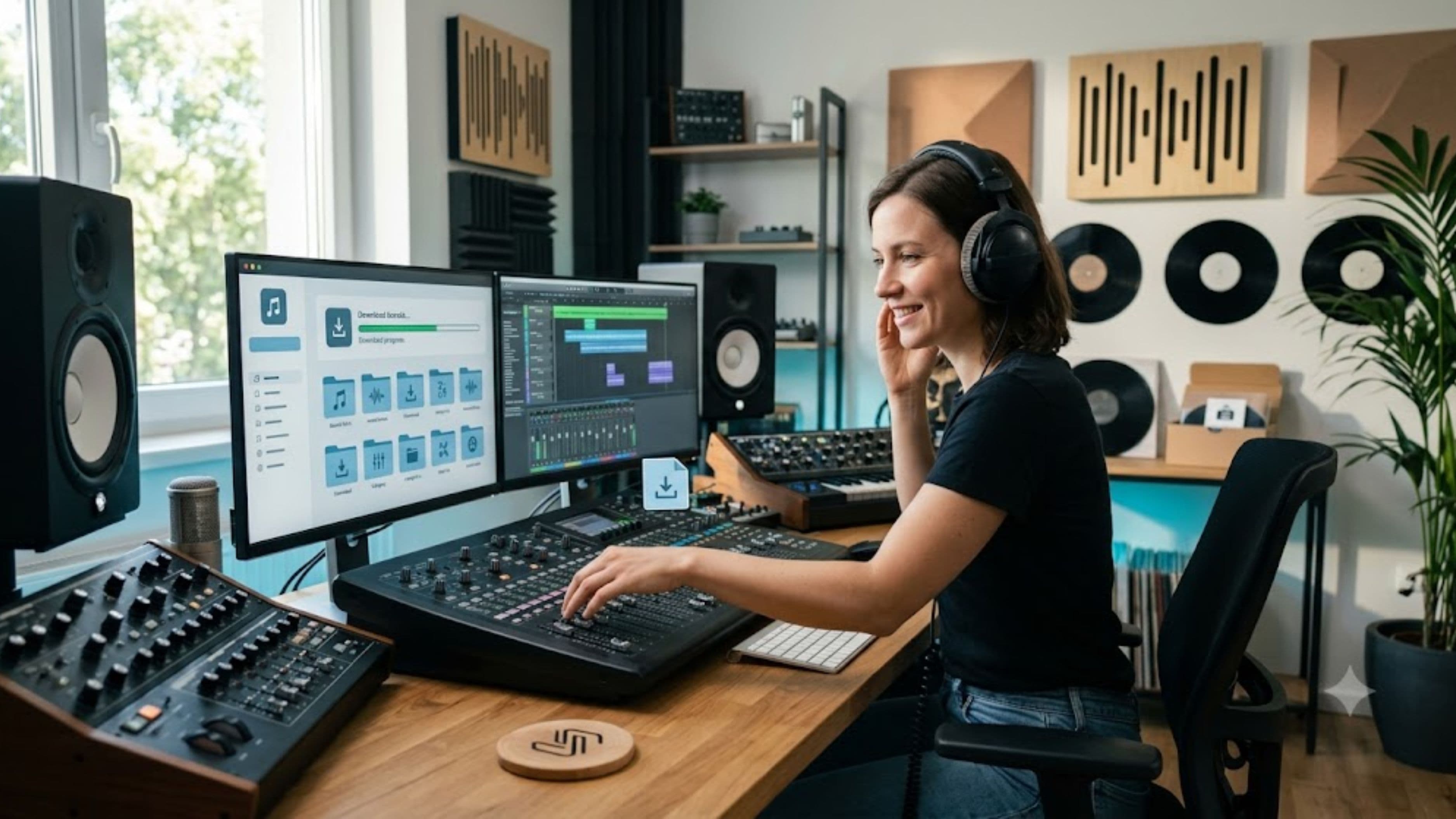
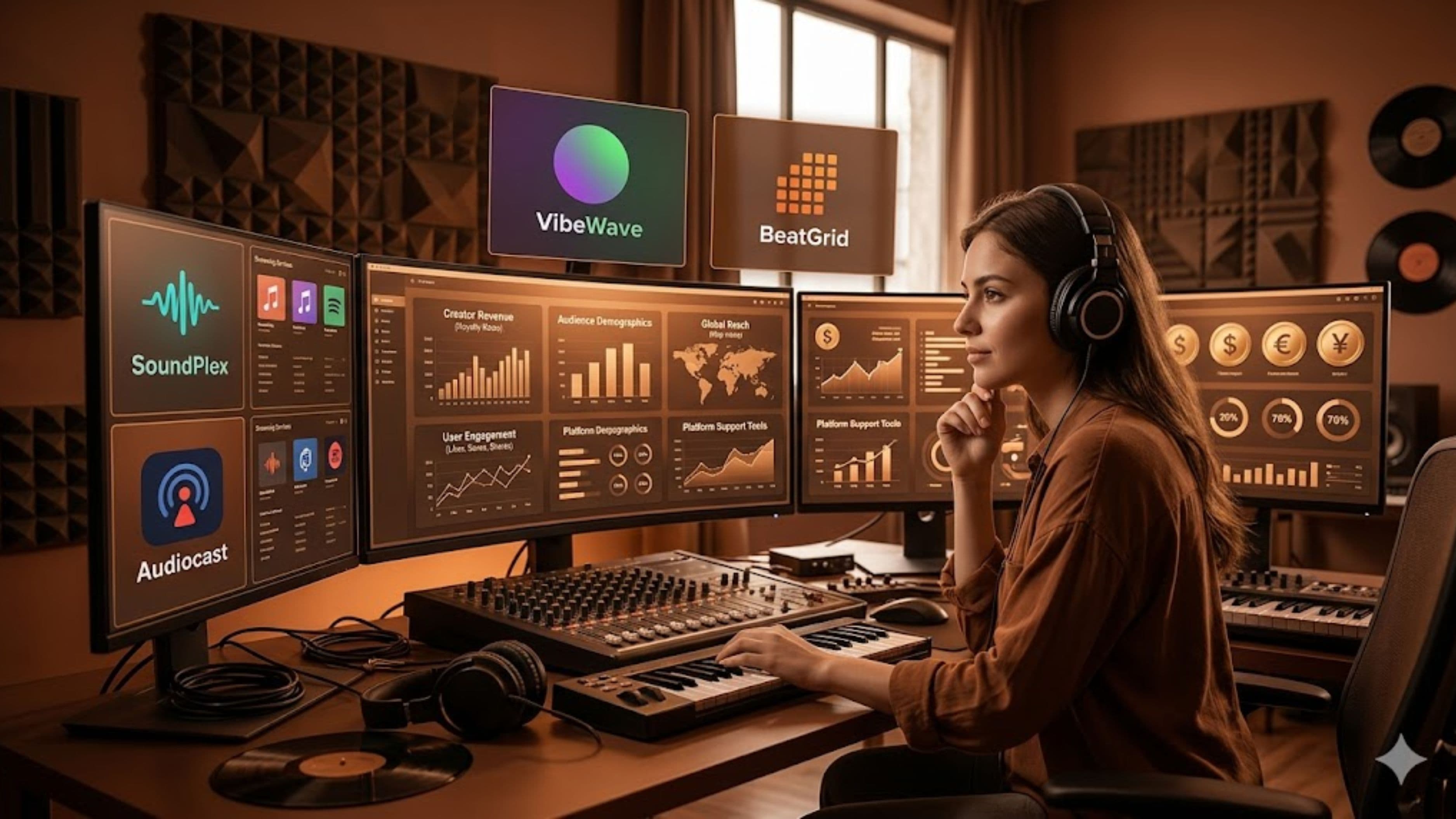
What's different now is that producers have access to tools that handle the entire transaction – licensing, payment, file delivery, and even contract execution – without requiring a third-party marketplace to sit in the middle and take a cut. Platforms like Airbit, BeatStars, and Looperman have matured significantly, but producers are increasingly using them more as storefronts than as discovery engines – driving their own traffic rather than relying on marketplace search rankings. The distinction matters because when you own the traffic relationship, you also own the customer relationship.
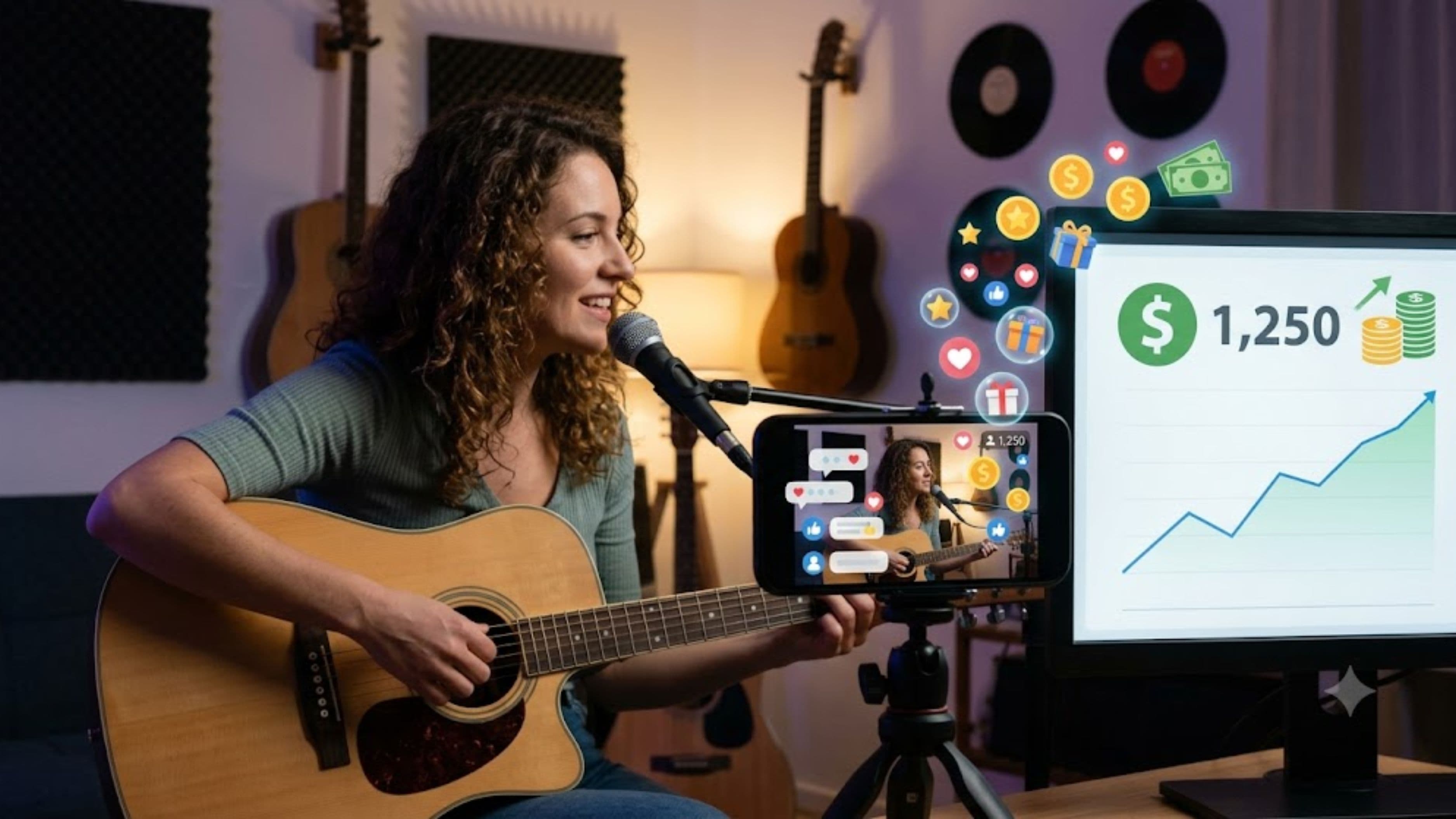
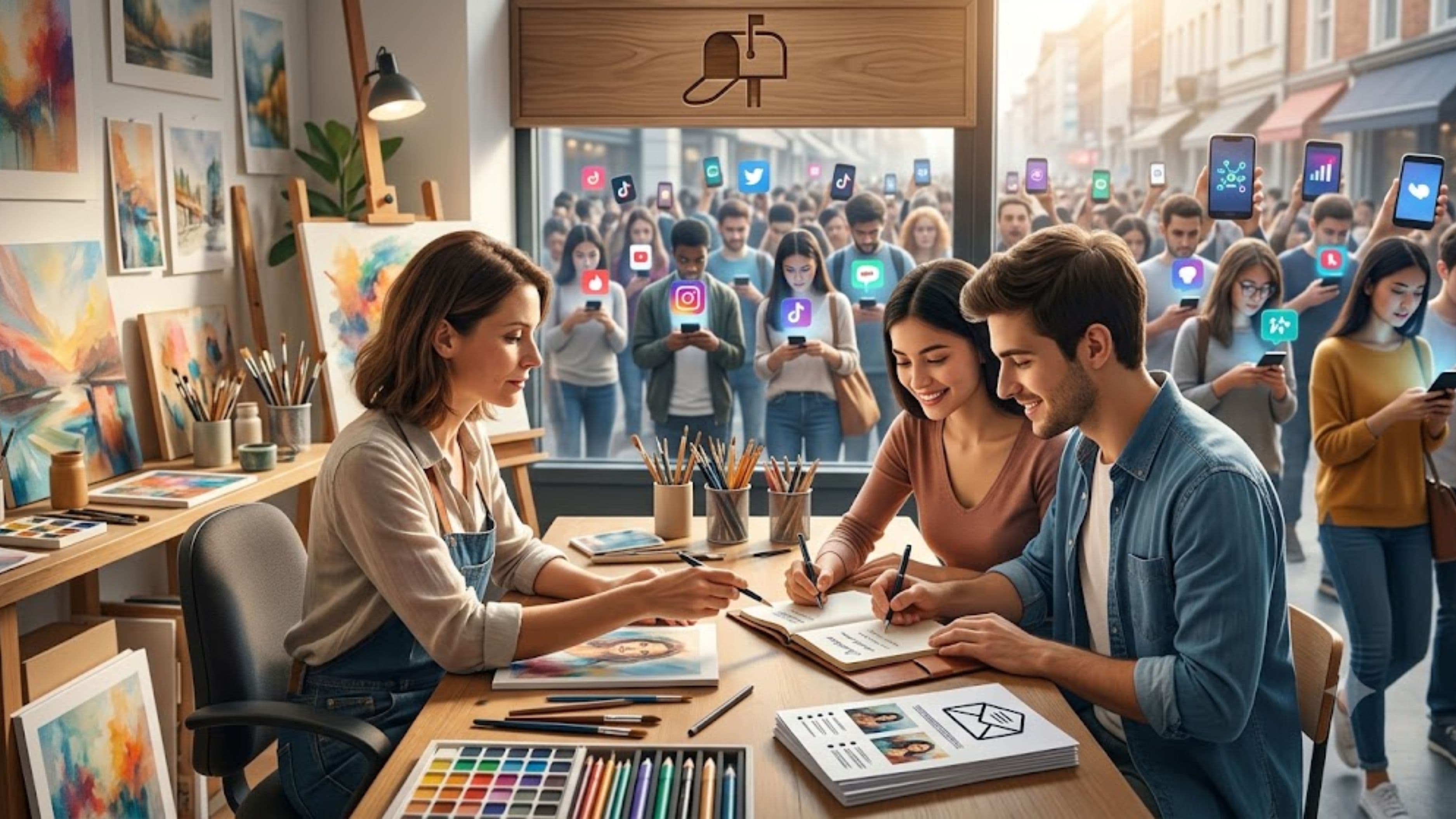
Email lists, Patreon-style subscription models, and even Discord communities built around specific producers have become real revenue channels in 2026. A producer with 8,000 email subscribers who drops a new pack gets immediate sales from a warm audience without splitting anything with a marketplace. That's a fundamentally different economic model than hoping to rank on BeatStars search.
The Licensing Structure Has Gotten Clearer
One of the genuine friction points in selling beats directly has always been licensing. Artists want clarity about what they can do with a beat. Producers want protection for tracks that might blow up. Writing custom license agreements for every transaction doesn't scale, and using poorly written templates creates legal exposure on both sides.
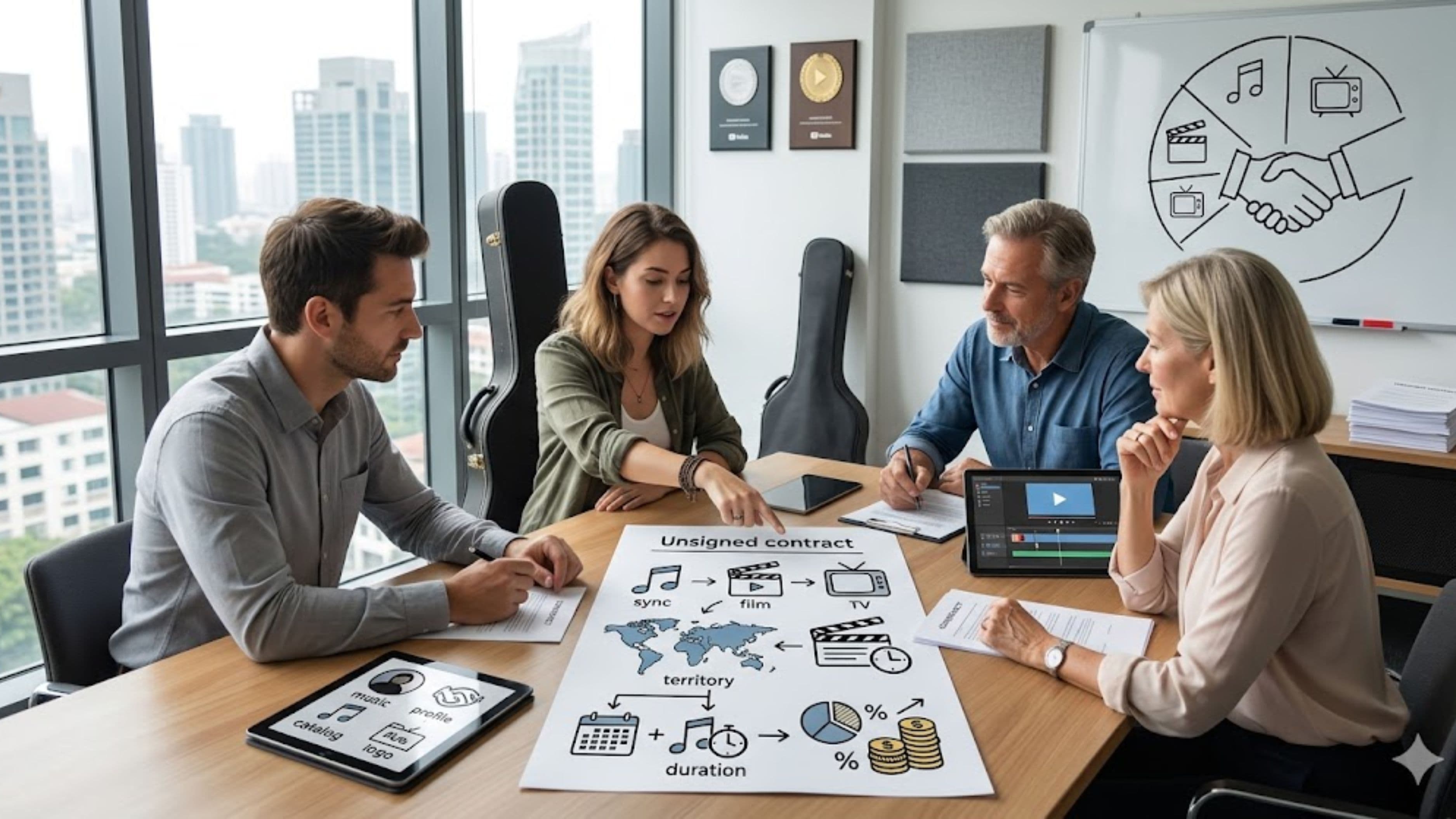
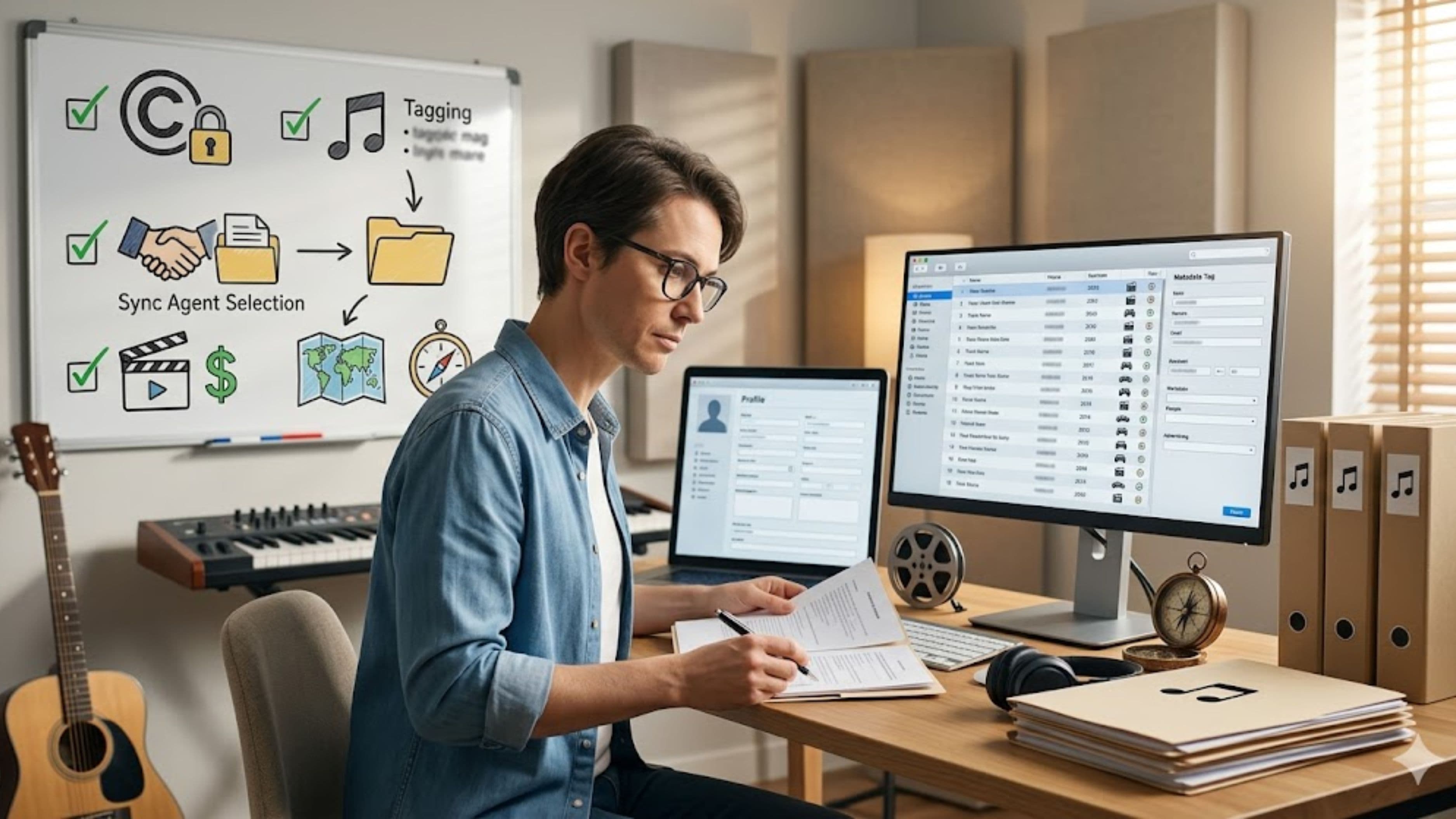
The standard tier model that beat marketplaces popularized – basic lease, premium lease, exclusive – has now been widely adopted even in direct sales. Most producers who sell directly use a simple three-tier structure: a non-exclusive lease for streaming-only use at a lower price point, a premium lease that covers larger distribution thresholds and commercial use, and an exclusive purchase that transfers the beat's rights entirely. The key development in 2026 is that this structure is increasingly codified in simple, readable contracts that don't require a music lawyer to interpret.
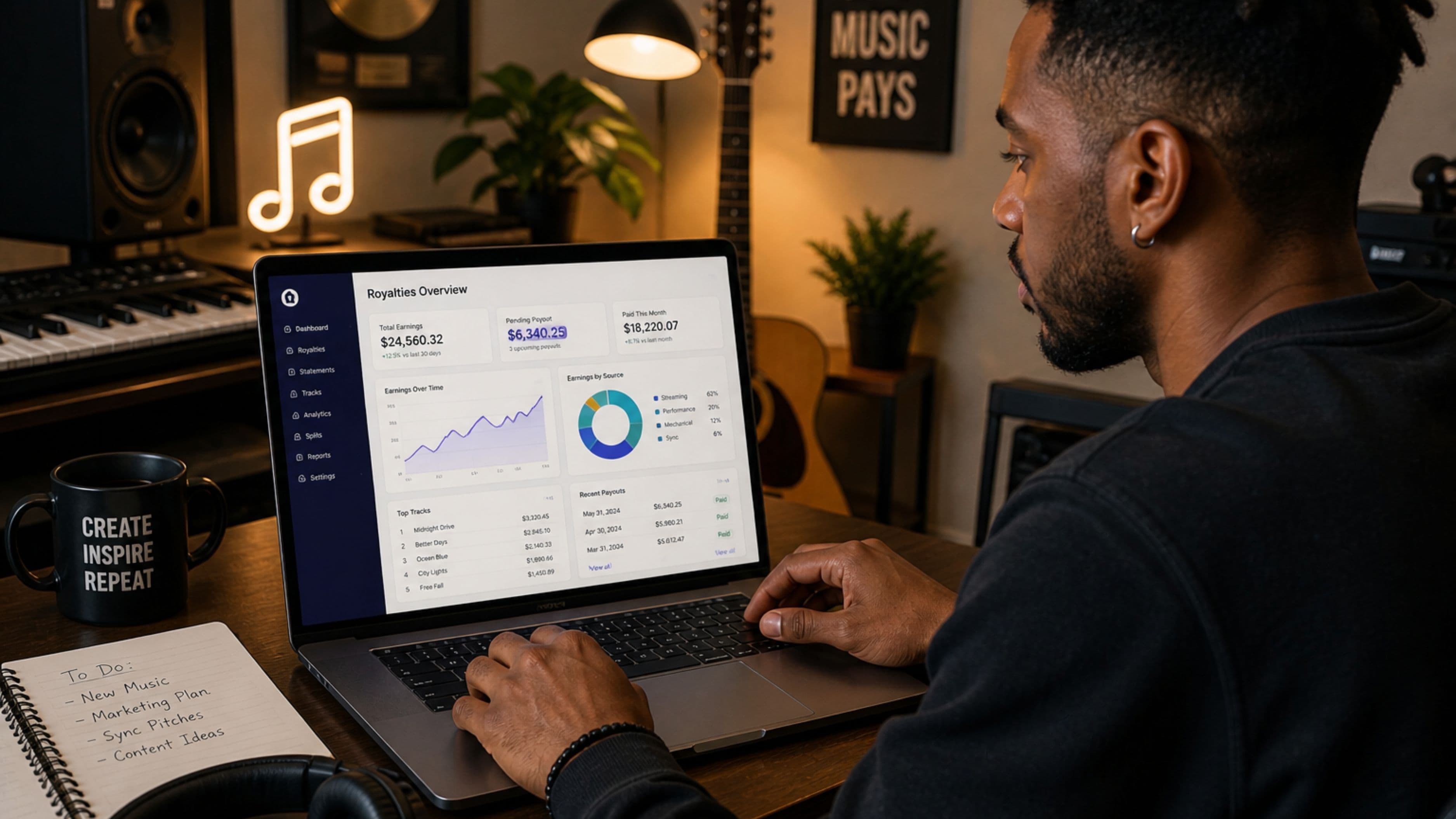
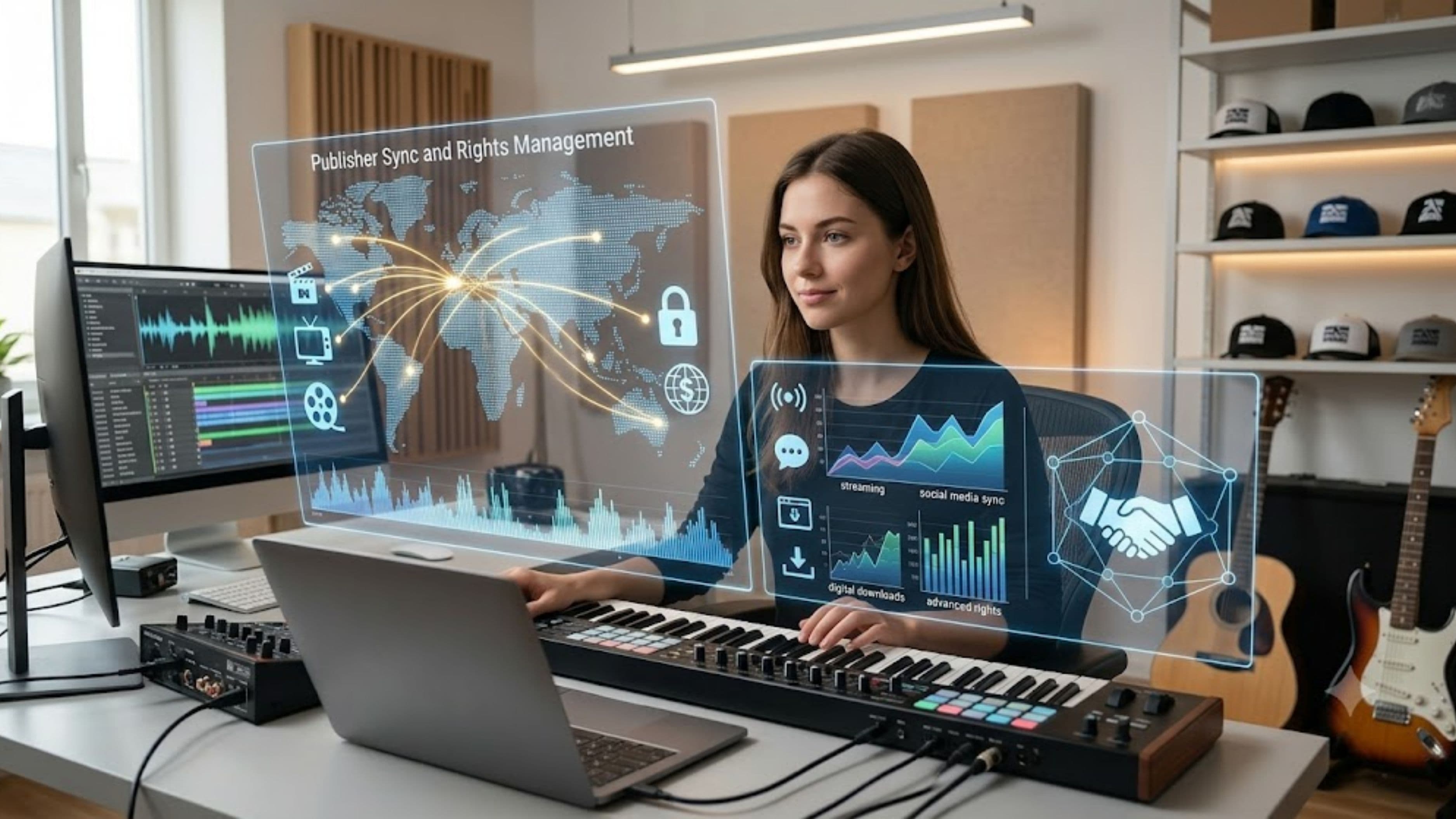
Platforms like Songtrust and DistroKid now offer producer-facing tools that help register publishing rights at the point of sale, which means producers who are selling directly don't have to do the PRO registration process manually as a separate step. That's a real time-saver that removes one of the reasons direct sales used to create more administrative overhead than marketplace sales.
Social Media Is the New Discovery Layer
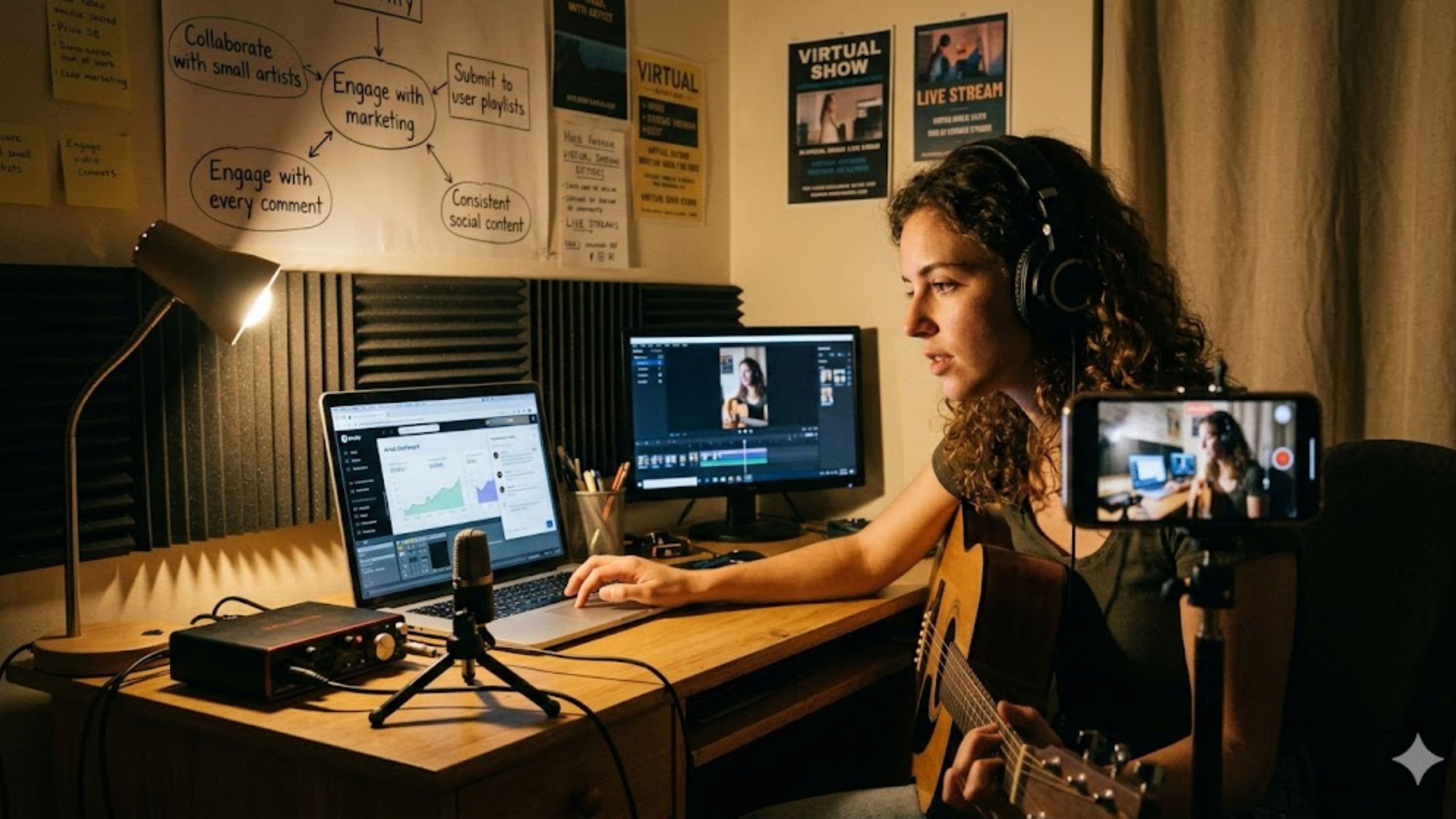
The discovery problem – how does an artist find your beats if you're not on a marketplace with built-in search – has been largely solved by short-form video. A 30-second clip of a fire beat on TikTok or Instagram Reels, with a simple call to action directing artists to a link in bio, has become the standard top-of-funnel for producers building direct sales channels.
What's notable in 2026 is how sophisticated the best producers have gotten at this. It's not just posting a loop and hoping it spreads. Producers who are consistently driving direct sales have developed actual content strategies: beat breakdowns that attract music-making audiences, commentary on trends in production that position them as knowledgeable, and occasional collaborations with visible artists that provide social proof. The ones doing this well treat it as content creation with a specific conversion goal, not just passive posting.
YouTube has also remained more durable as a discovery platform than most people predicted. Long-form beat videos – one-hour playlists, genre-specific compilations, "type beat" content that ranks on YouTube search – continue to drive consistent inbound traffic for producers who invest in them. The algorithm rewards consistent uploads, and the audience that finds beats through YouTube tends to be closer to purchase-ready than TikTok scrollers who might just be entertained by the content.
The Type Beat Market Is Maturing
"Type beats" – beats labeled to evoke a specific well-known artist's style – have been a major discovery mechanism for years. In 2026, the market is more crowded and the opportunity has shifted. The broad, top-artist type beats (labeled after the biggest names in any genre) are extremely competitive and increasingly dominated by producers with large existing audiences. Breaking in there from scratch is difficult.
Where the opportunity has moved is toward micro-niche type beats and regional artist-focused labels. A producer who makes beats in the style of a rising regional rapper with 200K followers and a dedicated fanbase is facing less competition and reaching an audience that's highly motivated to sound like that specific artist. The same logic applies to subgenre specificity – "melodic drill type beat" is more specific than "drill type beat," and more specific attracts the artist who actually needs exactly that sound.
Producers who've figured this out are also thinking about type beats as a content strategy rather than just a product strategy. Ranking for a rising artist's name before that artist breaks wide creates an early mover advantage – when the artist blows up, your video surfaces in their search traffic. That's a long-game SEO play that a small number of producers are executing consistently.
Subscription and Community Models Are Growing
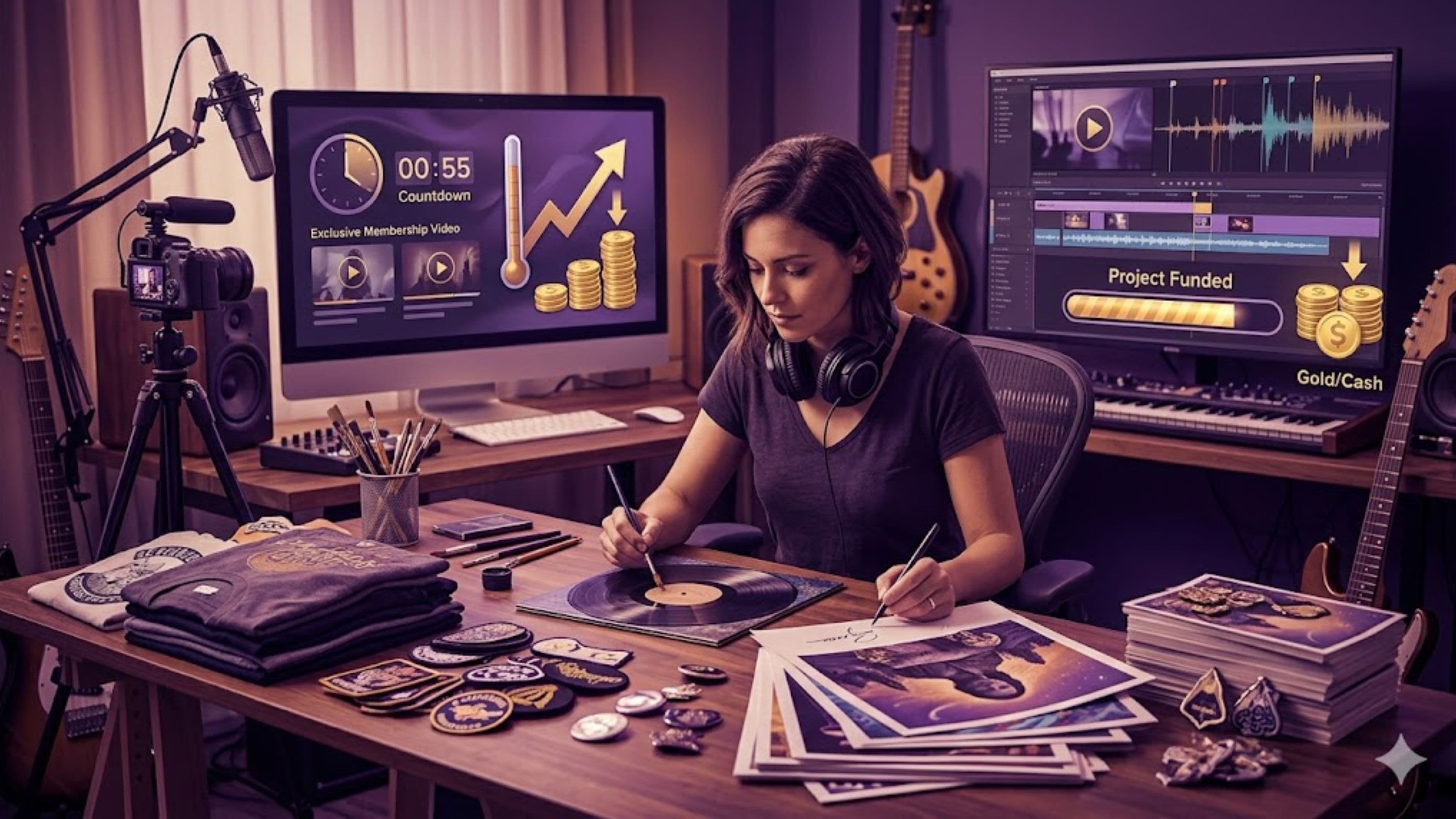
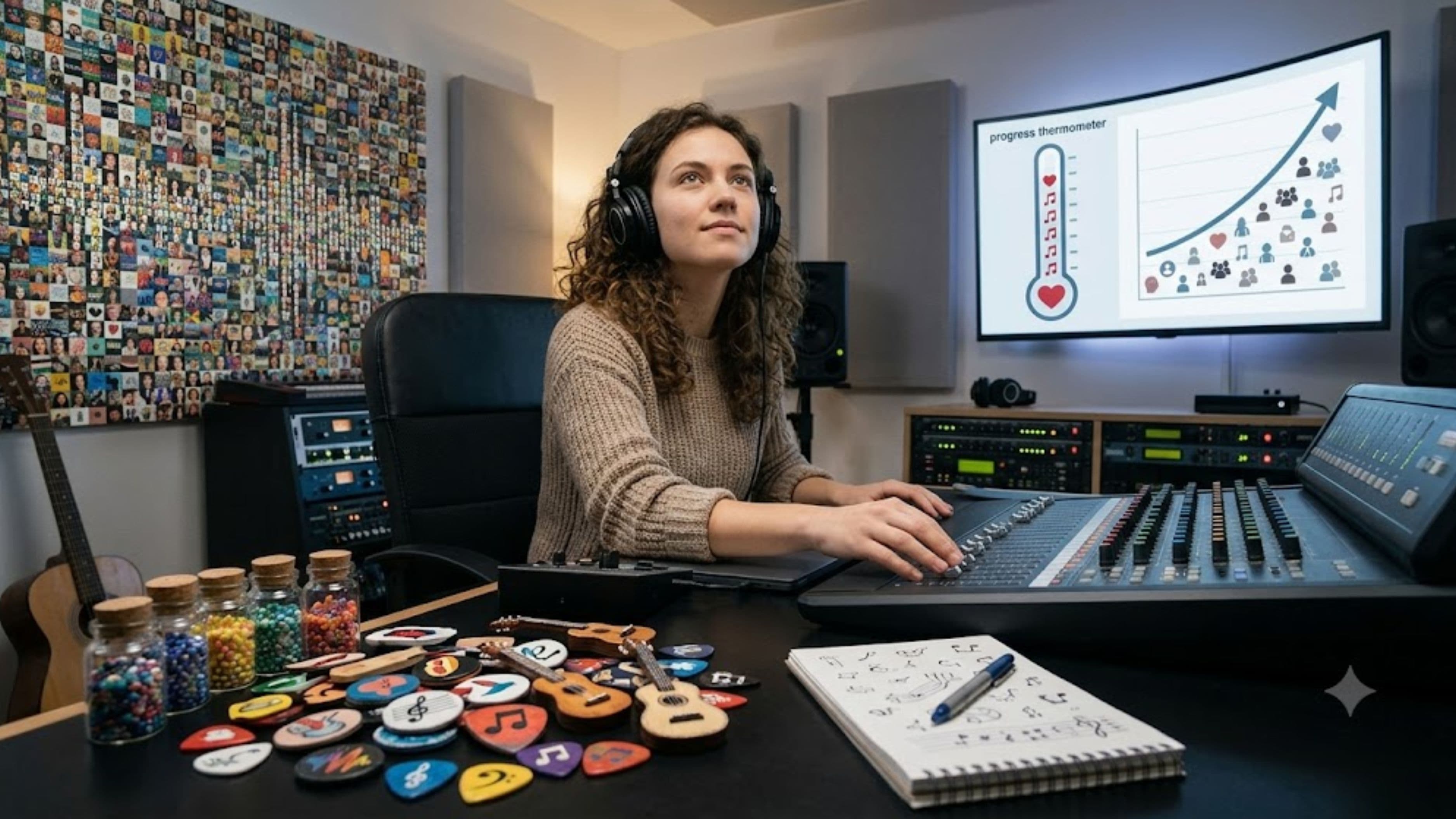
One of the more interesting developments is the rise of producer subscription models. Rather than selling beats individually, some producers are running Patreon tiers or equivalent structures where artists pay a monthly fee for access to a catalog of beats, early access to new drops, and sometimes direct producer feedback on their work. The economics can be compelling – a producer with 300 paying subscribers at $15 per month is generating $4,500/month in recurring revenue before a single individual beat sale.
The model works best for producers who have built a genuine community around their sound and their brand. It requires ongoing output and real engagement with subscribers, which isn't for everyone. But for producers who were already consistently making beats and putting them out for free or on spec, the subscription model essentially puts a paywall on what they were already doing.
Discord has become a primary infrastructure for these communities. A producer-run Discord server where subscribers get exclusive access to unreleased beats, production tips, and direct conversation with the producer provides a level of access that a standard marketplace relationship can't replicate. Artists who are serious about their craft value that connection, and that value justifies a recurring payment that a one-time beat lease doesn't.
What to Watch Out For
The direct sales model has real advantages, but it also has failure modes worth knowing before you restructure how you sell.
Building an audience takes longer than most producers expect when they're starting from zero. The producers who are thriving in direct sales in 2026 mostly started building their email lists and social audiences two or three years ago. If you're starting now, expect 12–24 months of consistent effort before direct channels generate meaningful revenue. Marketplace sales remain a more reliable short-term income source while you build that foundation.
Licensing errors in direct sales are more consequential than in marketplace sales because there's no platform handling the contract layer for you. Using a poorly written or overly permissive license agreement can expose you to artists re-selling your beats, using them commercially beyond what you intended, or claiming rights you didn't intend to grant. Have a music attorney review your standard license template at least once before you start using it at scale.
Payment and delivery automation is essential – handling these manually doesn't scale and creates a poor experience for buyers. Whatever platform or toolset you use for direct sales, make sure file delivery is automatic upon payment confirmation and that your licensing documents attach to the purchase automatically. Buyers who have to wait for files or licenses move on quickly.
Practical Takeaway
The direct-to-artist beat economy is real and growing, but it rewards producers who approach it as a business rather than a side effect of making beats. The infrastructure exists. The audience-building tools exist. What separates producers who are generating consistent direct sales from those who aren't is usually clarity of offer (what you sell, at what tiers, on what terms), consistency of content output, and the patience to build an audience before expecting it to convert.
If you're currently selling entirely through marketplaces, the most practical starting point isn't abandoning them – it's building a parallel direct channel. Start an email list. Post beat content consistently on one platform. Drive your marketplace traffic to your own storefront instead of a third-party page. That transition can happen incrementally, and each step reduces your dependency on platforms you don't control.
FAQ
Do I still need to be on BeatStars or Airbit if I'm selling directly? Not necessarily, but many producers use them both as a discovery tool and a backup storefront. The marketplace gives you access to artists who are searching by genre or style and might not find you otherwise. Your direct channel is where you build relationships with buyers who found you through your content. Running both isn't redundant – they serve different stages of the funnel.
What's the best platform for direct beat sales in 2026? There's no single answer, but the most common setup among independent producers is a Shopify or Gumroad storefront for direct sales, BeatStars or Airbit for marketplace presence, and email marketing through ConvertKit or Mailchimp to manage the subscriber relationship. Payhip is also popular for its simplicity and low fees. The platform matters less than having a clear conversion path from wherever artists discover you.
How should I price beats for direct sales vs. marketplace sales? Many producers price direct sales slightly lower than marketplace equivalents as an incentive for buyers who come through their own channels, while keeping marketplace prices at standard rates. Others do the reverse – pricing direct sales higher to reflect the personal relationship and customization options available there. There's no universal right answer, but being explicit about the pricing difference and why it exists builds trust with buyers.
Do I need a music publisher or PRO to sell beats directly? You should register with a PRO (ASCAP, BMI, or SESAC in the U.S.) if you haven't already – this ensures you collect performance royalties when tracks using your beats are played publicly, regardless of how the beats were sold. You don't need a publisher to sell beats directly, but understanding how publishing splits work in the licenses you offer is important before you start selling at scale.
What license should I use for direct beat sales? Start with a standard three-tier model: a non-exclusive basic lease for indie streaming use, a premium non-exclusive lease for larger distribution and commercial use, and an exclusive purchase that transfers full ownership. Have a music attorney review the template once before you put it into regular use. Several music-specific legal templates are available from organizations like the Music Business Association that can serve as a starting point.
📚 Sources
BeatStars – Producer Platform and Beat Sales Data: https://www.beatstars.com/resources
Music Business Worldwide – Independent Music Economy Report: https://www.musicbusinessworldwide.com/
Songtrust – Publishing Administration for Producers: https://songtrust.com/how-it-works
ASCAP – How to Register as a Producer and Collect Royalties: https://www.ascap.com/help/ascap-payment/royalties
Hypebot – Trends in Independent Beat Selling and Music Production Business: https://www.hypebot.com/hypebot/category/producers/