Over the last decade, set design has moved from a production luxury to a core part of how artists build their brand, deepen fan connection, and create moments that outlast the night they happened. For independent artists watching from the outside, there's a lot worth understanding here — and more of it is scalable than you'd think.
What Set Design Actually Does for a Show
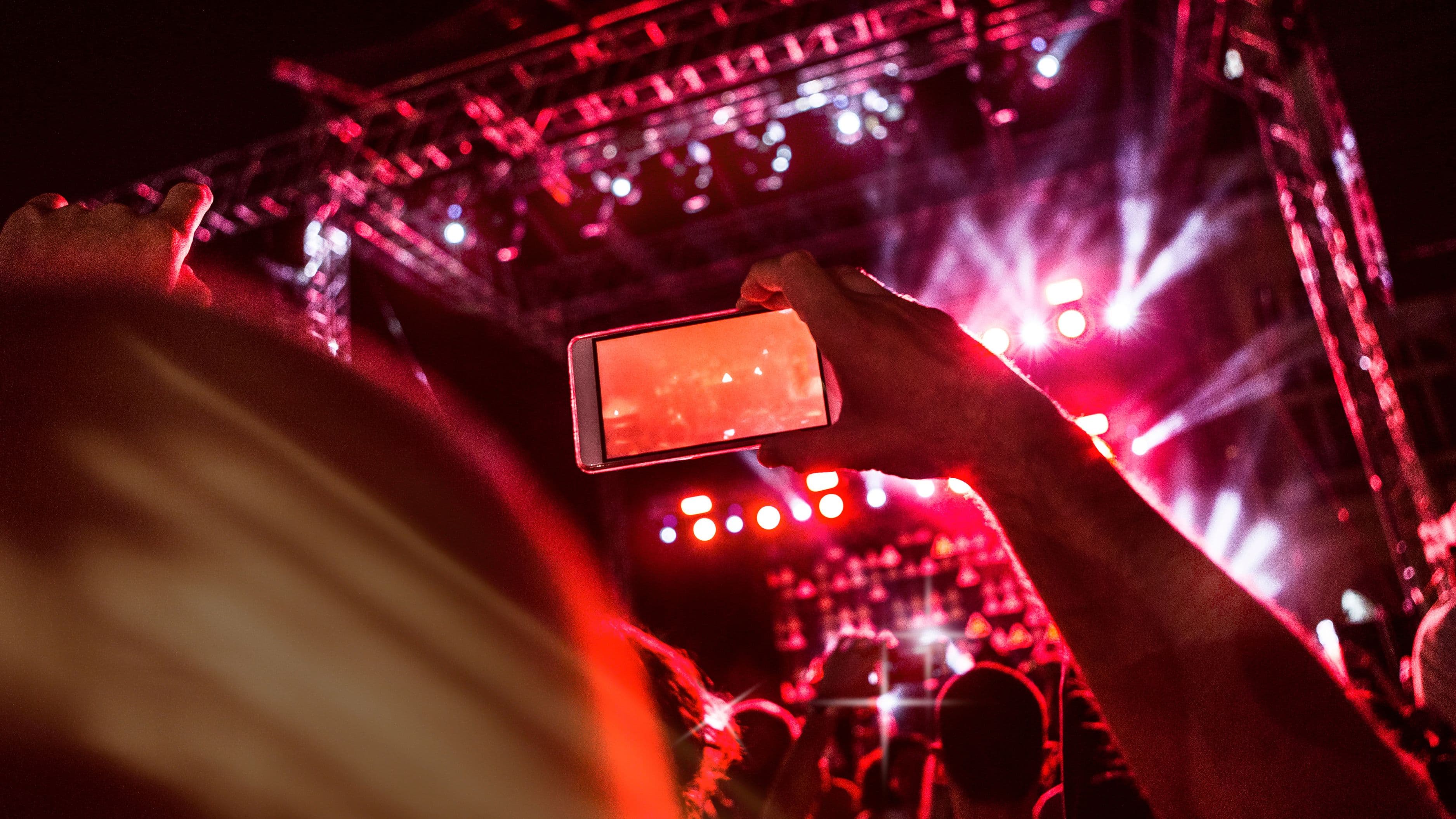
Set design isn't about spectacle for its own sake. At its most effective, it serves as a physical extension of the music — a spatial translation of the world the artist has built on record. When it's working, the visual environment doesn't compete with the performance; it amplifies it, giving the audience a tangible place to inhabit the songs rather than just hear them.
This matters because live performance is the highest-stakes point of contact between an artist and their audience. Streaming numbers are passive. A concert is immersive, communal, and memory-forming in a way that a playlist never is. The physical environment of the show — the stage structure, the lighting, the backdrops, the spatial relationships between performer and crowd — shapes how that experience is encoded in the audience's memory. Artists who understand this use design as a storytelling tool, not just a backdrop.
The shift in how seriously touring artists take production is visible across genre lines. Pop and electronic artists have led the way in large-scale theatrical production for years, but the investment in intentional set design is now visible in hip-hop, country, indie rock, and alternative spaces as well. The scale varies, but the underlying logic is the same: what surrounds the music shapes how the music is received.
What's Happening at the High End
The reference points most cited in conversation about modern concert design share a few characteristics: they treat the entire venue as a canvas, they use the physical structure to reinforce the album's visual identity, and they change — often radically — between tours.
Beyoncé's Renaissance World Tour created a visual language drawn directly from the album's themes: mirrored structures, kinetic lighting rigs, and a stage setup that centered the performer in a spatial environment matching the album's feel. The design wasn't decorative; it was conceptual. Every structural choice tied back to the record's identity.
Harry Styles' Love on Tour sets became widely discussed because of how deliberately stripped back they were — a contrast to the maximalism dominating pop production at the time. The relative simplicity was itself a design choice, one that put the focus on the performer and the crowd's emotional connection, and made the few theatrical flourishes — confetti, specific lighting moments — hit harder by contrast.
Kendrick Lamar's GNX Tour and prior productions have used dramatic structural staging — ramps, elevated platforms, minimal lighting rigs — to create tension and spatial drama that reinforces the weight of the material. The set design amplifies the emotional register of the music without over-explaining it.
What connects these different approaches is intentionality. The design decisions aren't arbitrary — they're rooted in a coherent vision of what the show is supposed to feel like, and how the physical environment can serve that feeling.
Why This Matters for Independent and Mid-Level Artists
The mega-production examples are useful reference points, but the principles behind them aren't exclusive to artists with nine-figure tour budgets. The core idea — that the visual environment of a performance shapes how the music is experienced — applies at every scale.
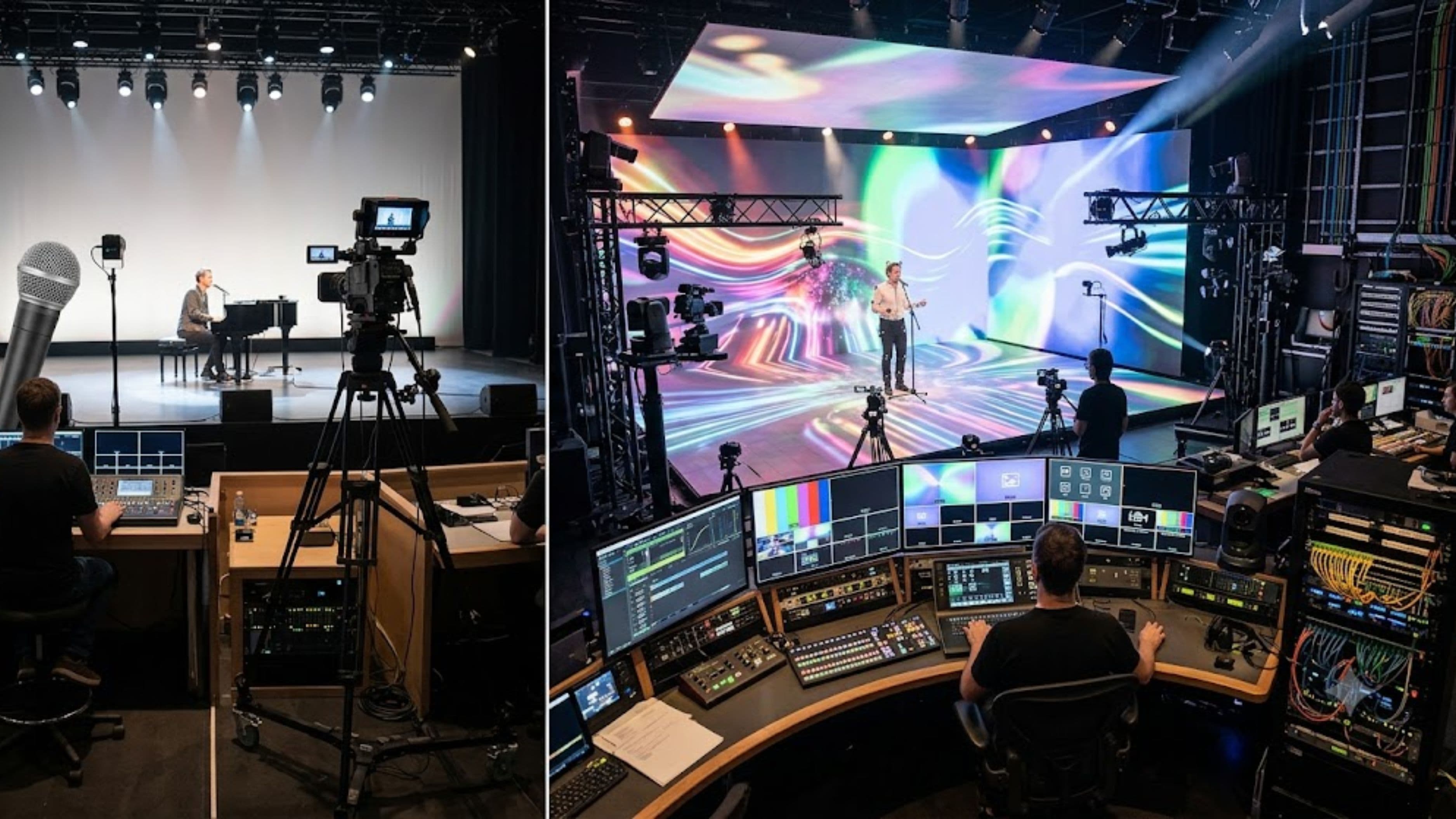
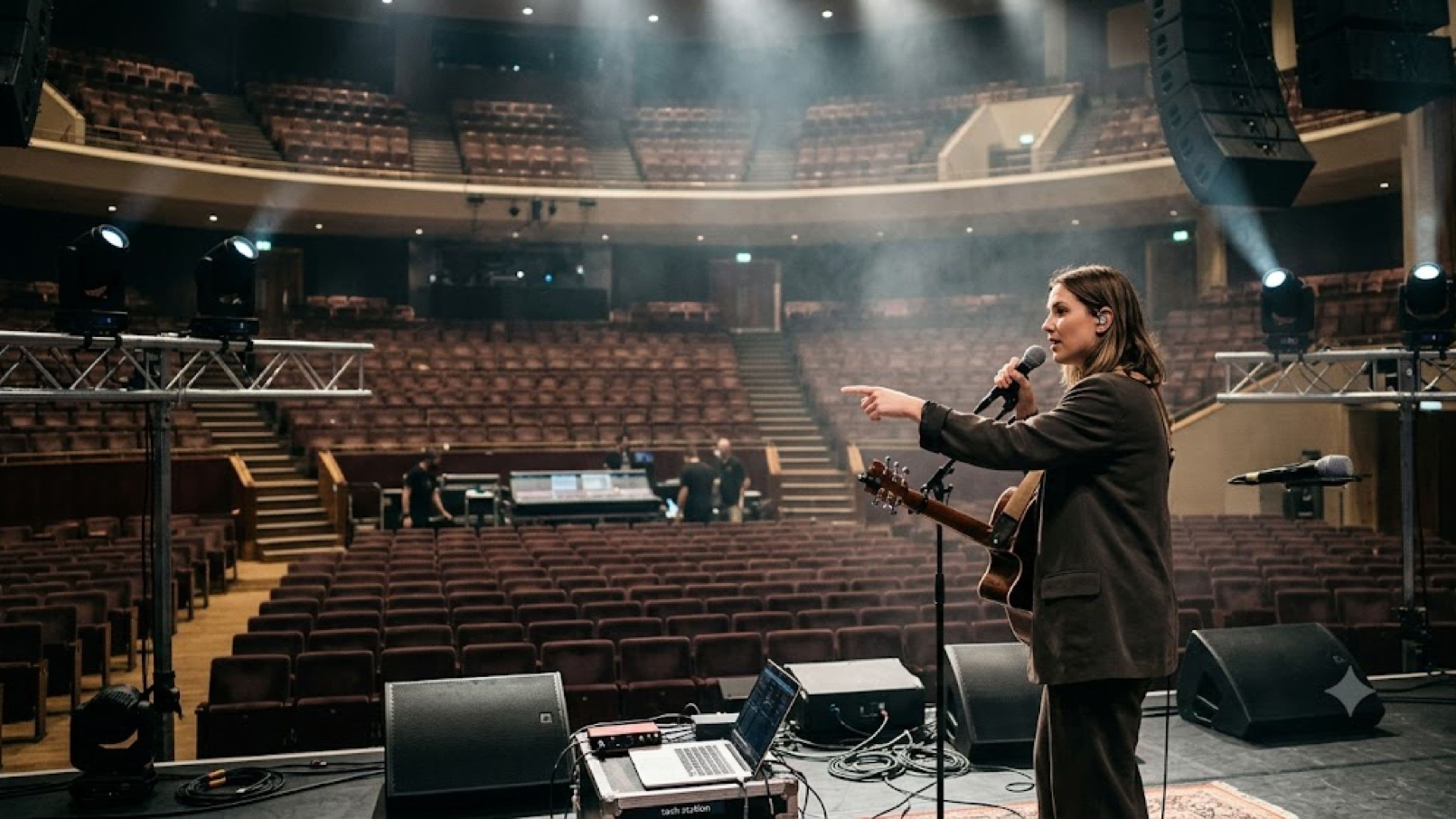
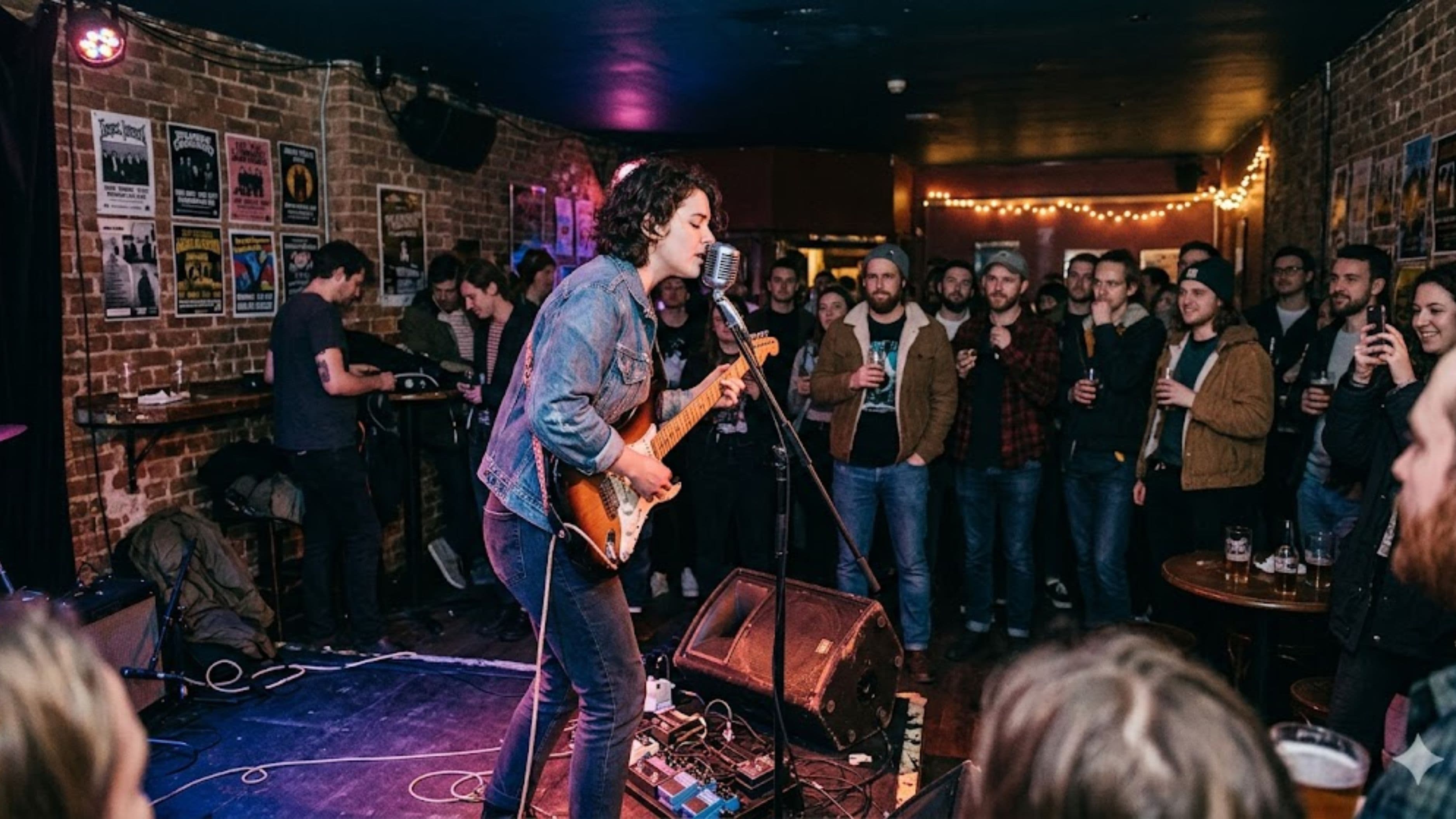
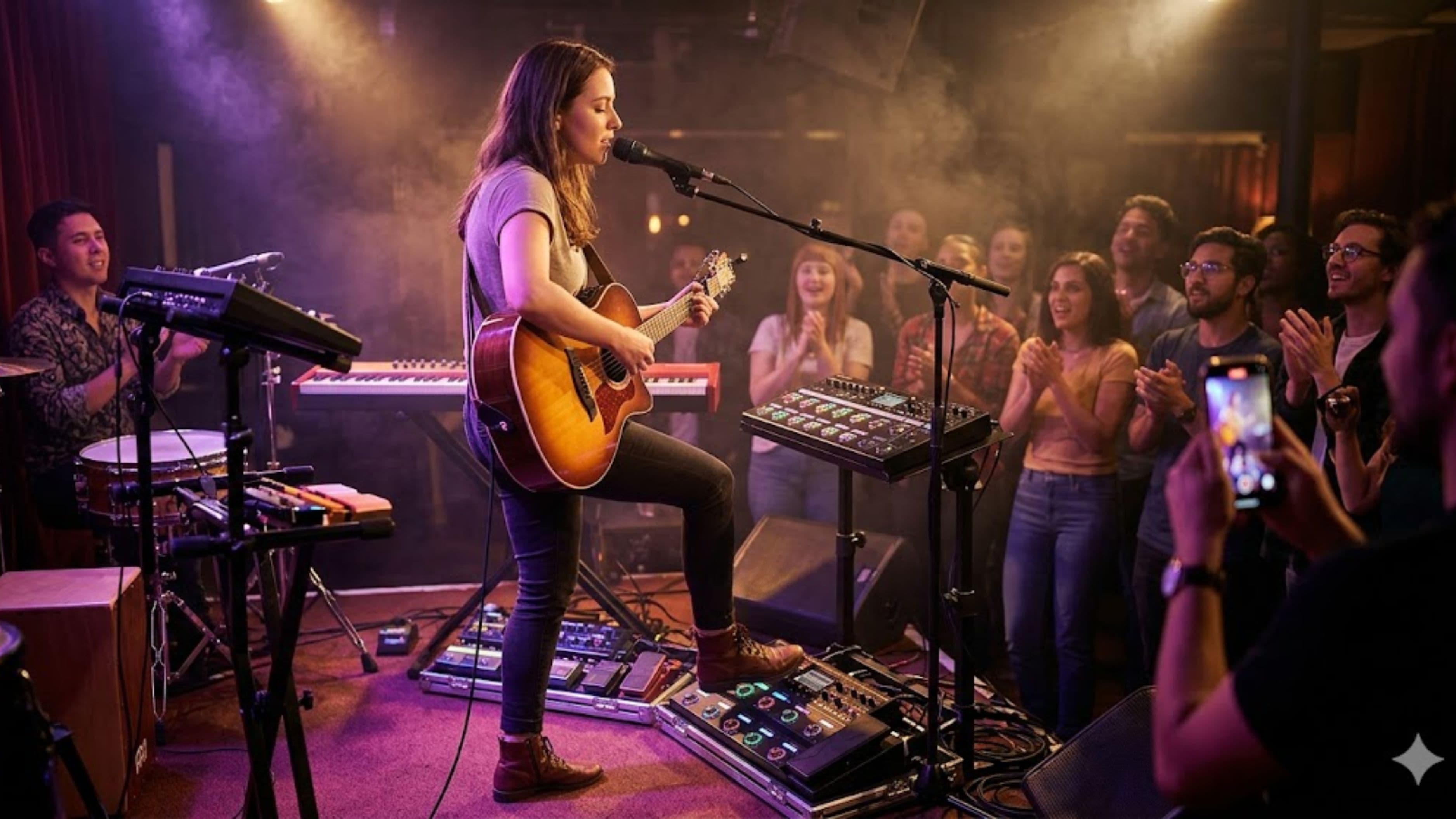
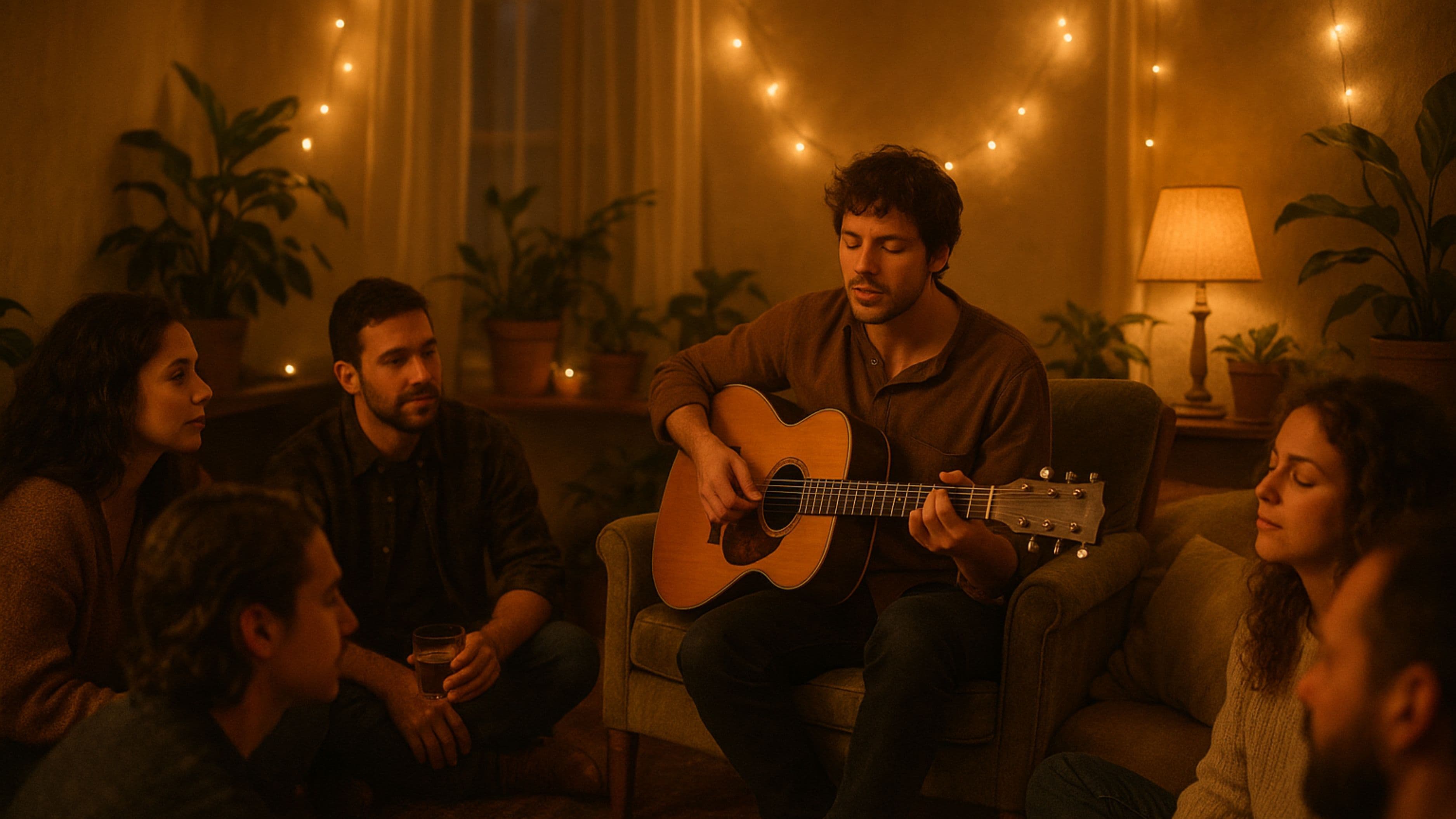
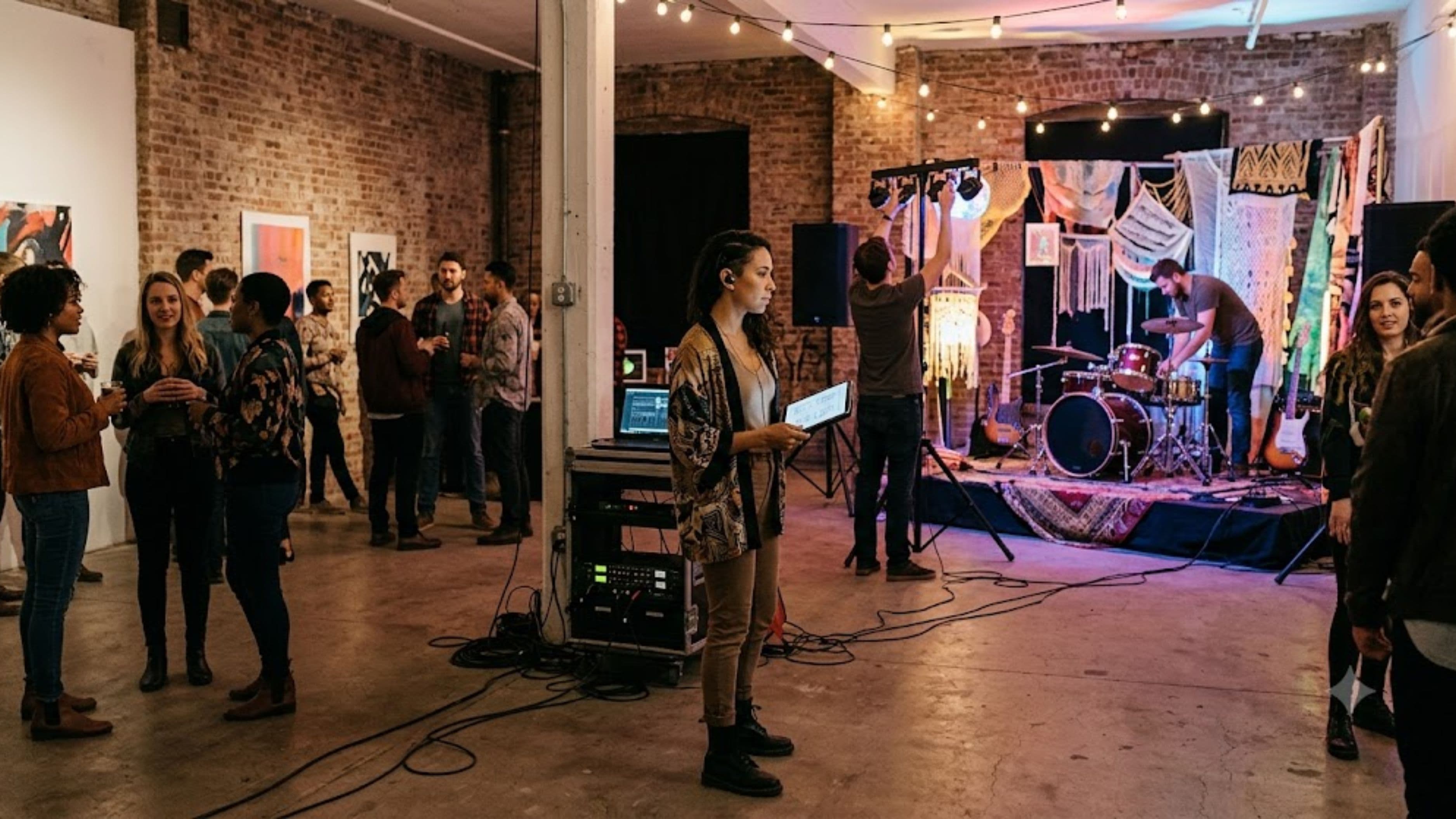
For an independent artist playing a 200-capacity venue, a deliberately chosen stage setup can make the difference between a good gig and a memorable one. This doesn't mean elaborate rigs or expensive custom structures. It means thinking about what the visual environment communicates before the first note plays: how the stage is lit, whether there's visual consistency between the performance space and the project's aesthetic, how the performer moves within the space, whether the backdrop (even just a simple projection or a carefully chosen piece of staging) connects to the world of the music.
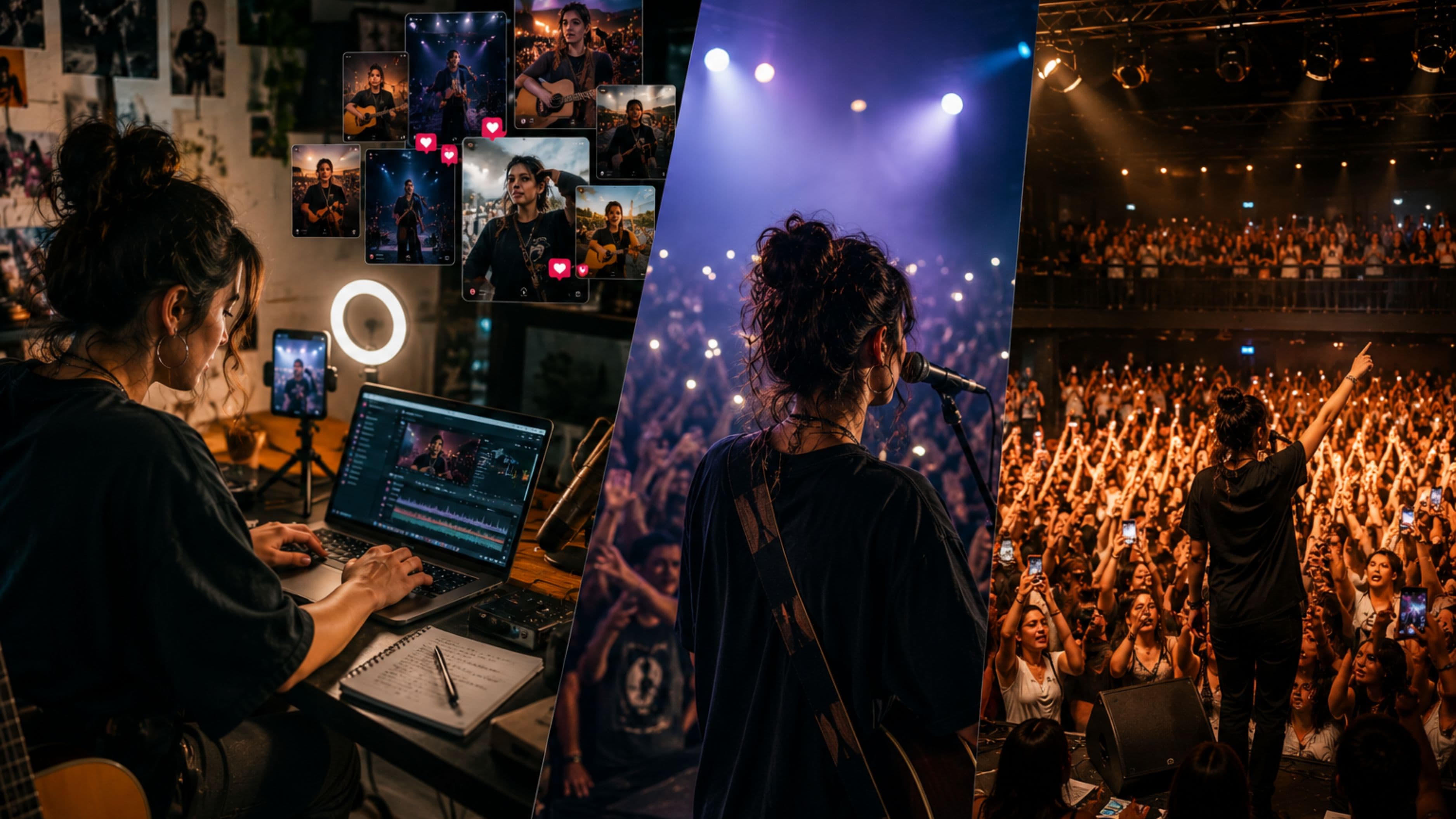
Some independent artists have built significant audience loyalty partly through their visual consistency — a recognizable aesthetic that travels from their social presence into their live show, making the concert feel like a natural extension of a world the audience already inhabits online. This kind of visual coherence is achievable at relatively low cost and has a significant impact on how audiences perceive the professionalism and intentionality of the performance.
The artists doing this well at smaller scales share a common approach: they define the visual identity of their project early, they apply it consistently across platforms, and when they perform live, the stage environment reflects that identity rather than defaulting to whatever the venue provides.
The Technology Driving It Forward
Large-scale concert production has been transformed by a few technology developments that are now filtering down to mid-tier and independent touring. Understanding what's available — and what's becoming accessible — matters for artists thinking about production.
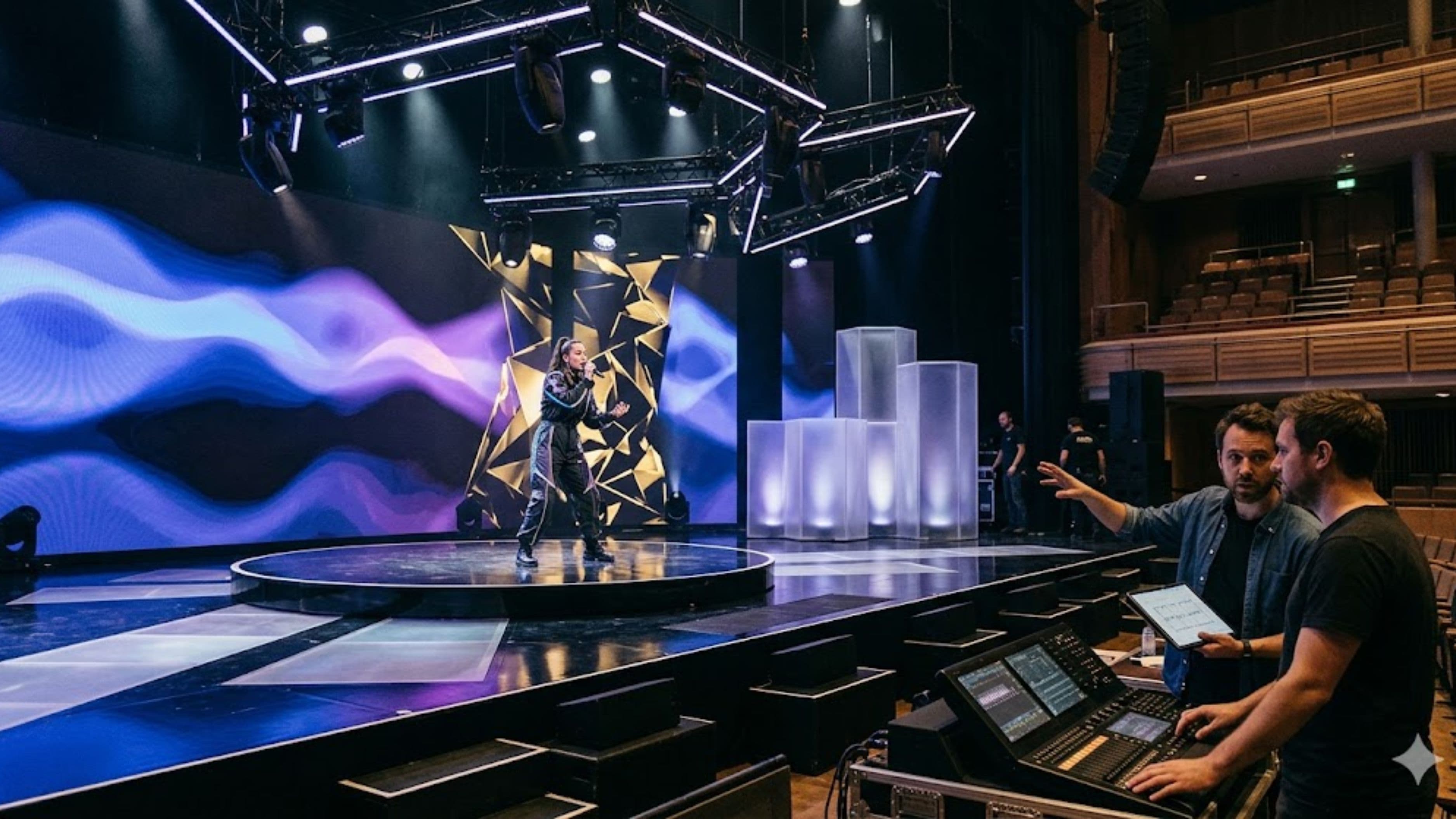
LED wall technology has collapsed in cost over the last decade. What once required a major touring budget to operate is now available to mid-level touring acts at manageable cost through rental, and at even lower levels through increasingly affordable modular LED panels that can be purchased for smaller setups. This matters because an LED wall gives an artist complete control over the visual environment of the stage — it can be anything, and it can change throughout the show, synchronizing with the music in real time.
Projection mapping — the technique of projecting onto physical structures to create the illusion of movement and transformation — has become significantly more accessible as software tools have matured and hardware costs have dropped. Artists who perform in spaces with surfaces worth mapping can achieve striking visual effects at costs that would have been inaccessible five years ago.
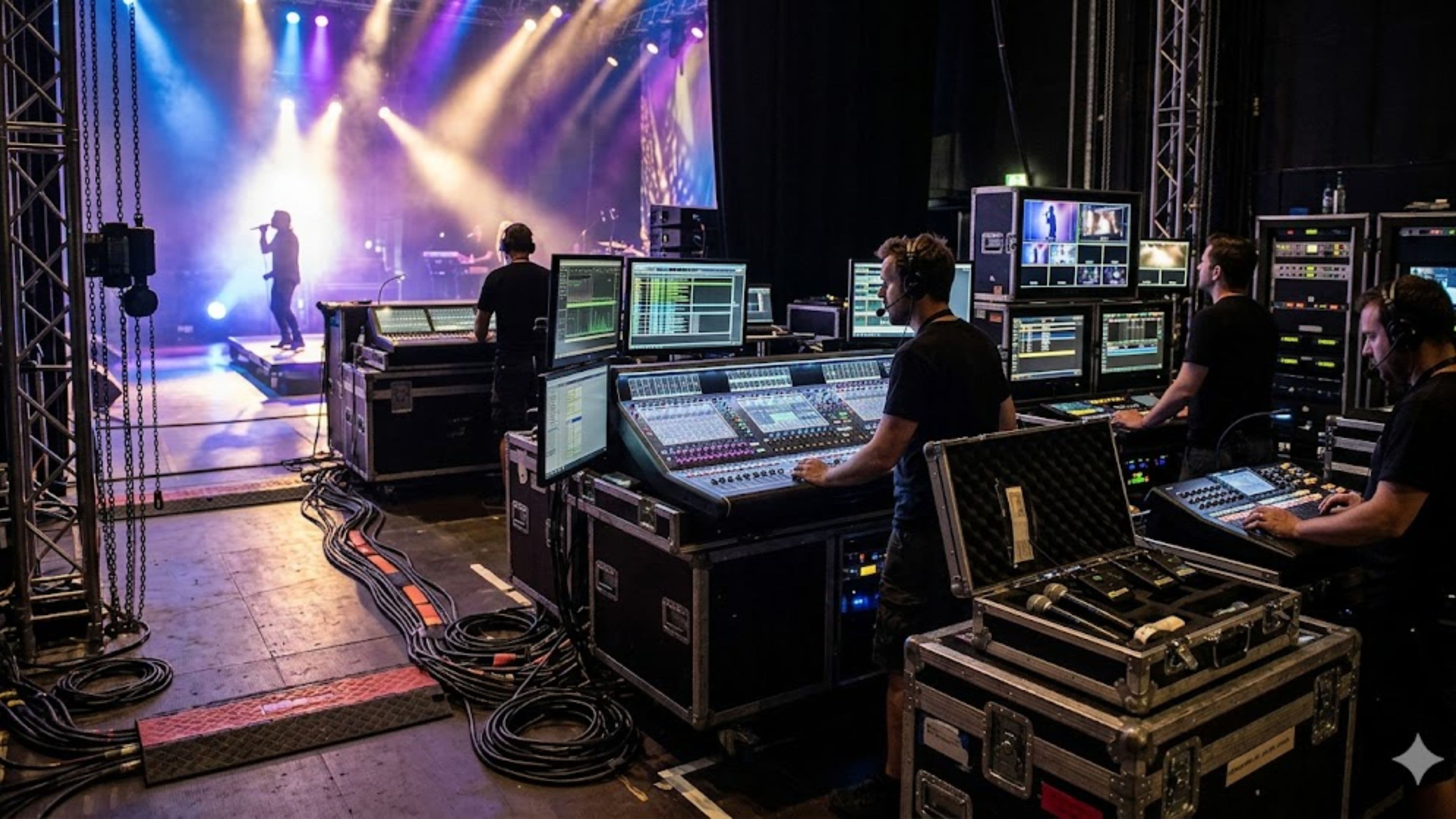
Lighting design has also advanced: moving-head LED fixtures are now far cheaper than the tungsten-based equivalents that defined live production for decades, and the control systems for synchronizing complex lighting sequences with audio have become more accessible to smaller production teams. An artist working with a skilled lighting designer and a reasonable budget can achieve visual impact that punches well above the scale of the performance.
What This Looks Like in Practice for Smaller Artists
The gap between understanding that set design matters and knowing what to actually do at your current scale is where many independent artists get stuck. A few practical frames help.
The first is the hierarchy of visual impact: lighting almost always matters more than structural staging. A well-lit performance in a plain venue reads better on video and feels more professional to a live audience than an elaborate structure under poor lighting. If you're allocating a limited production budget, the lighting hire is where to focus first.
The second is consistency over complexity. A simple, visually coherent backdrop — custom fabric, a repeated motif, a two-color scheme that matches the project's palette — does more for the audience's perception of intentionality than an elaborate structure without a clear concept behind it. The question to ask isn't "how can I make this more impressive?" but "how can I make this feel more like the world of this music?"
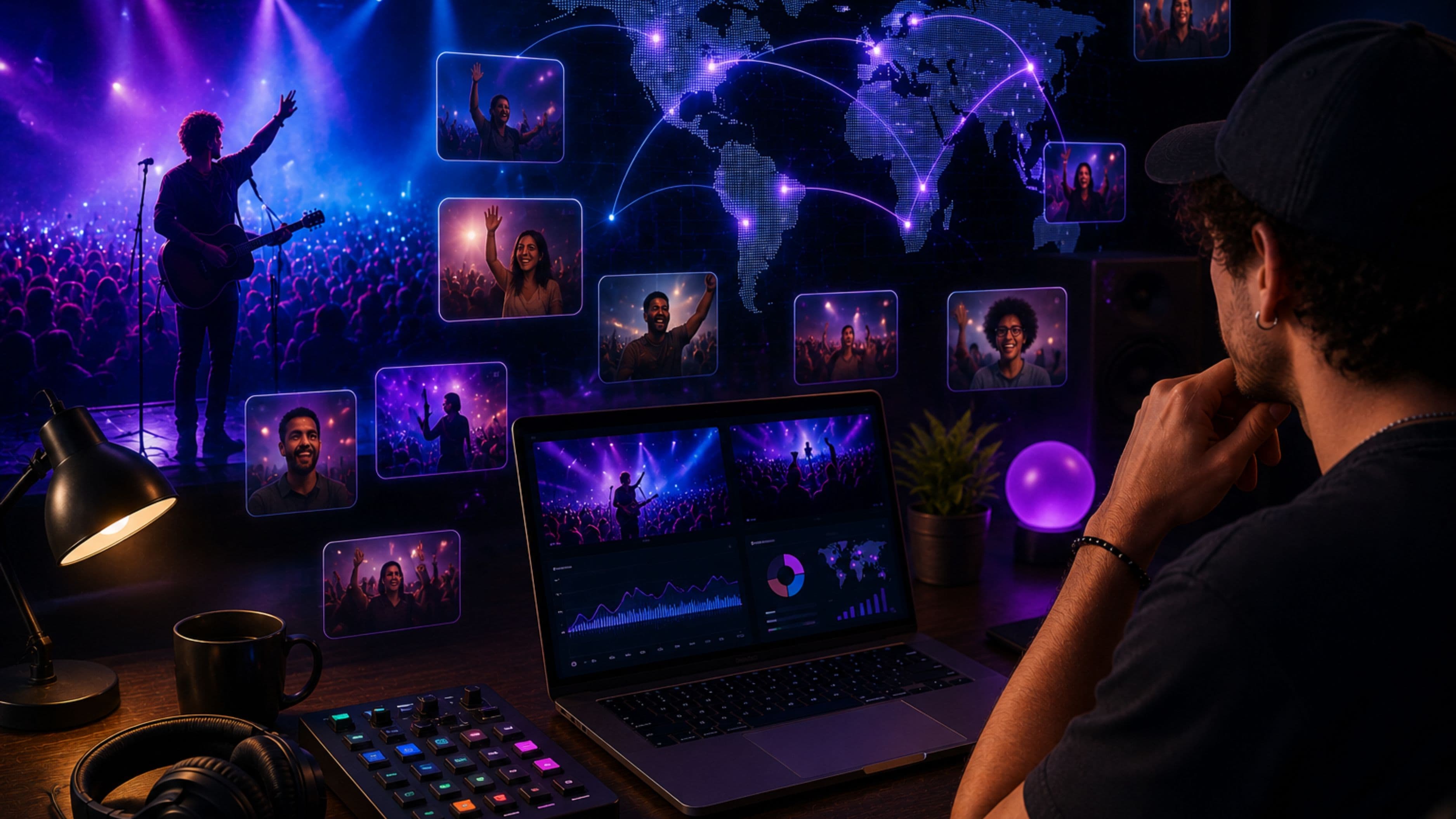
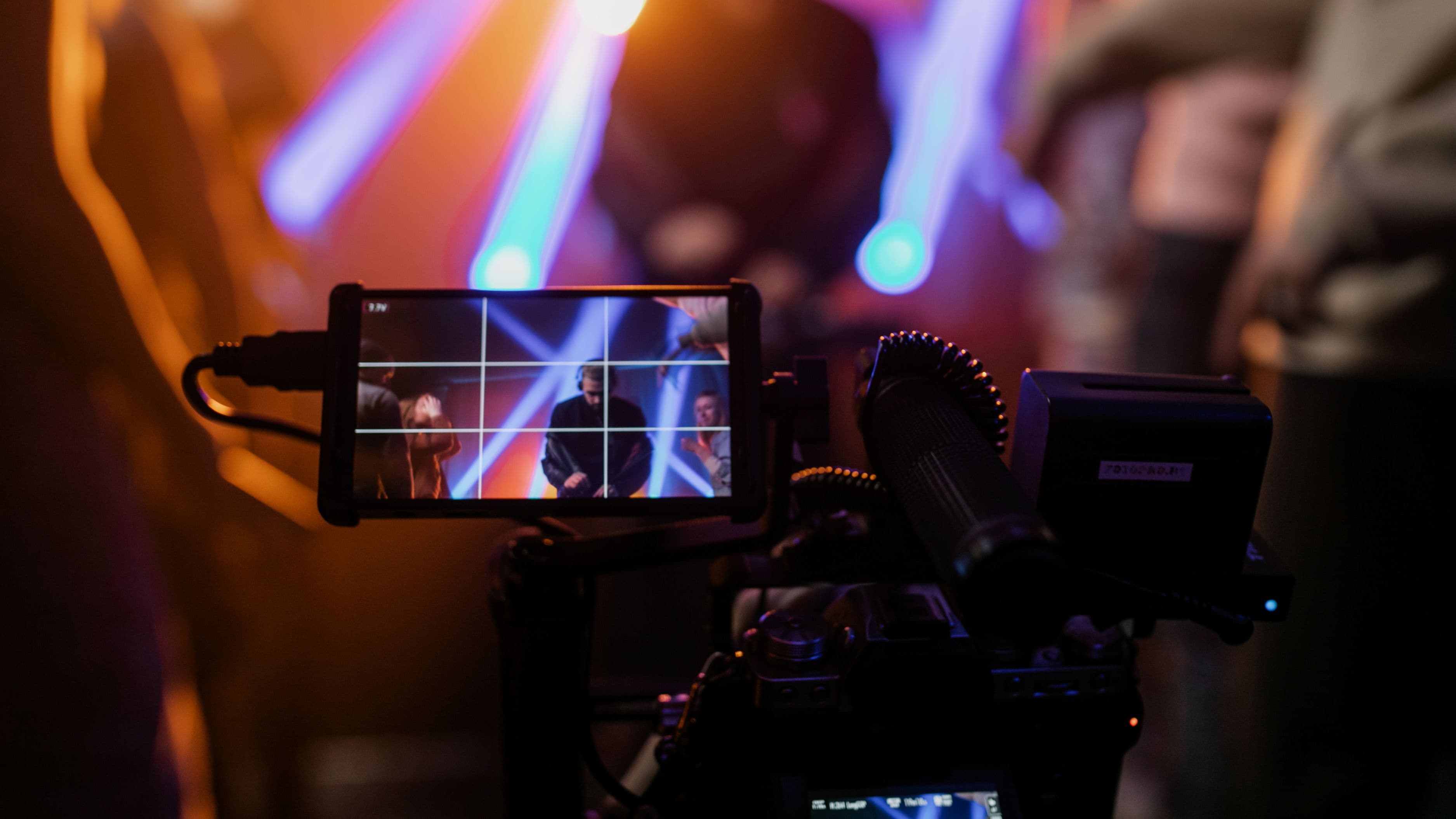
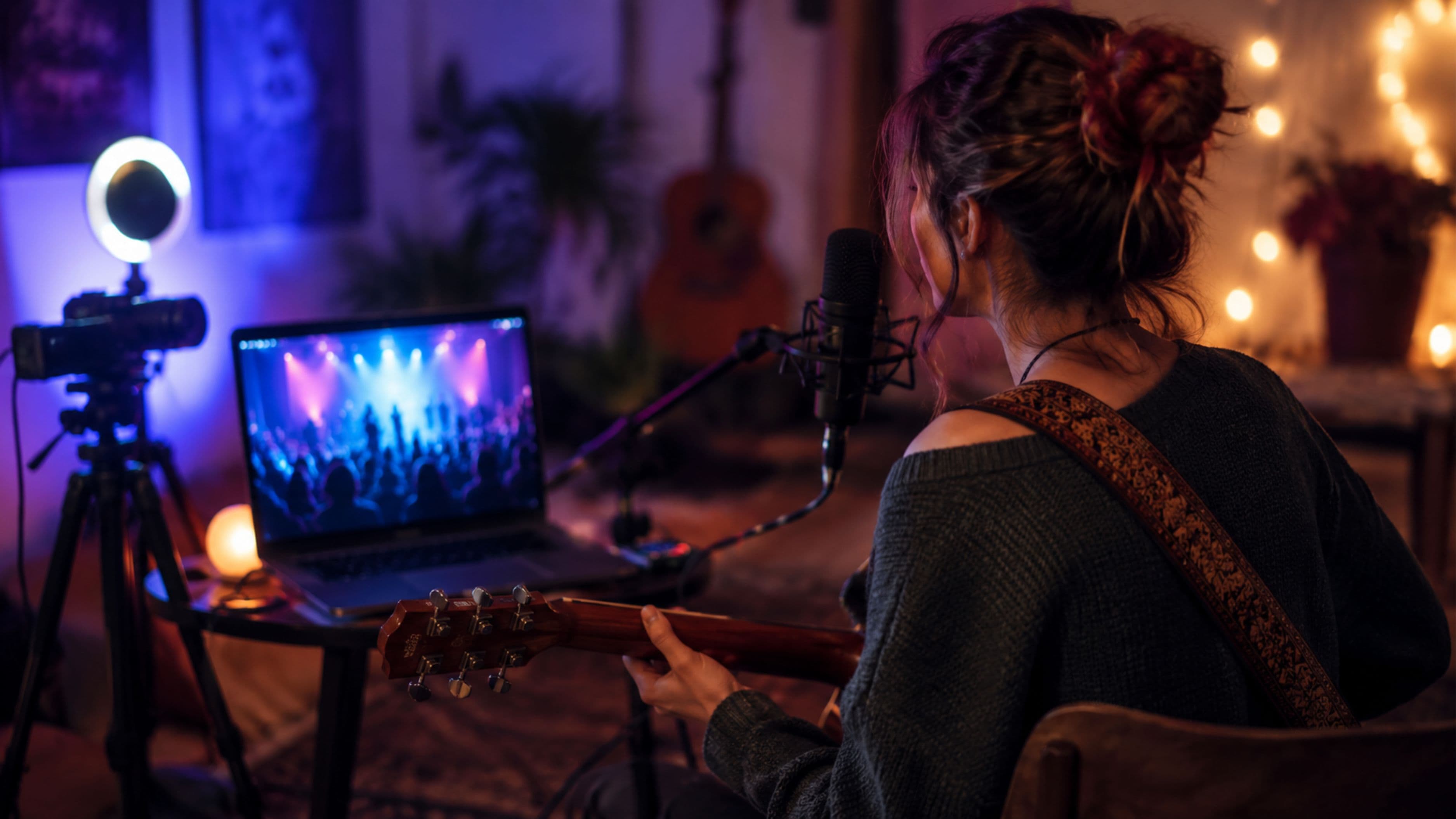
The third is documentation as a multiplier. A well-designed live performance that's captured on quality video becomes content — trailer footage, promotional material, social assets, archival documentation of the era of your career. Artists who invest in making their show look intentional on camera get a return that extends well beyond the night of the performance itself. The audience at the show is finite; the audience for the footage is not.
What to Watch Out For
The most common mistake in approaching concert production — at any scale — is designing the show for the hypothetical audience rather than the actual one. Elaborate production elements that aren't visible or legible from where most of the crowd stands, structural choices that work beautifully in a large theater but are cramped and confusing in a club, visual elements that look striking in a controlled studio environment but are invisible under the ambient lighting conditions of the venue — these are the gaps between design intentions and production reality that undercut otherwise thoughtful work.
Testing visual elements in the actual performance environment before show day matters. What a lighting setup looks like in a production walkthrough during the afternoon is not what it looks like in the full-house performance environment that evening. Working with a production designer or lighting director who has venue experience and can troubleshoot in the actual space — rather than someone designing for how the images will look on a moodboard — is worth the investment for anything beyond the most basic setups.
There's also the risk of over-producing in ways that disconnect the performer from the audience. Some of the most effective live performances at any scale are those where the performer and the crowd feel genuinely in contact with each other — and layers of production that physically or visually separate the two can work against that connection. The design should serve the performance's emotional core, not substitute for it.
FAQ
Does set design apply to artists playing small venues or club stages? Yes, meaningfully. Even at a 100-person club show, lighting design, visual consistency, and stage setup shape how the performance reads. The investment required is proportionally smaller, but the logic is the same: the visual environment shapes how the music is experienced. A simple, well-thought-out visual approach at a small show will be remembered differently than a technically competent performance in a generic club setup.
How do emerging artists typically fund production upgrades? Most start by integrating production costs into their live performance budget as a standard line item rather than treating it as an add-on. For specific shows or releases where elevated production matters more — album release shows, festival slots, key market performances — a dedicated production budget allocation makes sense. Rental of specific elements (LED panels, specialized lighting fixtures) is usually more practical than purchase at early stages.
How important is visual consistency between an artist's online presence and their live show? Very. Audiences who arrive at a show with existing familiarity with an artist's visual world — from social content, music videos, cover art — experience stronger recognition and connection when that world is reflected on stage. Visual consistency across platforms and live performance is one of the signals that distinguish artists with coherent project identities from those who haven't yet connected the parts.
Are there production designers who work with independent artists? Yes. There's a growing community of production designers, lighting designers, and visual directors who work across budget ranges and specifically with independent and emerging artists. Touring communities, music industry forums, and production-focused conferences are where these relationships typically form. Stage design for smaller acts often comes from lighting designers who also handle production concept rather than separate specialists.
How much should an independent artist realistically budget for production? It depends entirely on scale and specific priorities. A meaningful improvement in live production quality — a custom backdrop, upgraded lighting hire, better stage layout — can often be achieved for $500–$2,000 for a single show or short run. For ongoing touring, building production assets that travel with the artist amortizes the cost across multiple shows. The most important thing is treating production as a deliberate investment with a clear concept behind it rather than a residual line item.
The Bigger Picture
Set design isn't a luxury that becomes relevant once an artist reaches arena scale. It's a creative and strategic tool that's relevant wherever an artist performs — and the artists building the most durable live reputations at every level tend to be the ones who've understood that earliest. The music is the foundation. The production environment is what determines how that foundation lands in the room, and in the memory.
📚 Sources
Pollstar – Live music industry touring trends and production data: https://www.pollstar.com/article/concert-industry-year-in-review-2023-147721
Variety – Renaissance World Tour design and production breakdown: https://variety.com/2023/music/news/beyonce-renaissance-world-tour-set-design-1235725048/
Billboard – How concert production has evolved: https://www.billboard.com/music/music-news/concert-production-trends-2024-1235525802/
PLSN (Projection, Lights & Staging News) – LED wall and production technology for live events: https://plsn.com/articles/the-technology-of-live-entertainment/
The Guardian – Harry Styles Love on Tour set design analysis: https://www.theguardian.com/music/2022/jun/13/harry-styles-love-on-tour-review-wembley
🔍 Explore Related Topics
How lighting design changes a live performance