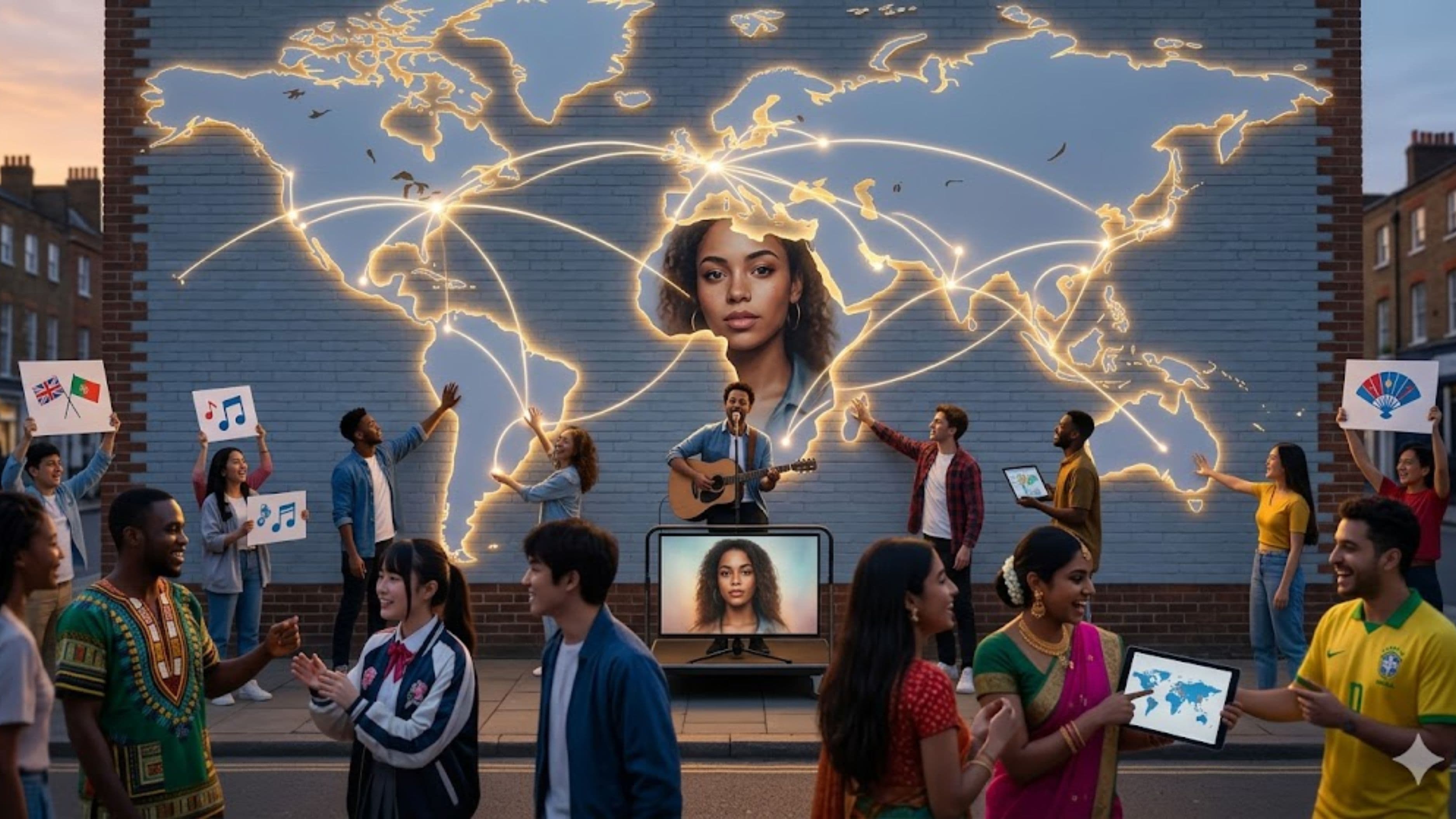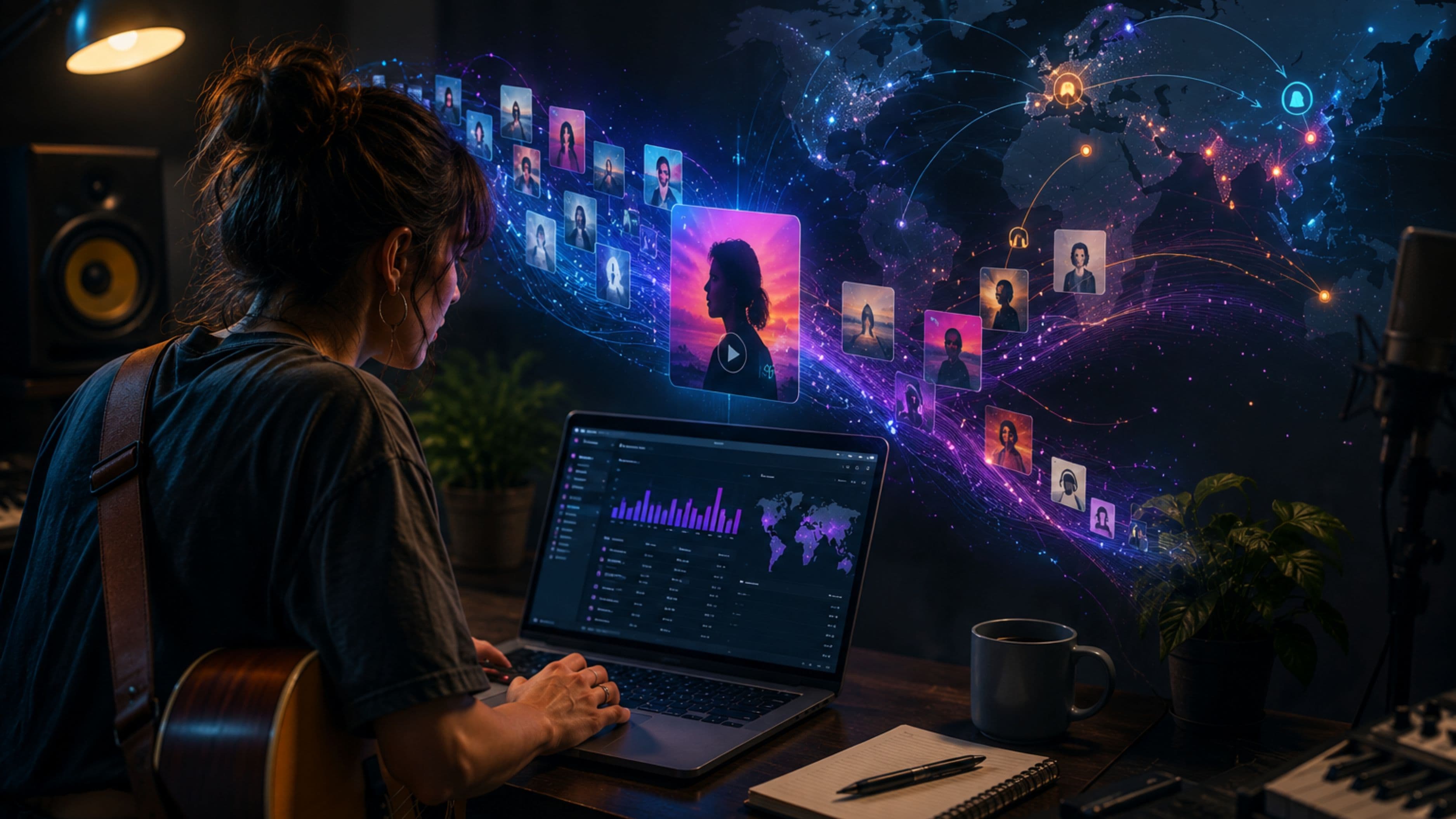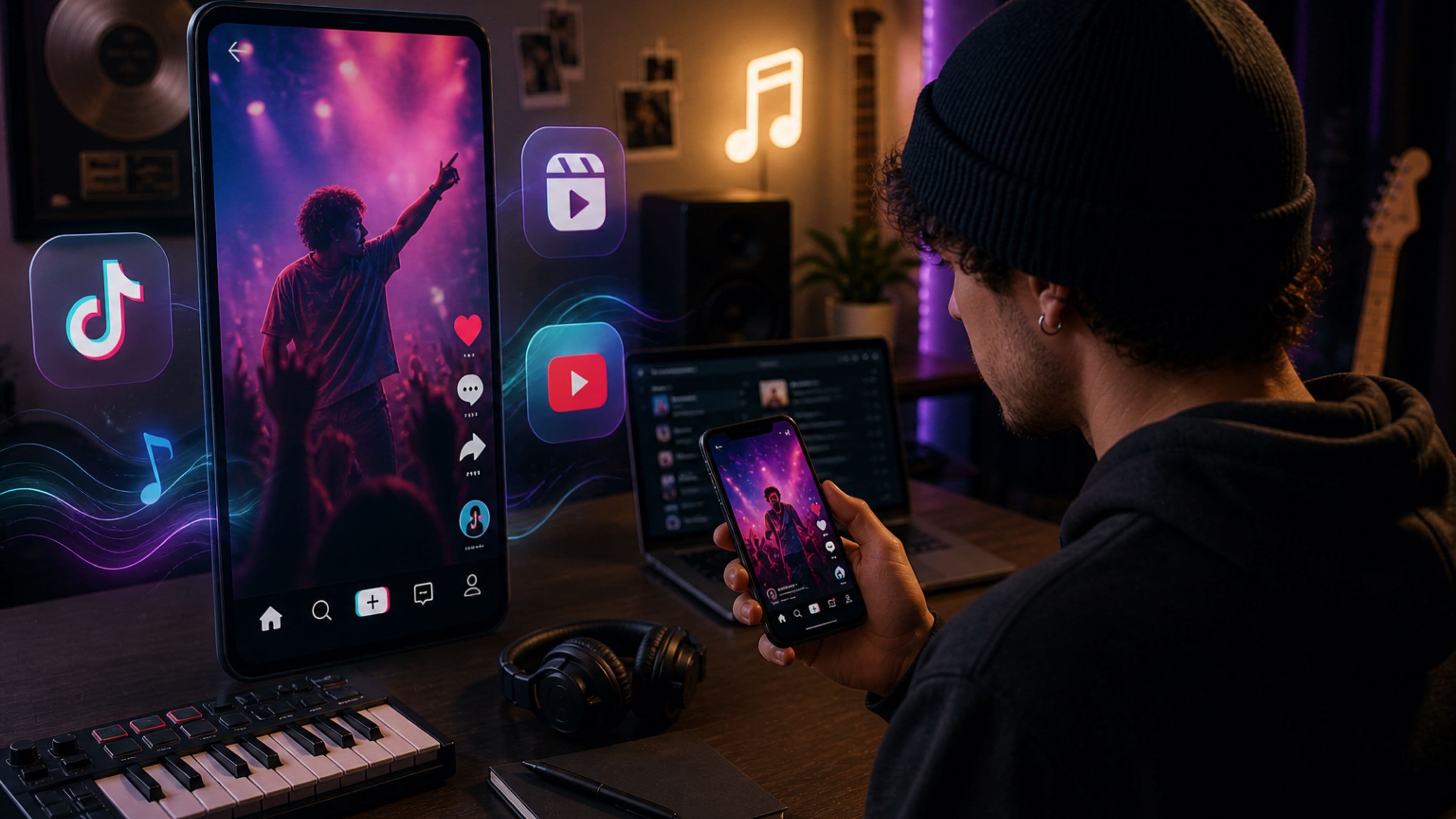
For independent artists trying to grow without a label's marketing budget, short-form video remains the most level playing field in the music industry. Not because it's easy – it isn't – but because the algorithm doesn't care how many followers you had last month. It cares whether people are watching, sharing, and using your music. That's a different game from every other distribution channel, and it's one where an unknown artist can genuinely compete.
What's Actually Happening in Short-Form Video Right Now
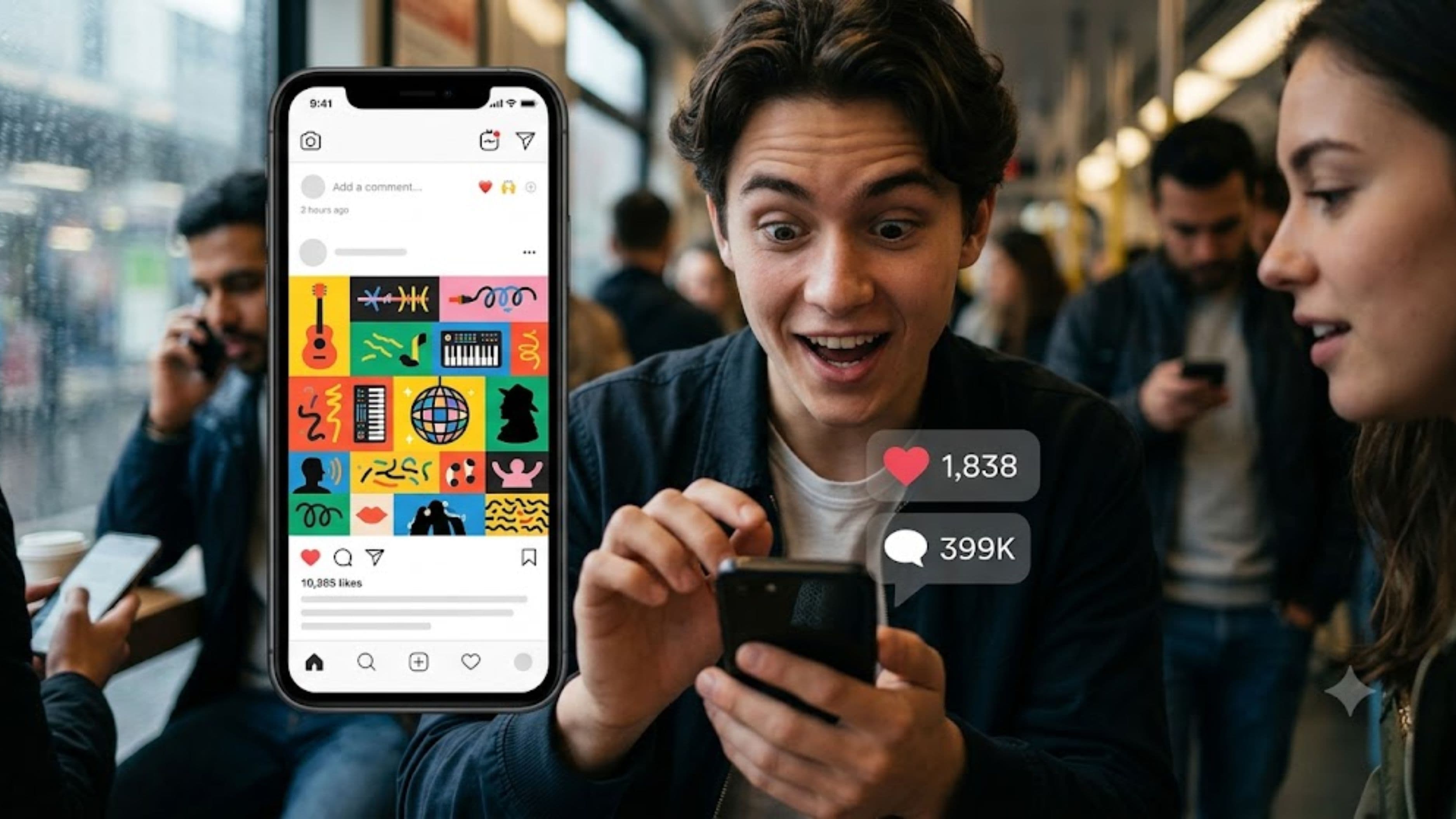
TikTok is still the name most people associate with music discovery, and for good reason. The platform's music-to-video relationship is structurally unlike anything else. When a sound gets used in enough videos, the algorithm amplifies both the videos and the sound – creating a feedback loop where discovery compounds on itself. A track that starts appearing in 500 videos a day can reach 50,000 uses within a week if the momentum holds. That kind of organic spread would cost hundreds of thousands of dollars in traditional advertising.
Instagram Reels and YouTube Shorts have both invested heavily in music discovery infrastructure over the past two years. Instagram's push into trending audio has made Reels a legitimate secondary vector for music breakout moments, particularly for artists whose aesthetic translates well to the platform's visual culture. YouTube Shorts has the advantage of sitting inside the world's second-largest search engine, which means discovery on Shorts can have a longer tail than TikTok – a viral Short can drive searches for the full track on YouTube proper, which then feeds into streaming royalties and long-term listener conversion.
What's changed more recently is how these platforms are competing for music licensing deals and artist partnerships. TikTok launched SoundOn, its in-house distribution and promotion platform. YouTube has deepened its Artist on the Rise programs. Both moves signal that the platforms understand what artists and labels already know: music is the fuel that makes short-form video run, and the platform that has the best music wins.
Why the Discovery Mechanism Works Differently Here
Traditional music discovery was largely passive. Radio played what programmers decided to play. Streaming playlists surfaced what editors or algorithms decided to recommend based on listening history. A listener encountered your music because something in the system pointed them to it.
Short-form video flips that model. Discovery is mediated by content creators, not curators. When someone chooses your track for their video, they're making an editorial decision – and they're staking their own audience engagement on it. If their followers watch the video, comment, share, and save it, your track gets pulled along for the ride. The discovery moment is embedded in a piece of content that a real person made, which means it arrives in a context that already has emotional resonance. That's a fundamentally different listening experience from seeing a track appear in your Discover Weekly.
The other reason it works so powerfully is speed. A track can go from zero to cultural reference point in 72 hours on TikTok in a way that simply cannot happen through playlist pitching or radio promotion. The compression of time changes what's possible for artists without industry infrastructure behind them. It also changes the economics of release strategy – an artist with no label support can, in principle, manufacture a global discovery moment from their bedroom if the music connects with the right first wave of users.
The Impact on Independent Artists Specifically
The short-form video era has created a class of artists whose entire career trajectory defies the traditional music industry playbook. Artists like Tai Verdes, Lizzy McAlpine, and Tyla all had meaningful short-form video moments that preceded – or outright replaced – conventional label marketing pushes. Their paths varied, but the common thread was a piece of music landing in the right format at the right time with the right emotional hook.
For independent artists, the implication is significant. The barrier to a breakthrough moment is no longer primarily financial. It's creative and strategic. What hook are you leading with? Does your track have a moment – a lyric, a drop, a sound – that gives someone a reason to build a video around it? Is your music optimised for the first seven seconds, which is roughly how long you have before a viewer scrolls? These are craft questions, not budget questions. And they're questions that any independent artist can work on.
That shift in where the leverage sits has also changed how labels think about signing artists. A&R departments now spend significant time monitoring short-form video analytics, looking for artists whose music is already generating organic traction. In many cases, a label deal now follows a TikTok moment rather than preceding it. For artists, that means short-form video isn't just a marketing channel – it's increasingly an audition stage.
What the Data Keeps Confirming
The research consistently supports what anecdotal breakout stories suggest. According to data from the RIAA and various music industry reports, a significant percentage of new music discovery now happens through social video, with TikTok consistently ranking as one of the top two or three discovery sources globally for listeners under 35. More specifically, the link between a track appearing in a viral TikTok and subsequent spikes in Spotify streams has been documented repeatedly by industry analysts, with some viral moments generating hundreds of thousands of new streams within days of a video breaking out.
What the data also shows is that the effect isn't limited to tracks that go fully viral. A more modest short-form video presence – a track getting used in a few thousand videos by a niche community – can still drive meaningful discovery within a targeted audience segment. For artists building in a specific genre or subculture, that targeted discovery is often more valuable than broad viral reach that doesn't convert to real fans. The algorithm can work at different scales, and an artist doesn't need a platform-wide moment to see real, measurable impact on their streaming numbers and follower growth.
Practical Takeaways for Artists
Understanding why short-form video works is useful. Knowing what to actually do with that understanding is more useful.
The most common mistake independent artists make is treating short-form video as a promotional channel separate from their music-making process. The artists who consistently get traction think about it as part of the creative process – considering whether a track has a usable hook before it's finished, structuring songs with a short-form moment built in, and releasing music with a clear idea of what content scenario it might soundtrack.
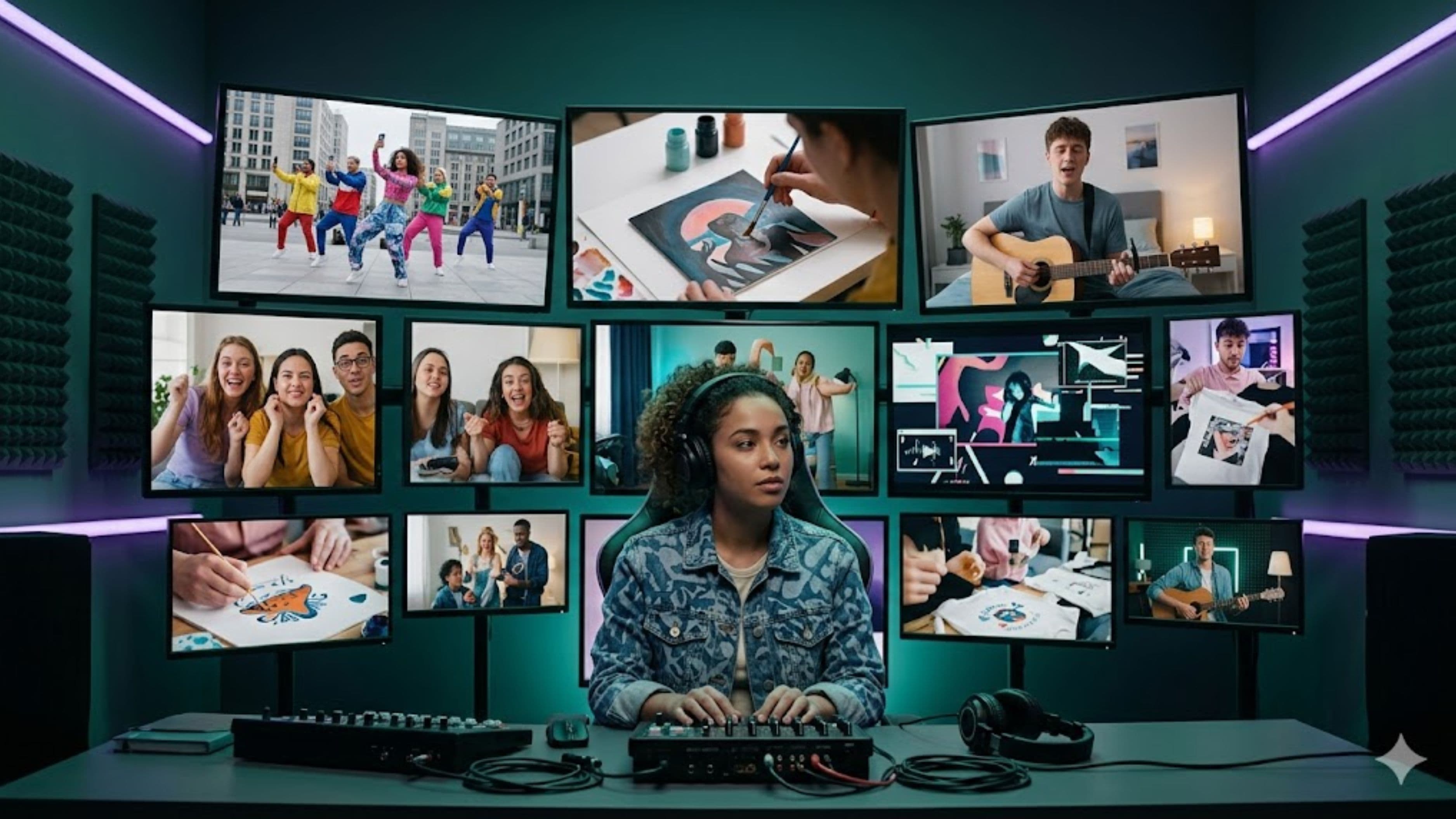
You don't need to dance, lip-sync, or produce high-production videos. Some of the most effective music content on TikTok and Reels is simple: a snippet of the track playing while the artist writes a caption about what the song means to them, or a short clip of the recording process, or even just a lyric on screen over the audio. The content doesn't need to be elaborate. It needs to give viewers a reason to use the sound themselves – because user-generated content using your track is what actually drives the discovery loop, not your own posts.
Consistency matters more than any individual post. Artists who show up regularly with short-form content across a release cycle – pre-release teasers, release-day content, behind-the-scenes clips, reaction responses – build algorithmic momentum differently than artists who post once and wait. The platform rewards presence, not perfection.
Finally, track your analytics. Which clips get saves and shares, not just views? Where are your new followers coming from when they spike? Which sounds from your catalogue are being used in other people's videos, even organically? That data tells you more about what's actually resonating than any general advice about the format ever will.
What to Watch Out For
Short-form video success and sustainable artist careers don't automatically correlate. A track going viral on TikTok generates attention, but converting that attention into listeners who follow you, stream your other music, and show up when you release something new requires intentional follow-through. Artists who don't have a second piece of music ready when their first one breaks often lose the momentum entirely. The platform moves fast, and so does audience memory.
There are also legitimate concerns about royalty structures on short-form platforms. TikTok's payment rates to rights holders for music usage have been a recurring point of tension between the platform and music rights organisations. The money from short-form video use, particularly for independent artists, is generally not significant as a revenue source – the value is in the discovery and the downstream streams it generates, not in the platform payments themselves. Going in with clear expectations about this helps avoid frustration.
Finally, the platform landscape does shift. What's dominant today may look different in three years. The most durable strategy is building skills and habits – how to create engaging short-form content, how to identify what hooks in your music – rather than over-optimising for any single platform's specific algorithm. Those skills transfer. Algorithm knowledge often doesn't.
Frequently Asked Questions
Does a song need to be new to benefit from short-form video? No. Catalogue tracks regularly get rediscovered through short-form video when they're used in a trending content format. Some of the most notable TikTok music moments have involved songs that were years old before they found their short-form moment.
Do I need to post the content myself, or can I rely on other creators using my music? Both matter, but you can't fully control when other creators discover and use your music. Posting your own content that uses your track – especially early in a release cycle – seeds the discovery and gives the algorithm initial signal. After that, user-generated content takes over if the music connects.
How long should a music clip be for short-form video? Platform limits vary, but 15 to 30 seconds is generally the most effective window for music discovery content. The hook needs to hit within the first few seconds. If your track's most compelling moment is at the two-minute mark, consider how you can restructure the preview or create an edit specifically for short-form use.
Is TikTok still worth investing in given its ongoing regulatory uncertainty? As of 2025, TikTok remains the largest short-form music discovery platform globally despite ongoing regulatory scrutiny in several markets. Instagram Reels and YouTube Shorts are both strong complementary channels. Most artists are best served by maintaining a presence across all three rather than committing exclusively to any one platform.
The Format Isn't Going Away
Short-form video has been the dominant music discovery mechanism for four years and counting. The platforms have changed, the specific algorithms have shifted, and the content styles that perform well have evolved – but the underlying dynamic hasn't. Music that's built around a compelling, shareable moment, delivered consistently by artists who understand how the format works, continues to break through in ways that no other channel can replicate at the same speed and scale.
For independent artists, that's not a burden. It's an opening. The tools to participate cost nothing. The skills are learnable. And the ceiling for what's possible without a label behind you has never been higher.
📚 Sources
RIAA – Music Industry Revenue Report 2023: https://www.riaa.com/reports/2023-riaa-music-industry-revenue-report
MusicWatch – Annual Music Study: How Fans Discover Music (2023): https://www.musicwatchinc.com/blog/annual-music-study
Music Business Worldwide – TikTok SoundOn platform for artists: https://www.musicbusinessworldwide.com/tiktok-launches-soundon-a-new-music-distribution-and-promotion-platform
Hypebot – How TikTok virality translates to streaming numbers: https://www.hypebot.com/hypebot/2023/06/how-tiktok-virality-translates-to-streaming.html
YouTube Official Blog – YouTube Shorts and music discovery: https://blog.youtube/news-and-events/youtube-shorts-music-discovery
Billboard – How independent artists are using short-form video to break: https://www.billboard.com/music/music-news/independent-artists-tiktok-short-form-video-strategy-1235200000