The Outcome You're Aiming For
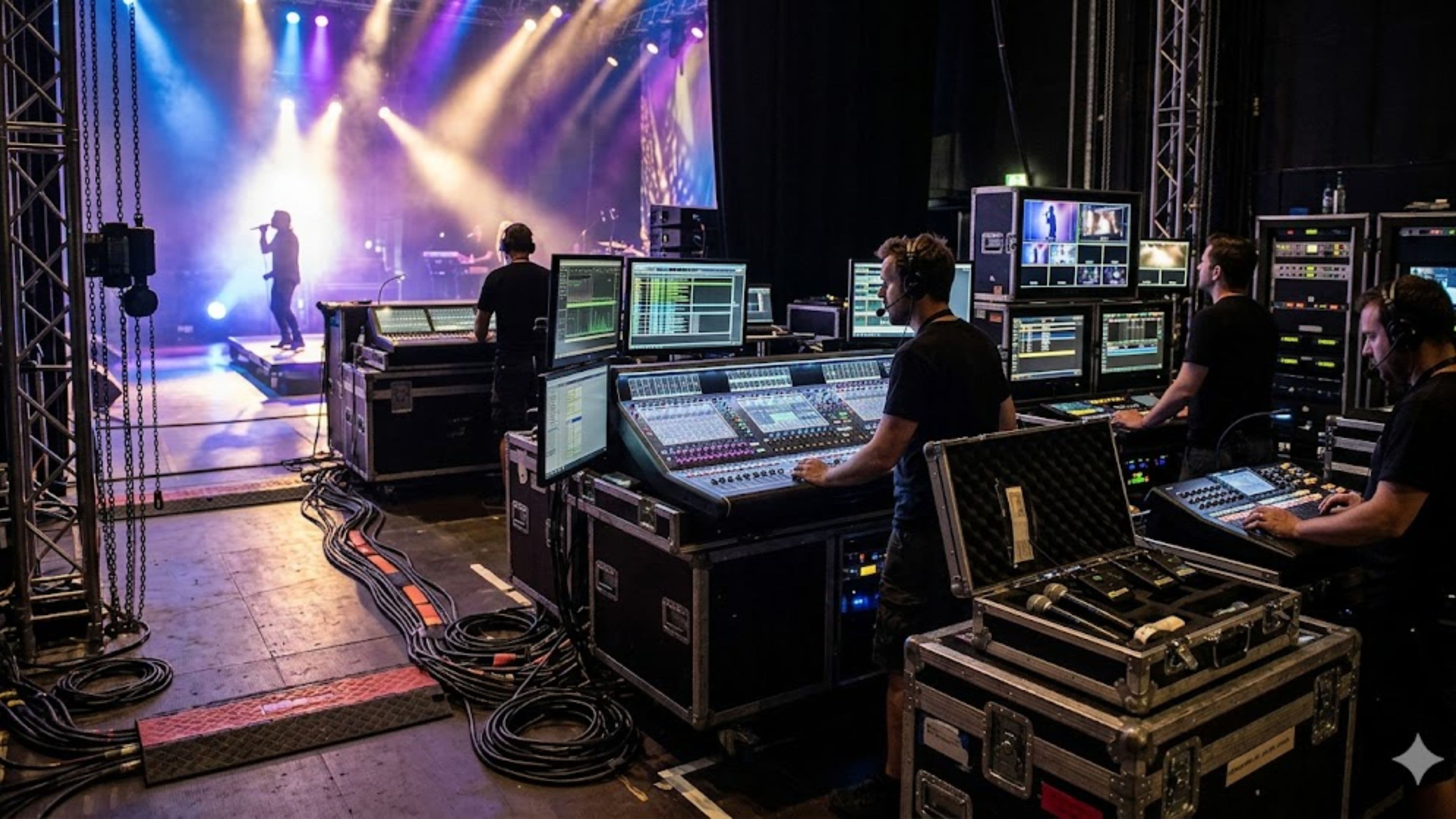
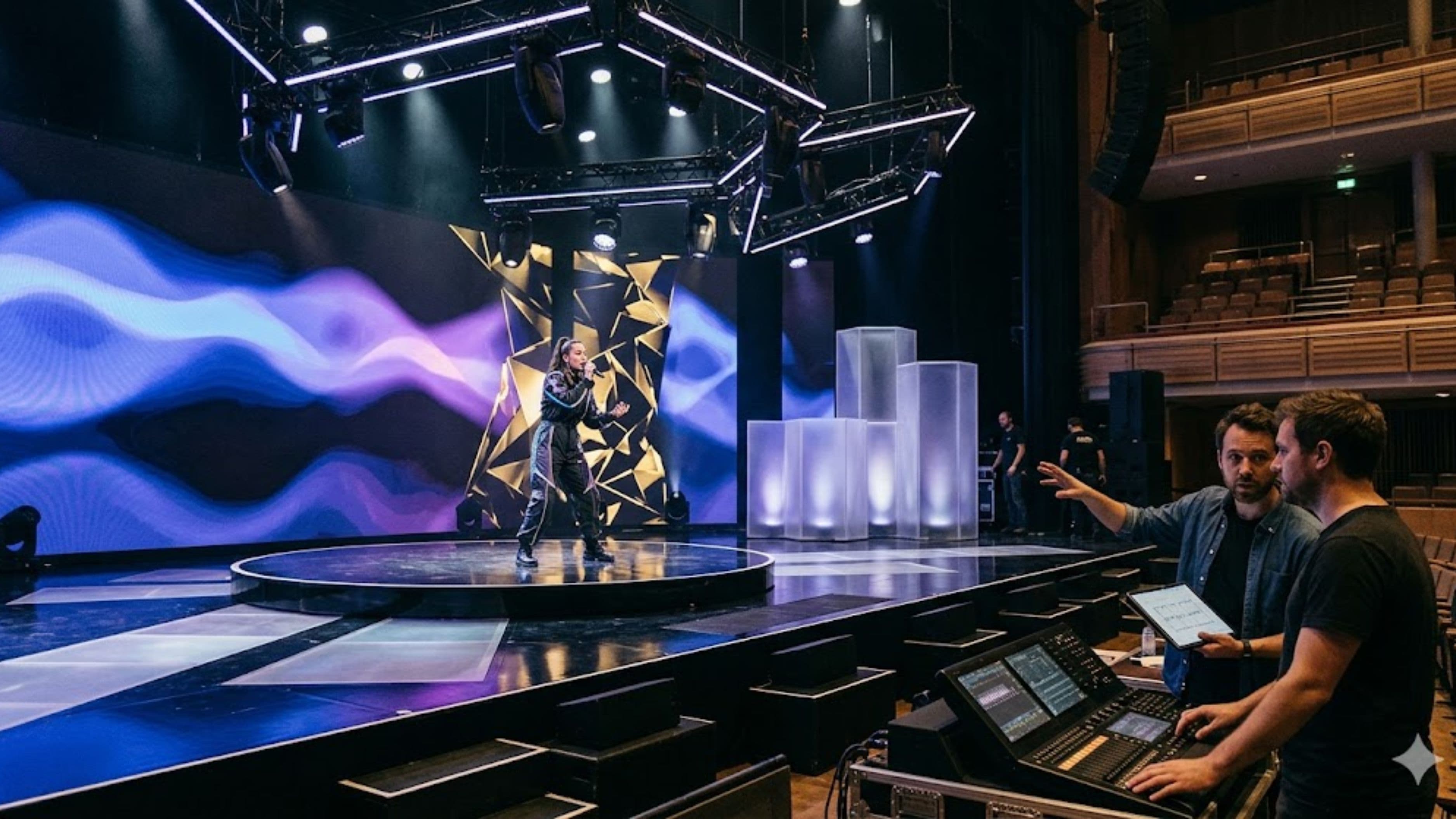
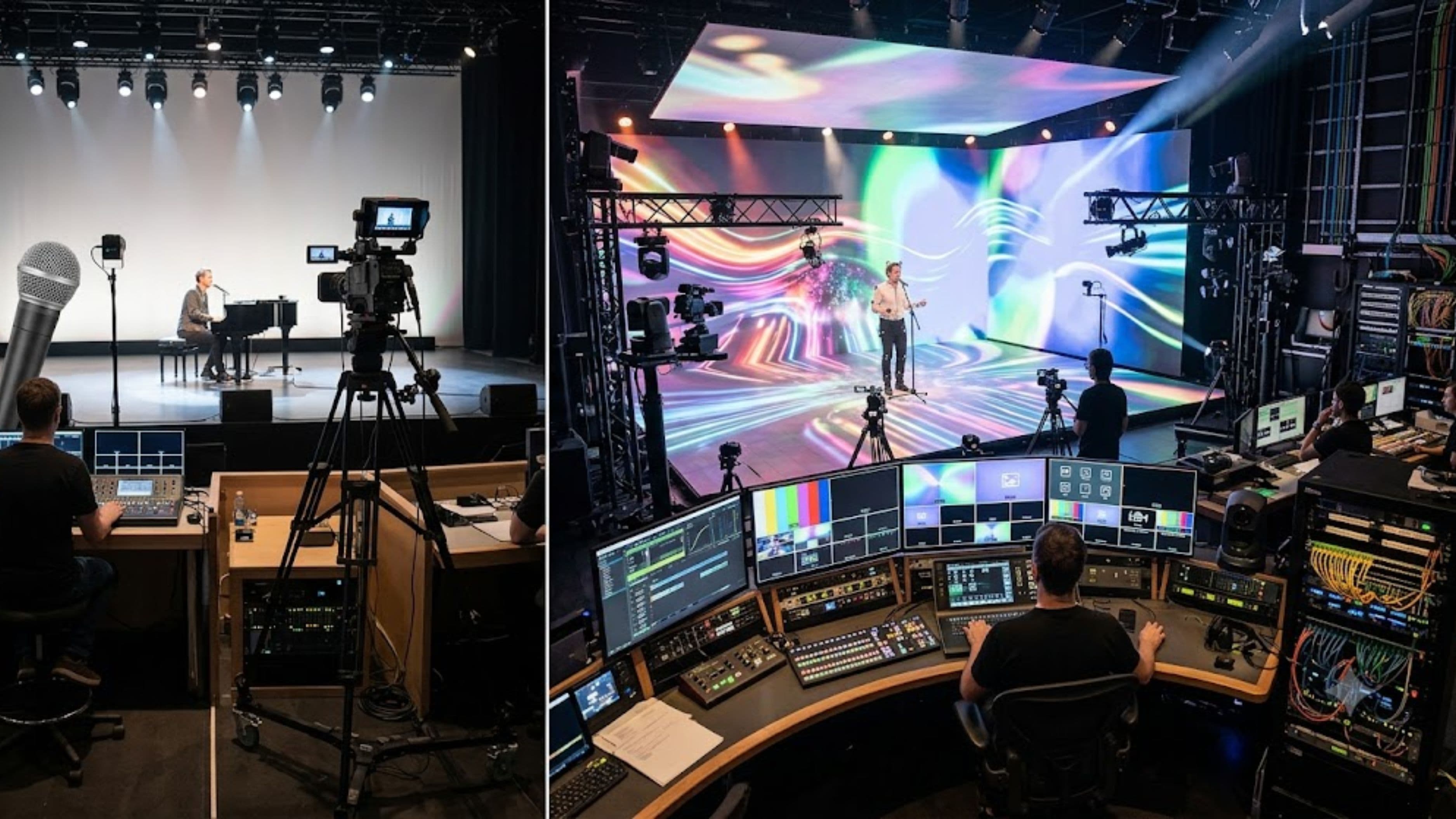
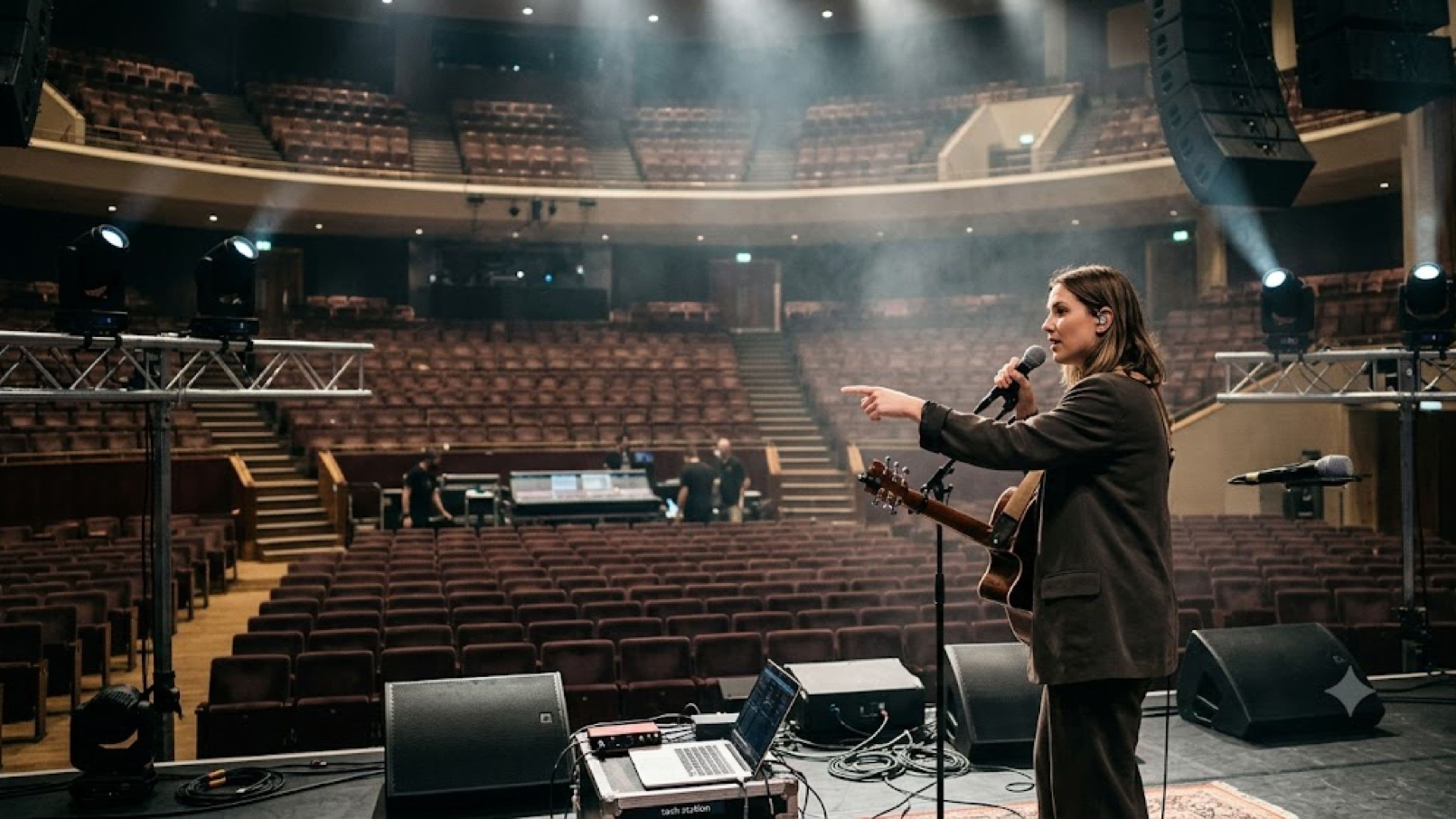
The goal of soundcheck at a bigger venue isn't a perfect mix – you're not going to get there in fifteen minutes, and no engineer expects that. The real goal is giving the house engineer everything they need, efficiently, so they can build a mix that's solid enough to adjust on the fly during the actual set. Walking in with a clear, organized approach is what separates a smooth soundcheck from one that eats into your changeover time and starts the night stressed.
Step-by-Step Process
Show up with your input list already prepared. Before you arrive, know exactly what's going direct (DI) versus mic'd, what channels you need, and in what order you want them on the stage plot. Sending this ahead of time, even a day before, gives the house engineer a head start and dramatically speeds up the actual check once you're on stage. Showing up without this basic information ready is one of the fastest ways to burn your allotted time.
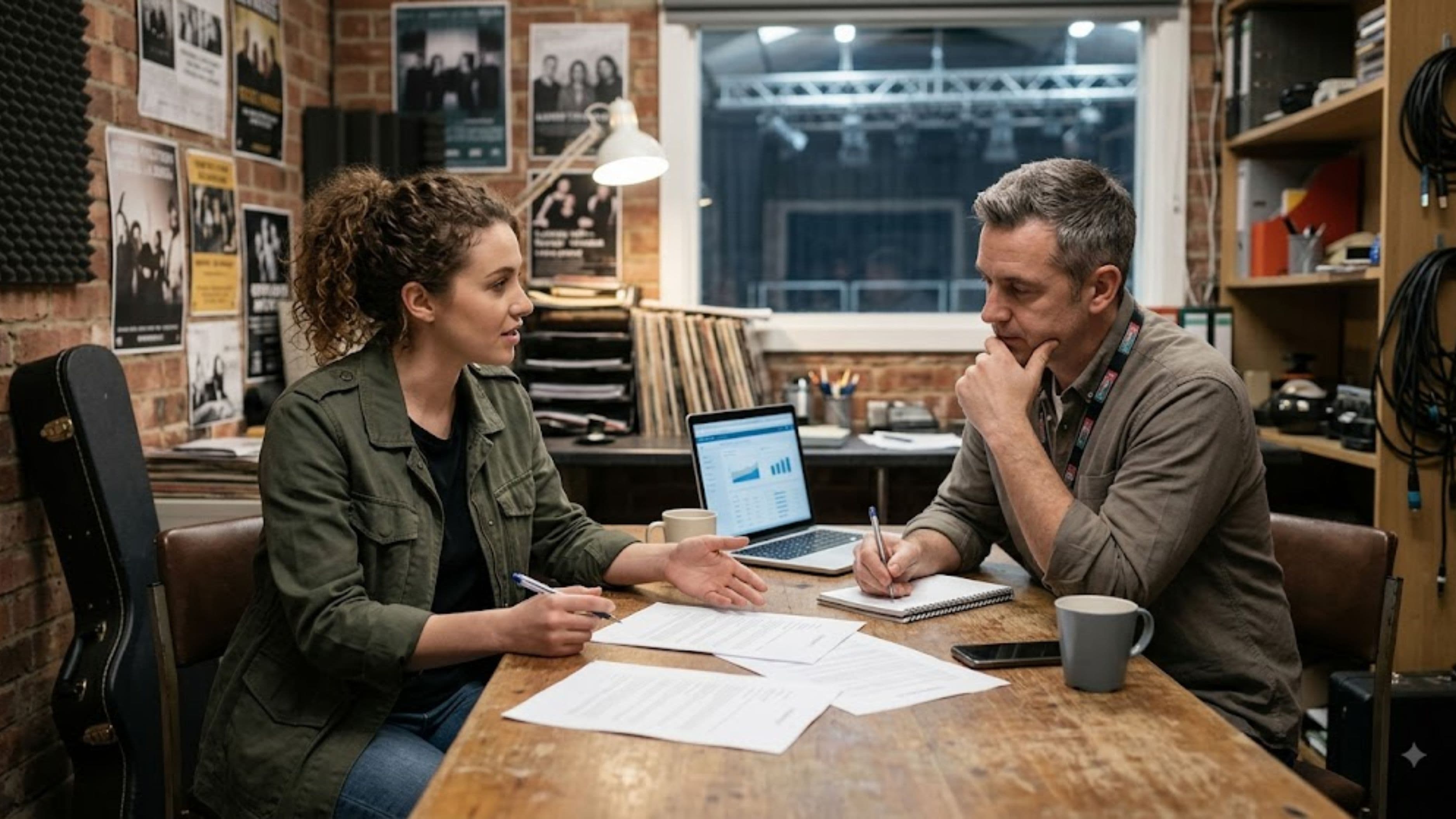
Introduce yourself to the engineer directly, not through someone else. As a solo artist, you're often your own tour manager in these rooms, so make a point of connecting with the house sound engineer as soon as you arrive, not just when it's your turn to check. A quick, friendly conversation about what you need and how you like to work goes a long way toward getting a collaborative soundcheck instead of a purely transactional one.
Check your most critical elements first. If you've only got a short window, prioritize whatever your performance depends on most – usually your vocal and your primary instrument, whether that's guitar, keys, or a backing track source. Save less critical elements, like extra effects or a secondary instrument, for if time allows, rather than spending your limited window on something you could adjust later during the set if needed.
Use reference points, not vague requests. Instead of saying "can you make my vocal louder," give the engineer something concrete to work from – "I want to be able to hear myself clearly over the backing track, similar to how it felt at [previous show or reference]." Specific, comparison-based feedback is faster for an engineer to act on than vague adjectives, especially when they're hearing your material for the first time.
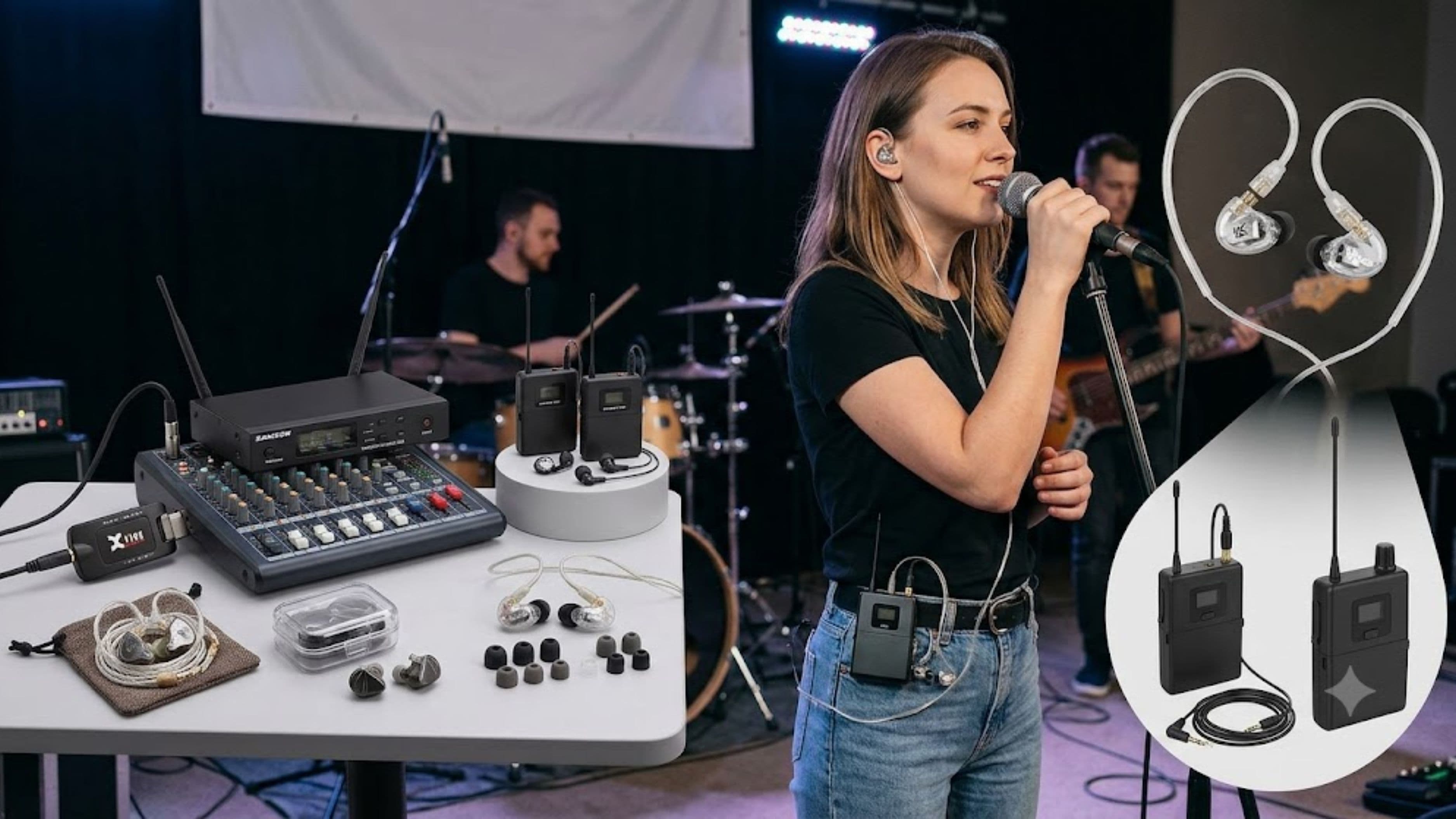
Confirm your monitor situation before you leave the stage. Whether you're on wedges or in-ears, make sure your monitor mix is genuinely usable before soundcheck wraps, since this is much harder to adjust quickly once doors are open and the room fills with people, changing the room's acoustics. This is one of the last things to skip if your time is running short – walking away without a workable monitor mix creates a much bigger problem during the actual show than a slightly imperfect front-of-house mix would.
Do a final walk-through of your set flow, not just your sound. If your set includes moments with backing tracks, loop stations, or instrument changes, use part of your remaining time to actually run through those transitions, not just check levels on each element in isolation. A mix that sounds fine on individual channels can still fall apart in a live transition you haven't actually tested.
Tips for Better Results
Bring your own basic backup gear – a spare cable, a DI box, an extra pair of in-ear tips – since bigger venues have house gear but not necessarily a spare of the specific thing you personally rely on. Being self-sufficient here saves time and avoids relying on a busy crew to track down something minor.
Learn the venue's specific terminology and workflow expectations ahead of time if you can – some venues run a very tight schedule with a strict changeover window, while others are more relaxed. A quick email or call to the venue or promoter beforehand about how soundcheck typically runs can help you show up already calibrated to their pace rather than adjusting to it in real time.
Treat the house engineer as a collaborator, not an obstacle. Bigger venues often mean the same engineer is mixing your set as well, so a positive, clear working relationship during soundcheck tends to carry through into a more attentive mix once the show actually starts.
Common Mistakes to Avoid
A frequent mistake is treating soundcheck the same way you would at a small room – casually, without much preparation – and then being surprised when a tighter schedule doesn't leave room to figure things out on the fly. Bigger venues generally mean less individual time per act, so the preparation needs to happen before you walk in, not during your slot.
Another common misstep is over-focusing on getting a perfect mix during soundcheck rather than a workable one, which eats into time you don't have and leaves your monitor situation or transitions unchecked. A rougher front-of-house mix that gets refined slightly during the actual set is a much better outcome than a highly polished soundcheck mix paired with unresolved monitor issues.
It's also easy to forget that the room sounds different once it's full of people versus empty during soundcheck – bodies absorb sound and change the room's acoustics meaningfully. Build in a mental adjustment for this rather than assuming the exact mix you hear during an empty-room soundcheck is exactly what you'll experience once doors open.
FAQ
How much time should I expect for soundcheck at a bigger venue? This varies significantly by venue and how many acts are on the bill, but it's often shorter per act than what you'd get at a smaller room, since bigger venues typically run tighter schedules. Confirming your specific time slot with the venue or promoter ahead of time avoids surprises.
Should I bring my own sound engineer to bigger shows? It depends on your budget and how complex your set is. Many solo artists rely entirely on house engineers even at larger venues, but if your set involves complex backing tracks or a specific sound you're protective of, bringing your own engineer or at least a trusted tech can add consistency across different rooms.
What if the house engineer seems rushed or unresponsive during soundcheck? Stay calm, stick to your prioritized checklist, and focus on communicating clearly and efficiently rather than pushing for more time than you've been given. A brief, well-organized soundcheck often goes better than a longer one where communication is unclear.
📚 Sources
"Live Sound Basics for Performers" – Sound on Sound, soundonsound.com
"Stage Plots and Input Lists Explained" – Berklee Online, online.berklee.edu