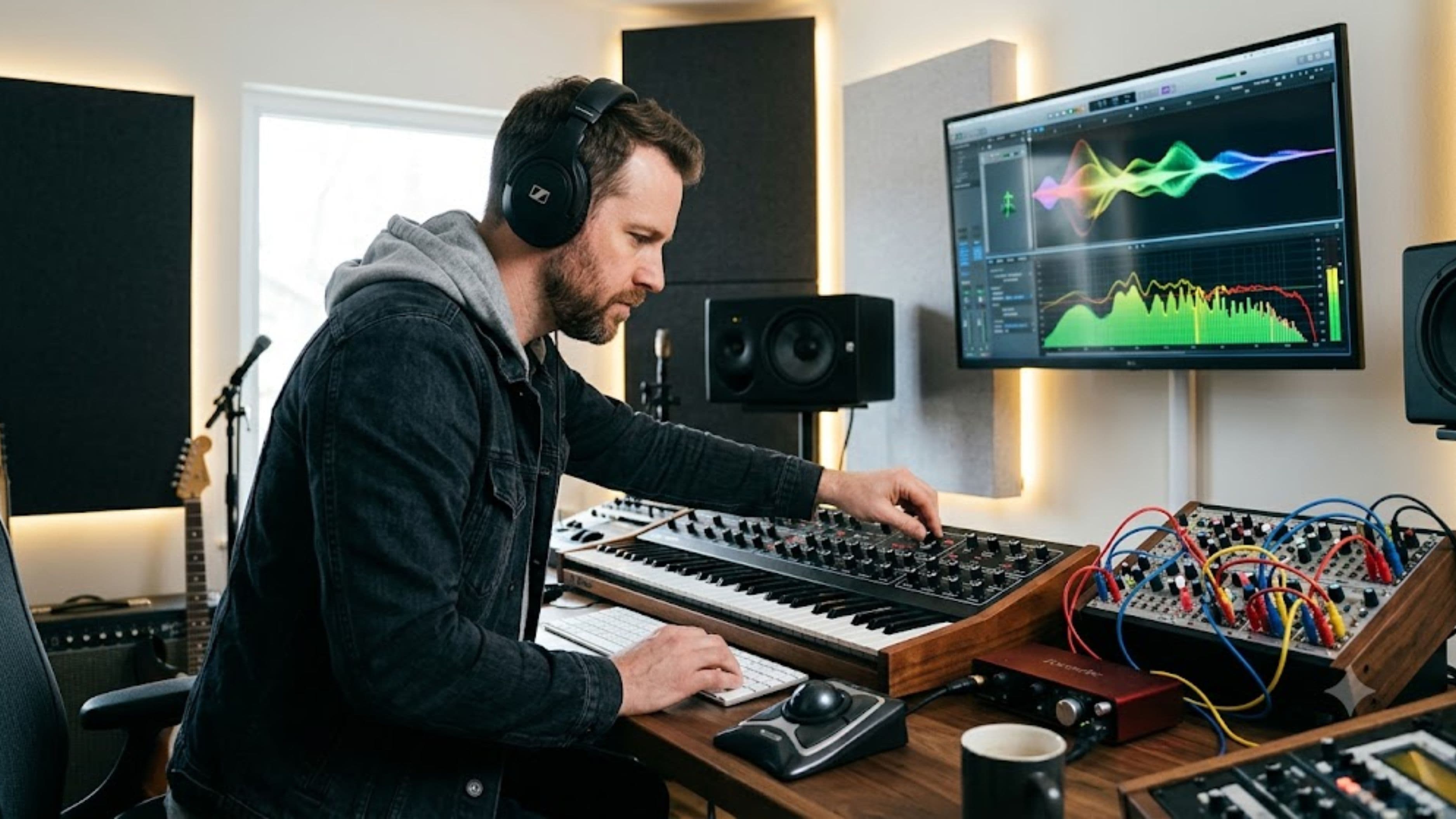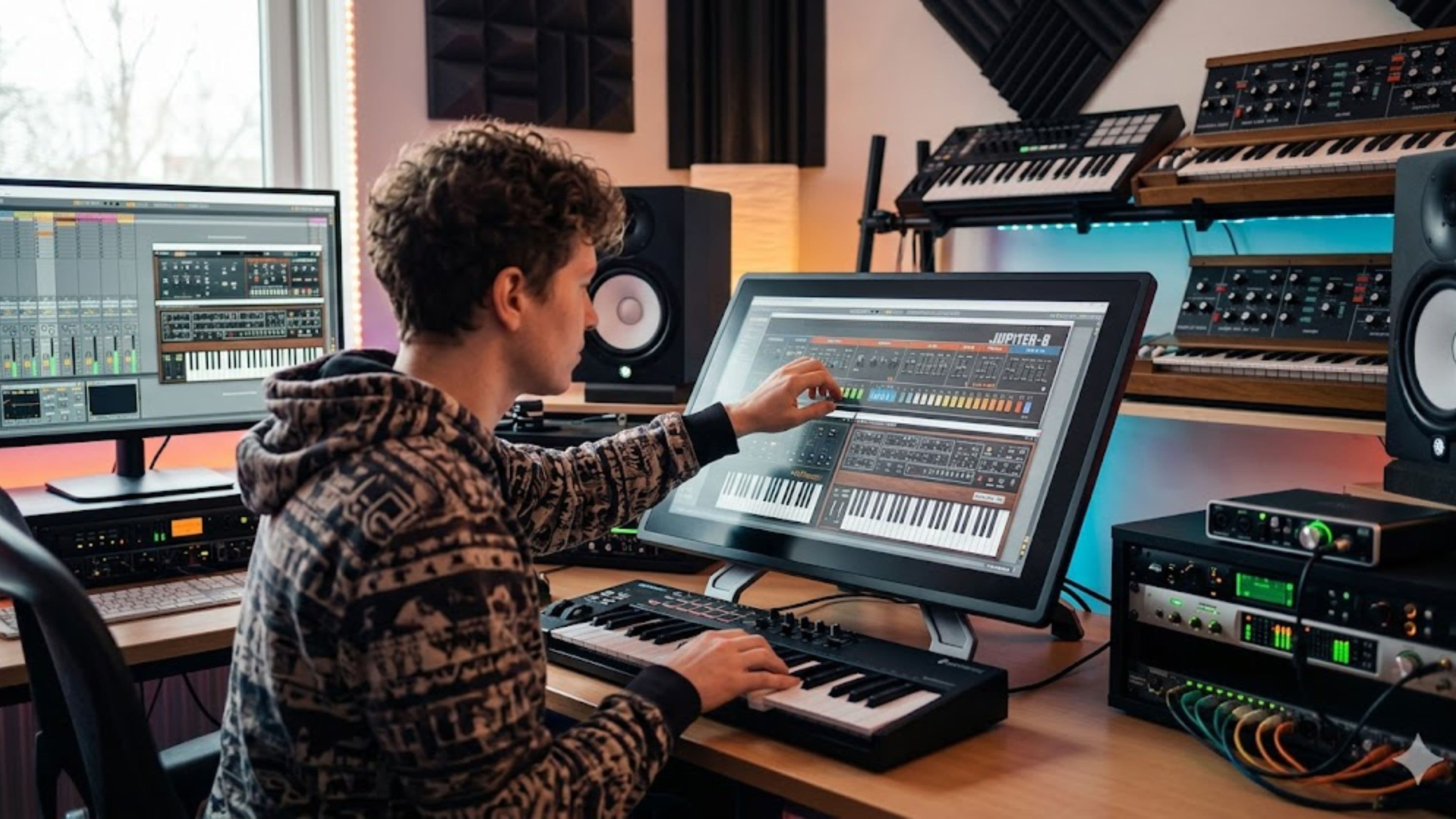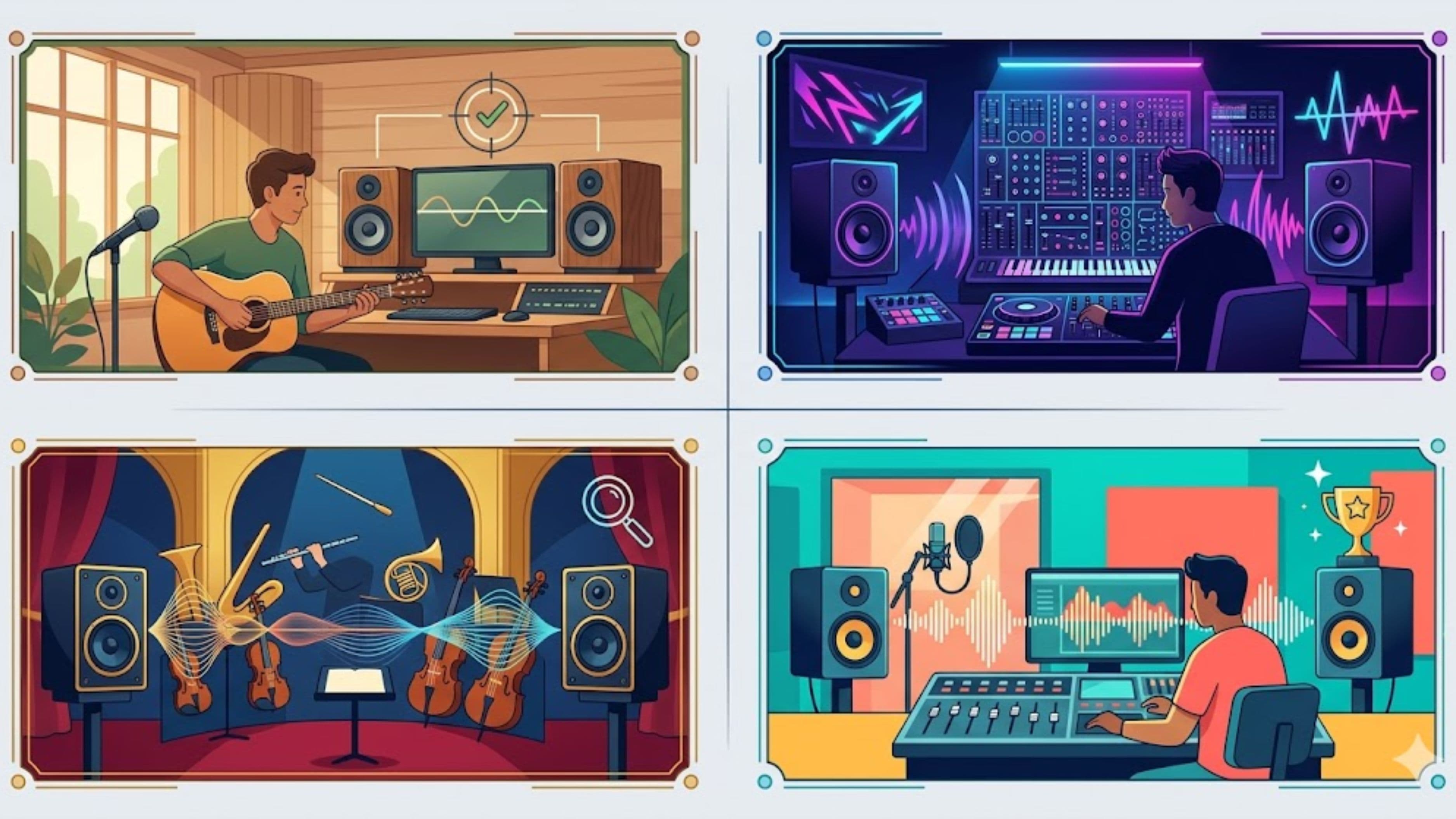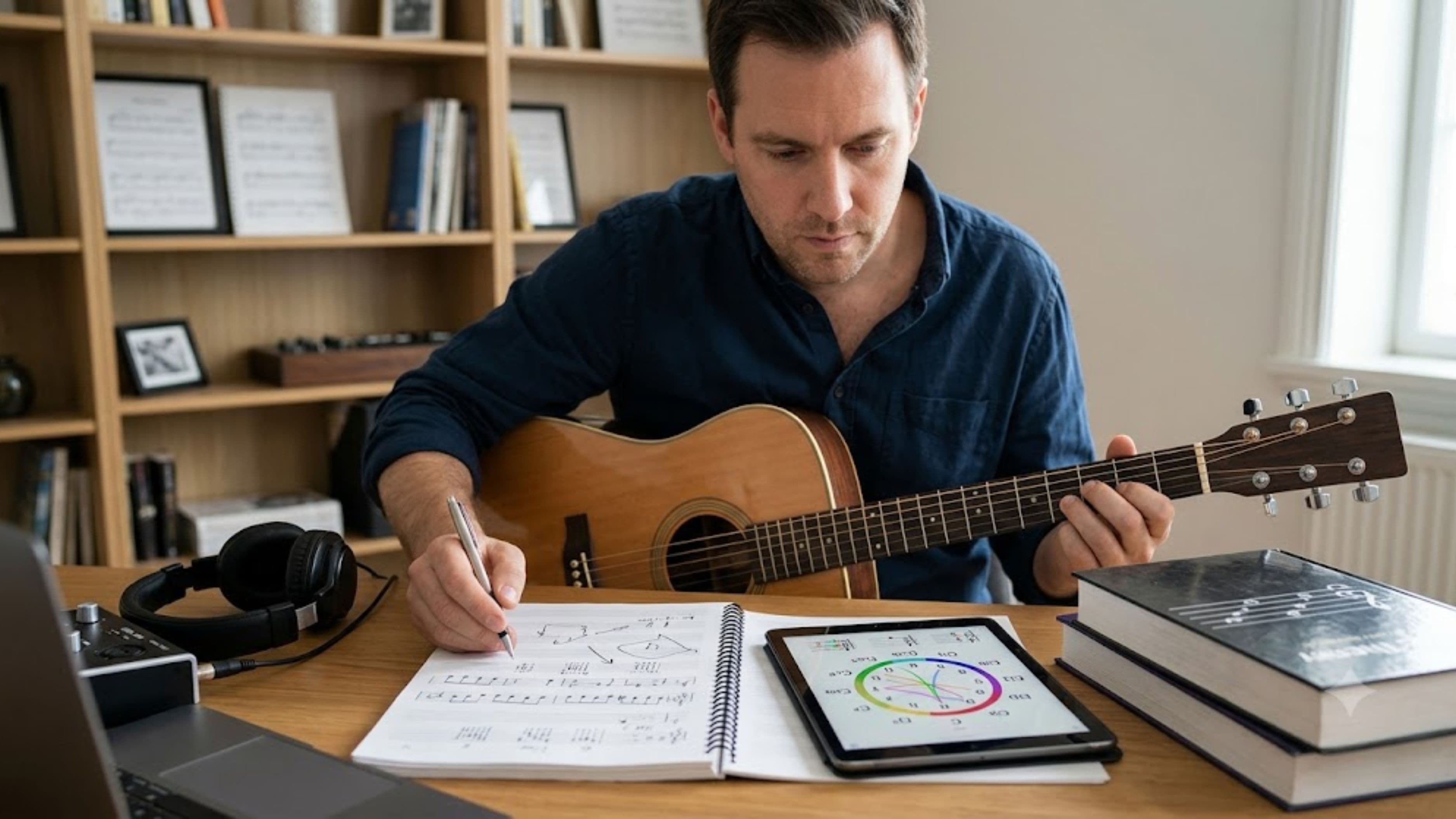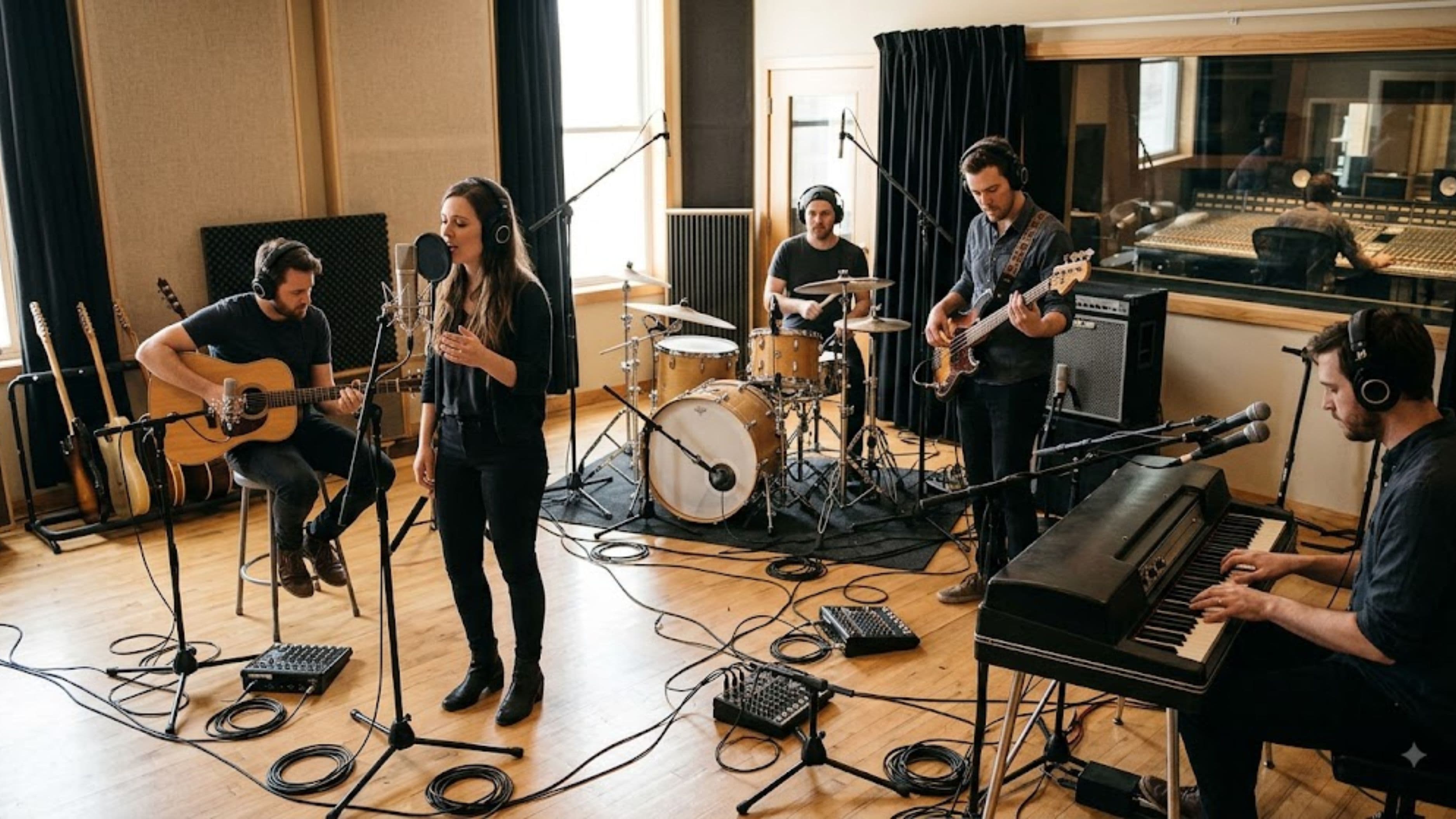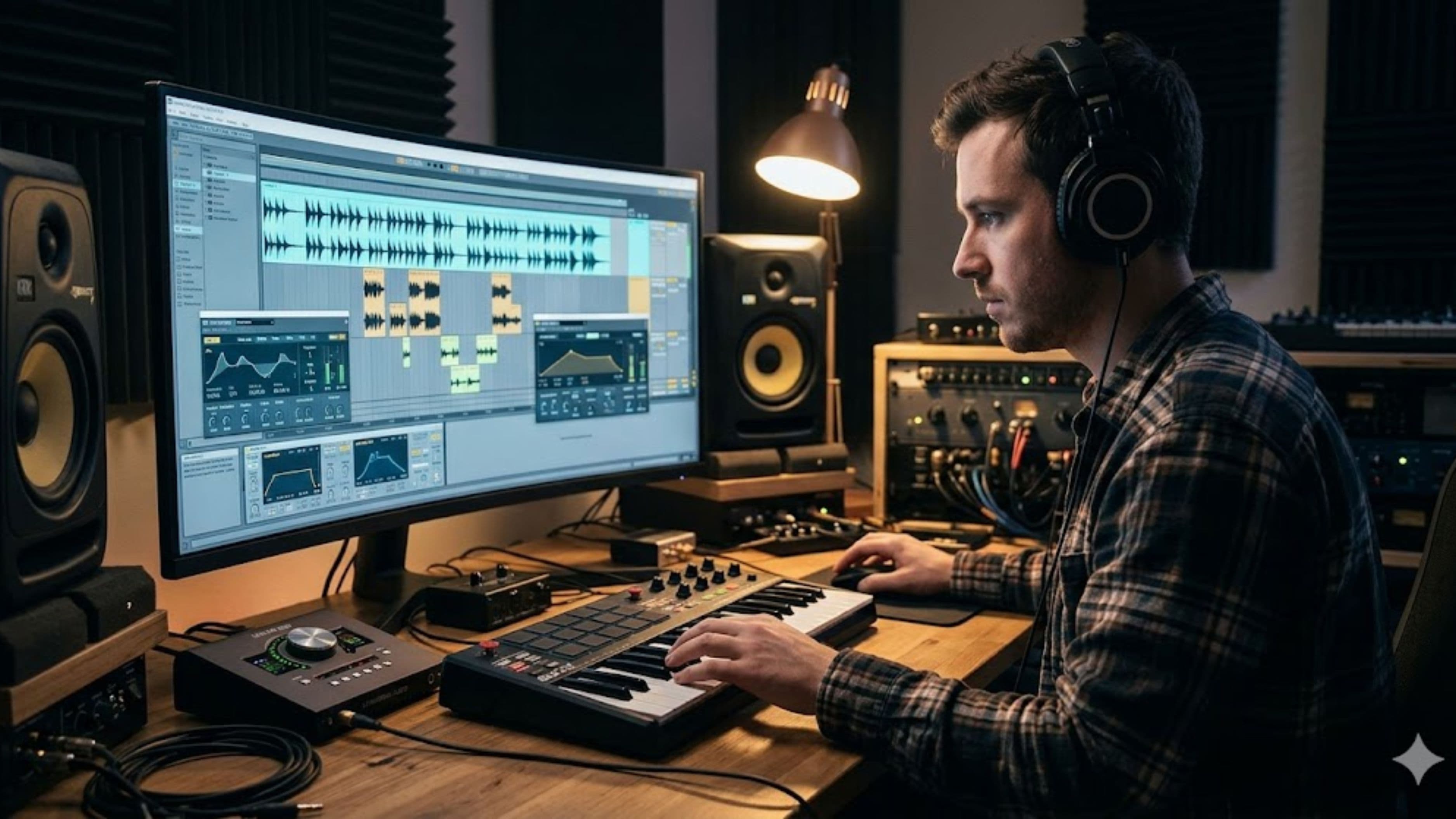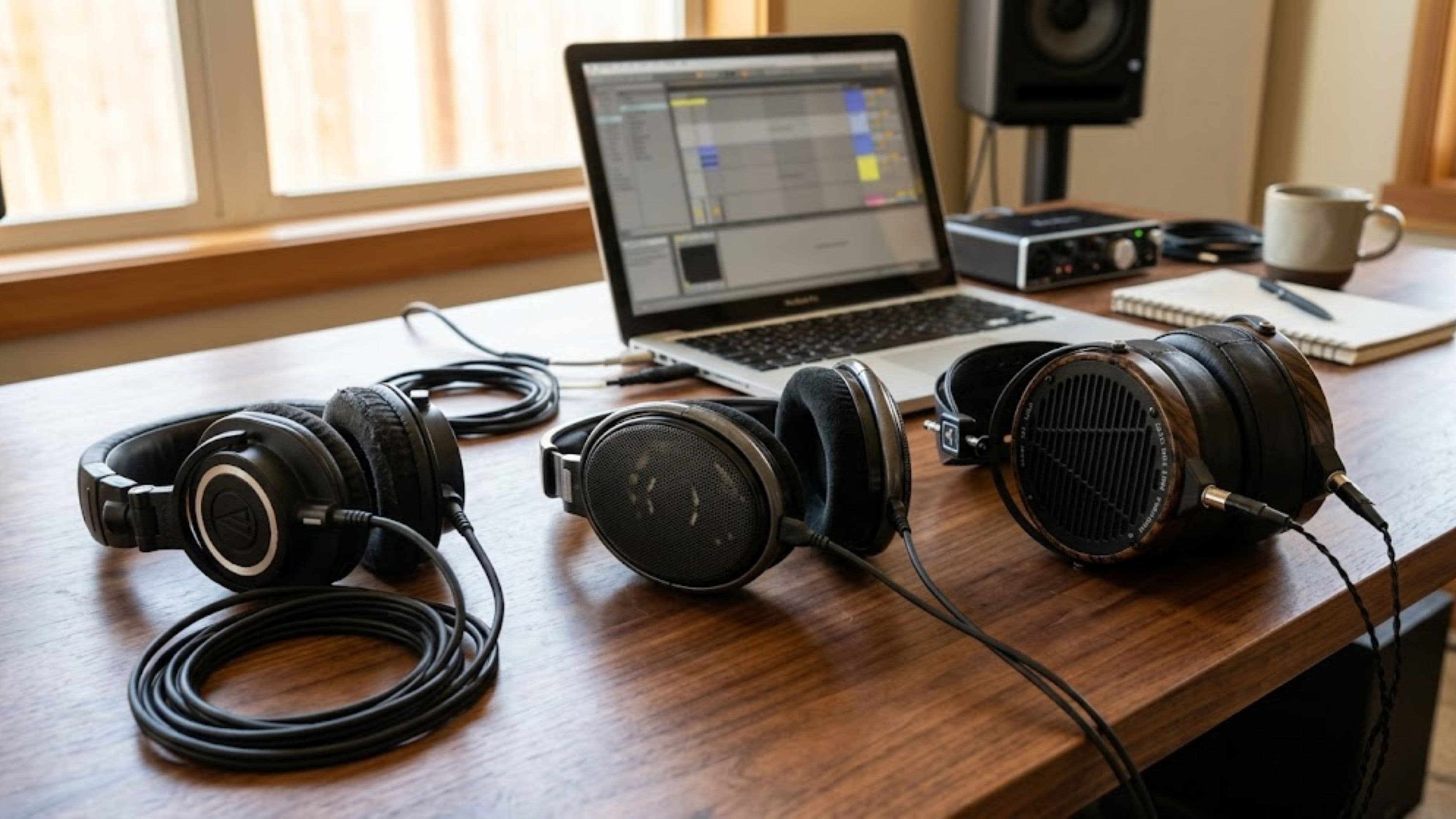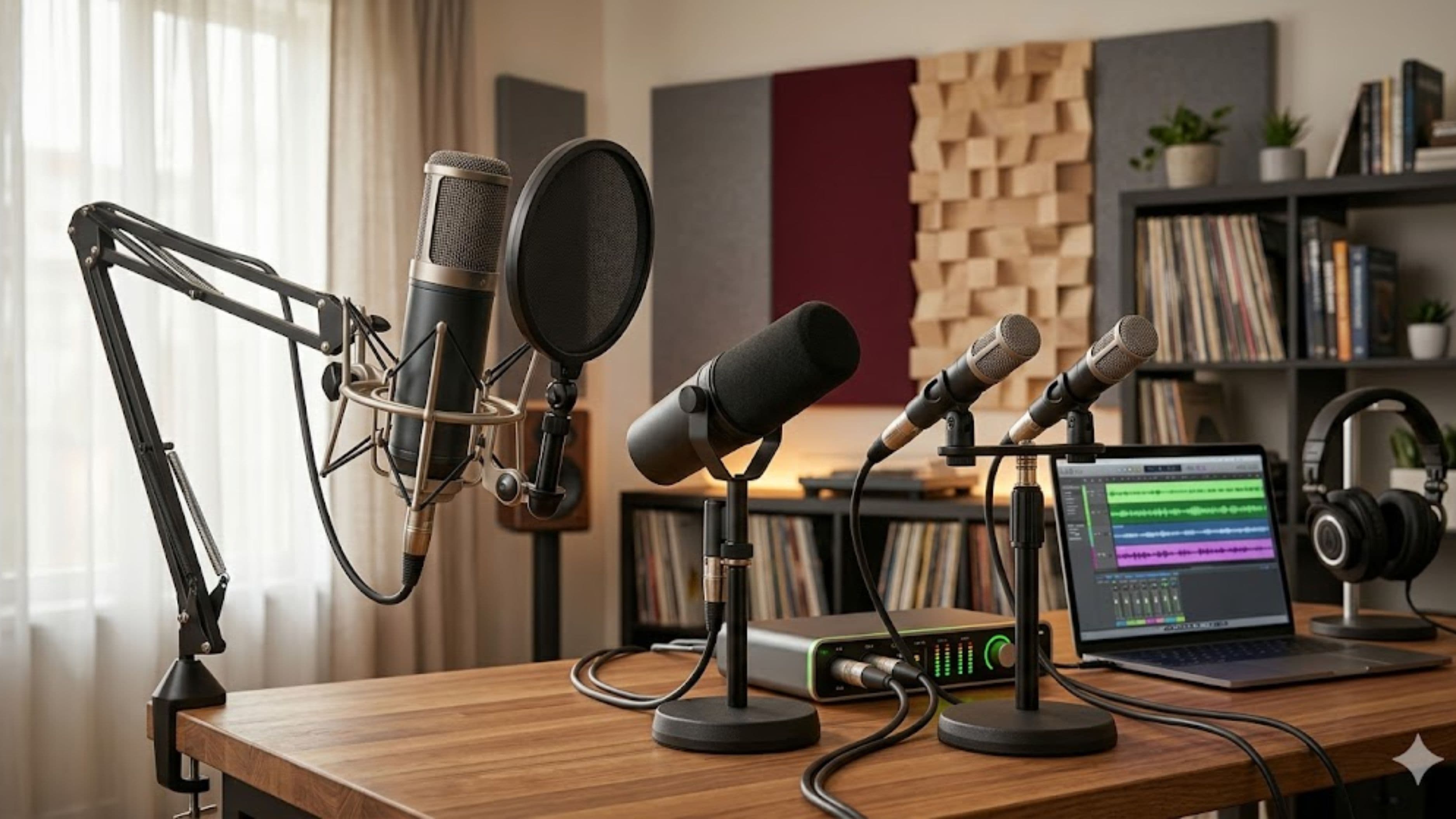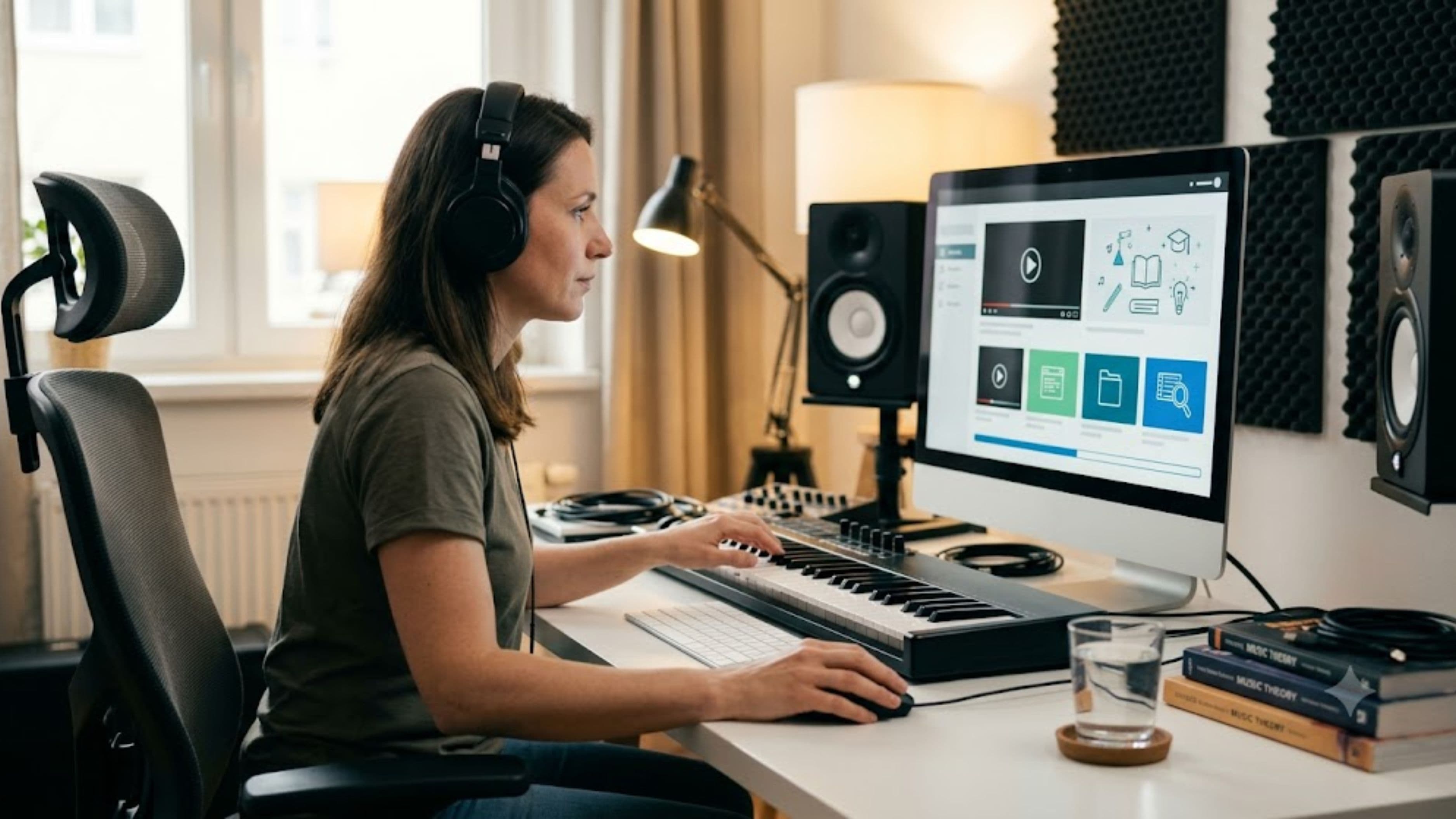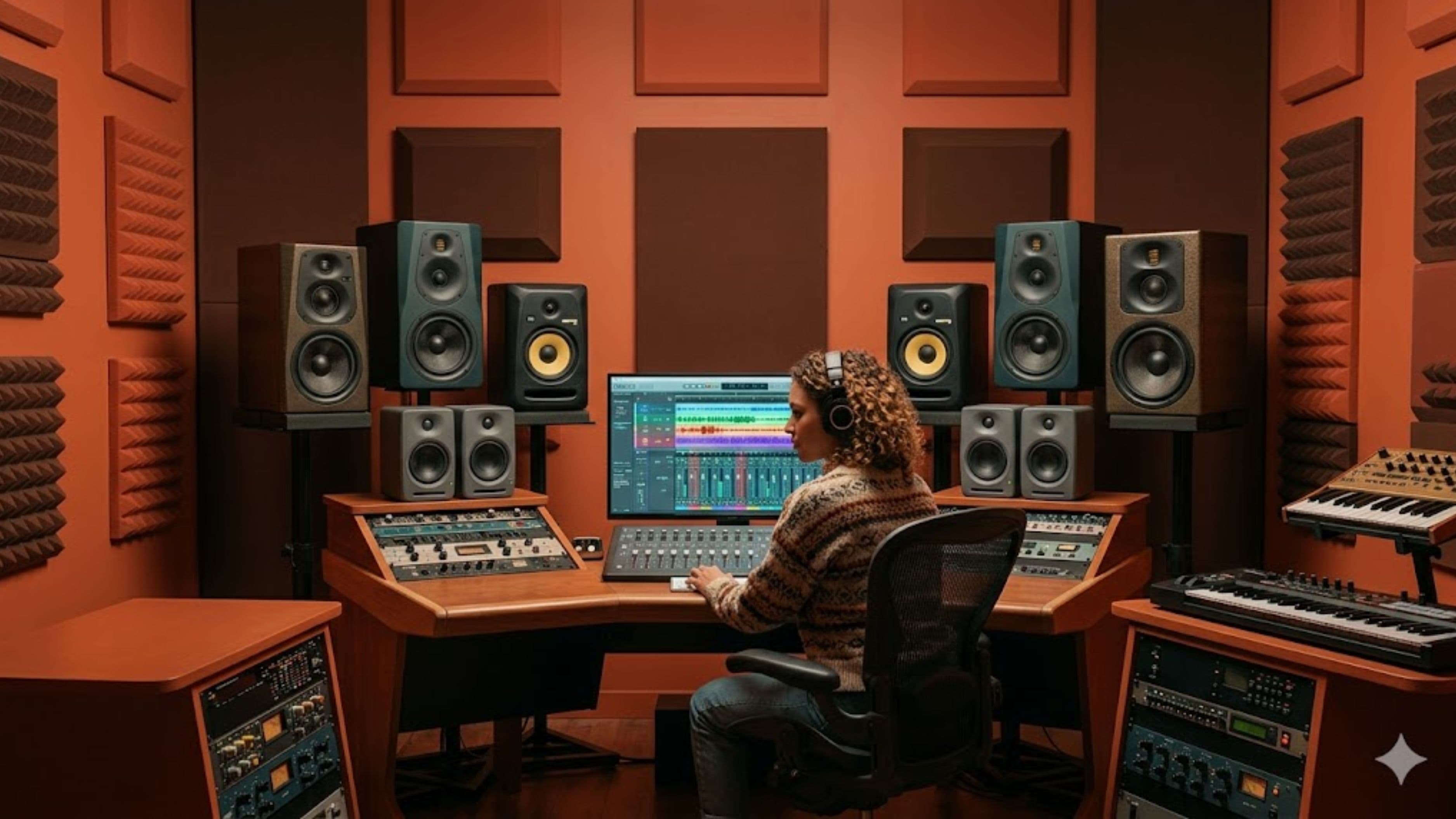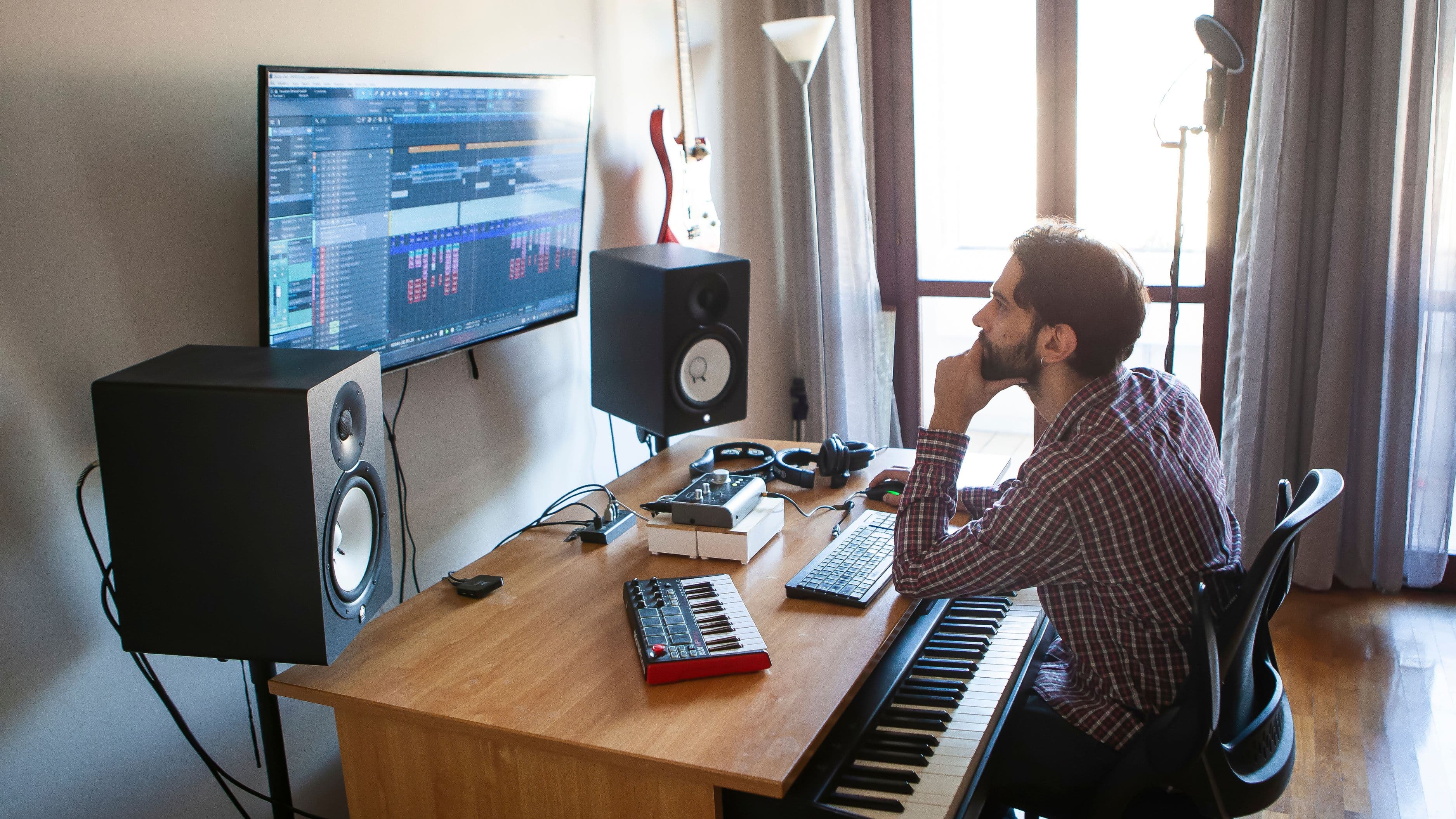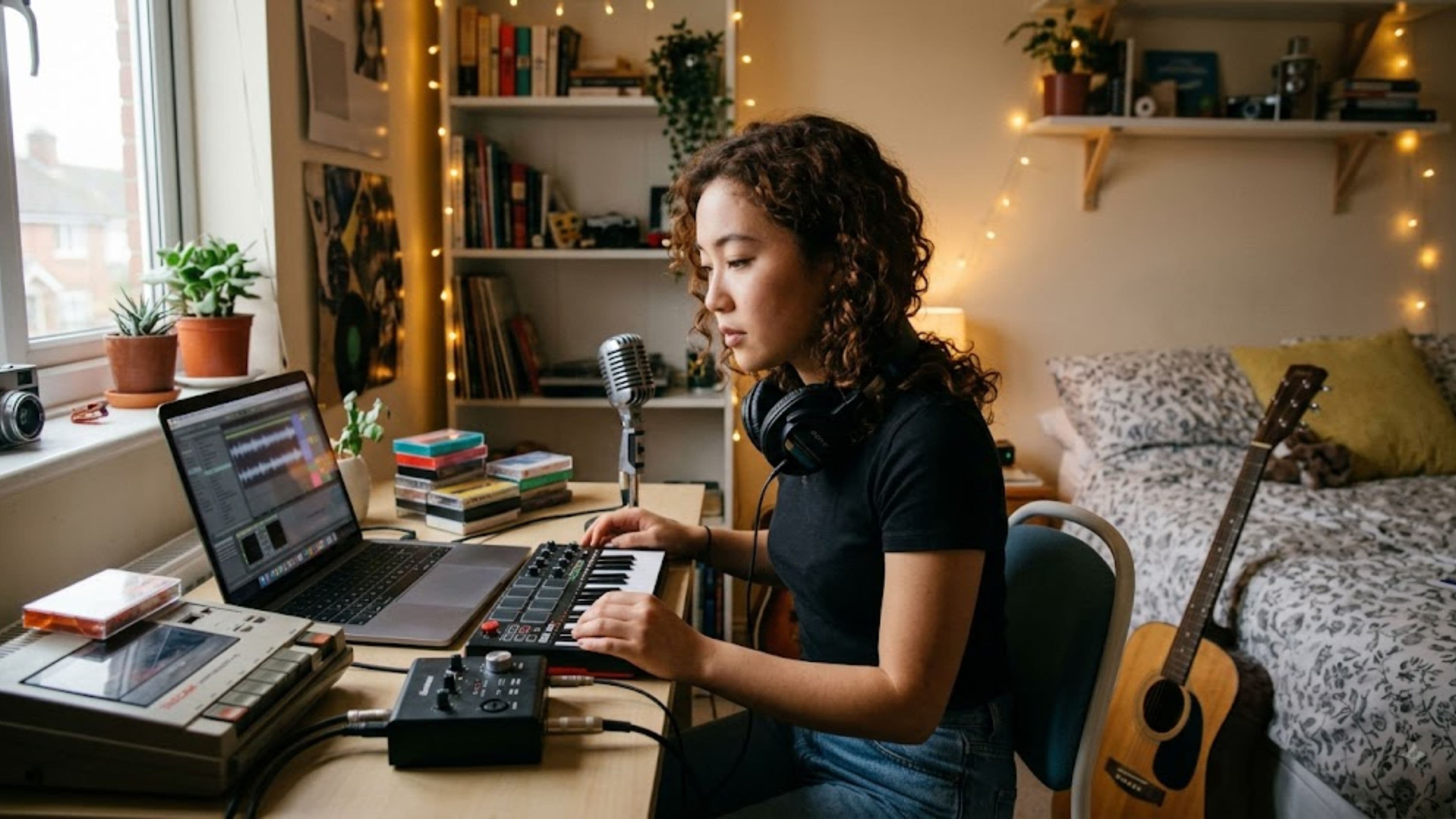
This isn't just a technical upgrade. It's a shift in how a producer's craft is evaluated and consumed. The producer who built a perfect stereo mix and left it there may find that mix sounds noticeably flat when rendered in Dolby Atmos, while a producer who understands spatial placement can create a listening experience that hits differently in headphones than anything stereo could deliver. Understanding what's actually happening – and what it means for your work – is increasingly worth the time.
What Spatial Audio Actually Means
Spatial audio is an umbrella term for techniques that place sound in three-dimensional space rather than the traditional two-channel stereo field. The most significant format in music right now is Dolby Atmos Music, which uses a combination of channel-based audio and object-based audio to create an immersive soundscape. In object-based audio, individual sounds are treated as discrete objects with specific positional coordinates in 3D space – height, width, depth – rather than being baked into a fixed channel configuration. The playback system (a speaker array, headphones, or a smart device) interprets those coordinates and renders the sound accordingly, adapting to whatever hardware the listener is using.
This is why the same Dolby Atmos mix can sound different through a surround sound speaker setup, through AirPods with dynamic head tracking, and through a standard pair of headphones. The underlying mix contains positional metadata; the playback device interprets it. For producers, this means a single mix needs to translate across multiple listening environments rather than being optimized for one.
Apple Music's Spatial Audio with Dolby Atmos, which uses head-related transfer functions (HRTFs) to simulate three-dimensional sound through standard stereo headphones, has made the format accessible to hundreds of millions of listeners without requiring any special equipment. That accessibility is what's driving the format from niche to mainstream expectation.
How the Mixing Workflow Is Actually Different
The practical difference between mixing for Dolby Atmos Music and mixing for stereo is significant, and it's not just about having more speakers or channels to work with.
In a traditional stereo mix, a producer works with a left-right panorama. Panning a synth to the left moves it toward the left ear. Reverb and delay create depth and perceived distance. The spatial canvas is fundamentally flat. In a Dolby Atmos Music session, the canvas is genuinely three-dimensional. A producer can place a vocal slightly above the listener's head, push a hi-hat into the upper-right hemisphere, keep the kick and bass anchored firmly at ear level in the front field, and let a reverb tail bloom outward in a way that stereo reverb simply can't replicate. Height channels – sounds positioned above the listener – are the most immediately perceptible new dimension, and using them effectively requires rethinking which elements of a mix benefit from elevation and which should stay grounded.
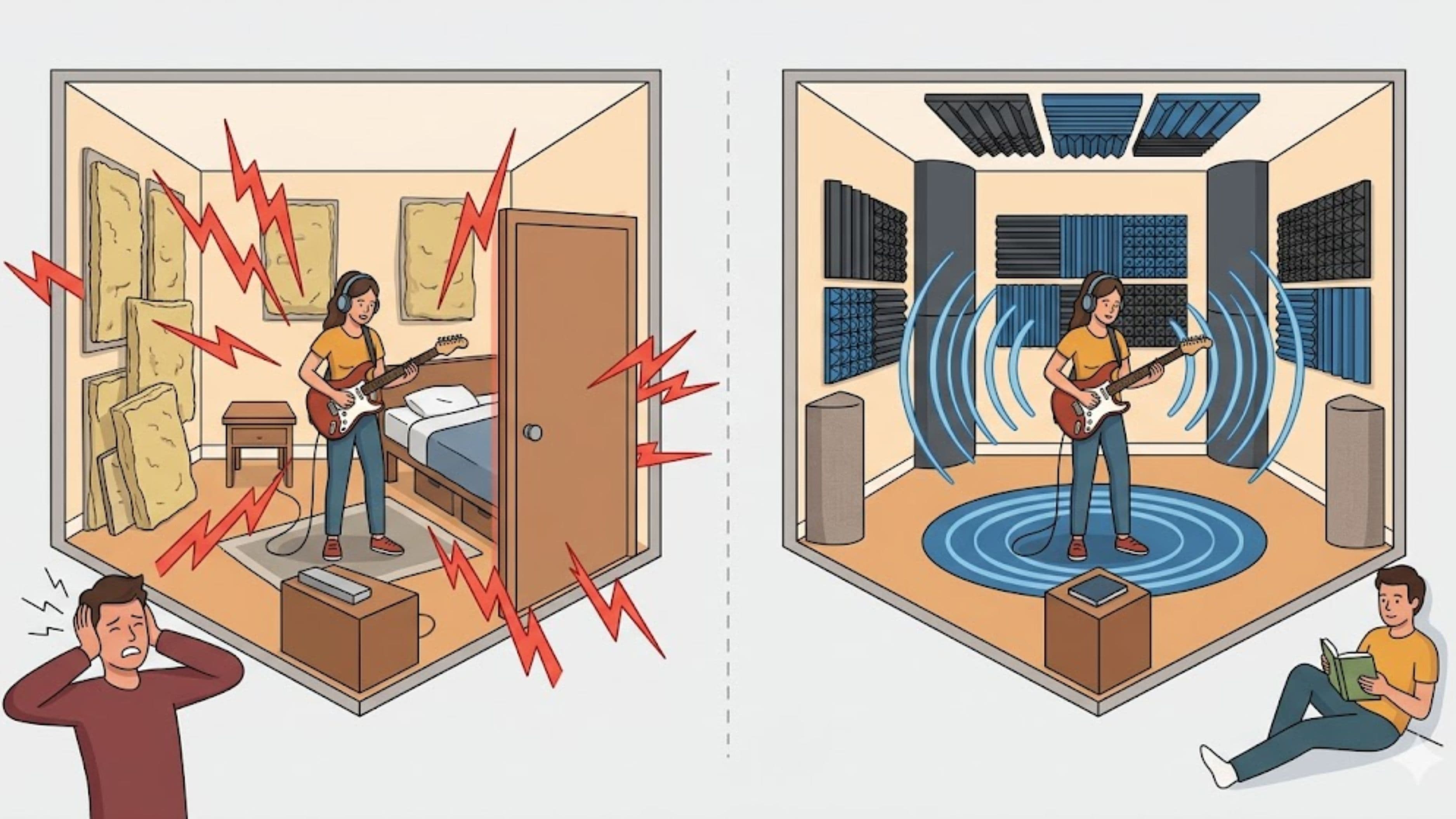
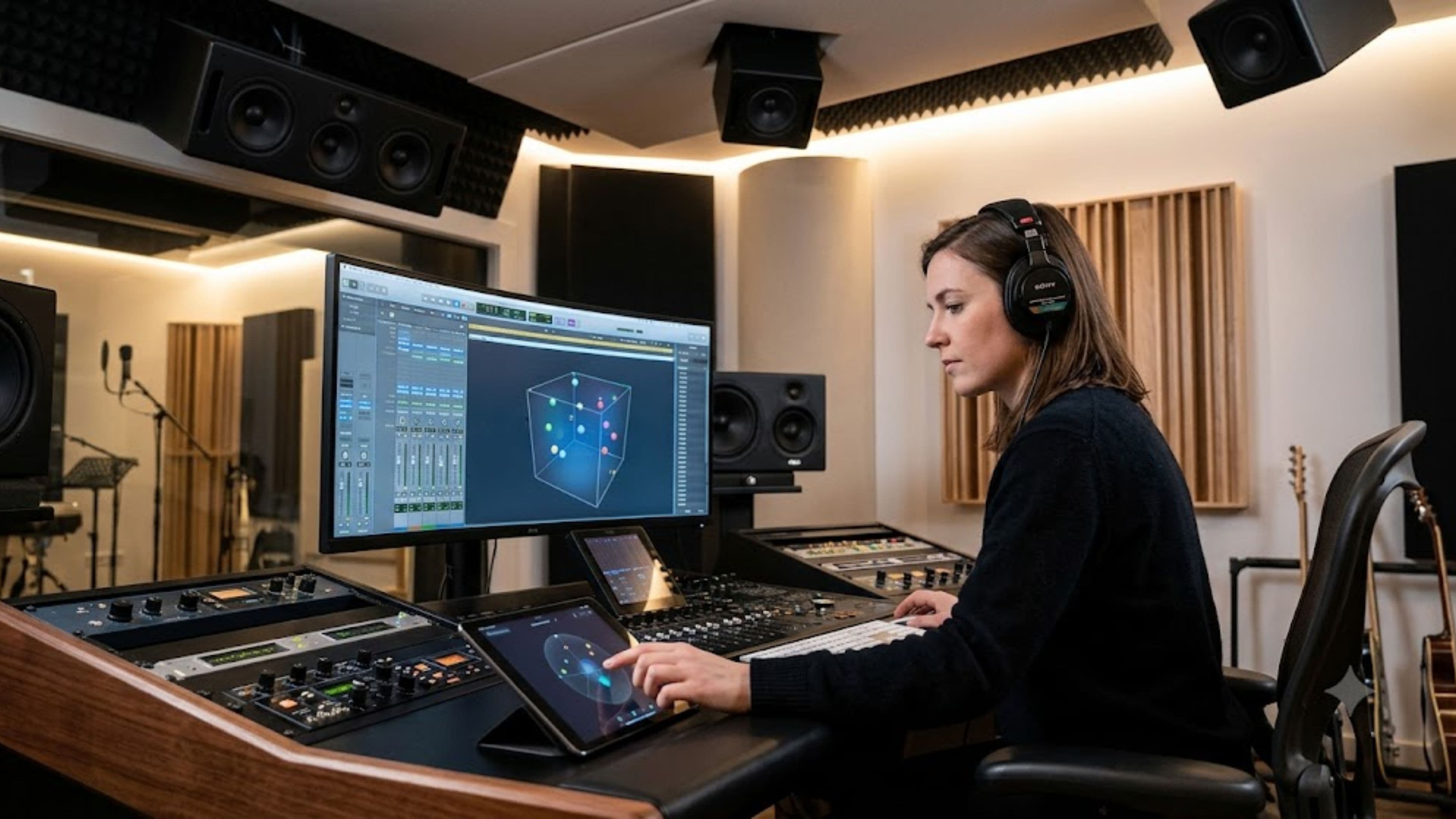
The tools required are different too. Atmos mixing in music is done primarily in Dolby Atmos Music Panner, integrated into DAWs like Logic Pro X (which has native Atmos support built in as of version 10.7), and Pro Tools. A proper Atmos room – with a calibrated 7.1.4 speaker setup (seven horizontal speakers, one subwoofer, four height speakers) – is the professional standard for rendering and monitoring an Atmos mix accurately. Not every producer has access to that environment, and mixing in a room without proper Atmos monitoring introduces risk because what you're hearing may not accurately represent how the mix will translate across listening environments.
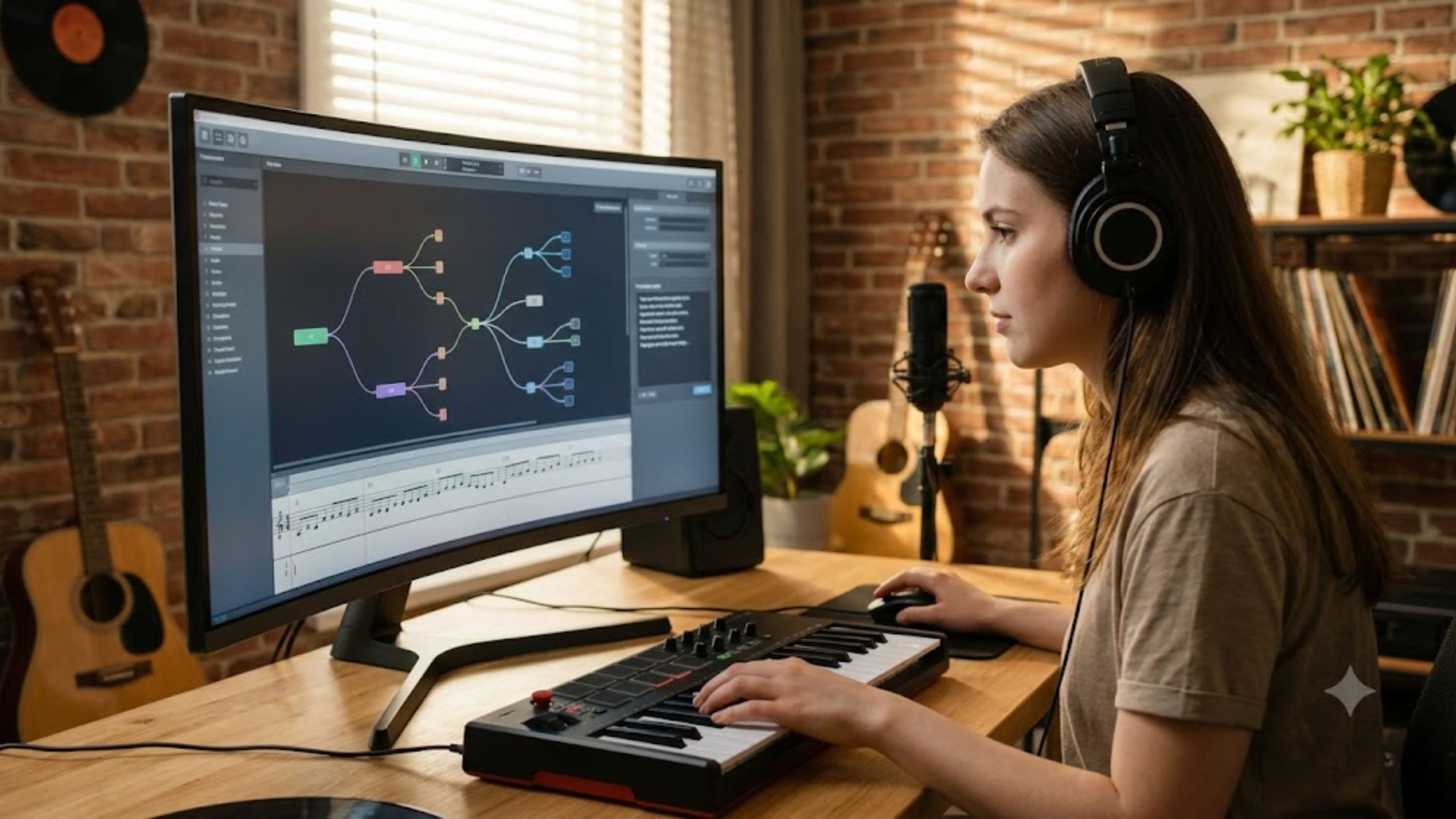
Binaural rendering – using headphones with HRTF processing to simulate the Atmos field – is increasingly used for Atmos mixing checks and is the access point for many independent producers who want to work in the format without a fully equipped Atmos room. Logic Pro's binaural rendering mode makes this accessible to anyone with a Mac and a decent pair of headphones, though it's not a replacement for accurate speaker monitoring.
Why Streaming Platforms Are Driving the Shift
The format's growth isn't happening because producers asked for it. It's happening because the major streaming platforms have made Dolby Atmos Music a content priority, and that creates a pull effect throughout the production chain.
Apple Music began streaming Dolby Atmos tracks in 2021 and now has an extensive and growing catalog of Atmos mixes. Critically, Apple Music plays Atmos content through any AirPods or Beats headphones automatically when available, without the listener needing to enable anything. That automatic playback means the format reaches listeners who didn't choose it and may not even know they're listening to it – which is how a niche format becomes a baseline expectation. Amazon Music Unlimited offers a large Atmos catalog with Spatial Audio through compatible Echo and Fire TV devices. Tidal has positioned spatial audio as a differentiator in its higher-tier plans. Netflix requires Dolby Atmos audio mixes for original content distributed in Atmos-capable markets, which is pushing the music supervision and post-production communities into the format rapidly.
The economic consequence for producers is straightforward: if a label, sync client, or streaming platform requests or prefers an Atmos mix, not being able to deliver one is a competitive disadvantage. This is already the reality for producers working at the major label level, and it's moving down the chain toward independent artists and smaller studios faster than most anticipated.
What It Means in Practice for Independent Producers
For producers working independently, the Atmos conversation is real but requires proportional framing. Delivering a Dolby Atmos mix is not yet a universal requirement for independent releases – most distributors still take stereo as the primary deliverable – but the ability to offer it is becoming a differentiator and, in certain contexts, a client expectation.
Logic Pro's built-in Atmos support has genuinely lowered the barrier to entry. A producer with Logic Pro X, a good pair of headphones, and a willingness to learn the binaural Atmos workflow can produce a credible Atmos mix without a dedicated mixing room or expensive outboard equipment. The resulting mix will have limitations compared to one done in a proper Atmos monitoring environment, but it's a workable starting point and often sufficient for streaming delivery. DistroKid and TuneCore both accept Dolby Atmos (ADM BWF) files for distribution to Apple Music and Tidal, which means the delivery pathway for independent artists exists and is accessible.
What requires more investment is the monitoring environment. Checking an Atmos mix purely in binaural mode introduces uncertainty about how it will translate to speaker-based playback environments – smart speakers, soundbars, and home theater setups that spatial audio listeners may be using. Producers who take on Atmos mixing professionally should at minimum use a calibrated binaural setup with multiple reference headphones, and ideally have access to a properly configured Atmos monitoring room for final approval.
The skill investment is also real. Atmos mixing isn't just "stereo with more channels." It requires thinking about the mix in three dimensions from the session building stage, not as an afterthought. Producers who try to convert an existing stereo mix to Atmos by upmixing – using automated tools to estimate Atmos positioning from a stereo source – often produce mixes that sound noticeably artificial or that fail to take advantage of what the format actually offers. Building an Atmos mix from stems or from a new session with Atmos in mind from the start produces substantially better results.
The Creative Dimension – What Spatial Actually Unlocks
Beyond the technical discussion, spatial audio genuinely opens creative possibilities that stereo doesn't offer, and the producers who will use the format most effectively are the ones who think about it as a creative tool rather than a compliance requirement.
Height as a dimension is the most musically interesting addition. Placing atmospheric elements – reverb tails, ambient textures, high-frequency shimmers – in the height channels can create a sense of being inside a space that stereo reverb approximates but doesn't achieve. Vocal producers have found that subtle elevation of ad-libs and harmonies relative to the lead vocal creates a depth and dimensionality in the image that can make a vocal arrangement feel significantly more immersive without sounding processed or artificial.
The binaural playback experience through headphones is where spatial audio is arguably most impactful for music. Listeners using AirPods with head tracking experience sound that moves and stabilizes relative to their head position, which creates a genuinely immersive reference frame that stereo headphone listening can't replicate. For genres that are particularly headphone-driven – electronic music, hip-hop, R&B – this is a significant listening experience upgrade that rewards producers who invest in understanding the format.
The risk, as with any new format, is overuse. A busy Atmos mix with elements scattered everywhere in 3D space can feel disorienting rather than immersive. The best Atmos mixes use spatial placement deliberately – anchoring core rhythm section elements, vocals, and primary melodic content in a coherent center image, and using height and surrounds selectively to add dimension rather than to fill space for its own sake.
What to Watch Out For
Binaural-only monitoring is the most significant risk for independent producers entering Atmos mixing. A mix that sounds compelling in headphones may translate poorly to a Dolby Atmos soundbar, a 5.1.2 home theater setup, or a public venue with Atmos playback. Whenever possible, check your Atmos mix on multiple playback systems before finalizing.
Upmixing tools – software that converts a stereo mix to Atmos automatically – are useful for quick reference and content adaptation but should not be mistaken for a proper spatial mix. Deliverables labeled as Dolby Atmos that are actually upmixed stereo are increasingly identifiable and produce a poorer listener experience than a well-executed stereo mix. If you're going to deliver Atmos, deliver a real Atmos mix or be transparent about the limitations.
The format is still evolving, which means some of the best practices being established now may shift as more producers develop experience with the format and as listening environments for spatial audio continue to diversify. Staying informed about platform delivery specifications – which update periodically as Atmos delivery standards develop – is part of working in this space.
FAQ
Do I need a special DAW to mix in Dolby Atmos? Not necessarily a special one, but one that supports Atmos. Logic Pro X (10.7 and later) has the most accessible native Dolby Atmos implementation for music producers. Pro Tools with the Dolby Atmos Music Panner plugin is the professional standard. Nuendo also has strong Atmos support. Ableton Live and FL Studio don't have native Atmos support as of 2026, which is a genuine limitation for producers working primarily in those environments.
Can I submit an Atmos mix through normal distribution channels? Yes. DistroKid, TuneCore, and a growing number of distributors accept Dolby Atmos ADM BWF files for delivery to Apple Music and Tidal. The specific file format and metadata requirements vary by distributor – check the technical specifications on your distributor's Atmos delivery page before submitting.
Will spatial audio replace stereo? Not in any near-term timeframe. Stereo will remain the primary format for most music listening contexts – car audio, club and venue playback, many mobile listening situations, and any environment without spatial audio rendering capability. Atmos mixing is additive, not a replacement. The practical approach is to build a strong stereo mix and develop the spatial version as a parallel deliverable where it's requested or appropriate.
Is it worth learning Atmos mixing as an independent producer? It depends on your market and client base. If you're working with labels, sync placements, or artists who are actively requesting Atmos deliverables, yes – learning it is a clear career investment. If your market is primarily independent artists releasing through standard distribution without Atmos requirements, it's worth understanding the format and starting to experiment in Logic Pro's binaural mode, but it's not yet a competitive necessity for most independent workflows.
📚 Sources
Dolby – Dolby Atmos Music for Artists and Producers: https://professional.dolby.com/music/dolby-atmos-music/
Apple – Logic Pro Dolby Atmos Overview: https://support.apple.com/en-us/102018
MusicTech – How to Mix in Dolby Atmos: A Complete Guide: https://musictech.com/guides/essential-guide/how-to-mix-in-dolby-atmos/
DistroKid – Dolby Atmos Delivery Specifications: https://support.distrokid.com/hc/en-us/articles/4409785286299-Dolby-Atmos
Sound On Sound – Spatial Audio and Music Production: https://www.soundonsound.com/techniques/introduction-atmos-music-production