Why Engagement Matters More Than Size Right Now
Sponsors used to chase reach above everything else, but that calculation has shifted as advertisers have gotten more sophisticated about measuring actual return on ad spend. A podcast with 2,000 highly engaged listeners who trust the host's recommendations can convert better for a niche gear brand or music platform than a show with ten times the downloads and a passive, disengaged audience.
This shift genuinely favors smaller shows with a clearly defined niche, whether that's vinyl collecting, a specific genre scene, or independent artist interviews, because that specificity is exactly what makes an audience valuable to the right sponsor.
Know Your Actual Numbers Before You Pitch
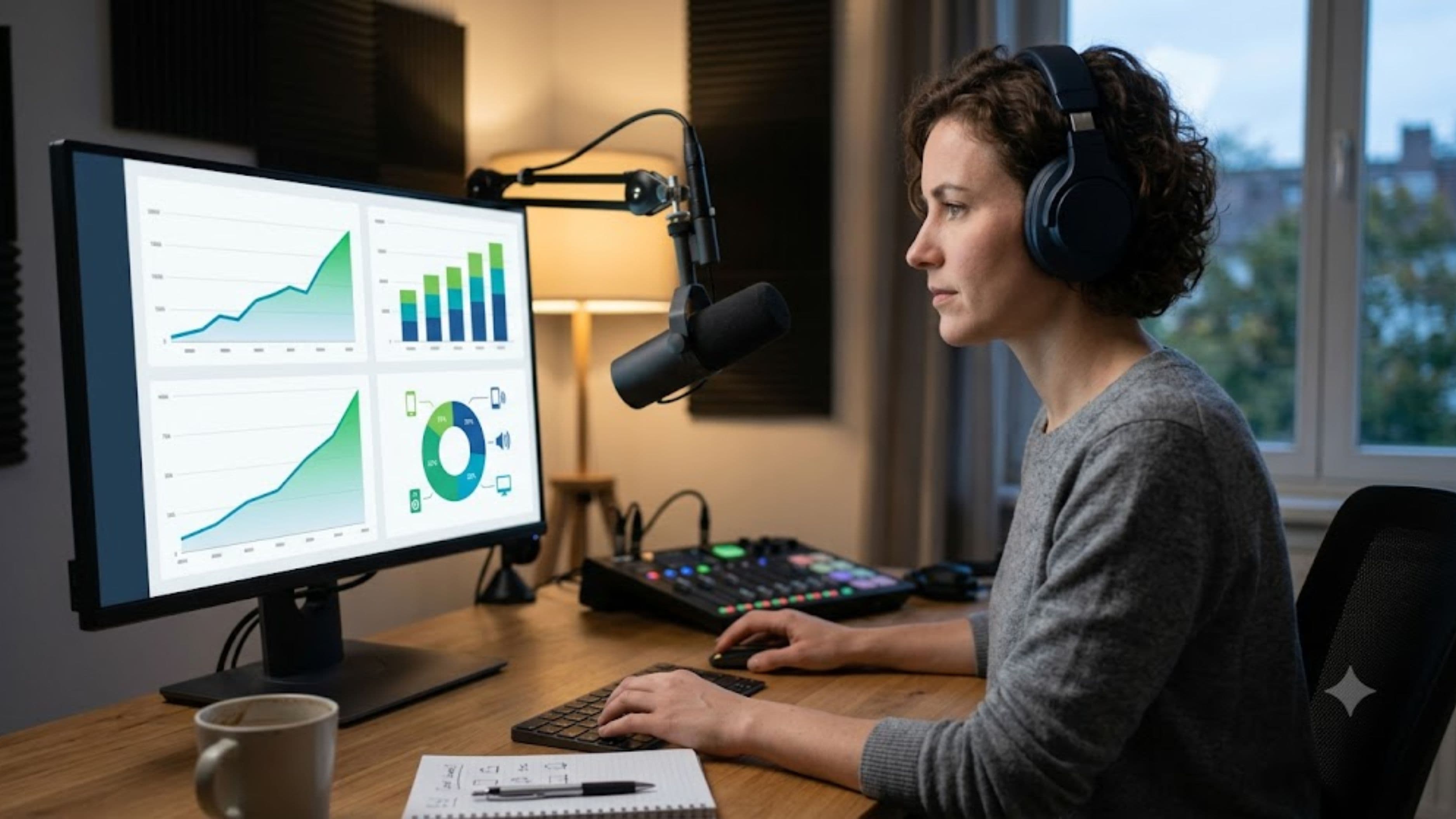
Before reaching out to anyone, get a clear picture of your download numbers, audience demographics if available through your hosting platform, and engagement signals like completion rate, listener reviews, or community activity on social platforms tied to your show.
Sponsors want data, even from a small show, showing up with vague estimates undermines credibility before the conversation even starts.
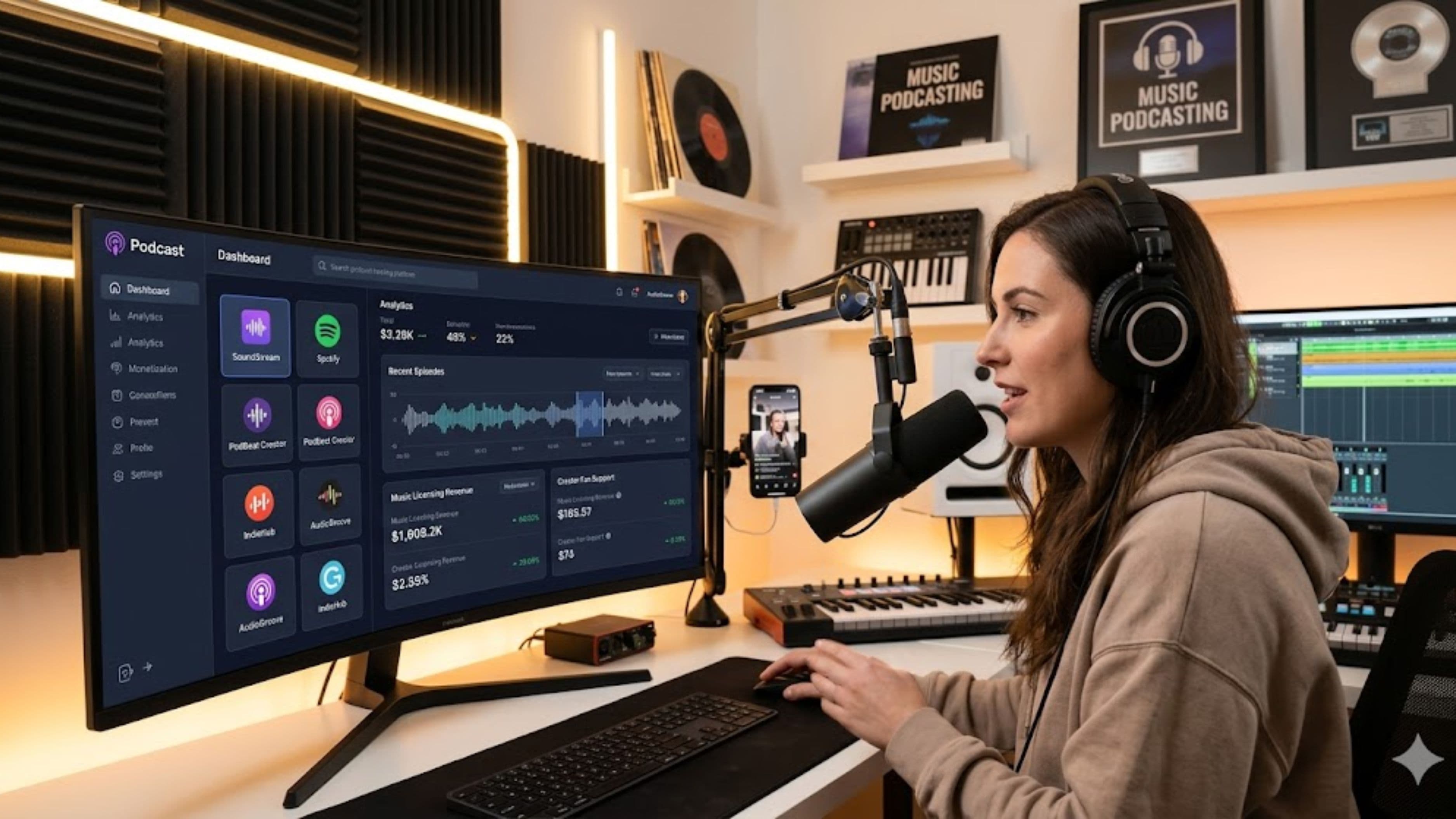
Most podcast hosting platforms, including Spotify for Podcasters and Buzzsprout, provide basic analytics dashboards that give you enough data to build a simple one-page media kit, download trends, average episode length listened to, and any audience survey data you've collected.
Identify Sponsors That Actually Fit Your Niche
The mistake a lot of small podcasters make is pitching broad, well-known brands that get hundreds of similar pitches a week. A more effective approach is identifying smaller or mid-sized brands directly relevant to your specific music niche, instrument manufacturers, music software companies, vinyl subscription services, independent record labels, who are actively looking for exactly the kind of targeted audience your show attracts.
These brands often have smaller marketing budgets but a much higher likelihood of actually responding to a well-targeted pitch, since a niche music podcast audience is precisely the kind of qualified audience they're struggling to reach through broader advertising channels.
Build a Simple, Honest Media Kit
Your media kit doesn't need to be elaborate, a single page covering your show's concept, audience size and engagement metrics, notable guests or content highlights, and available sponsorship formats (pre-roll, mid-roll, dedicated segment) is usually sufficient at this stage. Being transparent about your actual numbers, rather than inflating or vaguely gesturing at your reach, builds trust with potential sponsors and sets realistic expectations on both sides.
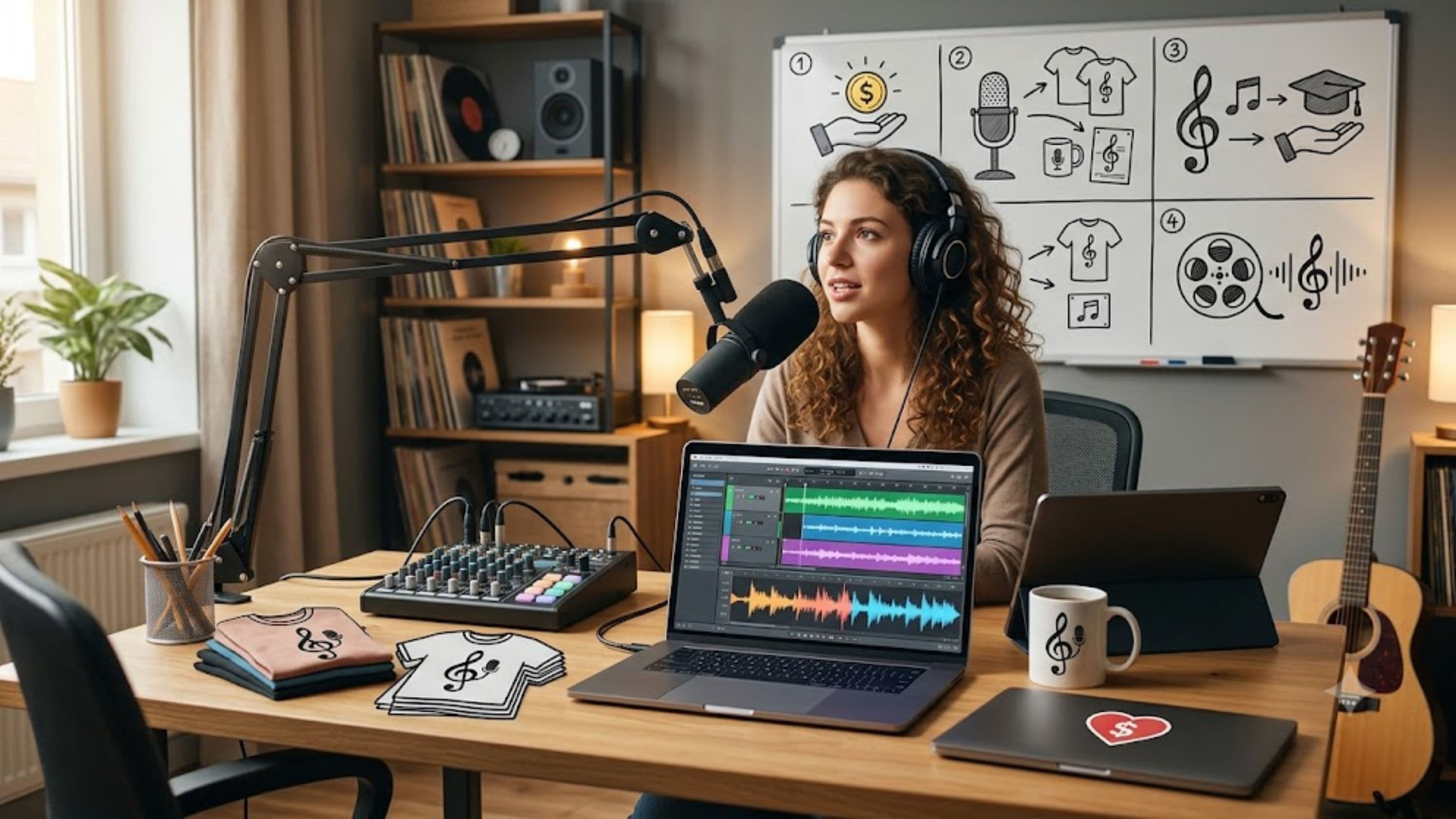
Include a couple of listener testimonials or engagement examples if you have them, screenshots of positive reviews or social media mentions genuinely fill in the qualitative context that raw numbers alone don't capture.
Reach Out Directly and Personally
Cold outreach works better when it's specific. Reference something particular about the brand's product or recent activity, and explain clearly why your specific audience is a good fit for what they offer, rather than sending a generic pitch template. Smaller brands especially respond better to genuine, specific outreach than to something that reads like it was sent to fifty companies simultaneously.
Following up once, politely, after a week or two if you don't hear back is reasonable and often necessary, since many brand contacts are juggling multiple inquiries and a pitch can genuinely get lost.
Consider Alternative Sponsorship Structures
Traditional flat-fee sponsorships aren't the only option, particularly for smaller shows. Affiliate arrangements, where you earn a commission on sales generated through a unique link or code, can be an easier entry point for brands hesitant to commit to a flat sponsorship fee for an unproven, smaller audience. This structure also tends to feel more natural for listeners, since it ties directly to a specific action rather than a blanket ad read.
Barter arrangements, receiving product in exchange for coverage, can also be a reasonable starting point for building a relationship with a brand, even if it's not direct cash sponsorship, particularly useful for gear-focused music podcasts where product access itself has real value to your content.
What to Watch Out For
Be cautious of sponsorship terms that require exclusive coverage restricting you from mentioning competing brands, this can limit your show's flexibility and authenticity in ways that aren't always worth the sponsorship value, especially early on. Avoid overpromising specific results, like guaranteed sales or click-through numbers, to a sponsor based on your current audience size, since underdelivering on inflated promises damages your credibility for future sponsorship relationships.
Realistic Expectations
Landing your first sponsorship as a small show often takes patience, expect to send out a meaningful number of pitches before getting a response, and initial sponsorship deals tend to be modest in value, sometimes a few hundred dollars per episode or an affiliate arrangement rather than a large flat fee. This tends to grow as you build a track record with a couple of successful sponsor relationships that you can reference in future pitches.
FAQ
How many downloads do I need before pursuing sponsorships? There's no strict minimum, shows with even a few thousand highly engaged listeners have secured sponsorships by demonstrating strong niche fit and audience trust.
Should I charge a flat fee or use an affiliate model? Both are valid, affiliate arrangements can be easier to secure as a smaller show and let you demonstrate value before negotiating flat-fee deals in the future.
How do I find contact information for potential sponsors? Company websites often list marketing or partnerships contacts, and LinkedIn can help you identify the right person to reach out to directly rather than a generic inbox.
The Bottom Line
Sponsorship opportunities for small music podcasts are more accessible than most creators assume, as long as you can clearly demonstrate genuine audience engagement and target sponsors who actually value your specific niche. Start with honest numbers, a focused pitch, and realistic expectations, and build from there as your track record grows.
📚 Sources
Spotify for Podcasters – Understanding Your Audience Analytics – podcasters.spotify.com
IAB – Podcast Advertising Revenue Study – iab.com
Buzzsprout – Podcast Sponsorship Guide for Creators – buzzsprout.com