What's Happening
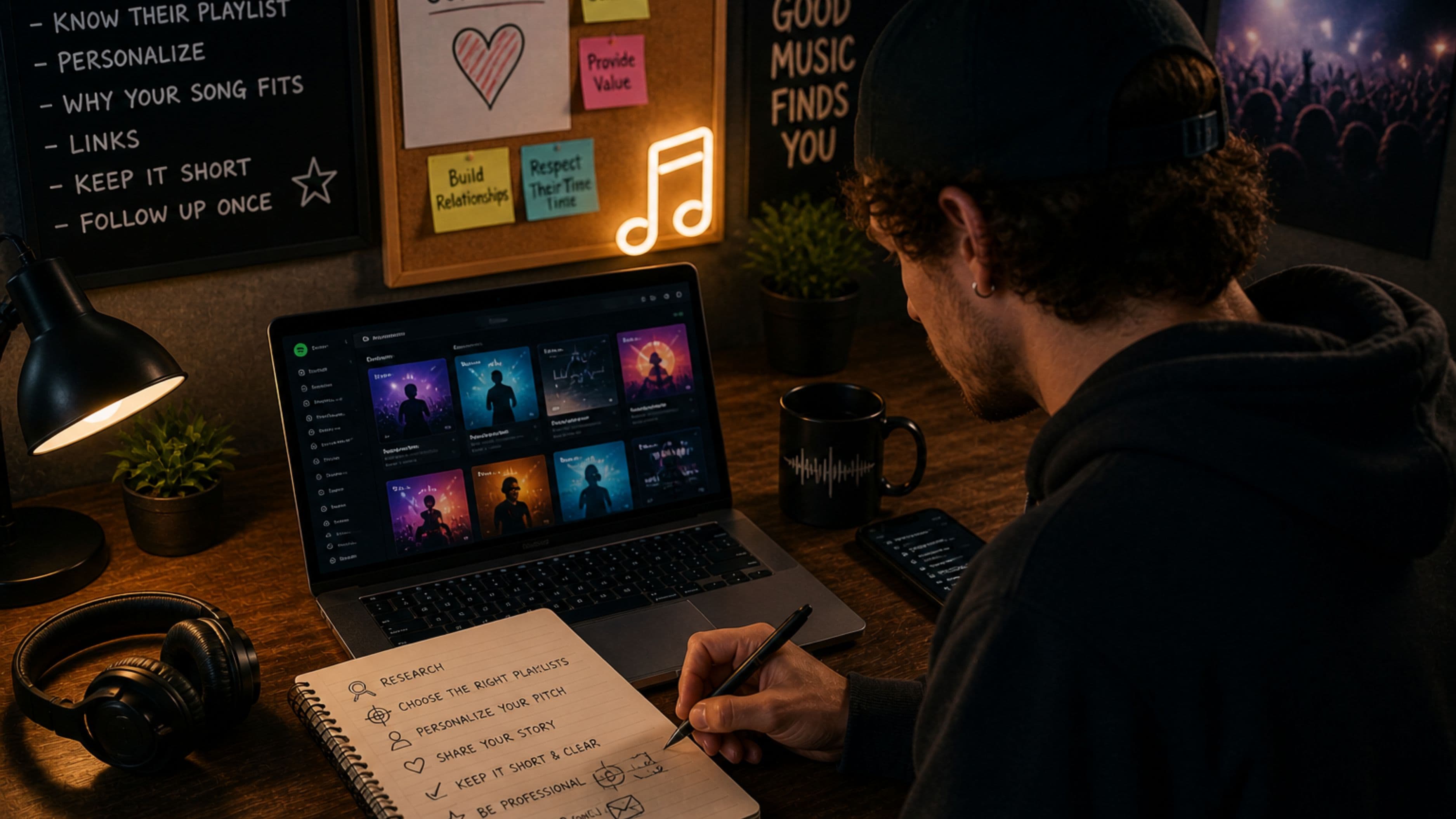
Spotify's algorithmic systems – powering things like Discover Weekly, Release Radar, and algorithmic playlist placements – rely on a combination of listener behavior data and audio analysis to decide which tracks to surface to which listeners. This isn't a single algorithm but a set of interconnected systems, each weighing different signals depending on the specific feature or playlist type involved.
Why It Matters
For independent and developing artists specifically, algorithmic discovery has become one of the most realistic paths to reaching listeners beyond an existing fanbase, since playlist placement on major editorial playlists has become increasingly competitive and concentrated among established or well-connected artists. Understanding what actually drives algorithmic recommendations gives you a more grounded framework for how you release and promote music, rather than treating streaming performance as something entirely out of your control.
Key Signals the Algorithm Weighs
Listener Completion Rate
How much of a track a listener actually plays through matters significantly more than a raw stream count. A track that gets skipped early and often sends a weaker signal than one where listeners consistently play through to the end, even if both tracks have a similar total number of streams. This is part of why song structure – how quickly a track establishes its hook and identity – has taken on real strategic importance for artists thinking about algorithmic performance.
Save and Playlist-Add Behavior
When a listener actively saves a track to their library or adds it to a personal playlist, this signals a stronger level of engagement than a passive stream, and the algorithm weighs this behavior accordingly. This is a significant part of why pre-save campaigns and encouraging fans to actively save a track (rather than just stream it once) genuinely matter beyond the surface-level action itself.
Early Momentum After Release
Streaming systems place meaningful weight on how a track performs in its first days after release, using that early data to help decide how widely to surface it in Release Radar and other algorithmic placements. A track with a concentrated burst of engagement immediately after release tends to get more algorithmic consideration than one with the same eventual total streams spread out gradually over a longer period.
Listener-to-Listener Similarity Patterns
Much of Spotify's recommendation system relies on identifying patterns between listeners with similar taste profiles, then surfacing tracks that listeners with similar profiles have engaged with. This means a track's ability to spread algorithmically depends partly on finding genuine traction with a core group of engaged listeners first, since that initial engagement helps the system identify who else might respond similarly.
Audio Characteristics
Beyond listener behavior, Spotify's systems also analyze audio characteristics of a track itself – tempo, energy, mood, and instrumentation – to understand where it might fit alongside similar existing tracks in mood-based or genre-based playlists. This is part of why algorithmic playlist placement isn't purely about promotion and marketing; a track's actual sonic characteristics genuinely factor into which playlists and contexts it becomes eligible for.
What This Means for Your Release Strategy
Understanding these signals doesn't mean chasing an algorithm at the expense of your actual creative direction, but it does suggest a few practical adjustments worth considering. Concentrating promotional effort in the days immediately surrounding a release, rather than spreading it thin over a longer period, aligns with how early momentum factors into algorithmic consideration. Encouraging genuine engagement – saves, playlist adds, repeat listens from your existing fanbase – matters more than simply maximizing raw stream count from passive or one-time listeners.
Real-World Impact
Consider two artists releasing similar tracks with comparable overall stream counts over their first month. One artist concentrated their promotional push around release week, encouraging fans to actively save the track and share it directly, resulting in a strong early completion rate and playlist-add activity. The other artist's streams built up gradually over the month through scattered, inconsistent promotion. Despite similar eventual totals, the first artist's track is considerably more likely to have picked up algorithmic placements during that critical early window, since the concentrated engagement signals were stronger precisely when the system was evaluating the track for wider distribution.
Limitations Worth Understanding
No amount of understanding these systems guarantees algorithmic success, since the sheer volume of new music released daily means competition for placement is intense regardless of how well an artist times their strategy. These systems are also continuously refined and adjusted, meaning specific tactics that work well at one point can shift in effectiveness over time as the underlying systems evolve. Treating algorithmic understanding as one input among several – alongside genuine audience-building, consistent releases, and authentic promotion – gives a more realistic picture than treating it as a guaranteed formula.
What to Watch Out For
Avoid focusing so heavily on algorithmic optimization that it starts driving creative decisions away from what genuinely represents your artistic voice, since audiences tend to respond to authenticity in ways that ultimately feed back into the same engagement signals the algorithm is measuring. Also be cautious of services or "playlist promotion" companies promising guaranteed algorithmic placement or streams, since legitimate playlist placement isn't something that can be purchased outright, and artificial streaming activity can actually damage a track's standing with these systems rather than help it.
FAQ
Does releasing music more frequently help with algorithmic performance? Consistent releases can help maintain algorithmic relevance and give listeners more regular touchpoints, but quality and genuine engagement per release matter more than frequency alone for any individual track's performance.
Do playlist placements guarantee long-term streaming growth? Playlist placements can meaningfully boost initial exposure, but sustained growth typically depends on whether that exposure converts into genuine listener engagement – saves, follows, and repeat listening – rather than the placement alone.
Is it worth paying for playlist promotion services? Legitimate playlist pitching (through Spotify's own artist tools or reputable curators) differs significantly from paid services promising guaranteed placement or streams, and the latter carries real risk of violating platform terms of service or producing artificial engagement that doesn't translate into genuine audience growth.
📚 Sources
Spotify for Artists – How Music Gets Recommended – https://artists.spotify.com/en/blog
Music Business Worldwide – Streaming Algorithm Analysis – https://www.musicbusinessworldwide.com/