Why Lighting Matters More Than Small Venues Assume
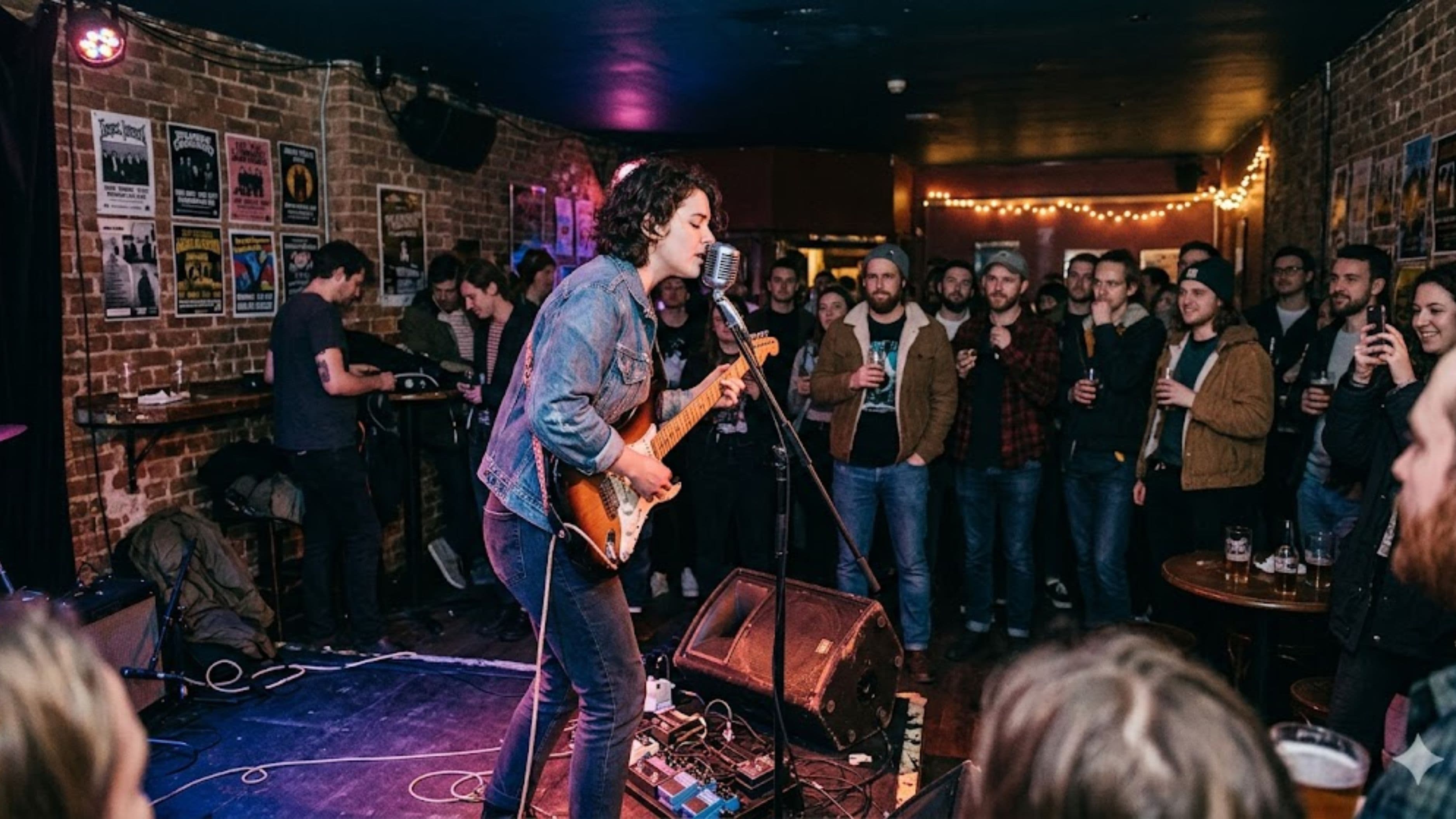
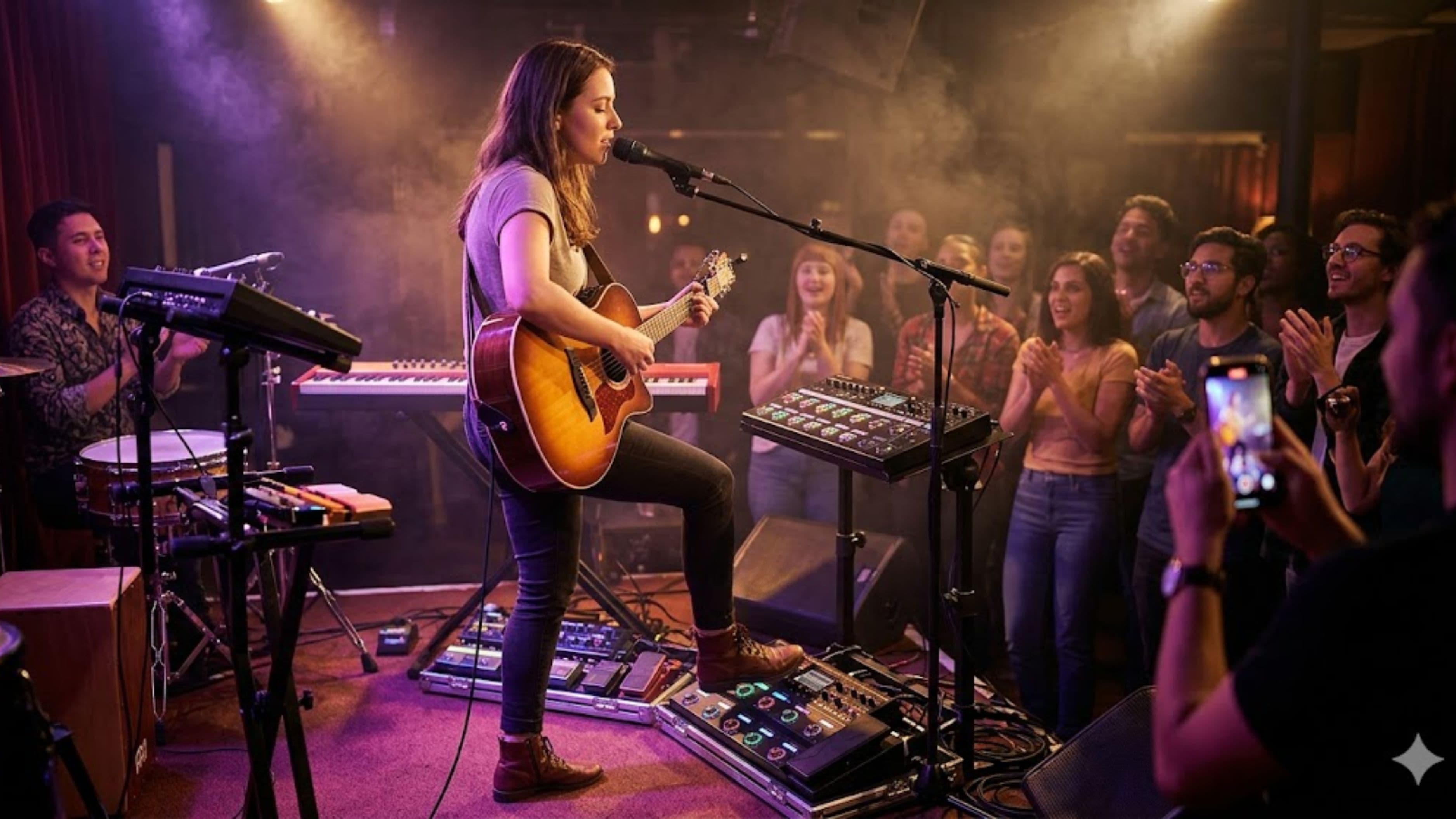
A lot of independent venues default to whatever ambient house lighting already exists, assuming dedicated stage lighting is either unnecessary or out of reach financially. This underestimates how much lighting affects an audience's perception of a performance's professionalism and energy, independent of the actual musicianship. Flat, uniform lighting makes even a well-rehearsed set feel visually static, while even basic directional and color lighting creates a sense of occasion and helps focus audience attention on the performers rather than the room around them.
Core Setup: Front, Side, and Back Lighting
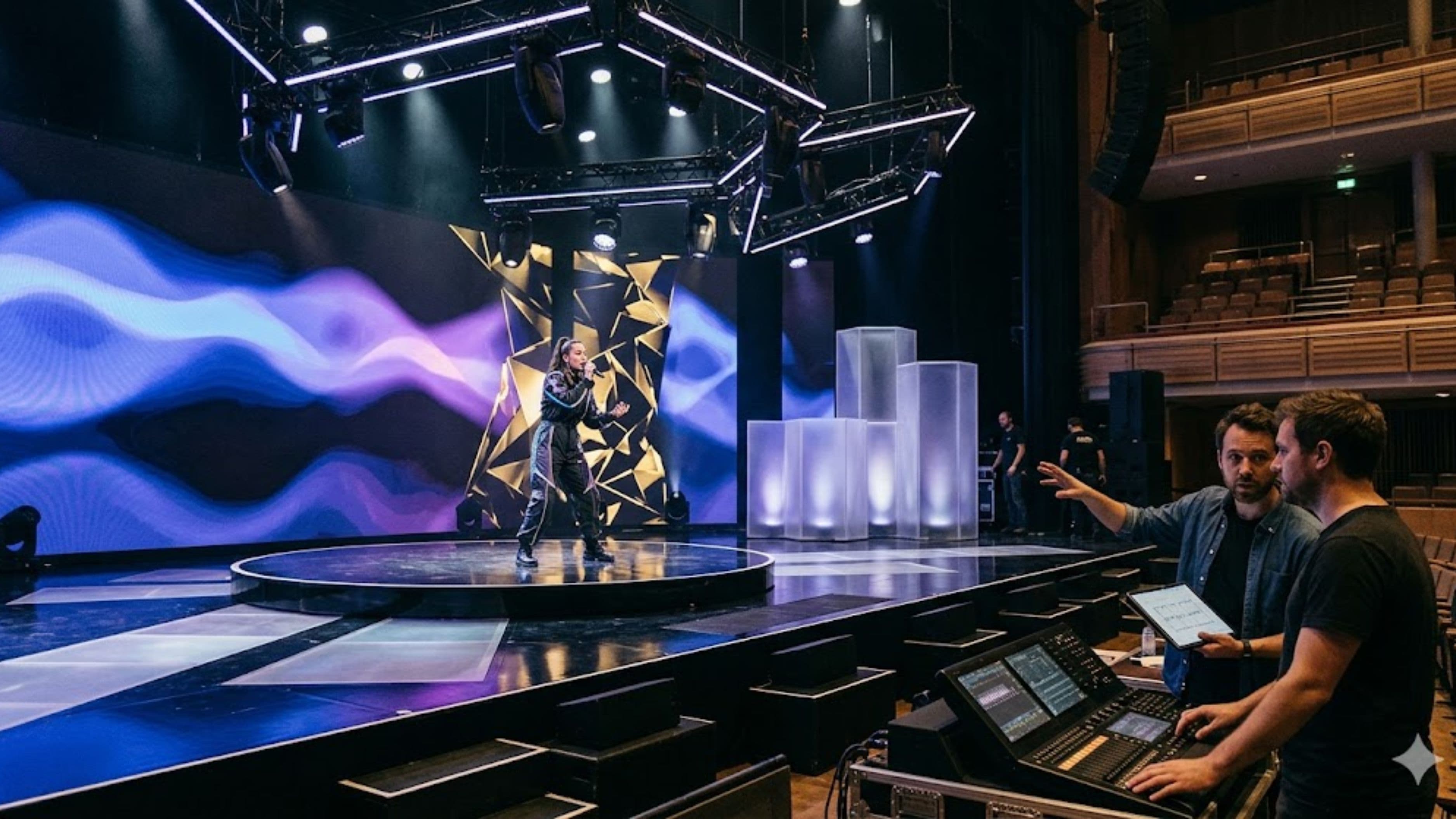
A functional small-venue lighting setup, even at a modest budget, generally needs three basic light positions to avoid a flat, single-source look. Front lighting, positioned to illuminate performers' faces clearly, is essential for basic visibility and video or photo documentation of the show. Side lighting adds dimension and helps define the performers' shapes against the background, preventing the flat, cutout appearance that front lighting alone tends to produce. Back or up lighting, even a simple wash of color from behind or above the stage area, adds depth and separates performers visually from the background wall, which matters enormously in small venues where there's often minimal physical distance between the stage and the back wall.
For most small venues, achieving this three-point setup doesn't require an elaborate truss system, wall-mounted or stand-mounted fixtures at each position accomplish the same functional goal at a fraction of the cost and installation complexity of a full rig.
LED Par Cans: The Practical Workhorse
LED par cans have become the standard entry point for small venue lighting, largely because they're affordable, relatively easy to set up, and offer color-changing capability without needing gel filters like older incandescent fixtures required. A basic set of four to six LED par cans, split between front and back/side positions, covers the core three-point lighting concept described above for most small stage footprints.
Most modern LED par cans include built-in DMX control capability, meaning they can be programmed and controlled through a simple lighting controller rather than needing manual adjustment for every color or intensity change during a show. This is a meaningful upgrade from older systems requiring physical gel changes or manual dimmer adjustments mid-performance.
Adding Movement Without a Full Rig
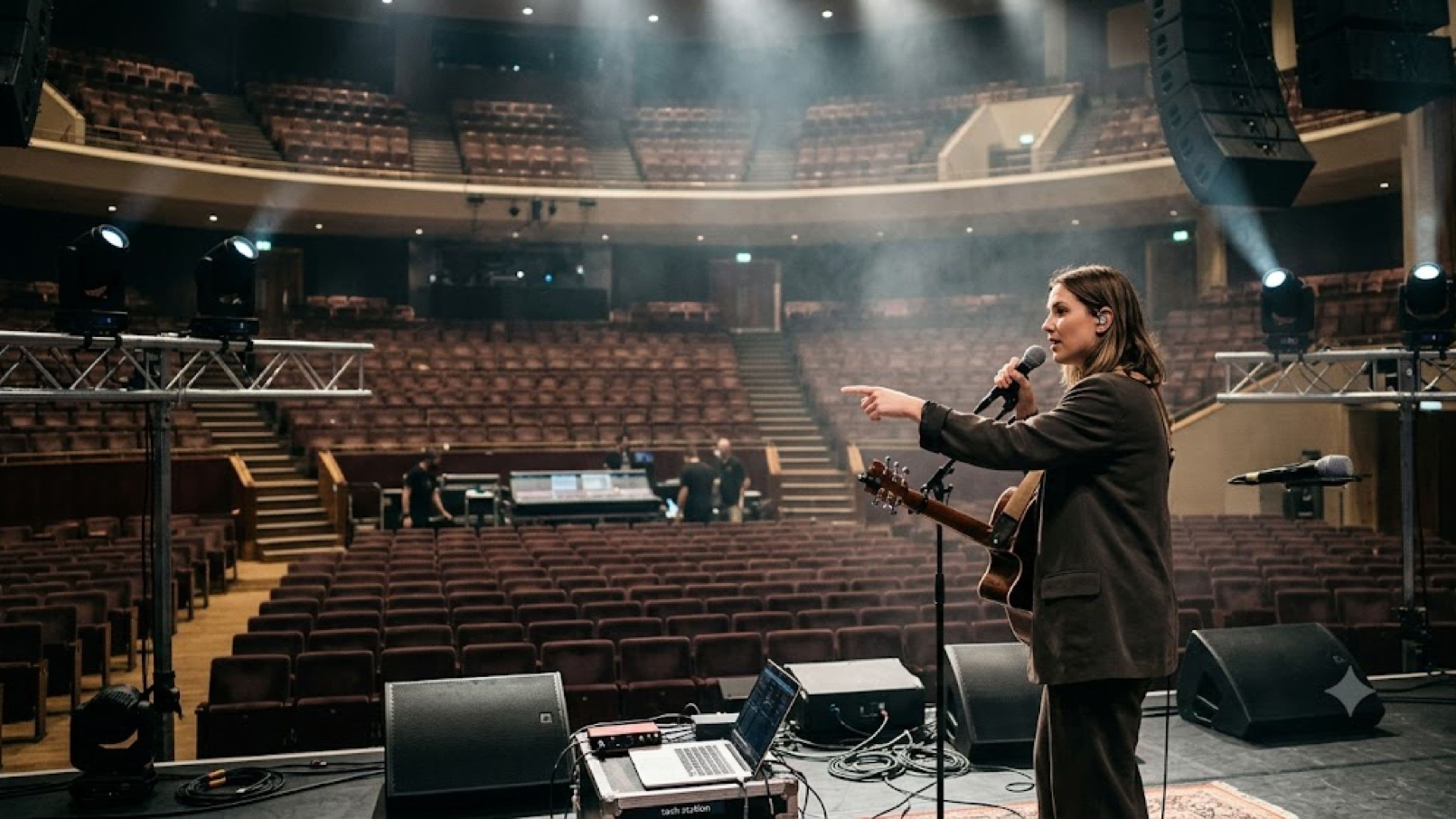
Static lighting, even well-positioned, can start to feel monotonous over a full set, particularly for higher-energy performances. Small, affordable moving head fixtures have become increasingly accessible for independent venues, offering basic pan and tilt movement along with color changing, without the cost or installation complexity of larger professional moving light systems. Even a single moving head fixture, used sparingly for key moments in a set rather than continuously, adds a noticeable sense of dynamism that static par cans alone can't achieve.
For venues without the budget for dedicated moving fixtures, simple DMX-controlled color and intensity changes on static par cans, programmed to shift during specific songs or moments, can create a similar sense of movement and variation without requiring mechanically moving fixtures.
Controlling the System Without a Dedicated Lighting Operator
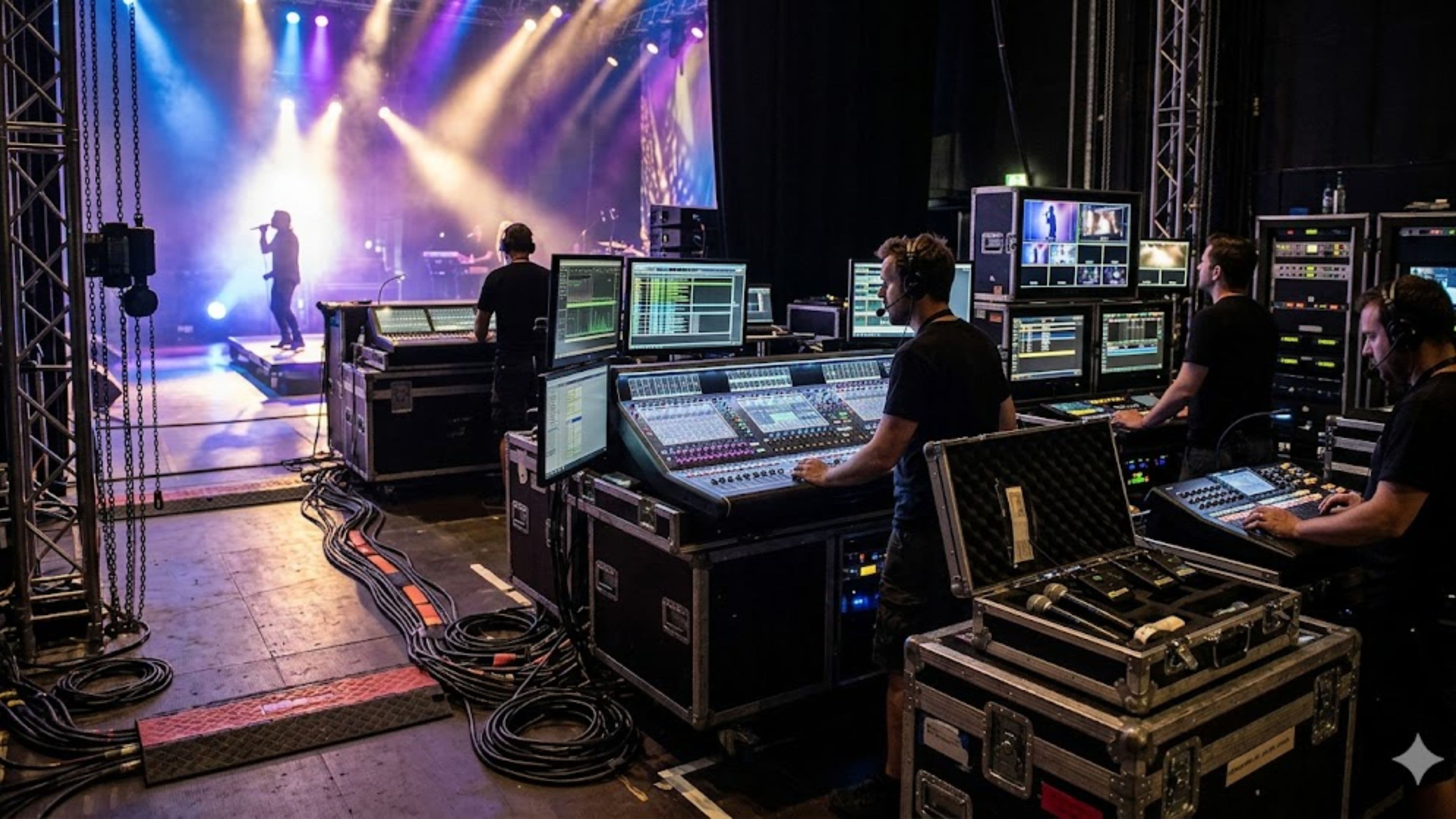
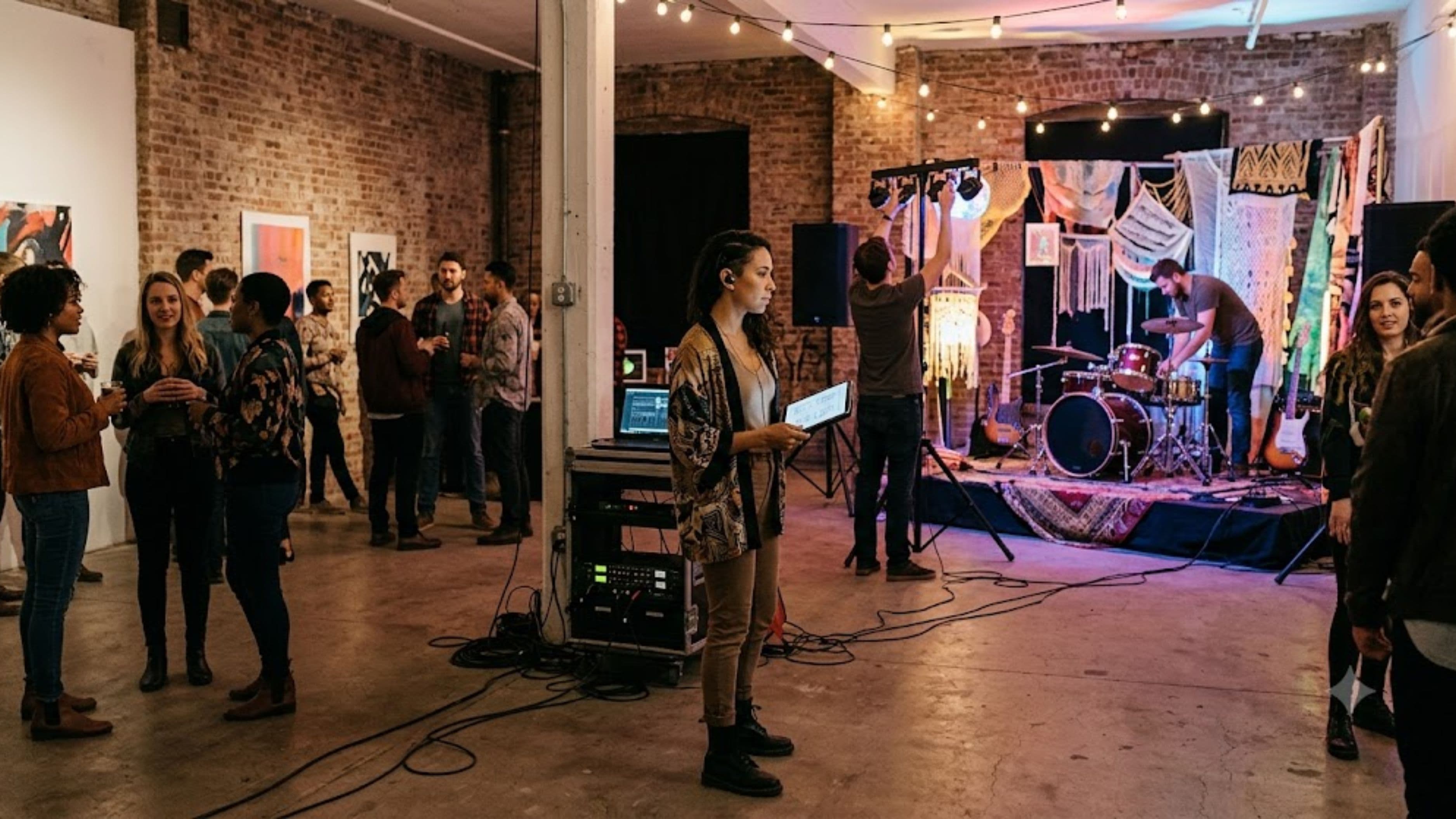
Many small venues don't have a dedicated lighting technician running the board during every show, which means the lighting system needs to be manageable by sound engineers, venue staff, or even performers themselves. Basic DMX lighting controllers with pre-programmed scene presets allow a non-specialist to trigger a handful of pre-set looks, a bright, high-energy look, a dimmer, moodier look, and a few color variations, with a single button press rather than manually adjusting each fixture in real time.
Setting up these presets in advance, ideally during a soundcheck or rehearsal before doors open, means show-night lighting operation becomes simple enough for whoever is already running sound to handle without needing extensive lighting-specific training.
Budget Considerations
A functional small-venue lighting setup using LED par cans, a basic DMX controller, and simple mounting hardware can be assembled for a moderate budget, significantly less than professional touring-level lighting rigs, and many venues build out their system gradually, starting with basic front and back lighting and adding moving fixtures or additional par cans as budget allows over time.
It's worth prioritizing quality DMX controllers and cabling early, even if it means starting with fewer fixtures, since a reliable control system extends the useful life of whatever fixtures you add later, while unreliable or incompatible control hardware can create ongoing frustration regardless of how many lights are connected to it.
Common Mistakes to Avoid
A frequent mistake in small venue lighting is over-relying on a single, harsh front light source without any side or back lighting, which creates flat, poorly defined visuals that photograph and read poorly even if the room feels adequately lit to the naked eye during the show itself. Another common issue is using overly saturated or clashing colors without considering how they'll interact with the venue's existing wall colors and stage backdrop, sometimes producing muddy or unflattering combined lighting effects rather than the intended mood.
Avoid neglecting to test lighting during actual soundcheck conditions rather than an empty room earlier in the day, since a room's lighting reads differently once it's filled with an audience and additional ambient light from phones, bar areas, and other room activity during an actual show.
What This Means for Creators and Venue Owners
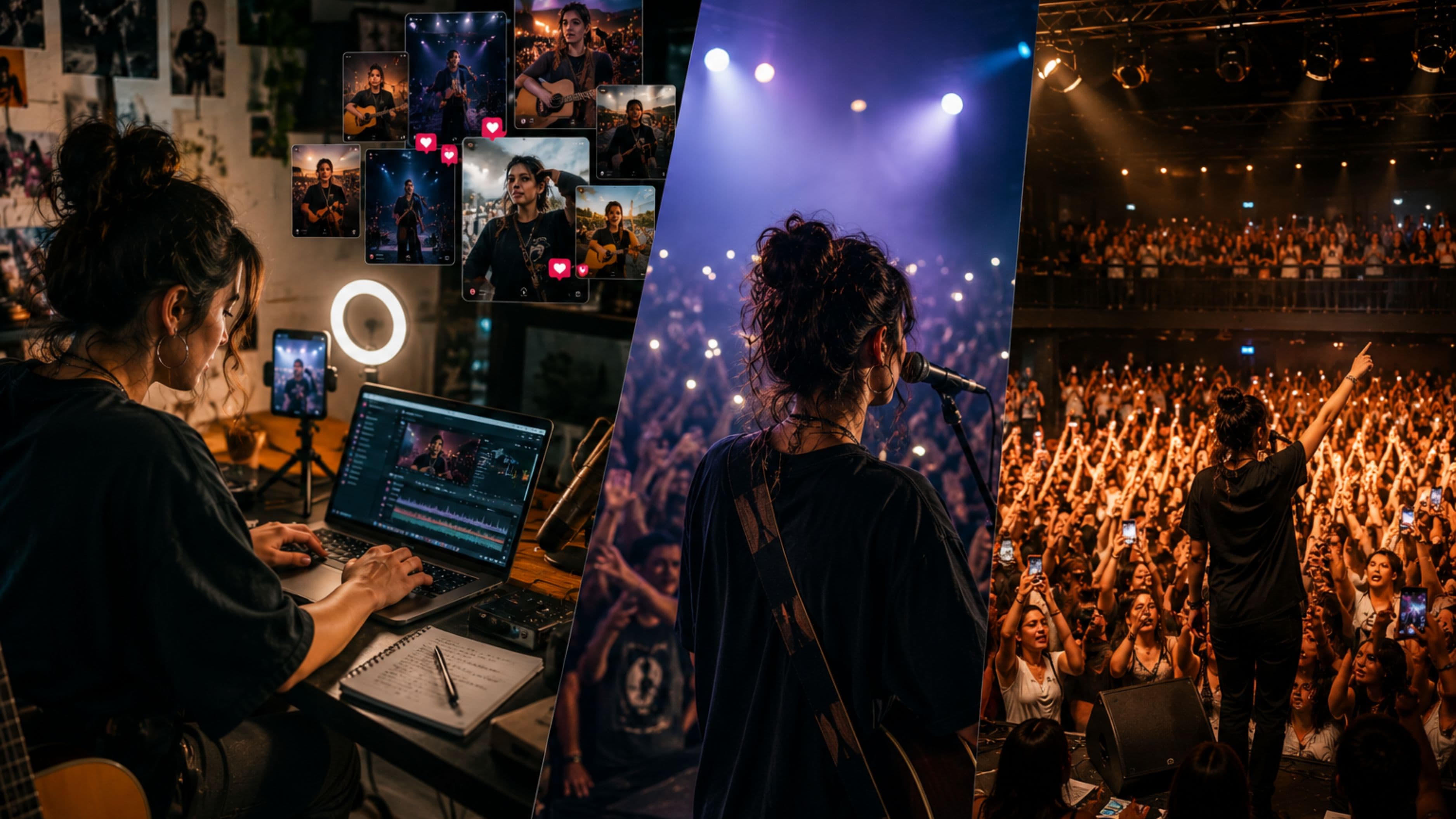
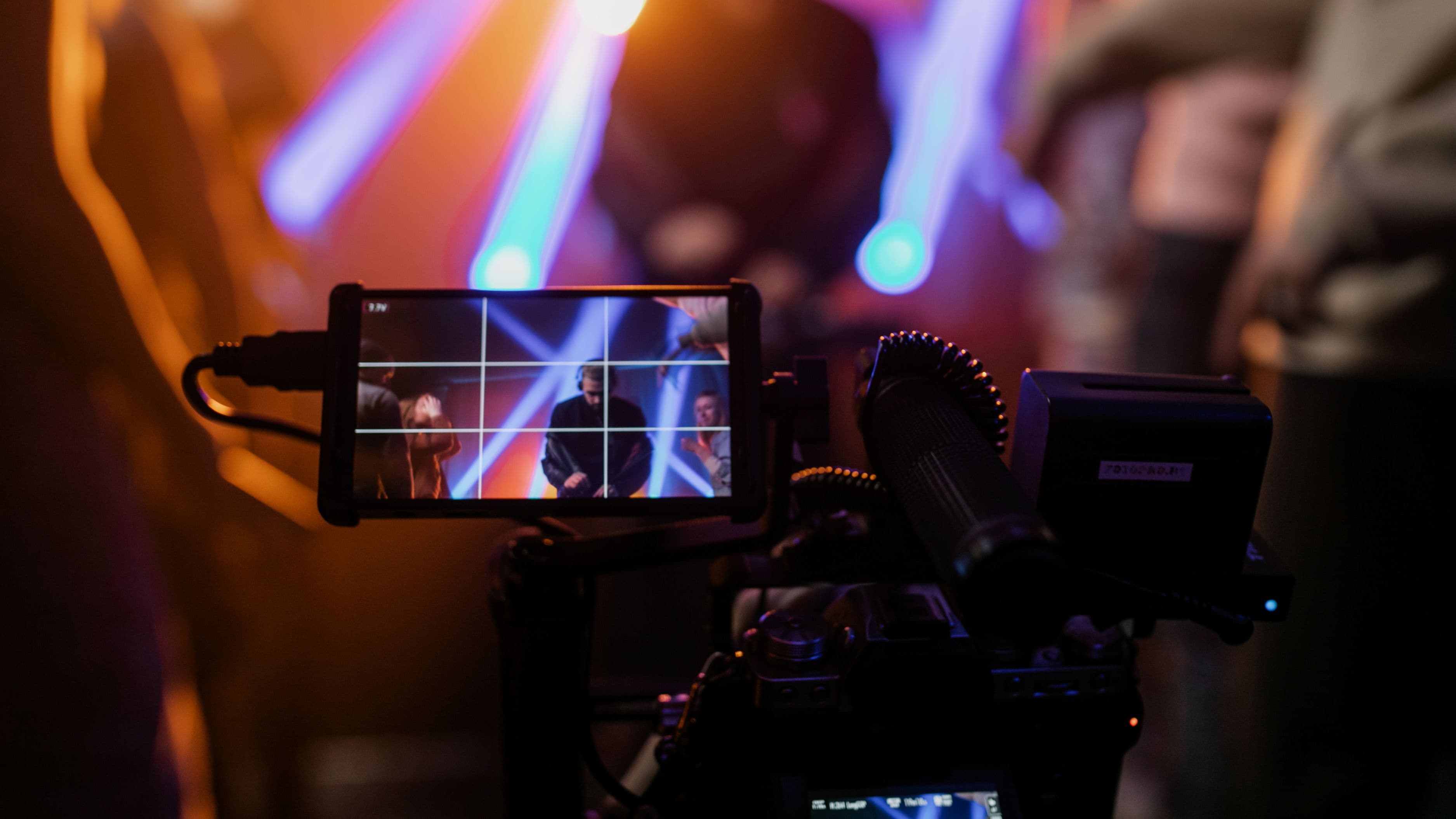
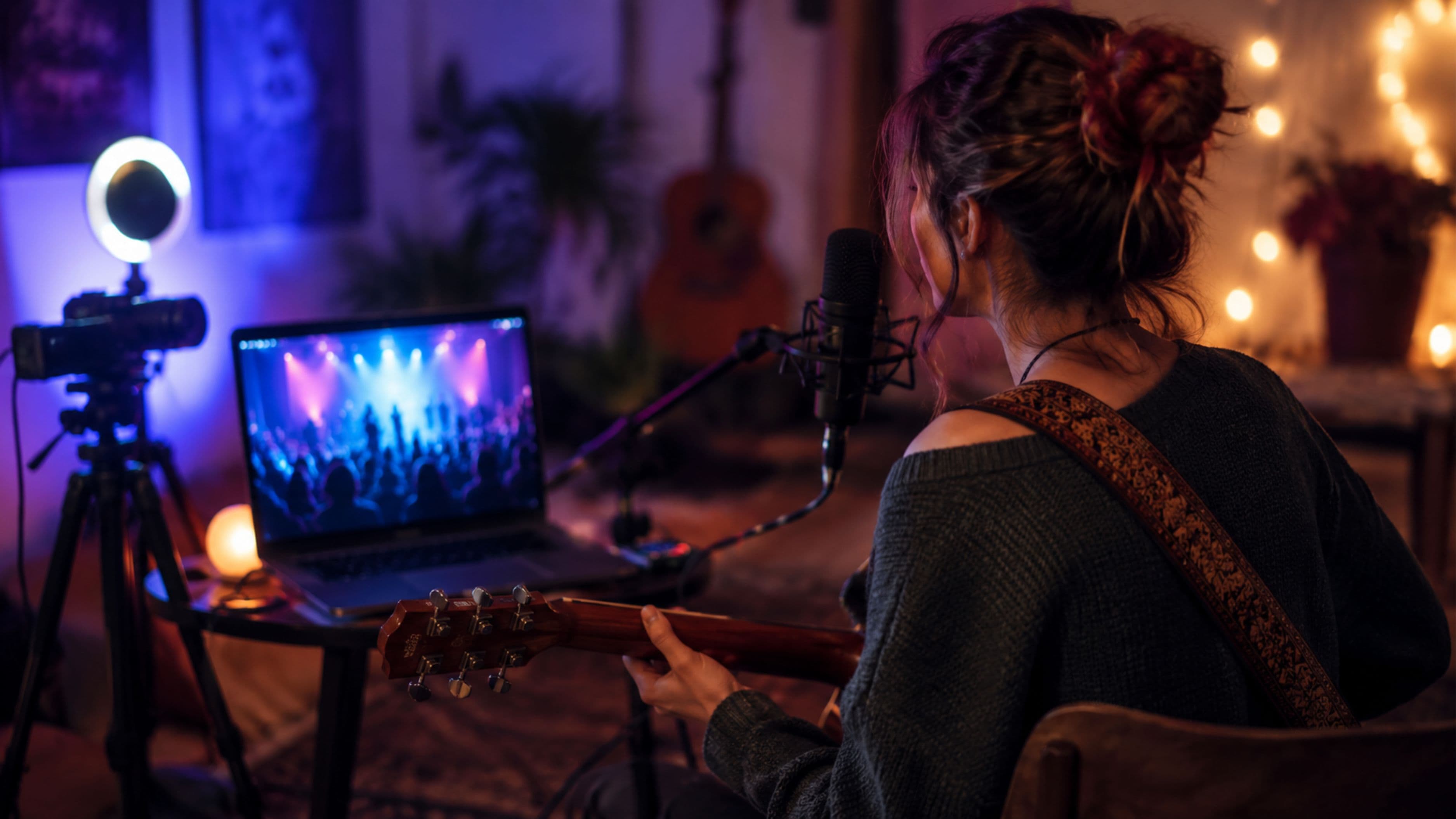
For independent artists frequently performing at small venues without house lighting systems, investing in a portable, basic lighting kit that can travel between shows offers more consistent control over how performances look and are documented, particularly valuable if you're recording video content from shows for promotional use. For venue owners, a modest, well-planned lighting investment can measurably improve the perceived professionalism of the space, which can support better artist bookings and audience retention over time.
FAQ
How many lighting fixtures does a small venue actually need to start? A basic functional setup can start with as few as four to six LED par cans split across front and back/side positions, expanding later as budget allows.
Do I need a dedicated lighting technician for a small venue? Not necessarily, if presets are programmed in advance, existing sound staff or even venue owners can typically manage lighting cues during a show using a simple DMX controller with saved scenes.
Is investing in moving head fixtures worth it for a small venue? It depends on budget and how frequently the venue hosts higher-energy performances. A single moving head fixture used sparingly can add meaningful dynamism, but it's a reasonable secondary investment after establishing solid basic front, side, and back lighting first.
📚 Sources
Live Design Online – Lighting Basics for Small Venues: https://livedesignonline.com/
Sound on Sound – Introduction to Stage Lighting for Musicians: https://www.soundonsound.com/
PLASA – Entertainment Technology Standards and Guidance: https://www.plasa.org/