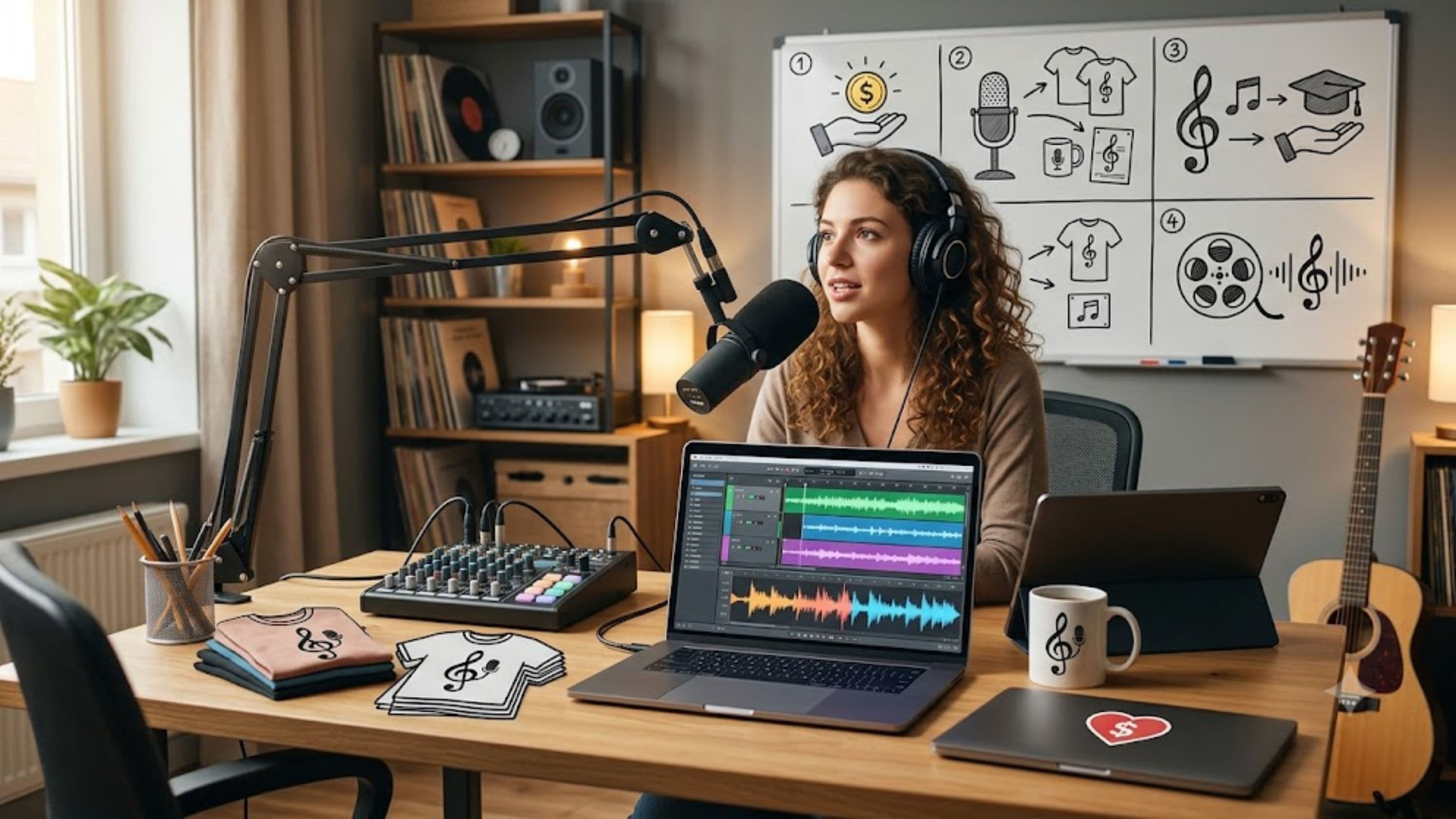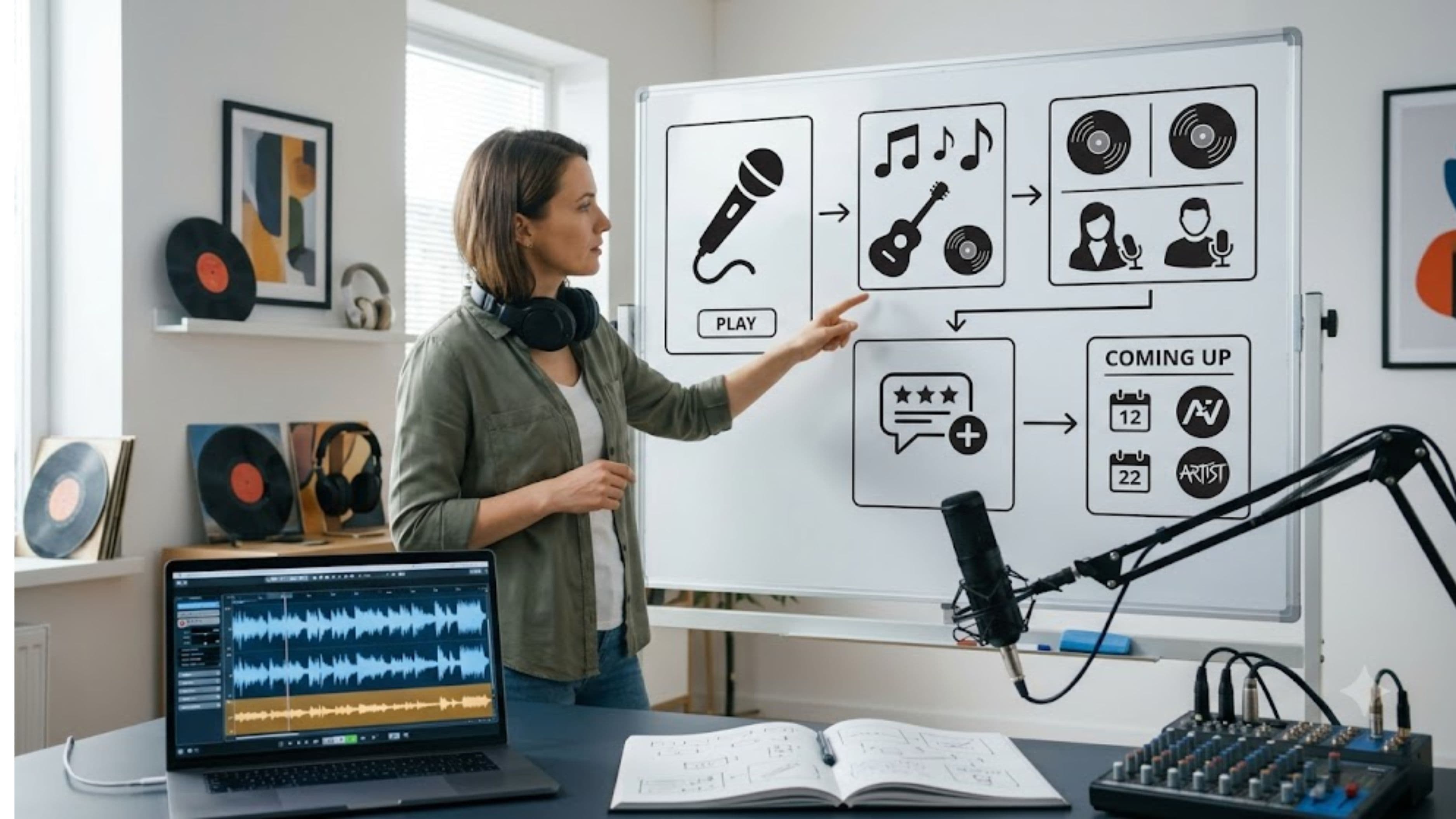
This guide is specifically for launching – not theorising about launching. By the end of it, you'll know what decisions matter, which ones don't matter yet, and what the first ten episodes actually look like.
Step 1: Define What Your Show Is Actually About
The biggest mistake new podcast creators make is choosing a topic so broad that every episode could be about anything. "A podcast about the music industry" isn't a show – it's a category. The more specific your premise, the easier it is to find and keep an audience, and the easier it is for you to plan episodes without staring at a blank page every week.
Good specificity doesn't mean a narrow audience – it means a clear angle. A show about how independent artists navigate the business side of music without a manager or label is specific enough to attract a loyal audience who know exactly what they're signing up for. A show that interviews touring musicians about life on the road has a clear identity. A show breaking down royalty structures and licensing deals in plain English for artists who don't have a lawyer fills a real gap. All of these could build large audiences precisely because they're focused.
Write one sentence that describes your show clearly enough that someone could explain it to a friend. If you need three sentences, the concept needs tightening. That one sentence is your north star for deciding which episode ideas belong and which ones don't.
Step 2: Choose a Format That Fits Your Reality
The format decisions you make at launch will either help or hinder you as the show develops. There are three main formats, and the right one depends on your access, your schedule, and your strengths.
Interview format is the most common in music industry podcasting and for good reason – conversations with interesting people are engaging, the guest does a significant portion of the work, and each episode brings new energy. The challenge is that booking guests when you have no established show is harder than it sounds. You'll need to lean on your existing network heavily in the early episodes, and be prepared for rejections from higher-profile names until the show has a track record.
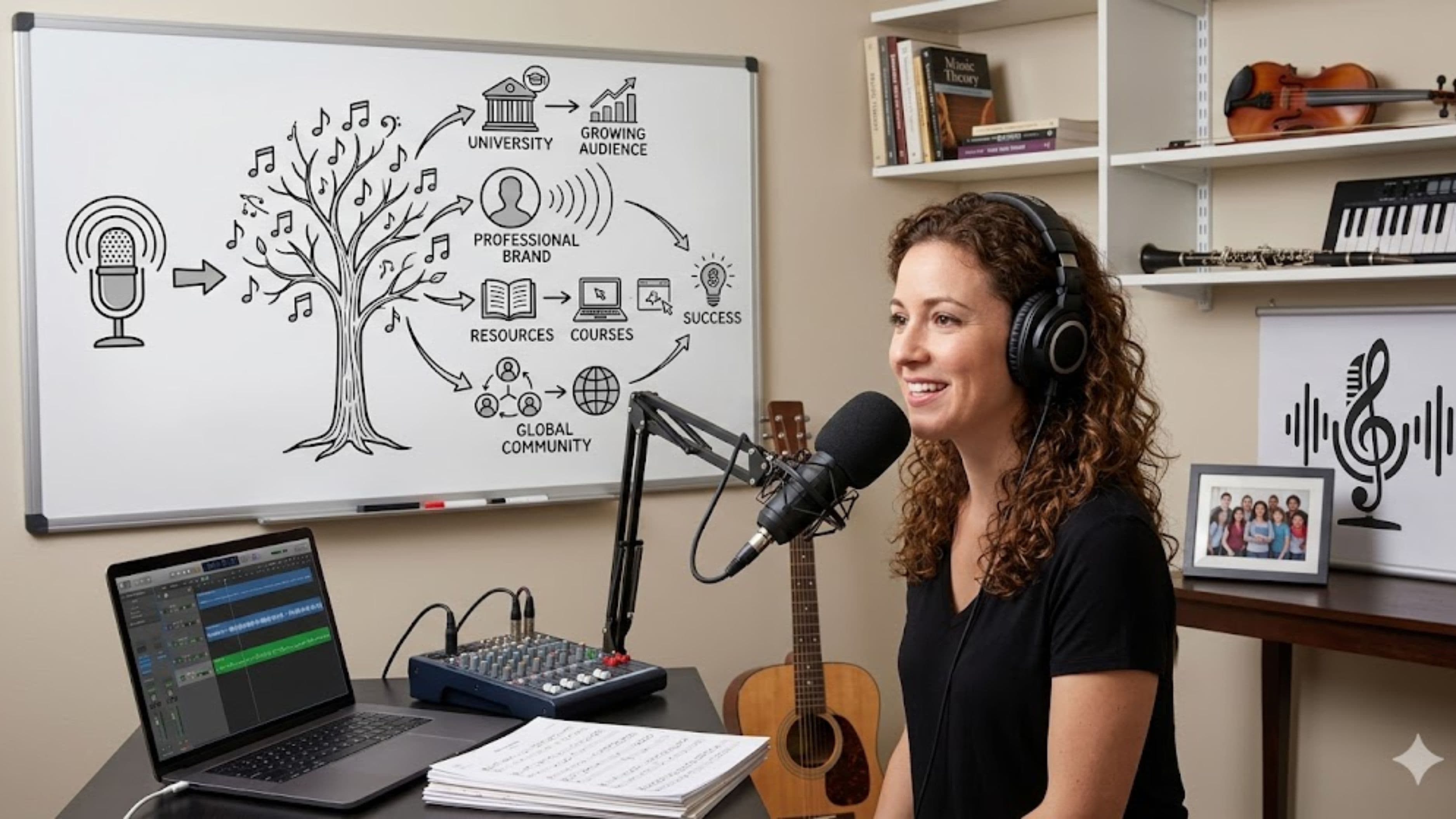
Solo format is underrated and more achievable at launch than most creators think. If you have genuine expertise, strong opinions, and clear explanations, a solo show with episodes of 15–30 minutes consistently delivers more value per episode than a loose conversation with a guest who wasn't the right fit. Solo shows are also easier to batch-record, require no scheduling coordination, and allow you to be more precisely focused on your stated topic. The downside is that your voice and perspective alone need to carry every episode.
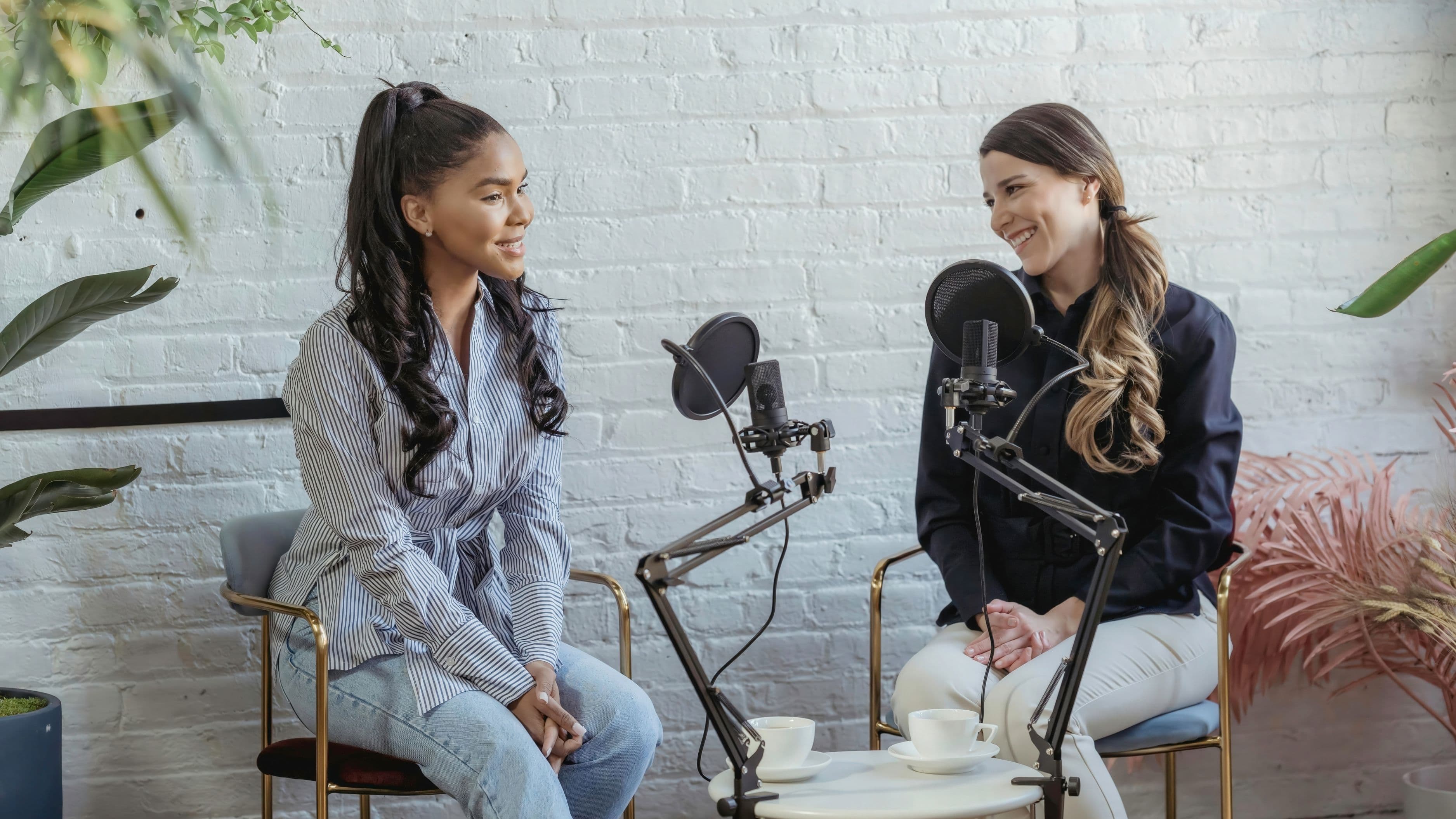
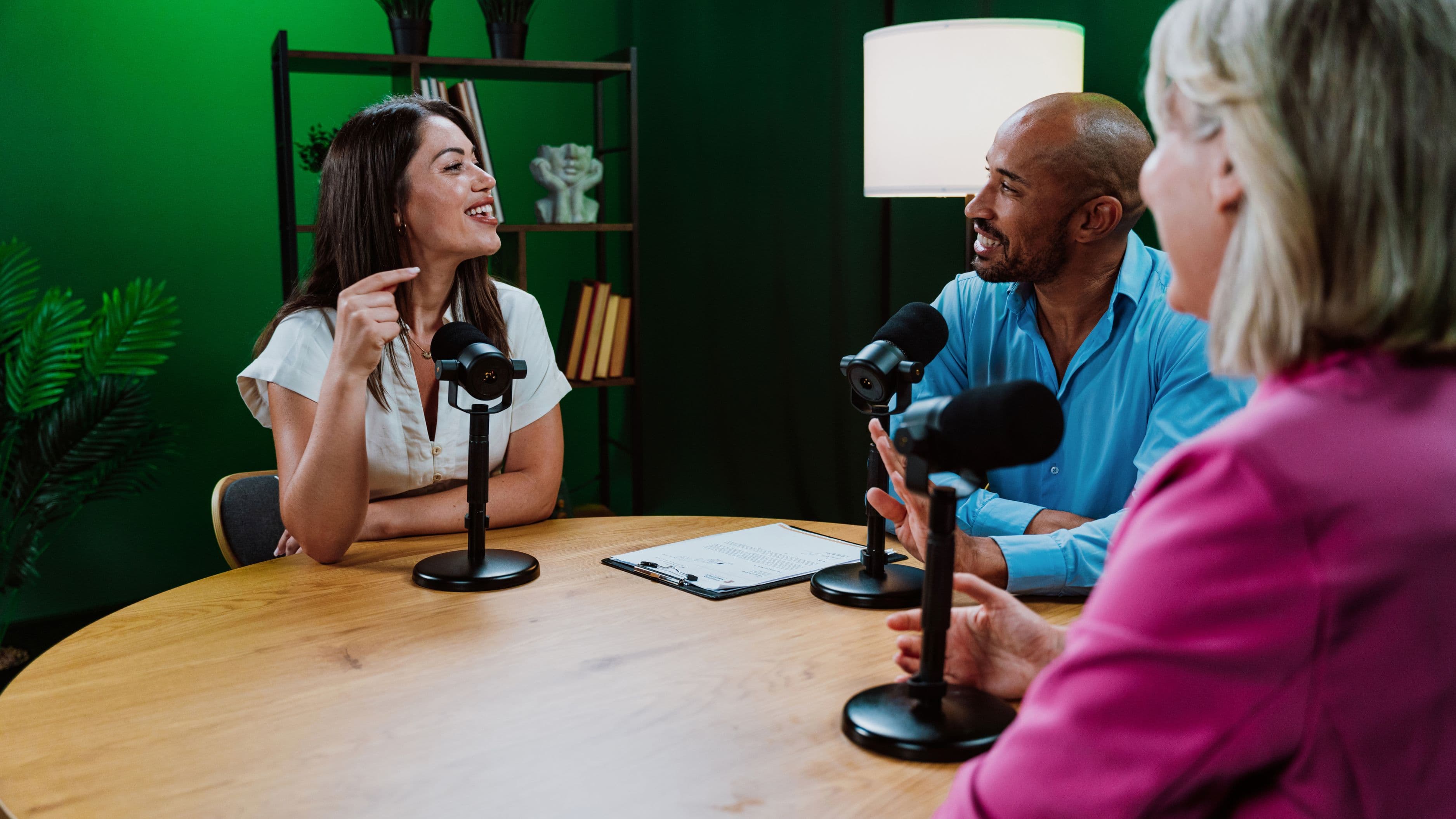
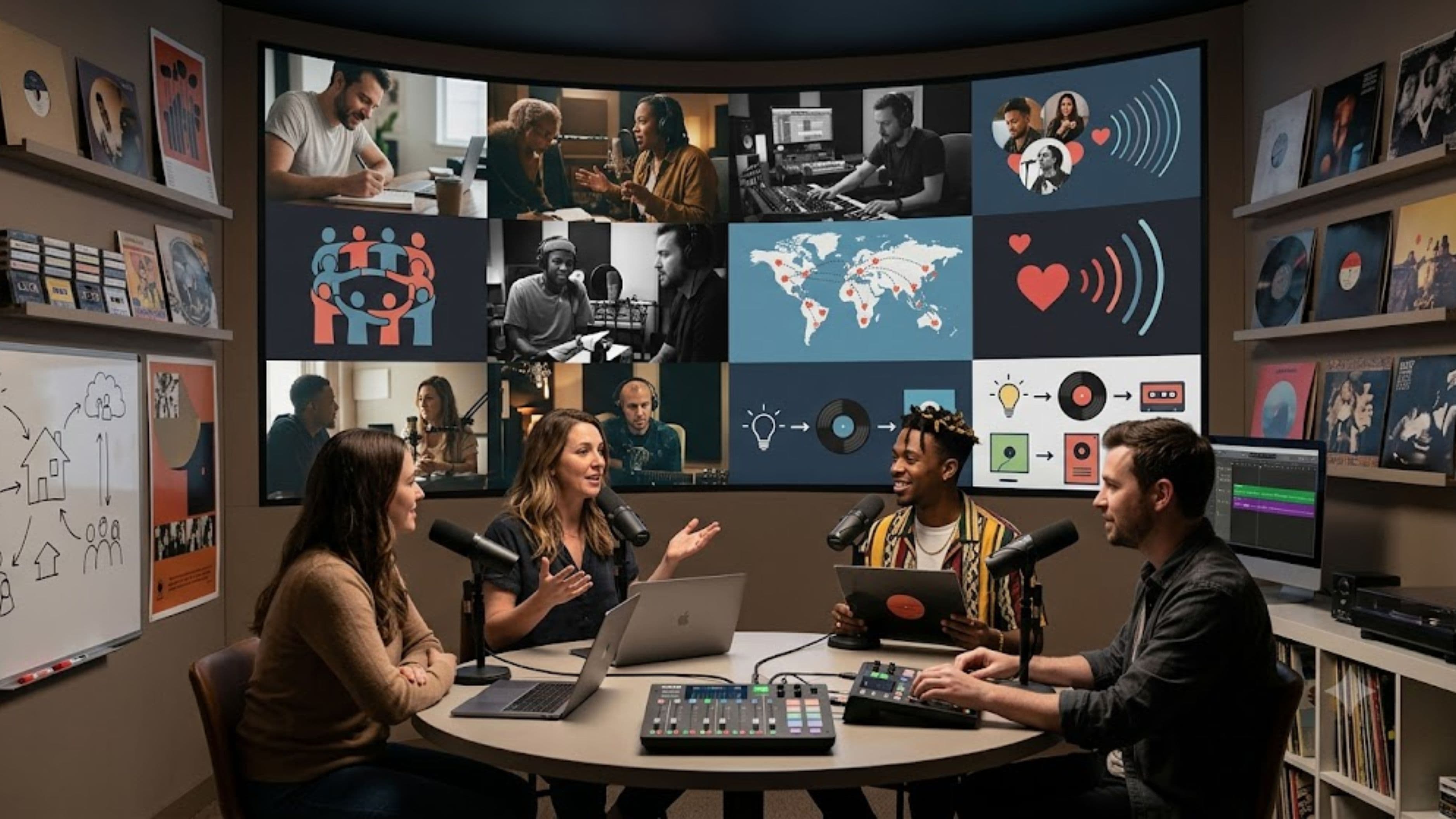
Co-hosted format works well when you have a co-host with complementary knowledge and a genuinely good dynamic with you. Two people who think differently and challenge each other make for compelling listening; two people who agree on everything and finish each other's sentences make for tedious audio. Be honest about whether your potential co-host makes the show better or just makes the work feel more comfortable.
Start with the format that is actually sustainable for your life right now, not the one that sounds most impressive. A solo show you release consistently beats an interview format you abandon after four episodes because guest coordination became too difficult.
Step 3: Sort Your Basic Equipment (Without Overthinking It)
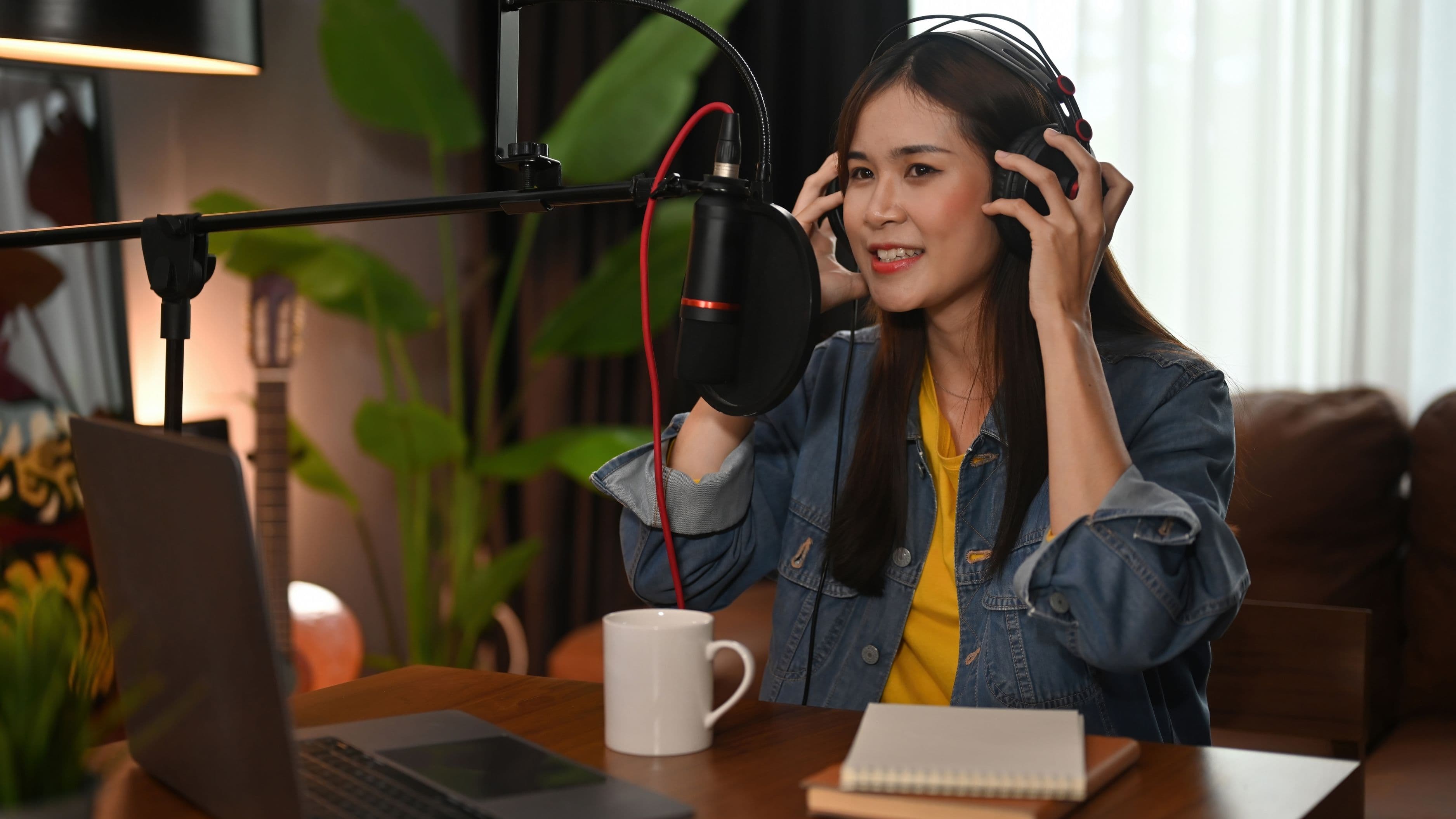
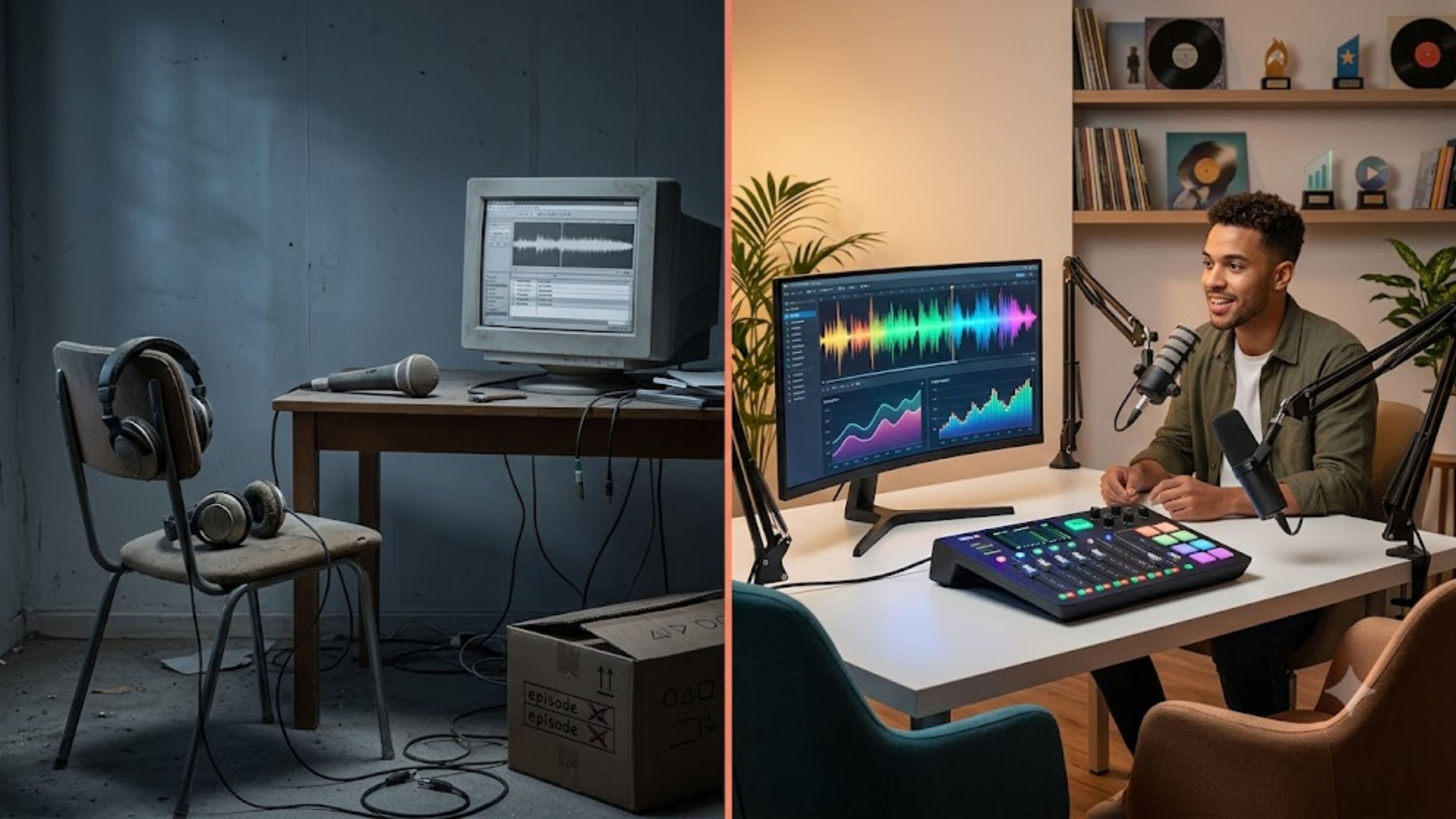
Audio quality matters, but it does not need to be perfect before you launch. The threshold is simple: can a listener follow your voice clearly without being distracted by noise, echo, or clipping? If yes, you're good enough. If no, fix the specific problem rather than buying more gear.
The most common audio problems in new podcast recordings are not gear problems – they're environment problems. Recording in a room with hard walls creates reverb and echo that makes voices sound distant and hollow regardless of microphone quality. Hanging a duvet behind you, recording in a wardrobe, or even draping a blanket around your recording space costs nothing and solves the most common quality issue immediately.
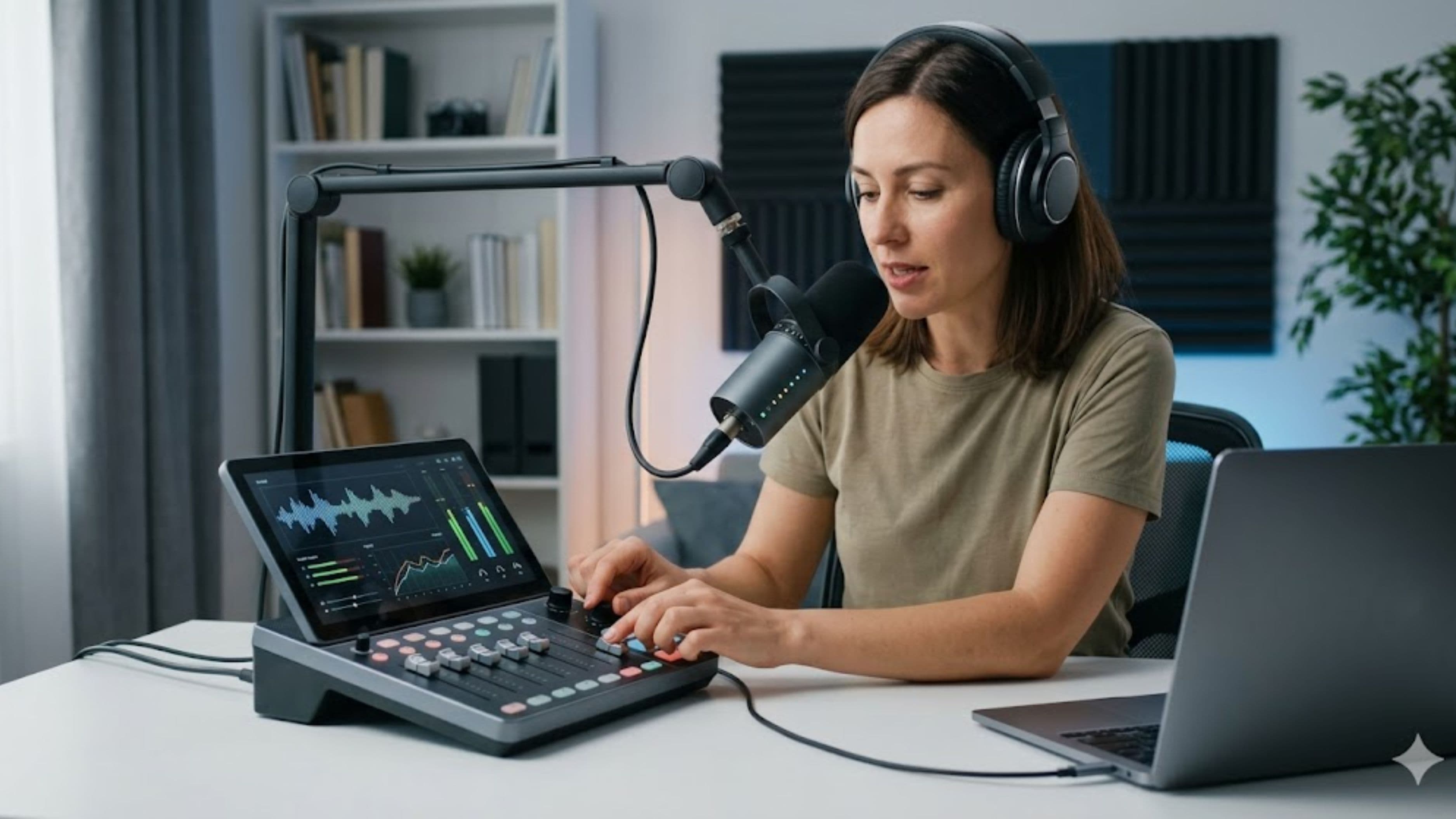
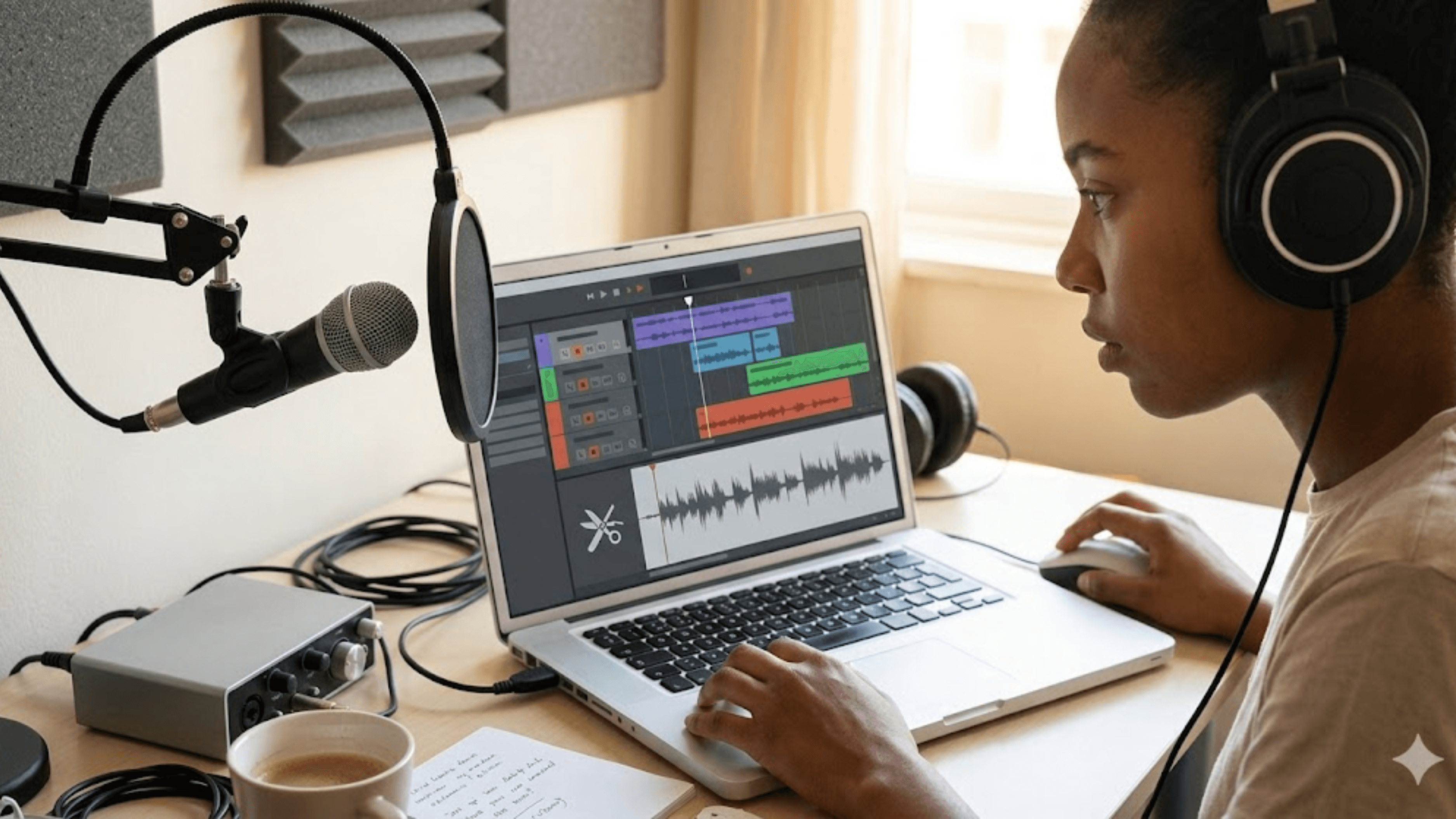
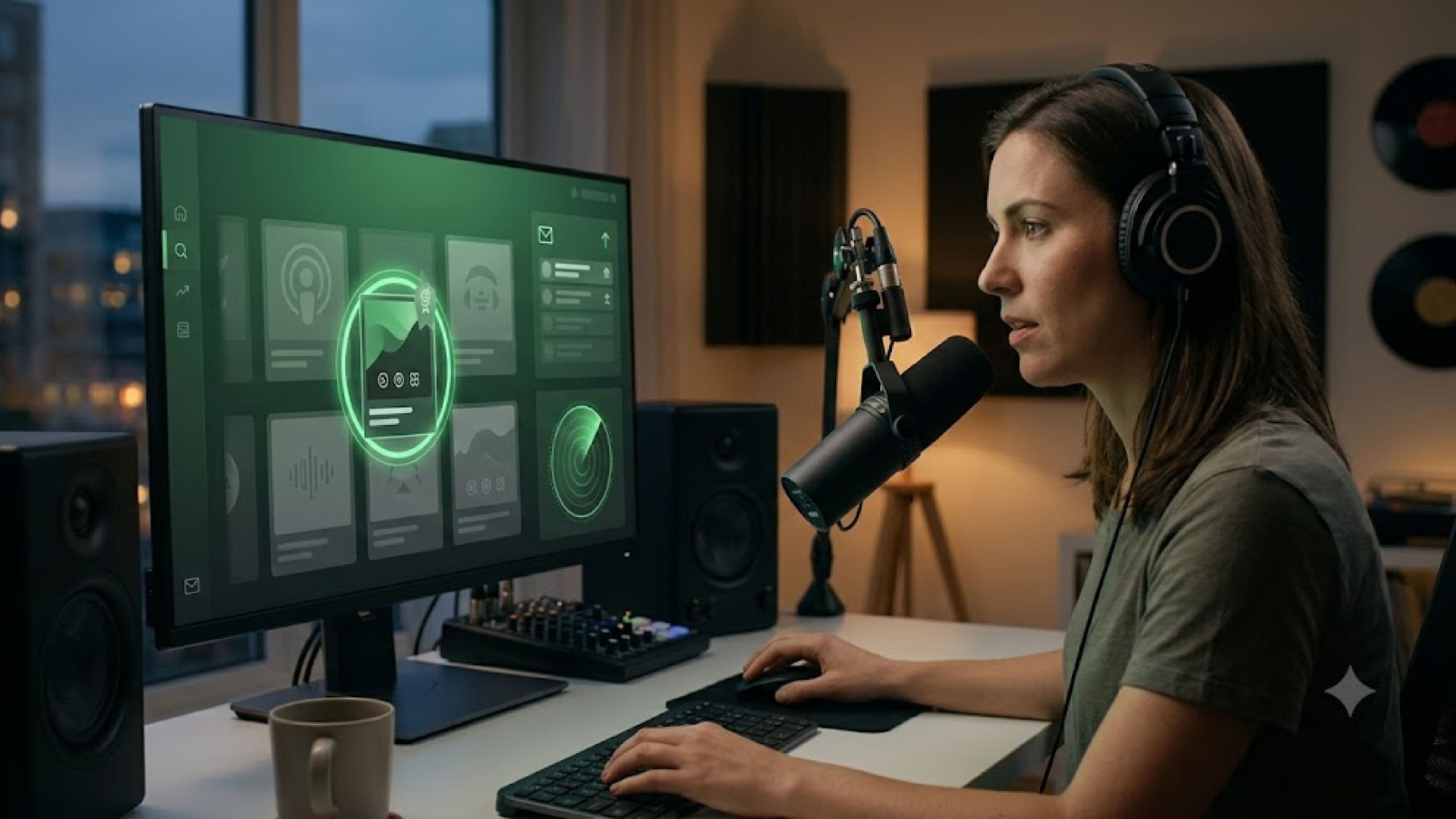
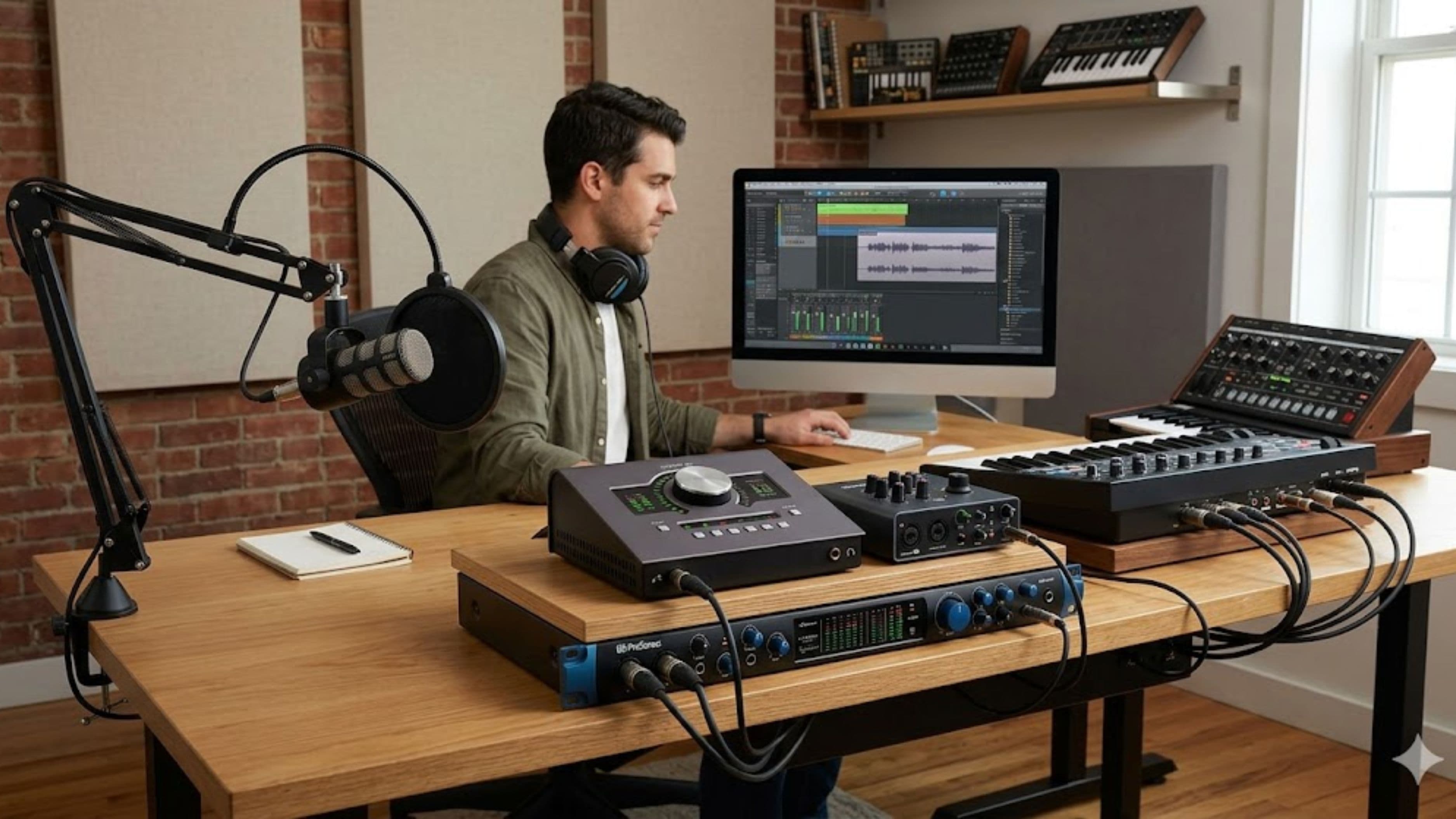
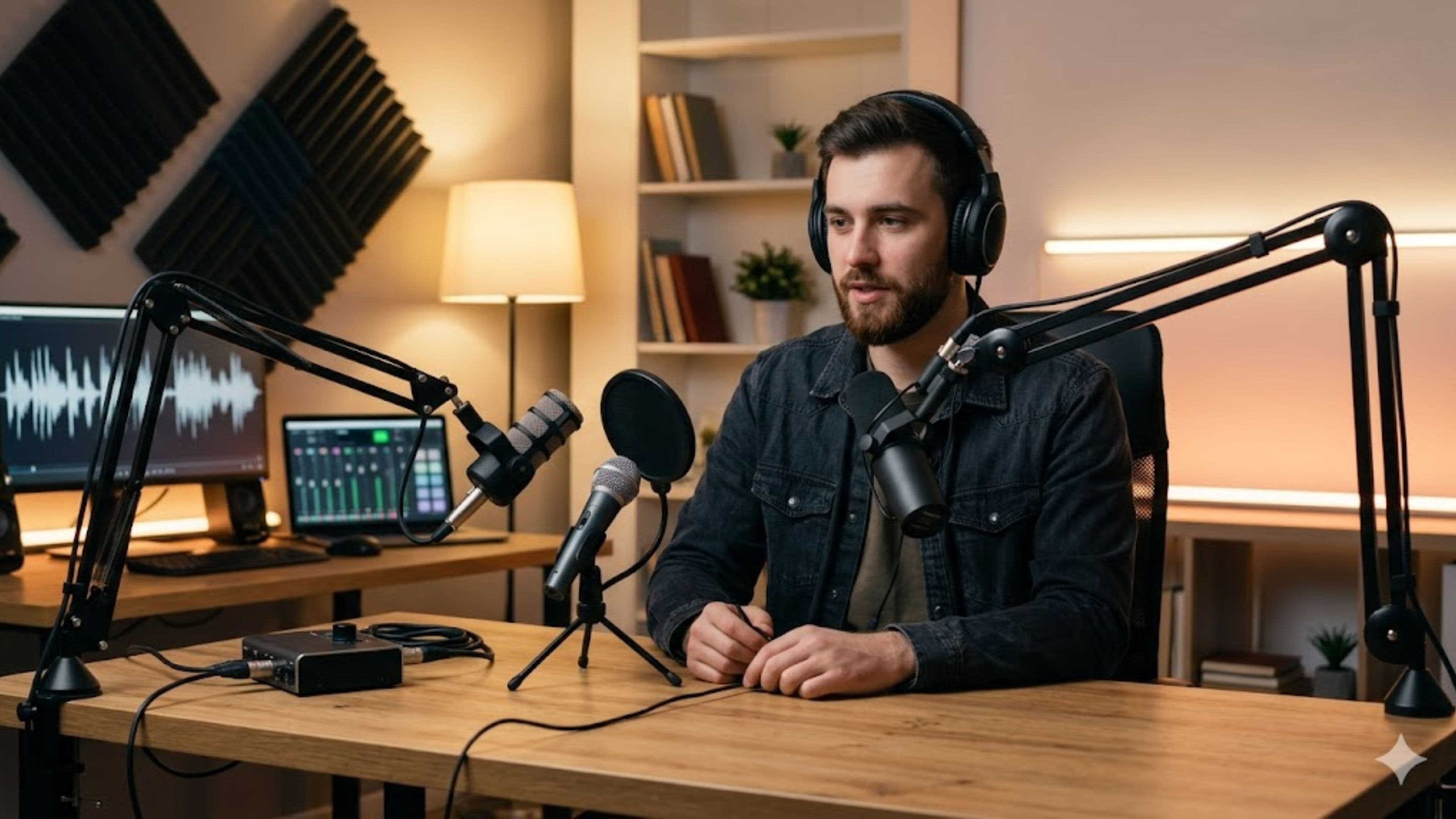
A USB condenser microphone in the $60–$120 range – the Audio-Technica AT2020USB+, the Blue Yeti Nano, or the Rode NT-USB Mini are all reliable options at this level – is sufficient for a professional-sounding podcast. Recording directly into Audacity (free) or GarageBand (free for Mac users) gives you everything you need to edit. Riverside.fm and Squadcast are the go-to platforms for remote interviews that record each participant locally, preventing the audio degradation of recording a Zoom call.
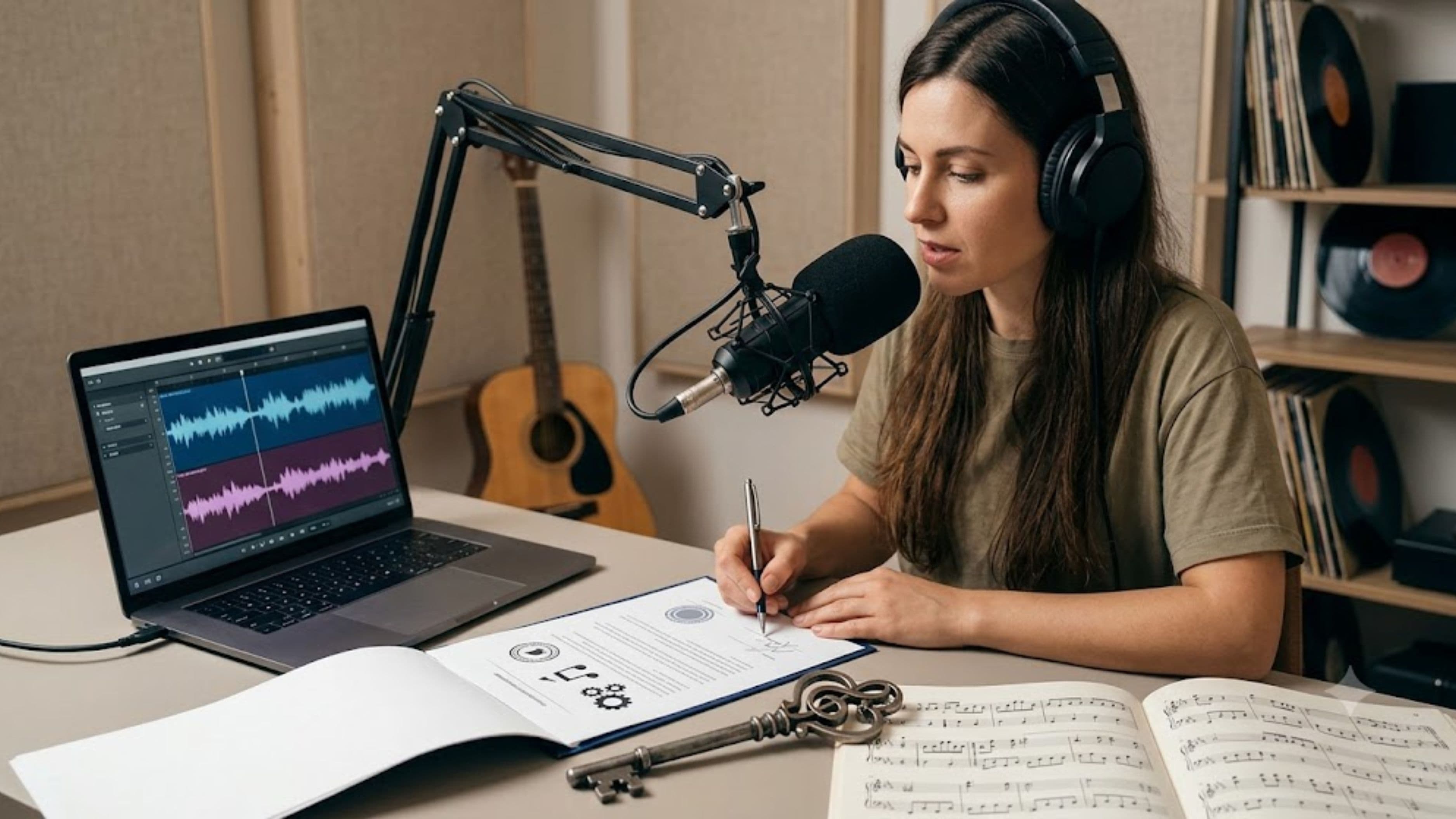
Your intro music should be something you own or have a clear licence for. If you're a music creator yourself, this is an obvious opportunity to use your own work and reinforce your identity. If not, platforms like Artlist, Epidemic Sound, and Musicbed have royalty-free podcast-appropriate music at subscription pricing that covers commercial use.
Step 4: Plan Your First Ten Episodes Before You Record
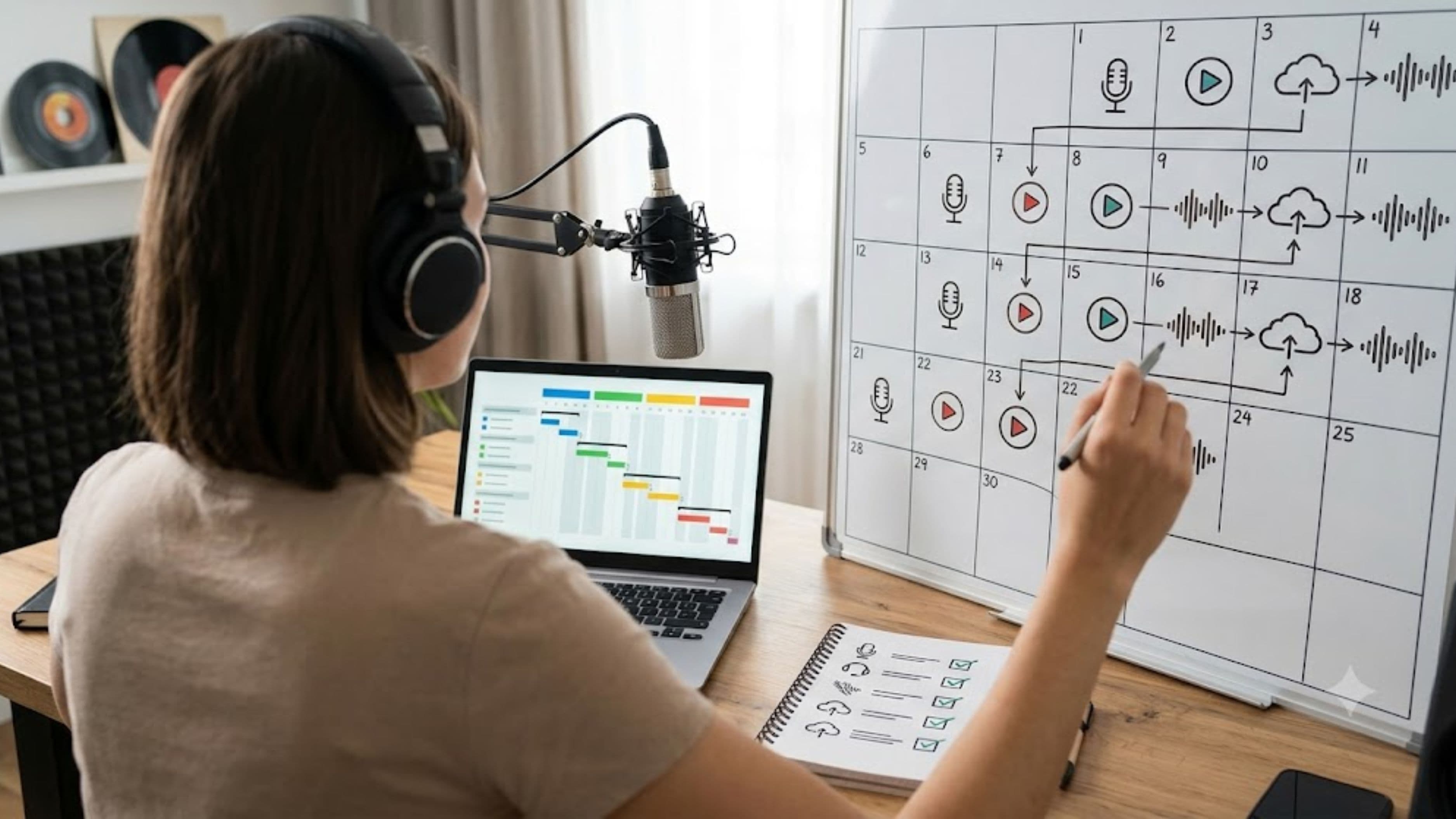
Ten episodes sounds like a lot before you've recorded one. Planning them upfront serves a specific purpose: it confirms whether your concept has enough depth to sustain a show, it reveals the natural structure and recurring segments that make a podcast feel like a real programme, and it prevents you from launching with one strong episode and immediately running out of ideas.
For each episode in your first ten, write a working title, a one-paragraph summary of what it covers, and the key point or takeaway a listener should leave with. You don't need a full script or detailed outline at this stage – just enough to confirm that ten genuinely distinct, valuable episodes exist within your concept.
Think about variety within consistency. If you're doing a solo show, vary the angle: one episode that's practical and how-to, one that's analytical and opinion-based, one that looks at a specific case study. If you're doing interviews, vary the guest type: an artist, a manager, a booking agent, a distributor – different perspectives on related problems keeps early listeners engaged while still being clearly on-topic.
Your first episode doesn't have to be a grand introduction to the show's premise. Some of the best podcast launches start with a strong episode on a specific subject and let the show's identity become clear through the work rather than through a meta-conversation about what the show is going to be.
Step 5: Build a Minimal Distribution Setup
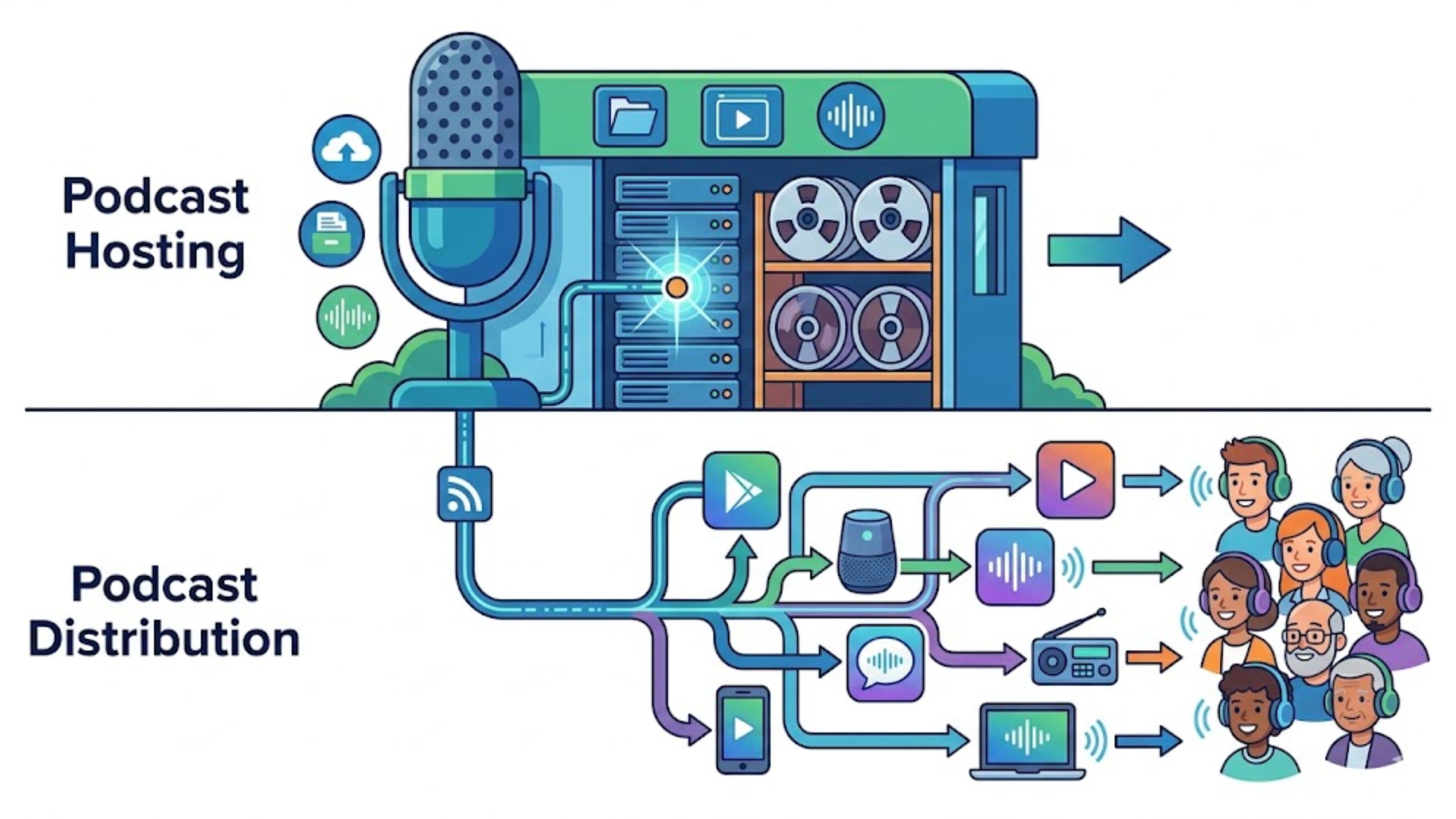
You need a hosting platform, and you need distribution to Spotify and Apple Podcasts. That's the actual minimum. Everything else – a website, social media accounts, a newsletter – can come after you've established the show.
As covered in the companion piece to this article, the right hosting platform depends on your situation. Buzzsprout, RSS.com, and Transistor are all solid starting points for a new show. Spotify for Podcasters is worth considering if you're already established as an artist on Spotify and want the ecosystem integration. Pick one, set it up, and don't second-guess it for the first twenty episodes. Platform migration is possible but adds friction and distraction at a stage when your energy should be on the content.
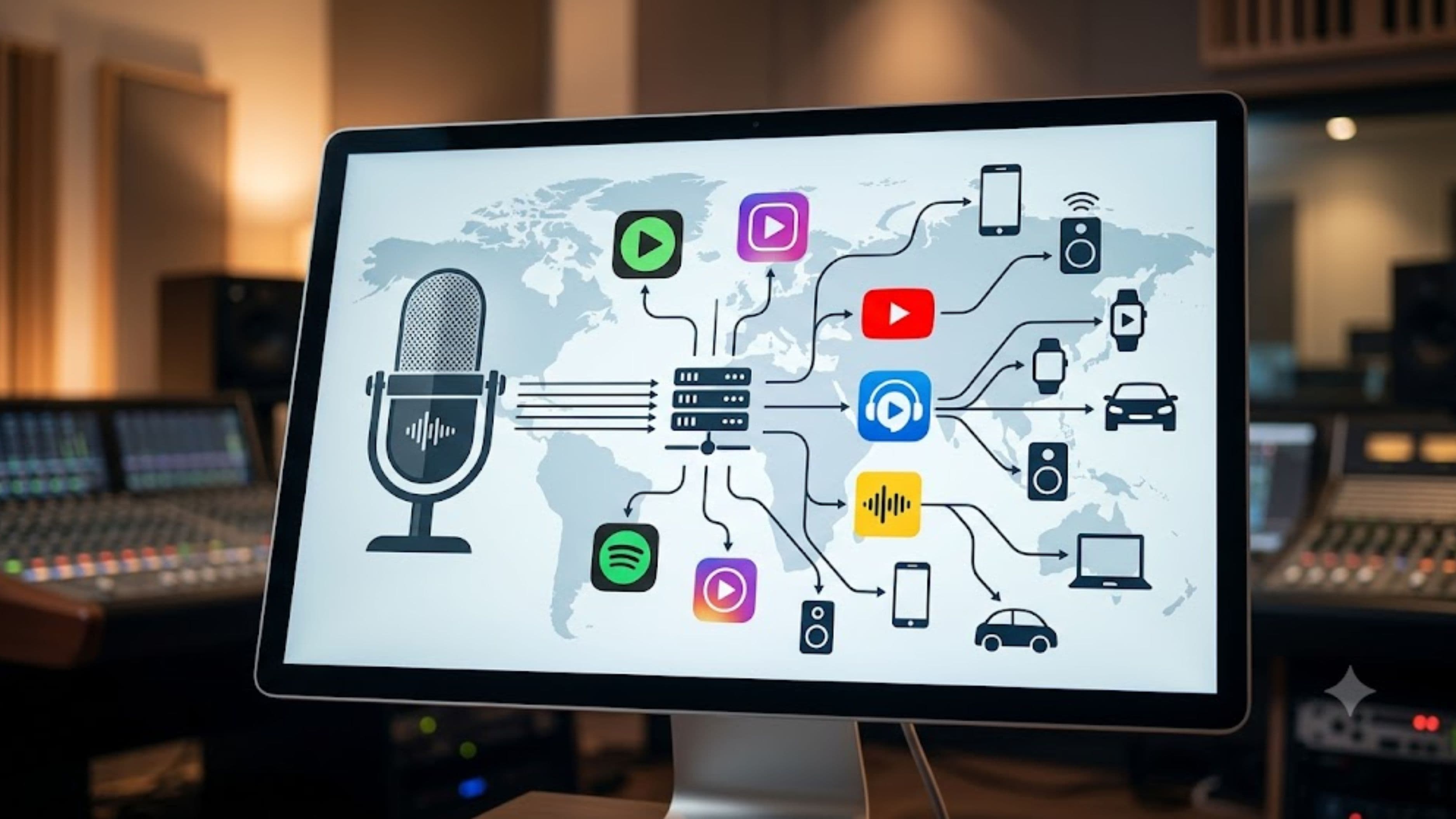
Submit your RSS feed to Apple Podcasts through Apple Podcasts Connect, to Spotify through Spotify for Podcasters (most hosting platforms automate this), and to Amazon Music. Set up Google Podcasts submission if it's still relevant to your target audience. That covers the vast majority of where listeners actually find and consume podcasts. Additional directories are nice-to-have, not essential.
Step 6: Launch With Three Episodes
Don't launch with one episode. The standard recommendation in podcast growth circles is to launch with three – and the reason is practical. Apple Podcasts and Spotify both rank new shows partially based on early engagement. A listener who discovers your show and finds three episodes immediately is more likely to binge-listen and subscribe than one who finds a single episode and has to wait a week for the next. Subscribe rates from listener-one are higher when there's immediate depth to consume.
Release the first three episodes on the same day or within the same week. Hold the fourth back for your regular release schedule. For most podcasts, weekly is the sustainable baseline – consistent enough to build a habit with listeners, manageable enough to maintain without burning out.
Tell everyone in your existing network that the show is live. Not to beg for listens, but because people who already know and respect you will give a new show an honest chance if they know it exists. A warm introduction from someone you trust creates more genuine early listeners than any amount of social media posting to a cold audience.
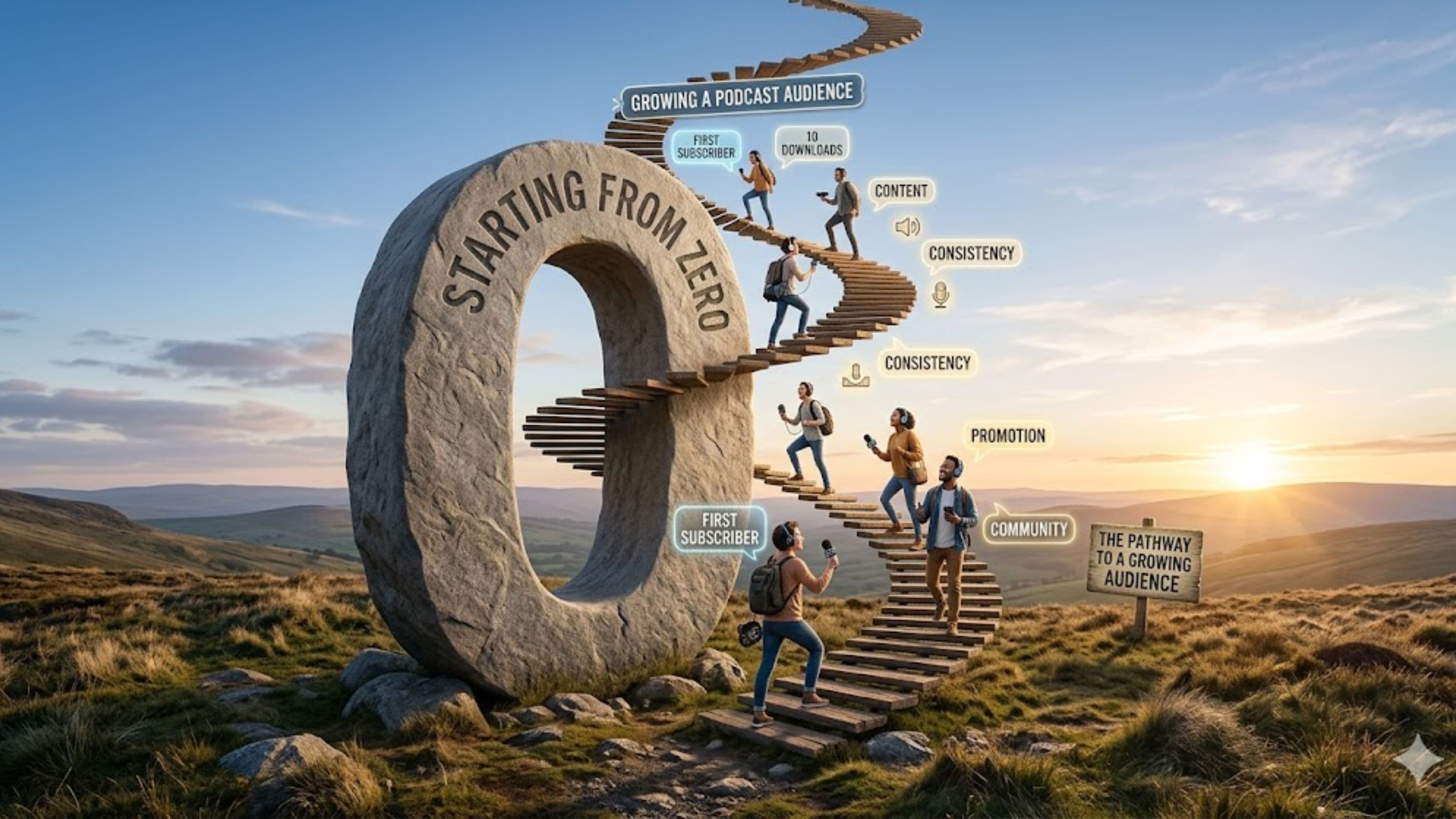
Growing From Zero: What Actually Works
With no audience at launch, the growth strategies that work are the ones that put the show in front of people who are already looking for what it offers.
Consistent SEO-friendly titles matter immediately. Episode titles that describe the specific content – "How Sync Licensing Actually Works for Independent Artists" rather than "Episode 14: Sync Deep Dive" – are indexed by podcast apps and search engines and surface your show to people searching for that exact topic. This is passive, compounding distribution that doesn't require any ongoing effort once the episode is published.
Guesting on other podcasts is the fastest genuine growth lever available to a new show. Find podcasts in adjacent spaces – music production, creator entrepreneurship, indie artist communities – and pitch yourself as a guest. You're not competing with them; you're complementary. Each guest appearance puts you in front of an existing engaged audience who didn't know your show existed, and a percentage of them will follow back to your feed.
Niche community engagement matters more at zero audience than any social media strategy. Music creator forums, Discord servers, Reddit communities like r/WeAreTheMusicMakers or r/MusicIndustry – these are places where your target listener already spends time. Participating genuinely and mentioning your podcast when it's directly relevant (not as spam, but as a resource) builds early listeners who are already pre-qualified as interested in your topic.
Consistency over intensity is the most reliable long-term growth pattern. One episode per week for a year beats six episodes in January and then silence. Early listeners who trust you to show up regularly become the core audience who recommend the show, leave reviews, and support monetisation when you add it.
Monetisation: When and How
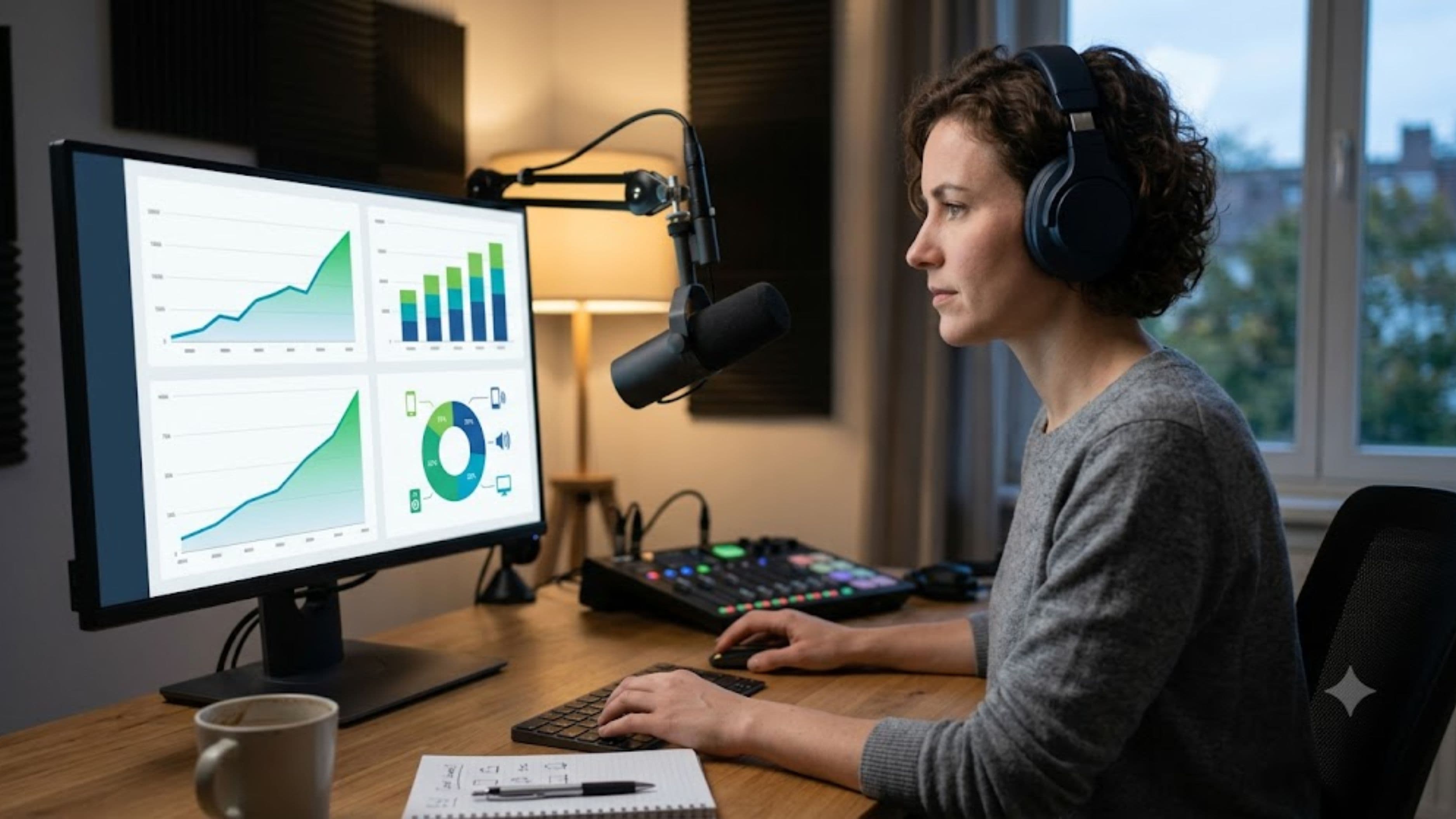
Don't attach monetisation expectations to the first year unless your existing audience is already large enough to bring to the podcast from day one. Building from zero to advertising-viable takes most shows 12–18 months of consistent publishing, and chasing revenue before the audience exists creates decisions that compromise the show.
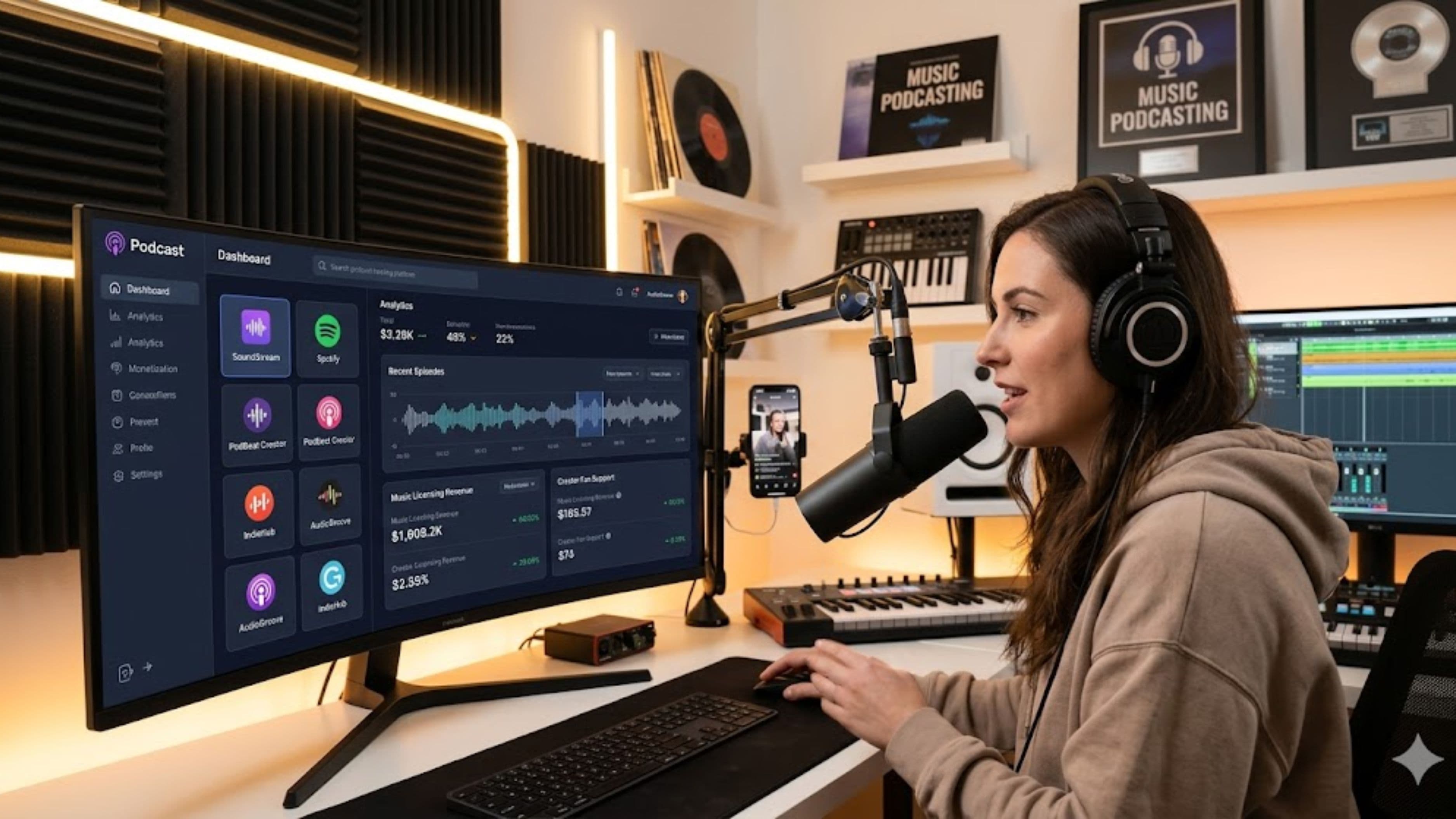
The exception is listener support. A Patreon or direct support link adds zero overhead and can generate meaningful income even at small audience sizes if your listeners are genuinely engaged. Fifty listeners who each give $5/month is $250/month – not a living, but real income from a show that's less than a year old.
Sponsorship opportunities in the music industry space can come early if you have a niche that's valuable to specific advertisers: music software companies, gear manufacturers, distribution platforms, ticketing tools. A show with 200 highly engaged independent artists as listeners is more valuable to a DAW software company than a general interest show with 2,000 casual listeners. Know your audience specifically enough to pitch that specificity.
What to Watch Out For
The launch perfectionism trap catches most new podcasters. You will find reasons to keep delaying: the intro music isn't quite right, the first episode needs another edit, the website isn't ready. Release the show. The gap between an imperfect first episode and no show at all is enormous. The gap between a good first episode and a perfect one is invisible to listeners who don't have a reference point.
Overproduction in the early stages is common in music creator circles, where the bar for audio quality is already high. A podcast that sounds professional but has nothing interesting to say is worse than one that sounds adequate but delivers real value consistently. The content is what builds the audience, not the production level.
Dropping the show after ten episodes is the most common failure mode. Most podcasts never make it past episode ten because the initial motivation fades and the growth feels too slow. Ten episodes is too early to evaluate whether a show is working. Most shows that find a real audience do so between episodes 20 and 50, when the show has found its voice and the SEO indexing has had time to accumulate. Commit to at least 30 episodes before making any judgement about whether to continue.
FAQ
How long should each episode be? As long as it needs to be to deliver what was promised in the title and description – no longer. For a focused music industry discussion, 20–40 minutes is a practical range. Interview episodes naturally run 45–60 minutes. Avoid padding episodes to hit a perceived minimum length; listeners will notice and disengage.
How do I find guests when my show is brand new? Start with your existing network – anyone you've worked with in music, toured with, collaborated with, or know from industry events. Reach out personally, explain the concept clearly, and be specific about what you want to discuss. People who already know you will take a chance on a new show. After five or six episodes, you have something real to show prospective guests, which makes outreach significantly easier.
Should I script my episodes or speak naturally? Bullet-point outlines work better than full scripts for most people. A full script tends to read as read when spoken aloud and loses the natural quality that makes audio feel engaging. An outline with key points, data, and transitions keeps you on track without making you sound like you're reading. Practice the outline once before recording.
Do I need a podcast website? Not at launch. Most hosting platforms generate a basic podcast page automatically. A dedicated website becomes useful once you have enough content that discoverability and SEO justify the investment – typically after 20–30 episodes. Focus on the episodes first.
How do I know if my podcast is growing? Look at download trends across episodes rather than total numbers. If episode 20 is consistently getting more downloads in its first week than episode 5 did in its first week, the show is growing. Total subscriber counts and download numbers for new shows are naturally low; trajectory matters more than absolute numbers in the first year.
📚 Sources
Spotify for Podcasters – Getting Started Guide: https://podcasters.spotify.com/resources/learn/create/getting-started
Apple Podcasts Connect – Submission and Distribution: https://podcastsconnect.apple.com
Buzzsprout – Podcast Launch Checklist: https://www.buzzsprout.com/blog/podcast-launch-checklist
Riverside.fm – Remote Podcast Recording Overview: https://riverside.fm/podcast
Podcast Industry Insights – Podcast Growth Statistics 2025: https://www.podcastinsights.com/podcast-statistics/
Audacity – Free Audio Editor for Podcasting: https://www.audacityteam.org
Artlist – Royalty-Free Music Licensing for Podcasts: https://artlist.io/music/podcast