From Passive Metric to Active Fan Sport
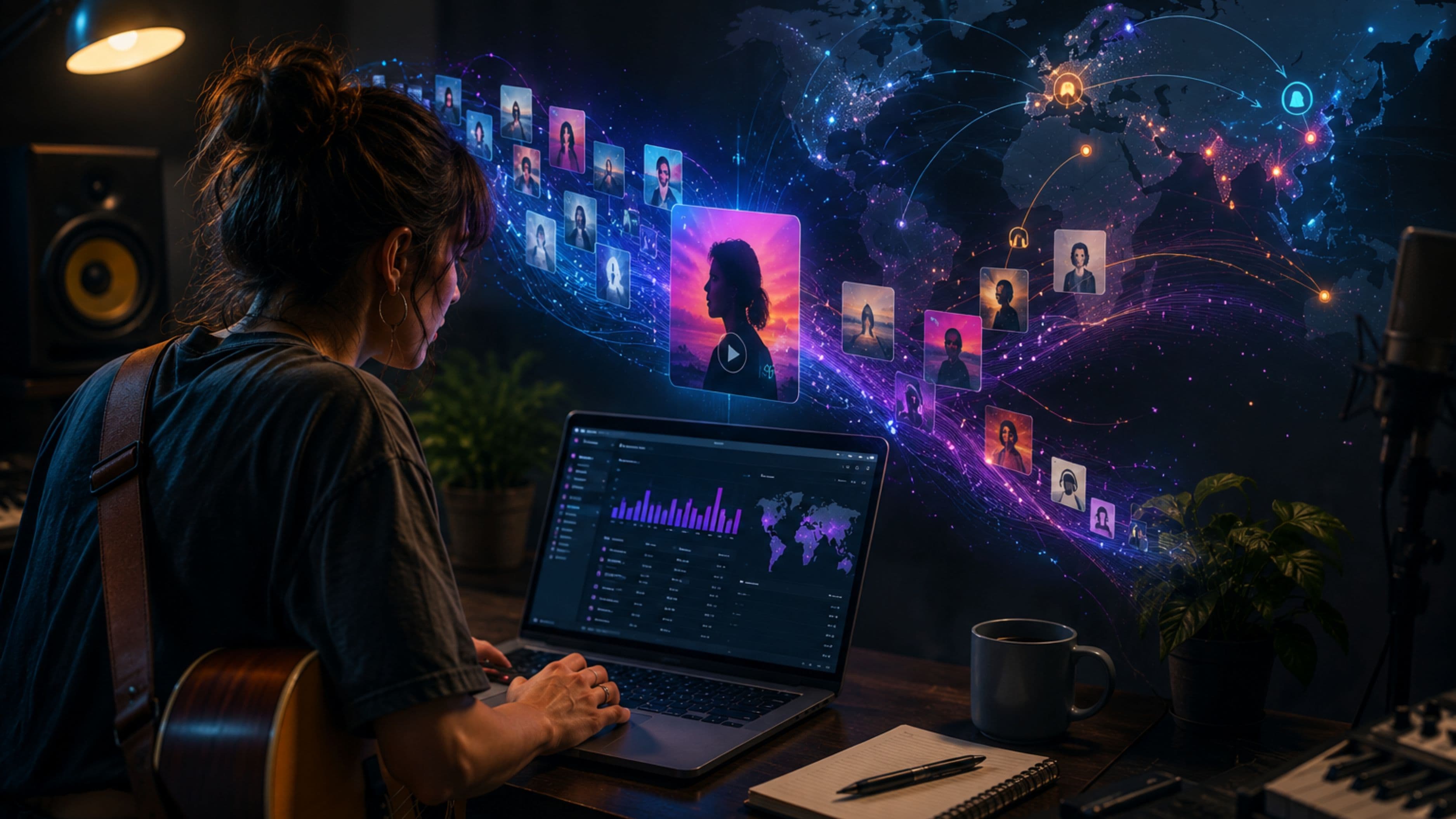
Streaming numbers becoming a public, real-time metric is the foundational shift here. Sales figures used to be reported periodically and interpreted mostly by industry insiders and journalists. Streaming platforms and third-party tracking services now surface daily and even hourly numbers, visible to anyone paying attention, which transformed a backend business metric into something fans could watch unfold in real time, almost like a live scoreboard.
Once a number is visible and trackable in real time, it becomes something people can influence and compete around, and fan communities, particularly stan communities built around specific artists, quickly recognized that streaming numbers weren't just a passive reflection of popularity, they were an outcome fans could actively affect through coordinated action.
Why Fans Treat Numbers as a Form of Loyalty
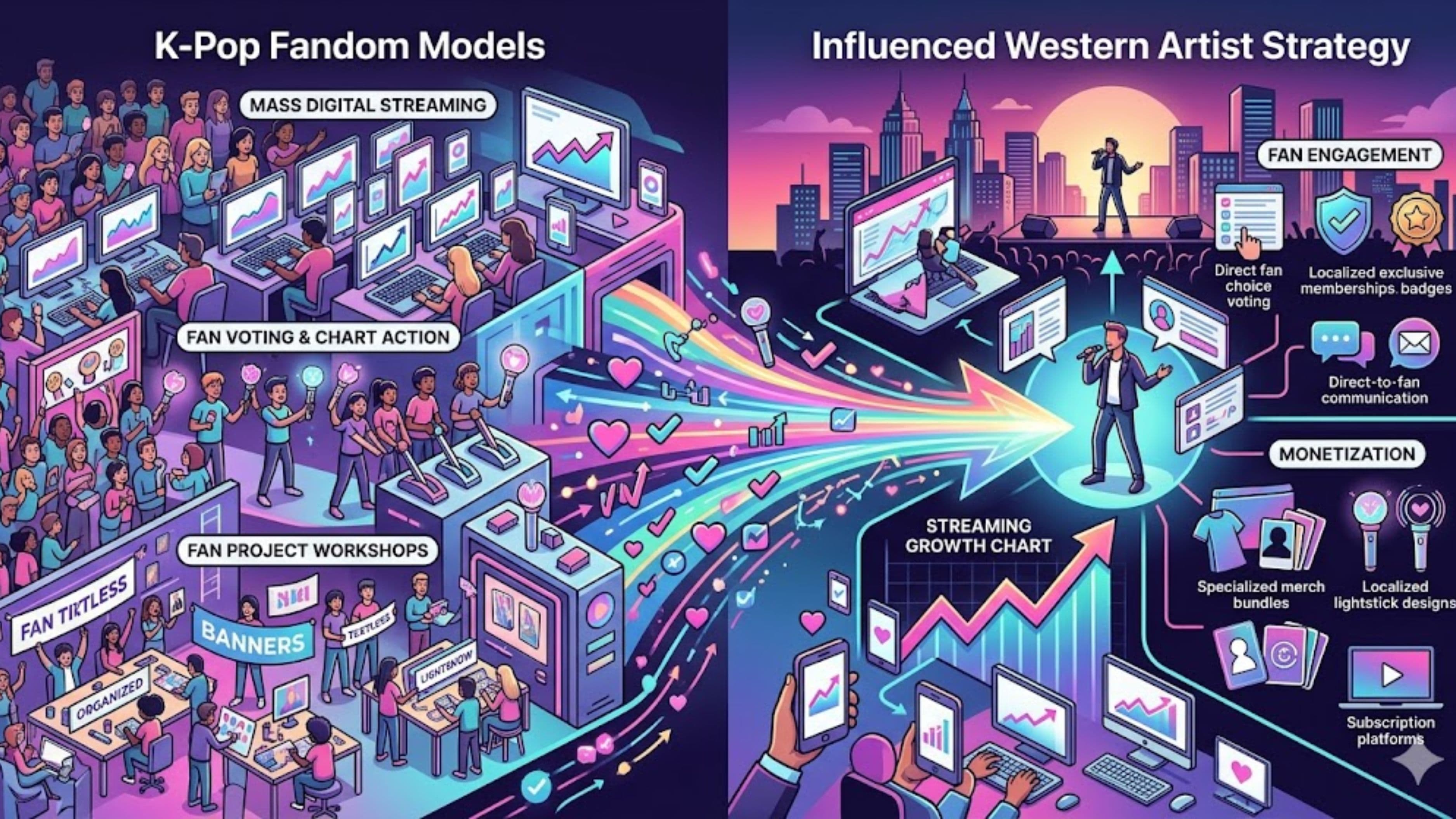
For many dedicated fan communities, contributing to an artist's streaming numbers has become a way of publicly demonstrating loyalty and support, similar in emotional function to buying merchandise or attending a concert, but requiring far less money and effort, which makes it accessible to a much larger share of a fanbase. Organizing group streaming sessions, sharing playlist links, and coordinating listening around release windows all function as a form of participation in an artist's success that feels tangible and measurable to the fans doing it.
This matters because it changes what being a fan actually involves day to day. Fandom used to be largely observational, following an artist's career, buying their music, attending shows. Streaming-era fandom is increasingly participatory in a much more direct, ongoing way, with fans seeing themselves as active contributors to outcomes like chart positions and milestone numbers, not just audiences consuming the result.
The Competitive Dimension Between Fanbases
A significant part of why streaming numbers carry cultural weight now is the direct, visible competition between fanbases that public real-time tracking enables. When two major releases land close together, fan communities frequently frame the comparison explicitly as a competition, tracking each artist's numbers against the other and treating a stronger opening as a genuine win for the fandom collectively, not just the artist individually.
This dynamic has real upside for artist visibility, since competitive framing tends to generate organic conversation and media coverage that a straightforward release might not otherwise attract. It also has a real downside worth naming honestly: this competitive intensity has, in some high-profile cases, spilled into genuinely toxic behavior between fan communities, including harassment, which is a documented and recurring problem in stan culture that artists and platforms have had to address directly.
What This Means for How Artists and Labels Approach Releases
Understanding that streaming numbers now function as a cultural event, not just a business metric, has changed how artists and labels approach release strategy. Release timing increasingly accounts for fan mobilization windows, giving fanbases time to organize before a release rather than surprising them with no notice. Some artists directly acknowledge and encourage streaming party culture, treating it as a legitimate and valued form of fan engagement rather than something incidental to the music itself.
There's a practical takeaway here for independent and emerging artists too, even without a massive established fanbase: transparency and direct communication about release goals, being upfront with your existing audience about specific streaming or chart milestones you're working toward, can genuinely mobilize a smaller but dedicated fanbase in a way that mirrors, at a smaller scale, what larger fan communities do around major releases.
The Limits of Streaming Numbers as a Popularity Signal
It's worth being clear-eyed about what heavily fan-mobilized streaming numbers actually represent. A large first-week streaming number driven substantially by coordinated fan effort reflects fanbase intensity and organization more than it necessarily reflects broad mainstream reach or cultural penetration beyond that existing fanbase. Industry observers and journalists increasingly distinguish between these two things when interpreting a release's real impact, looking at metrics like unique listener counts and playlist adds from outside an artist's core fanbase as a more meaningful signal of genuine crossover reach.
What to Watch Out For
For artists and labels, leaning too heavily into streaming number milestones as the primary measure of a release's success risks mistaking fan mobilization for broader growth, two genuinely different things worth tracking separately. For fans, it's worth being aware of the toxic edge that competitive fandom culture can slide into, since coordinated streaming campaigns are a legitimate and fine form of support on their own, but framing them as combat against another fanbase has repeatedly led to harassment that ultimately reflects poorly on the artist being supported.
📚 Sources
Billboard, "How Chart Methodology Has Evolved With Streaming" – https://www.billboard.com/pro/
Luminate (formerly MRC Data), "Year-End Music Report" – https://luminatedata.com/
Rolling Stone, coverage of stan culture and streaming campaigns – https://www.rollingstone.com/music/