Here's how to build an episode format that actually holds attention from open to close, and keeps people hitting play on the next one.
Step 1: Open With a Hook, Not a Preamble
The first 30 to 60 seconds decide whether a listener sticks around, and a long, generic intro – welcoming everyone, thanking sponsors, explaining what the show is about every single time – burns exactly the window where you have the most attention. Open instead with a specific, concrete hook: a striking quote from the episode, a bold claim about the artist or topic you're covering, or a quick preview of the most interesting moment coming up. Save the full intro and housekeeping for right after the hook, once you've already earned a few more minutes of attention.
Step 2: Set Clear Expectations Early
Once past the hook, tell listeners specifically what this episode covers and why it's worth their next 30 to 60 minutes. This isn't just politeness – it's a retention tool, since listeners who know what's coming are more likely to stay through a slower section because they can see the value ahead. A vague "today we're talking music" gives listeners no reason to push through anything less engaging later in the episode.
Step 3: Build the Middle Around Segments, Not One Long Block
Long, undifferentiated conversation is where most music podcasts lose listeners, even when the content itself is good, simply because there's no sense of pacing or progress. Breaking the middle into distinct segments – artist background, a track-by-track breakdown, industry context, listener questions – gives the episode a rhythm and gives listeners natural mental checkpoints, which makes it easier to stay engaged even during a section that's less immediately compelling to them personally. This also makes episodes easier to clip and promote later, since segments create natural short-form content boundaries.
Step 4: Place Your Strongest Content Slightly Before the Middle
Attention naturally dips in the middle of long-form audio content, which means burying your best material there risks losing people right when engagement is already fragile. Positioning your most compelling segment, whether that's a surprising story, a strong opinion, or the most interesting part of an interview, in roughly the first third to just before the midpoint takes advantage of higher attention while still leaving something worth sticking around for afterward.
Step 5: Use a Recurring Segment to Build Habit
A consistent segment that appears in every episode, whether it's a quick "track of the week," a recurring question you ask every guest, or a short listener mailbag moment, gives the show a rhythm that becomes familiar over time. This matters more for retention than most creators expect, since predictability within an episode format is one of the quieter psychological hooks that keeps people coming back specifically for your show rather than a generic alternative.
Step 6: Close With a Specific Reason to Return
Ending with a generic "thanks for listening, see you next time" wastes one of the more valuable moments in the episode. A stronger close previews something concrete about the next episode – a specific artist, topic, or question you'll be answering – giving listeners an actual reason to subscribe or set a reminder rather than a vague sense that more content will probably show up eventually.
Tips for Better Results
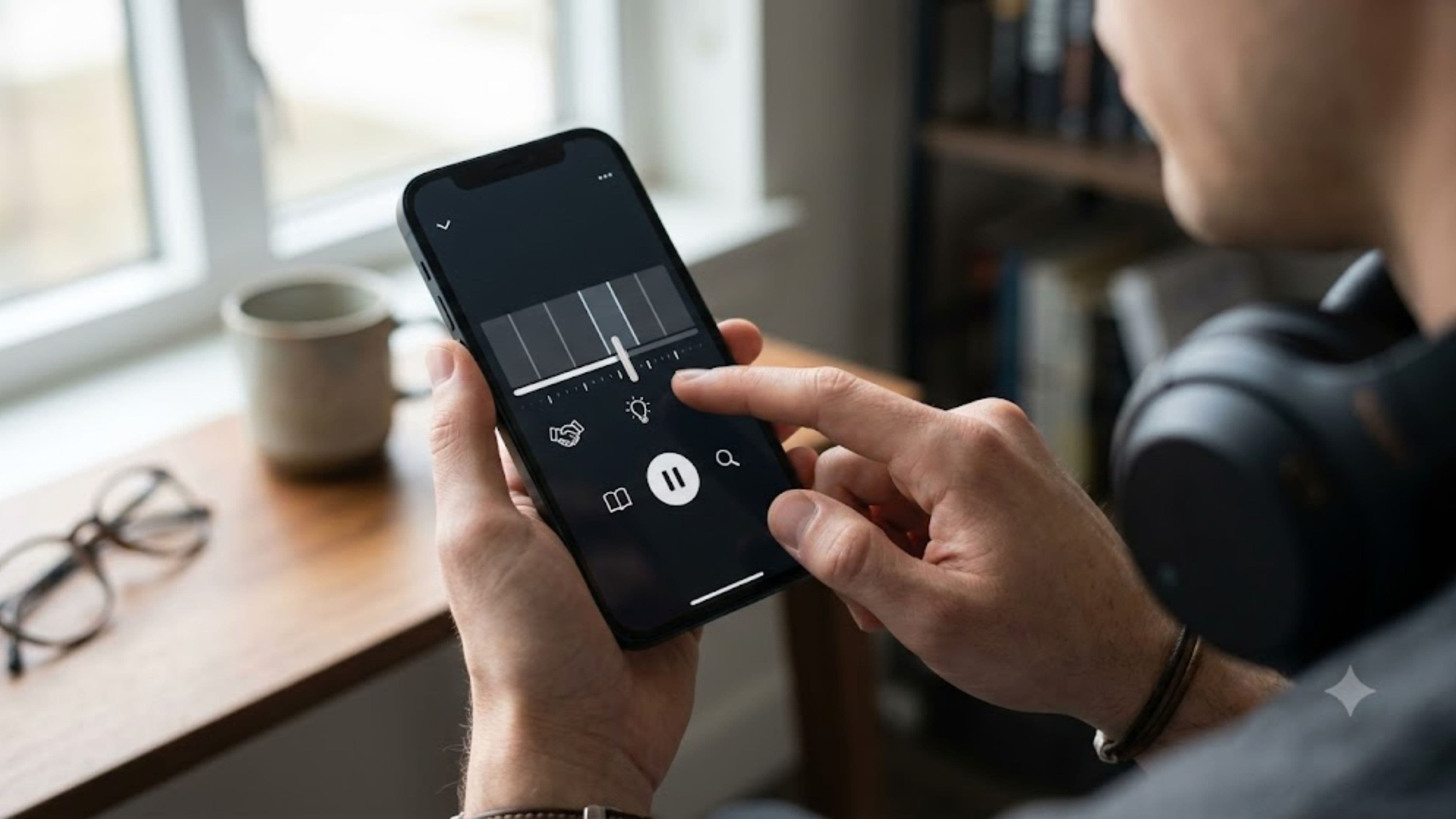
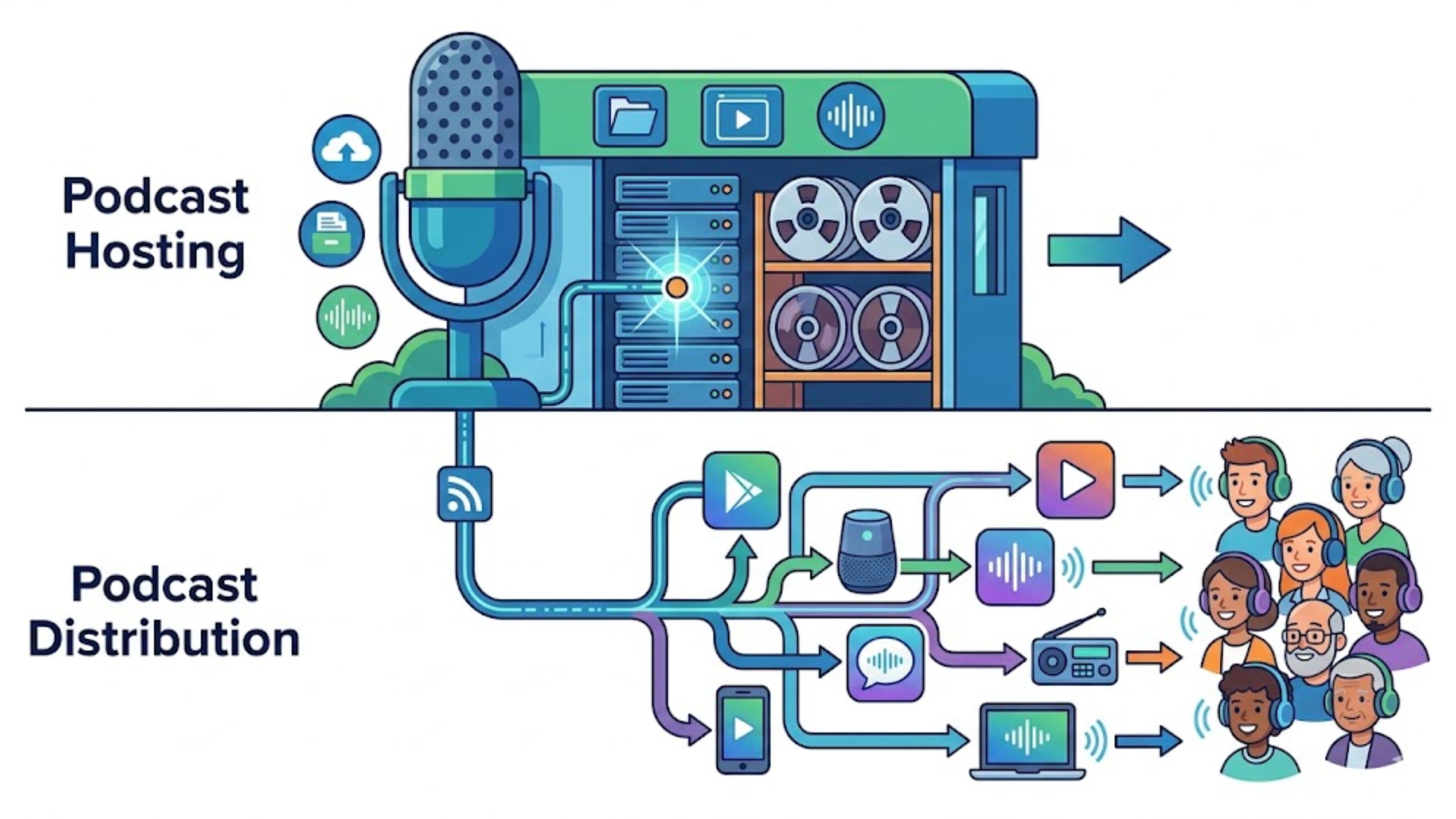
Keep a consistent episode length as much as the content allows, since listeners build a habit around roughly how long your show takes, and wildly inconsistent runtimes make it harder for people to fit your show into a regular routine. Reviewing your episode analytics for drop-off points, most podcast hosting platforms show this, gives you real data on where listeners are actually losing interest, which is far more useful than guessing at what feels like a slow section.
Common Mistakes to Avoid
Front-loading a long, repetitive intro before getting to anything interesting is one of the most common ways music podcasts lose new listeners in the first minute, since there's no hook to justify sticking around. Letting the middle segment run as one long, unstructured conversation without any internal pacing makes even genuinely good content feel like a slog by the halfway point. And ending episodes without any specific forward pull toward the next one leaves engagement to chance rather than actively building the habit that keeps a podcast growing.
What This Means for Growth
A well-structured episode format doesn't just improve listener retention within a single episode – it directly affects subscription and return-listener rates over time, since a predictable, well-paced show is easier for people to build into a regular habit than one that feels inconsistent episode to episode. For creators thinking about monetization down the line, stronger retention numbers are also one of the more concrete metrics sponsors look at when evaluating a podcast, making structural improvements a foundation worth getting right before chasing bigger guests or bigger production budgets.
FAQ
How long should a music podcast episode be? There's no universal ideal length, but consistency matters more than hitting a specific number. Many music podcasts run 30 to 60 minutes, which fits well within common listening contexts like a commute or a workout, though niche or interview-heavy formats can run longer if the content supports it.
Should every episode follow the exact same segment structure? A consistent overall framework helps build listener habit, but some flexibility within that framework, adjusting segment length based on guest or topic, keeps episodes from feeling formulaic while still giving listeners a familiar shape to expect.
How do I know where listeners are actually losing interest? Most podcast hosting platforms provide listener retention graphs showing where drop-off happens within an episode, which is a far more reliable way to identify weak points than guessing based on how the recording felt.
Does episode structure matter more or less than guest quality? Both matter, but structure is often the more overlooked lever, since even a strong guest or topic can lose listeners if the episode has no clear pacing or hook, while a well-structured episode can make a lesser-known guest feel genuinely compelling.
📚 Sources
Edison Research – The Podcast Consumer Report, https://www.edisonresearch.com/the-podcast-consumer/
Spotify for Podcasters – Understanding Listener Retention, https://podcasters.spotify.com/resources
Nielsen – Audio Content Engagement Trends, https://www.nielsen.com/insights/