What's Happening
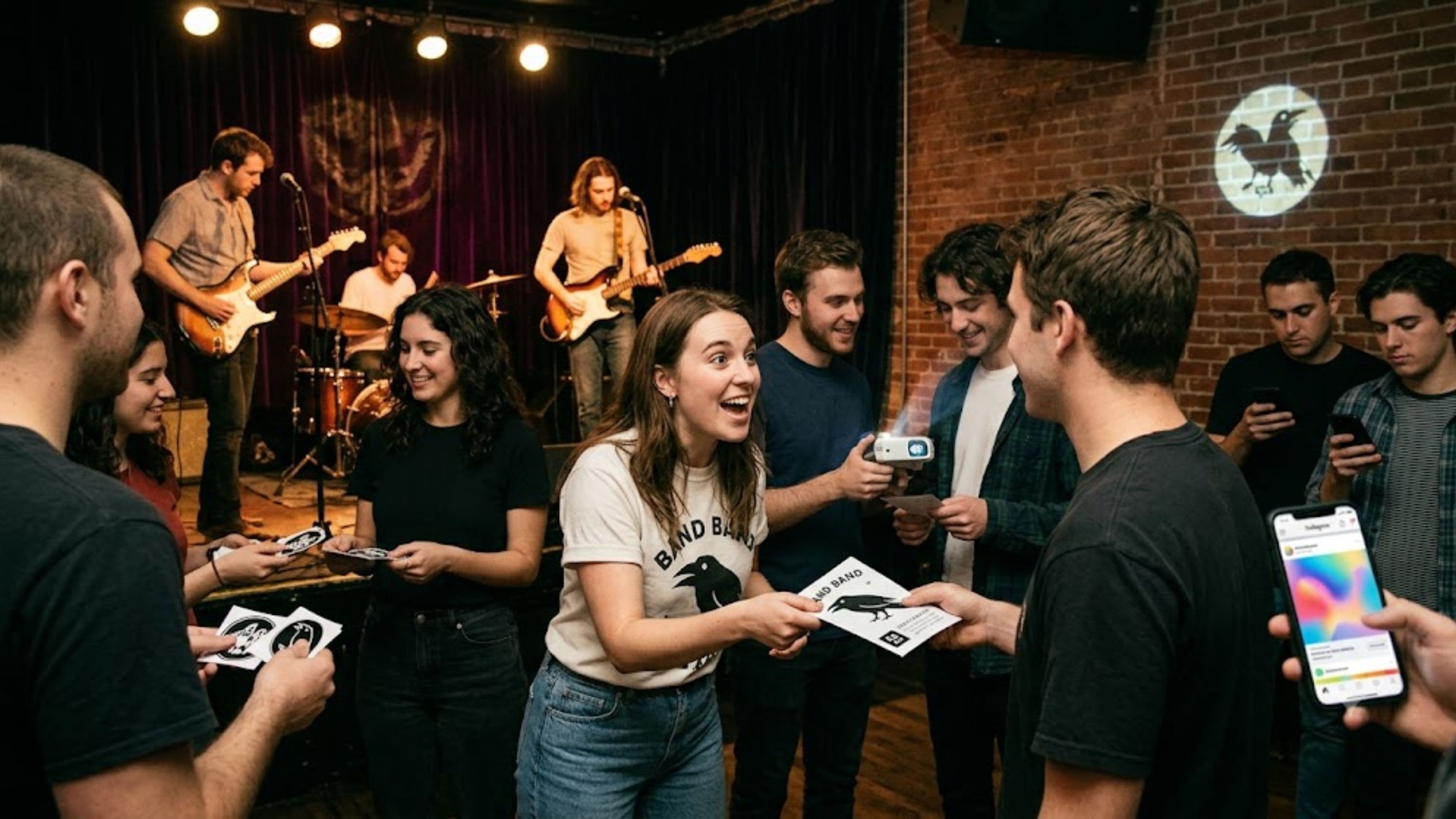
Genres that once lived almost entirely within dedicated fan communities, jersey club, amapiano, hyperpop, drift phonk, UK drill, are increasingly showing up as direct influences in mainstream pop and hip-hop production rather than staying confined to their original scenes. This isn't simply artists "borrowing" a sound for novelty. Producers who came up inside these subcultures are now working directly with major-label artists, bringing the actual rhythmic DNA of these genres, not just a surface-level reference, into mainstream releases.
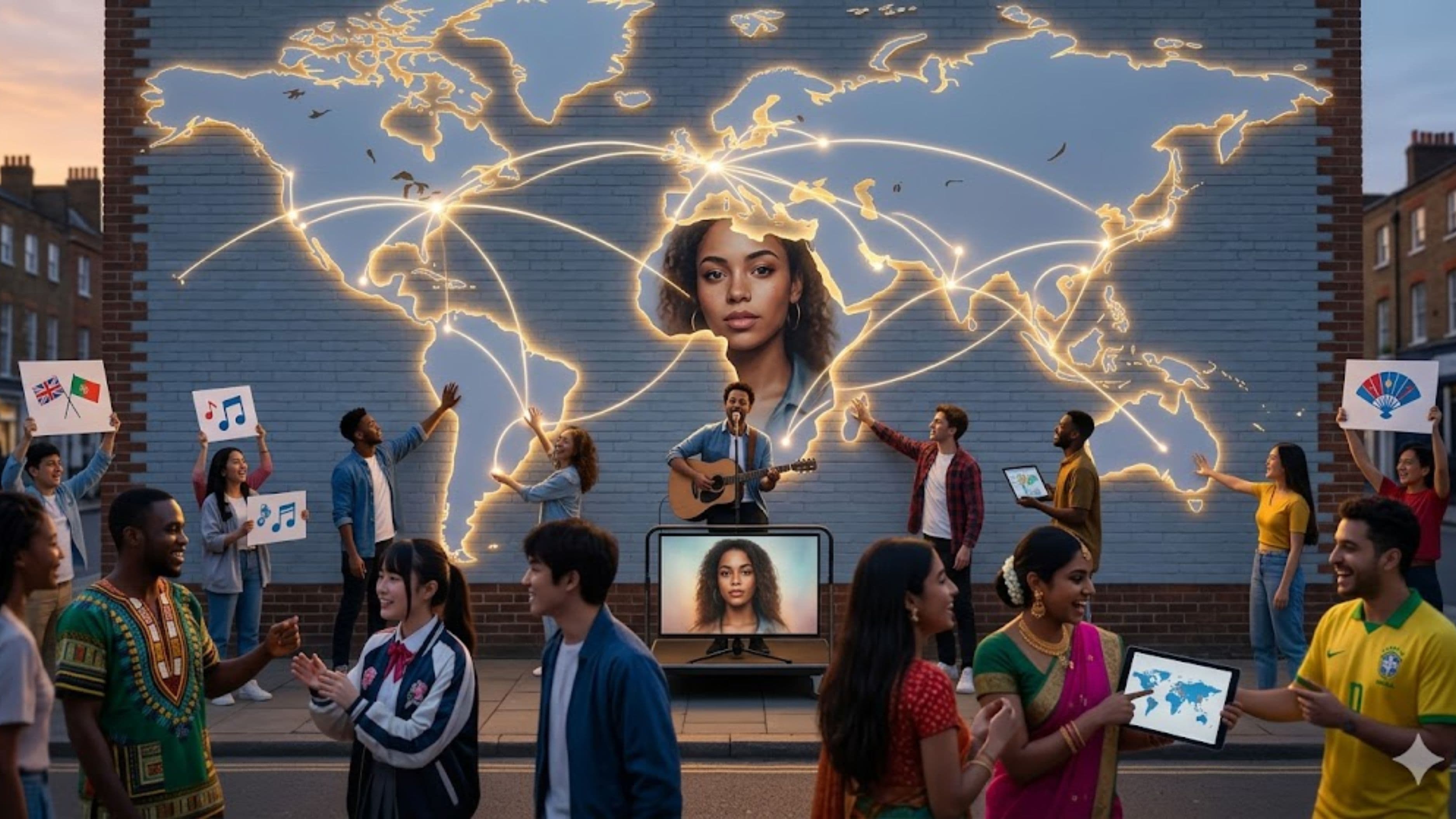
Jersey club's bouncy, chopped-and-sped-up rhythm has been steadily working its way into mainstream pop production for several years now, showing up in tracks that don't announce themselves as jersey club at all but clearly carry its rhythmic fingerprint. Amapiano's log drum bass and lounge-influenced groove has similarly moved from South African clubs into global pop and R&B production credits. This pattern, a genre incubating within a specific cultural or regional scene before its production techniques get absorbed into mainstream releases, has become one of the more reliable through-lines in how pop music actually evolves right now.
Why It Matters
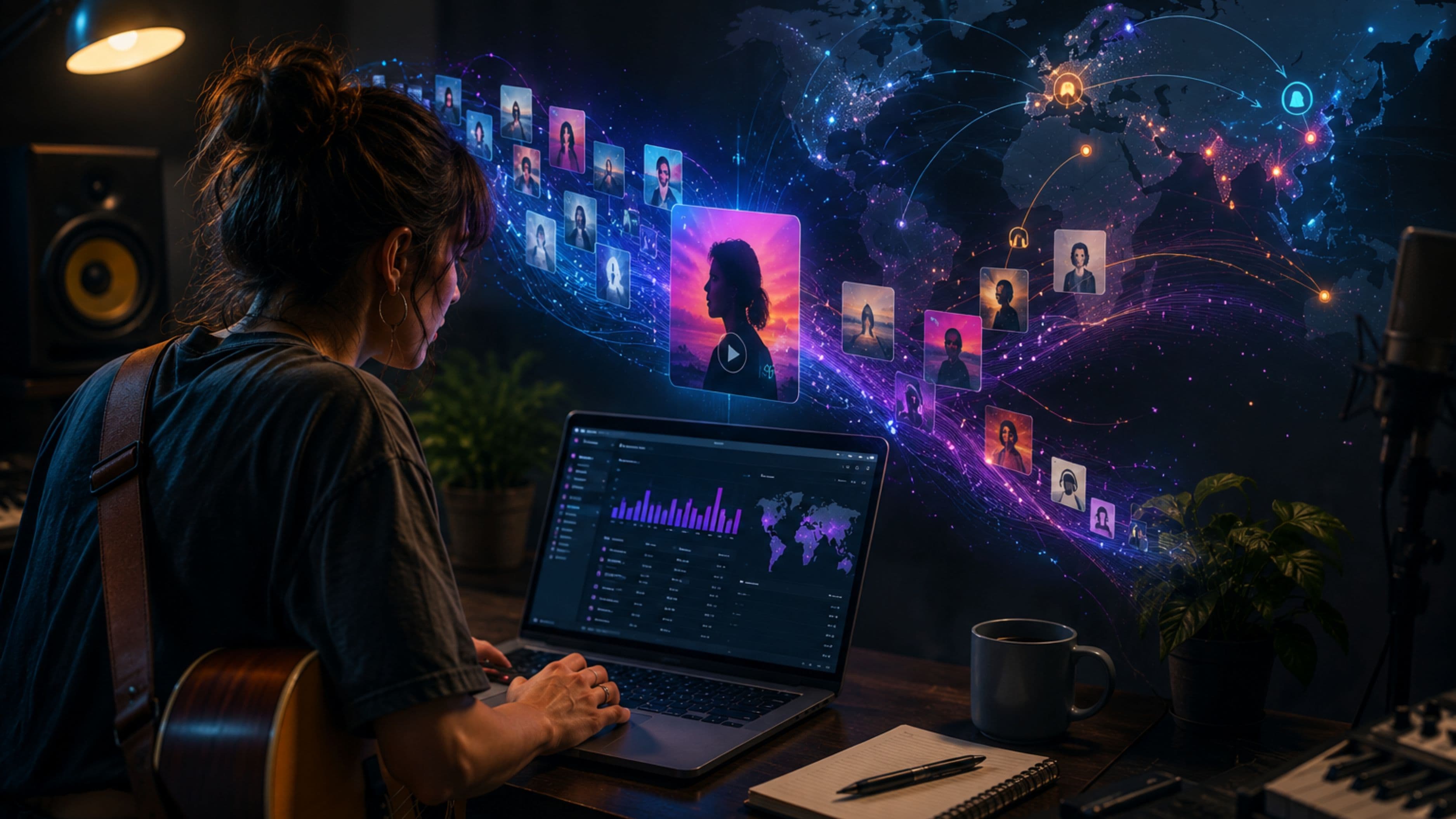
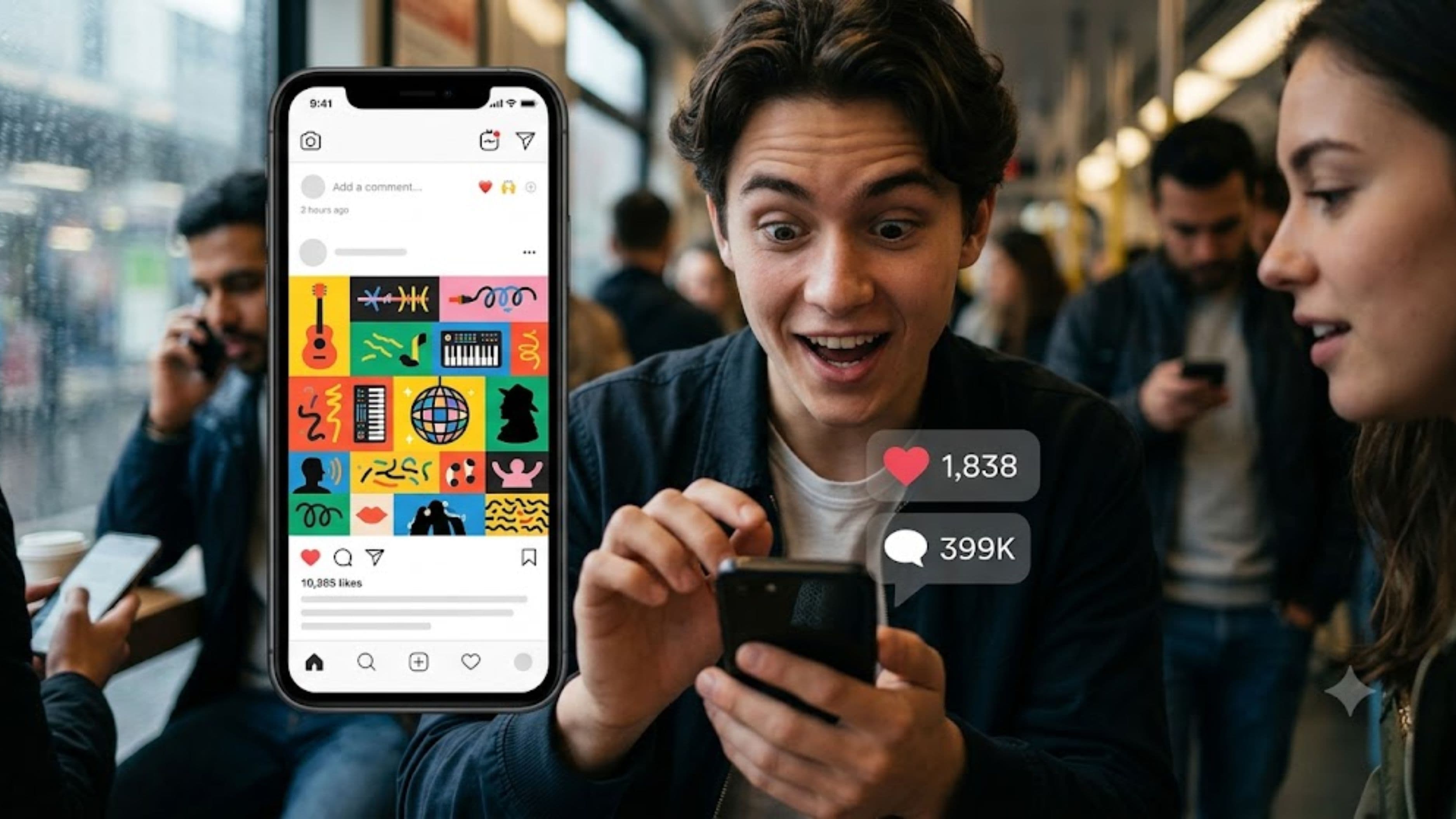
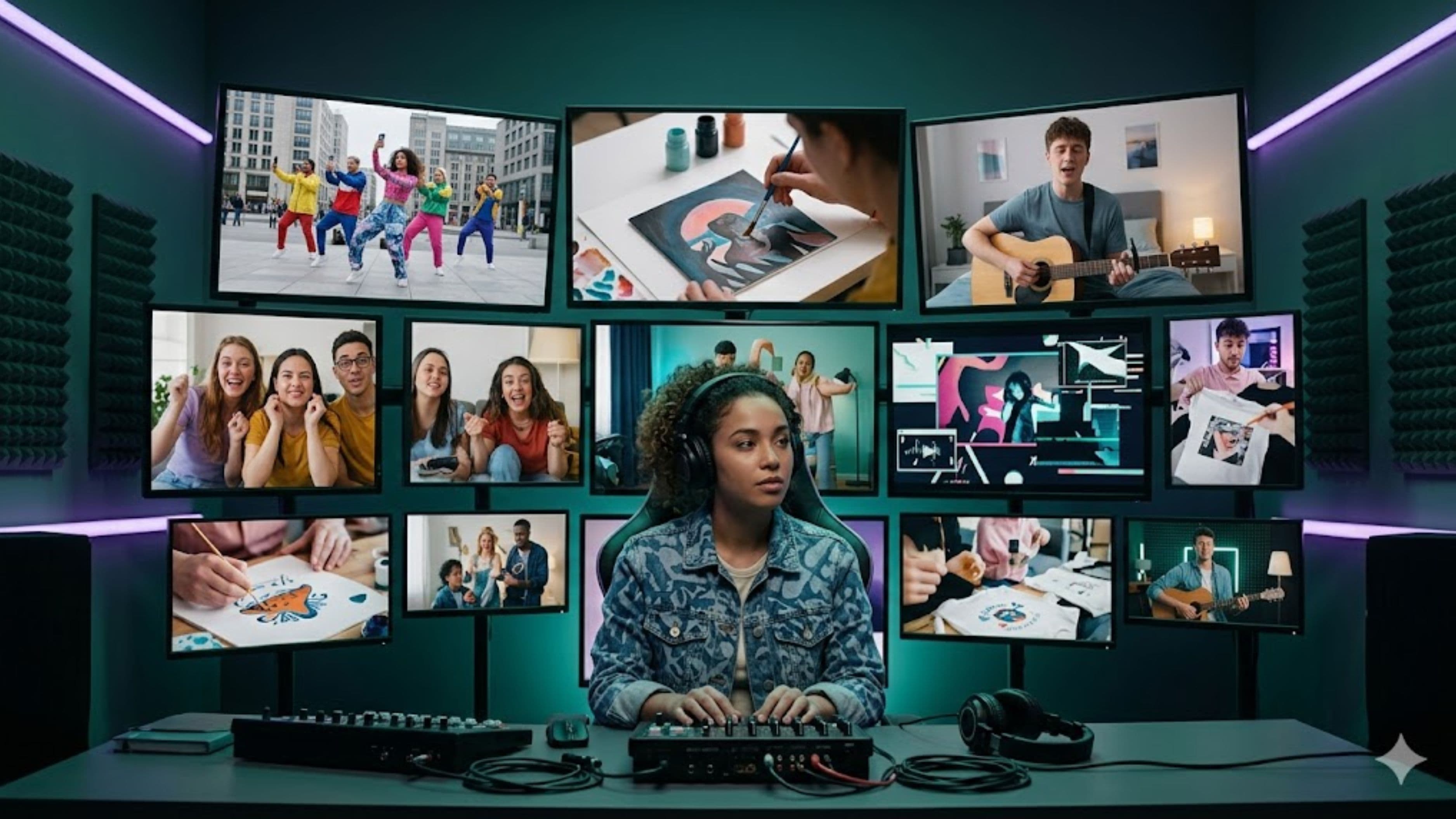
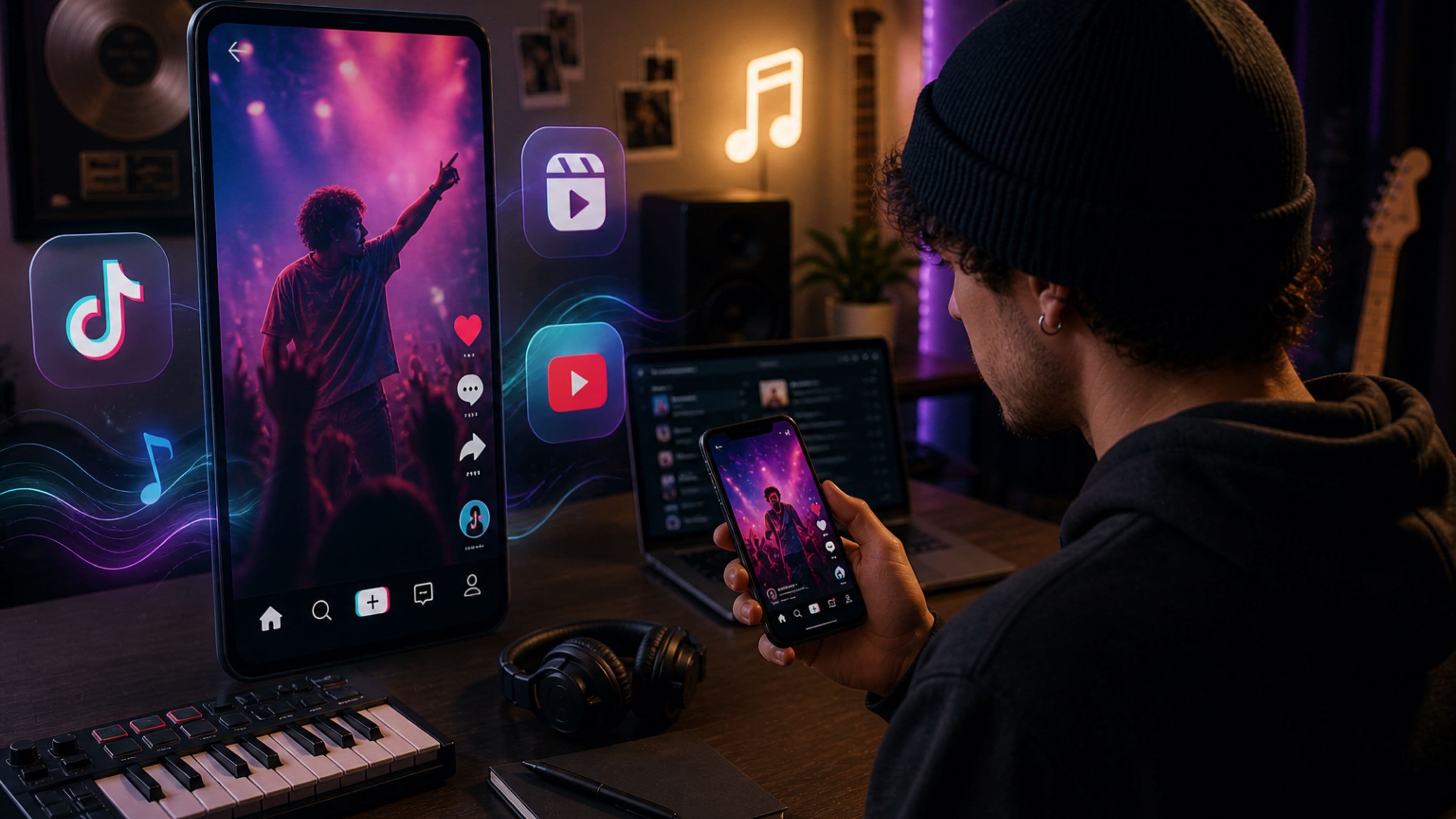
The mechanism behind this shift is worth understanding, because it changes how trends actually spread compared to even five or six years ago. Short-form video platforms compress the traditional discovery timeline dramatically, since a specific drum pattern, vocal chop, or bassline from a niche scene can go viral as an isolated sound before most listeners even know what subculture or genre it originated from. That sound then becomes available as raw material for any producer scrolling the same platform, mainstream or otherwise, collapsing what used to be a multi-year cultural migration into something that can happen in a single release cycle.
This also means mainstream artists and labels are paying closer attention to genuinely niche, community-driven scenes than they used to, since those scenes have become a reliable source of new sonic ideas rather than something discovered well after the fact. For independent producers and artists working within these subcultures, this creates a real, tangible opportunity: the distance between "makes music for a dedicated online community" and "gets a placement or collaboration with a major mainstream artist" has genuinely narrowed.
Impact on Creators
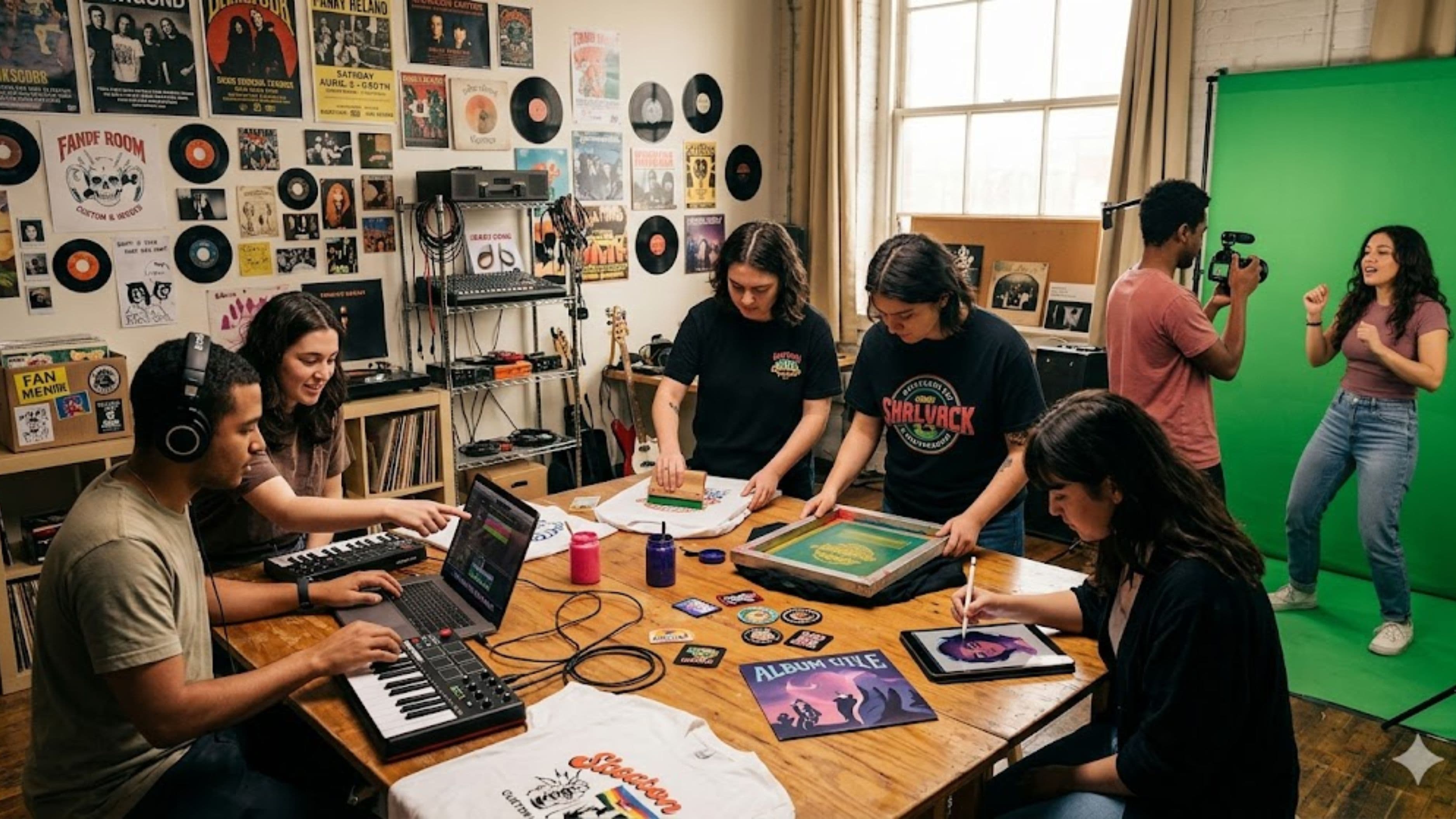
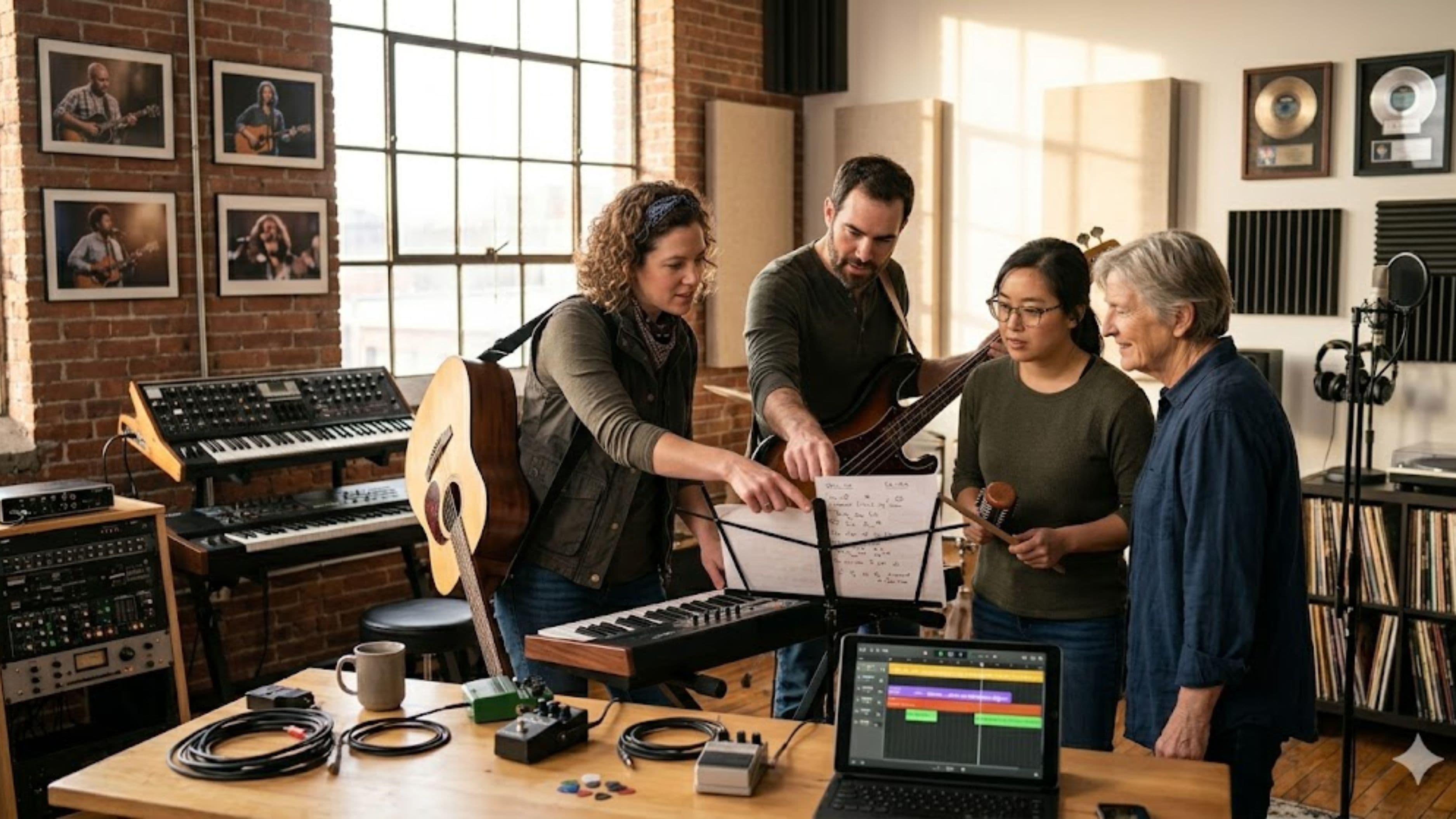
If you're an independent artist or producer working within a specific subculture or regional sound, this shift changes the calculation around staying "true" to a niche versus chasing broader appeal. Leaning fully into a distinctive, specific sound rather than diluting it to sound more generically mainstream has become a more viable long-term strategy than it once was, since labels and mainstream artists are actively looking for producers who bring an authentic, specific sonic identity rather than a watered-down approximation of a trend.
This also means visibility within your own scene matters more than it might seem from the outside. Producers and artists who've built a reputation and community within jersey club, amapiano, hyperpop, or similar spaces are increasingly the ones getting discovered by mainstream collaborators, rather than someone attempting to mimic the sound from outside the community. Building genuine credibility within a specific scene isn't just an artistic choice anymore, it's becoming a meaningful career strategy in its own right.
What to Watch Out For
It's worth being realistic about the pace and unpredictability of this kind of cultural crossover. Not every subculture sound gets picked up by the mainstream, and there's no reliable formula for predicting which specific scene or sound will cross over next, which means chasing crossover potential as a primary goal often backfires compared to focusing on building a genuine, dedicated audience within a specific scene first. Sounds that cross over too quickly or without proper crediting of their originating scene and artists have also drawn real criticism and backlash within online music communities, so any creator collaborating across these lines should be thoughtful about giving genuine credit to the scenes and originators a sound comes from.
It's also worth noting that trend cycles in this space move quickly, and what's crossing over prominently at any given moment can shift within a matter of months. Following ongoing coverage from music industry outlets and platforms that specifically track these movements is a more reliable way to stay current than relying on any single snapshot of "what's happening now."
Practical Takeaway
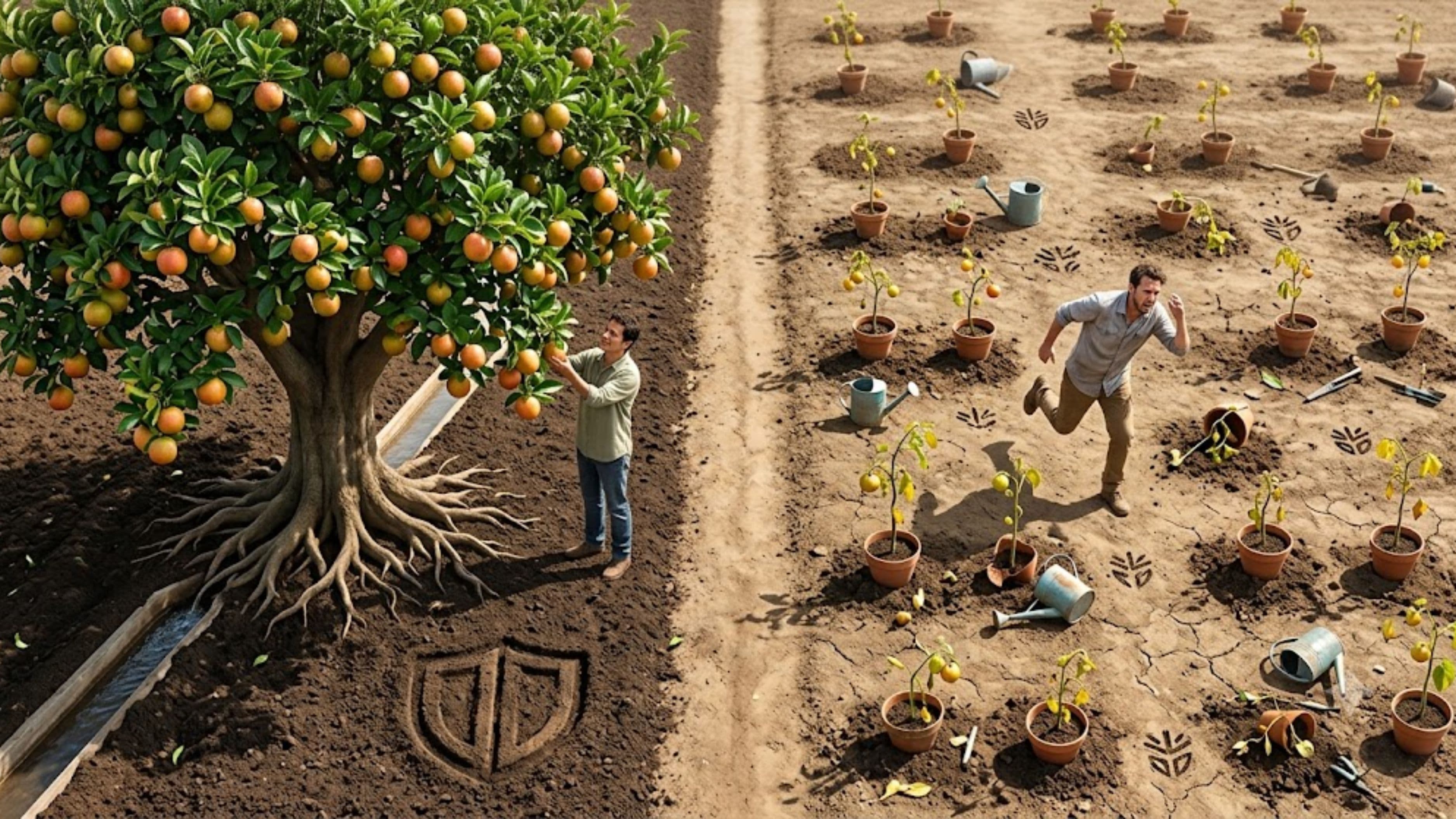
For independent artists and producers, the most actionable insight here isn't to chase whatever subculture sound seems to be crossing over at the moment, but to invest seriously in whatever specific, distinctive sound you're already building within your own scene. Visibility within a genuine community, combined with the increasingly fast and porous path between niche and mainstream, means authentic specificity is a stronger long-term bet than broad, generic appeal. Staying engaged with the specific platforms and communities where your genre lives, rather than only watching mainstream charts, is often where the earliest signals of where things are heading actually show up first.
FAQ
Does a subculture sound crossing into the mainstream usually benefit the artists who originated it? It varies significantly. In the best cases, originating artists and producers get direct collaboration opportunities, credit, and increased visibility. In less ideal cases, a sound gets adopted without meaningful credit or compensation to the community it came from, which remains an ongoing point of tension and criticism within online music discourse.
How can independent artists position themselves if their genre starts gaining mainstream attention? Building a strong, visible reputation and body of work within your specific scene before any crossover moment happens tends to position you better than trying to enter the conversation only after a sound has already started gaining broader attention.
Is this pattern of subculture-to-mainstream crossover new, or has it always happened this way? The underlying pattern, niche scenes influencing mainstream sound, isn't new and has shaped music for decades. What's changed is the speed, largely driven by short-form video and online music communities compressing a process that used to take years into a much shorter timeframe.
📚 Sources
Billboard, "How Jersey Club Became Pop's Secret Weapon" – https://www.billboard.com/music/pop/
Rolling Stone, "Amapiano's Global Rise" – https://www.rollingstone.com/music/music-features/
Pitchfork, "Genre and the Internet Era" – https://pitchfork.com/features/