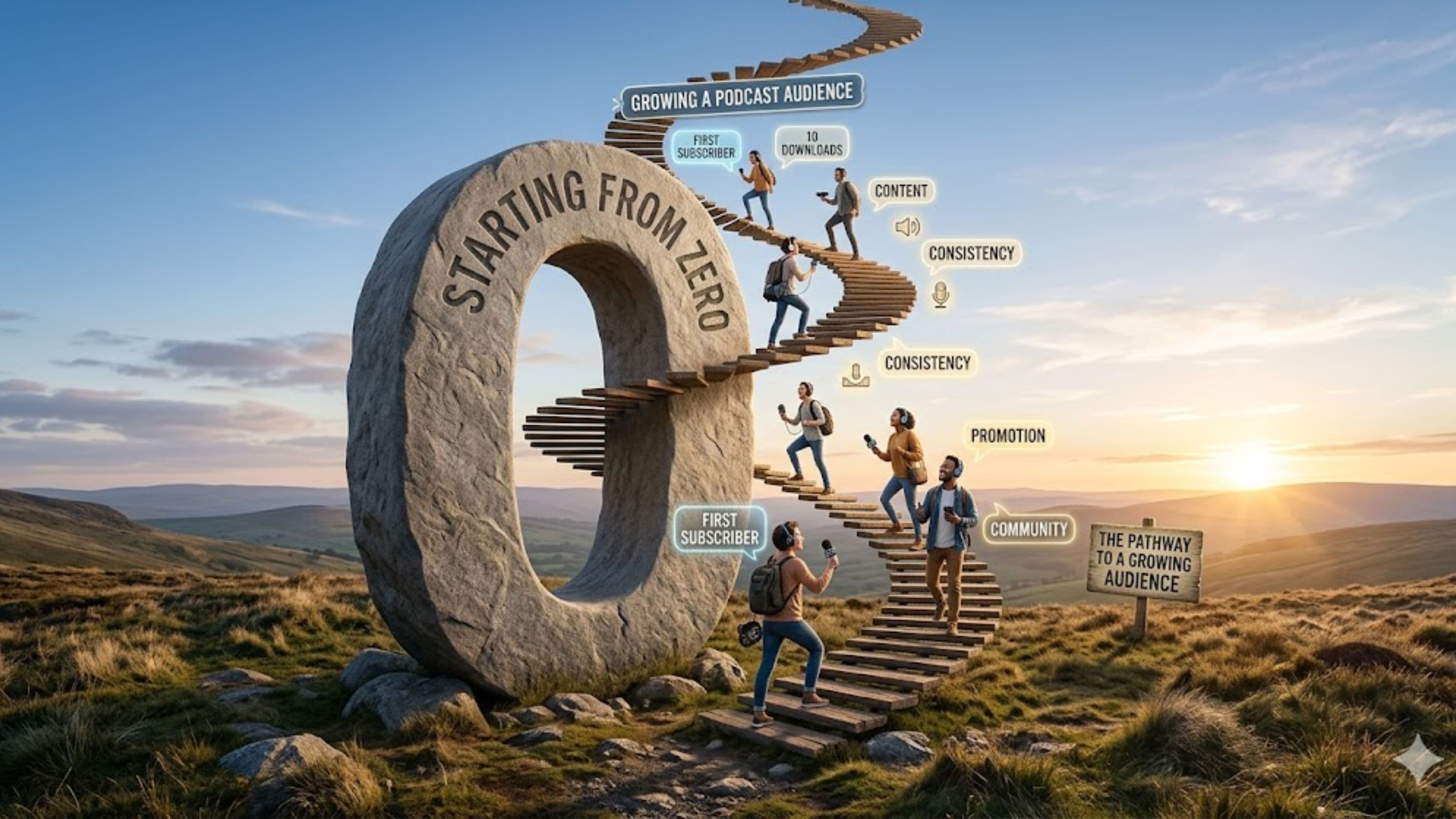
Understanding what those gaps are ahead of time is the difference between a show that plateaus early and one that actually builds momentum.
Consistency Beats Perfection
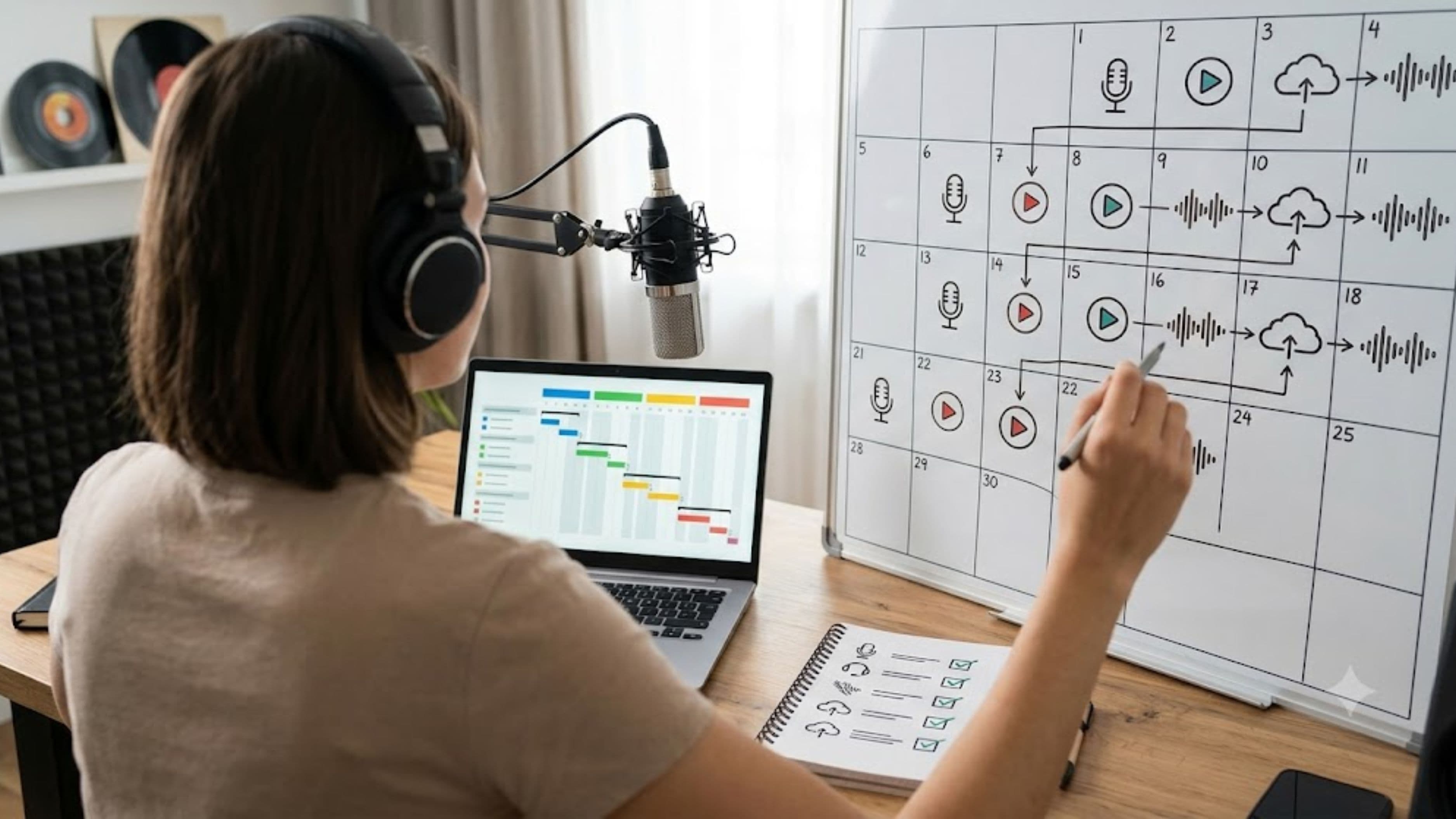
Shows that survive past the ten-episode mark almost always have one thing in common: they published on a predictable schedule, even when individual episodes weren't their best work. Shows that die early tend to chase perfection instead, delaying episodes to fix minor issues, missing publish dates, and slowly losing the momentum that comes from listeners knowing when to expect new content. A consistently "good enough" release schedule builds more long-term audience trust than sporadic releases that are occasionally excellent but unpredictable.
This matters because podcast discovery and algorithm-driven recommendations on platforms like Spotify and Apple Podcasts favor shows with regular publishing patterns, meaning inconsistency doesn't just hurt listener trust, it can actively reduce how often a show gets surfaced to new listeners in the first place.
A Clear, Specific Niche Instead of a Broad Premise
Podcasts that survive tend to have a specific enough angle that a listener can describe what the show is about in one sentence – a deep dive into a specific genre's history, interviews exclusively with producers rather than artists, a running analysis of one music scene's evolution. Podcasts that stall early are often built around a premise too broad to build a recognizable identity around, something like "talking about music," which makes it hard for the show to stand out or for listeners to explain to a friend why they should check it out.
A narrower niche also makes content planning genuinely easier over time, since a broad premise runs out of obvious episode ideas faster than it seems like it should, while a specific angle naturally generates new episode topics as the host explores different corners of that niche.
Real Listener Feedback Loops, Not Just Vanity Numbers
Shows that make it past the early plateau tend to build some kind of feedback loop with their audience early on – a listener question segment, social media engagement, a Discord or community space, even just replying to comments and messages. This does two things: it gives the host real signal about what's actually resonating, and it gives listeners a reason to feel like a subscriber rather than a passive number.
Shows that stop early often rely purely on download counts as their only signal of success, which is a lagging, incomplete metric that doesn't tell a host what's actually working episode to episode. Without some form of direct feedback, it's much harder to course-correct before disengagement turns into cancellation.
Realistic Time Investment Matched to the Format Chosen
A significant number of podcasts that die early were built around a format the host underestimated the workload for, particularly heavily produced formats involving editing, sound design, or extensive research per episode. When the actual time cost of producing an episode consistently exceeds what a host budgeted for, especially alongside a day job or other commitments, burnout sets in well before an audience has had time to build.
Successful early-stage shows tend to either choose a lighter production format initially (a conversational interview show requires far less post-production than a heavily scripted, sound-designed narrative format) or accurately budget the real time cost before committing to a more complex format, rather than discovering the gap between expectation and reality several episodes in.
Genuine Enthusiasm for the Format, Not Just the Topic
Loving music and loving the actual mechanics of hosting a podcast are two different things, and this distinction matters more than it gets credit for. Some hosts are genuinely passionate about music but find the actual process of recording, editing, and promoting a show draining rather than energizing, and that mismatch tends to show up as declining episode quality and eventual quiet abandonment. Hosts who make it past the early stretch usually enjoy the process itself, not just the subject matter, which makes the recurring work sustainable rather than something they're constantly pushing themselves through.
What to Watch Out For
A common trap is mistaking early enthusiasm for a stable long-term motivation, launching with an ambitious weekly schedule and an elaborate production format before testing whether that pace is actually sustainable alongside everything else in your life. It's also worth watching for the temptation to broaden a niche the moment it feels like ideas are running low, rather than digging deeper into the specific angle that made the show distinct in the first place, since a broader pivot often dilutes the audience that was starting to form rather than growing it.
Practical Takeaway
If you're starting a music podcast, or trying to figure out why an existing one has stalled, the fix is rarely a bigger guest or better equipment. It's usually one of these fundamentals: a schedule you can actually sustain, a niche specific enough to build an identity around, some real feedback loop with your actual listeners, and a production format that matches the time you genuinely have available. Getting those right early tends to matter more for long-term survival than any single episode's content.
FAQ
How many episodes does it typically take before a podcast starts gaining real traction? There's no universal number, but many creators report meaningful growth starting somewhere between episode 20 and 50, which is part of why surviving past the early stall point matters so much for long-term success.
Is a smaller niche actually better for growth than a broad topic? Generally yes, since a specific niche makes it easier for the right listeners to find and describe the show, and it also makes content planning more sustainable over time compared to a broad premise that runs out of obvious ideas.
What's the biggest sign a podcast is heading toward an early stall? Missed or inconsistent publishing schedules are one of the clearest early warning signs, often reflecting an unsustainable production workload or declining motivation before the host consciously registers either.
Should I choose a simpler production format when starting out? For most new hosts, yes. A simpler, conversational format is easier to sustain consistently, and it's generally better to build a reliable audience with a lighter format first than to burn out on an ambitious one before a real audience has formed.
📚 Sources
Edison Research – The Podcast Consumer Report, https://www.edisonresearch.com/the-podcast-consumer/
Spotify for Podcasters – Growing Your Audience, https://podcasters.spotify.com/resources
Buzzsprout – Podcast Statistics and Industry Data, https://www.buzzsprout.com/blog/podcast-statistics