What's Actually Happening
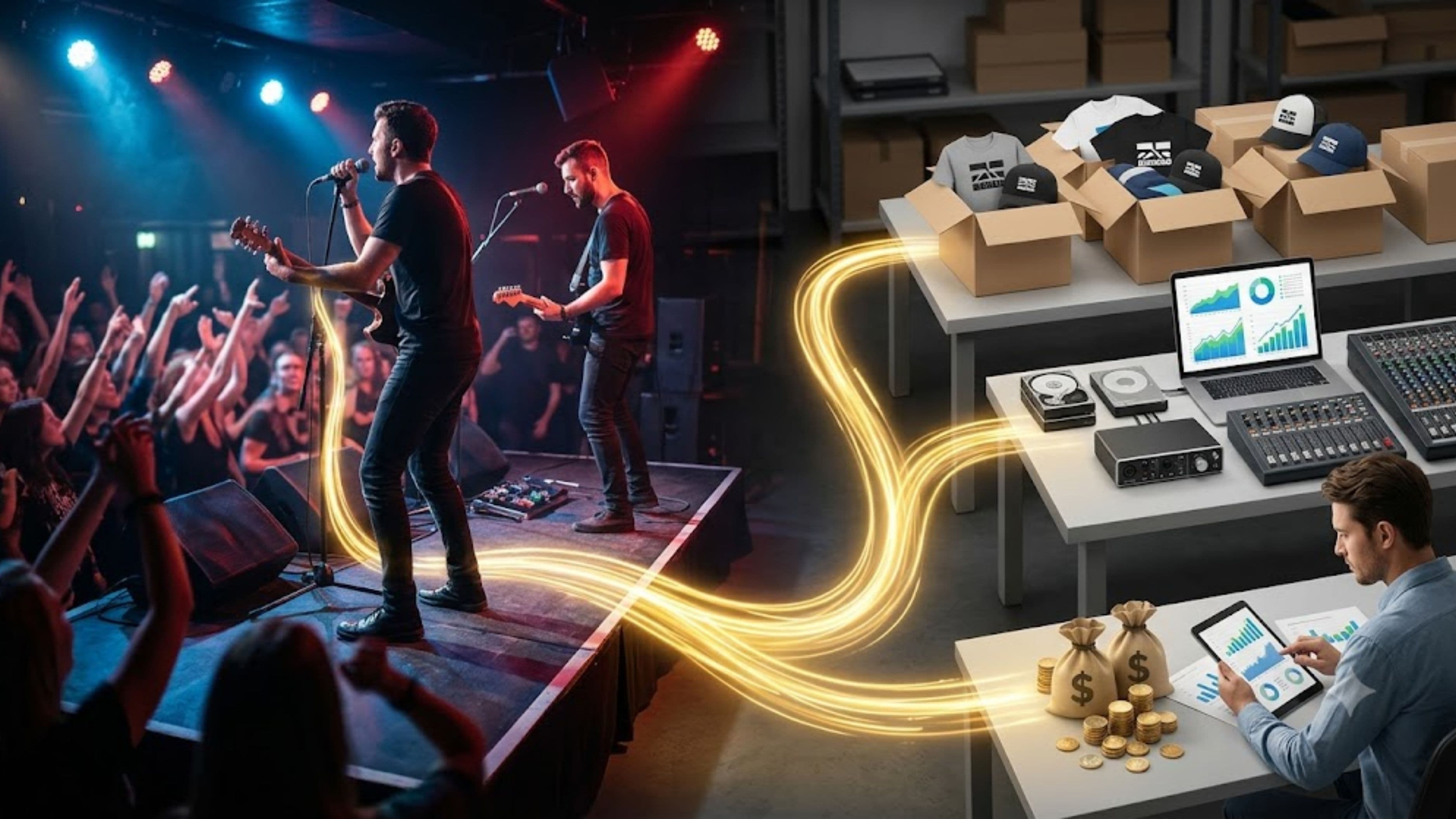
This pattern reflects a well-documented concept in independent creative economics, most famously articulated in writer Kevin Kelly's "1,000 True Fans" essay, which argued that a creator doesn't need mass audience reach to sustain a viable career – they need a relatively small number of genuinely devoted fans willing to spend meaningfully on everything that creator produces. This concept has aged well specifically in the streaming era, where passive listening generates minimal per-stream revenue, but deeply engaged fans consistently spend on merchandise, concert tickets, vinyl, exclusive content, and direct support platforms in ways that dwarf what their casual listening alone would generate.
The practical reality for most independent artists bears this out clearly: a relatively small percentage of an artist's total audience – sometimes referred to as super fans – typically accounts for a majority of merchandise sales, concert attendance, and direct fan-support revenue like Patreon or Bandcamp subscriptions, even though they represent a small fraction of total streaming numbers or social media followers.
Why This Matters for Independent Artists Specifically
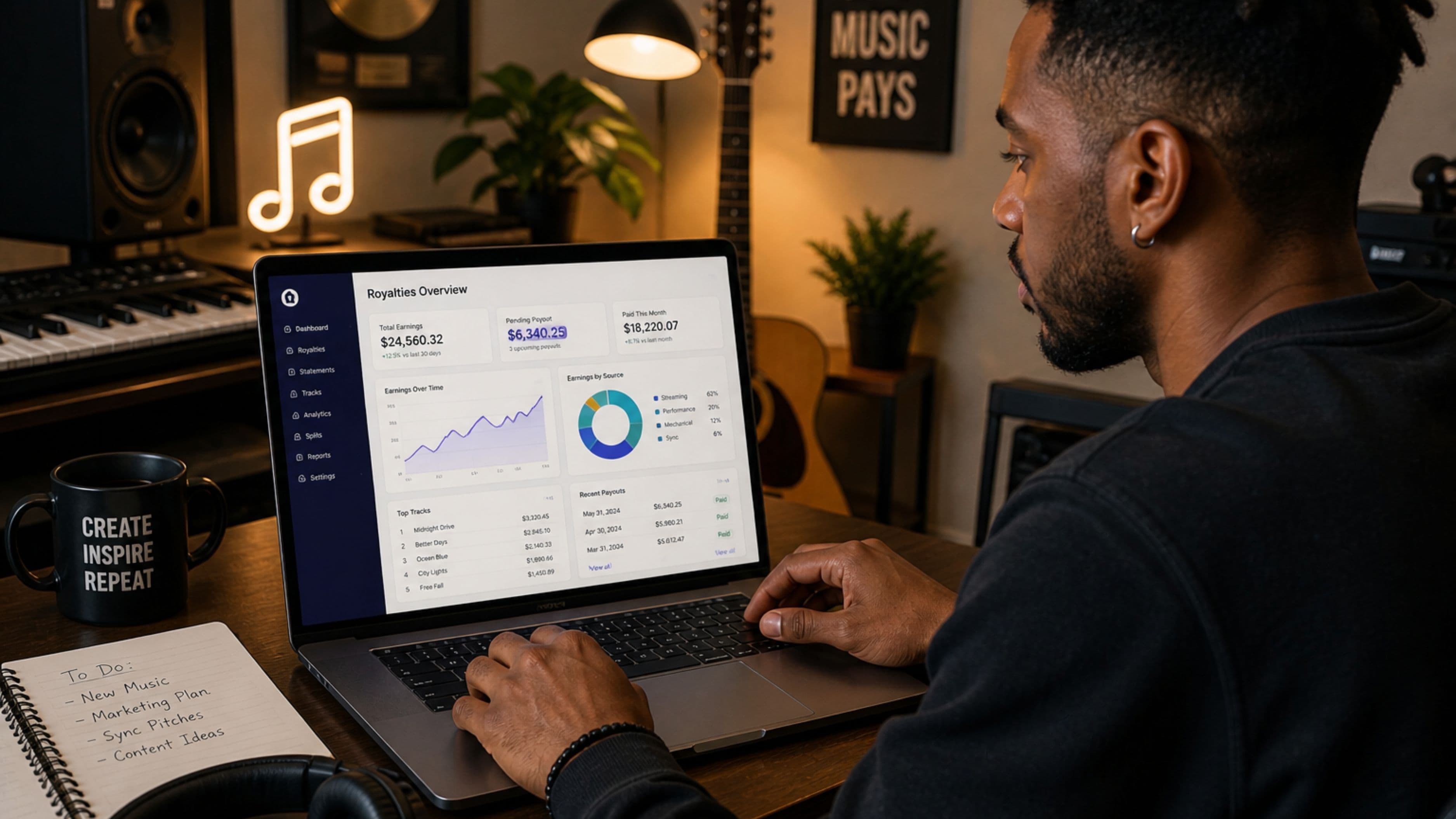
Streaming revenue per play remains genuinely minimal, meaning an artist relying primarily on passive streaming consumption to generate income needs truly massive listening numbers to reach sustainable revenue levels, a bar that's realistically out of reach for the vast majority of independent artists. Super fan revenue operates on a fundamentally different economic model – these fans aren't paying fractions of a cent per stream, they're purchasing merchandise, concert tickets, physical media, and exclusive content at meaningful price points, sometimes repeatedly across a single release cycle.
This matters practically because it reframes what "growing your audience" should actually mean for most independent artists. Rather than purely chasing broader reach and larger total numbers, cultivating genuine depth of engagement with a smaller core audience segment often produces more sustainable, meaningful revenue than the same effort invested purely in expanding surface-level reach through algorithm-driven discovery alone.
How Super Fans Actually Generate Disproportionate Revenue
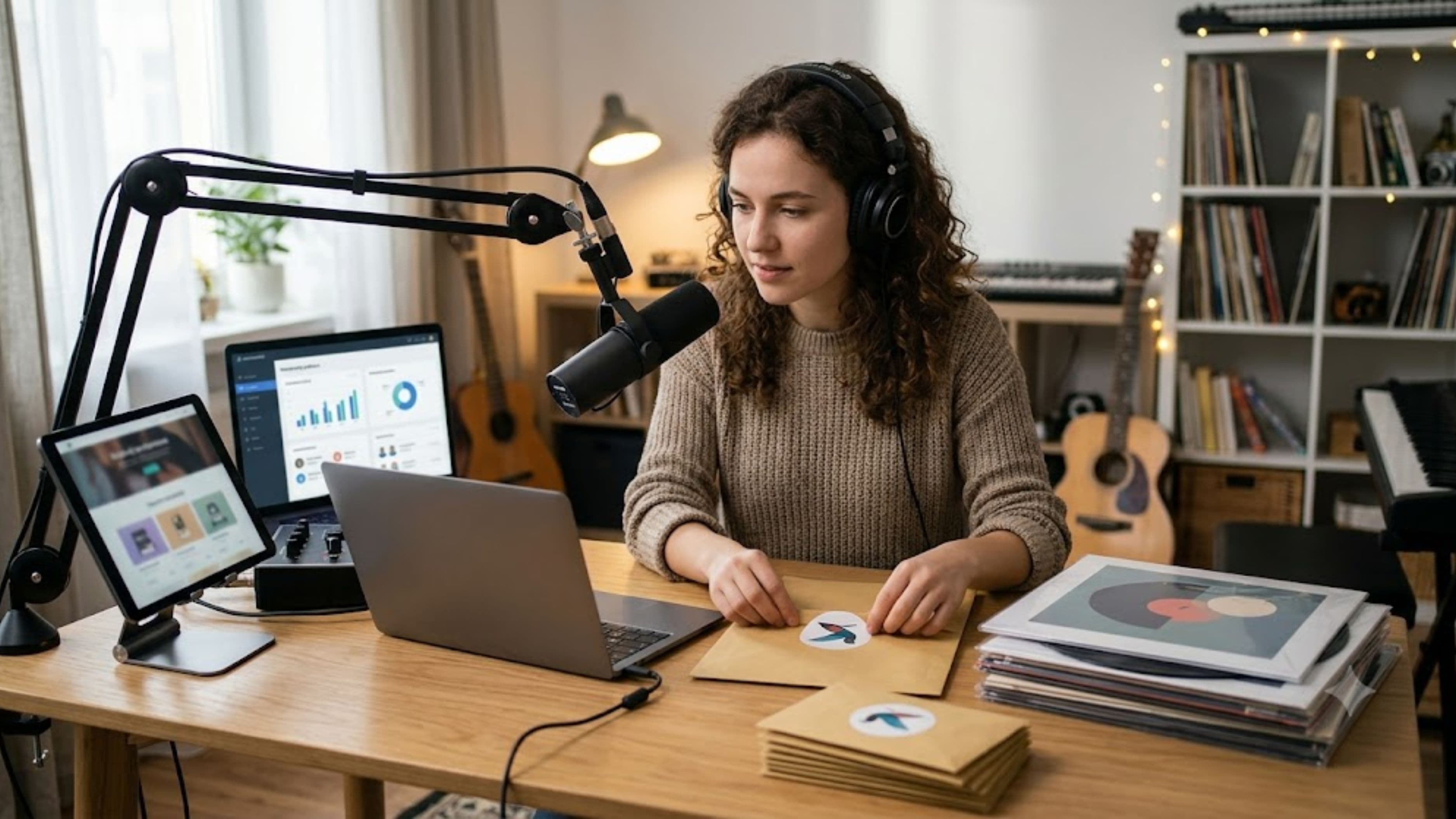
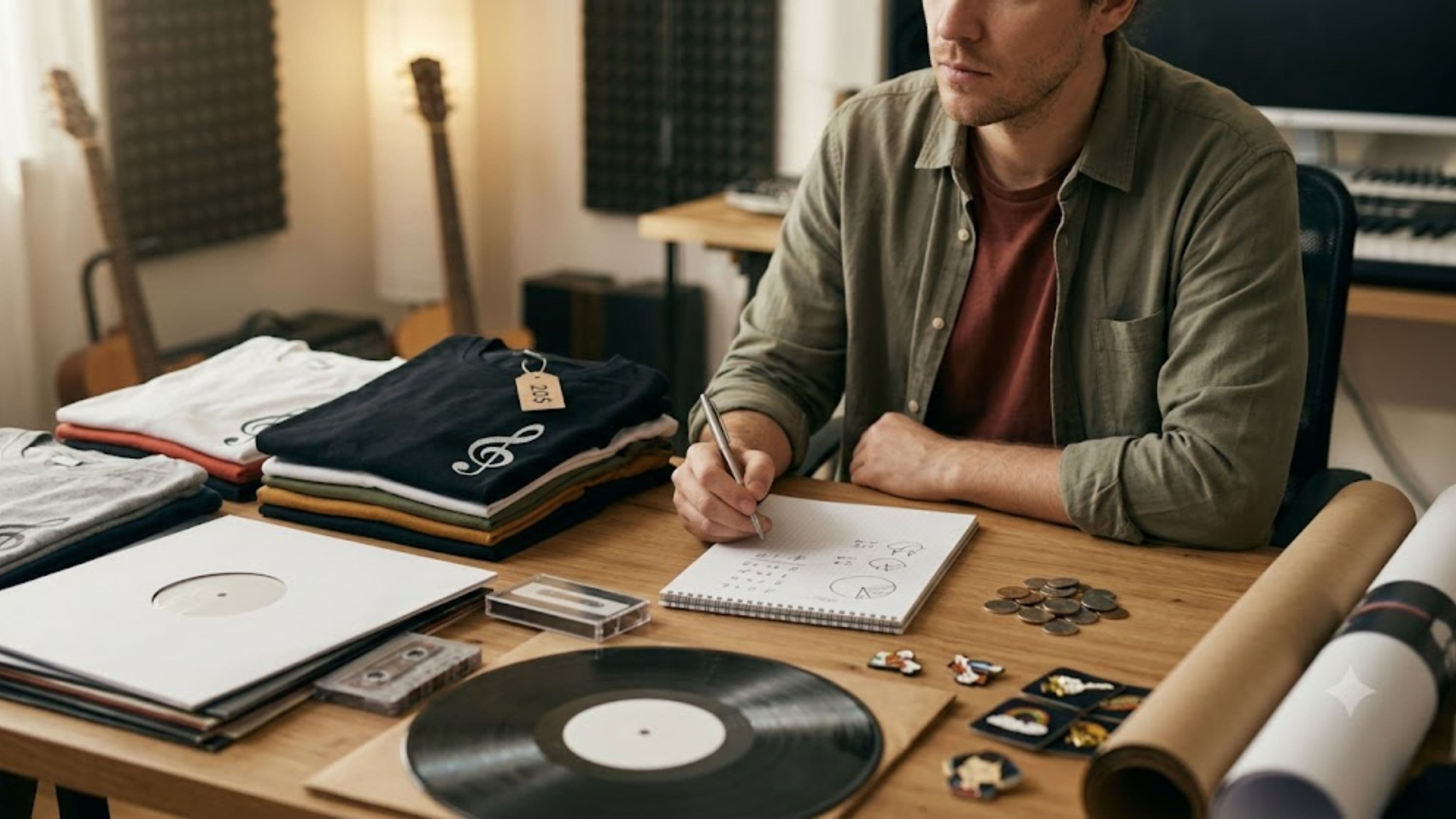
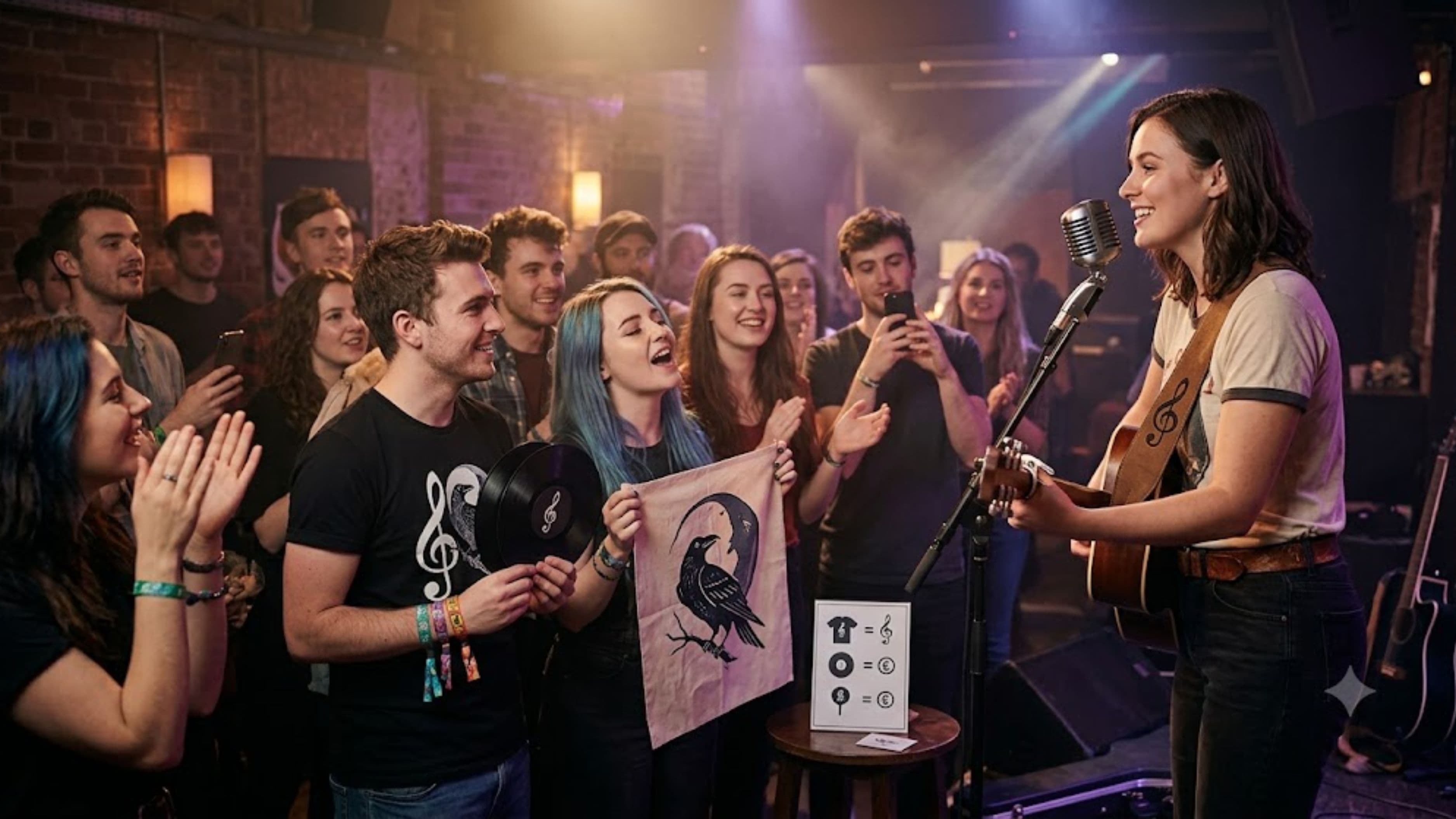
Merchandise represents one of the clearest examples of this pattern, since a dedicated fan attending a show is considerably more likely to purchase a t-shirt, vinyl record, or other physical merchandise than a casual streaming listener who's never attended a live show. This single purchase can represent revenue equivalent to hundreds or even thousands of individual streams, illustrating how concentrated this revenue disparity actually is in practice.
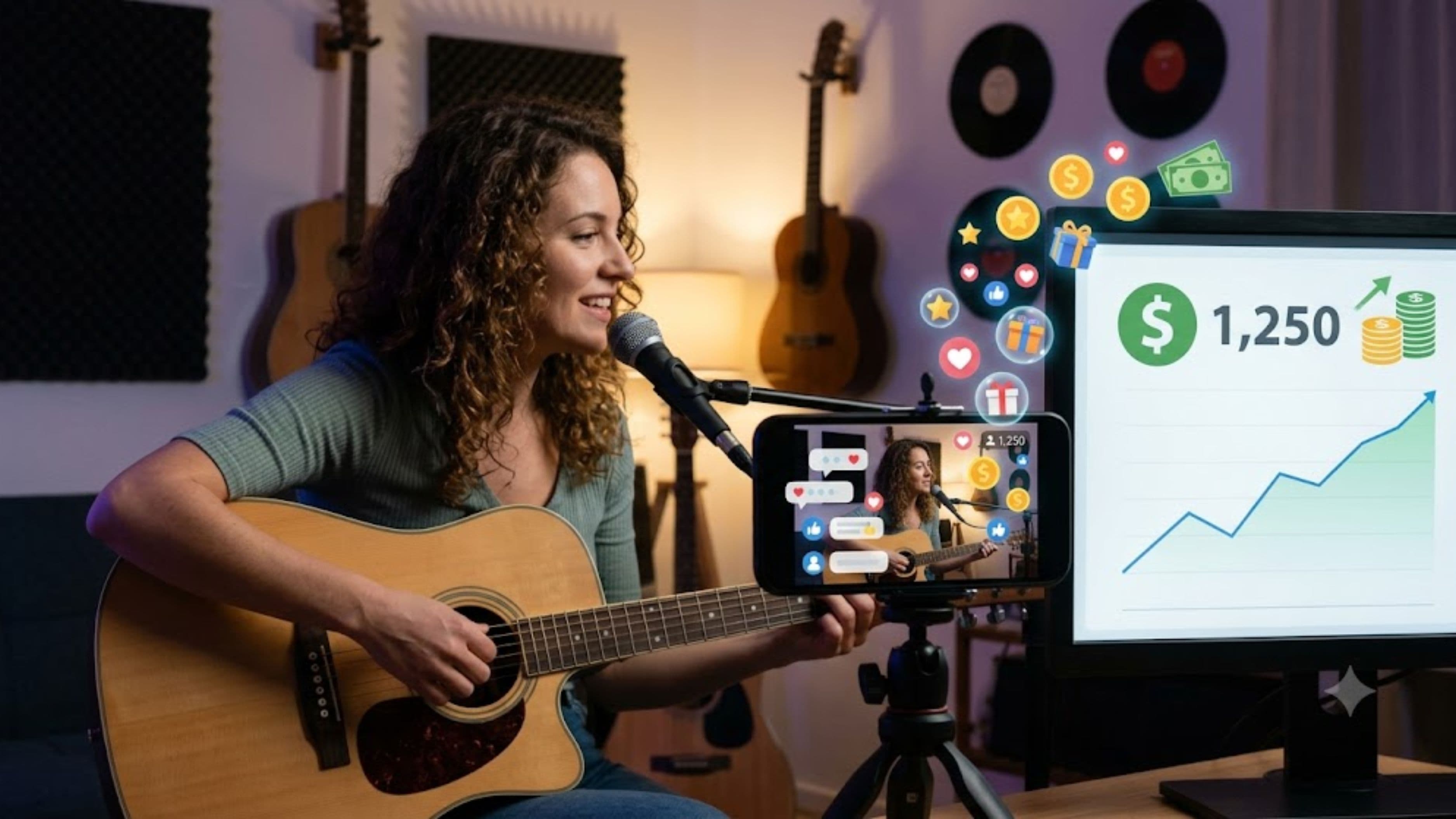
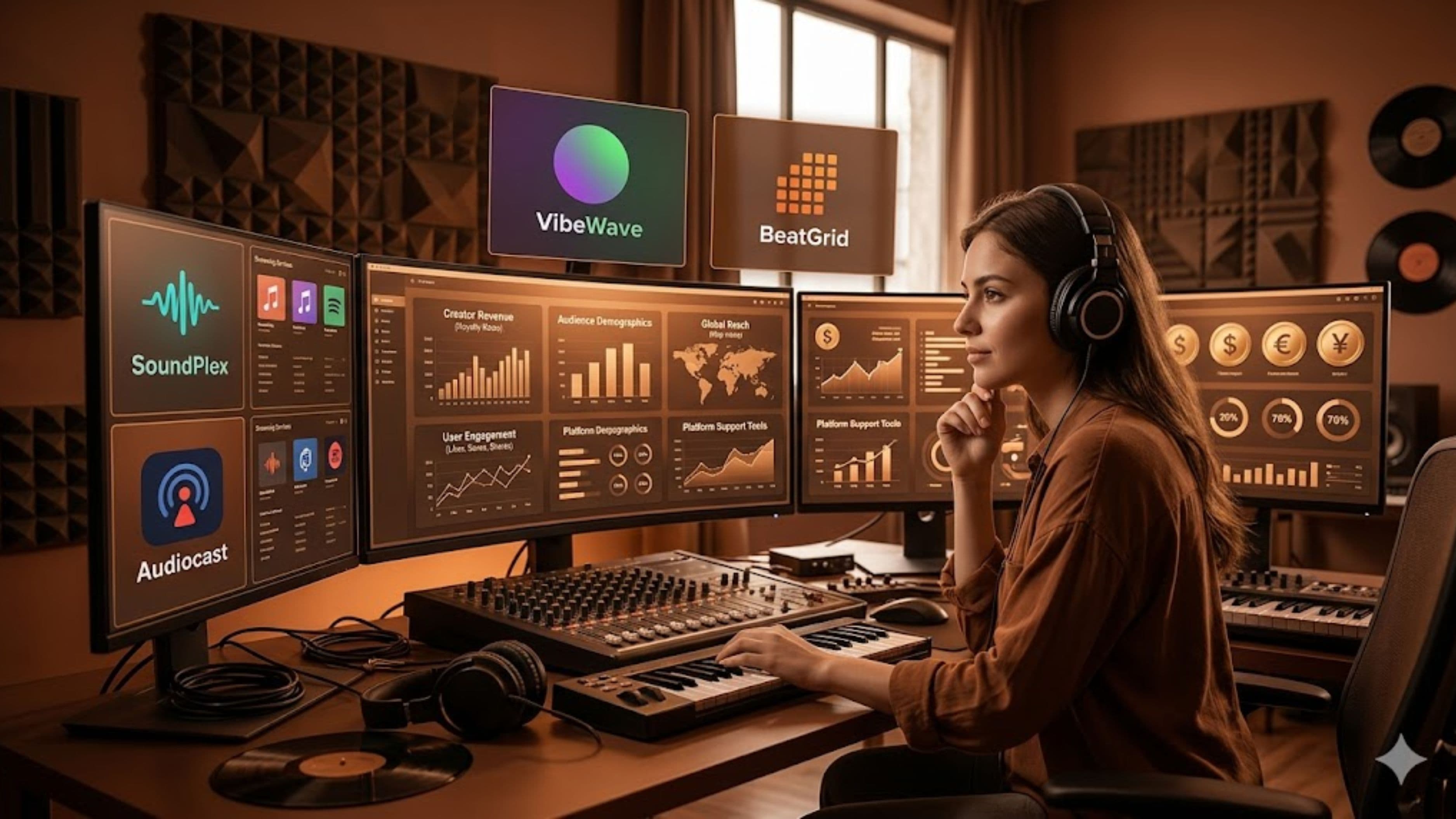
Direct fan-support platforms, including subscription models like Patreon or pay-what-you-want platforms like Bandcamp, specifically capture this super fan economic behavior, since these platforms are built around fans who want an ongoing, deeper relationship with an artist's work, willing to pay recurring or premium amounts for access to exclusive content, early releases, or simply the ability to directly support an artist they care about. This kind of recurring, higher-value support from a relatively small subscriber base can meaningfully exceed what a much larger passive streaming audience generates over the same period.
Concert attendance similarly concentrates revenue among genuinely engaged fans, since ticket prices, travel costs, and the general effort involved in attending a live show filter out casual listeners in favor of fans with a genuine, deeper investment in an artist's work, making touring revenue disproportionately dependent on this smaller, more committed audience segment.
Practical Application: How to Cultivate This Kind of Fan Engagement
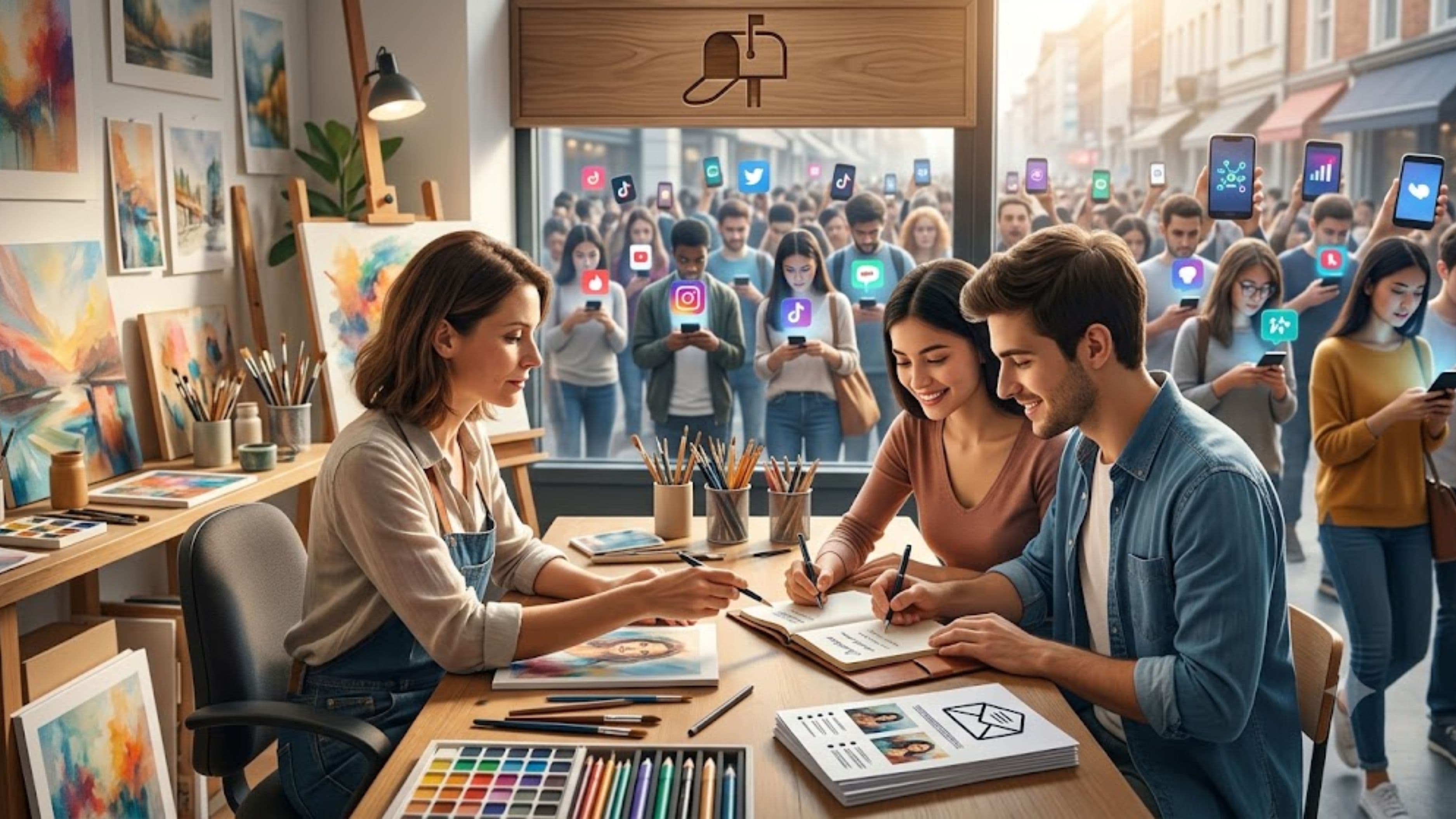
Direct communication channels, particularly email lists and platforms that allow genuine two-way interaction, tend to be where super fan relationships develop and strengthen over time, since these formats support the kind of personal, ongoing connection that purely algorithmic social media discovery doesn't naturally cultivate. Prioritizing these channels, even with a smaller initial audience, tends to build the foundation for exactly this kind of deeper fan relationship more effectively than chasing broader algorithmic reach alone.
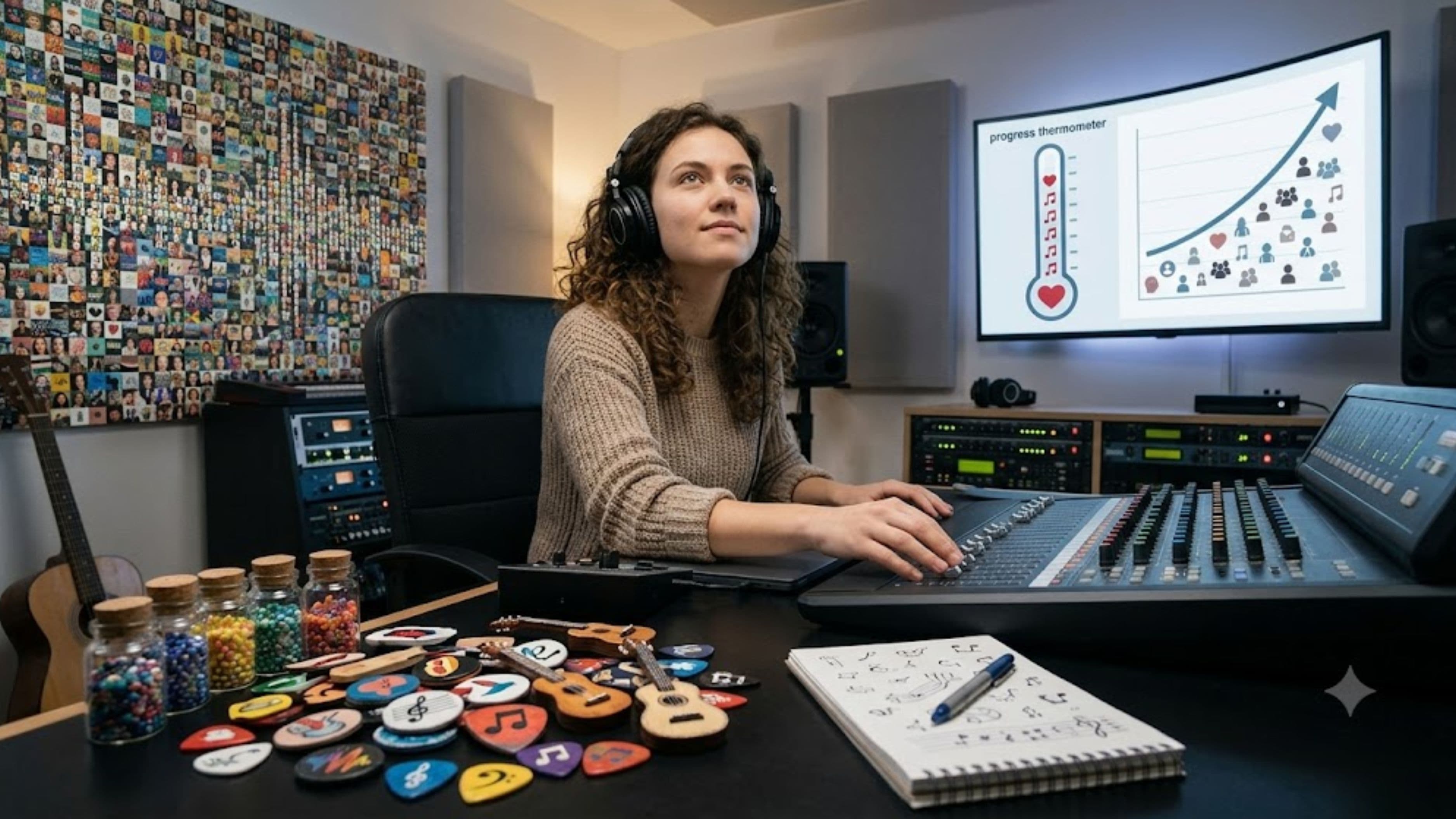
Offering genuinely exclusive experiences and content specifically for your most engaged fans – early access, behind-the-scenes content, direct interaction opportunities – gives this segment of your audience a meaningful way to deepen their relationship with your work beyond passive listening. This doesn't need to be elaborate; even simple, consistent gestures of genuine access and connection can meaningfully strengthen the kind of relationship that eventually translates into the disproportionate revenue super fans are known for generating.
Consistency in output and communication matters considerably for this audience segment specifically, since super fans are, by definition, following your work closely over time, and inconsistent releases or communication can weaken this deeper engagement more than it would affect a more casual, passive listener who wasn't following as closely to begin with.
What This Doesn't Mean
This doesn't mean broader audience reach and discovery don't matter at all – growing your overall audience remains genuinely important, partly because a larger total audience naturally produces a larger absolute number of potential super fans, even if the percentage converting to this deeper engagement level remains relatively small and consistent. The point isn't to abandon broader reach efforts, but to recognize that cultivating genuine depth with your existing audience is at least as valuable, revenue-wise, as purely expanding surface-level reach, and arguably more within an independent artist's direct control.
Practical Takeaway
Independent artists building a sustainable career are generally better served balancing broader audience growth efforts with genuine, deliberate cultivation of deeper fan relationships, rather than focusing exclusively on one or the other. Recognizing that a relatively small segment of genuinely engaged fans will likely drive a disproportionate share of actual revenue helps prioritize where direct communication, exclusive content, and relationship-building efforts are most likely to produce meaningful financial return over time.
FAQ
How many "super fans" does an independent artist actually need to sustain a career? This varies considerably based on average spending per super fan and an artist's specific cost structure, but the general concept suggests it's a meaningfully smaller number than total audience size might suggest, often in the hundreds or low thousands rather than tens of thousands.
How do I know if someone in my audience is a genuine super fan? Look for consistent engagement signals: regular merchandise or ticket purchases, consistent email or content engagement, and direct interaction like comments or messages, rather than relying purely on follower counts or passive streaming numbers.
Should I focus my marketing efforts entirely on super fans instead of broader growth? Not entirely – broader reach still matters for discovering new potential fans, but balancing this with deliberate depth-building efforts for your existing engaged audience tends to produce more sustainable revenue than focusing exclusively on either approach alone.
Do platforms like Patreon or Bandcamp genuinely make a meaningful revenue difference for independent artists? Yes, for artists who've cultivated a genuinely engaged fan base, these direct-support platforms often generate meaningfully higher per-fan revenue compared to passive streaming alone, reflecting exactly the super fan revenue concentration this article describes.