Understanding the Most Popular Wind Instruments
Three of the most common wind instruments for beginners are the flute, clarinet, and alto saxophone. Each has its own sound, range, and physical demands.
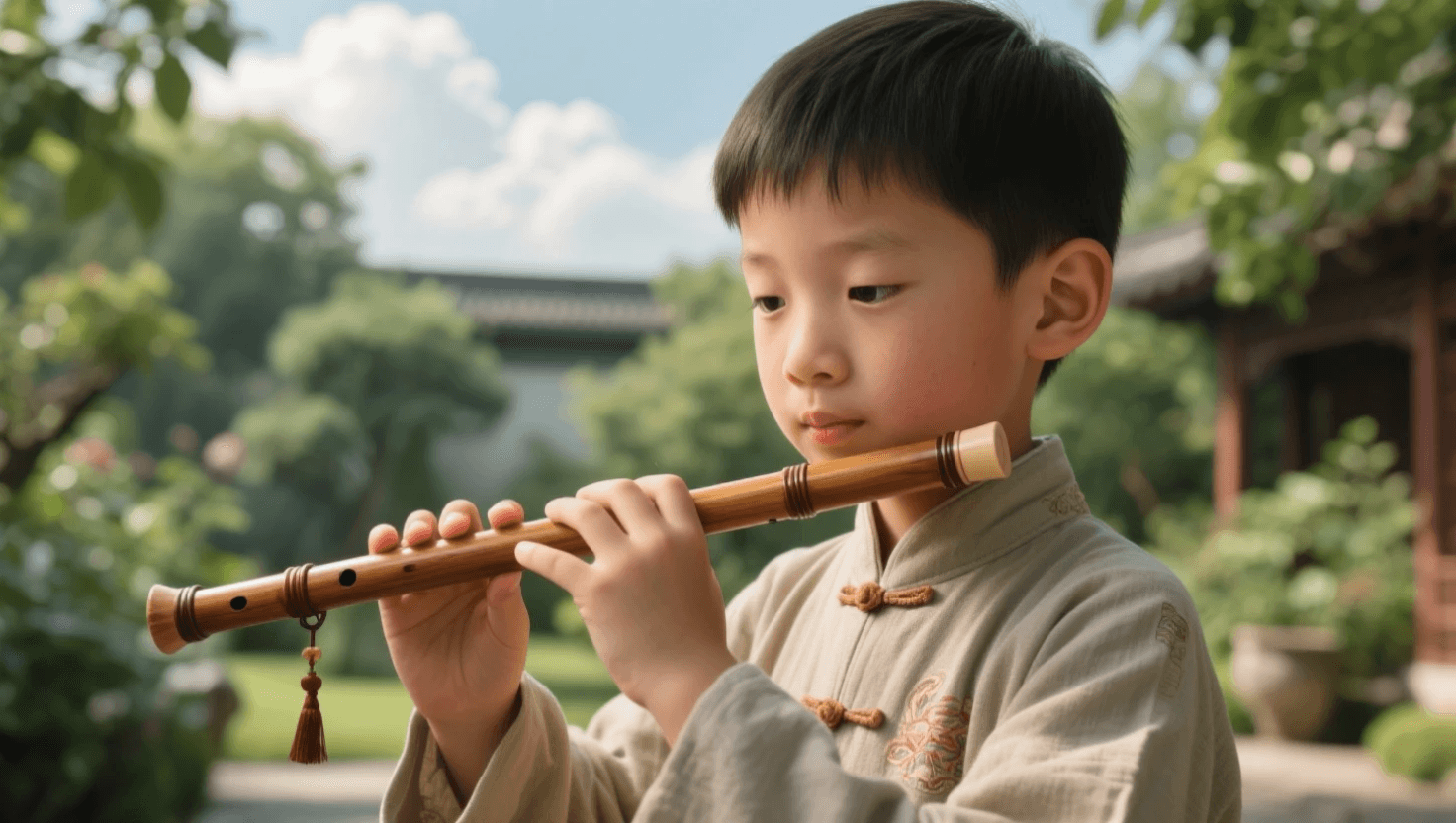
The flute produces a clear, bright tone and is a common first choice for students due to its light weight and relatively simple fingerings. It’s often introduced in school music programs and is widely used in classical, pop, and even jazz.
The clarinet offers a warmer, darker tone and is known for its wide range and expressive flexibility. While it requires a bit more finger coordination and reed maintenance, it’s ideal for students who enjoy both solo and ensemble performance.
The alto saxophone is slightly larger and heavier than the other two but is favored for its bold, rich tone and versatility in genres like jazz, rock, and contemporary music. It’s typically recommended for older children and teens due to its size.
Matching the Instrument to the Player
Choosing the right wind instrument depends greatly on the player’s age, physical development, and musical interest.
Younger children (ages 8–11) may find the flute or clarinet more manageable due to their size and weight. The flute, in particular, is often lighter and easier to hold for smaller hands.
Teens and adults may have the strength and lung capacity to handle instruments like the alto saxophone or even move on to tenor sax or bass clarinet as they progress.
If a student is particularly drawn to jazz or pop, the alto saxophone is a strong choice. For those interested in classical or orchestral music, the flute or clarinet may be more appropriate starting points.
Consulting with a music teacher or trying instruments at a local music store can be especially helpful when deciding.
Considerations When Purchasing or Renting
For beginners, renting an instrument through a school or music shop is often the most practical and budget-friendly option. This allows time to evaluate interest and progress without a large initial investment.
Look for student models designed specifically for ease of play, with lighter materials and simplified key action. Reputable brands such as Yamaha, Jupiter, and Buffet Crampon offer beginner-friendly models with good durability and resale value.
Also, consider accessories: reeds (for clarinets and saxophones), cleaning kits, sturdy cases, and appropriate stands. Having the right equipment makes practice easier and helps maintain the instrument’s condition.
Support and Learning Resources
Regardless of the instrument you choose, proper guidance and structured learning are key. Many music schools and online platforms offer beginner wind instrument lessons tailored to different age groups and skill levels.
Joining a school band, youth orchestra, or community ensemble not only accelerates learning but also enhances motivation through collaboration and performance experience. Wind instruments are inherently social, and playing with others builds confidence and enjoyment.