But how did we get from Michael Jackson’s moonwalk to Olivia Rodrigo’s heartbreak anthems? From Madonna’s cone bra to Dua Lipa’s disco revival? Buckle up—we’re going on a ride through four decades of pop music evolution. Spoiler alert: it’s a wild one.
The ’80s: Synths, Sequins, and the Birth of the Pop Icon
The ’80s didn’t just give us big hair and shoulder pads—they gave us the blueprint for what a pop star could be. This was the decade that crowned Michael Jackson the King of Pop and made Madonna the Queen of Reinvention. Thanks to the rise of MTV, music became as much about the visuals as the vocals. “Thriller” wasn’t just a song; it was a 14-minute cinematic masterpiece that turned music videos into mini blockbusters.
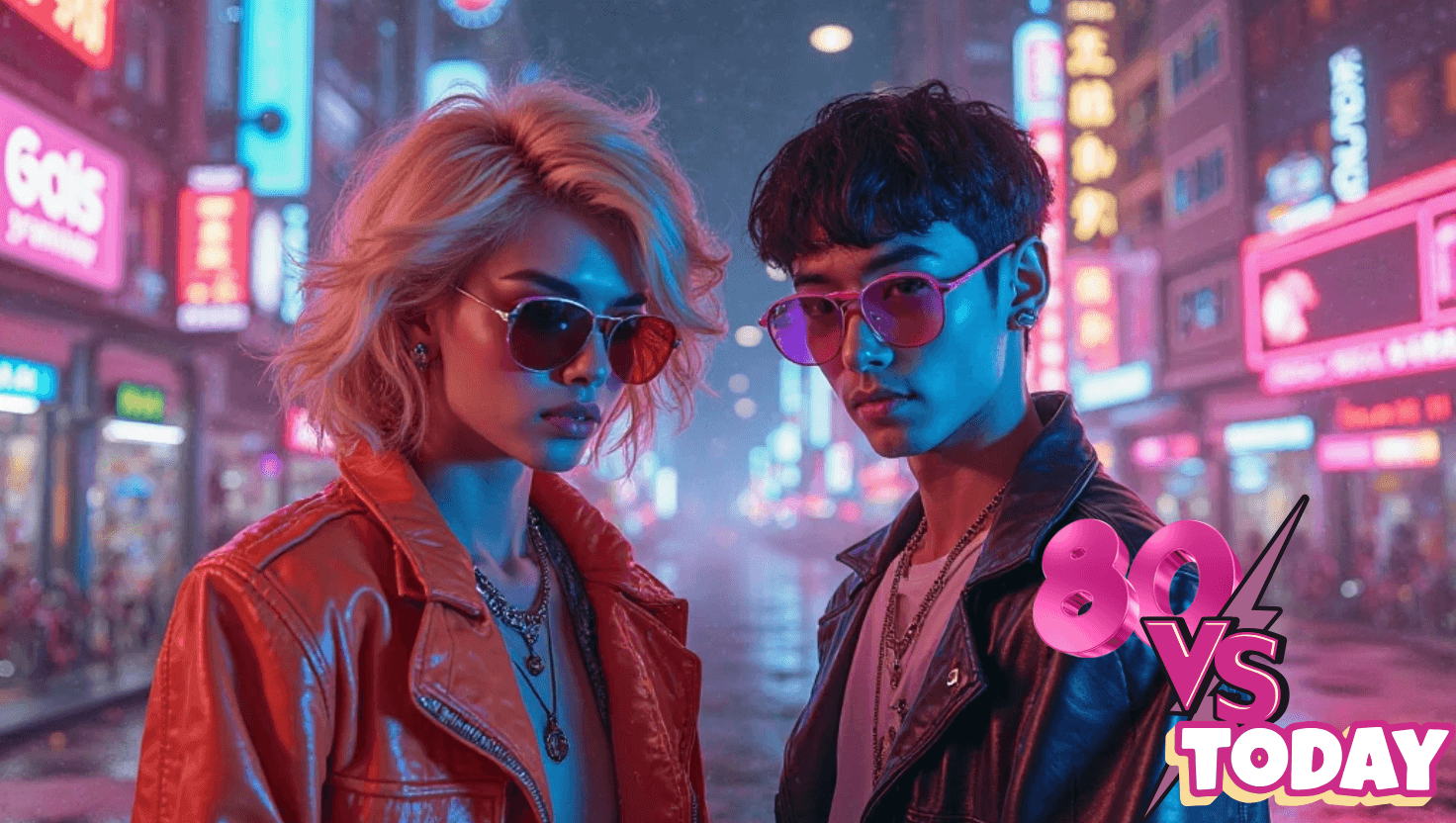
Synthesizers ruled the soundscape, from Prince’s sultry funk grooves to the glossy pop of Whitney Houston’s powerhouse ballads. The fashion? Just as loud as the beats. Think glitter, leather, lace, and enough neon to light up Times Square. This was the era where pop stars weren’t just artists—they were larger-than-life cultural icons.
The ’90s: Teen Pop Takeover and the R&B Revolution
Cue the choreography and the matching outfits—the ’90s brought us the boy band boom and the pop princess era. Backstreet Boys, NSYNC, Britney Spears, and Christina Aguilera didn’t just dominate TRL—they defined a generation of teen dreams and heartbreak anthems.
But the ’90s wasn’t just about bubblegum pop. R&B’s silky smooth rhythms wove their way into the pop mainstream, with artists like TLC, Destiny’s Child, and Brandy blurring the lines between genres. The remix became the norm, and the phrase “featuring…” became a fixture on Billboard charts.
This was also the golden age of CDs and MTV countdowns, when owning the latest album was a badge of honor and music videos were appointment viewing after school.
The 2000s: Auto-Tune, Digital Downloads, and Global Superstars
If the ’90s were about polished performances, the 2000s were about pushing boundaries. Enter auto-tune as both tool and artistic statement (hello, T-Pain). Pop got a little dirtier, a little glossier, and a whole lot more global. Artists like Beyoncé, Rihanna, and Justin Timberlake ruled the charts, mixing R&B grooves with club-ready beats.
Meanwhile, the rise of iTunes and digital downloads flipped the industry upside down. Suddenly, it wasn’t about selling albums—it was about single tracks, ringtones, and digital dominance. The internet cracked the gatekeeper model wide open, giving rise to artists discovered on platforms like MySpace (we see you, Lily Allen).
Reality TV also changed the game. Shows like American Idol turned everyday people into pop sensations overnight—and introduced audiences to voices like Kelly Clarkson and Carrie Underwood, who proved they were here to stay.
The 2010s: Streaming Culture, EDM Takeover, and the K-Pop Explosion.
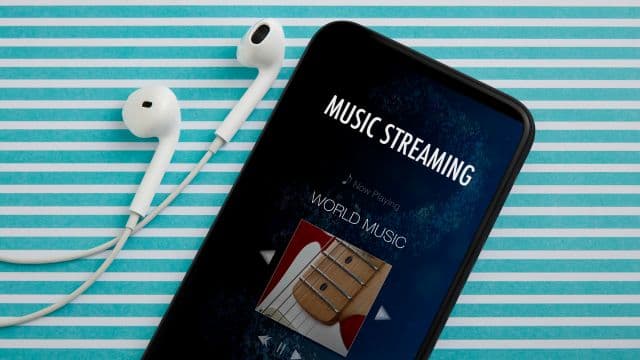
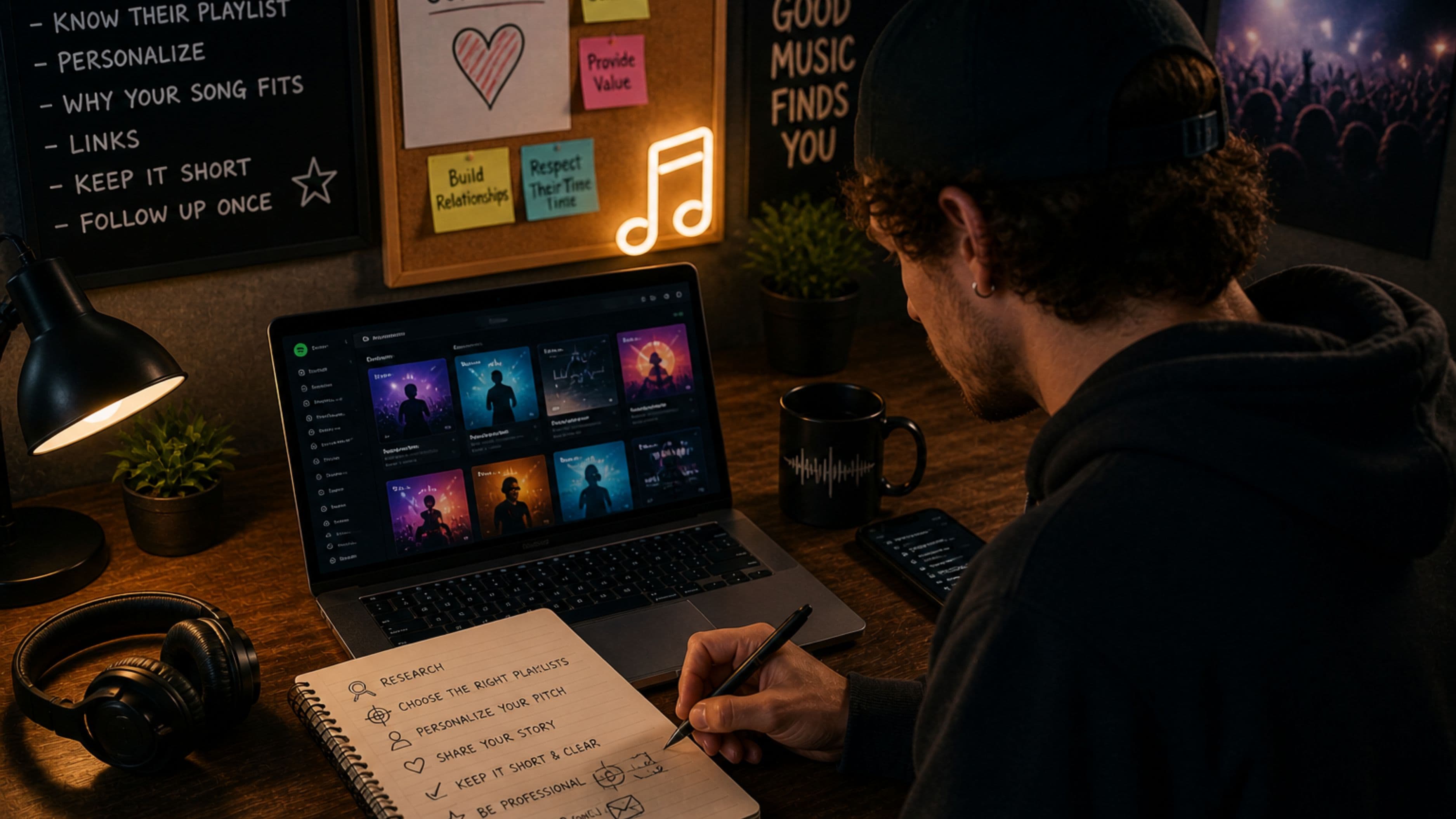
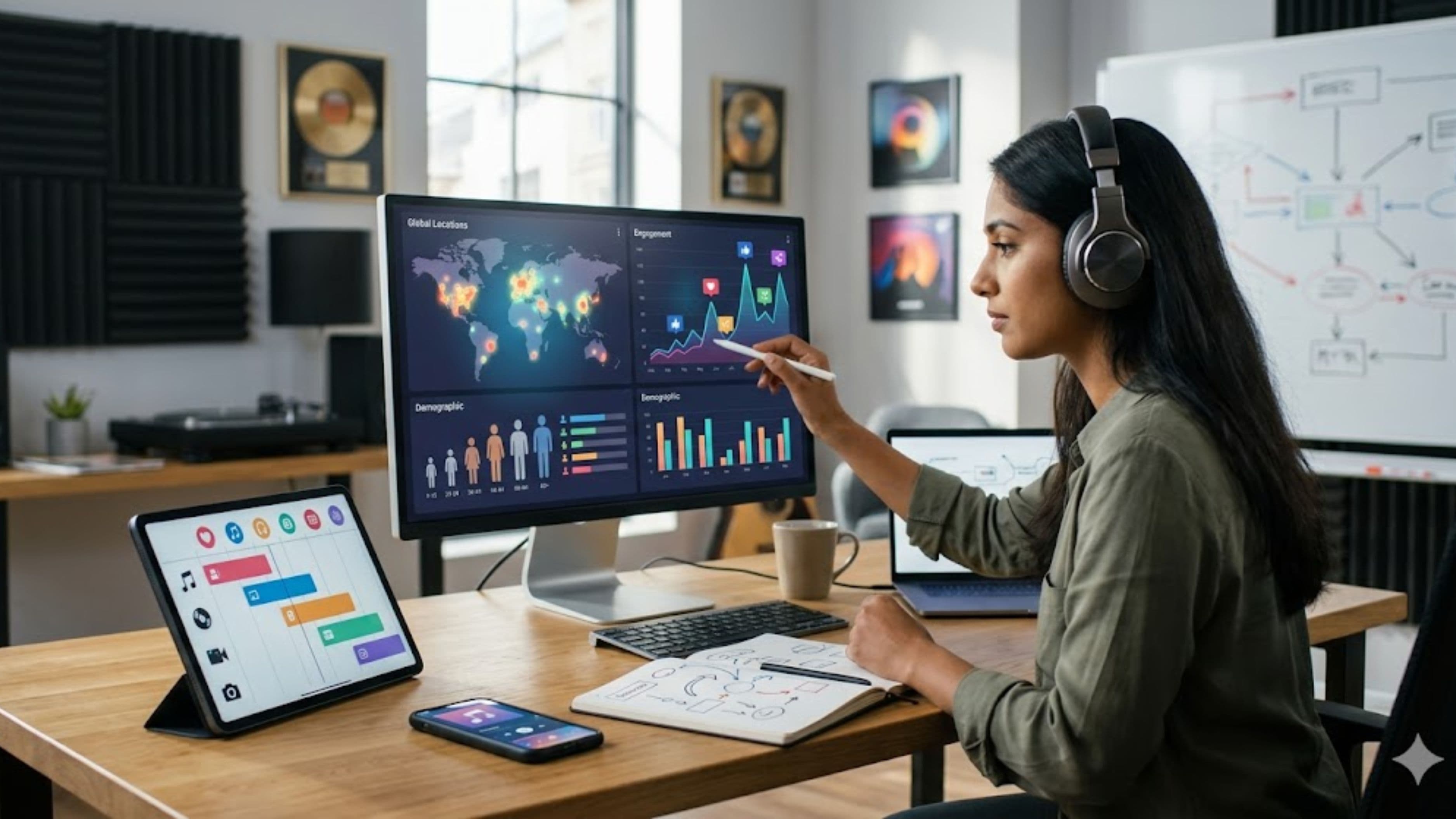
The 2010s saw pop music hit warp speed. With the rise of Spotify, YouTube, and Apple Music, playlists replaced radio as the main stage. EDM beats and synth drops crashed into pop thanks to producers like Calvin Harris, David Guetta, and Diplo, giving us dancefloor anthems that were impossible to ignore.
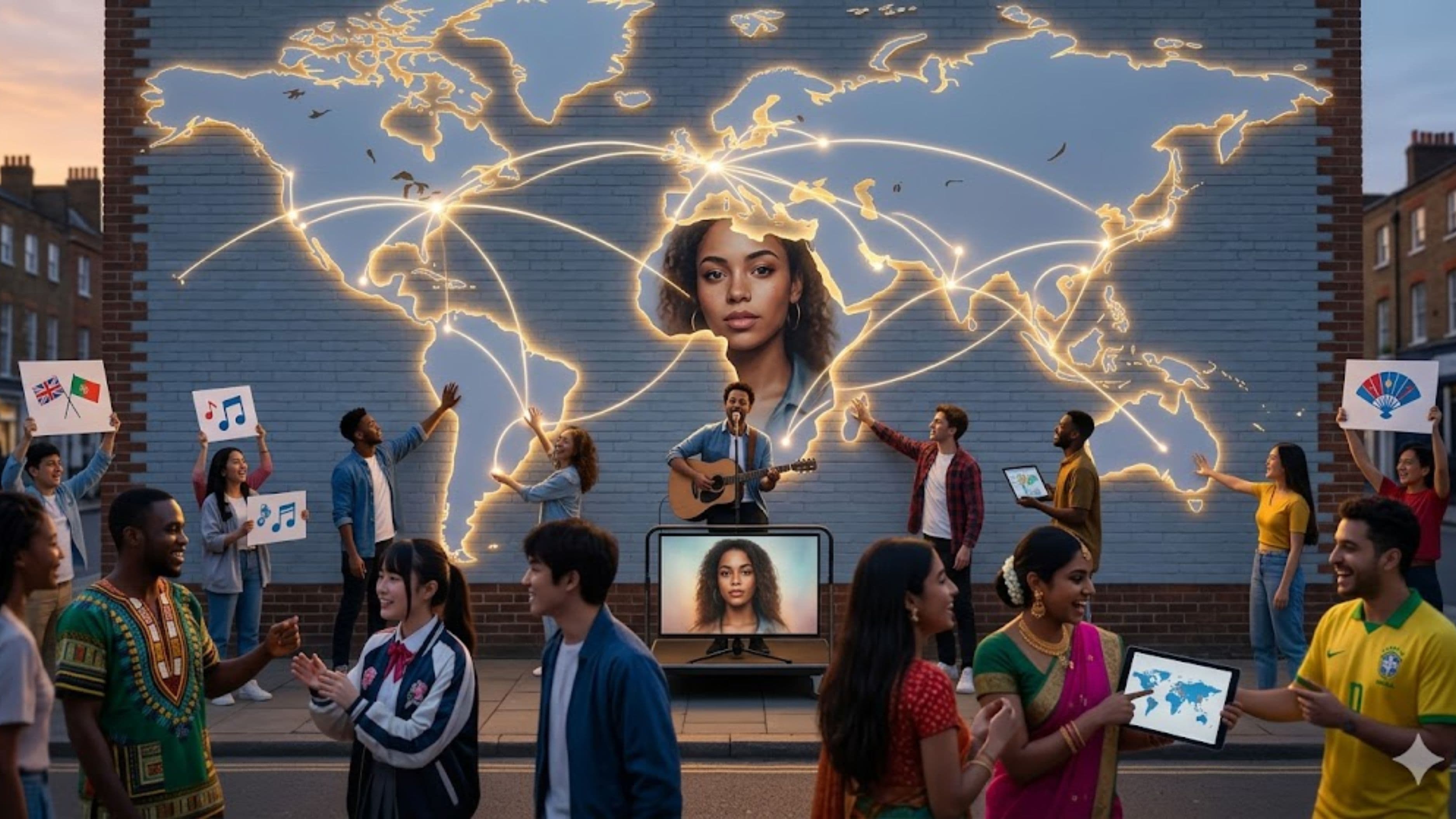
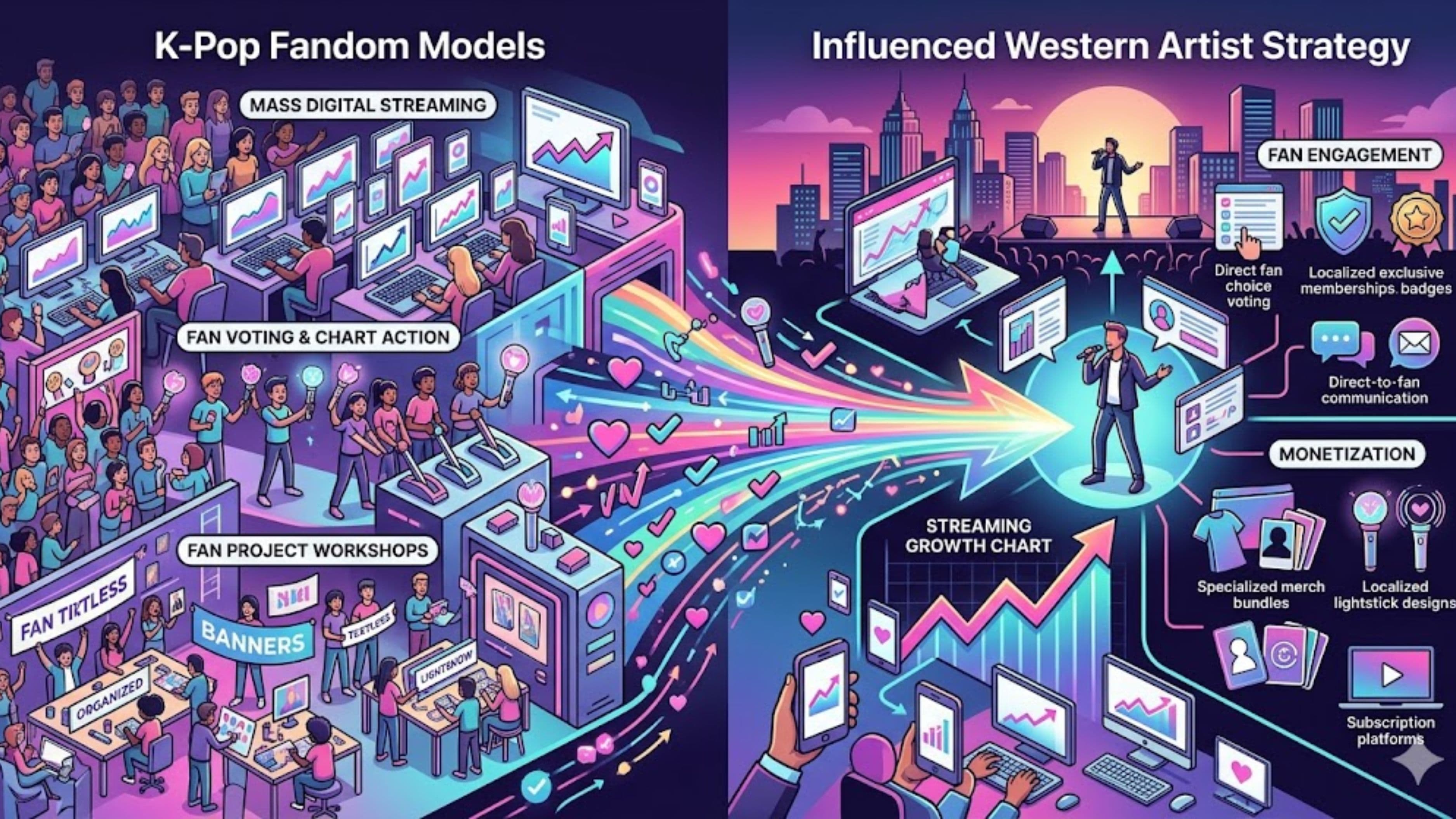
And then there was the globalization of pop. K-pop groups like BTS and BLACKPINK didn’t just break into the U.S. market—they smashed the door down, bringing precision choreography, high-production videos, and fiercely loyal fandoms to the forefront of pop culture.
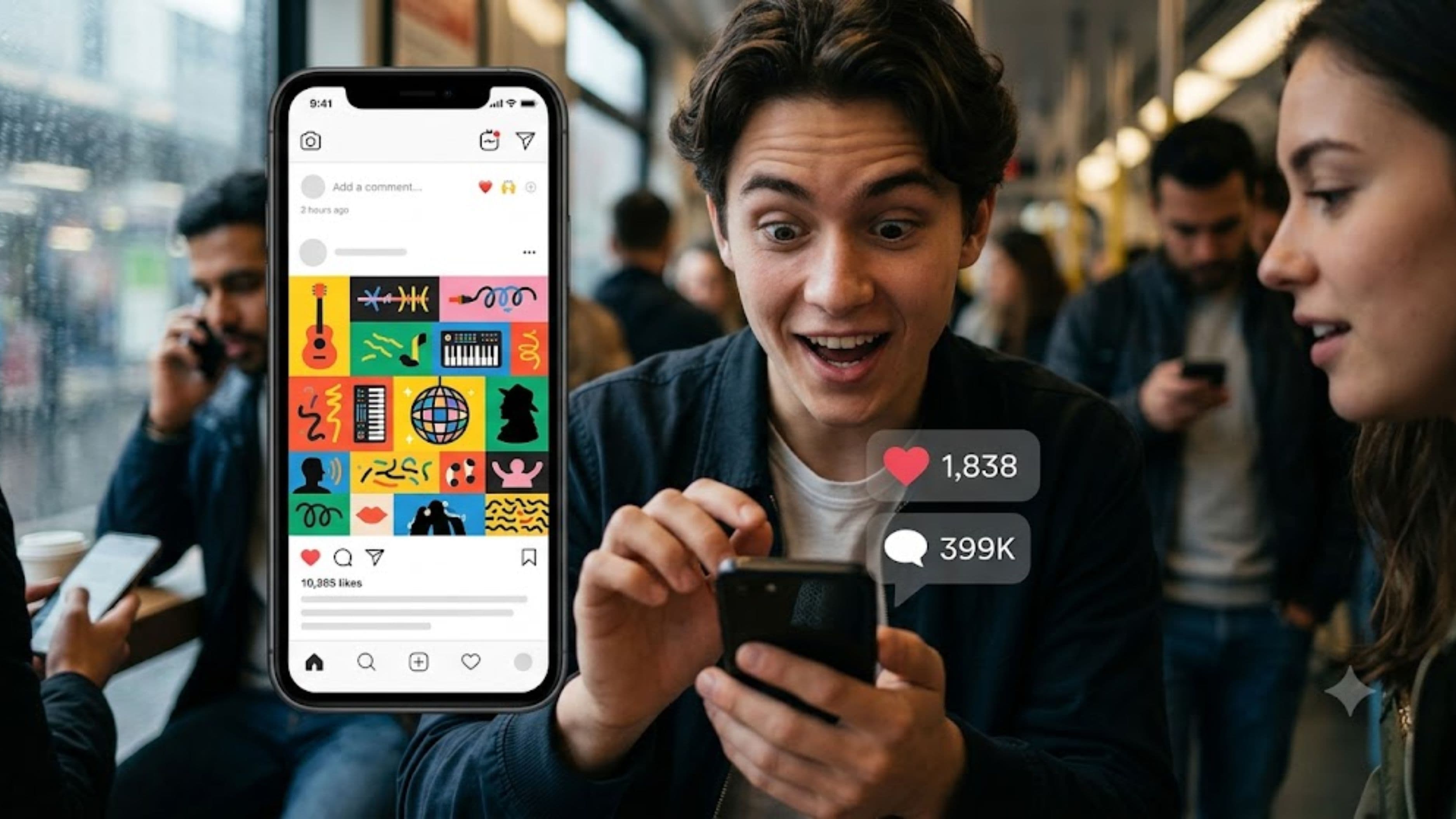
Pop stars also became masters of the brand game. Lady Gaga’s theatrical performances, Taylor Swift’s reinventions, and Ariana Grande’s high-pony iconography turned image and sound into one seamless package, tailor-made for the Instagram generation.
The 2020s: Genre Fluidity, Viral Fame, and Pop’s New Rules
Pop in the 2020s is, quite simply, whatever it wants to be. One day it’s hyperpop glitches and trap beats, the next it’s an ’80s synth revival courtesy of The Weeknd. Genre lines? Blurred. Broken. Gone.
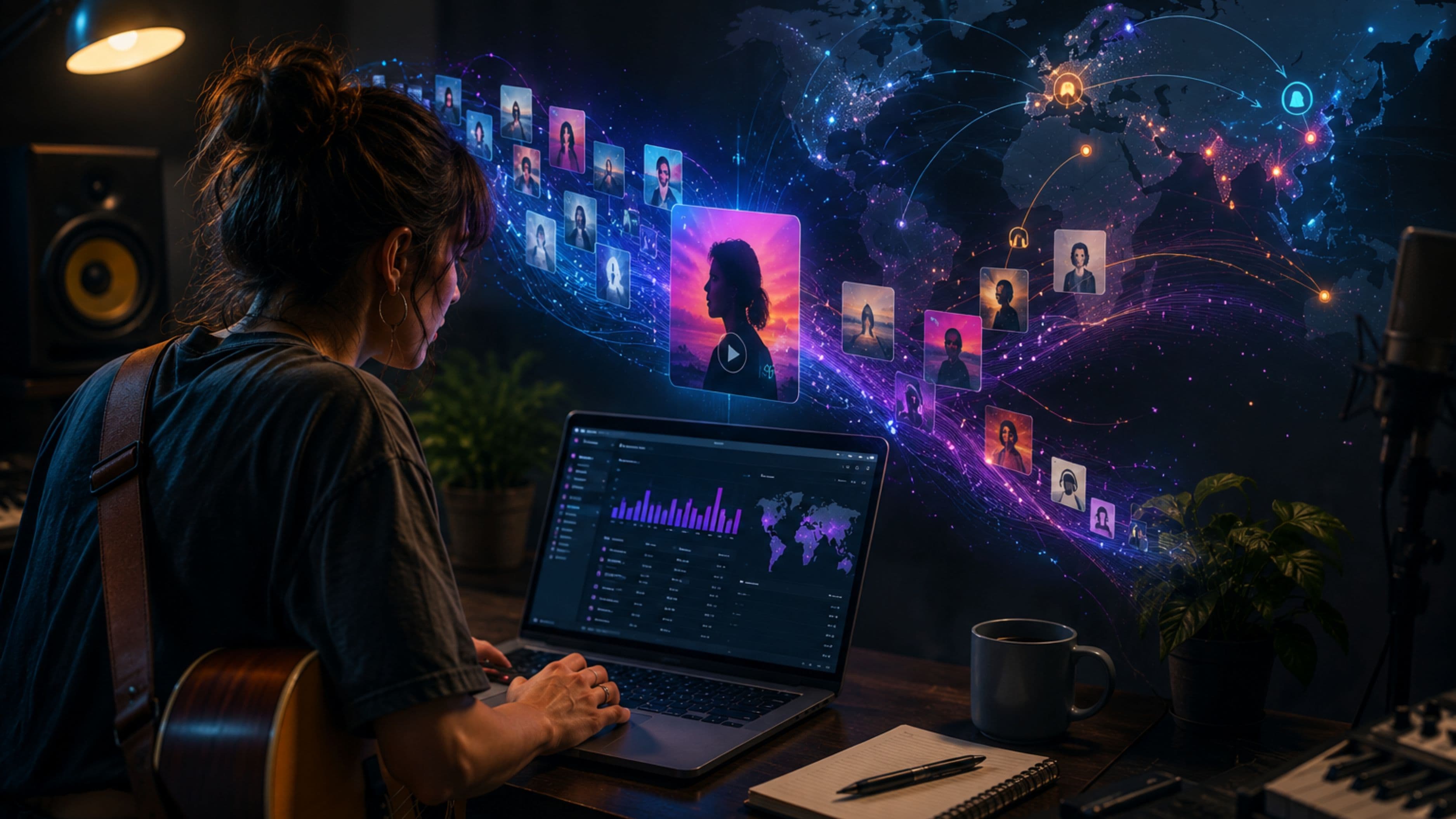
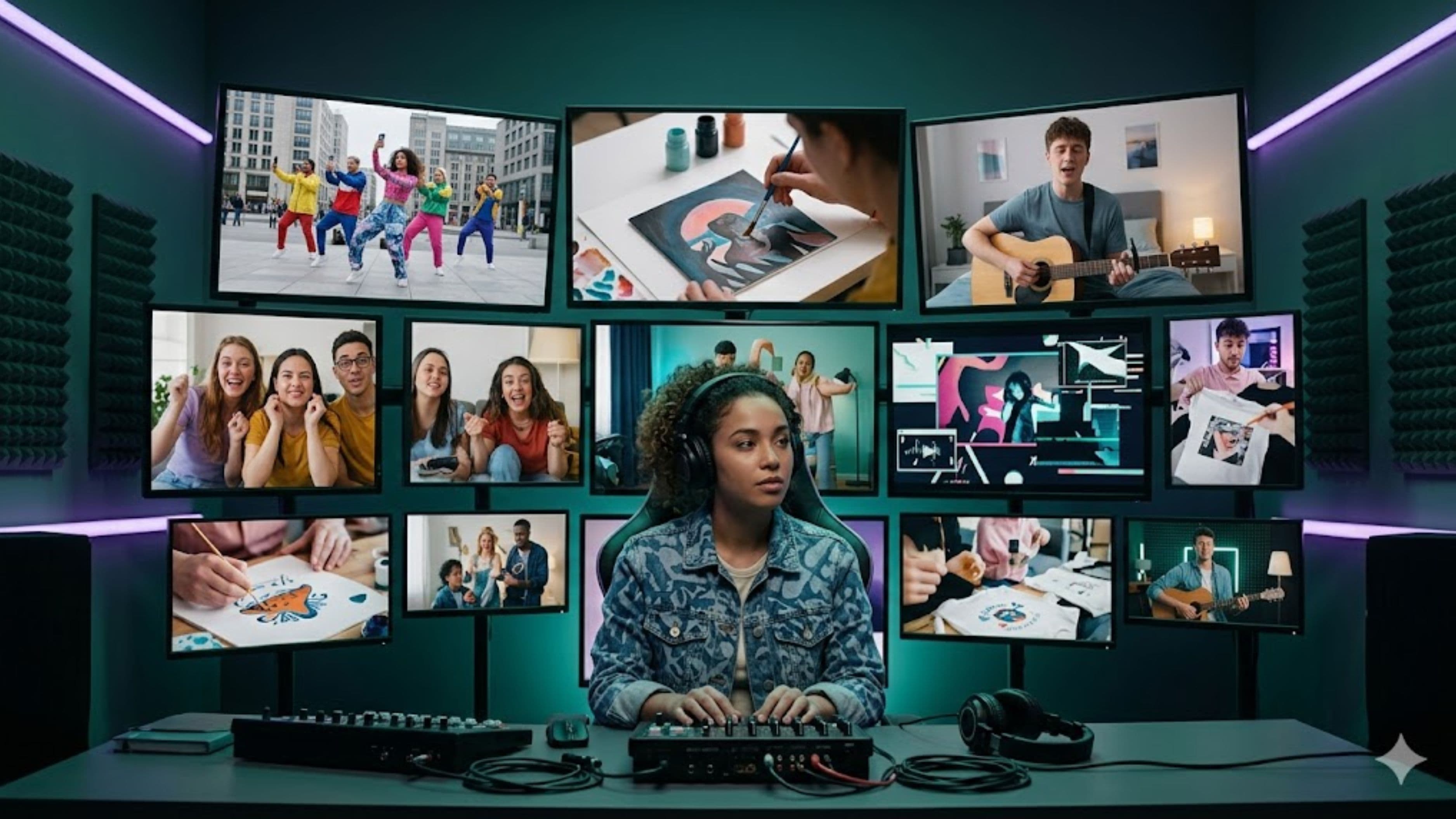
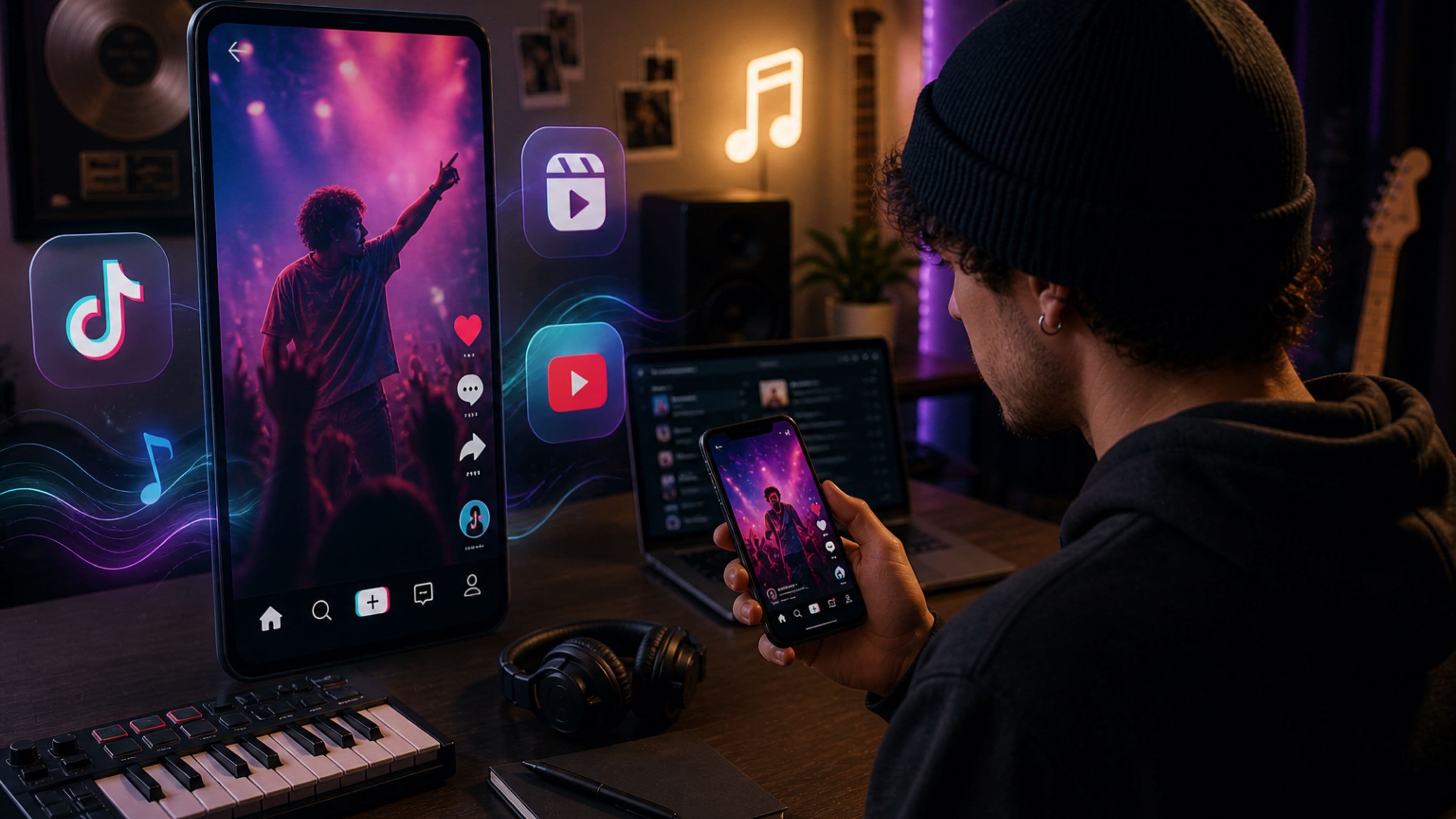
The rise of TikTok as a music discovery powerhouse has made viral clips just as important as radio play. Think Lil Nas X’s “Old Town Road” or Gayle’s “abcdefu”—songs born from 15-second snippets that spiraled into global hits. Social media isn’t just part of the promotion plan anymore—it is the promotion plan.
Meanwhile, nostalgia reigns supreme. New tracks sample or reference the very eras they came from—like Olivia Rodrigo channeling ’90s alt-pop angst or Dua Lipa spinning disco into future pop gold. Pop keeps looking back while moving forward.
Pop’s Secret to Staying on Top? Reinvention.
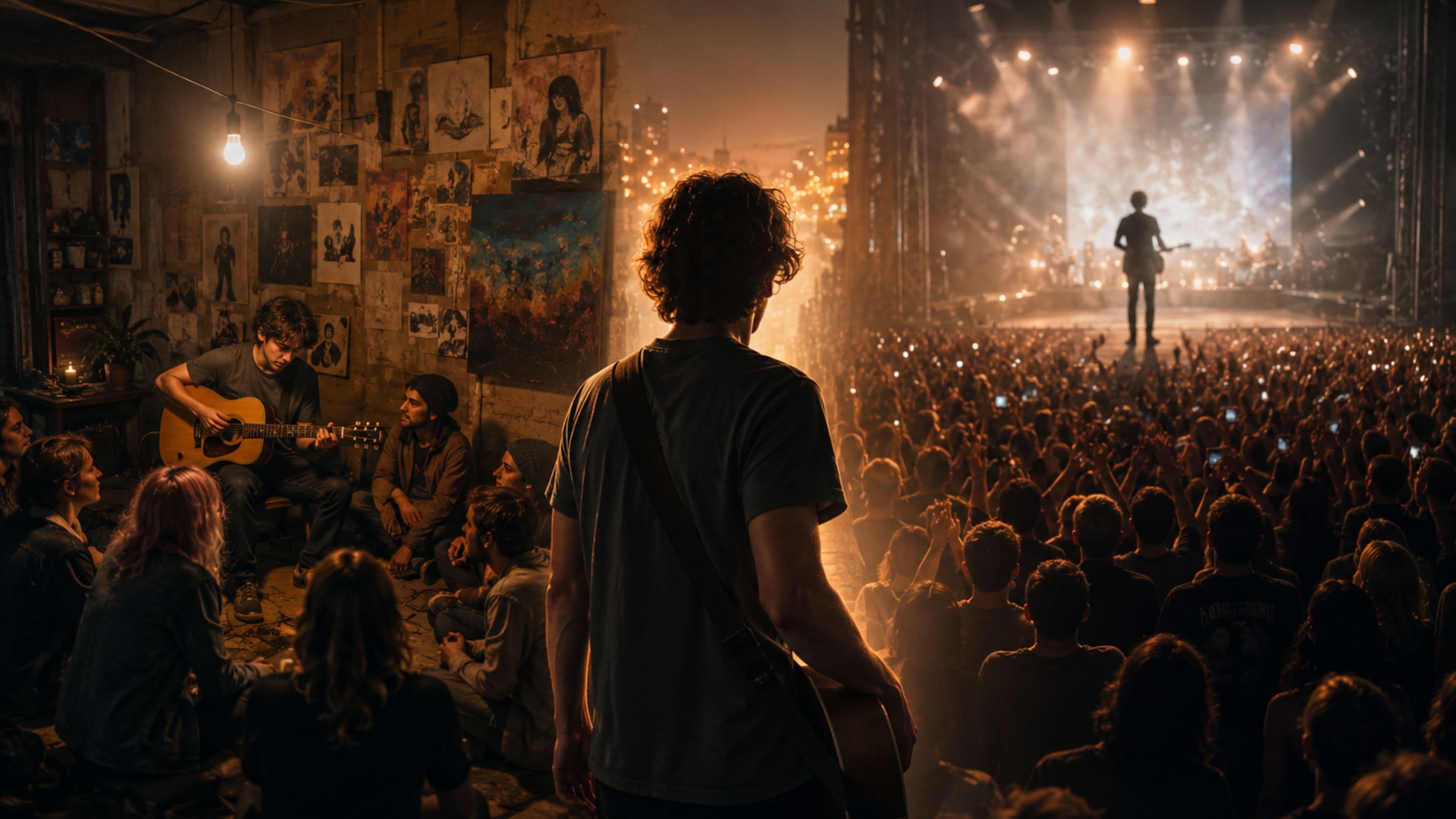
If there’s one thing we’ve learned from four decades of pop evolution, it’s this: pop music is a chameleon. It adapts, evolves, and reinvents itself with every beat, every hook, every viral moment.
From the moonwalk to the TikTok dance challenge, from cassette tapes to streaming playlists—pop never stays the same, and that’s exactly why we can’t stop listening.