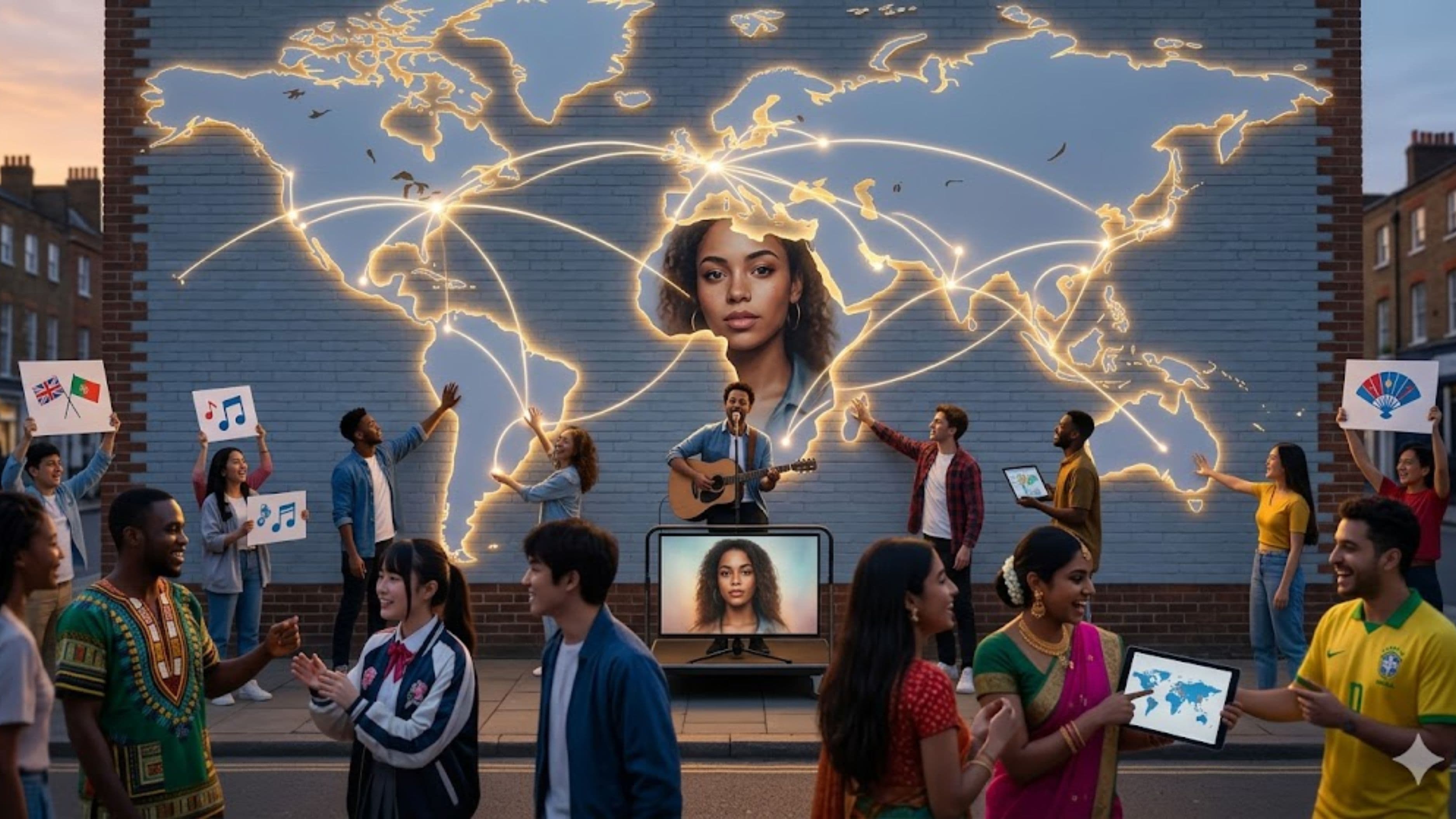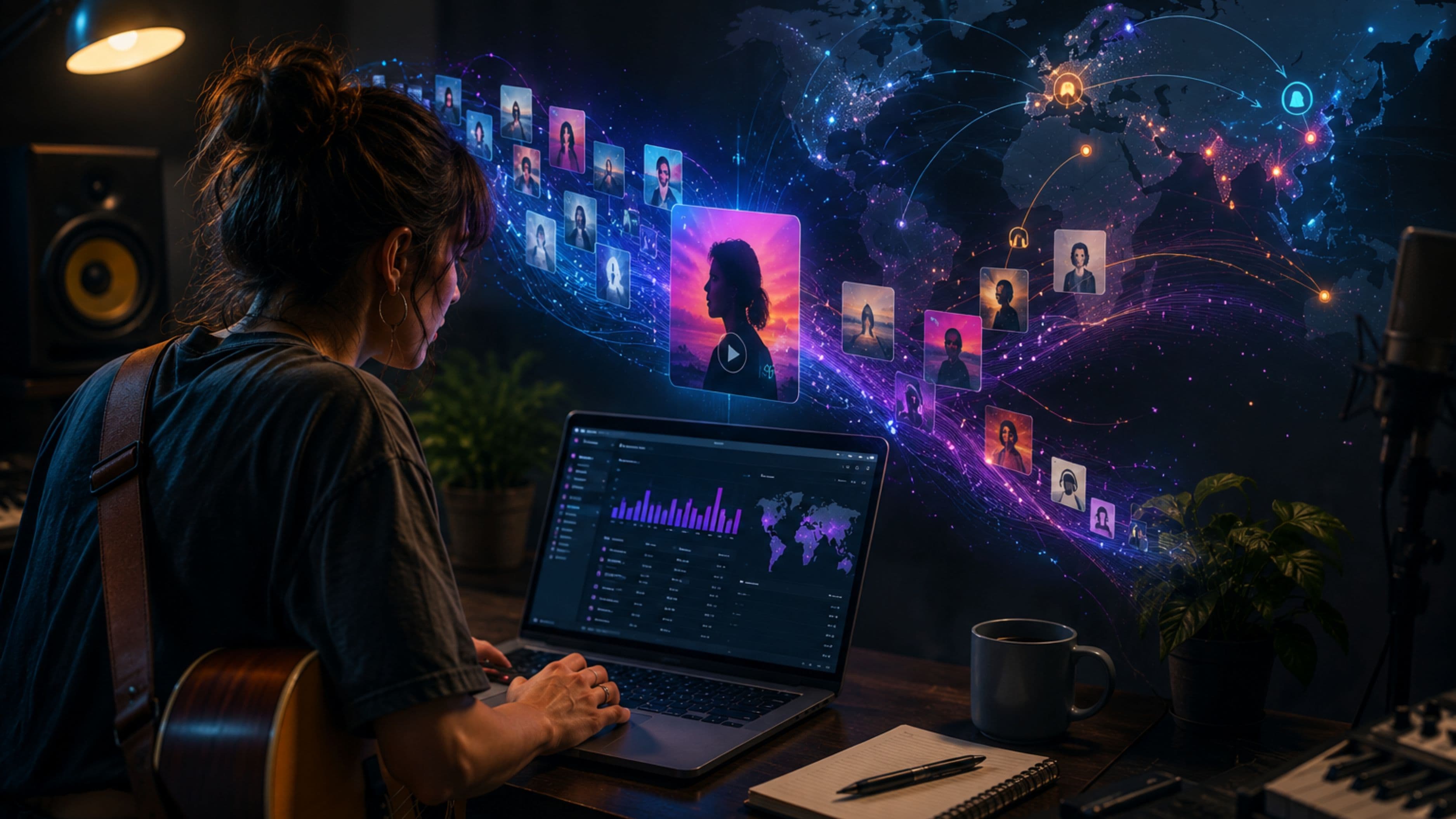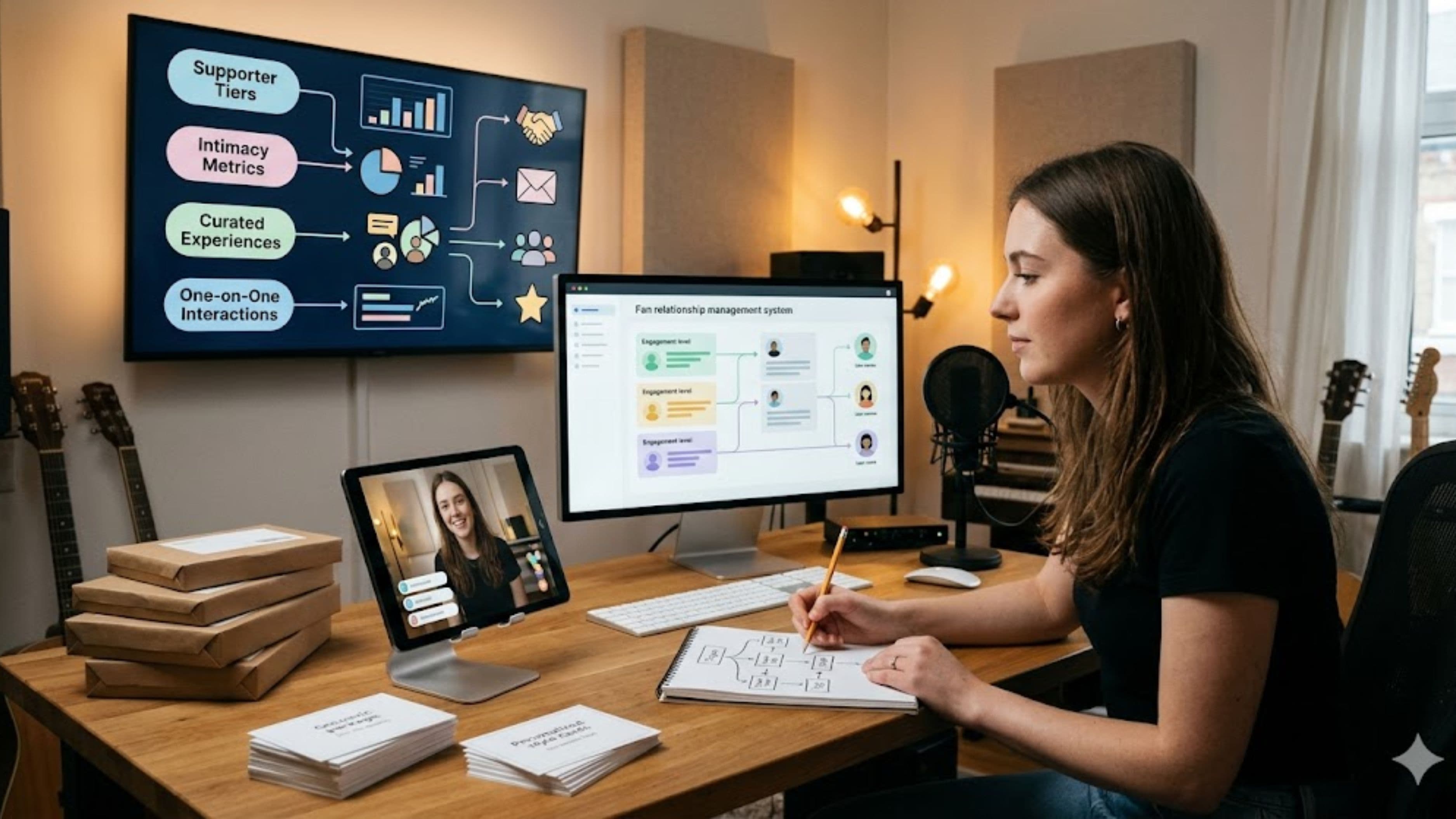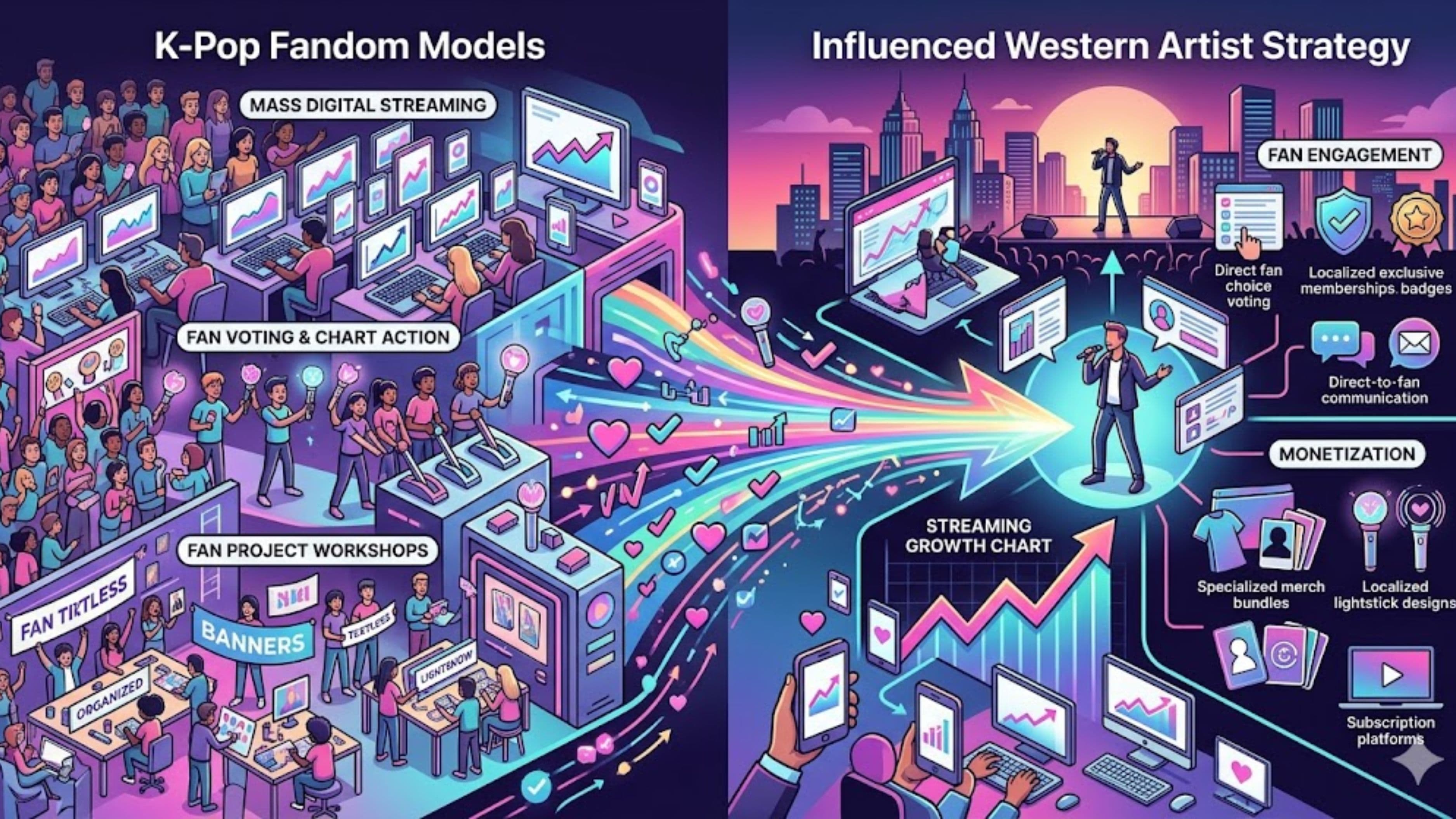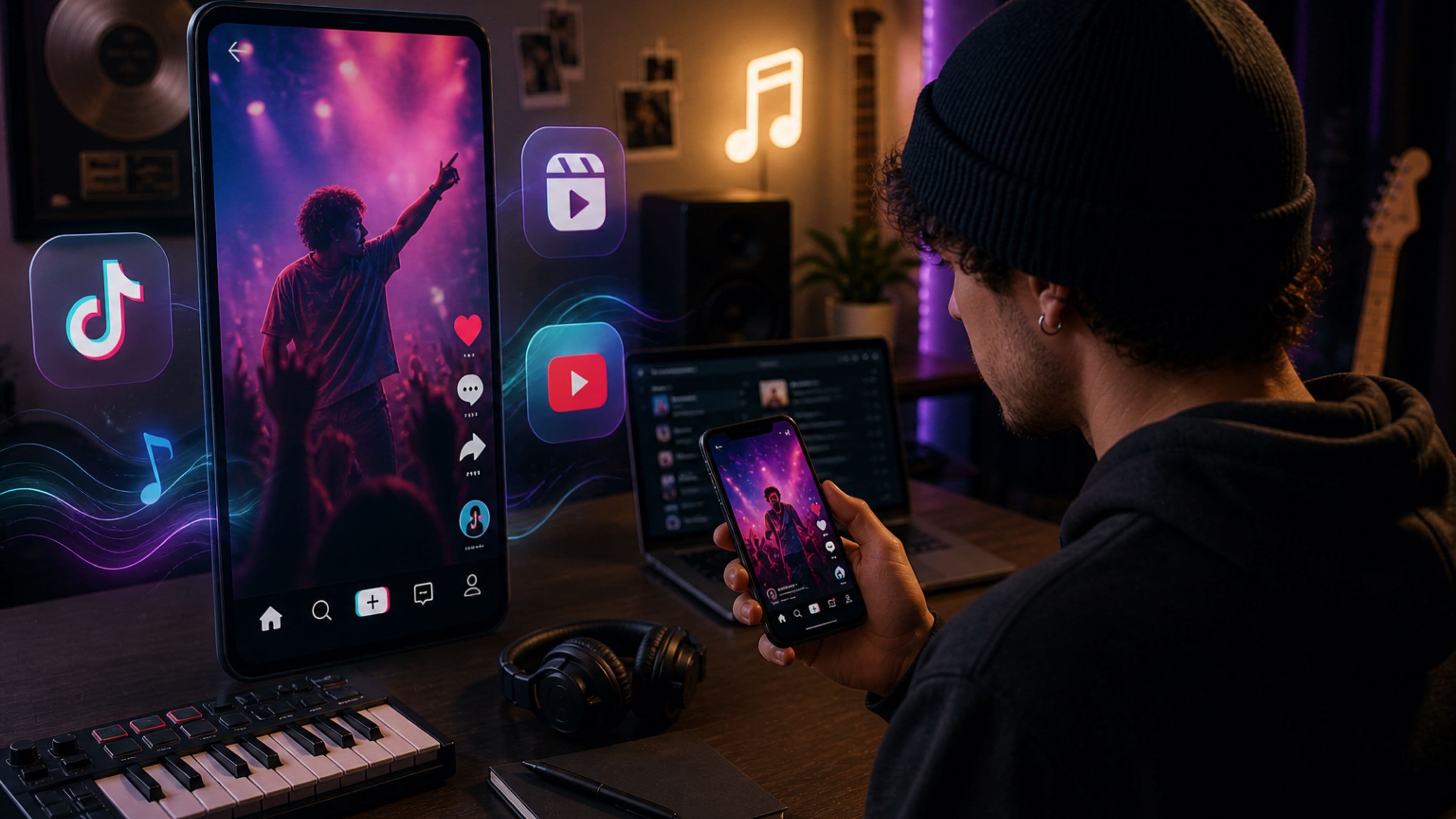
For pop artists, these platforms aren’t just about posting selfies—they’re strategic tools that shape careers, launch global hits, and create cultural moments. And for music platforms, streaming services, and marketing agencies, understanding this landscape means tapping into the very heart of pop culture.
TikTok: The Hit Machine That Changed Everything
It’s no secret that TikTok has rewritten the rules of the music industry. A 15-second clip is sometimes all it takes to turn an unknown track into the biggest song of the summer. Just ask Lil Nas X, whose breakout hit “Old Town Road” started as a meme-fueled TikTok trend before dominating the Billboard charts for 19 weeks—breaking records and making history.
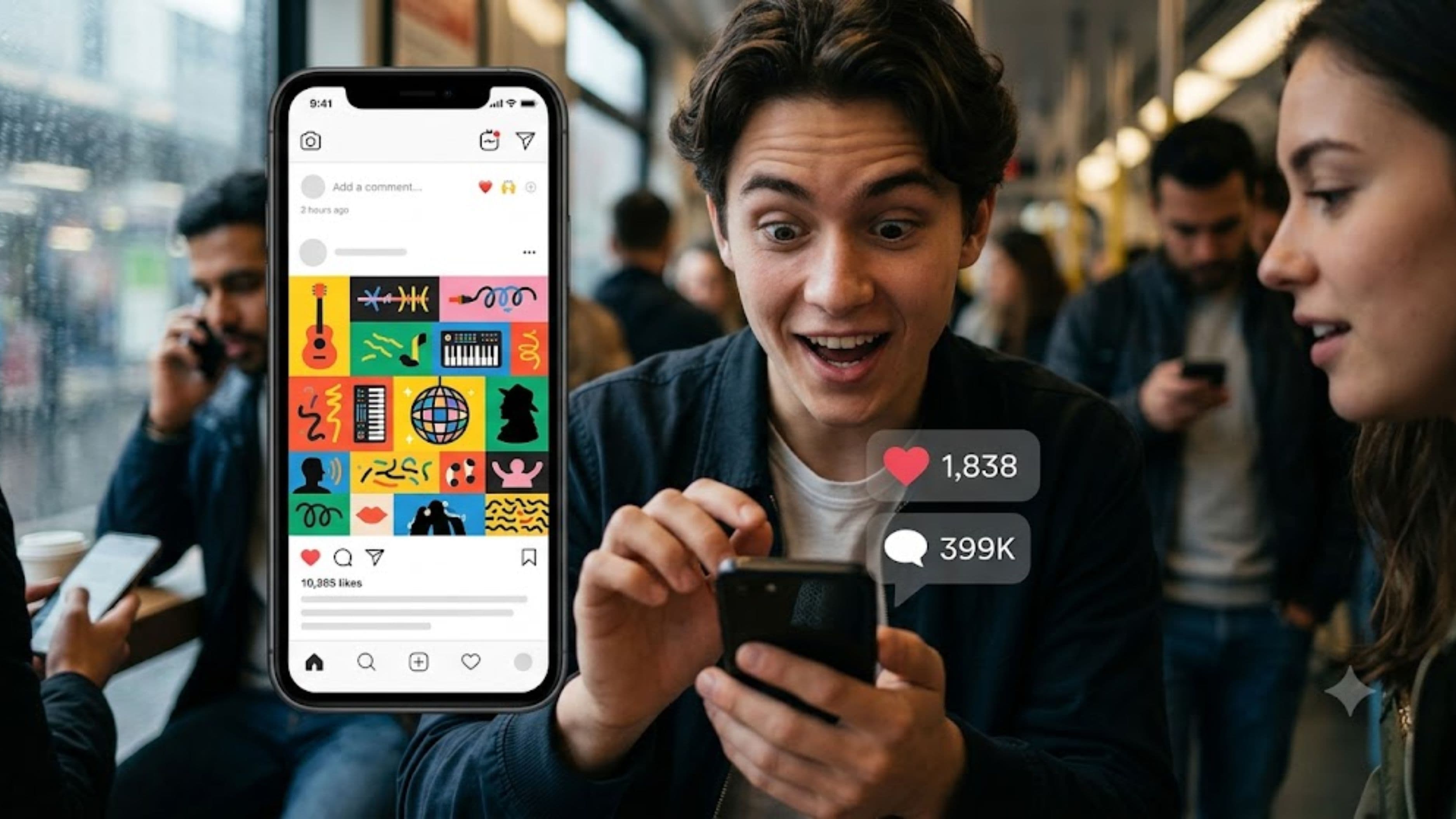
TikTok’s algorithm favors sound-based discovery, meaning catchy snippets, clever lyrics, or distinctive beats can spread like wildfire. Songs like Gayle’s “abcdefu” and Doja Cat’s “Say So” skyrocketed not from traditional promotion but from viral dance challenges and millions of user-generated videos. Today’s artists often preview unreleased tracks on TikTok specifically to test the waters and generate early buzz—a marketing strategy that would have seemed unthinkable just a decade ago.
Instagram and YouTube: Building Brands Beyond the Music
While TikTok excels at viral discovery, Instagram and YouTube remain key platforms for building long-term artist brands. Pop stars like Dua Lipa and Olivia Rodrigo leverage Instagram to showcase their personality, behind-the-scenes moments, and aesthetic visuals that reinforce their brand identity. These platforms allow artists to stay in constant touch with their fans through Reels, Stories, and live Q&As, creating a sense of intimacy and connection.
Meanwhile, YouTube continues to be the go-to space for official music videos, lyric videos, and exclusive content like live performances and vlogs. When Billie Eilish dropped the minimalist video for “Ocean Eyes”, it was her YouTube presence—and the relatability of her content—that helped her gain traction with millions of young fans worldwide.
The Power of Collaboration and Influencer Amplification
Today’s music success stories aren’t created in a vacuum. Pop stars actively collaborate with influencers and content creators to amplify their reach. Influencers with massive followings can help songs go viral simply by featuring them in their content—even before the song hits streaming platforms.
Remember the viral TikTok dance to The Weeknd’s “Blinding Lights”? The challenge, initiated by creators and embraced by fans around the globe, became a cultural moment and fueled the track’s streaming numbers. More and more artists now design their releases with social media virality in mind, crafting choruses, beats, and dance breaks that are “challenge-friendly” to maximize shareability.
Real-Time Engagement: Pop Stars as Content Creators
The modern pop artist isn’t just a singer—they’re a content creator, social media strategist, and brand ambassador rolled into one. Artists like Miley Cyrus and Harry Styles use these platforms not only to promote their music but to shape their public narratives. Whether it’s dropping cryptic tweets hinting at new releases, sharing outfit details before a performance, or going live to interact with fans, real-time engagement builds anticipation, loyalty, and hype.
This approach gives fans direct access to the artist’s world, making them feel like insiders rather than distant spectators. And for advertisers, streaming services, and influencer agencies, it creates golden opportunities to align with moments that are already capturing the audience’s attention.
Conclusion: Social Media Is the New Radio
In the digital age, social media platforms are no longer just marketing tools—they are the battleground where pop music success is won or lost. A viral soundbite, a creative video, or a well-timed post can catapult a song from obscurity to global anthem. For artists, mastering these platforms isn’t optional—it’s essential.
For brands, music marketers, and streaming services, the fusion of music and social media offers powerful ways to engage audiences who live their lives online. In the end, the question isn’t whether social media influences pop music—it’s how well you use it to ride the wave.