Why This Works Without Dancing
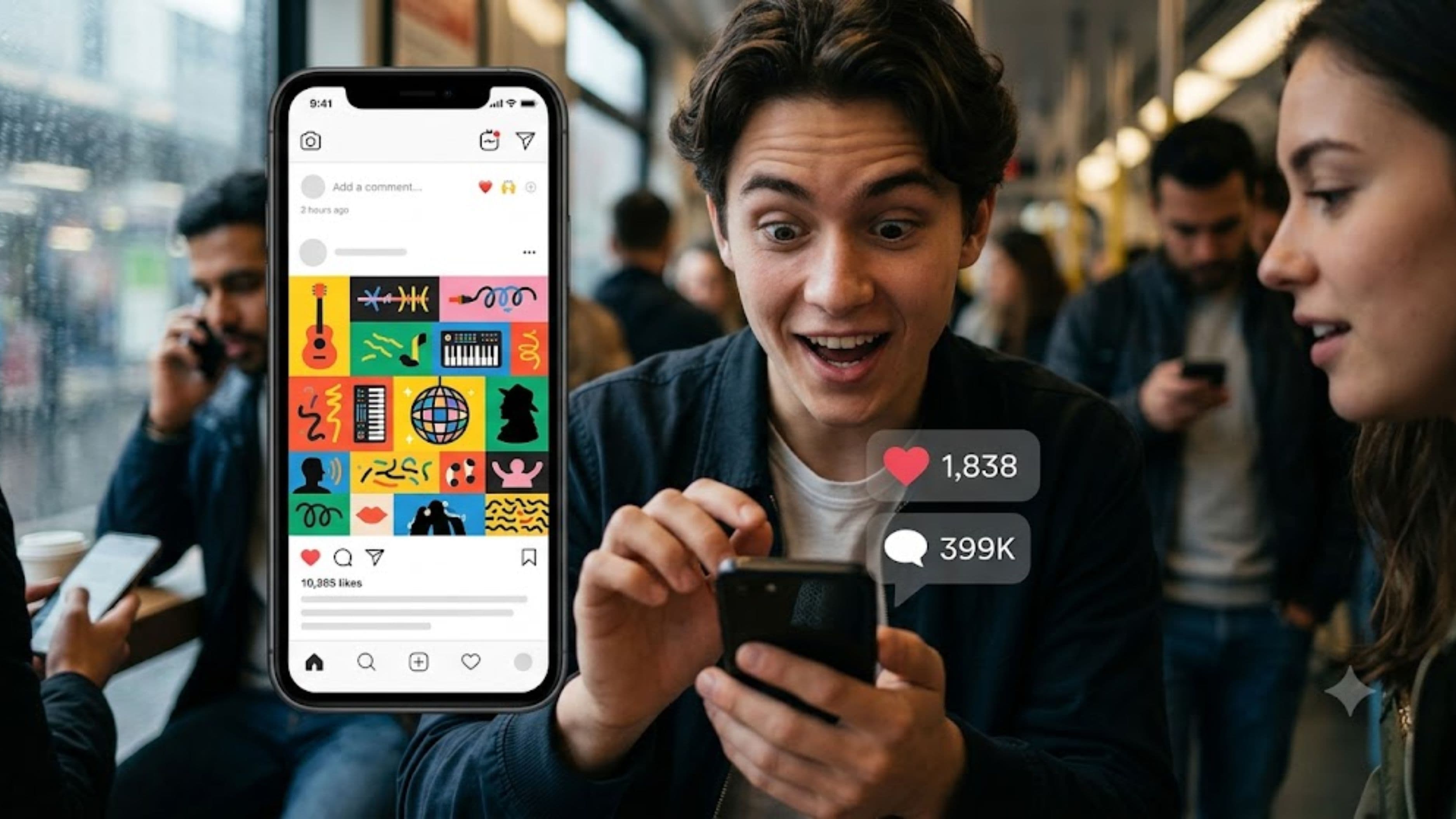
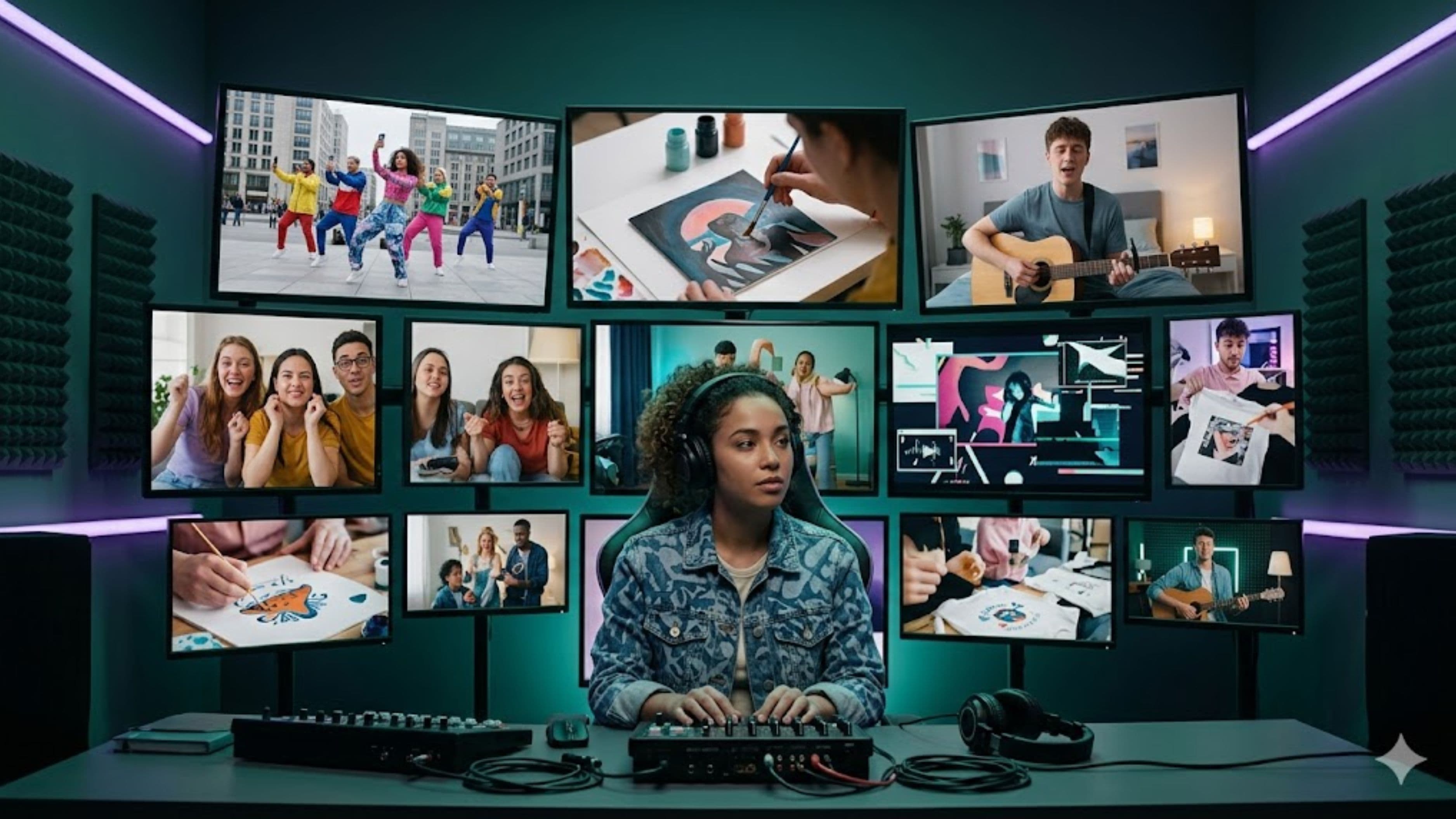
TikTok's recommendation system surfaces content based on engagement with a video's audio track as much as the video itself, which is why a sound can spread across completely unrelated content, cooking videos, pet clips, storytelling formats, while the artist behind the song never appears in a single one of those videos. Your job as an artist isn't necessarily to be the face of every video using your song, it's to give the platform and its users enough reasons to actually use your sound in their own content.
Approach 1: Behind-the-Scenes and Process Content
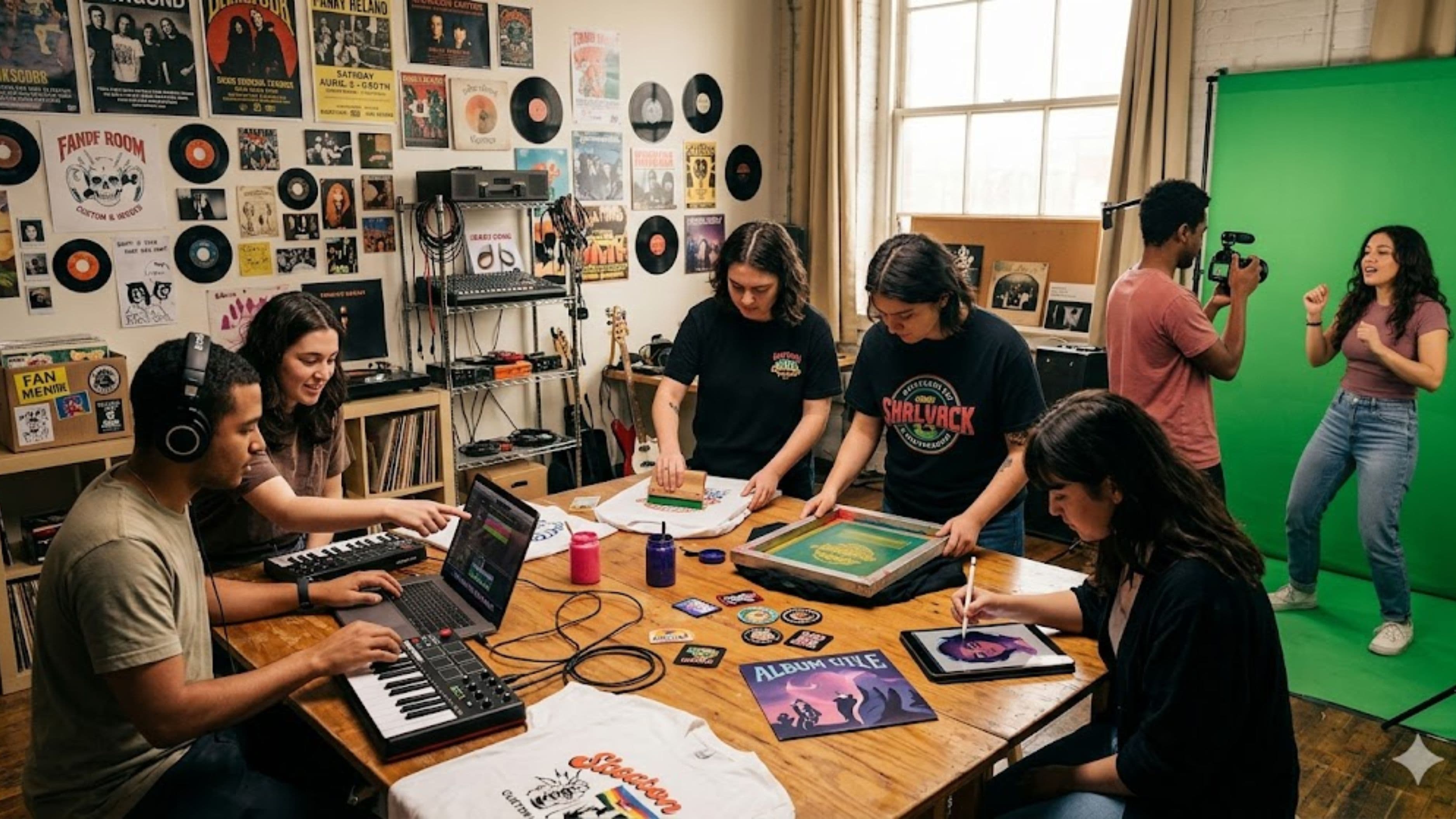
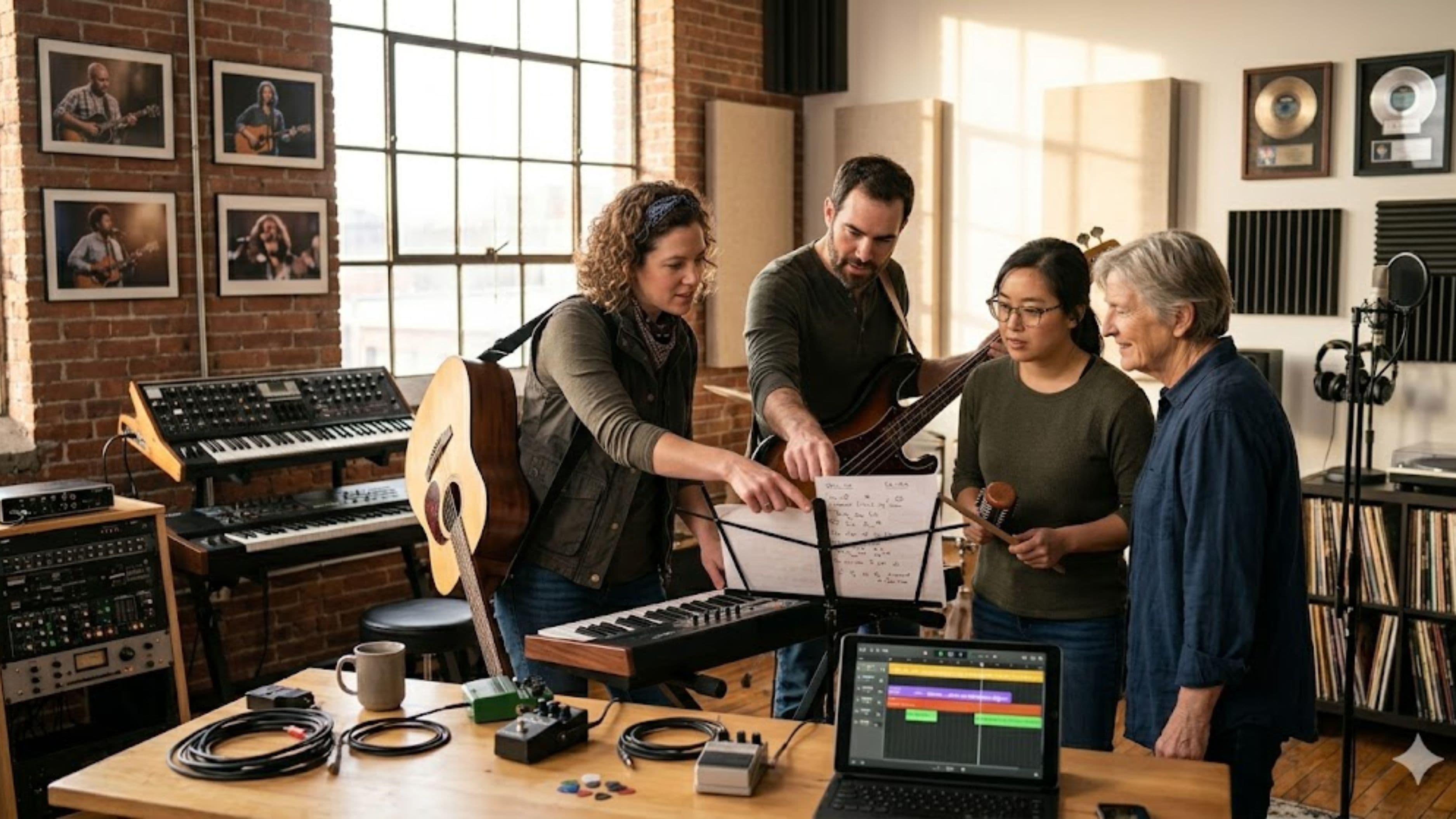
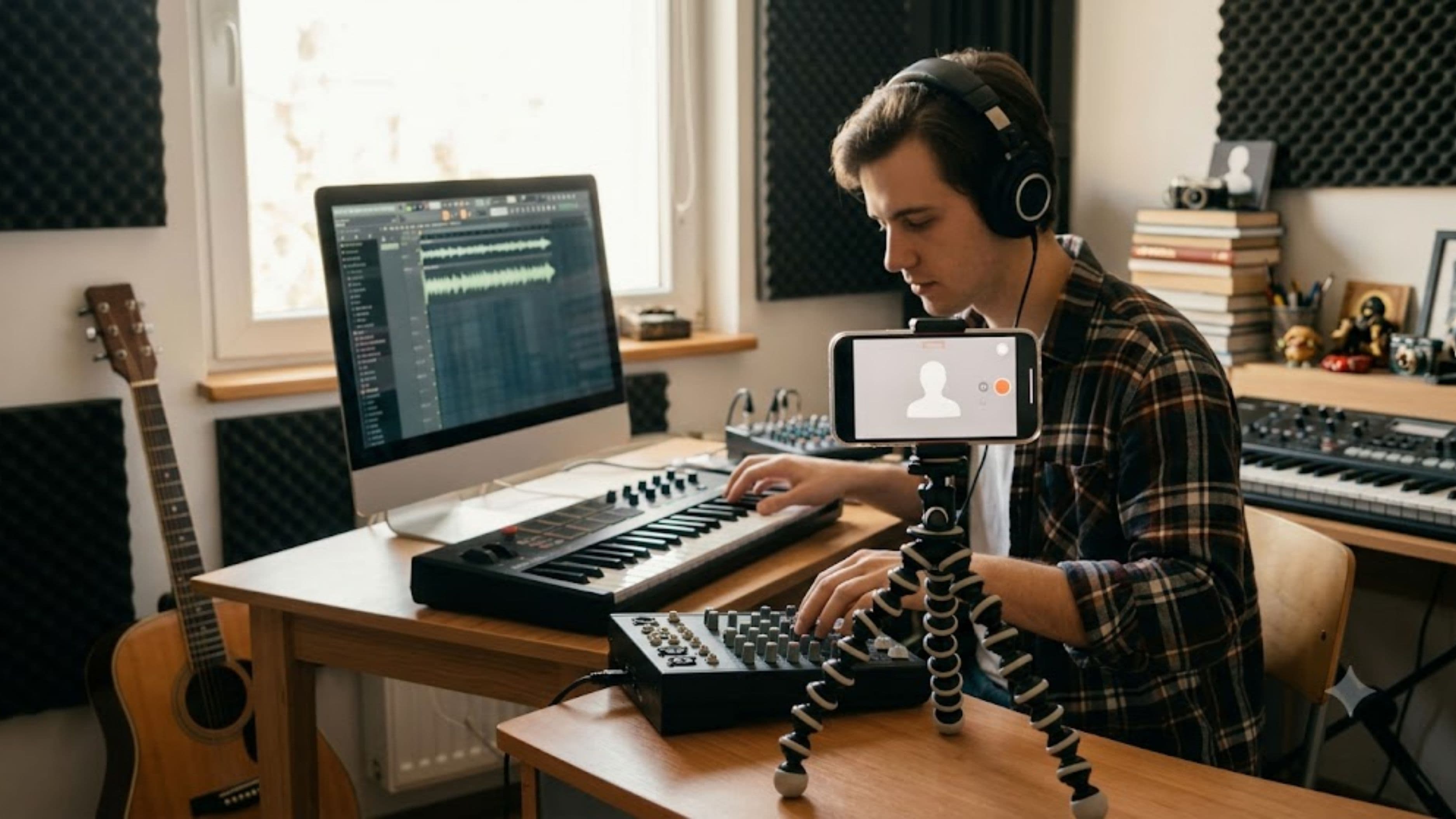
Footage of the actual creative process, writing a lyric, adjusting a mix, testing a chord progression, tends to perform well because it satisfies genuine curiosity about how a song came together without requiring any performance skill on camera. A short clip showing the moment a hook was written, filmed as a simple voice memo or phone screen recording, often feels more authentic to viewers than a polished performance clip, and authenticity is a meaningful factor in how TikTok's audience engages with music content specifically.
Approach 2: Lyric and Caption-Driven Storytelling
Text-overlay videos, where lyrics appear on screen against a simple visual, a scrolling background, a static image, or stock footage, let the song's actual writing carry the content. This format works particularly well for songs with a strong emotional hook or relatable lyric, since viewers often screenshot or duet these clips specifically because the words resonated, which drives further reach without any on-camera presence from the artist at all.
Approach 3: Prompting Other Creators to Use Your Sound
Rather than trying to make your own video go viral, some of the most effective TikTok music promotion happens by making it easy and appealing for other creators to use your sound in their own content. This means clearly identifying which 15 to 30 second section of your song has a hook strong enough to carry someone else's video, and actively reaching out to creators in relevant niches, comedy, fashion, cooking, whose content style pairs naturally with your song's mood or tempo.
Approach 4: Reaction and Commentary Content
Reacting to comments, fan messages, or even critical feedback about your music is a content format that requires talking to camera but not performing or dancing, and it tends to build a stronger sense of direct connection with an audience than a polished promotional clip would. This works particularly well combined with genuine audience questions about lyrics, meaning, or the story behind a song.
Approach 5: Visualizer and Static Art Content
Simple looping visualizers, animated waveforms, or static cover art paired with a song clip remain a legitimate and widely used format on TikTok, particularly for artists who prefer to keep the focus entirely on the music itself rather than any personal on-camera presence. This format performs best when paired with a genuinely strong hook in the first three seconds of the clip, since TikTok's audience decides whether to keep watching almost immediately.
What to Watch Out for
A common mistake is posting a single format repeatedly without variation and expecting consistent results, when TikTok's algorithm and audience both respond to some degree of format variety over time. Another is choosing a song clip based on personal preference for the song's overall best moment rather than testing which specific section actually stops people from scrolling, since these aren't always the same part of the song. It's also worth avoiding posting exclusively promotional content about your own music without any of the process or personality-driven content that tends to build the audience connection that makes people actually care about a new release when it comes.
Realistic Expectations
Building meaningful traction on TikTok as a music promotion channel typically takes consistent posting over weeks or months rather than a single viral moment, and even artists who do experience a viral clip often find that converting that spike in attention into a sustained fanbase requires ongoing content and release strategy rather than one successful video alone. Expect most individual posts to get modest engagement, with occasional standout performers, rather than assuming every post should perform at the same level.
Key Takeaway
TikTok's music discovery engine runs on sound usage and hook strength, not personal performance, which means artists genuinely uncomfortable with dancing or heavy on-camera content have several legitimate, tested paths to using the platform effectively. Process content, lyric-driven storytelling, and making your sound easy for other creators to use all work without requiring you to be the center of every video.
FAQ
Do I need to post every day to see results on TikTok? Consistency matters more than daily frequency specifically. Several posts per week, sustained over months, tends to build more reliable traction than an intense short burst followed by inactivity.
How do I know which part of my song to use as the TikTok clip? Test multiple 15 to 30 second sections across different posts and track which one generates the most engagement and sound usage from other creators, rather than assuming your personal favorite section will perform best.
Can a song go viral on TikTok without the artist posting anything themselves? Yes, this happens regularly when other creators independently discover and use a sound, though actively making your song easy to find and use, and reaching out to relevant creators, significantly improves the odds of this happening.
📚 Sources
TikTok for Business – Music Marketing on TikTok. https://www.tiktok.com/business/en/blog
Recording Industry Association of America – Music Consumption and Streaming Trends. https://www.riaa.com/reports/