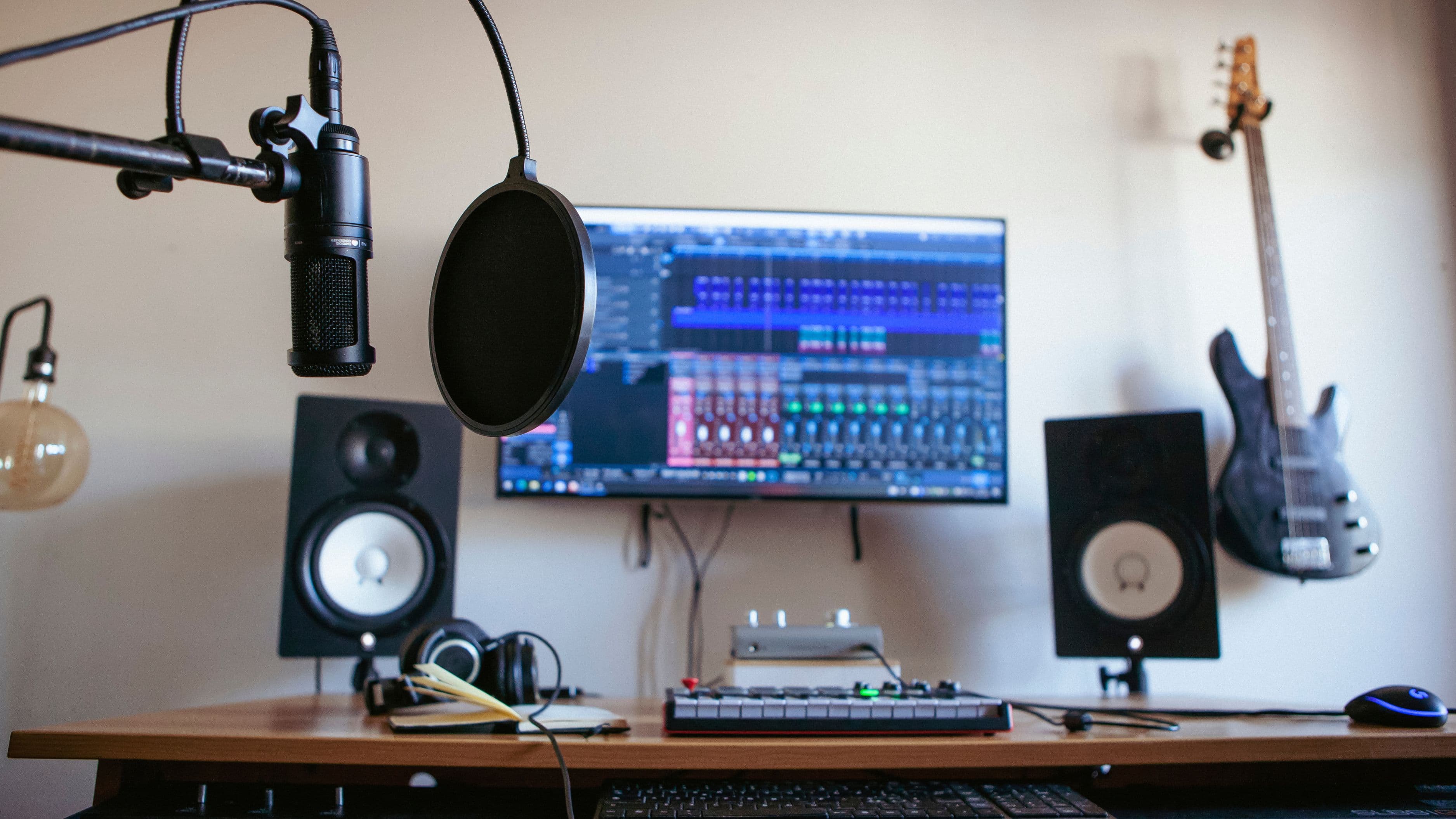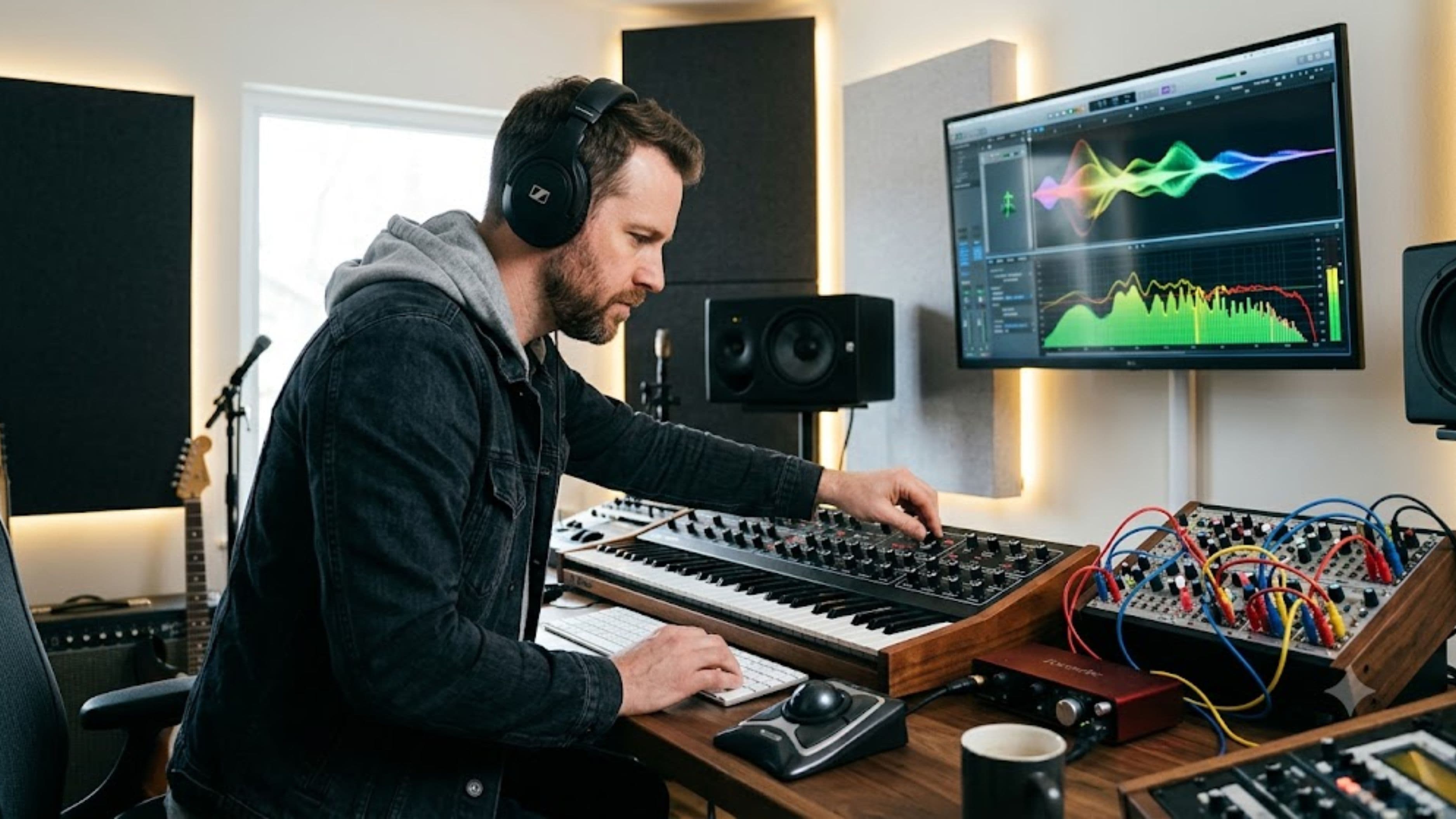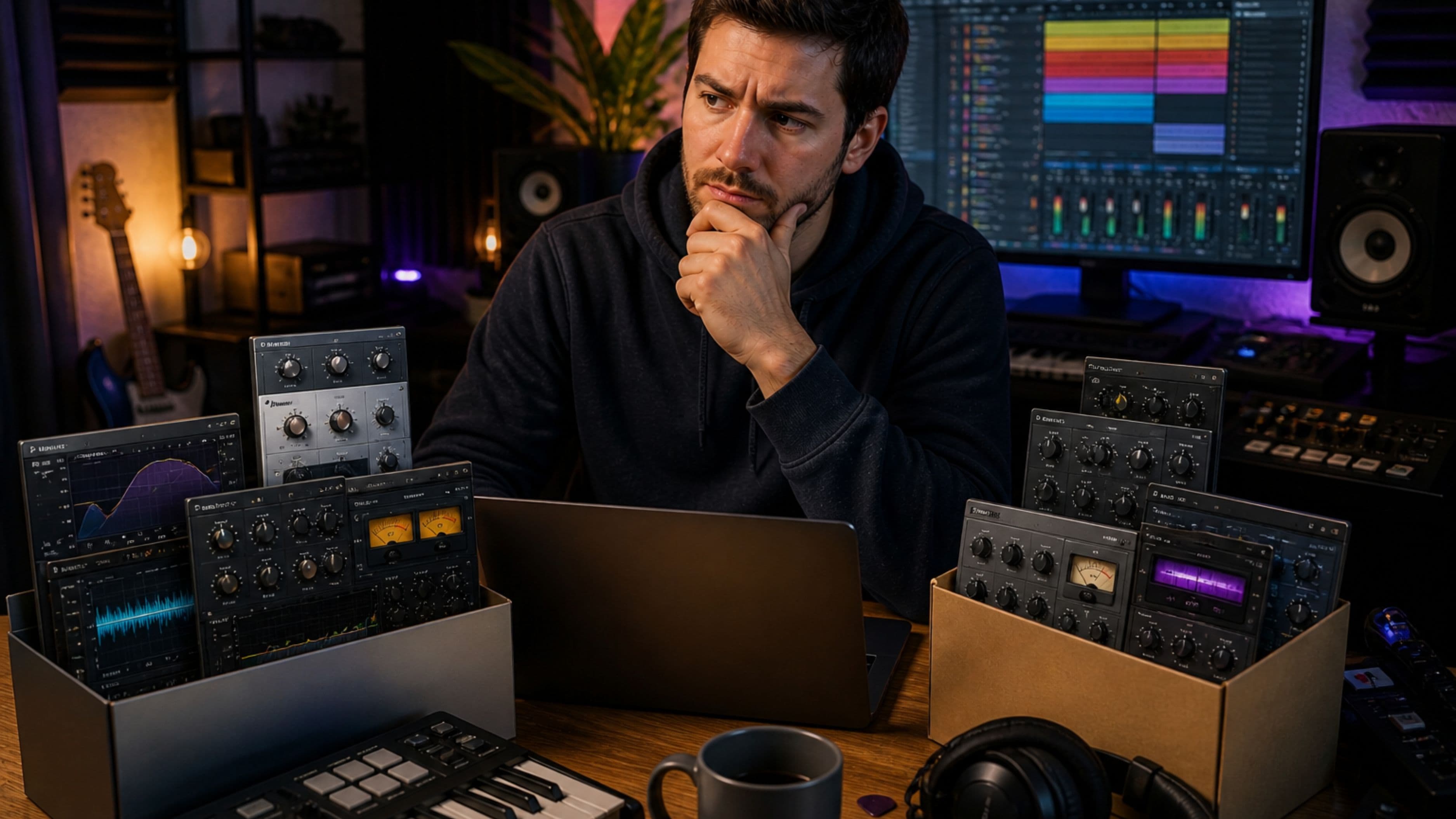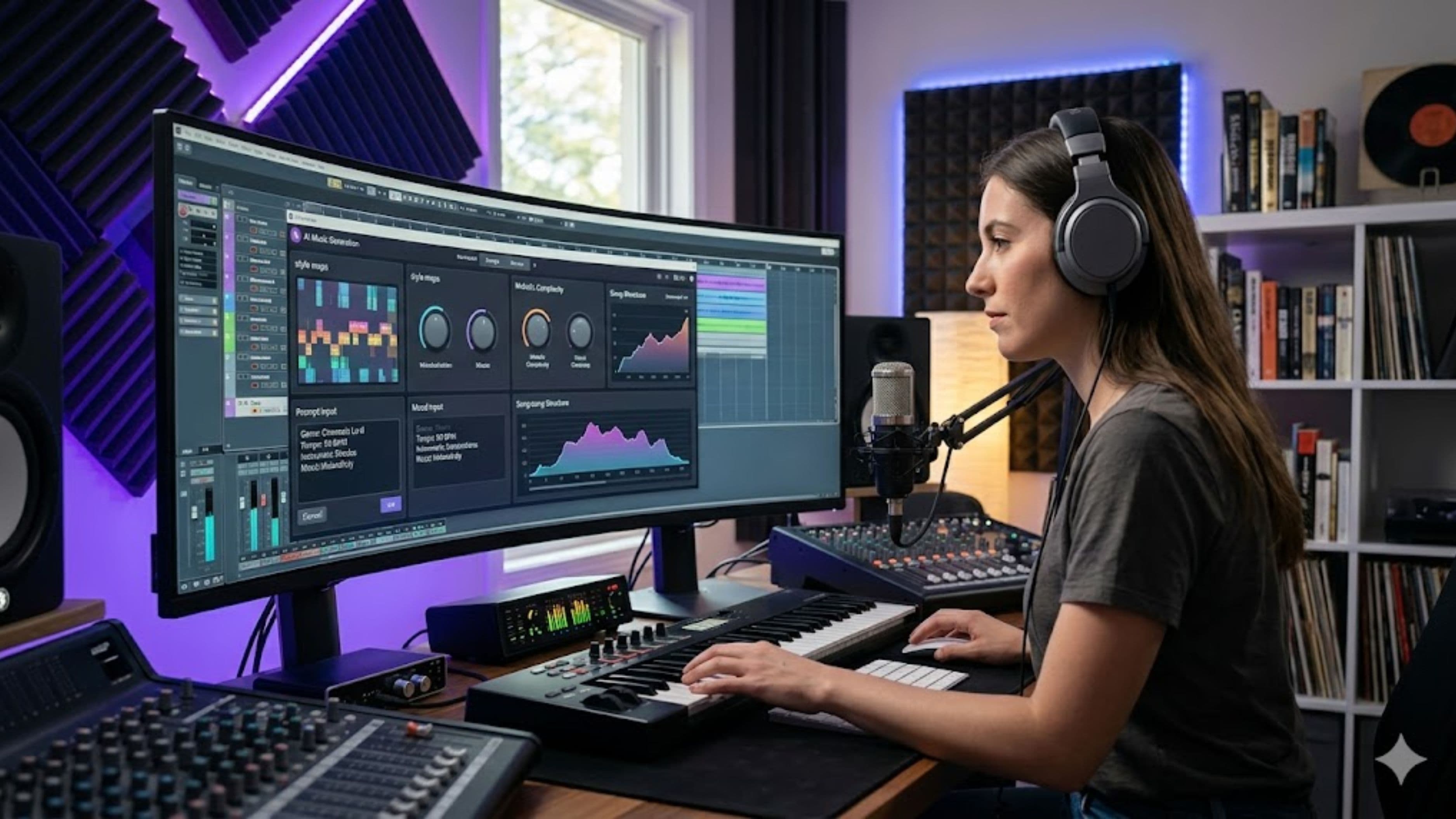
🎸 Rock – Energy, Expression, and Amplification
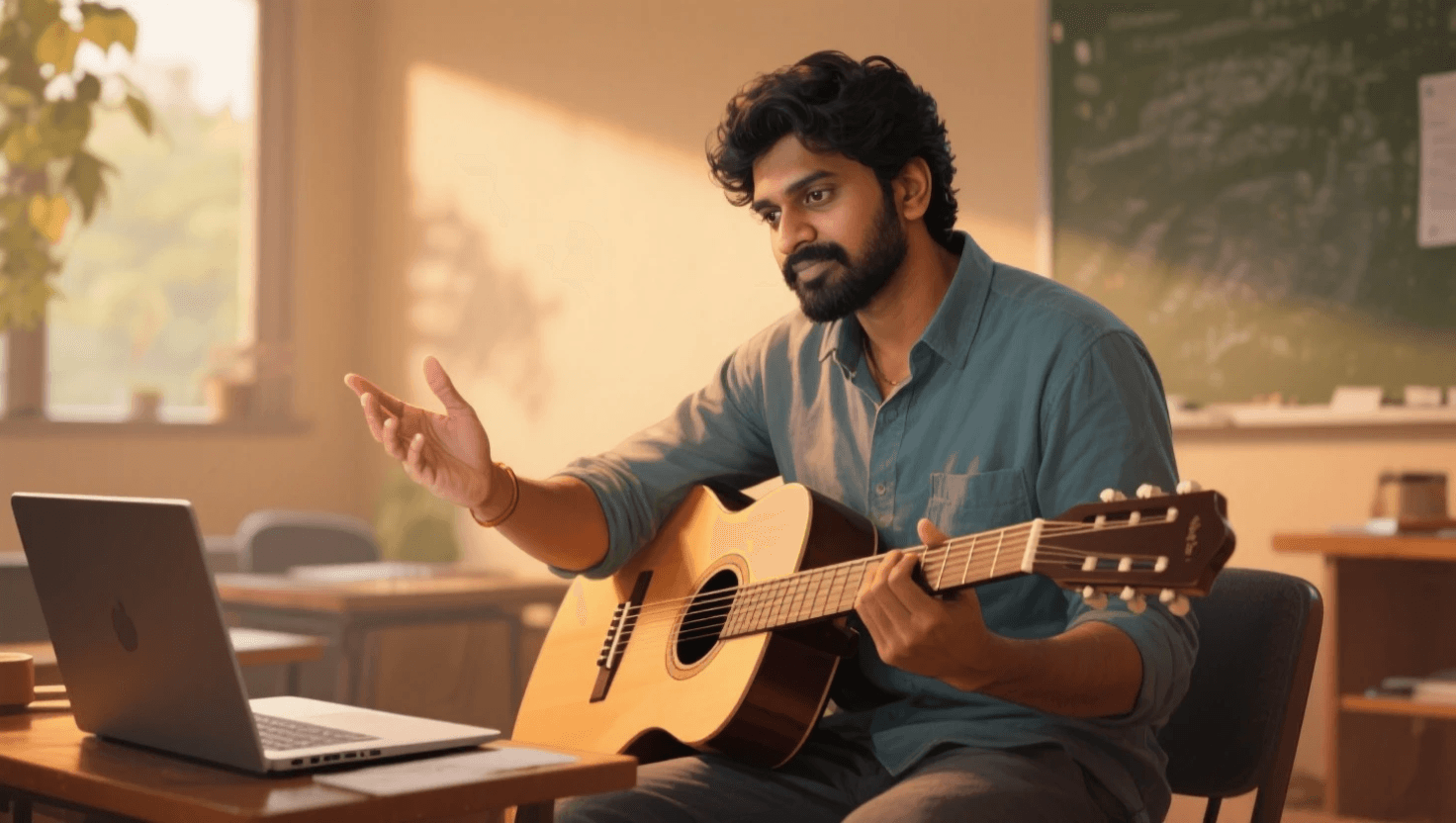
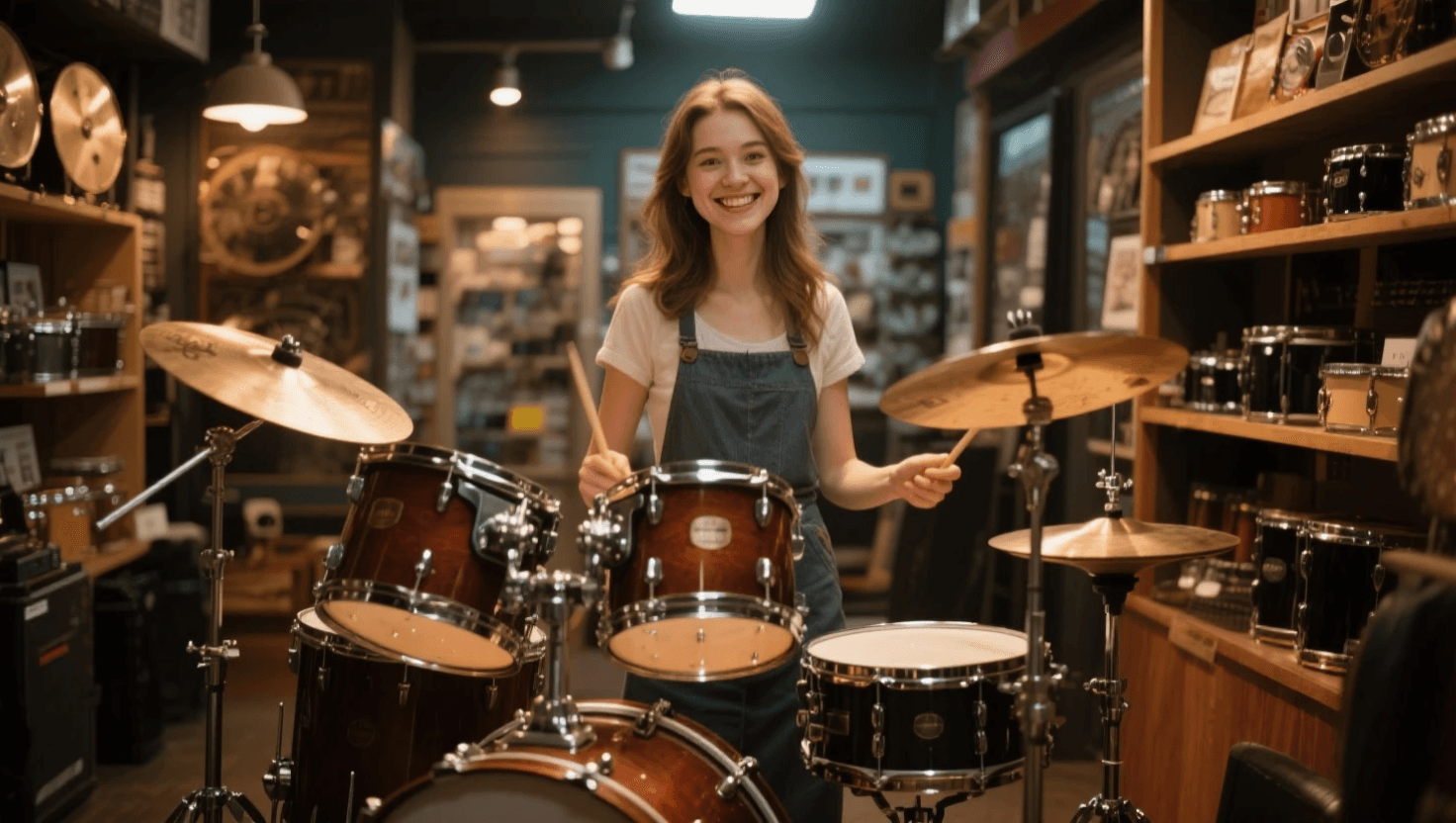
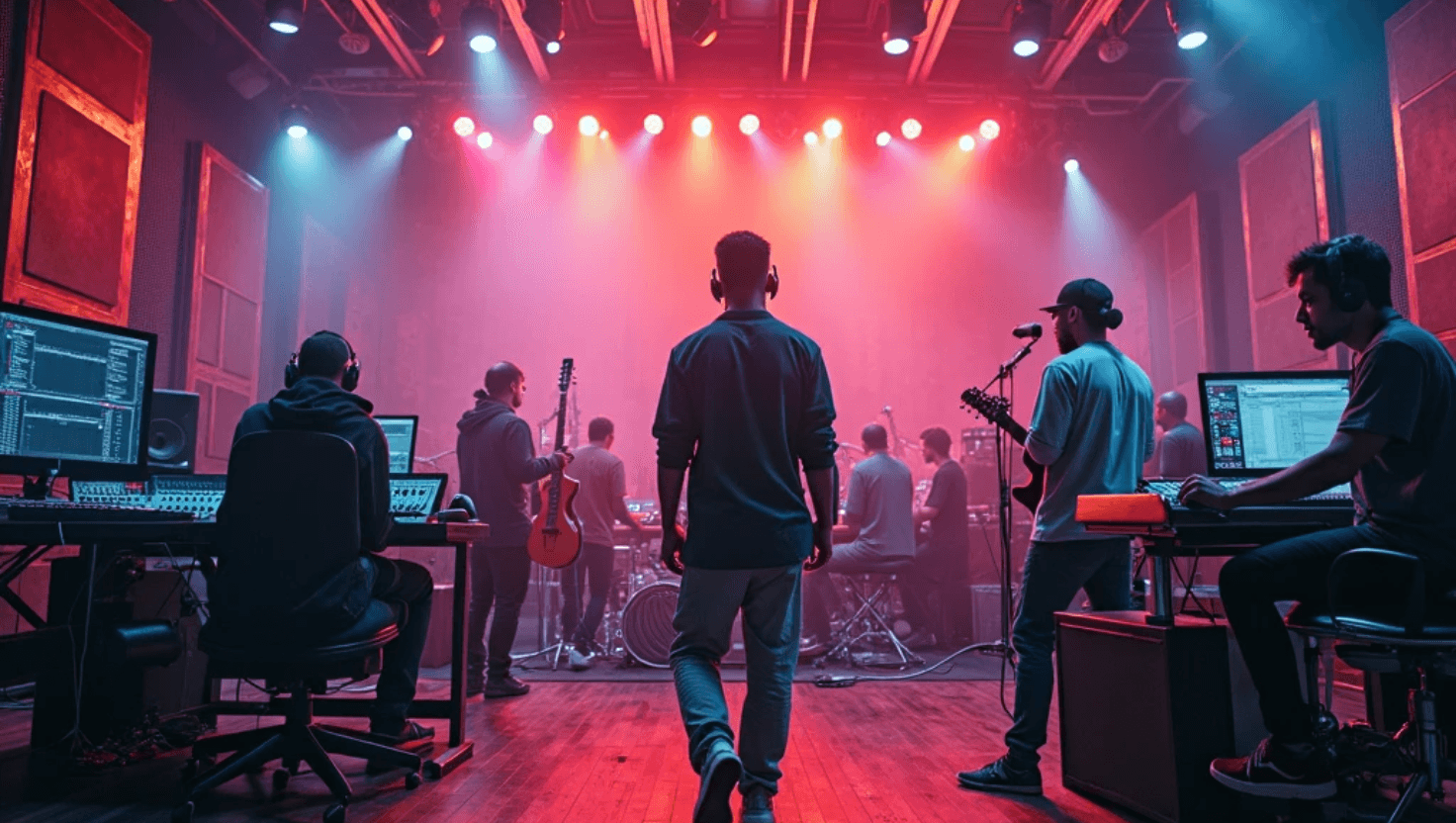
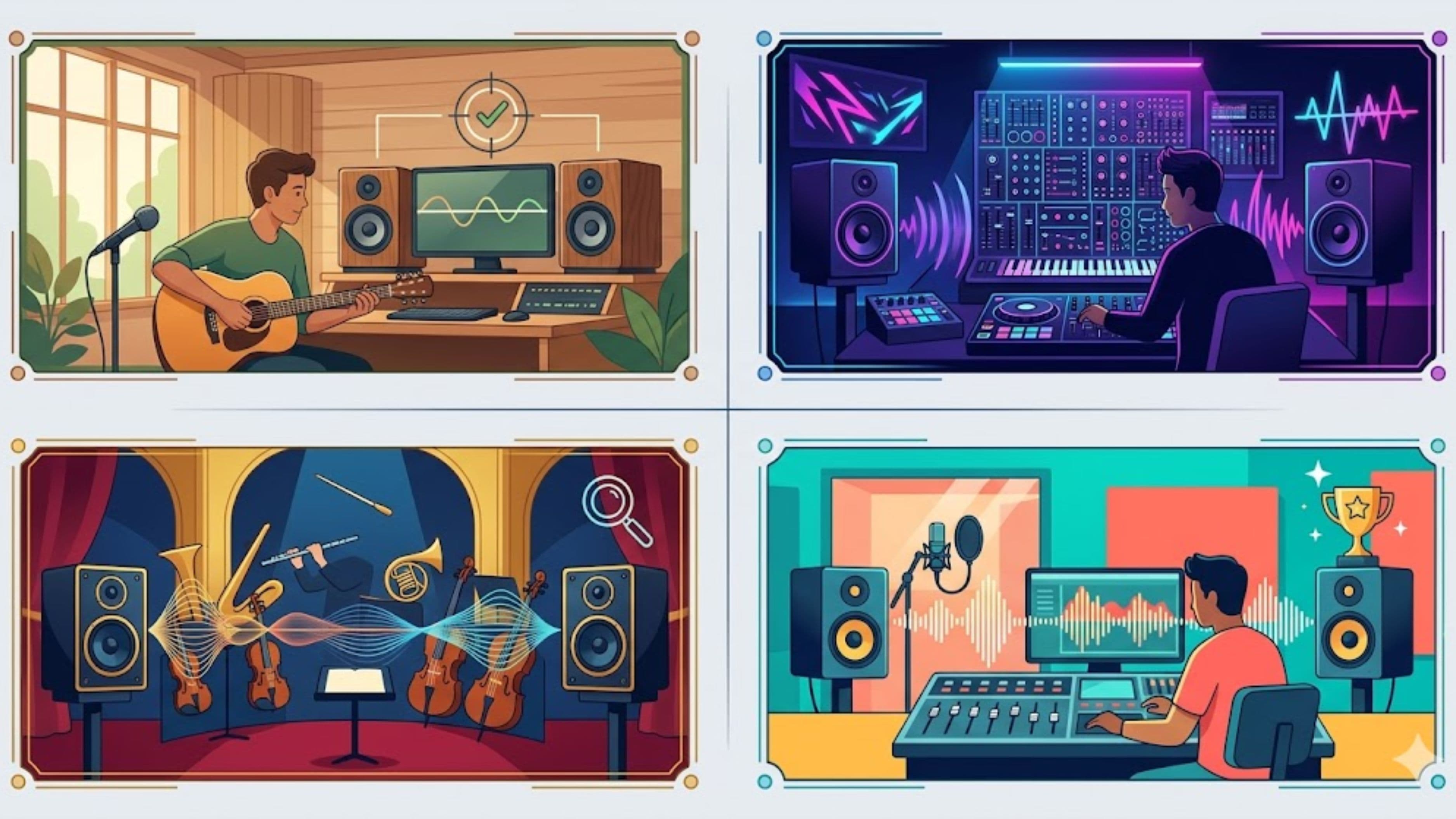
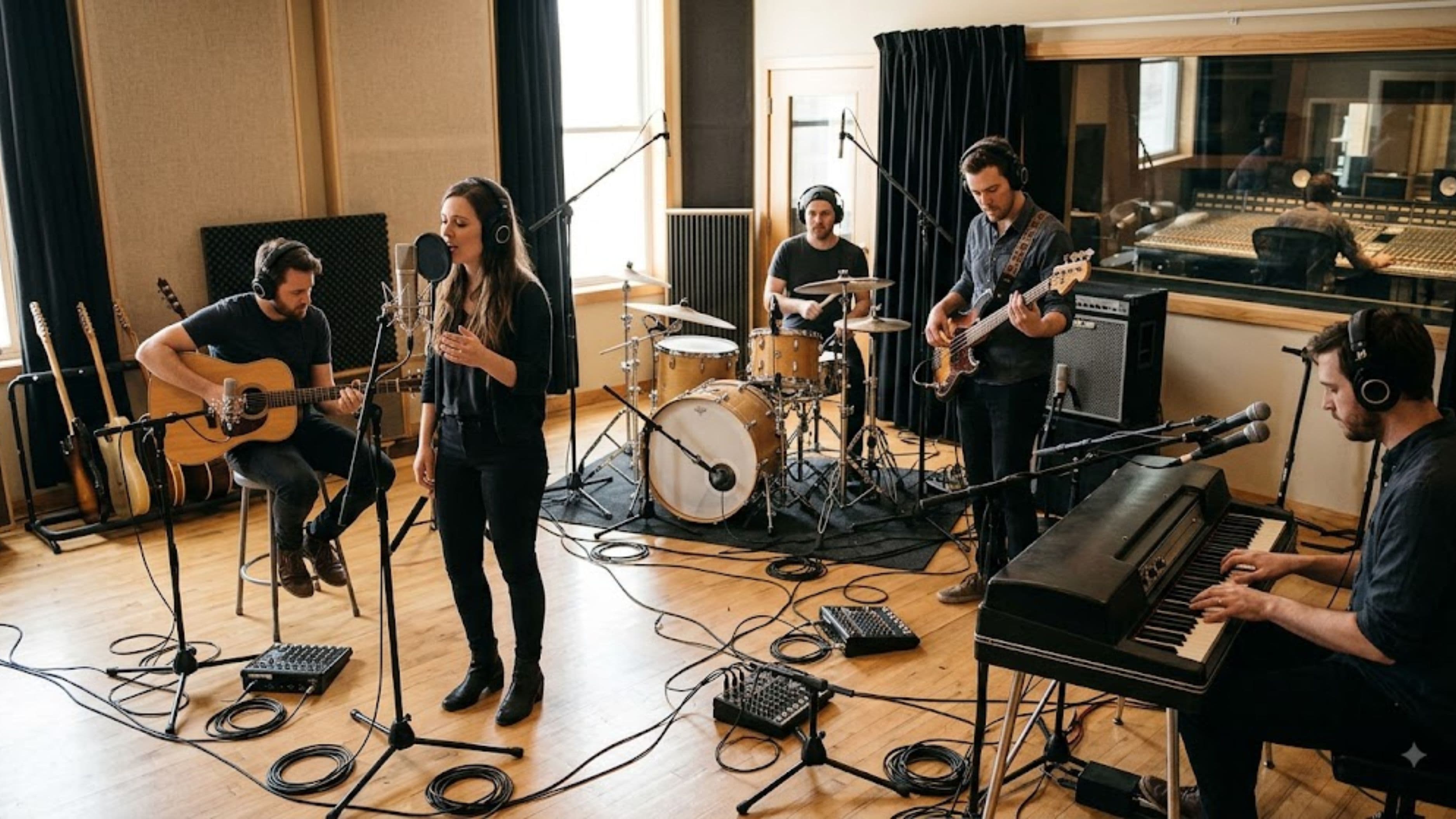
At its core, rock music is driven by rhythm, rebellion, and electrified energy. The electric guitar remains the genre’s most iconic instrument, favored for its versatility and ability to shape the raw power of distortion, riffs, and solos. Paired with the bass guitar and drums, it creates the foundation of rock’s driving force. Aspiring rock musicians may also explore the keyboard or synthesizer, especially for subgenres like alternative, punk, or indie rock. Rock places high value on expression and performance, making it ideal for those who enjoy dynamic, high-energy instrumentation.
🎷 Jazz – Improvisation and Musical Fluency
Jazz is rooted in improvisation, complex harmonies, and a conversational approach to music. The saxophone, trumpet, and piano are central to its sound, with the upright bass and drum kit providing rhythmic and harmonic support. Jazz musicians benefit from instruments that allow nuanced control and expressive tone, making wind and brass instruments especially prominent. For beginners drawn to the spontaneity and intellectual challenge of jazz, these instruments offer a rewarding, though technically demanding, path into the genre.
🎻 Classical – Precision, Discipline, and Timeless Beauty
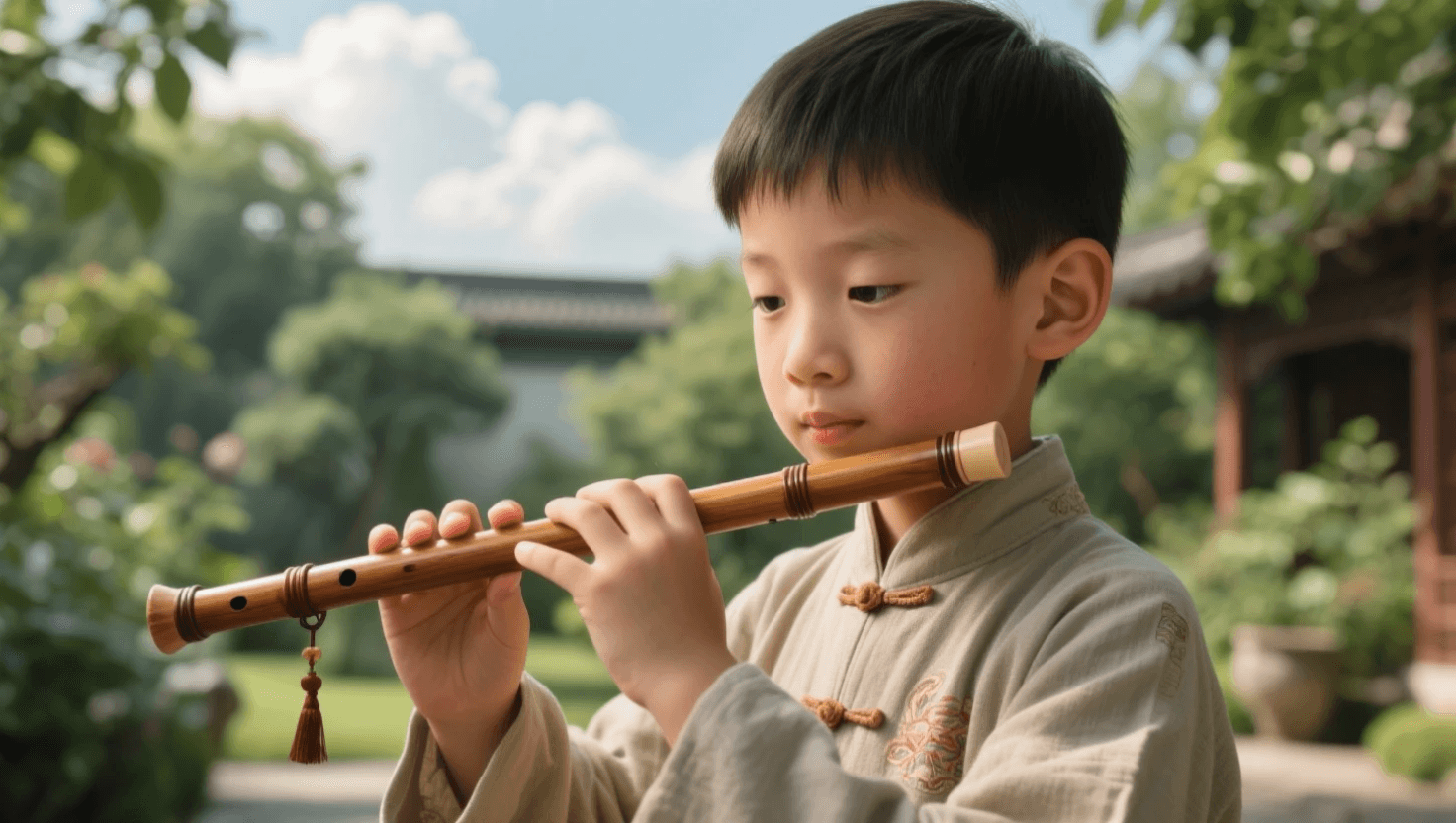
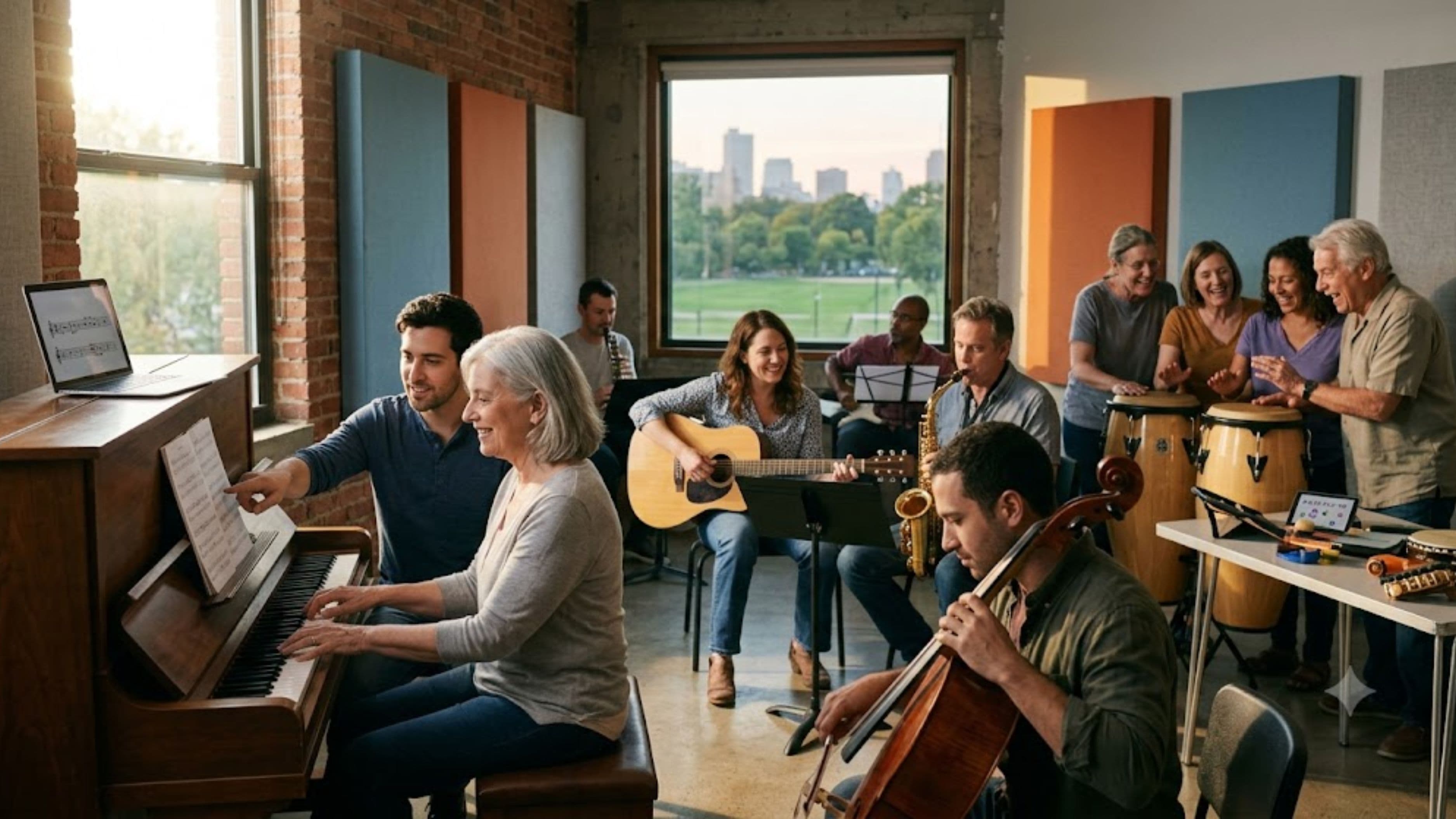
The classical tradition emphasizes technical mastery, structured composition, and rich acoustic sound. Instruments like the violin, cello, piano, and flute are staples of this genre, often played in solo settings or as part of orchestras. Classical musicians typically begin with formal lessons and sheet music literacy, making it a strong fit for those who value structure, technique, and emotional depth in music. While more demanding in terms of discipline and learning curve, classical instruments develop strong foundational skills for any musical path.
🎹 Pop – Accessibility and Versatility
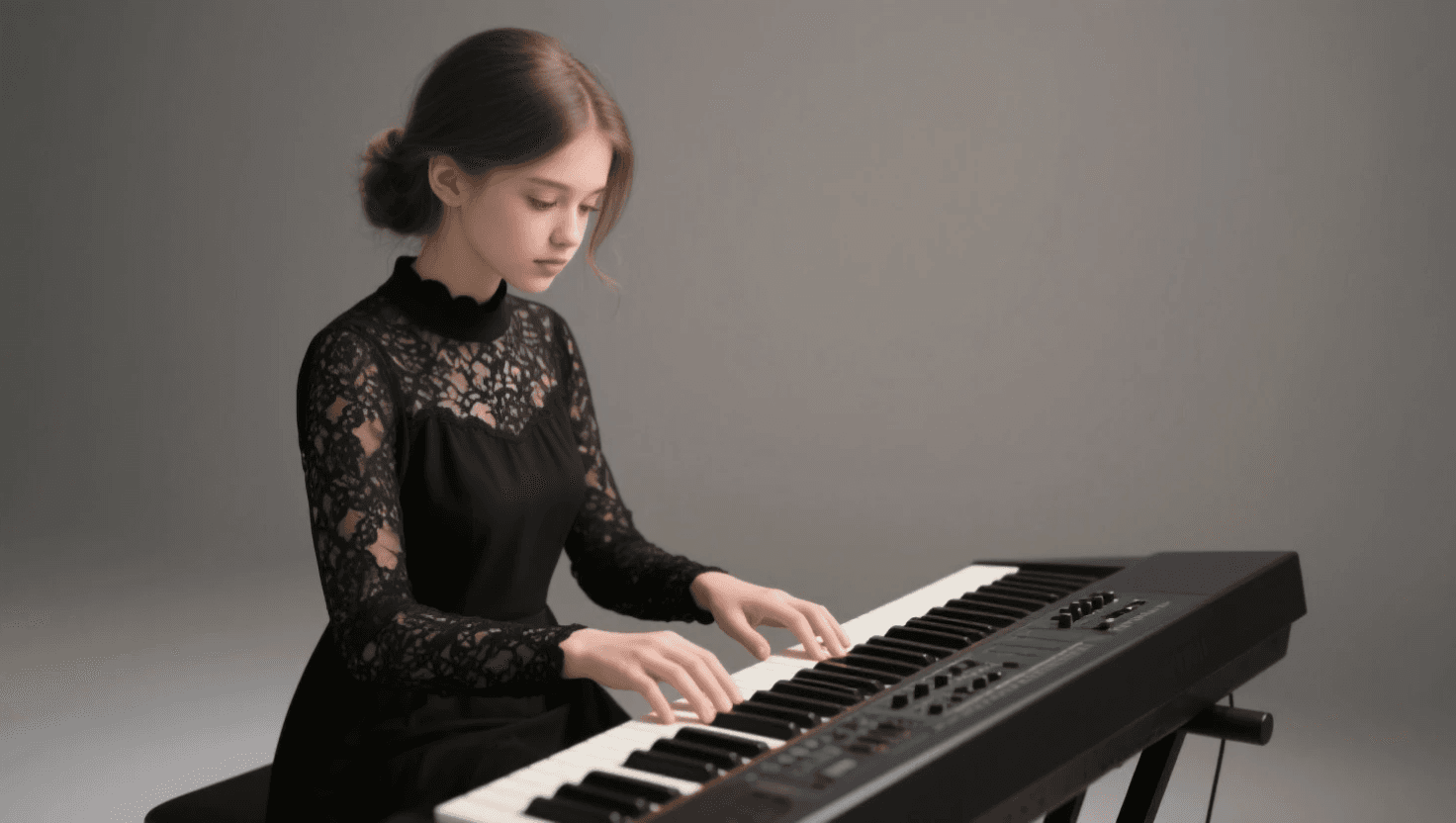
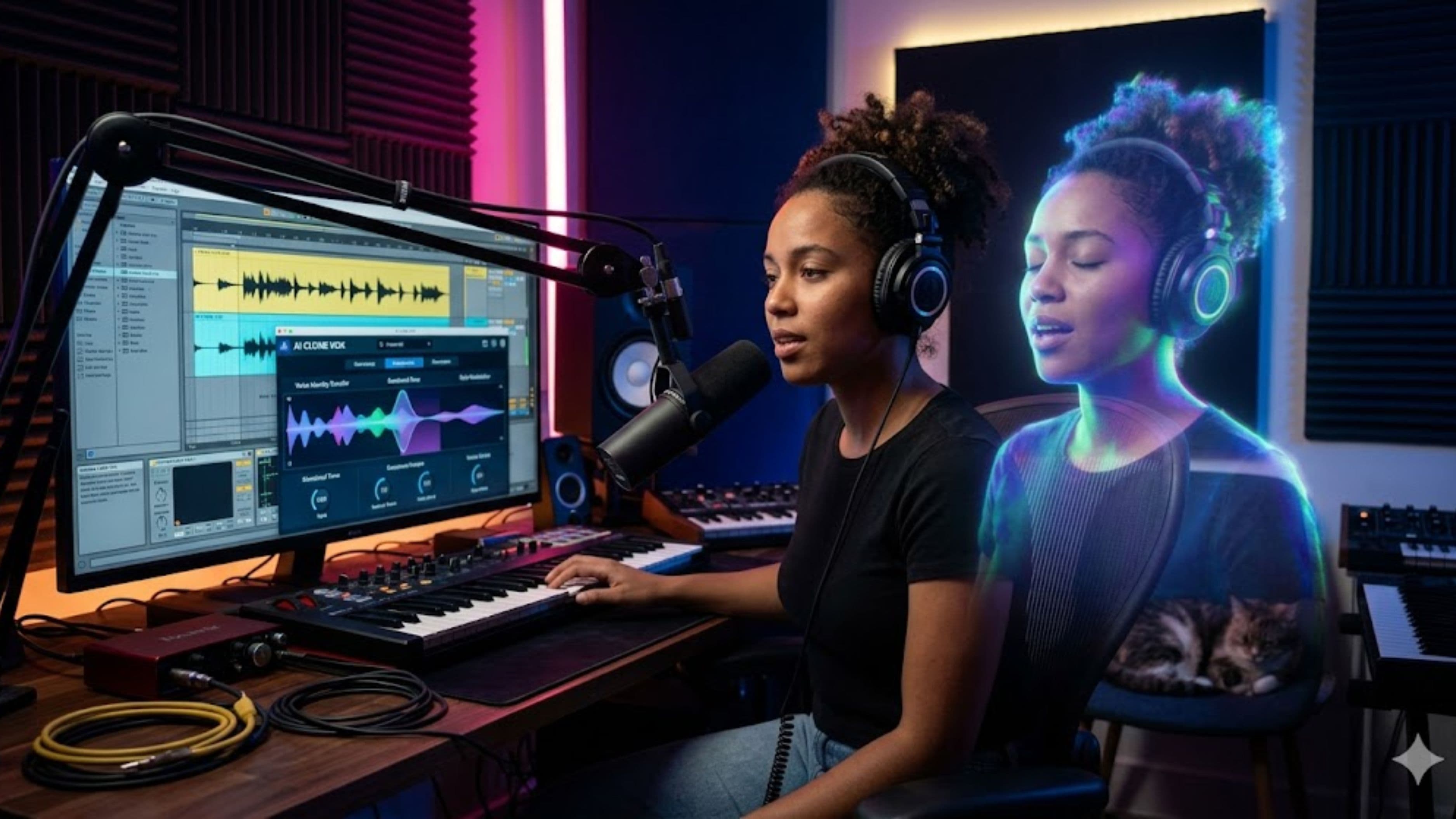
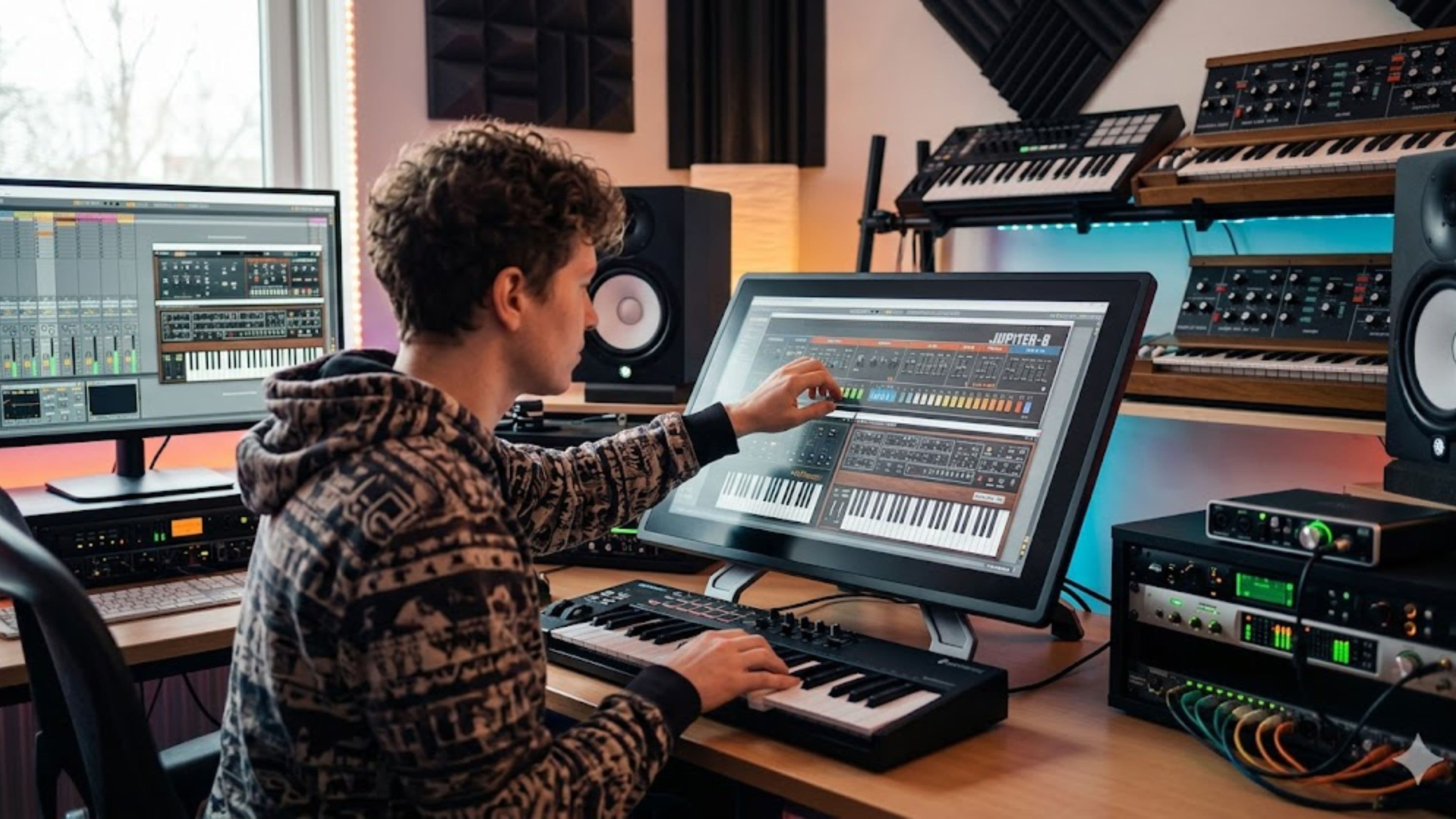
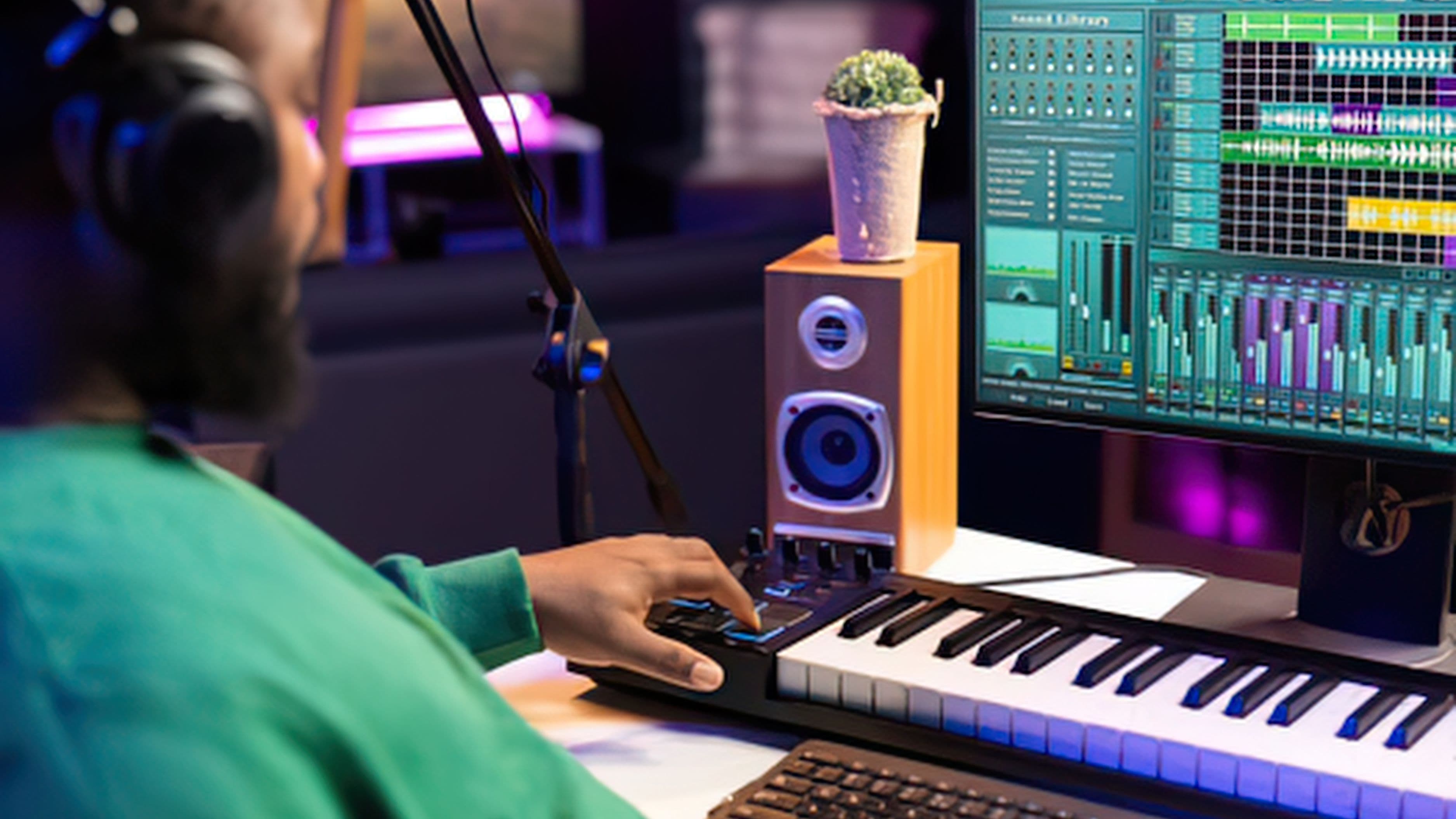
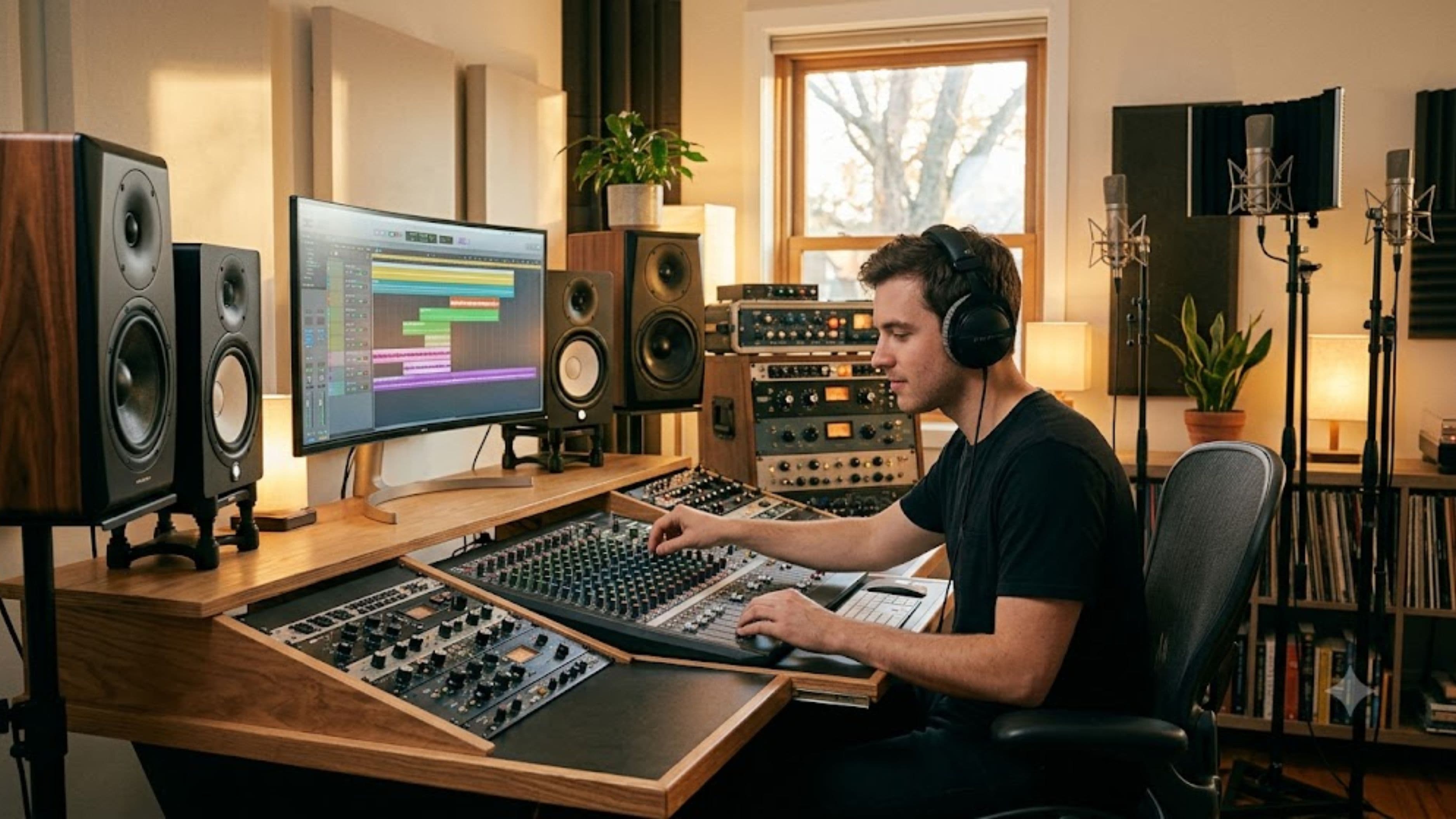
Pop music thrives on catchy melodies, simplicity, and production-ready sound. Instruments like the keyboard, acoustic guitar, and digital workstation (DAW) are widely used in this genre due to their flexibility and accessibility. Many modern pop artists also integrate electronic instruments and vocal processing, meaning aspiring pop musicians often benefit from learning music production tools alongside a traditional instrument. If you’re interested in songwriting, beat-making, or digital recording, pop provides one of the most adaptable entry points.
🪕 Folk and Country – Storytelling and Acoustic Roots
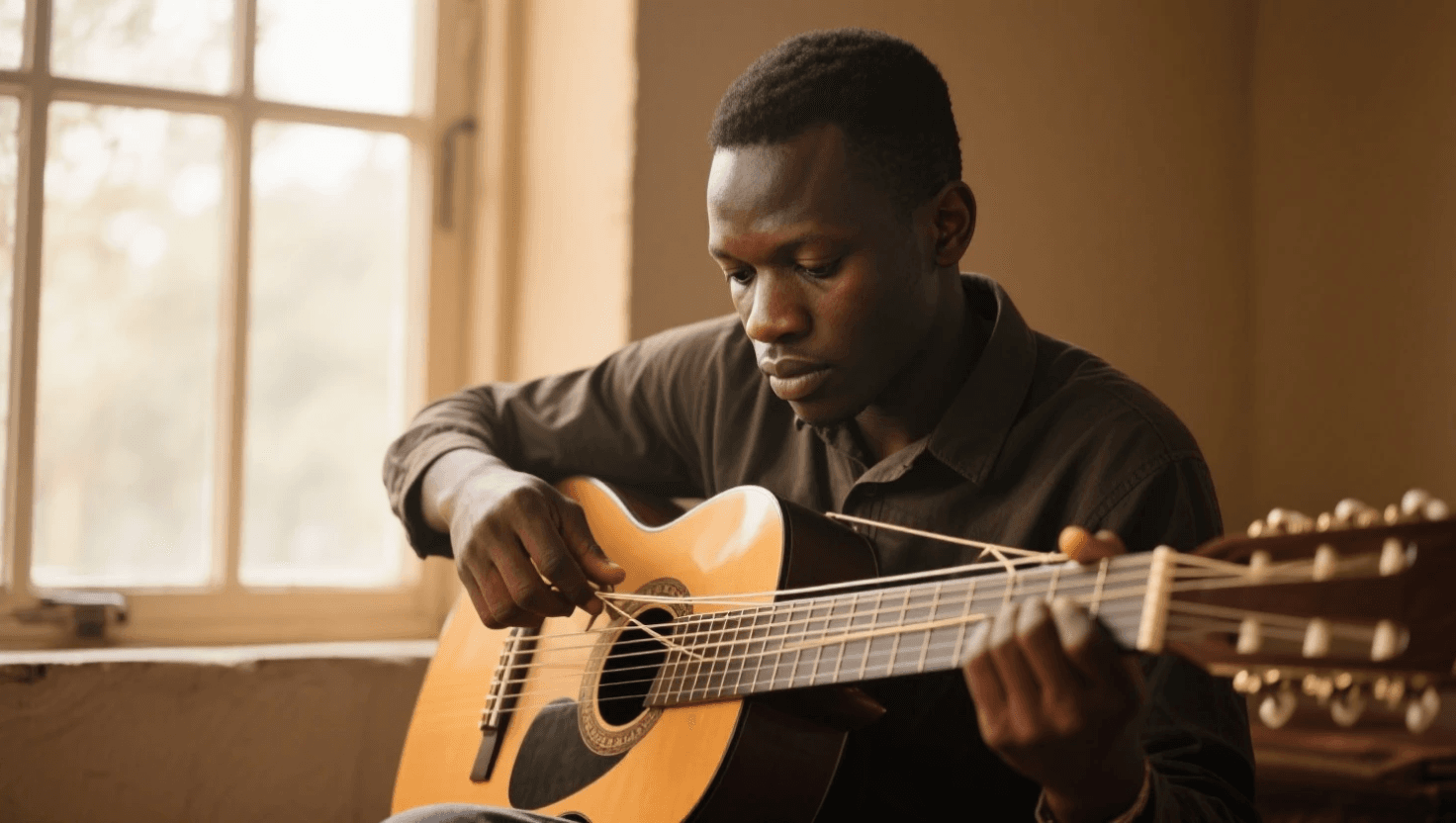
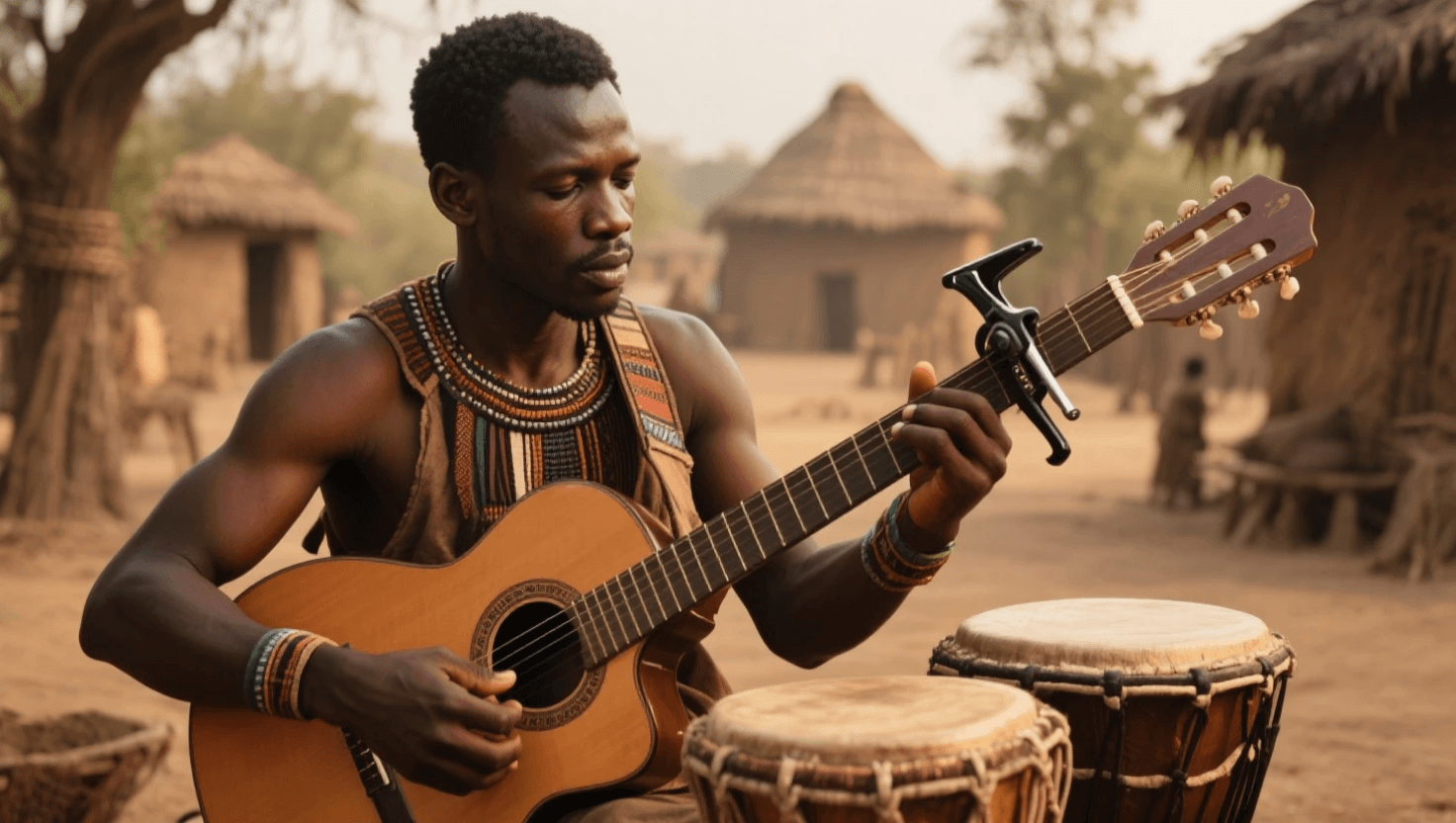
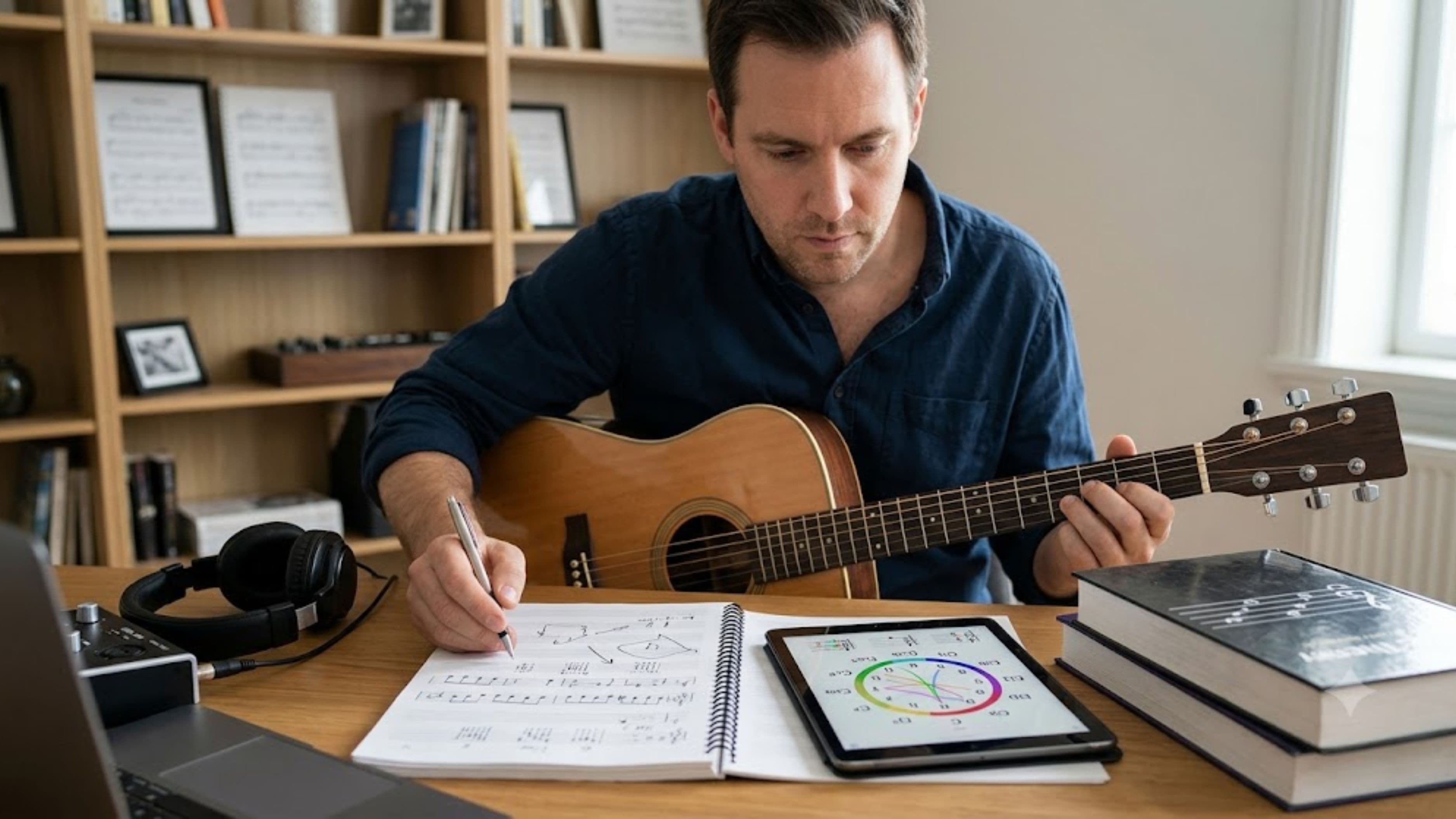
These genres emphasize narrative lyrics, melodic simplicity, and organic instrumentation. Instruments like the acoustic guitar, banjo, mandolin, and harmonica are central to folk and country music’s warm, down-to-earth character. For beginners looking to sing while playing or write songs with emotional storytelling, these genres offer a direct and intimate way to connect with listeners. Their accessibility and rich cultural roots make them ideal for those who enjoy acoustic textures and heartfelt performance.
🥁 Electronic and Hip-Hop – Beat-Driven and Tech-Forward
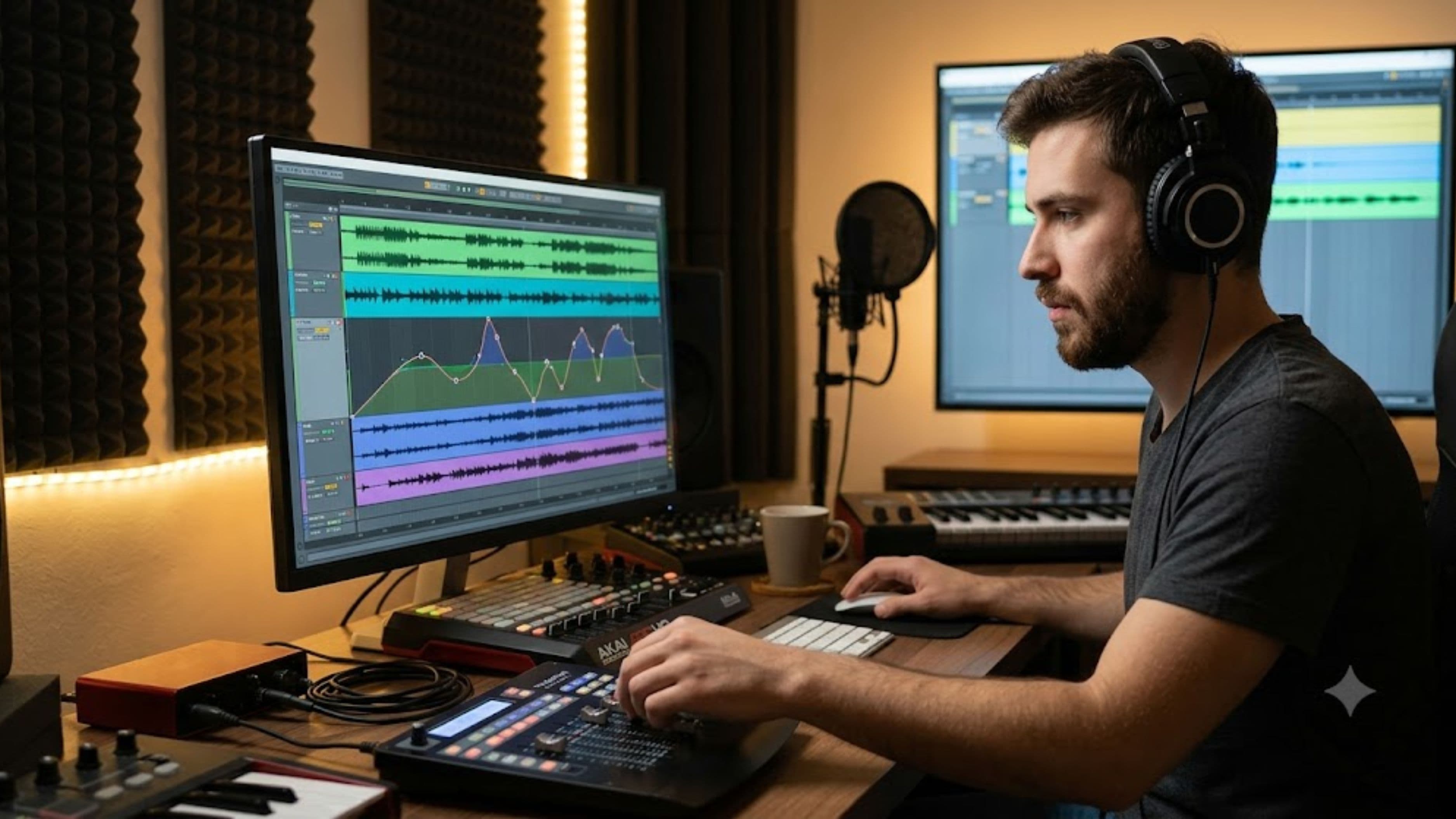
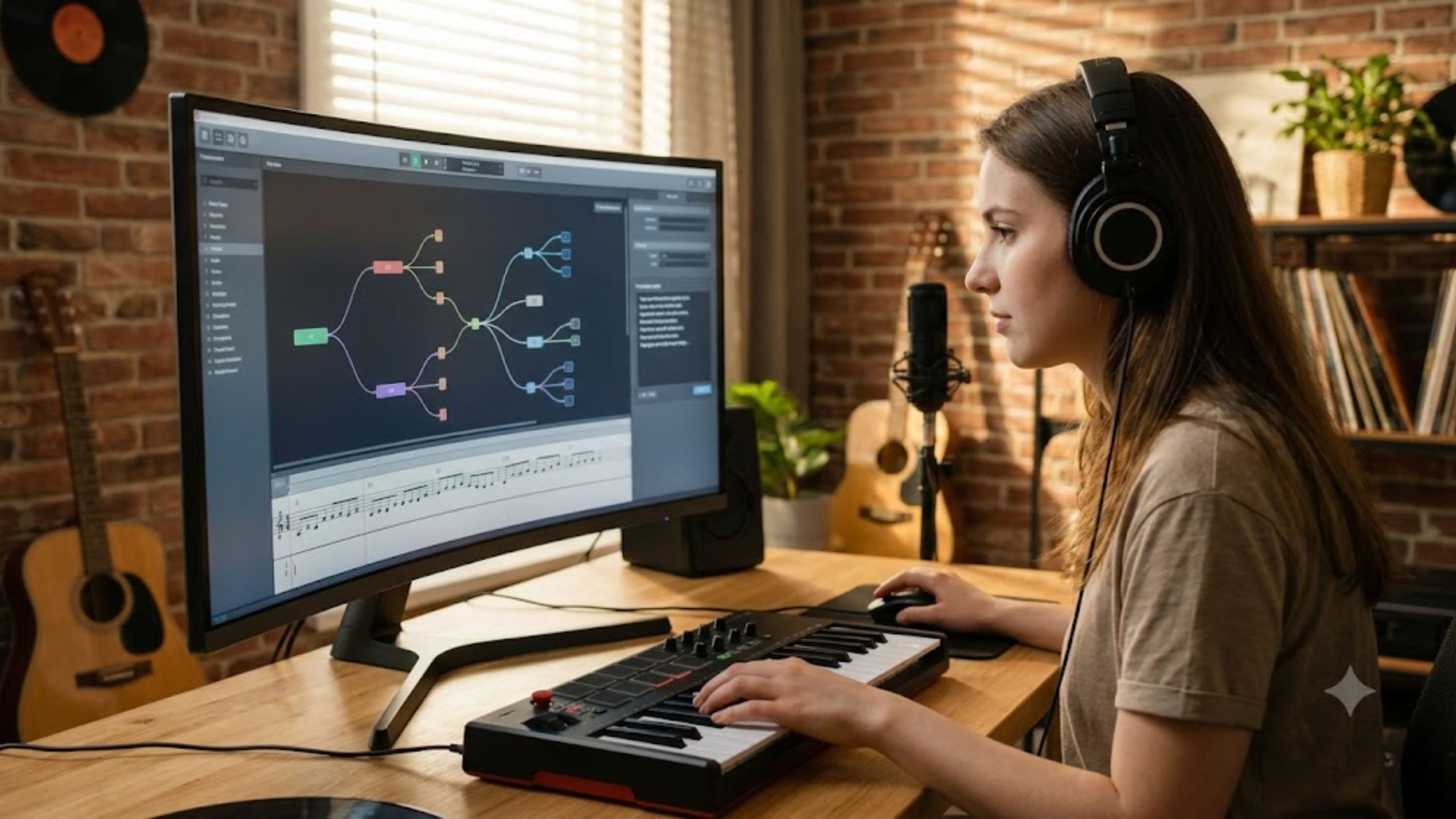
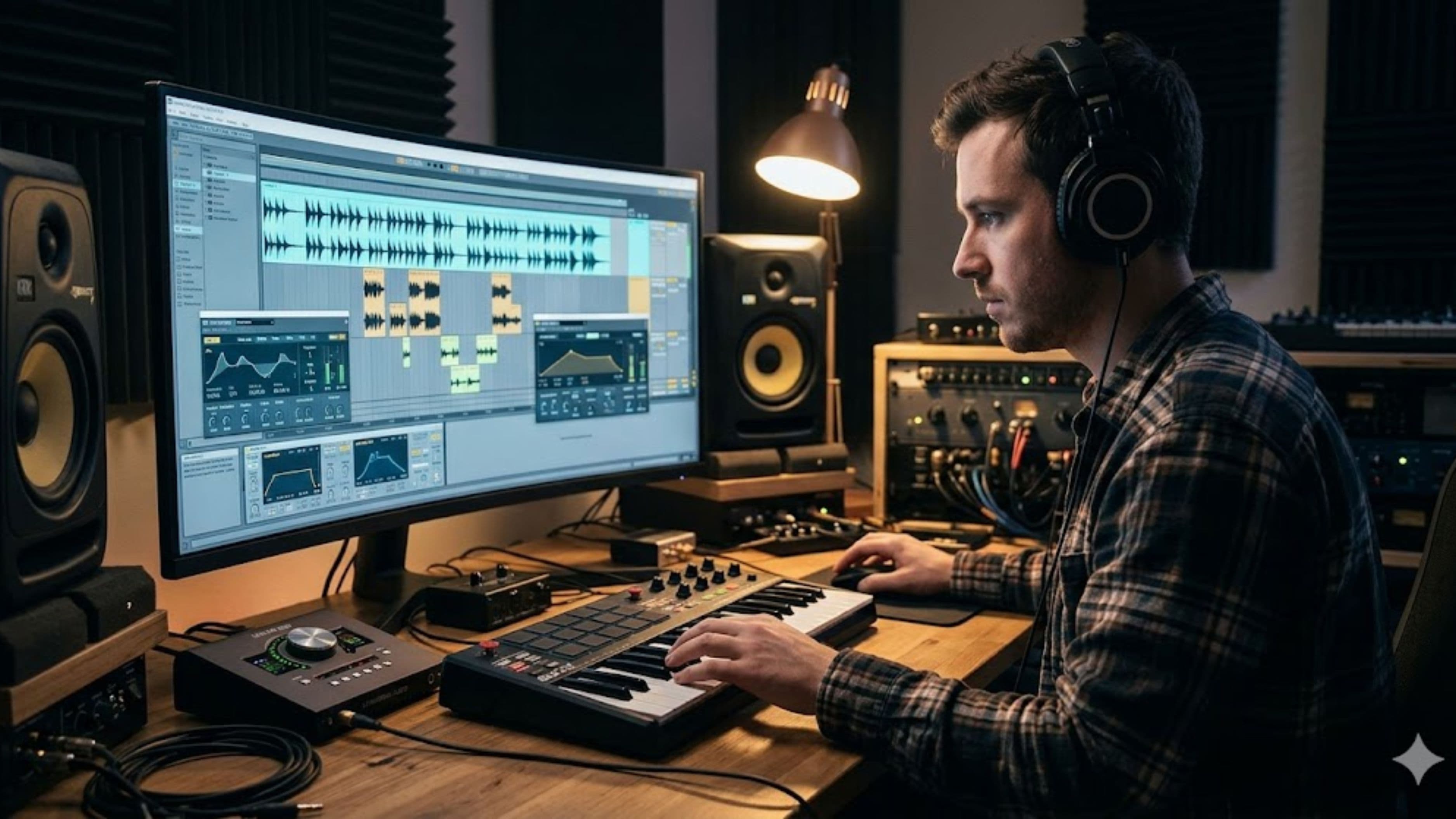
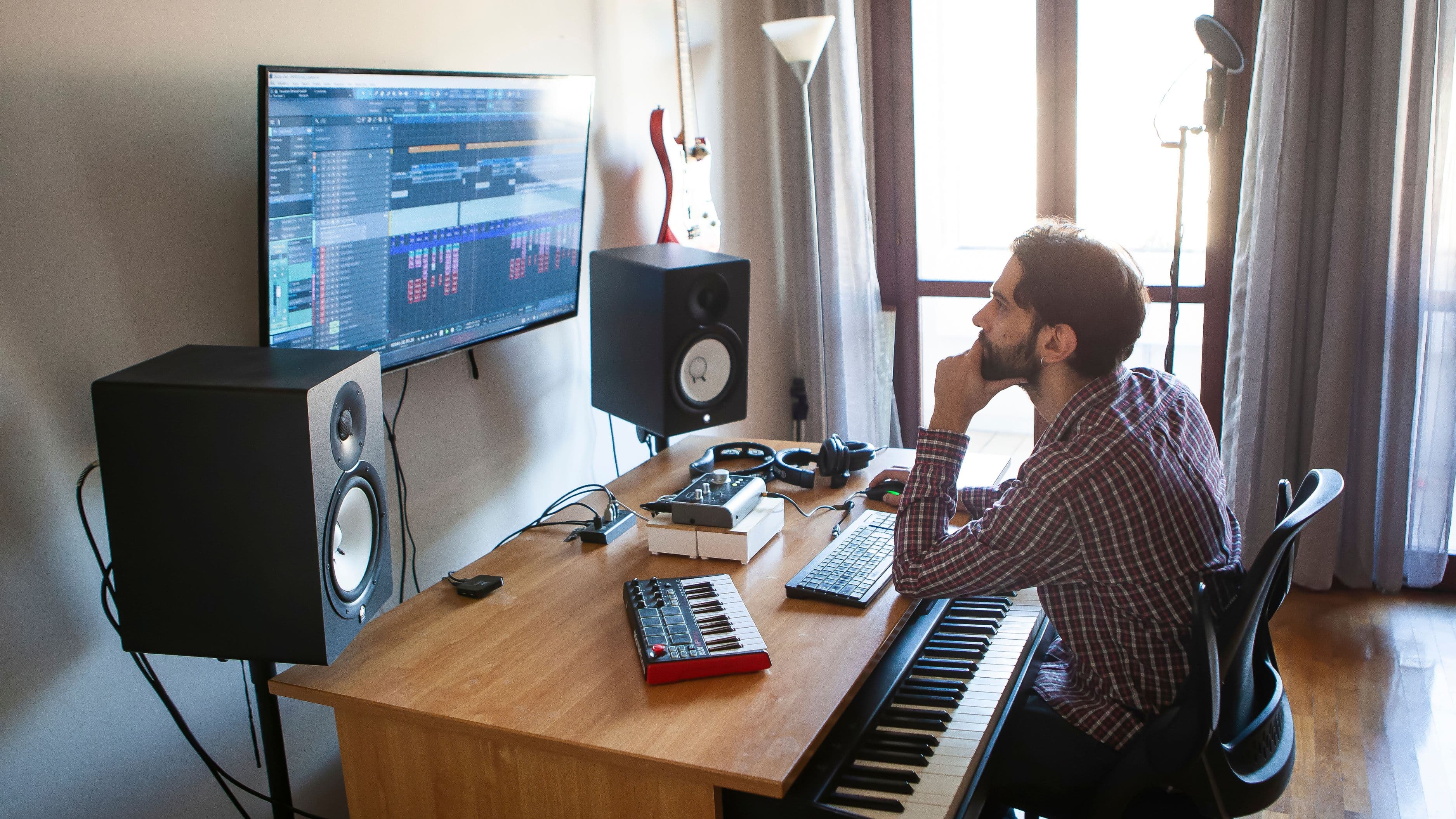
Genres like electronic, hip-hop, and trap are built around rhythm, sampling, and production. Here, the primary “instruments” are often MIDI controllers, drum machines, and digital audio workstations (such as Ableton or FL Studio). For aspiring producers, learning rhythm, layering, and software-based music composition is essential. These styles offer limitless creative control and are ideal for individuals who prefer experimentation and technology-driven sound creation.